
Clean, delicious, yummy, high quality drinking water – we all love it — we all need it! Do you prefer yours sparkling? How about supplemented with extra minerals? Hope your mouth is watering just thinking about it. Let’s talk about quenching that thirst in SEA.
In the USA they drink water straight from the faucet tap. Or, they drive their car to the store and buy some. In contrast, access to drinking water in SE Asia can be a hassle!
You should not drink from the faucet tap there, and many foreigners do not have transportation other than walking w/ their own two legs. A water filter for the faucet tap is good, but you probably won’t invest in one, if you aren’t living there long.
So, what are your options you may wonder? It’s hot in SE Asia – how will you stay hydrated?! You have several options that you are not aware of. Clean drinking water is taken for granted. Read, below, and know how to get water before you go.
Note
The locals don’t like getting sick form unclean drinking water, either. So, follow what they do based on your best judgement. Same goes for ice – most ice used for drinks in SE Asia is manufactured and clean ice, made with purified water. Nobody, you and the locals alike, wants dirty ice or dirty drinking water.
Water Per Day
For a normal day doing nothing but sitting around inside, expect to drink between 1 to 2 liters of water per day. Listen to your body – drink more if you need and stay hydrated.
Therefore, plan around needing 1 – 2 liters of water per day.
Clean Drinking Water
Buy from the store
1.5 L
5 L to 6 L jugs
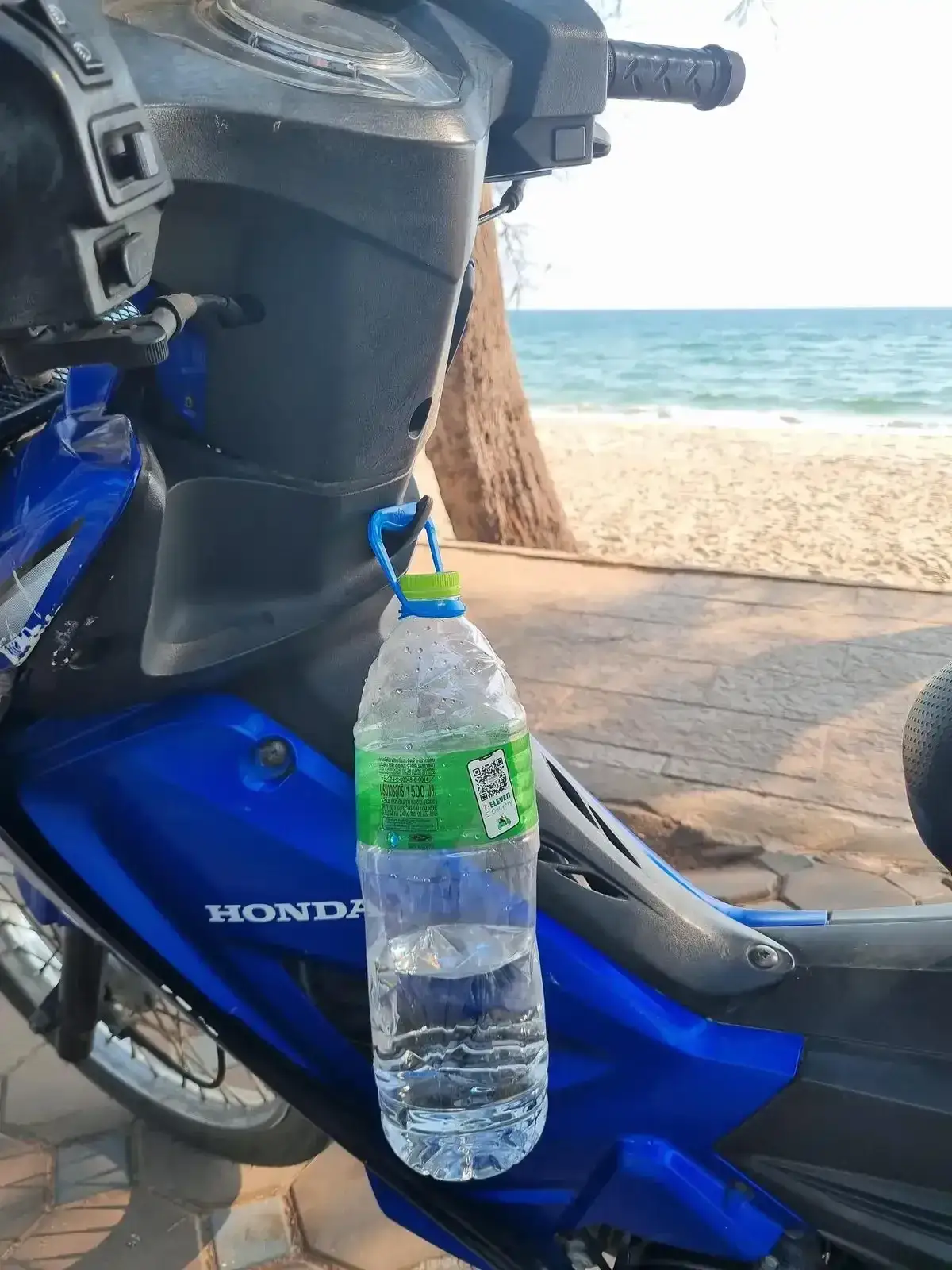

PROs
CONs
Refill water bottles – reverse osmosis machine
In Thailand you can refill your water bottles using the reverse osmosis machines… they have these almost everywhere! Price is 1 baht ($0.03 usd) per liter.
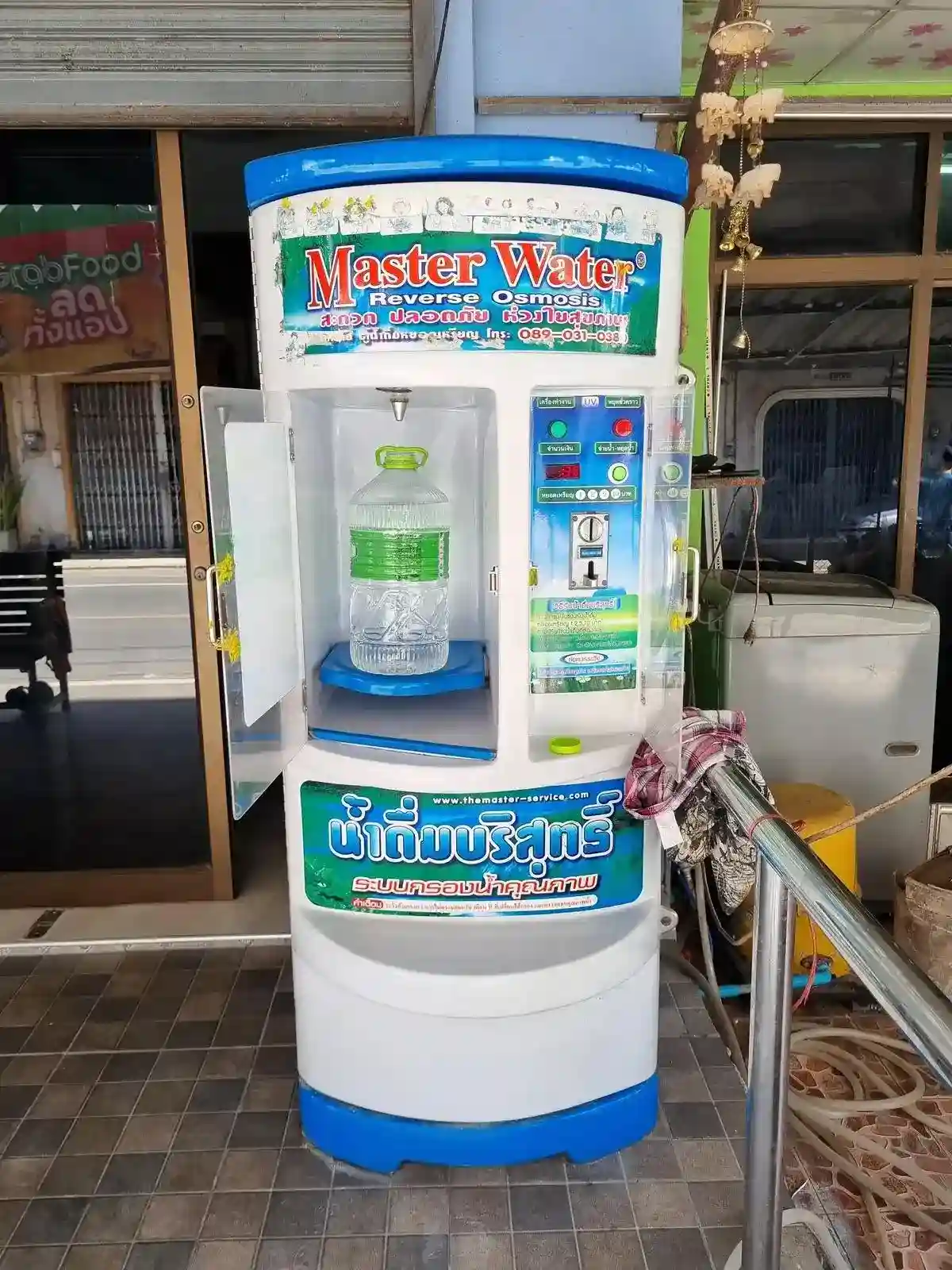
Tip
Buy a 5 liter jug of water from the store, then you have a large jug to refill at the reverse osmosis machines.
PROs
CONs
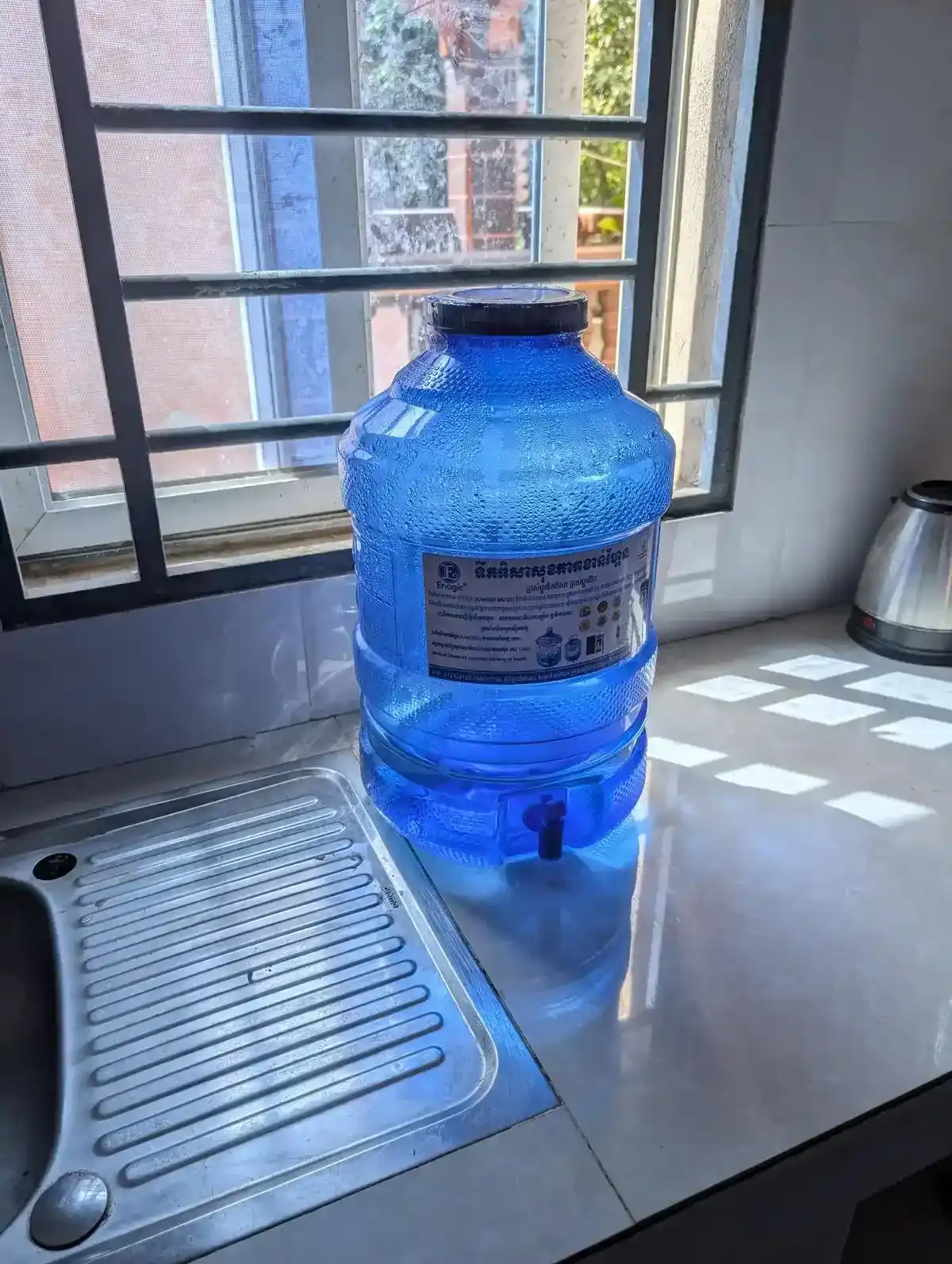
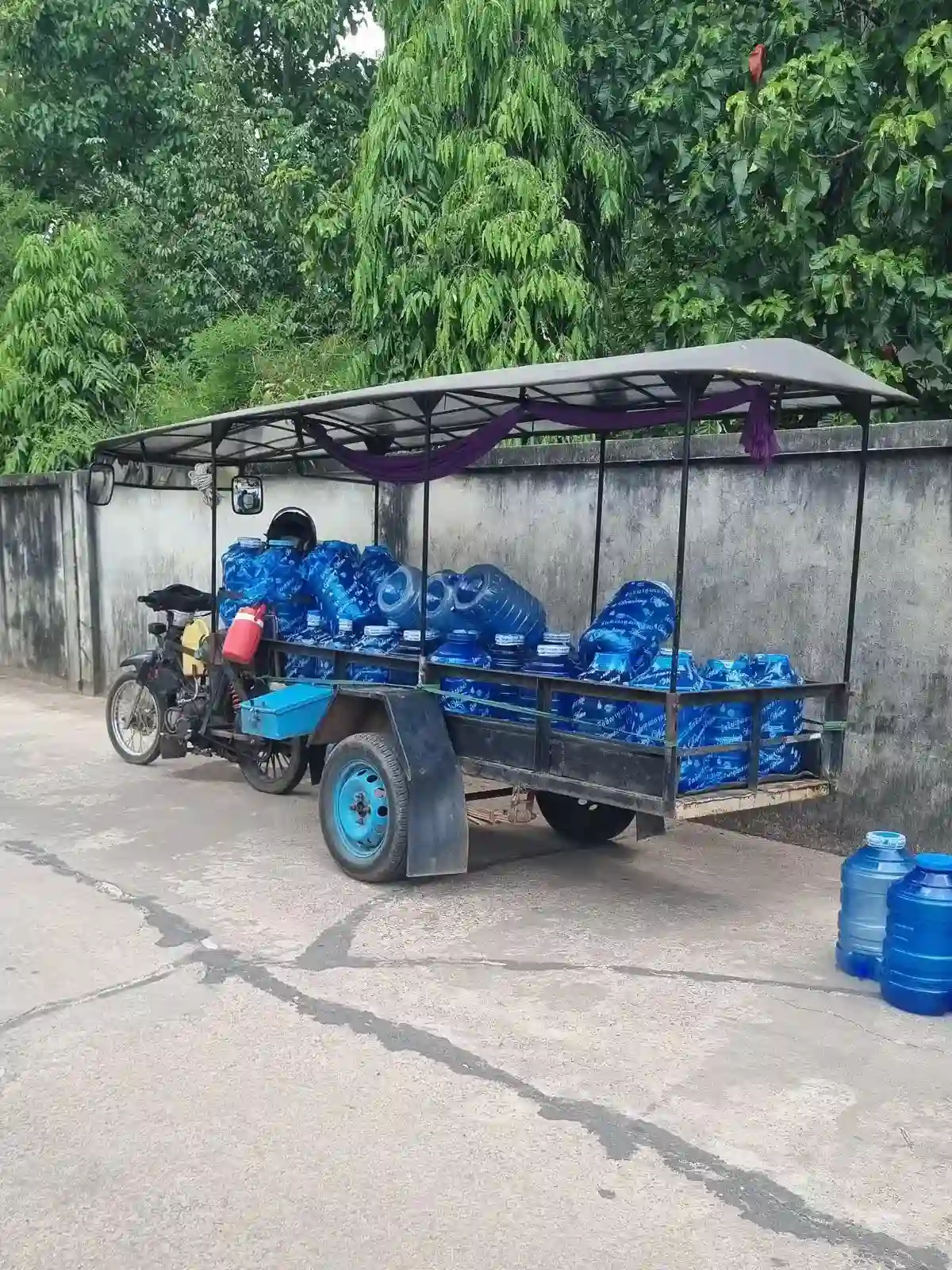
Refill water bottles – refill service
In Vietnam, Cambodia, and Indonesia there are water jug refill services. They are sold & exchanged at some grocery stores, too.
Each jug is roughly 20 liters. You pay for your first filled-up water jug (maybe ~$5), then you pay a much lower price ($1.25 USD) for each subsequent refill. Paying $1.25 USD for 20 liters saves you a lot of money in the long term.
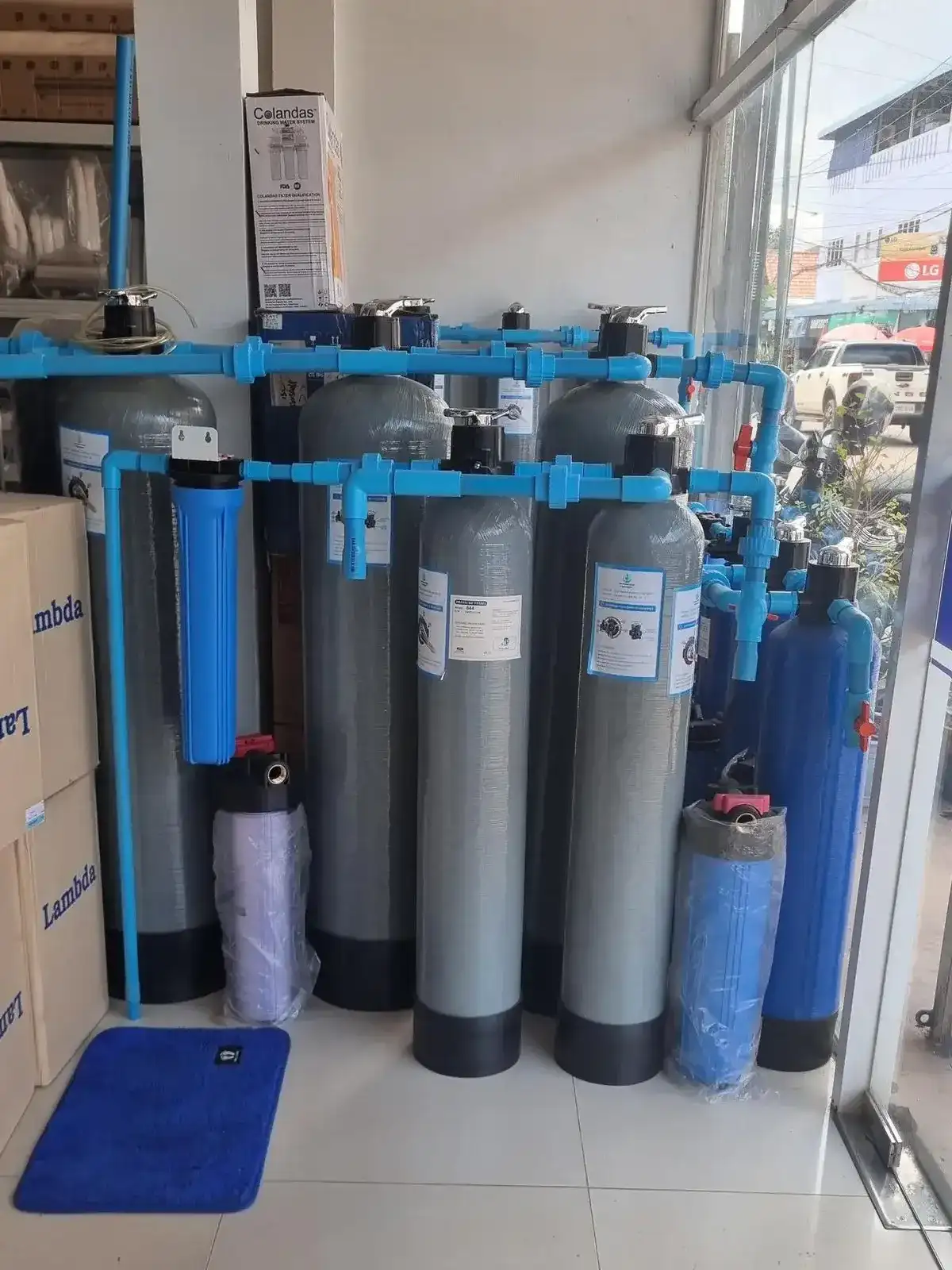
You’ll have to judge the refill place based on your gut instinct. For example, the refill services in Indonesia are hole-in-the-wall shops, but the water filter setups are quite impressive having multiple filters and a clean looking setup.
PROs
CONs
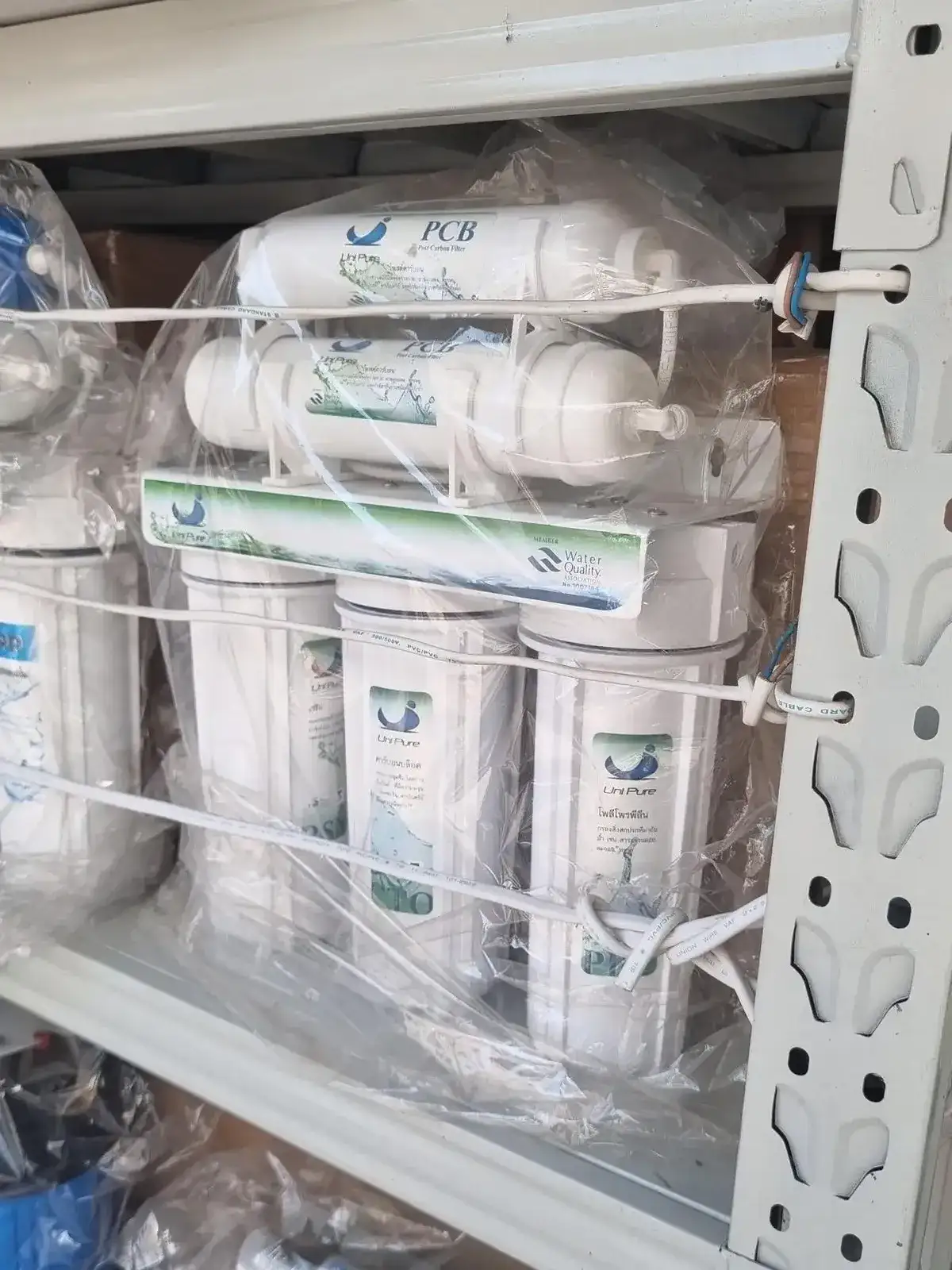
Water filter
Water filters installed on the faucet tap are very common. This is a great way to clean the drinking water. Clean and free of particle debris.
*Bonus points for boiling the water, too.
PROs
CONs
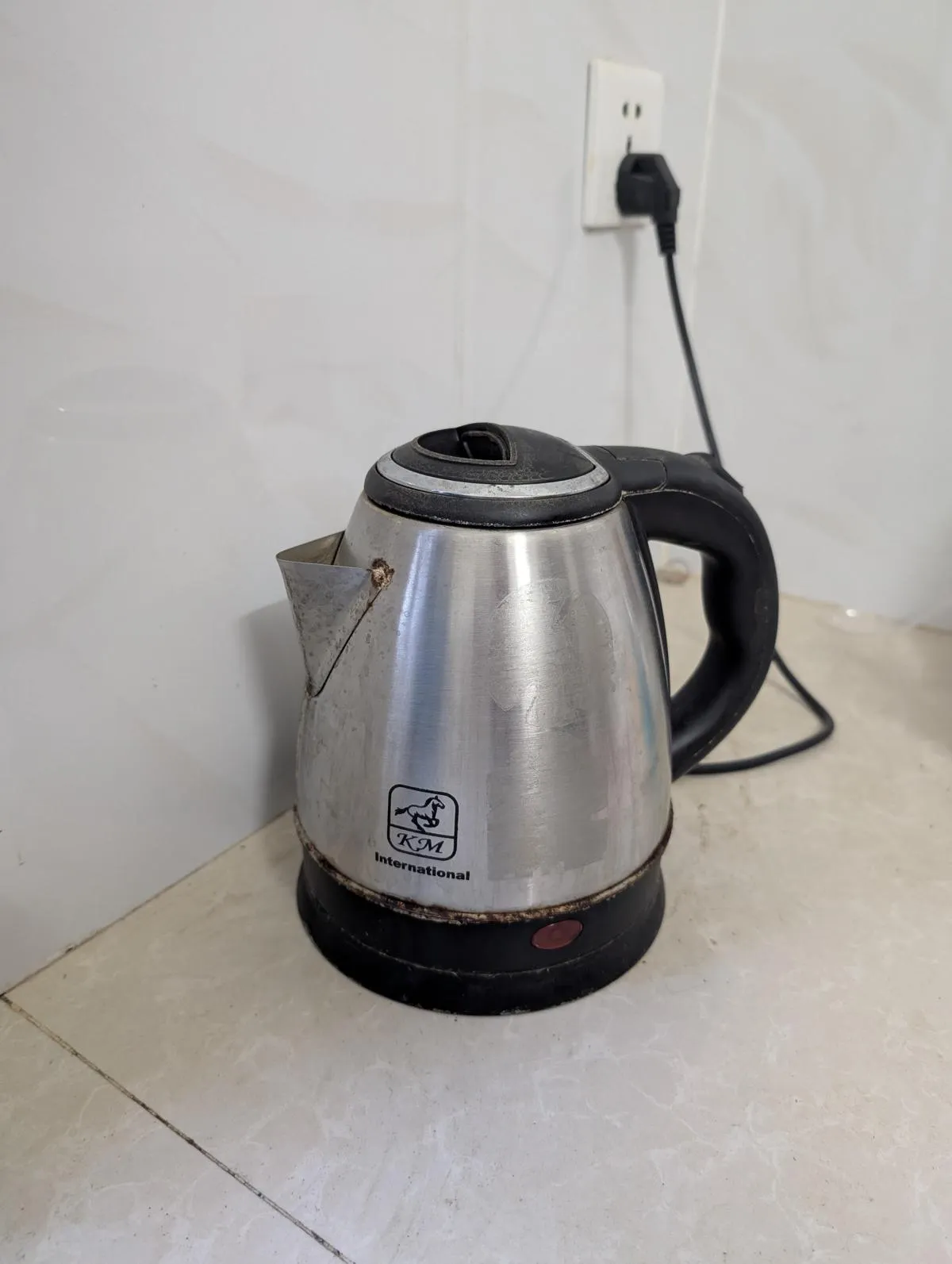
Boil water from the faucet tap
This will kill all bacteria. However, it does not filter out any debris.
It’s worth noting that, in the USA people drink directly from the tap and debris is not filtered out there, either. So, if you are comfortable drinking out of the tab in your home country, then is boiling water in SE Asia an issue for you? Up to you to decide.
*Bonus points for boiling water from a faucet tap that has a filtration system.
PROs
CONs
Tip
TRAVEL HACK: Place the kettle of hot boiled water in front of a fan. The fan will cool the water down within an hour or so, which greatly speeds up the process. This is not completely necessary, but a travel hack.
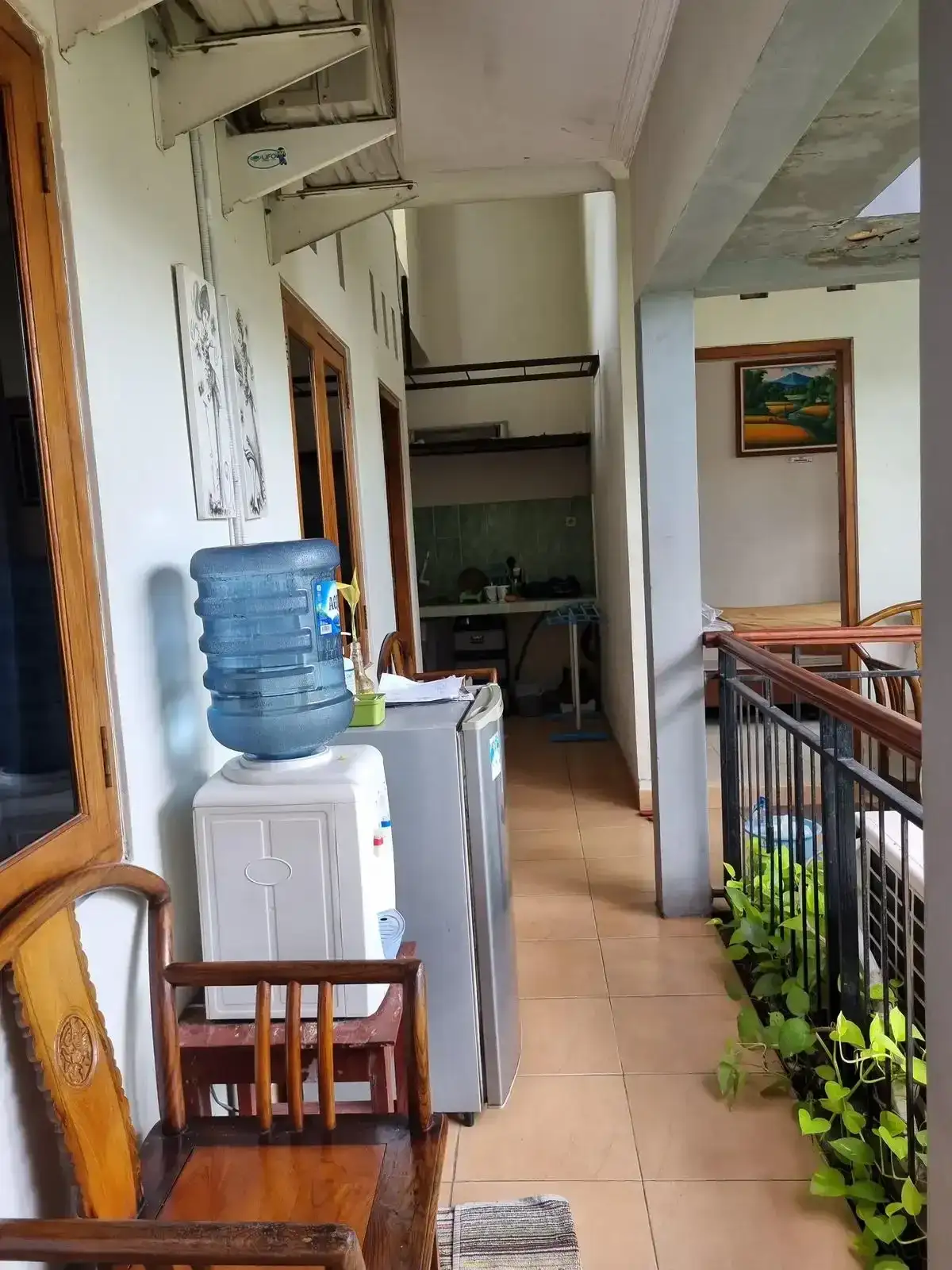
You accommodation provides water
Expect hotels to do this. If you are renting by the month somewhere, then most likely they will not provide drinking water. Higher-priced accommodation might provide a water filter (check if it is it clean?).
>
Bottles of water.
>
A big jug to refill your water bottles.
>
Water filter(s) / filter system installed on the faucet taps, making it safe to drink directly from the faucet (depending on how clean and new they are).
You may not need to worry much about water if your rental or hotel includes it for you. You do pay for it through your rent, though – nothing is free.
Water Alternative
Beer! Ok, there is not 100% replacement for water. But, the Germans used to drink beer, instead of the local water supply, for the sole purpose of being known to be safe drinking … Or so they say. Perhaps just a convenient excuse to have a beer or not, beer was seen as a alternative.
-> Checkout our post on the beers of SEA, “Beers of Southeast Asia – Brands & What’s on Tap (on ice?!)“!