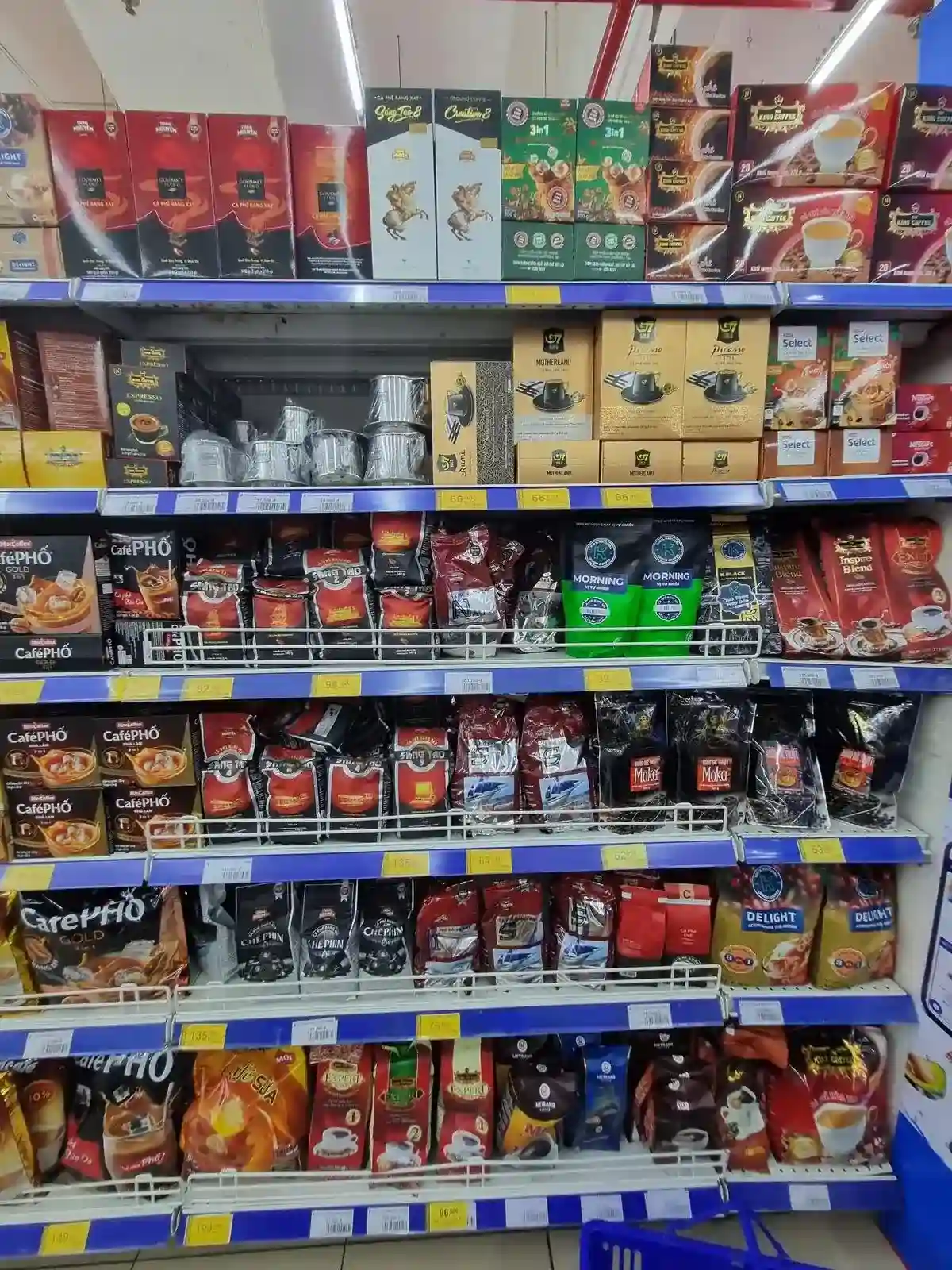
There is a whole world of coffee out there! Explore the country, explore it’s food, and explore the coffee!
SEA countries, each, have a specific type of coffee that they focus on.
You may be thinking, “coffee is coffee … I know what coffee is (referring to potted coffee or common espresso-based drinks).” However, it is impressive to find that there are so many coffee variants and styles in the world. Beans, roasts, brewing methods & contraptions, and mixers (milk, condensed milk, egg cream, sugar, and even ice cream) are influenced by culture and limited only by our creativity.
Also, if you are interested in café culture, checkout out post, <Fun Cafes / Coffee Shops of SE Asia – a vibe for every mood!>.
Coffee throughout SEA
American-style Potted Coffee
PRIMARILY: the USA (nowhere in SE Asia)
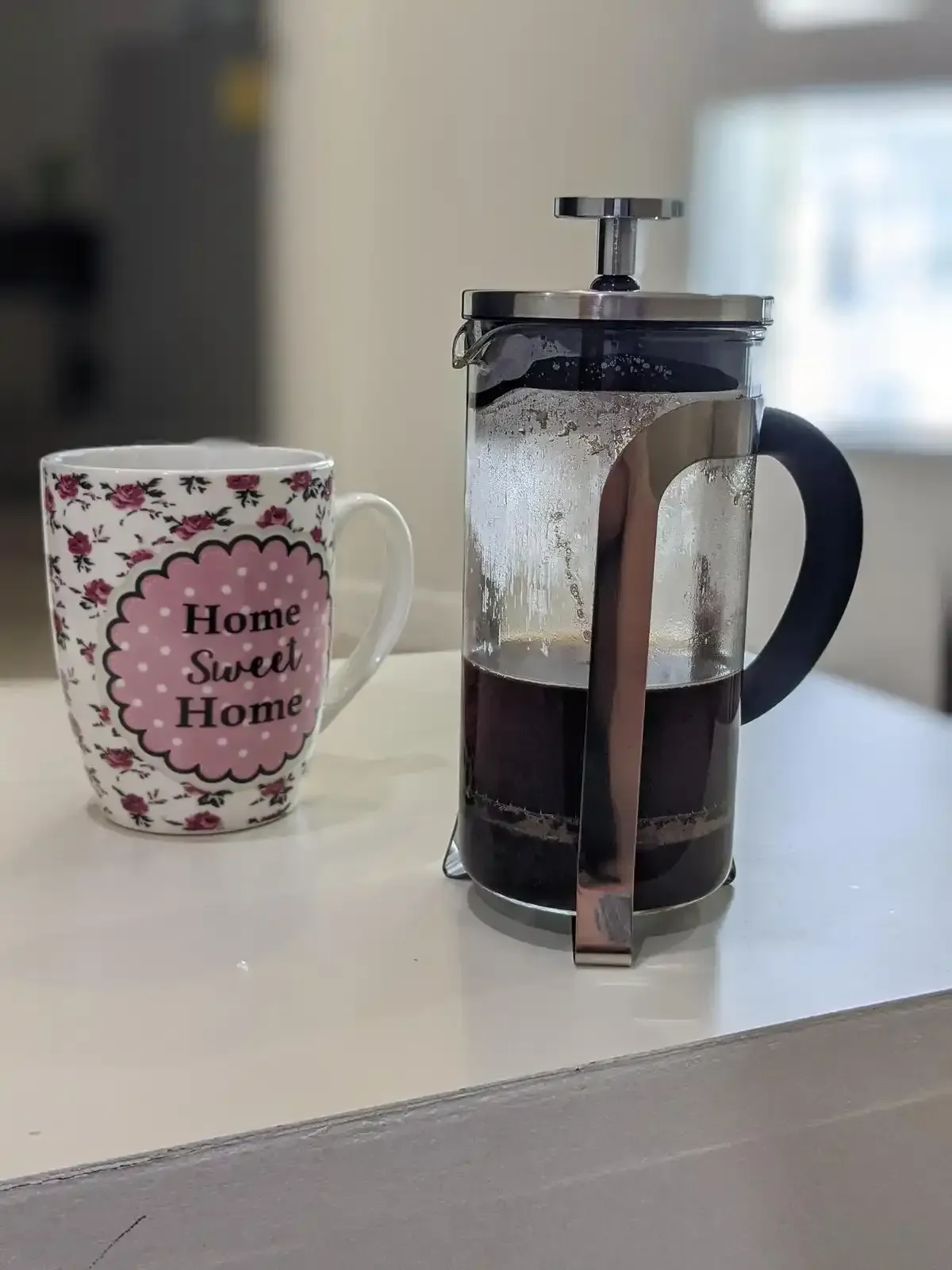
If you prefer American-style coffee, then you will need to make your own. Use a French press, which is as closed to American style as you will find, or purchase a coffee maker.
American-style potted coffee is only found in Starbucks, it’s just not a common brew method used in SEA. However, Starbucks will rarely make it since no-one orders it and they do not want to loose money (aka “the machine isn’t working today”).
Some coffee shops have French press coffee, but ordering it comes with a premium price tag compared to other coffees.
Carry around your own French press and make your own coffee. You can make it just the way you want, while saving money and time in the process.
Espresso-based
PRIMARILY: Thailand, Laos
Espresso-based coffees are served in most of the cafes in SEA. With the exception of Vietnam (see below). You know what to expect – Americano, Late, Cappuccino, Espresso, and the like.
It’s what you’d expect with one small twist: SE Asia is hot, so iced coffee (yes, it has ice inside – it’s not just cold like ‘cold brew’) is very common.
Expect a dash of sugar and milk added by default. You’ll have to specifically ask for it without if you do not want sugar or milk. What you’ll notice is that most coffee places sell milky, sugaring, coffee drinks.
The standard cappuccino, late, espresso, etc are available, too, however, these are not as commonly ordered.
Phin-brewed (a Vietnamese Pour-Over)
PRIMARILY: Vietnam, Cambodia
Per the wording, the Phin is uniquely a Vietnamese style. The Phin is small, lightweight, and thus portable. It makes for a great souvenir, or for making your daily brew on the road. It is typically made of tin or stainless steel.
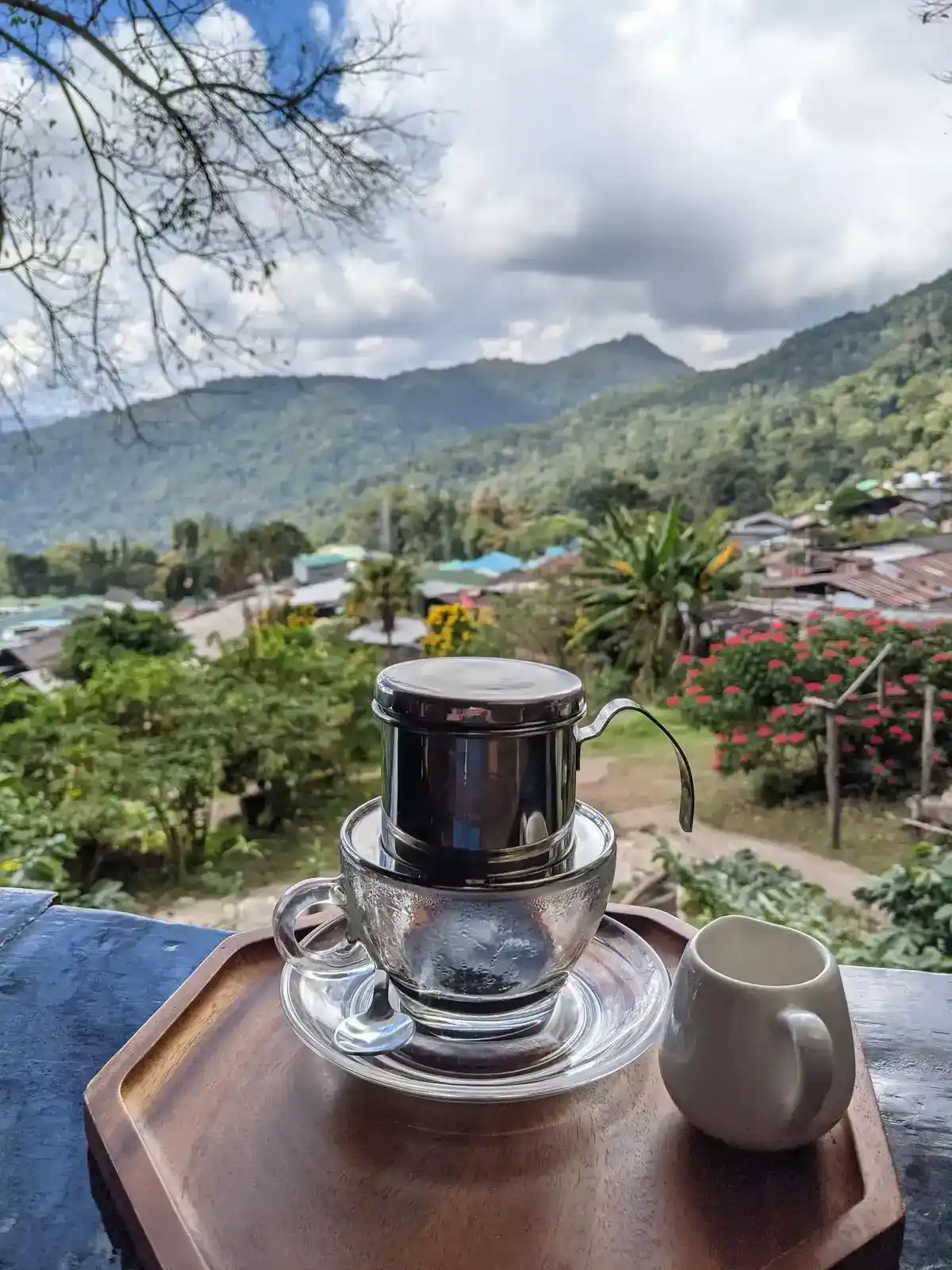
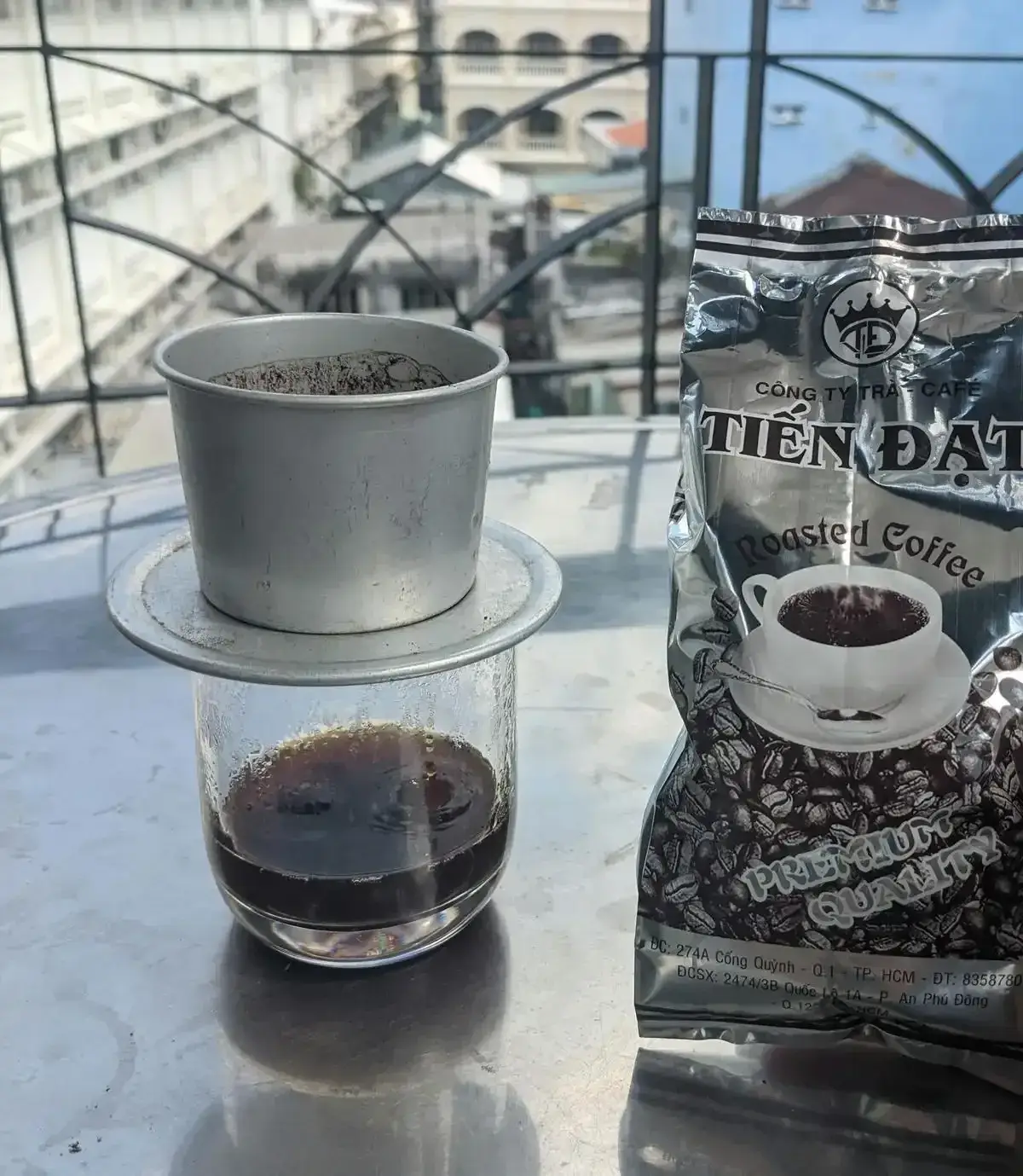
Cambodia brews with a Phin, as well. However, they limit their drinks to plain black coffee, unlike the variety of unique drinks available in Vietnam.
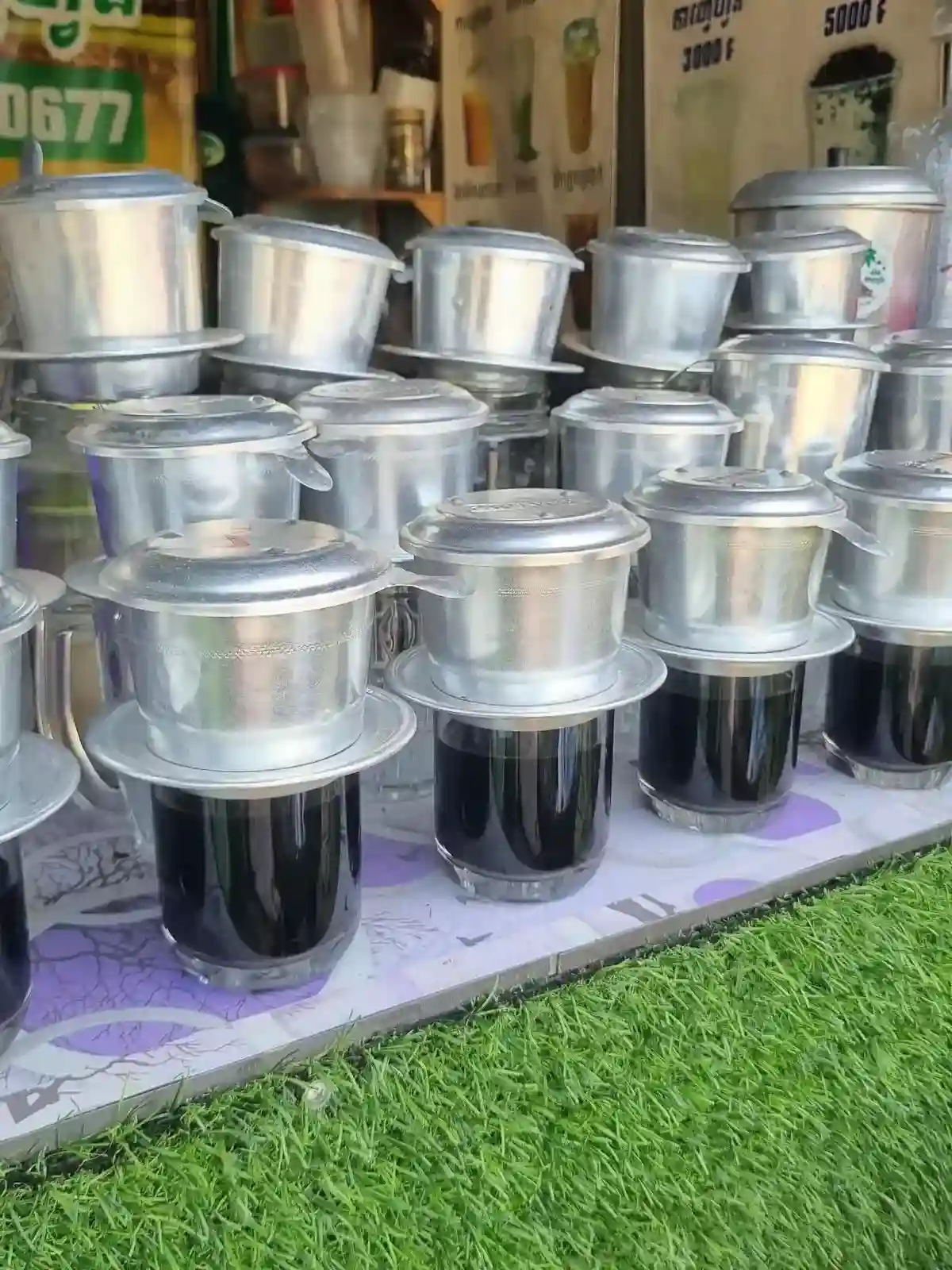
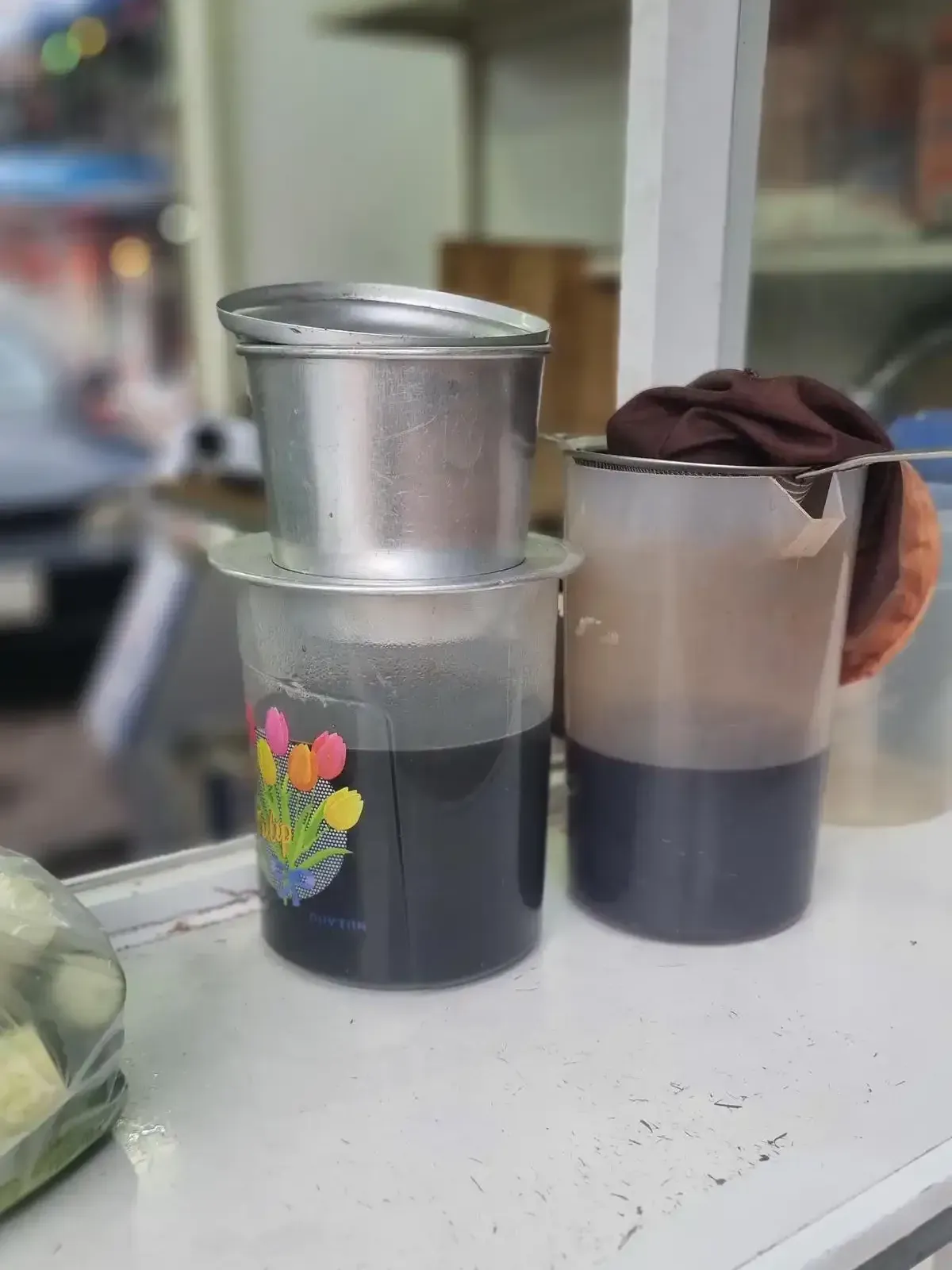
The slow-drip Phin-style coffee produces concentrated – and strong – coffee brew with rich flavor.
However, the beans in Vietnam have a very unique and richer-tasting flavor compared to beans anywhere else in the world. This is due to how Vietnamese coffee beans are roasted and whichever flavoring is added to give it that very unique Vietnamese flavor.
Fine-grained Coffee Tubruk
PRIMARILY: Indonesia
Fine grained coffee placed directly into your cup + add boiling water + stir = coffee tubruk. It doesn’t get easier than that! Let the brew settle for a minute – the fine grains will settle to the bottom of your cup. When you sip the sediment should stay at the bottom.
This coffee is referred to as “mud coffee” or “collision coffee” in English. It is a very simple coffee brewing method, which is as easy as making an instant coffee. The plus, is that it is “real” coffee and not an instant mix.
If you do not enjoy this, you can use a french press brewing method
with these fine-grained grounds, too!
Instant Coffee
PRIMARILY: Malaysia
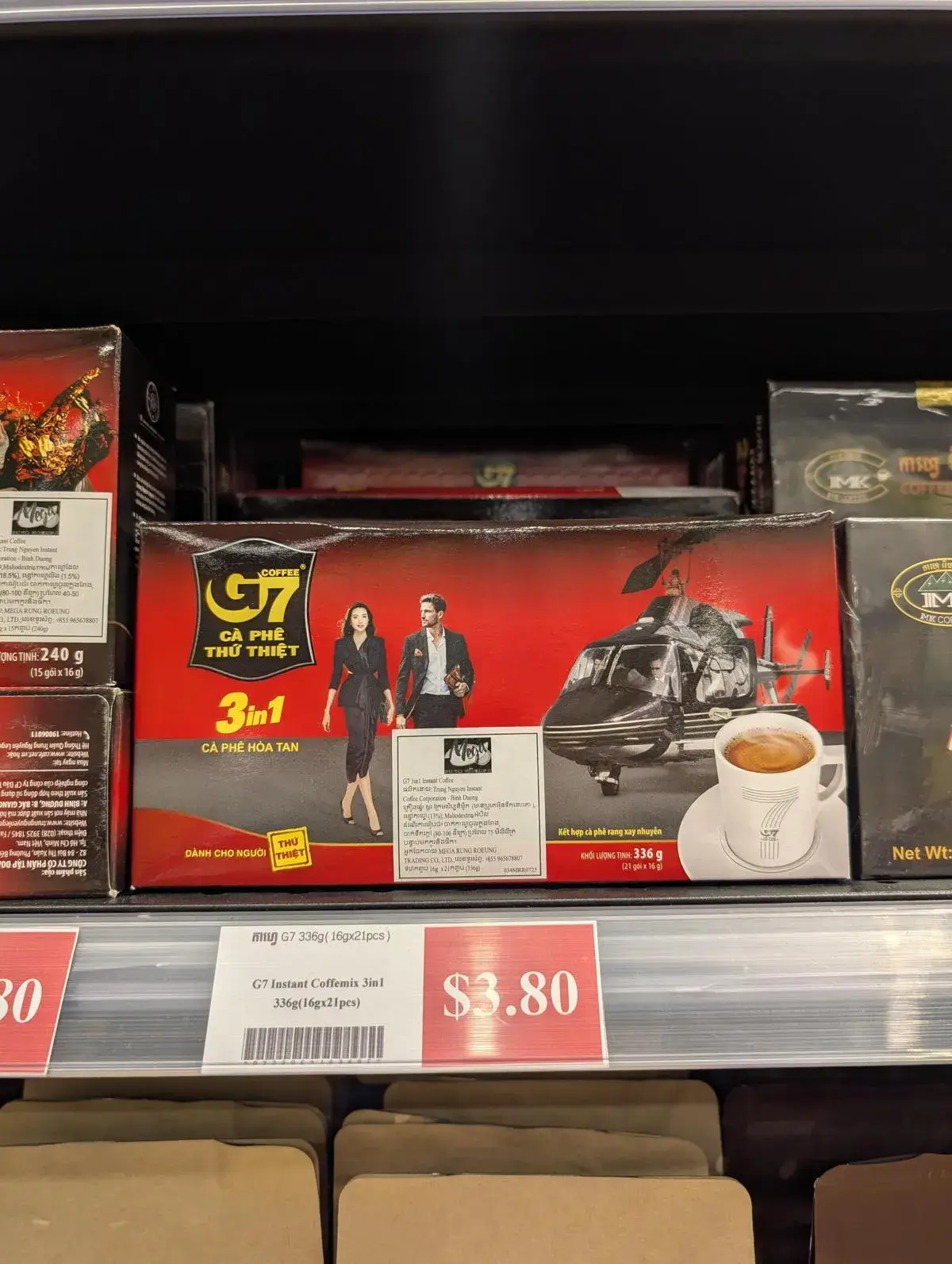
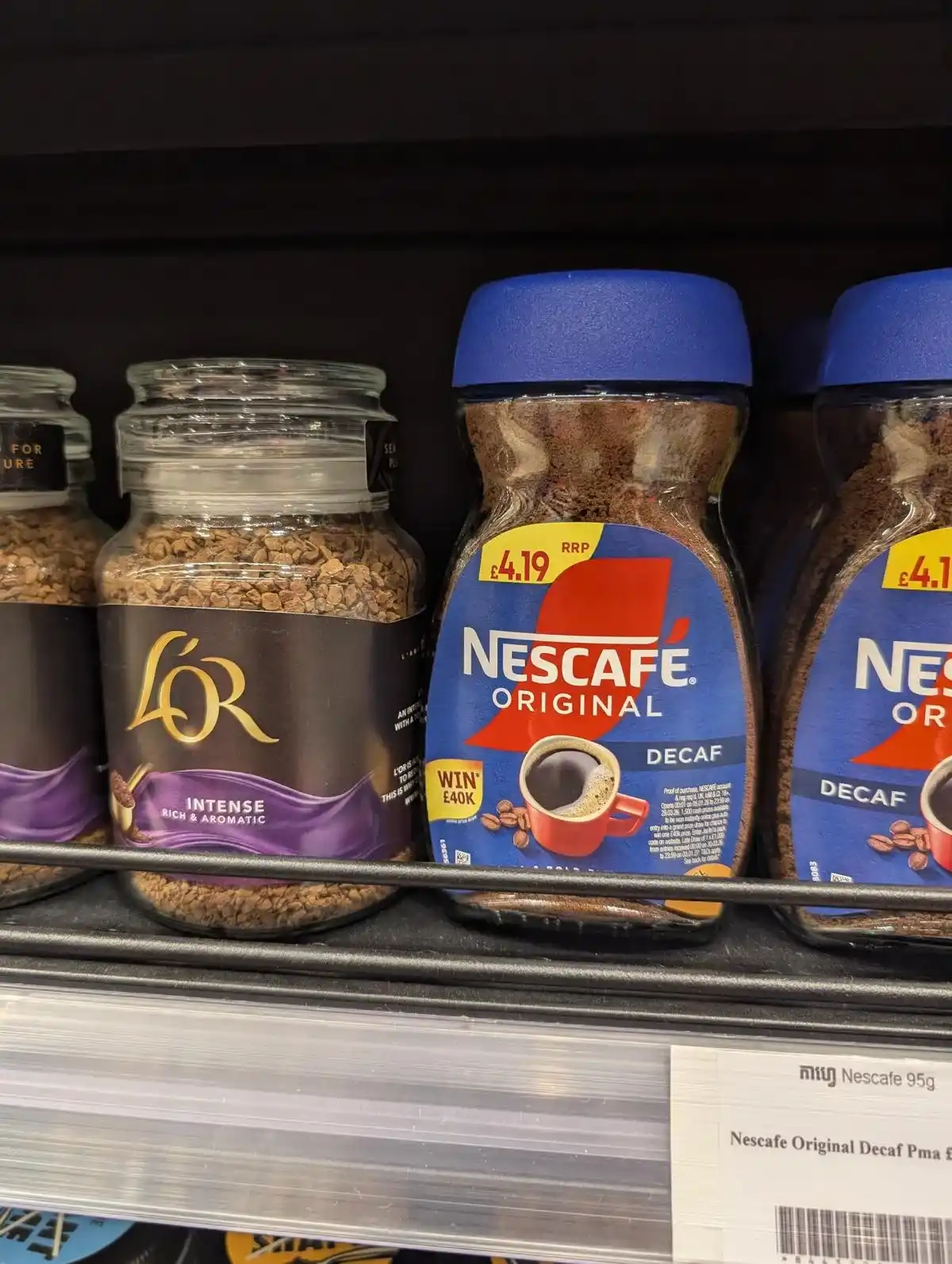
It seems the only coffee sold in grocery stores in Malaysia is instant coffee. A popular brand & style of coffee is “Old Town” brand, which has condensed milk. Malaysians sure seem to like their coffees and drinks sweet, very sweet.
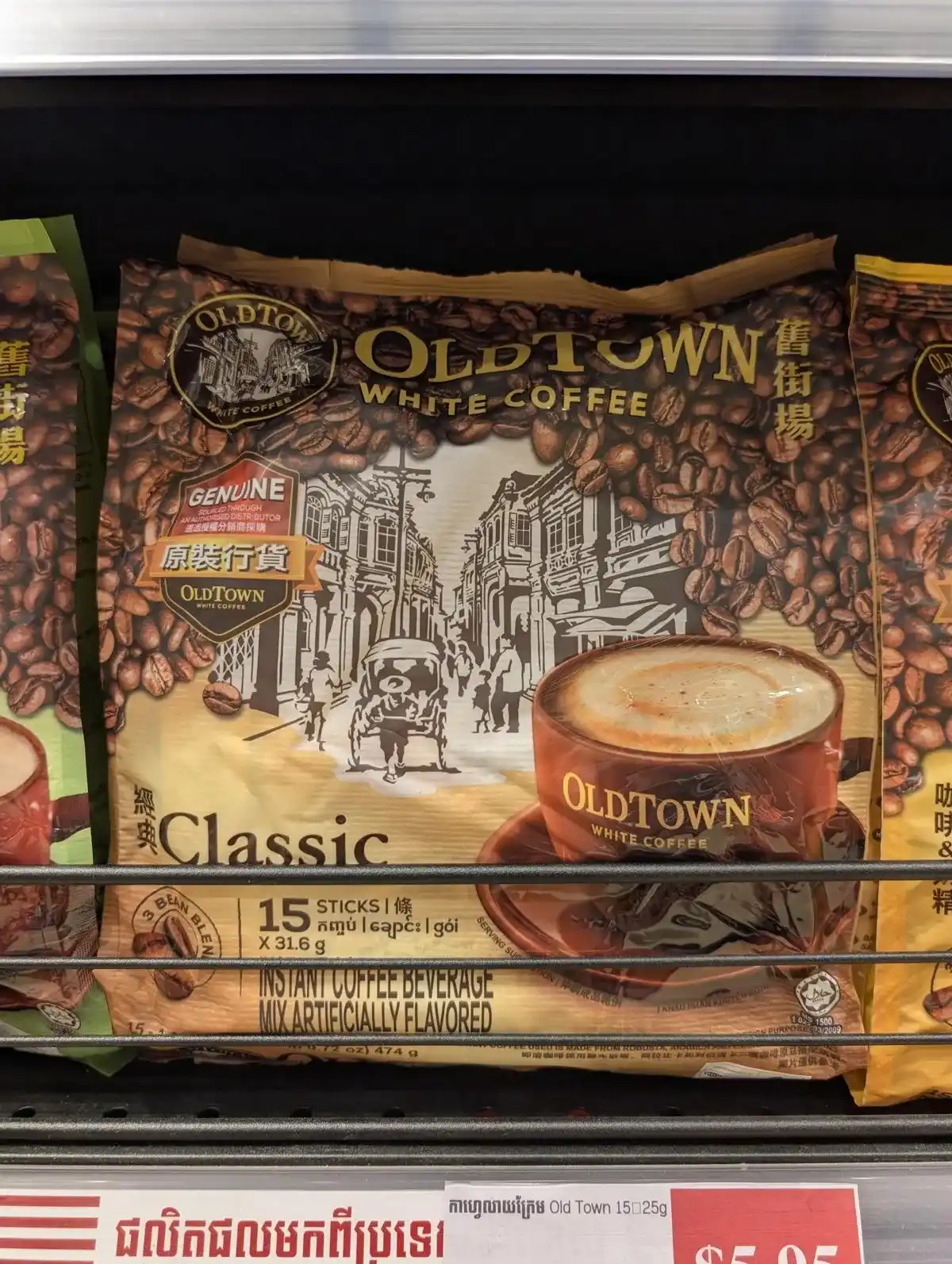
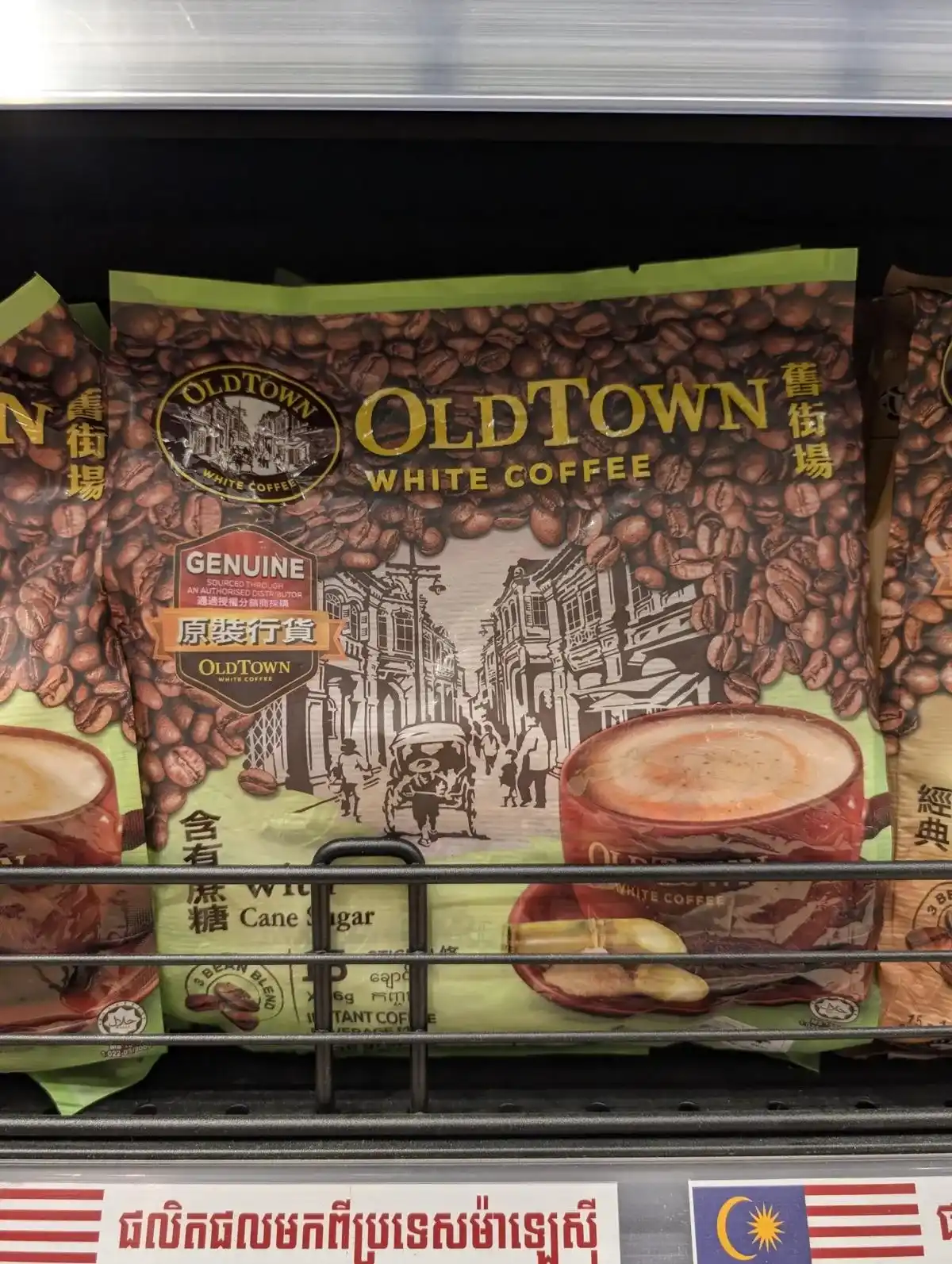
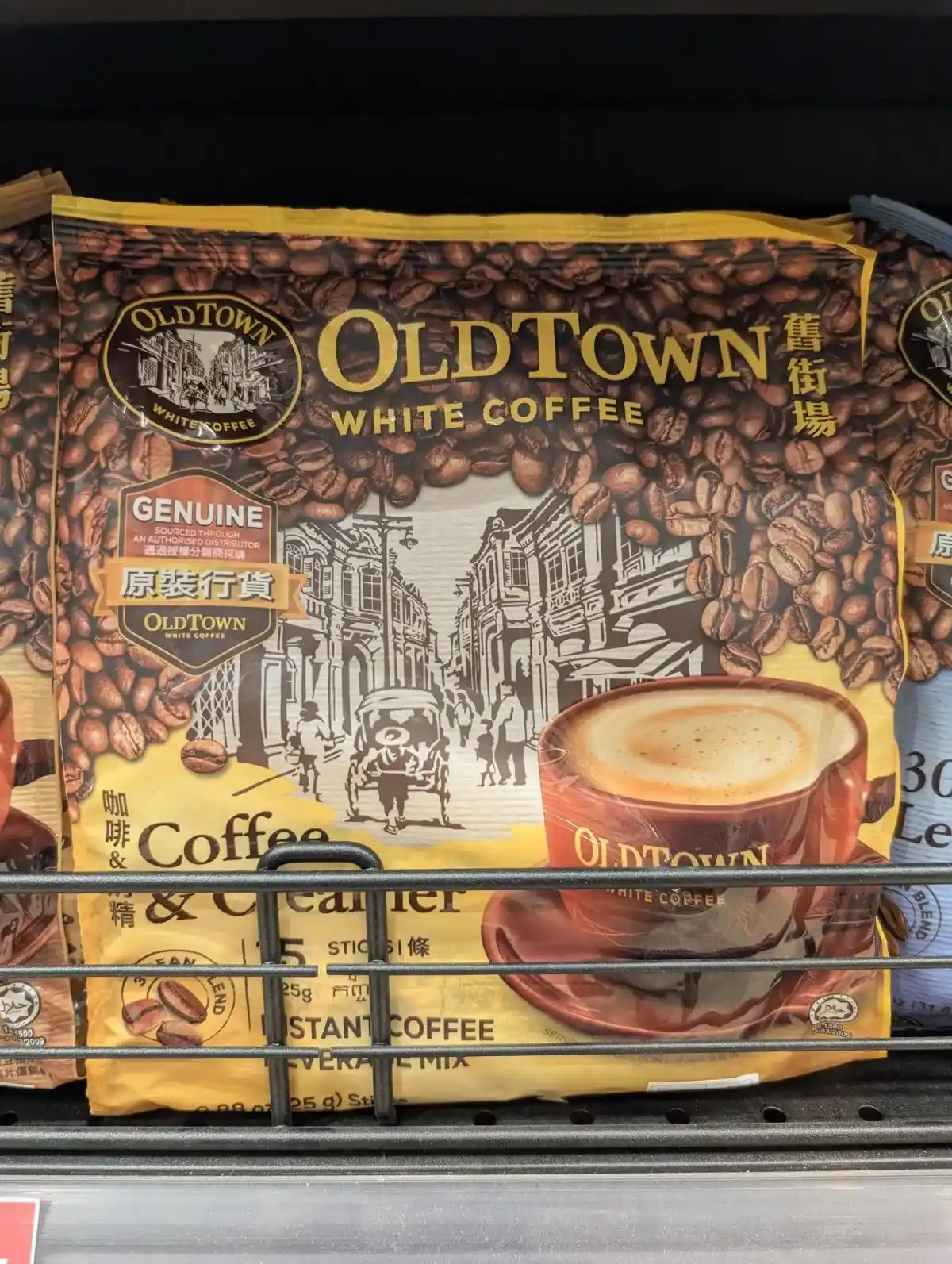
Worth noting, a “Kopitiam” (“kopi” meaning coffee) in Malaysia is a local breakfast, serving coffee and food – a Chinese Malay staple similar to an American diner. They have a hawker food court vibe to them. So, don’t skip the chance to fill your stomach and try that delicious food while you’re there!
Kopiko Candy
“Kopi” is a bhasa Malysia/Indonesia word, meaning “coffee”. Oops, “bhasa” means “language”, if you don’t know.
Kopiko is coffee extract in candy form. Yes, it has caffeine in it!
There are 2 versions, the late (less caffeine) and the black coffee candy (most caffeinated).
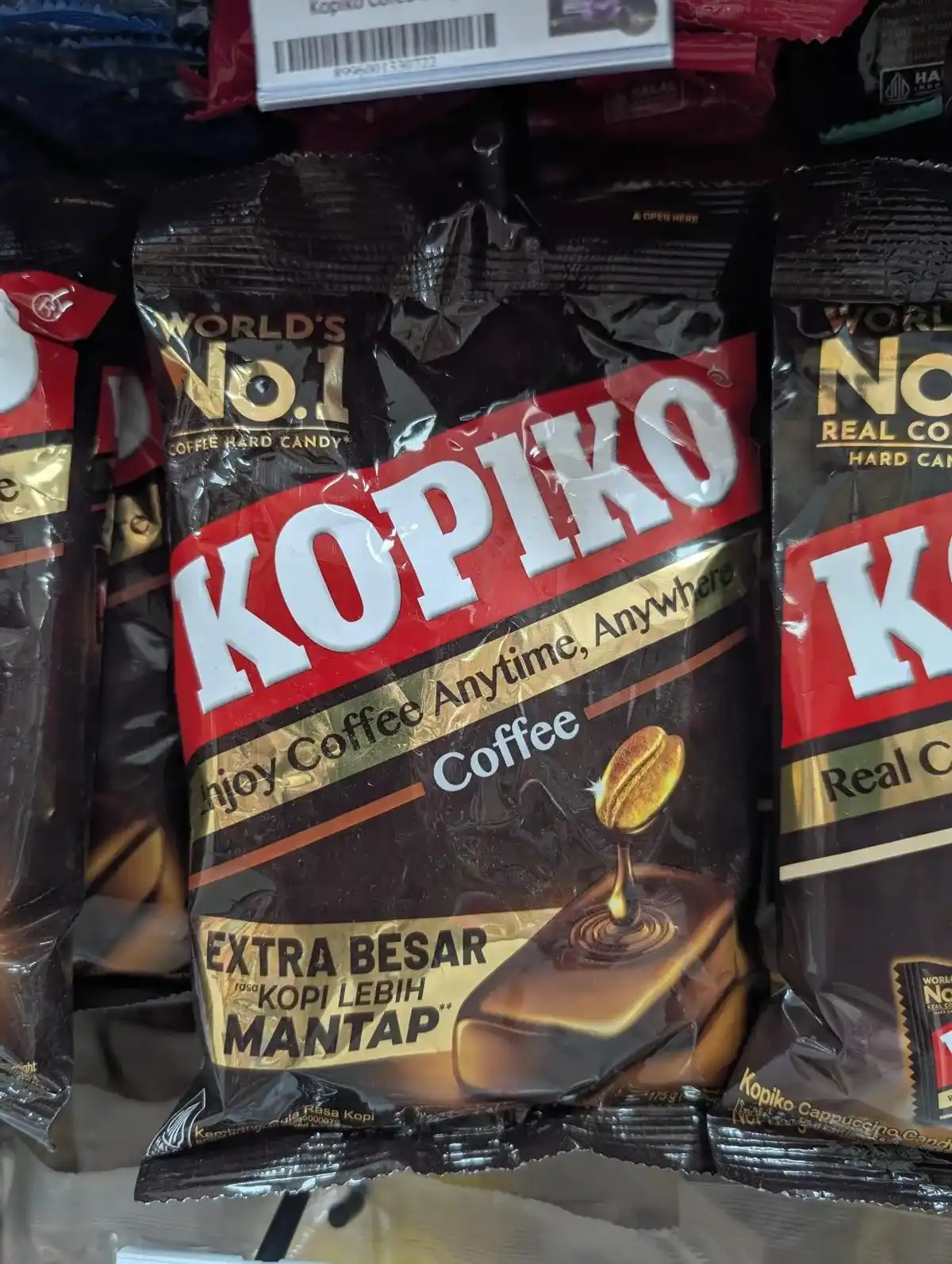
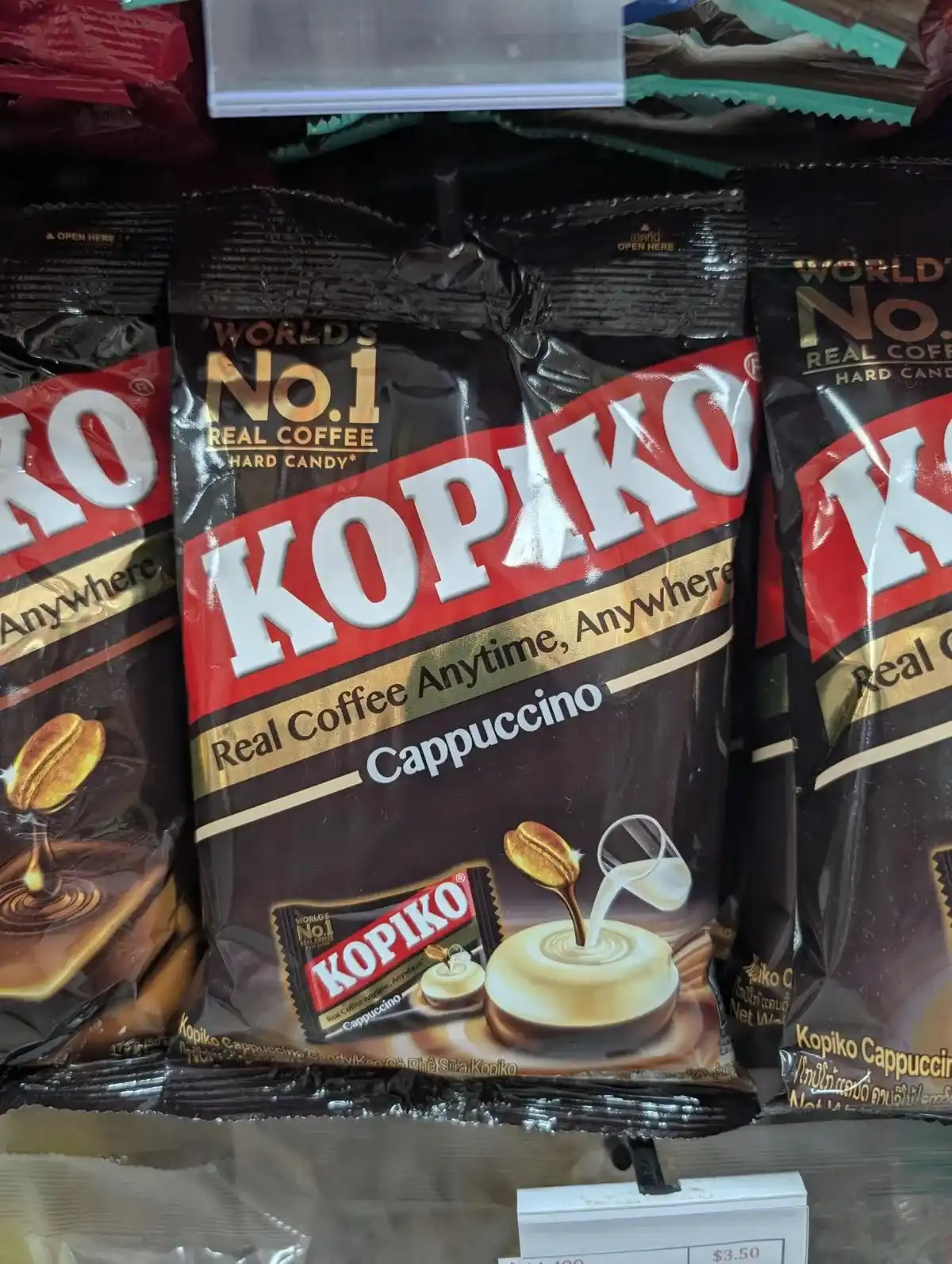
This coffee comes in handy when you’re on the go, waking up earlier and hitting the road for a long travel day.
The candy tastes good, just don’t over eat or you will be bouncing off the walls, loaded with caffeine!
Coffee in Vietnam
Vietnam has very unique coffee styles (drink concoctions, not referring to beans) that are not found elsewhere in the world. More on this, below. The coffee types outside of Vietnam are not as exotic – they are usually the standard machine-based espresso coffees (Americano, Late, etc).
Also, the beans in Vietnam have a very different, rich-tasting, flavor that is very unique. This is due to how Vietnamese coffee beans are roasted and whichever flavoring is added.
Brewing coffee in Vietnam
There are 2 brewing methods, Phin and machine (“may” in Vietnamese), that local Viet coffee shops will brew by. Machine simply implies espresso, which uses a machine to brew the espresso.
On a menu, you will see “phin” (for phin) and “may” (for machine). The choice is yours. Furthermore, you will have the option for “nong” (hot) or “da” (iced). FYI phin tastes so much better in our opinion.
Vietnamese local-style coffee tastes much better when the coffee is brewed with a Phin.
Using a Phin, is the common and traditional way of brewing coffee in Vietnam. Phin, is pronounced “feen” just like “fiene” in the word ‘caffiene’.
Phin is a poor-over method, which is similar to espresso in that it is concentrated, strong and highly caffeinated. Like espresso, the Phin-brewed coffee can be mixed with milk, condensed milk, egg cream, and ice cream. It can be served hot, cold, or a frappe.
Vietnam does have machine-based espresso coffees. But, those are less popular than the Phin-brewed version.
Tip
Be clear when ordering your coffee. Specifically, order “phin” (phin-brewed), which is the normal Vietnamese-style.
Sometimes a barista will use espresso for the Vietnamese style coffees. This is a big no-no. Watch out for this. Perhaps they default to using espresso instead of phin-brewed coffee, because it is easier or “modern and fashionable”? easier for them to make? they make more money on it?
Unique coffee drinks in Vietnam
When in Vietnam, try all the types. These drinks are unique to Vietnam. You will not get these back in your home country, or even in other SE Asia countries.
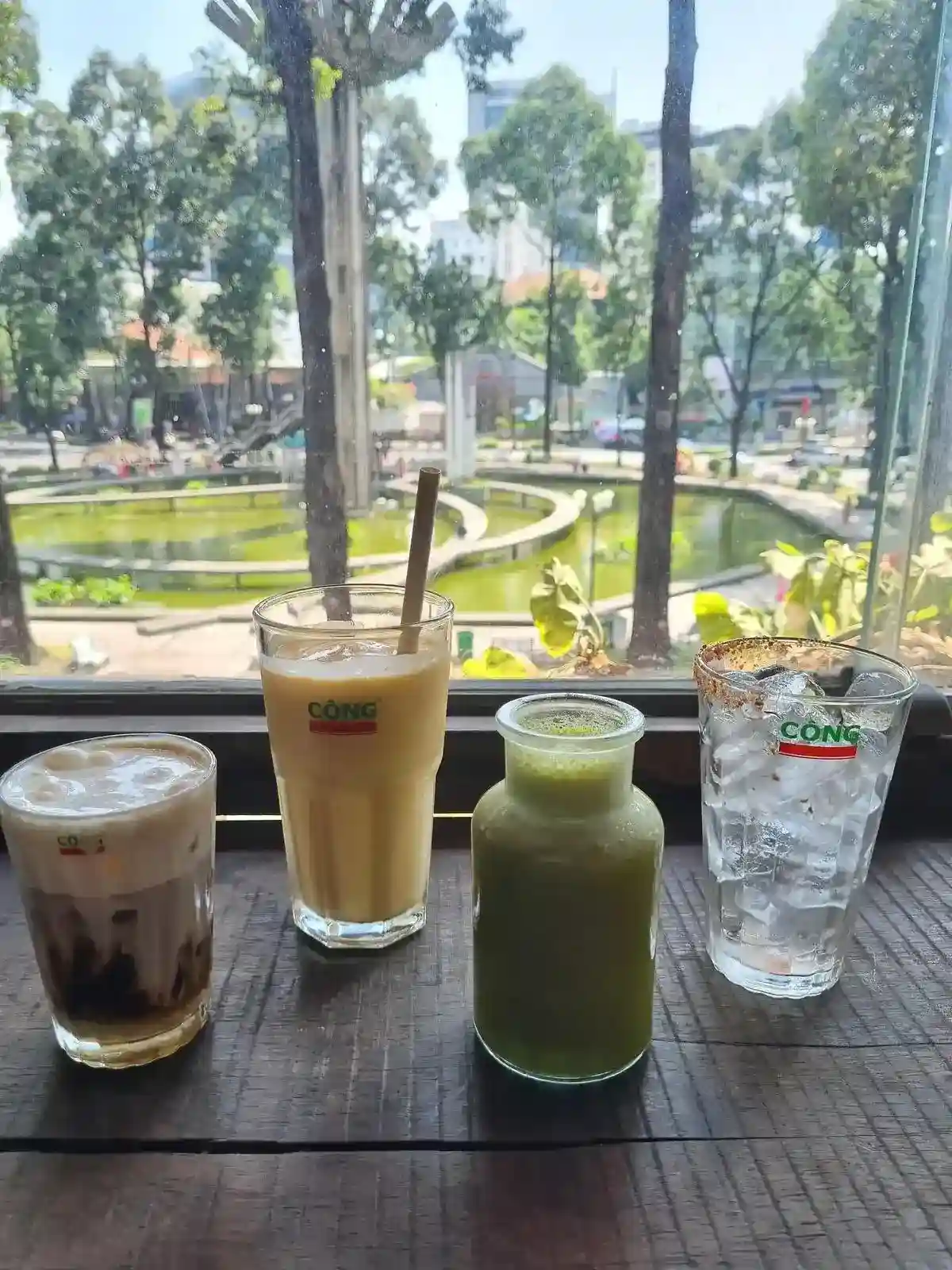
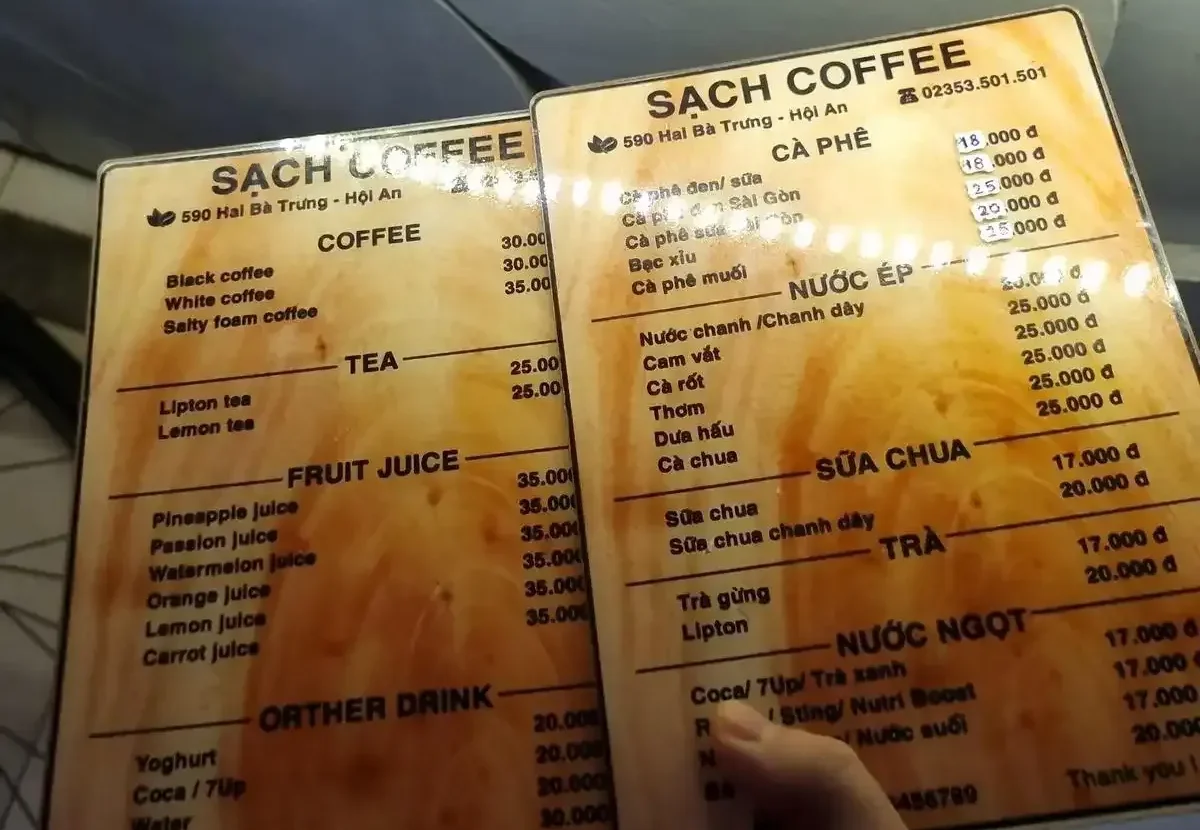
Try these coffees in Vietnam:
Café den
Choose your coffee to be nong or da
Then, choose phin or may
Café = coffee
den = black
nong = hot
da = iced
phin = brewed using a phin
may = espresso (“may” means “machine” as in espresso machine)
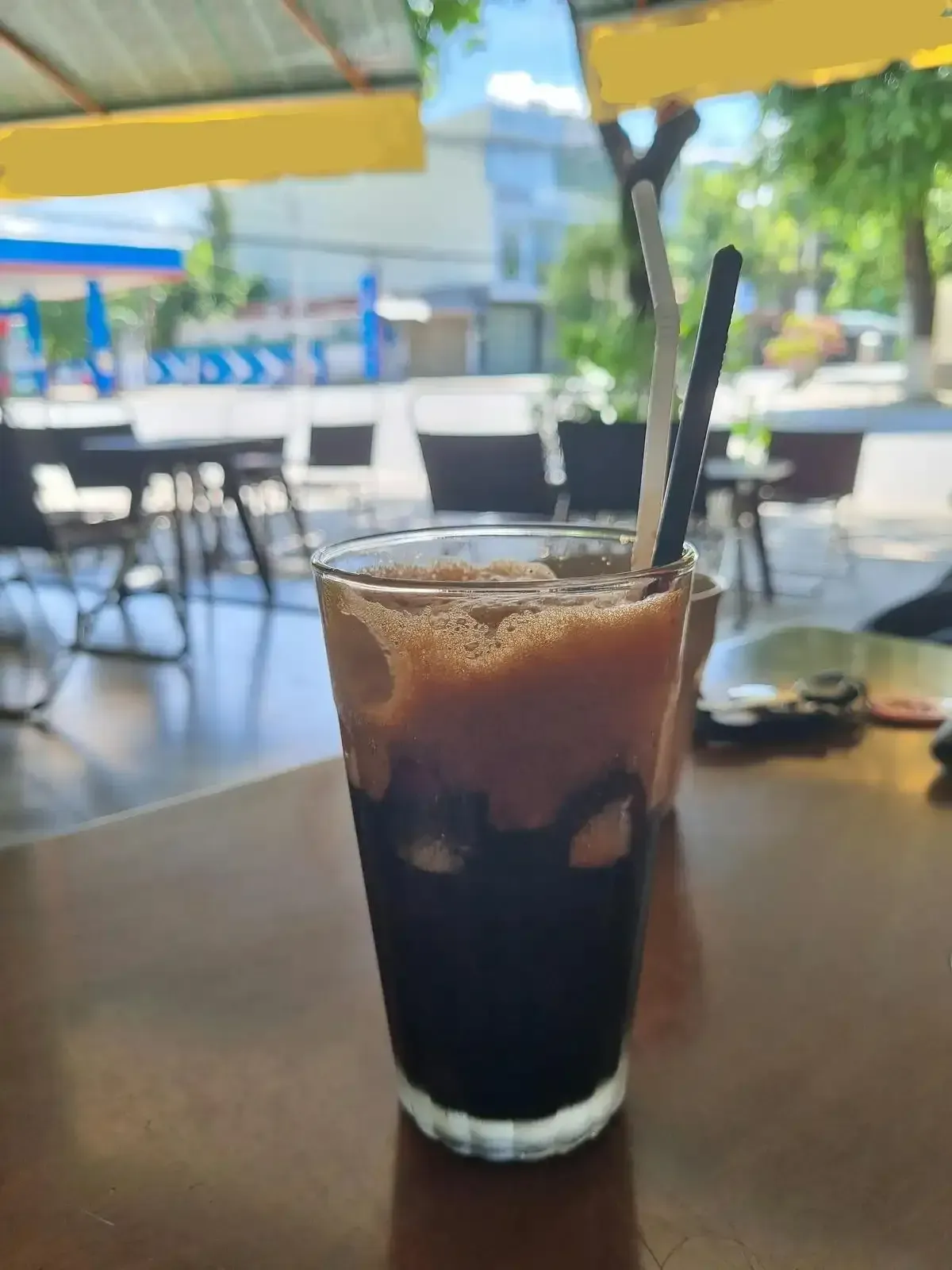
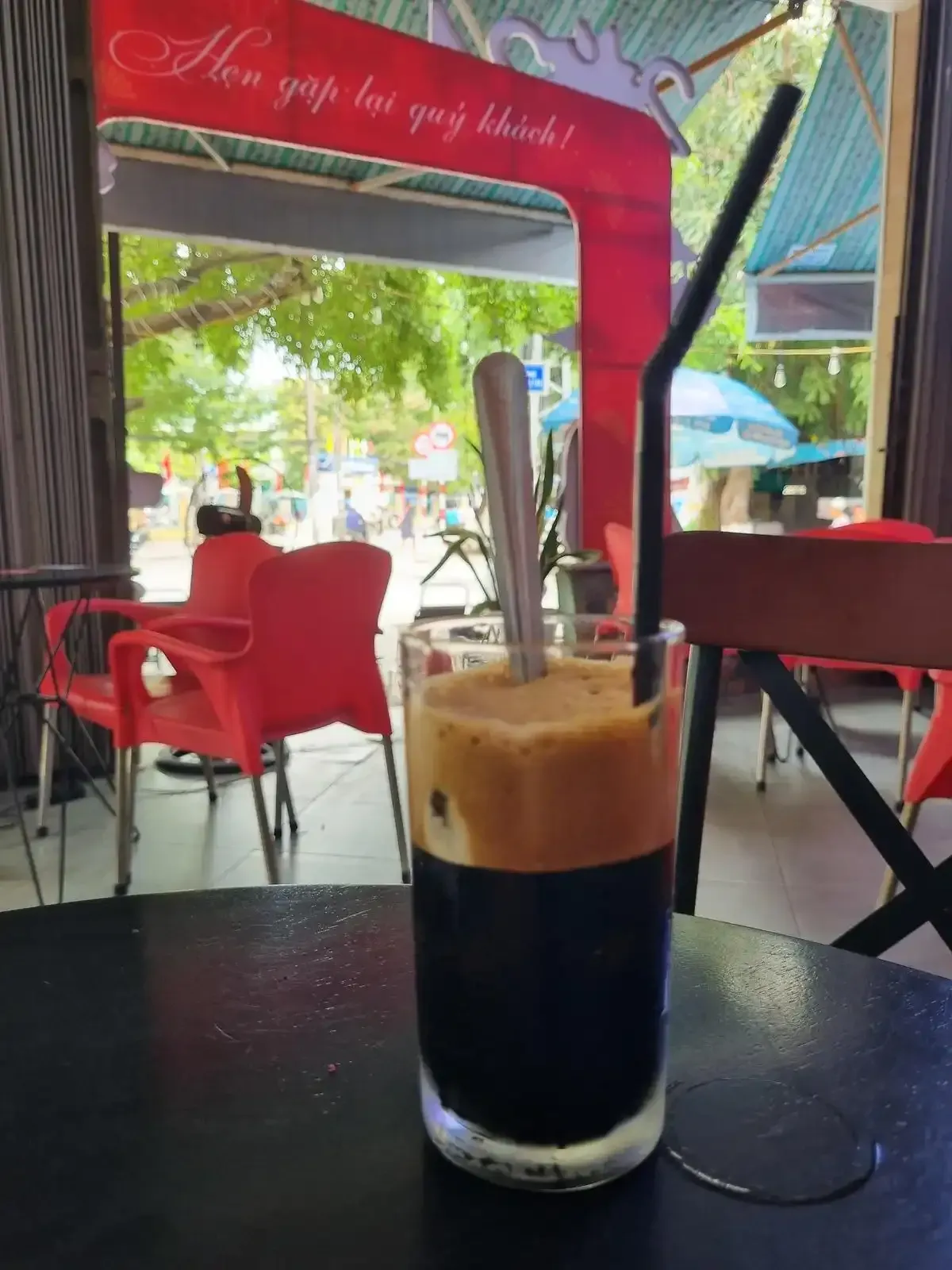
Café sua (“sua” = milk)
Café bac xiu
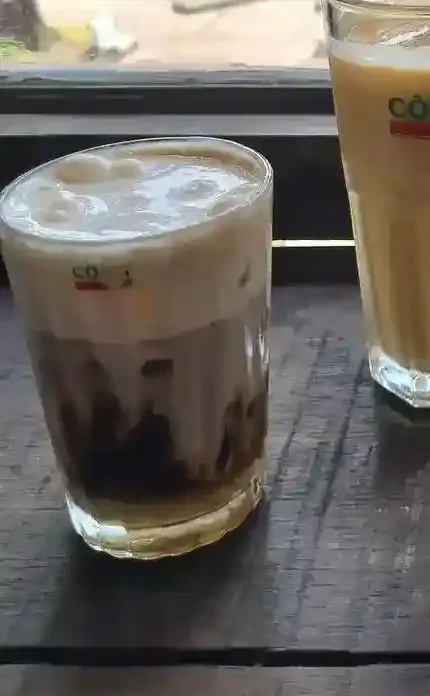
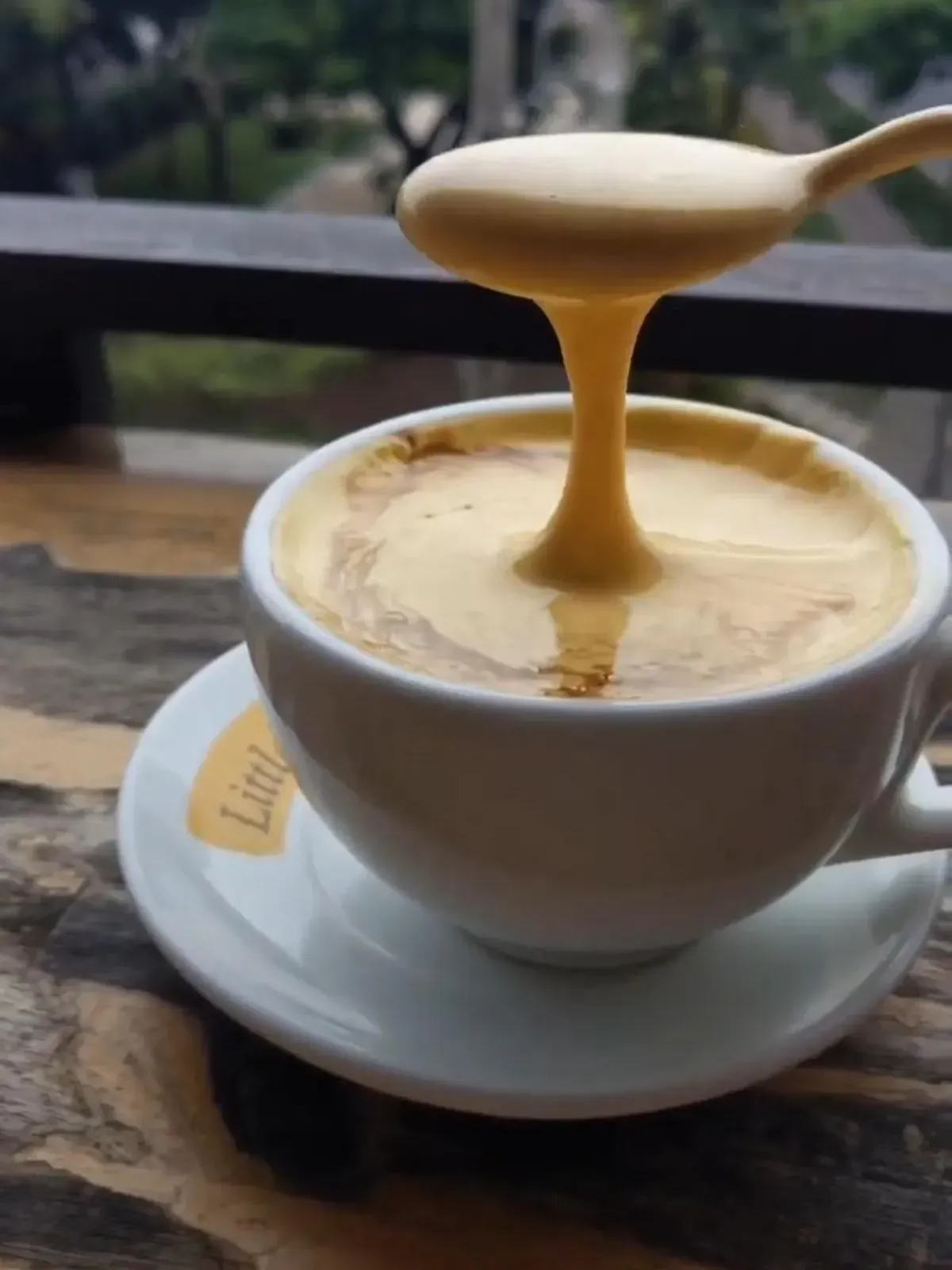
Egg coffee (hot or iced)
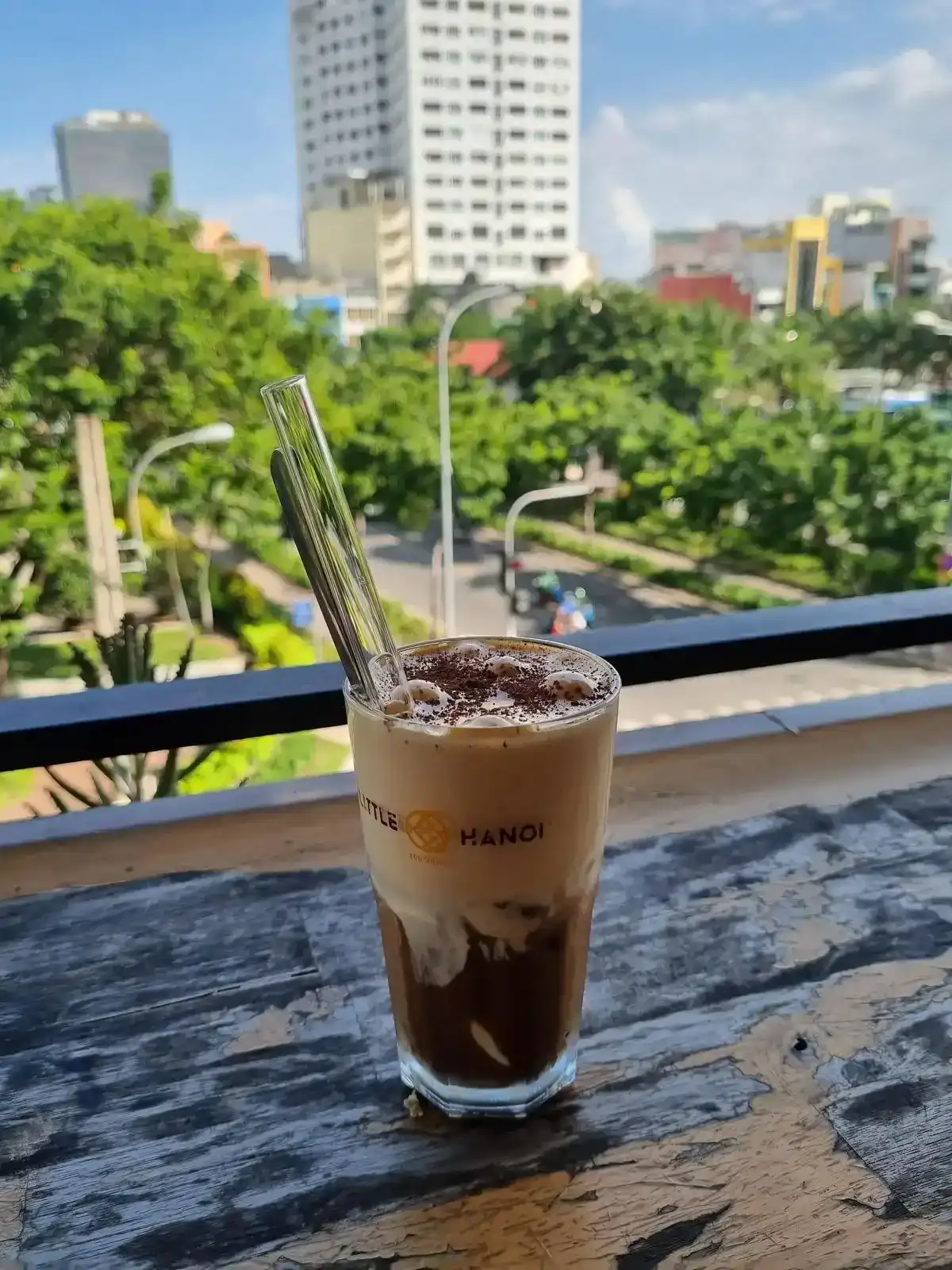
Coconut coffee
Cheese coffee
Milk teas – Choose among many flavors. Add “kem” (thick cream) on top. Add boba bubbles or jellies inside.
Vietnamese coffee brands
You should sample a 3 to 5 different bags of Vietnamese coffee beans. Each brand has it’s own unique flavor. And, the flavor of Vietnamese coffee is unlike anywhere in the world due to their roasting style.
Brew your coffee with a French press or a Vietnamese phin like the locals do. Both ways will incur different flavors.
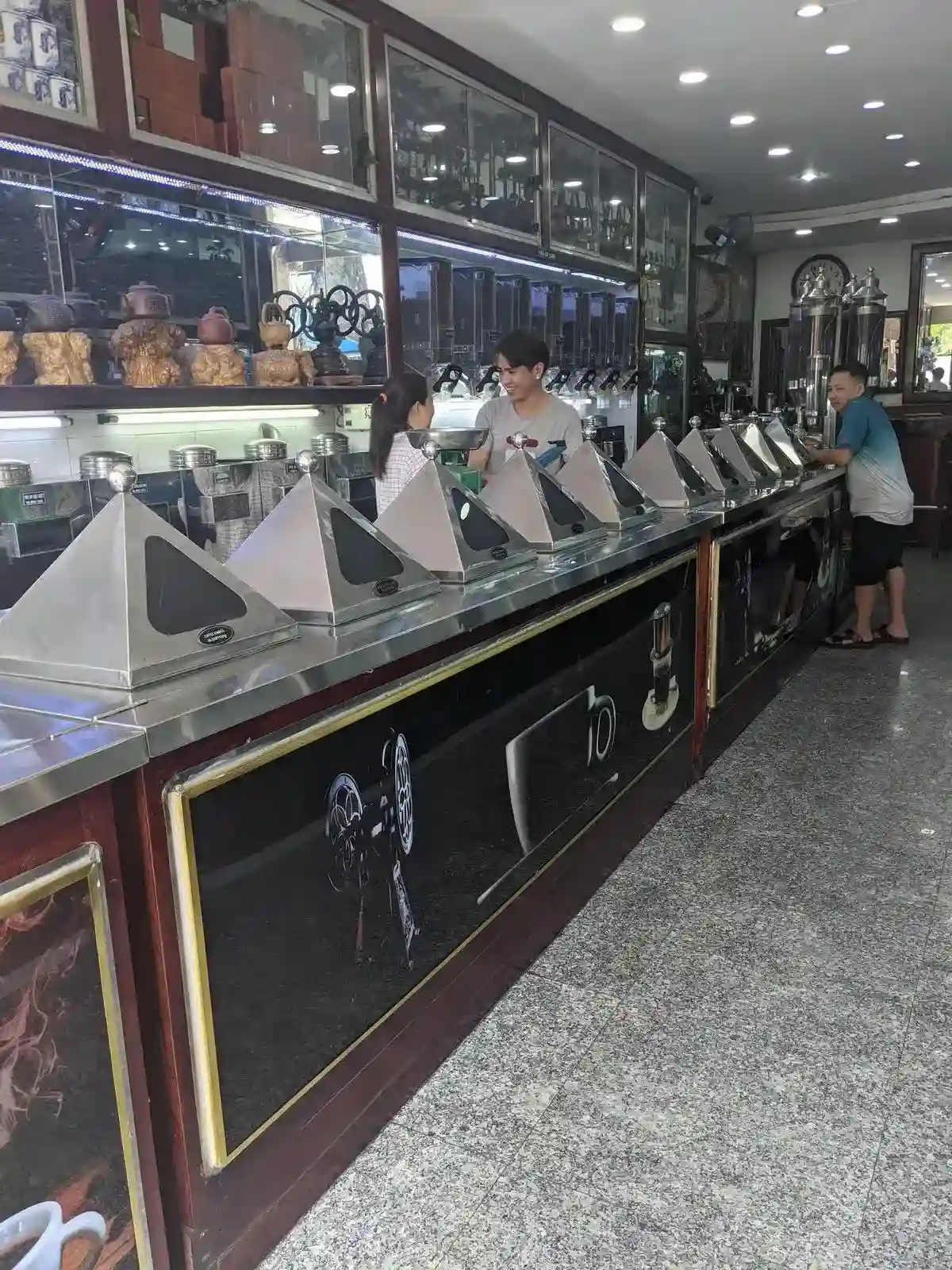
Brands of Vietnamese coffee
Two top favorites are (1) Buon Me Thuot (regular, not Moka) and the (2) Trung Nguyen Ca Phe Rang Xay S. However, trying local no-name beans from a local bean shop is fun and adventurous.
> Trung Nguyen
> Sang Tao (a brand by Trung Nguyen)
> Buon Me Thuot
> Local stores (no-name brand)
> Highlands: Highlands is the “Starbucks” of Vietnam – a well-established chain with locations everywhere. They sell their own coffee beans, which are of the Vietnamese pallet.