
You’ve got lots of fun bikes to choose from! Convenient and practical is the name of the game in Southeast Asia. Large bikes just do not make sense in SE Asia on a daily basis. Motorbikes are smaller, and the culture revolves around them.
Choose between automatic, semi-automatic, or fully manual. Don’t forget accessories – there are lots of add-ons to make riding more comfortable and practical for long trip rides.
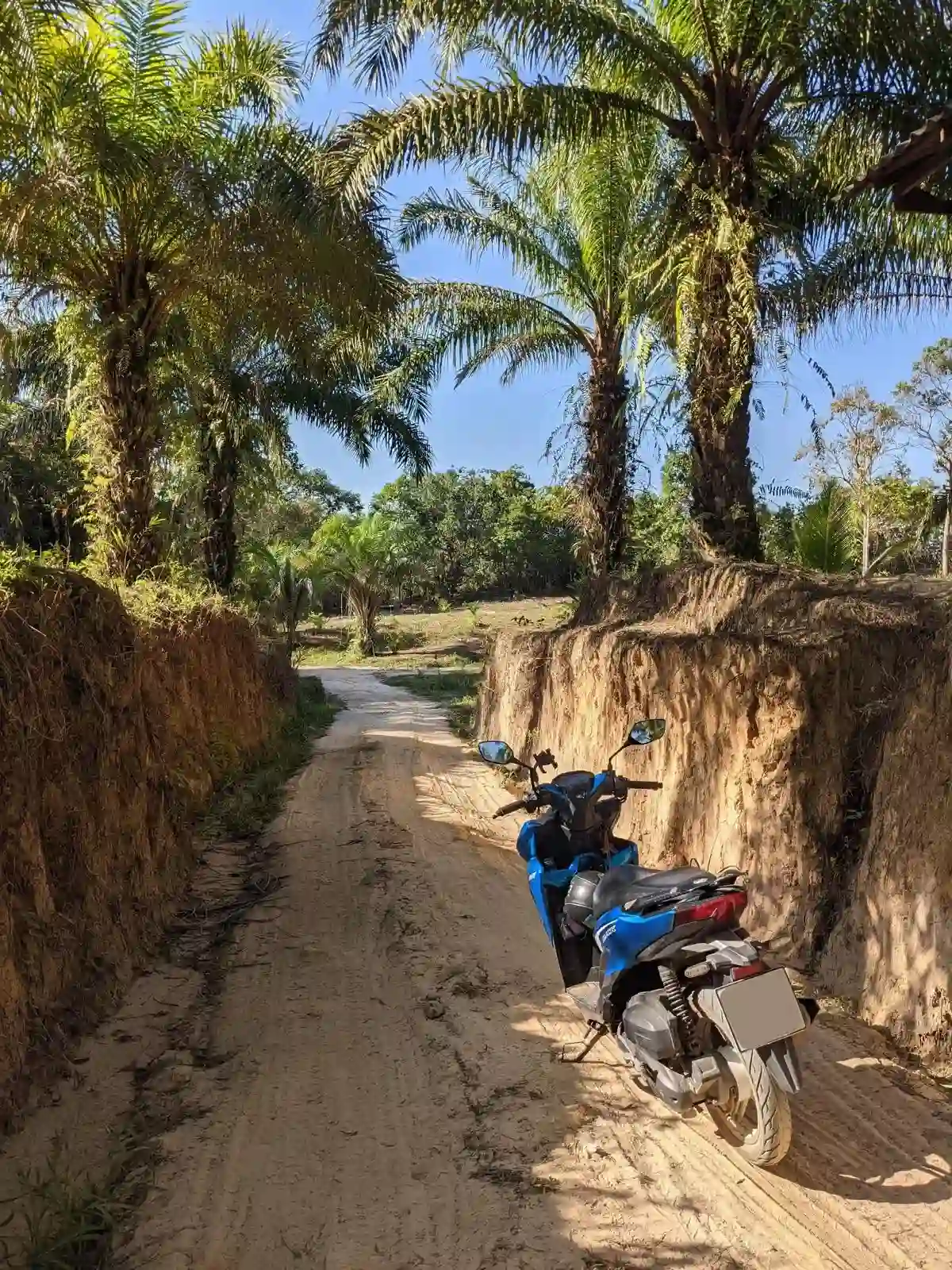
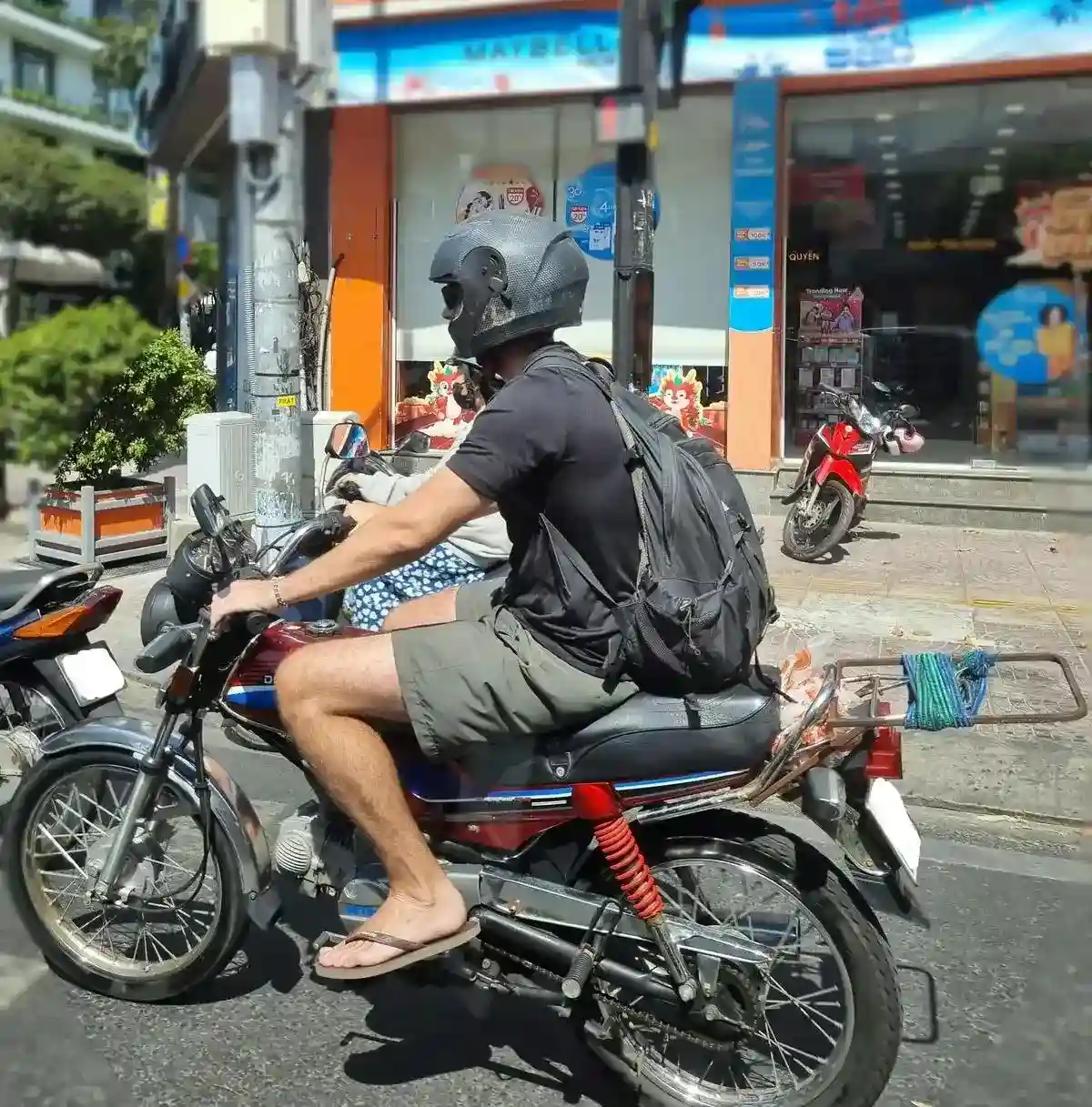
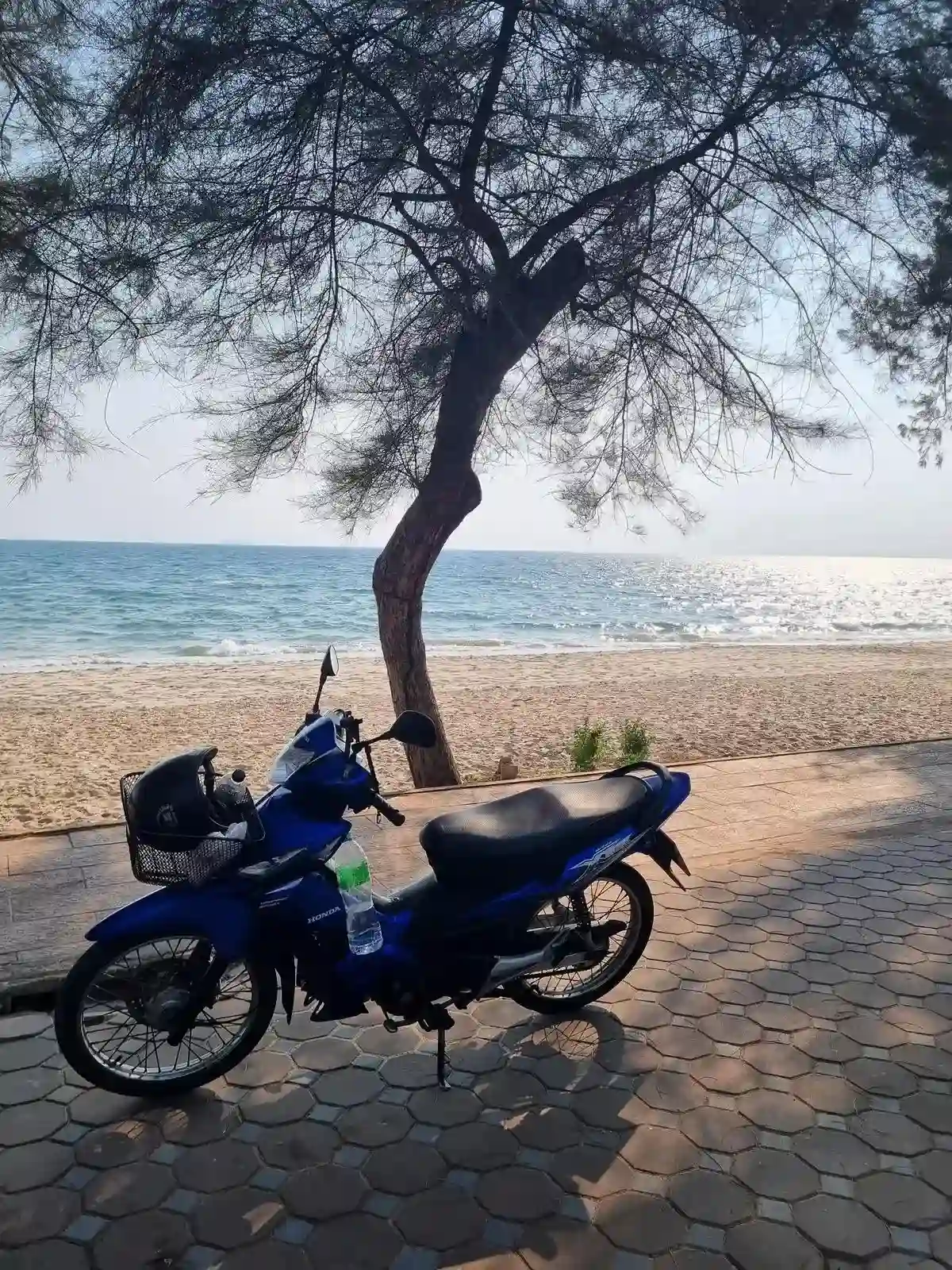
Motorbike Types
You have the option of fully manual, semi-automatic, and automatic. Fully manual is typically for larger sized motorbikes (250cc and larger). In contrast, automatic and semi-automatic bikes are comparable, because they are sized between 100cc-160cc.
Semi-automatic and automatic bikes are perfect for everyday riding – they’re lightweight and nimble. Both can are okay for cross-country riding, but automatics will be more comfortable – riding the semi-autos you’ll feel the bumps on the road more than you will with an automatic.
Fully manual bikes are for cross-country riding and offroad riding (Enduro bike), or otherwise mostly for status symbols (like sport bikes or BMW adventure touring bike). The 150cc Honda Winner/RSX is in exception as it is for normal daily commuting, with the added fun of being fully manual – having a hand clutch.
Fully Manual
Clutch : Hand clutch (left-hand side hand clutch)
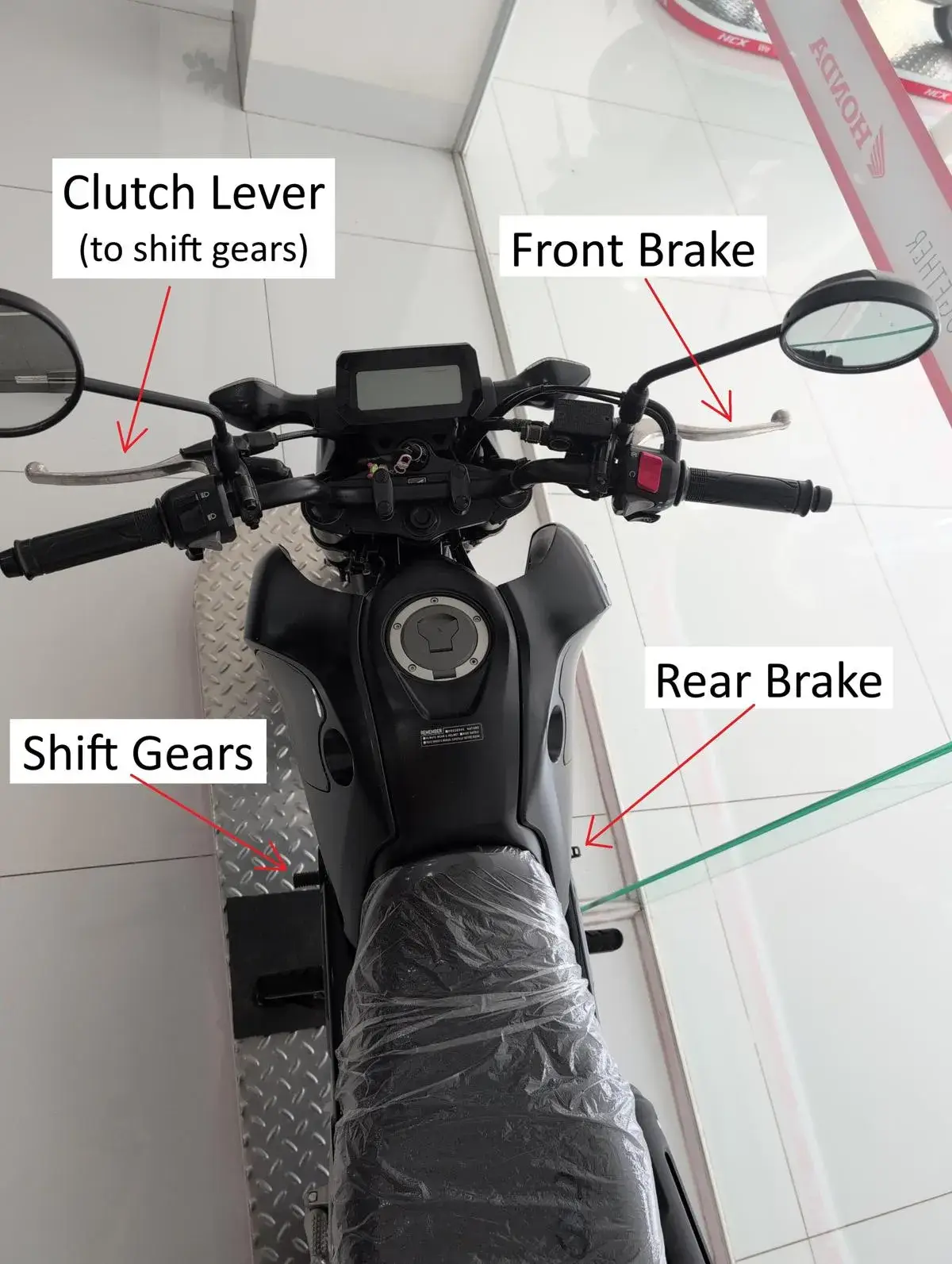
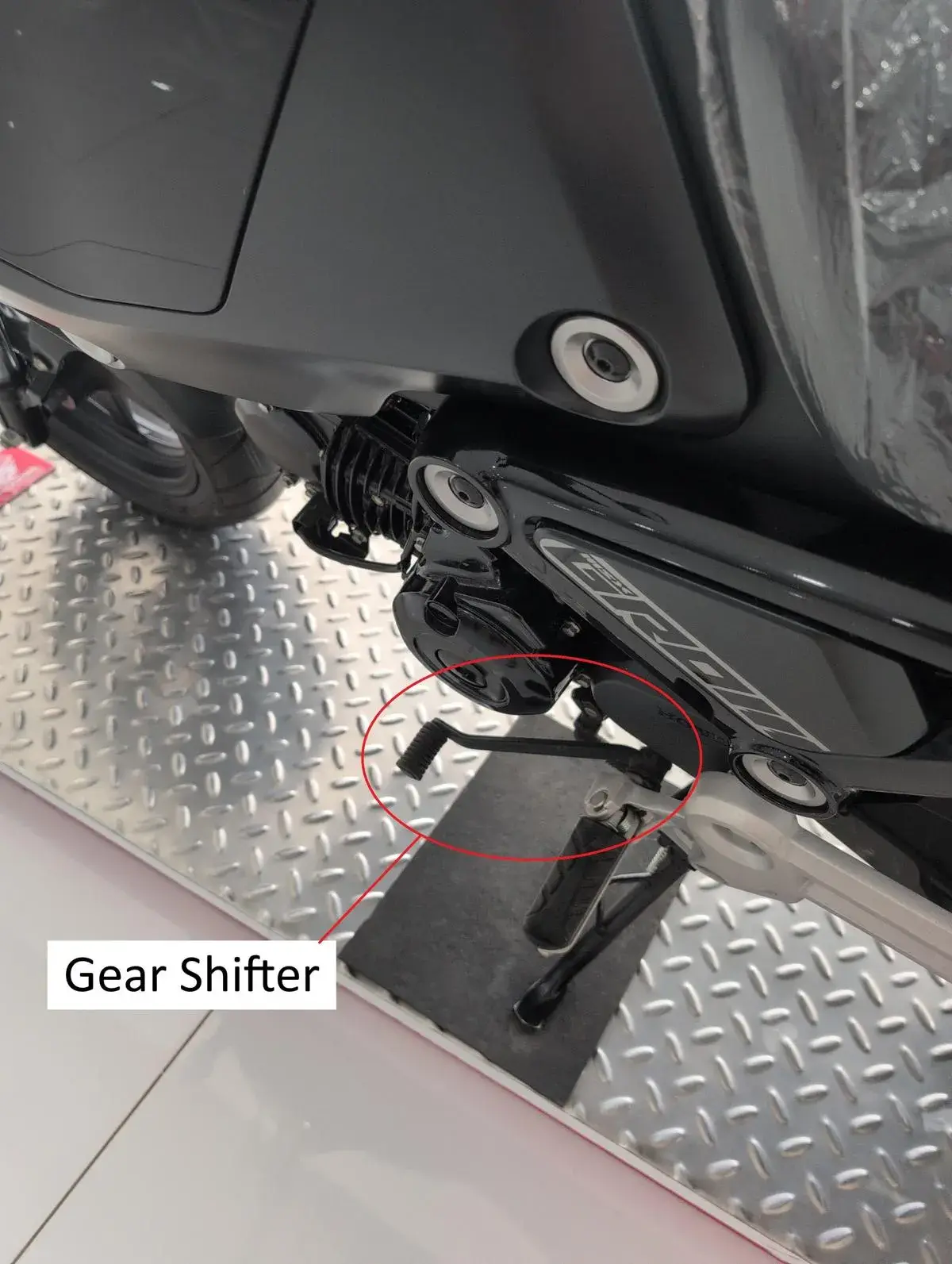
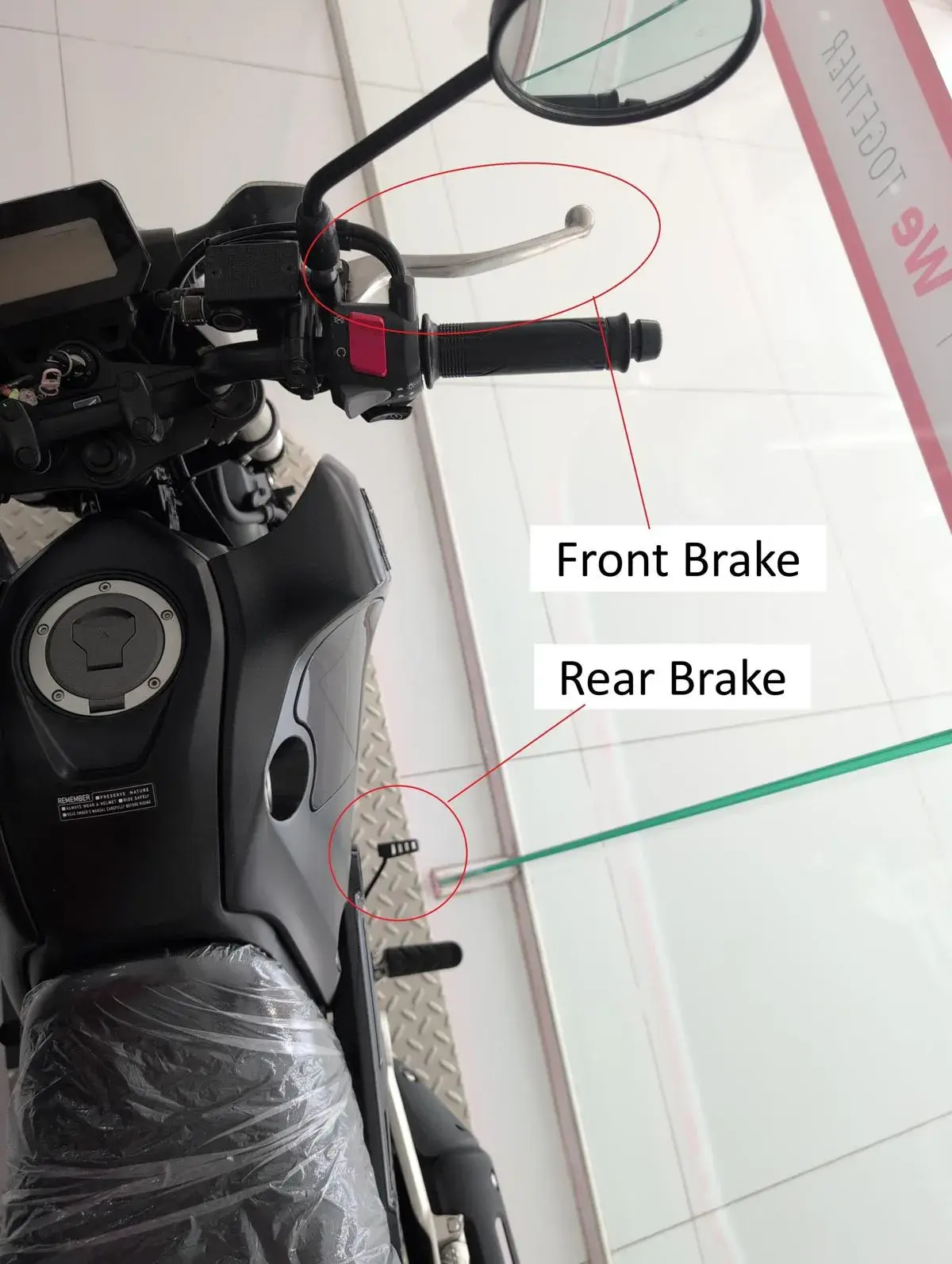
Engine Sizes : 250cc and larger. Though, the 150cc Honda Winner and Detec Honda Win are also fully manual.
Skill Level : Hardest to ride, due to having a hand clutch – it’s one more lever to think about. You will need skill to switch gears with the clutch and choose the correct one. Don’t confuse the clutch for the front brake!
Fun Level : Arguably the most fun to ride! Using a hand clutch is engaging, and controlling the gearing & RPM (torque & speed level) is exhilarating… and accelerating! Perhaps, you need to be in the mood to ride a fully manual bike. For daily riding it might be a hassle. Since Southeast Asia is a motorbike culture, the constant use of the clutch lever would become not so fun after a while. This is why the semi-automatic is the go-to daily rider.
Storage Compartments : Manual bikes do not have storage underneath the seat. Semi-automatic and automatic motorbikes do have storage, in contrast.
Convenience : Using a hand clutch is both, not convenient and convenient. For one, you have to keep your left hand on the handlebar, which is a good thing! Putting the bike into neutral is the easiest compared to the semi-automatic – you just pull the clutch lever. If you need to (1) coast or (2) ride the clutch to increase the torque, then having a clutch lever is really helpful. Also, you can switch through all of the gears while holding the clutch lever – you cannot do this with a semi-automatic bike.
Negatives : They are a bit big for normal daily riding in Southeast Asia, and you cannot go all that fast on the local roads. Repairing or having one stolen is more expensive.
Semi-Automatic
Clutch : No hand clutch. The clutch is automatically engaged when switching gears – it is built within the gear switch mechanism.
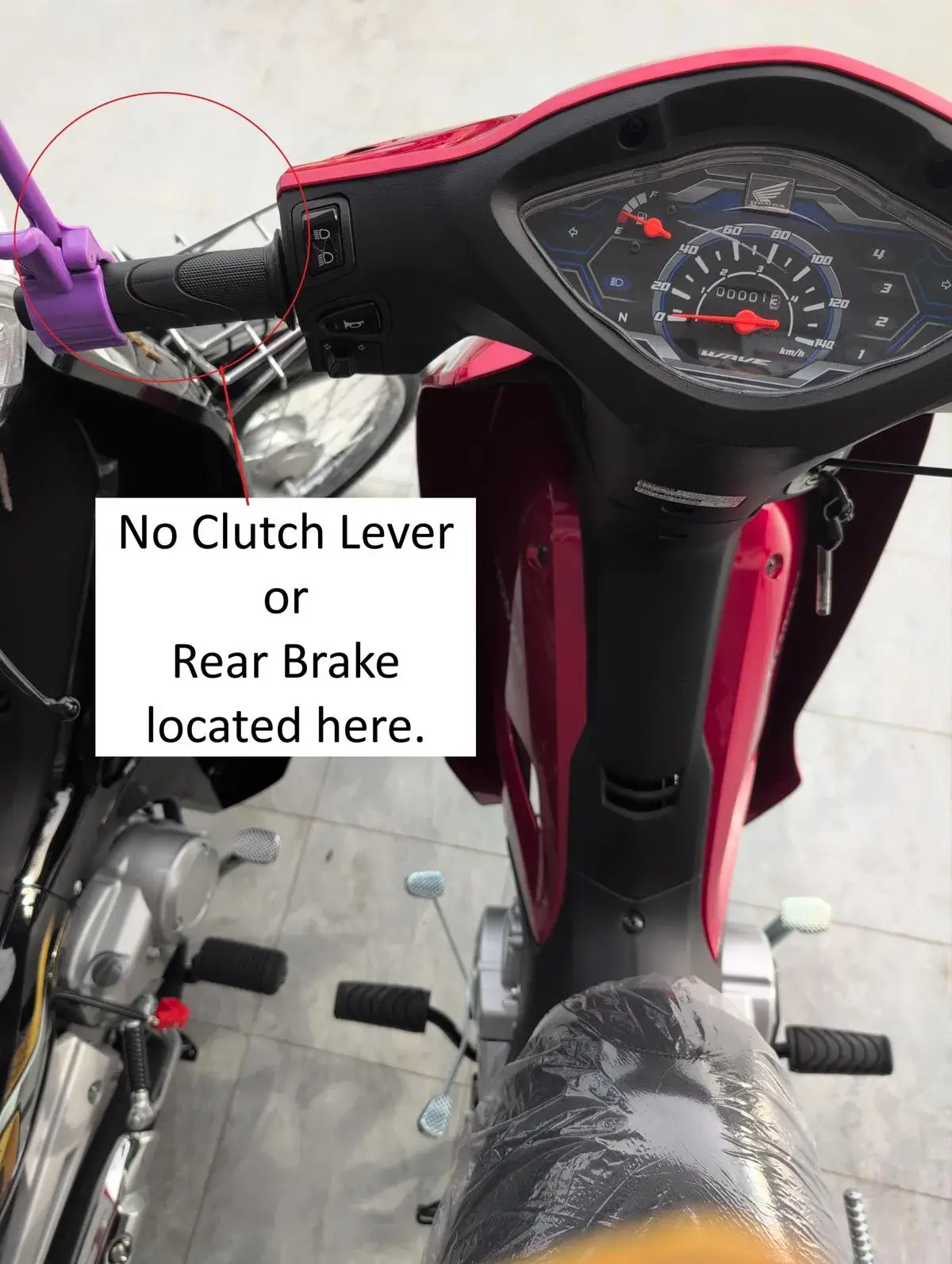
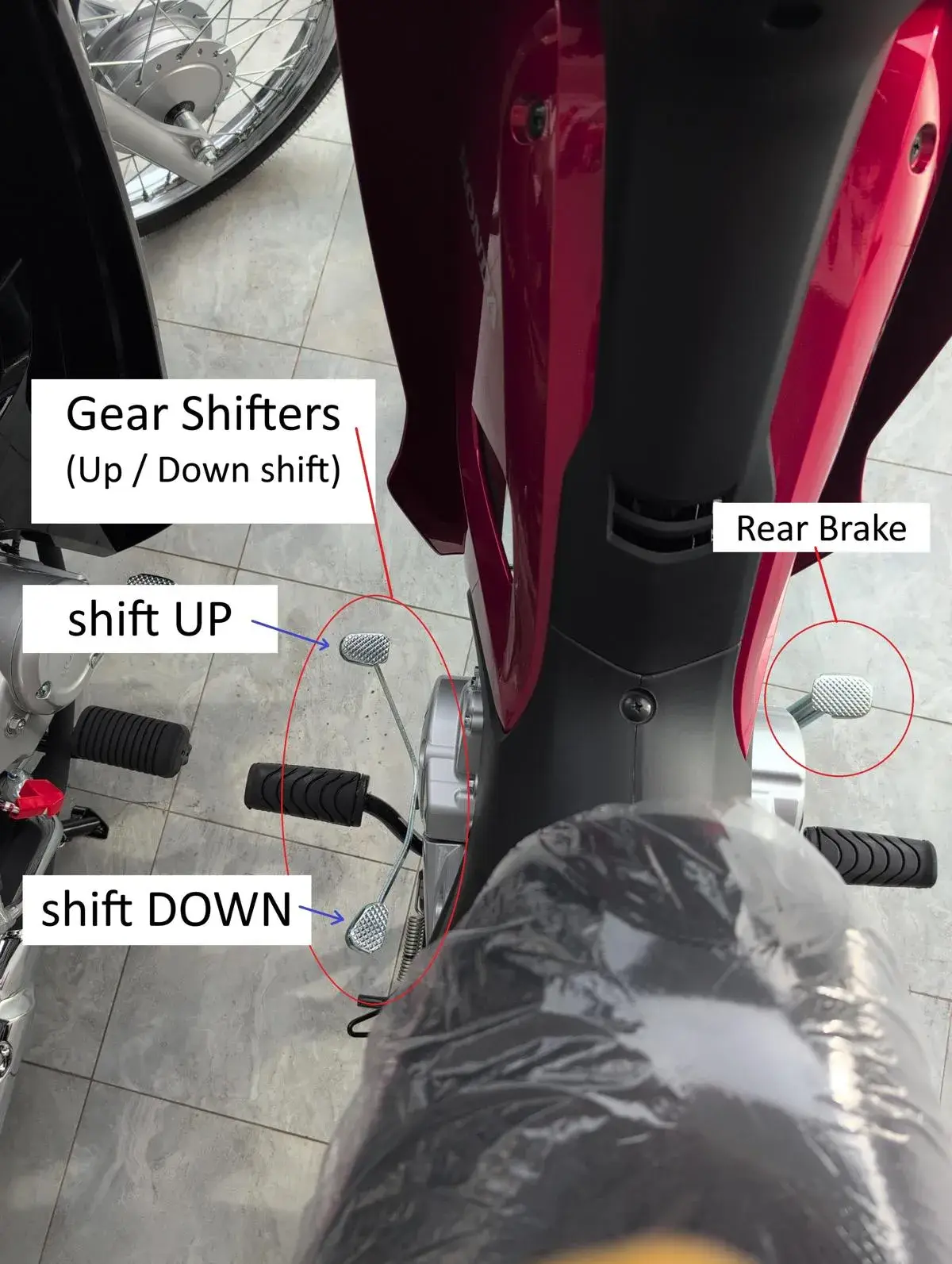
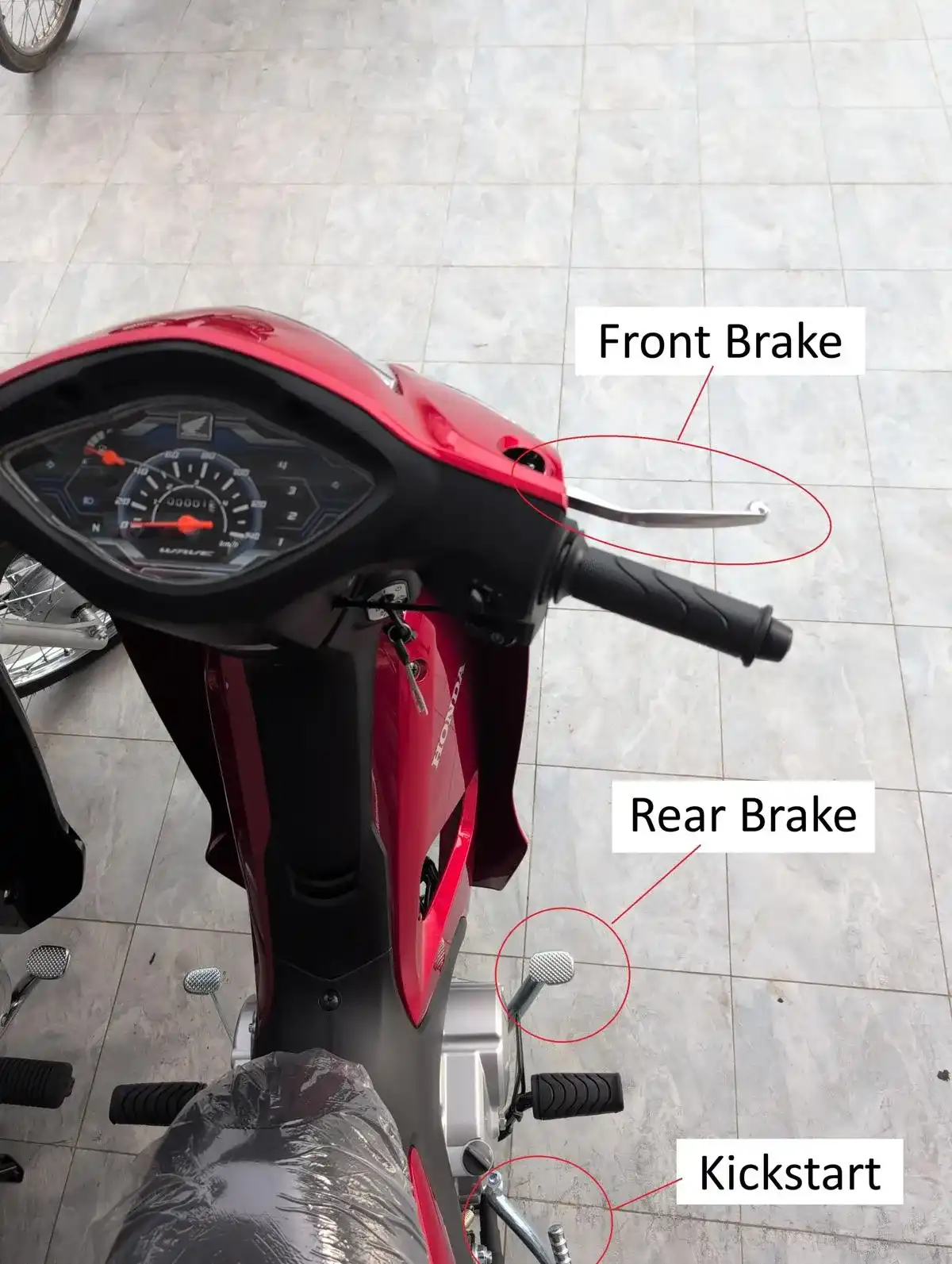
Engine Sizes : 100/110/125cc are most typical
Cost & Popularity : Lowest Cost. These are the lowest cost bikes and the most common & popular within Southeast Asia. You will see these in the streets and in the fields. They are the daily commuters and the work horses of SE Asia.
Repairs : These bike have a simple design that is very robust. They are easy and inexpensive to repair. Parts everywhere (even in a small shack repair shop in the country side) since these models are most common throughout SE Asia. But, first and foremost – they are indestructible. This is referring to the typical semi-auto bike models in Southeast Asia (see below) such as the Honda Wave and similar models.
Indestructible : You cannot break these bikes – they are indestructible and reliable. This is referring to the typical semi-auto bike models in Southeast Asia (see below) such as the Honda Wave and similar models. These bikes are famous for being “tanks” or “bomb proof” (war references are not intended just robustness) – nothing will keep these bikes down. They seem to last forever under the hardest and most abusive of use. “Ride them until the wheels fall off” is the moto, and then fix them (inexpensively) and keep riding them! They will handle any abuse you throw at them. These models have been made for so long and the designs rarely changed, just slightly perfected over time. There is no need to change them, they are the holy grail that meets most of Southeast Asia’s needs from daily commuting, a work horse, and delivery.
Skill Level : Easier than a fully manual bike. You will need skill to switch gears, which is not difficult since you do not have a clutch lever. WARNING: Do not down shift if you are going too fast! In this case, the engine RPM will be way too high and cause your bike to slow down very abruptly! This is very dangerous! Because you do not have a clutch lever, you cannot easily put the bike into neutral. Therefore, you get stuck into the wrong gear.
Fun Level : Switch gears is fun. Using a hand clutch all day everyday is not. So, a semi-automatic strikes a perfect balance.
Storage Compartments : Semi-automatic bikes do have storage underneath the seat! It’s great. The Honda Wave has a large storage compartment. However, the compartment is very small for some bikes such as the Honda Dream and Suzuki Viva.
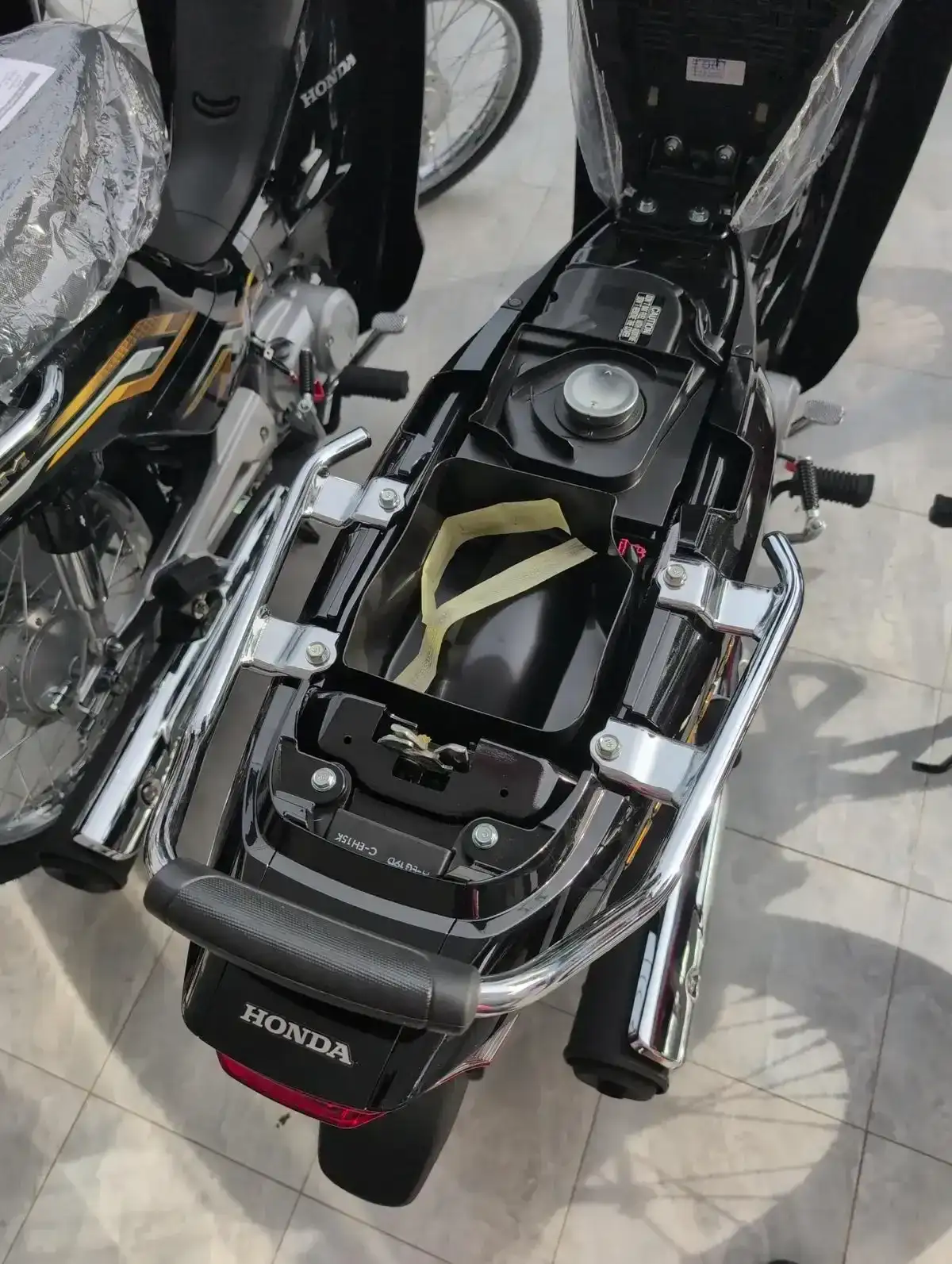
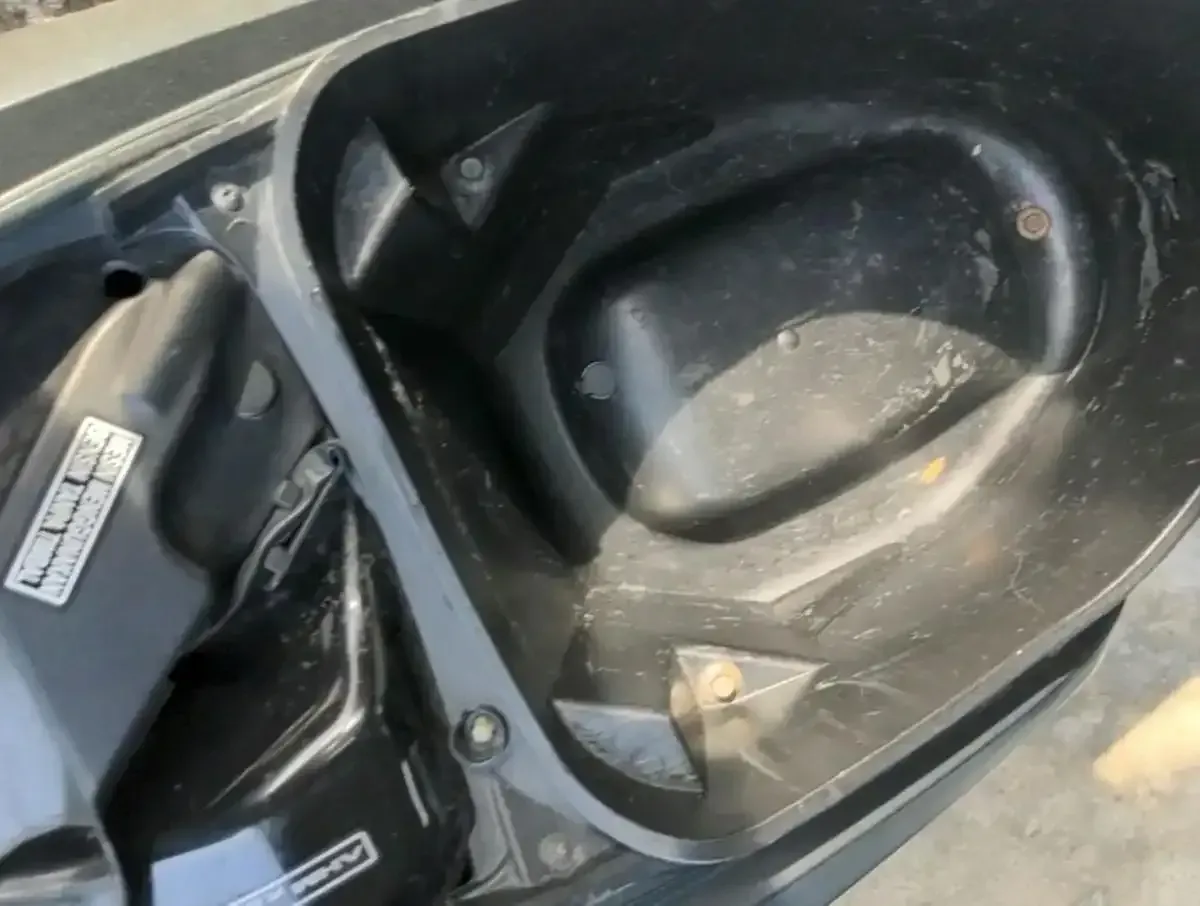
Convenience : No need for a hand clutch makes switching gears more easy. And, you will have your left hand freed up. Having that left hand free is a requirement for locals in Southeast Asia, either to hold something or just a simpler riding experience. There are a few tricks to putting the bike into neutral, but it is not as straight forward and controllable as a fully manual bike with a clutch lever. So, with these tricks, you are able to (1) coast or (2) ride the clutch to increase the torque, but not as easily as a fully manual bike. A big downside is that you cannot switch through all of the gears – you have to downshift 1 gear at a time. This means that you have to be going the speed (or lower) that matches each gear. WARNING: Do not down shift if you are going too fast! In this case, the engine RPM will be way too high and cause your bike to slow down very abruptly! This is very dangerous! Because you do not have a clutch lever, you cannot easily put the bike into neutral. Therefore, you get stuck into the wrong gear.
Negatives : Not as comfortable for long rides, but not too bad. Wheels & tires are good, but not as good for nimble handling as they are relatively thin. You cannot ride these bikes in search of a thrill, taking sharp turn fast (think sport bike) or romping off road too hard (think dirt/enduro bike). This is just not what these bikes are made for. Another negative is that water and dirt splash on your feet and legs while riding, especially during raining monsoon season. This is because, your feet rest on the sides, and only a metal peg separates your feet from the ground. In contrast, on an automatic your feet are nested inside the bike and the bike’s plastic covers your feet from the ground.
Automatic
Clutch : No clutch at all (atleast, that you interact with). It has a CVT (Continuously Variable Transmission) instead of a typical metal mechanical gearing that the other bikes have. This is what allows it to be automatic.
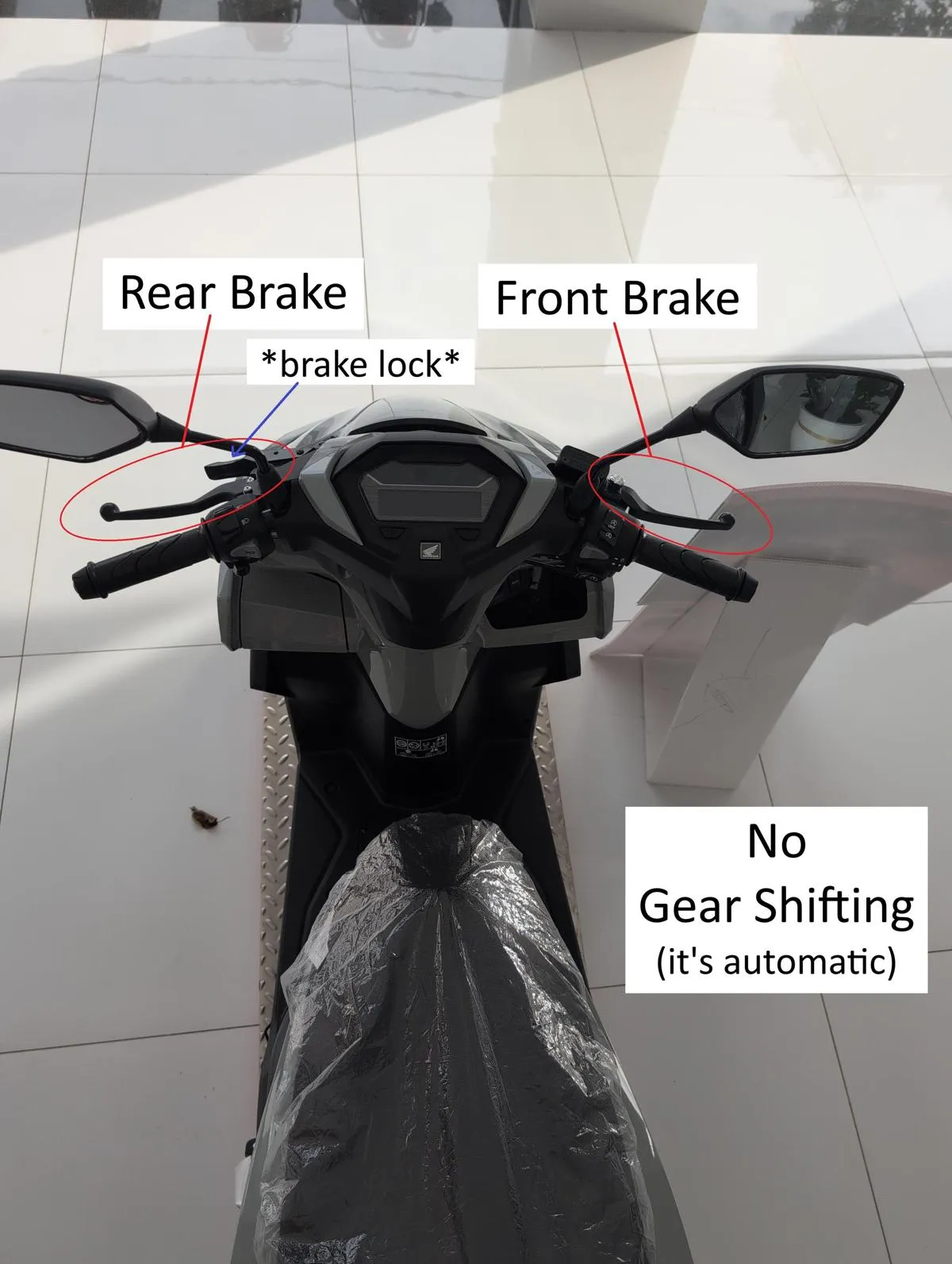
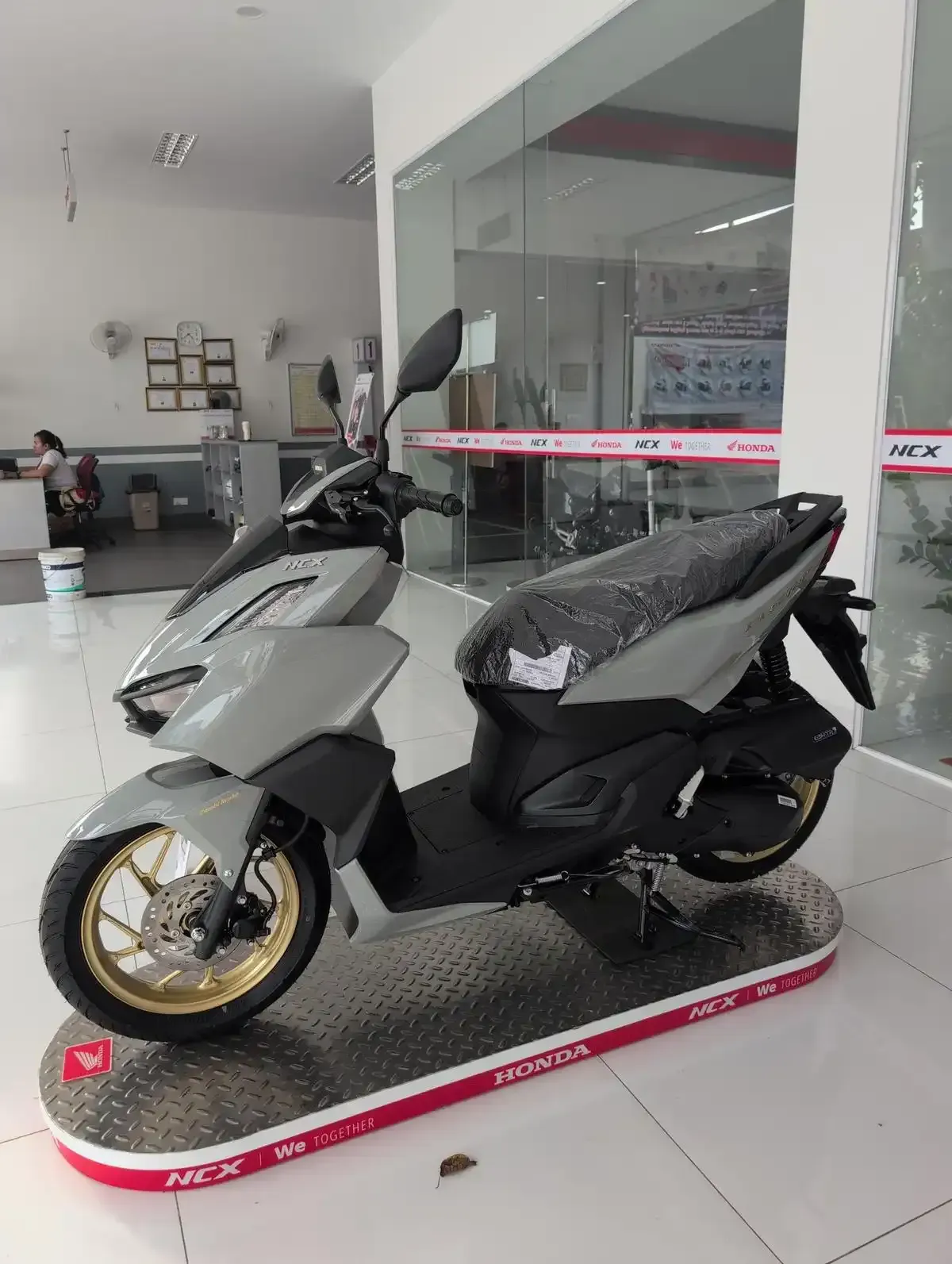
Engine Sizes : 110/125/150/160cc and larger. Some of these appear big and bulky, but are only 150cc. Others are big and bulky, but are actually larger bikes (300cc). Also, there are small 50cc automatics. It is arguable, but a 50cc bike is less safe since it cannot take bumps in the road or handle as well as a 110cc and larger bike does.
Cost & Popularity : Modern and premium. This means higher average cost compared to a semi-automatic of the same size. Because they are more expensive and nicer, these bikes are viewed as an upgrade. Who doesn’t want to upgrade, right. The engine sizes are usually 125cc/150cc/160cc, which is the higher-end size of a sem-automatic – larger engine size equates to more premium. They’ve got features like bigger and extra storage, charging ports, keyless starting using a key fob, and nicer dashboards. Utlimately, they simply feel like a nicer ride. A big plus is that your feet and legs are protected from water and dirt splashing while riding. This is great during the raining monsoon season. This is because, your feet are nested inside the bike and the bike’s plastic covers your feet from the ground. In contrast, on an semi-automatic your feet rest on the sides, and only a metal peg separates your feet from the ground.
Repairs : Since automatics are more modern and premium, the repairs can be more expensive and complicated than semi-automatics.
Skill Level : Easiest – anyone can jump on this bike and ride it. That, unfortunately, is what leads to so many foreign tourists getting into accidents. The lack of skill required to ride the bike gives a false impression that “it’s easy!” when, in fact, licensed motorcycle riders develop riding skills and strategies to lower their safety risk on the road. All riders are encouraged to go attend a Motorcycle Rider Safety Course and obtain a license from their home country.
Fun Level : The CVT “switches gears” so smoothly and instantly reacts to twisting the throttle! So much fun! Automatic bikes are more premium than semi-automatics, and the ride reflects that. They are more comfortable on longer rides. They handle really well, and take sharp turns nicely. Also, the wheels & tires are wider, which is good for riding fast in sharp turns. Premium features will be found on automatics, as opposed to semi-automatics, which are simple and robust.
Storage Compartments : Automatic bikes do have storage underneath the seat! And, they typically have storage on the dashboard, too. The under-seat storage are large with lots of space. It can fit a helmet inside.
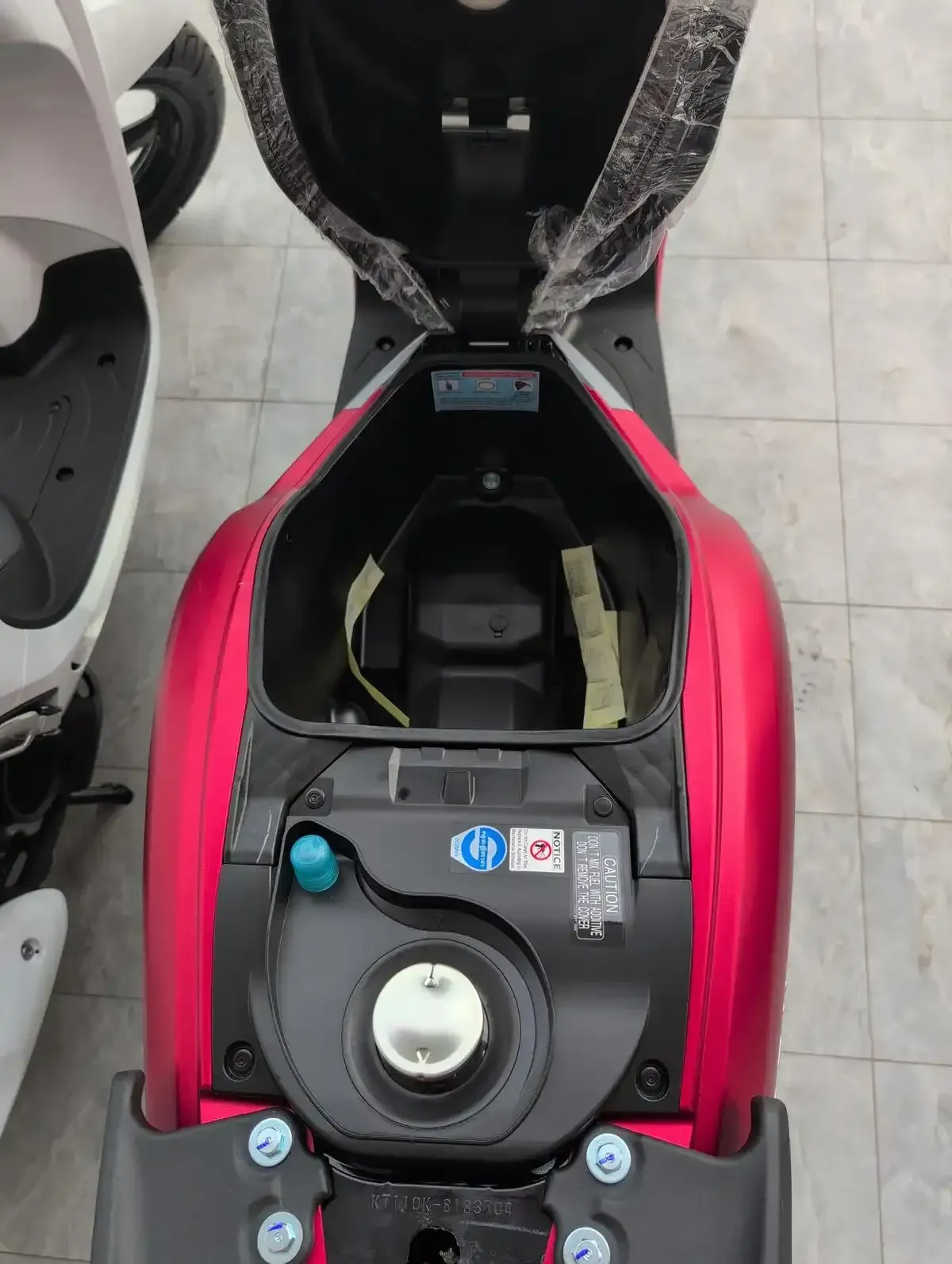
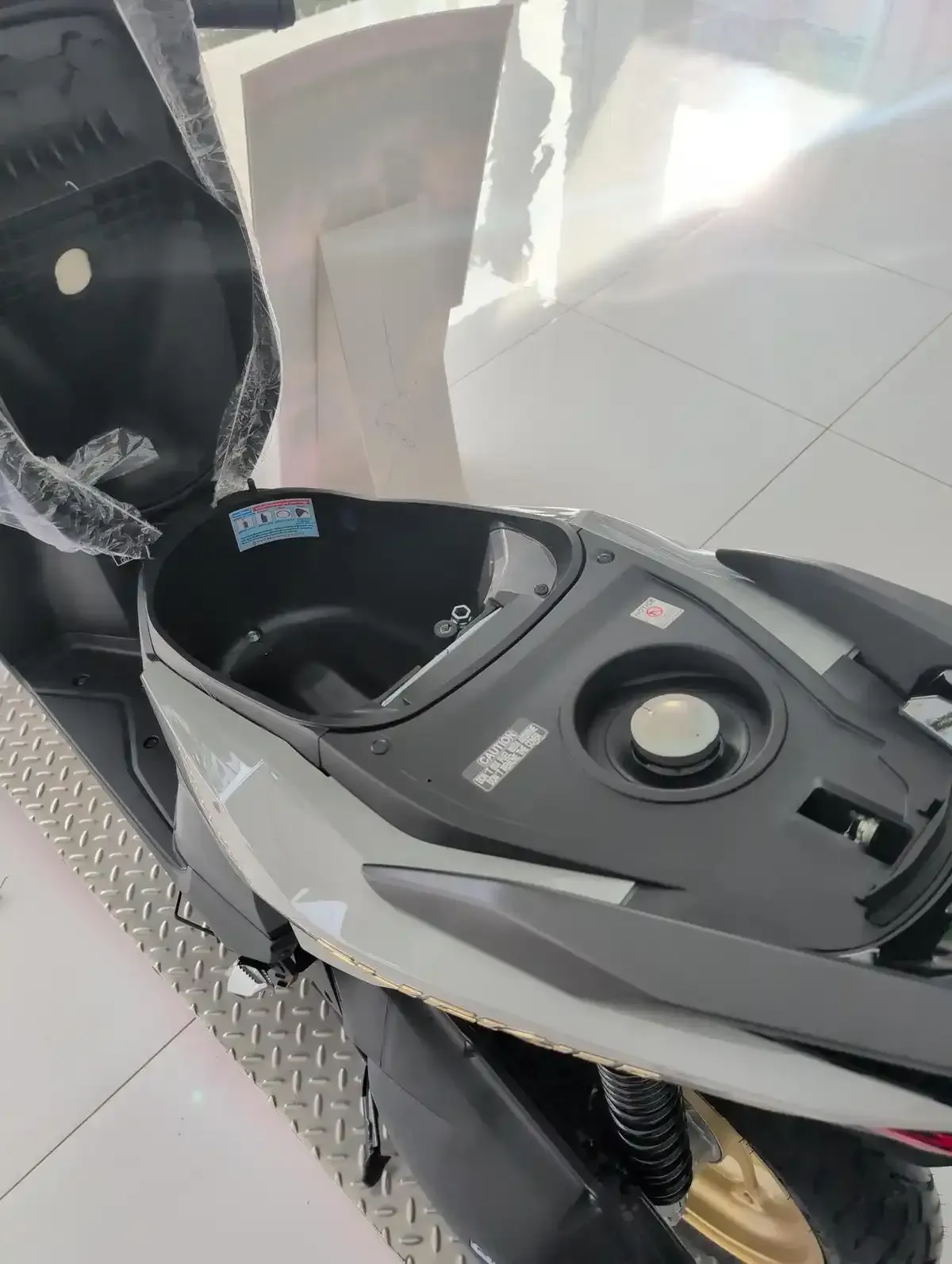
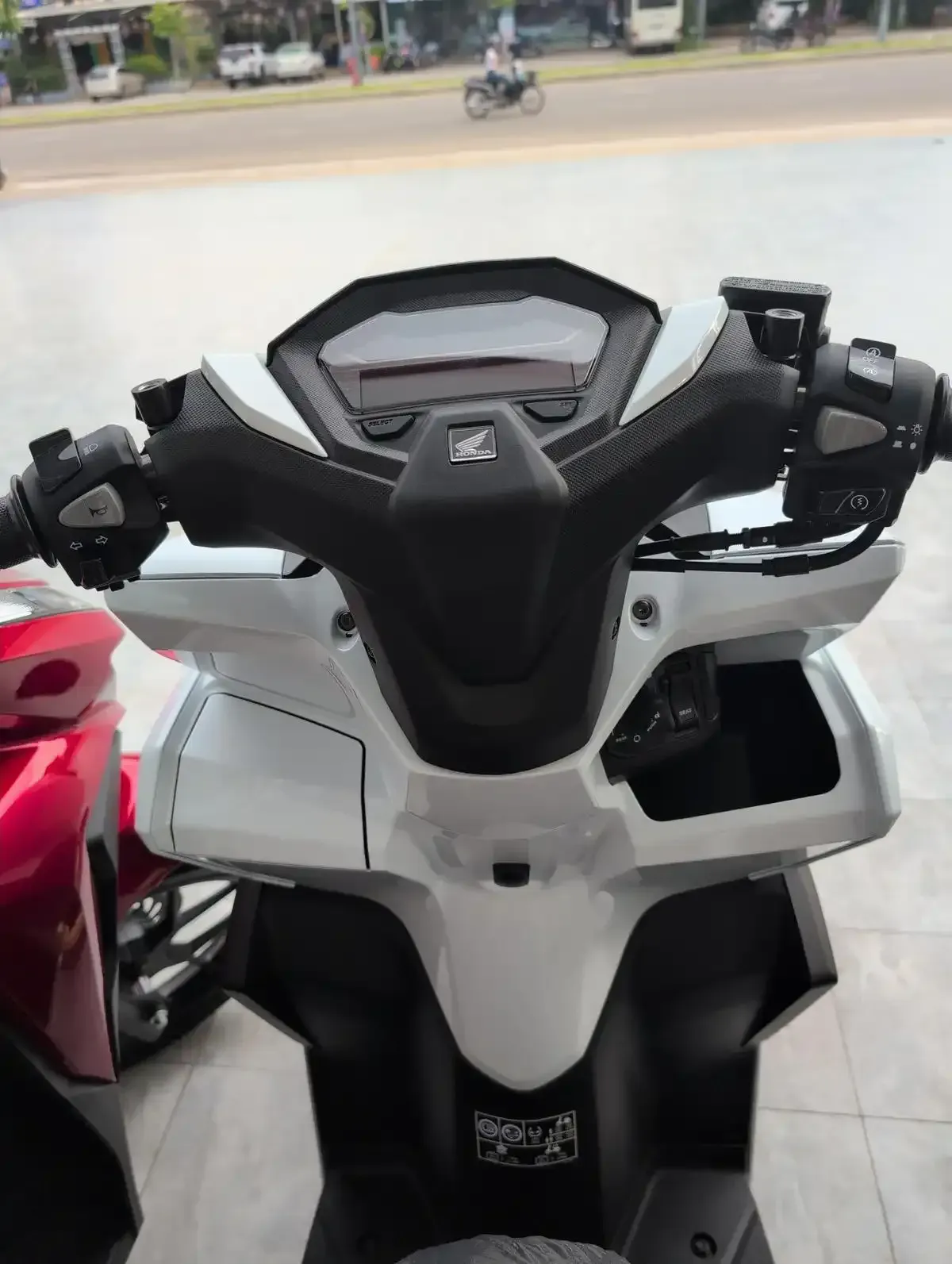
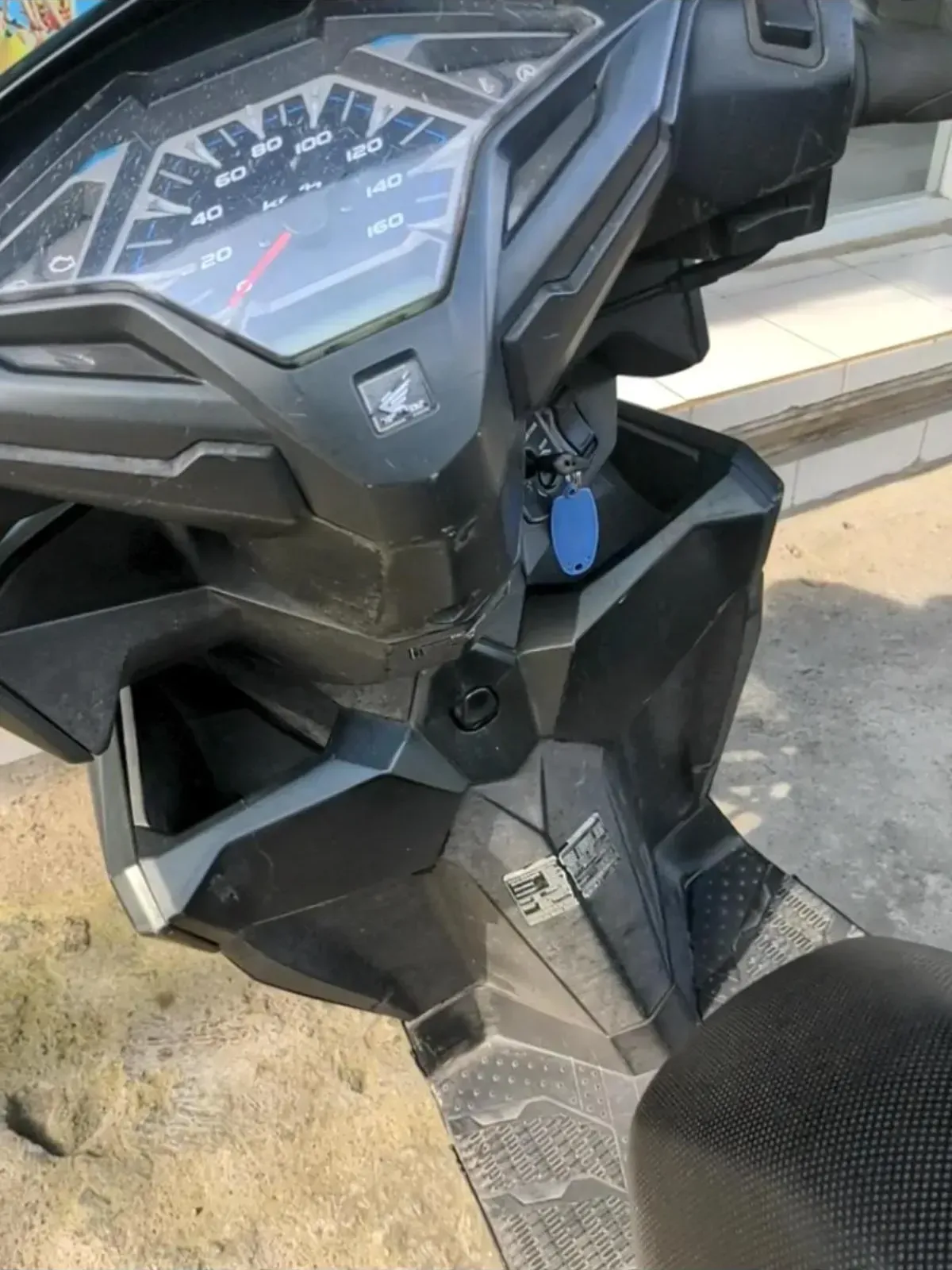
Convenience : No clutch and no switching gears – the bike takes care of all of that for you. Riding couldn’t be easier. And, just like for semi-automatics, you will have your left hand freed up, which is a practical requirement for locals in Southeast Asia.
Negatives : The bigger and bulkier automatics are not as nimble handling as the smaller looking ones. The maneuverability is noticeable, but not the end of the world.
Motorbike Engine Size & Power
In basic, the engines are small. However, for daily riding they are actually very sufficient – no need for anything faster or more powerful. For longer trips, the automatic and fully manual bikes are also quite acceptable. Semi-automatic are not as comfortable for longer trips, but not really that bad.
In Southeast Asia, the typical bike engine sizes range from 110cc – 150cc. Large bikes (600cc and larger) and “large bikes” (around 250cc) do exist, but make up an uncommon minority of bikes on the road. Therefore, the local riding culture gravitates around the smaller 110-150cc motorbike. Expect lower speeds – it’s a nice relaxed paced. For you Americans, 600cc and large sport bikes are not common in Southeast Asia, and it does not makes sense to ride them due to the overall riding culture.
There are many foreigners whom have bought larger bikes – BMW adventure touring, Harley Davidson, dirt bikes in Cambodia, Ducati and sport bikes. However, these are not practical for daily use due to the riding culture, roads, and slower speeds.
Accessories For Your Motorbike
Here is a comprehensive list of accessories at this link.
For this post, we will only list a few practical accessories as examples.
–
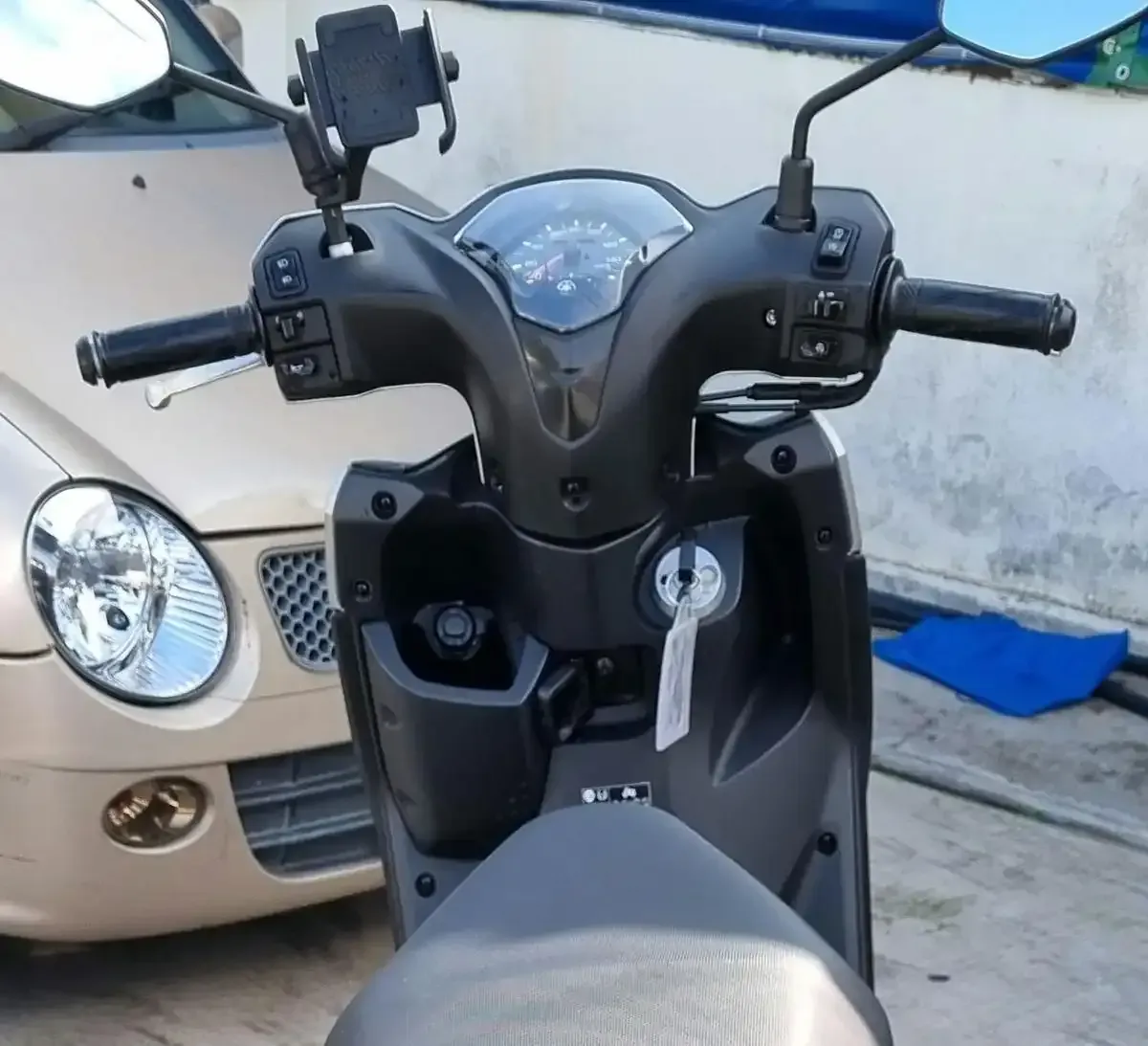
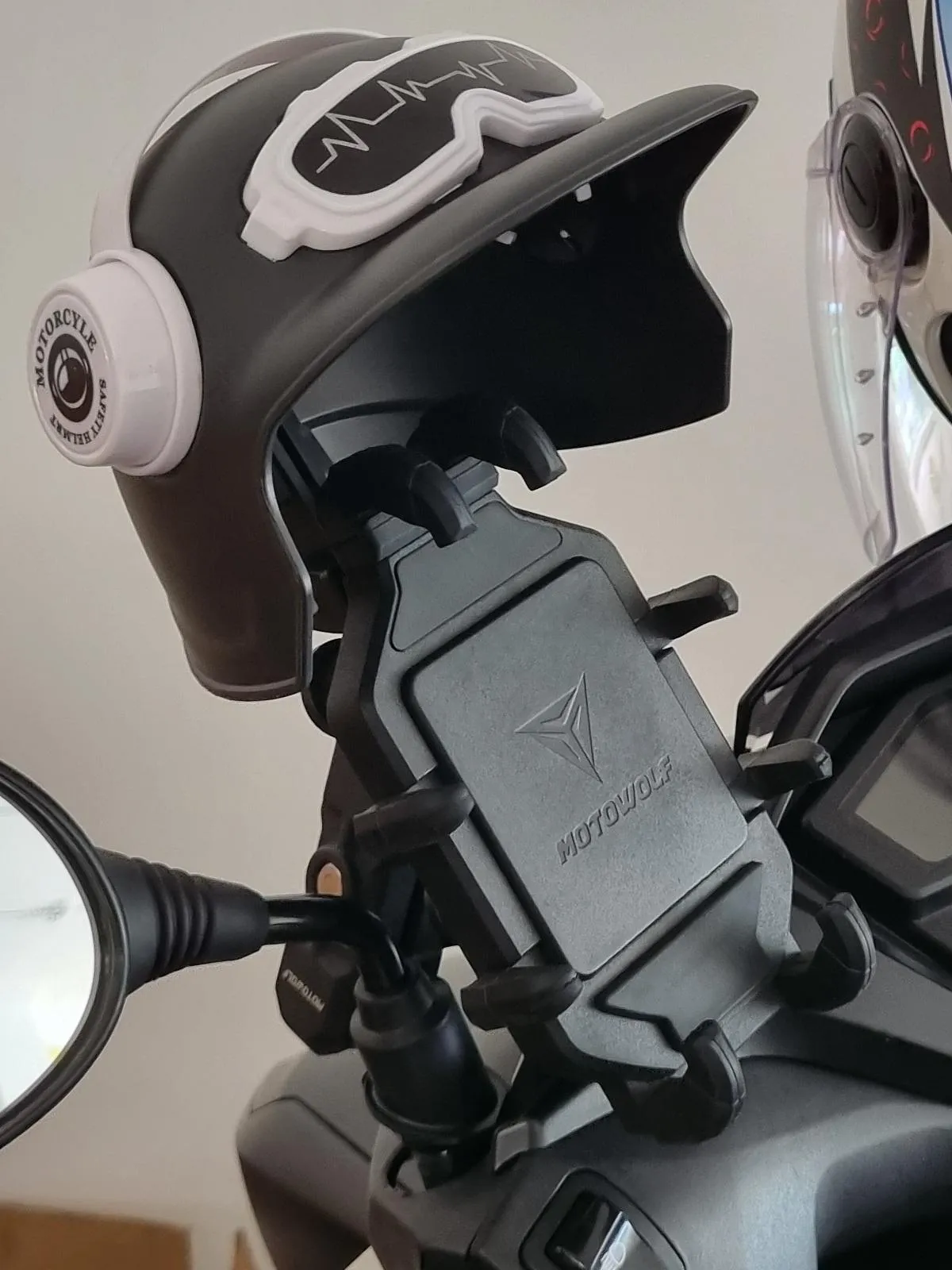
Cell phone holder
–
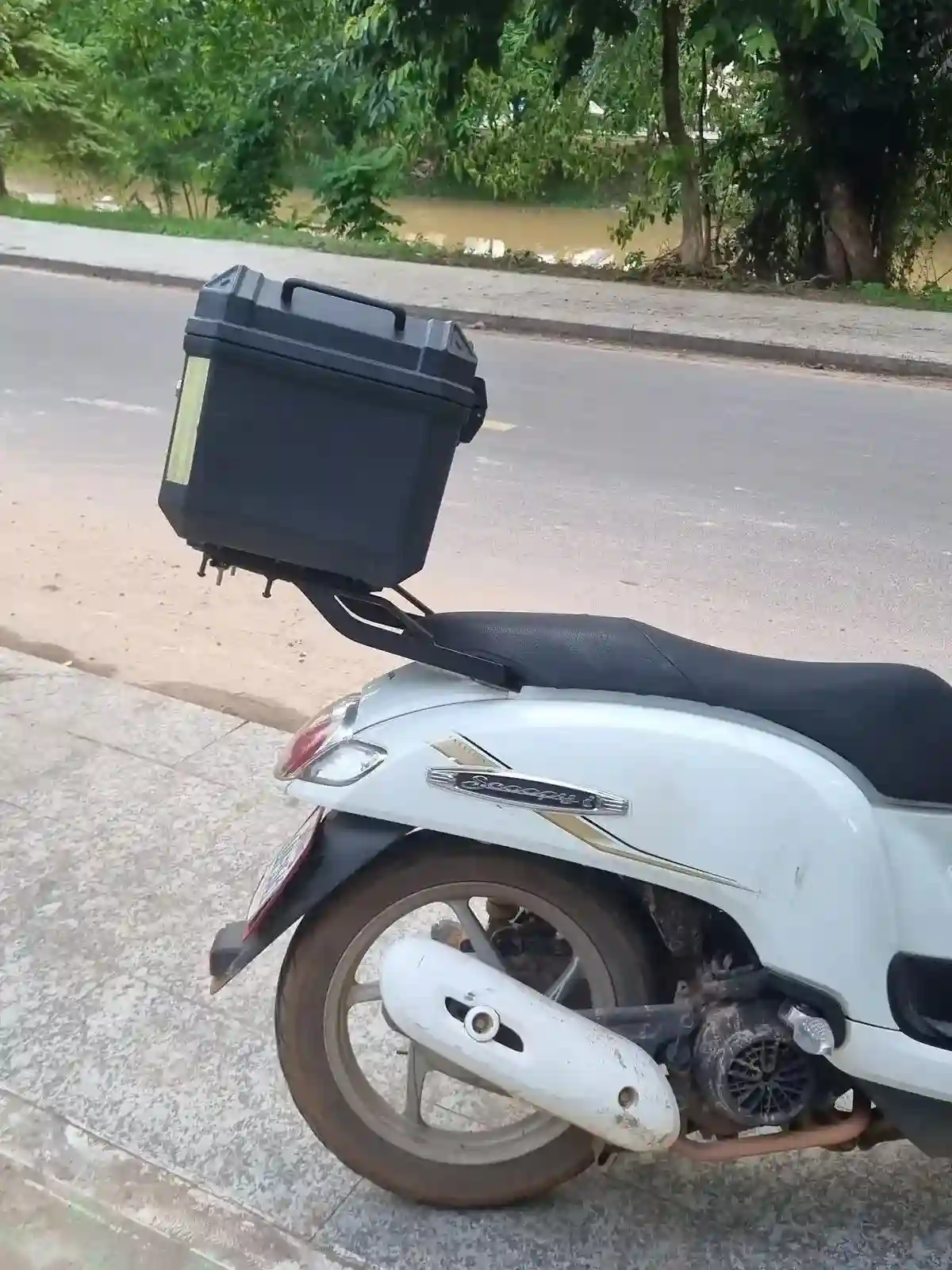
Rack
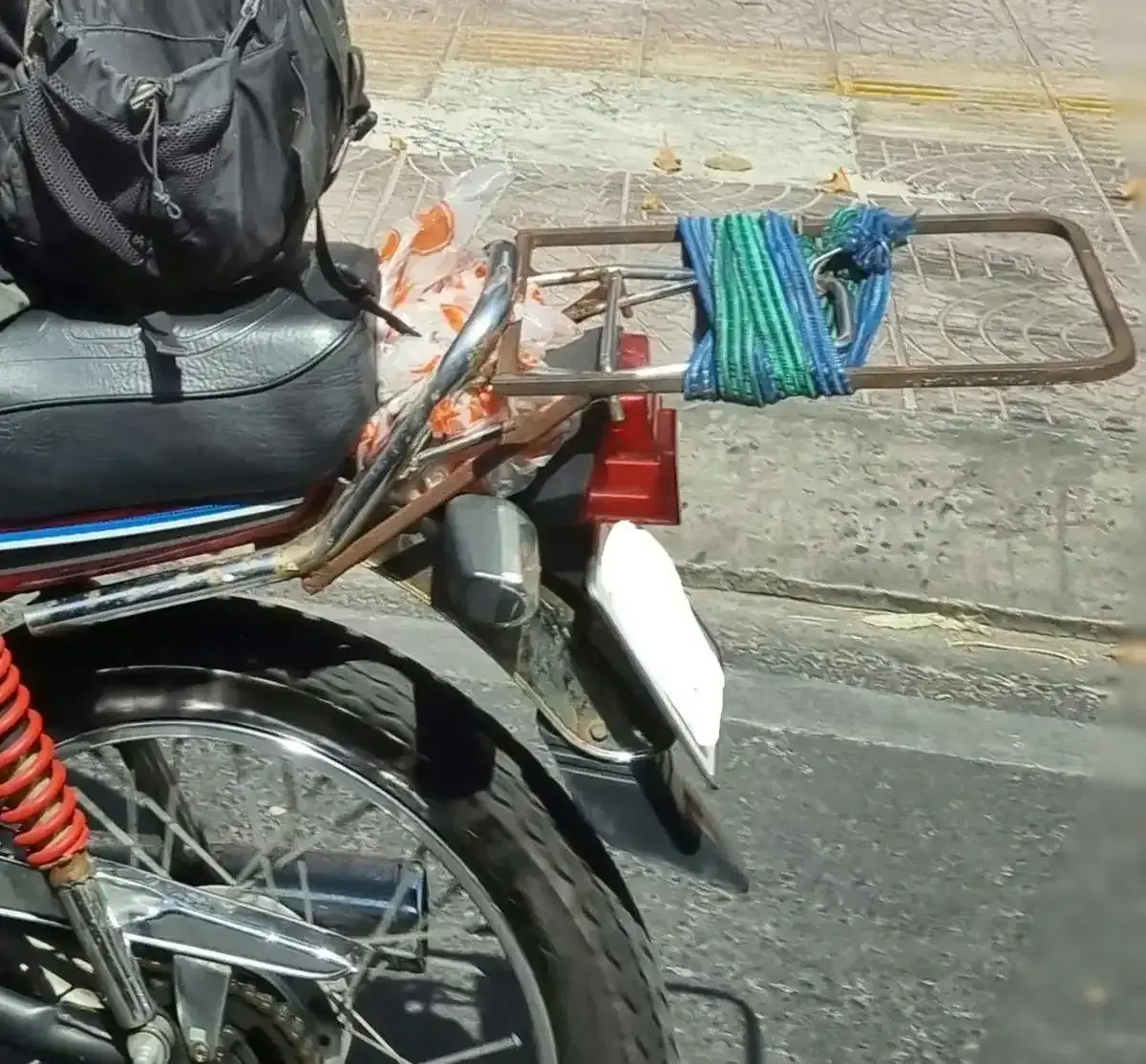
–
A soft pad for the seat
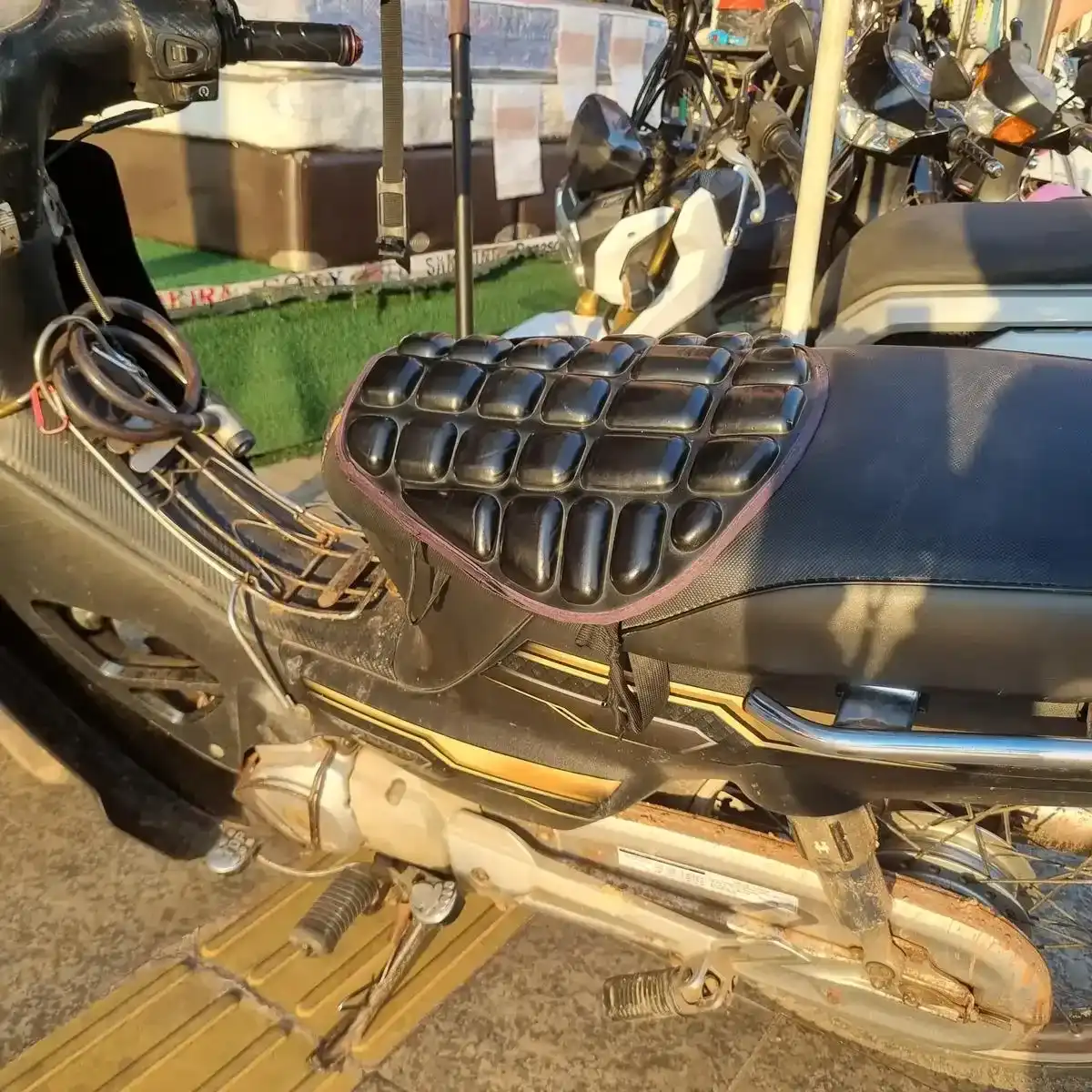

–
various
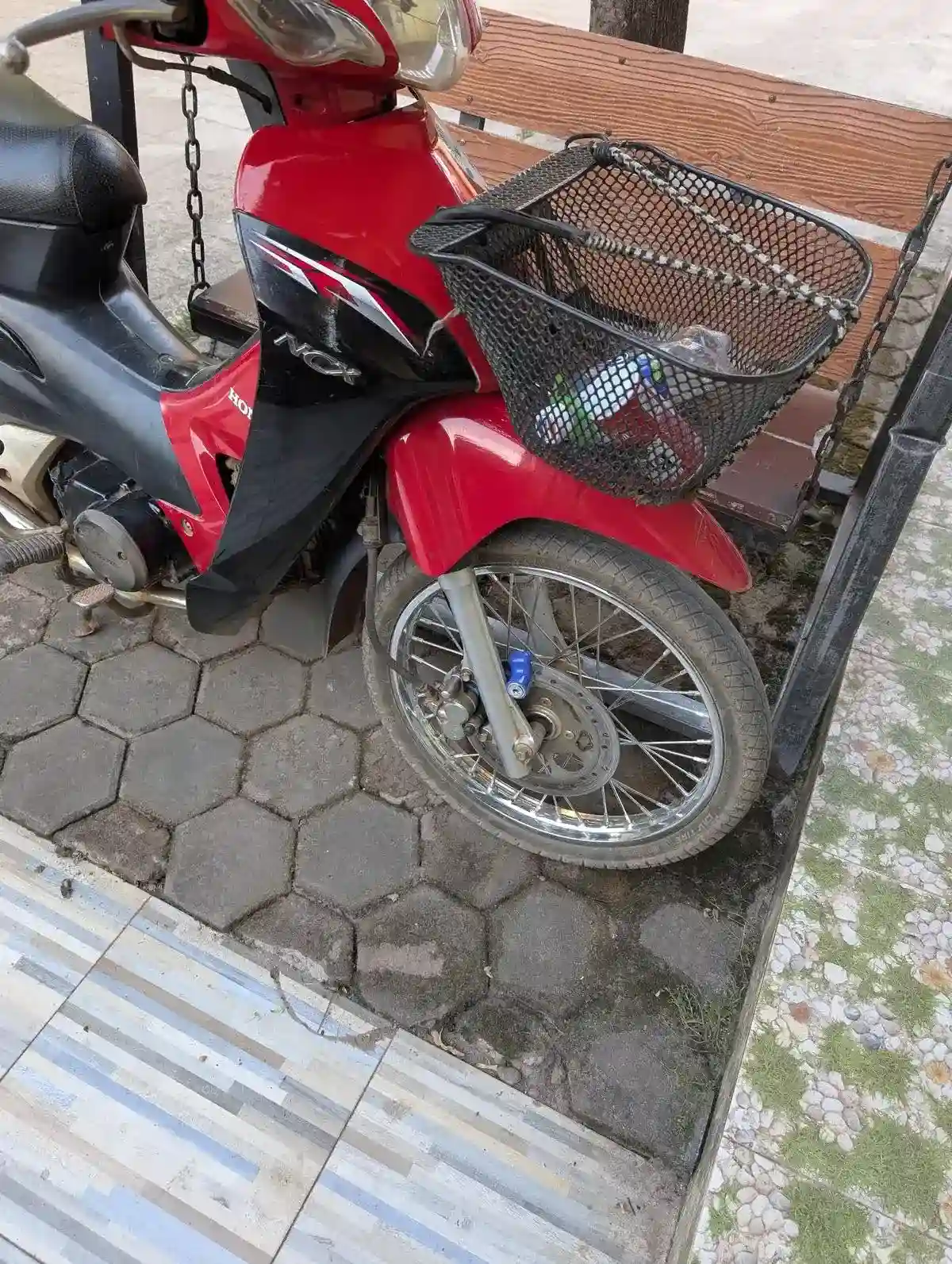
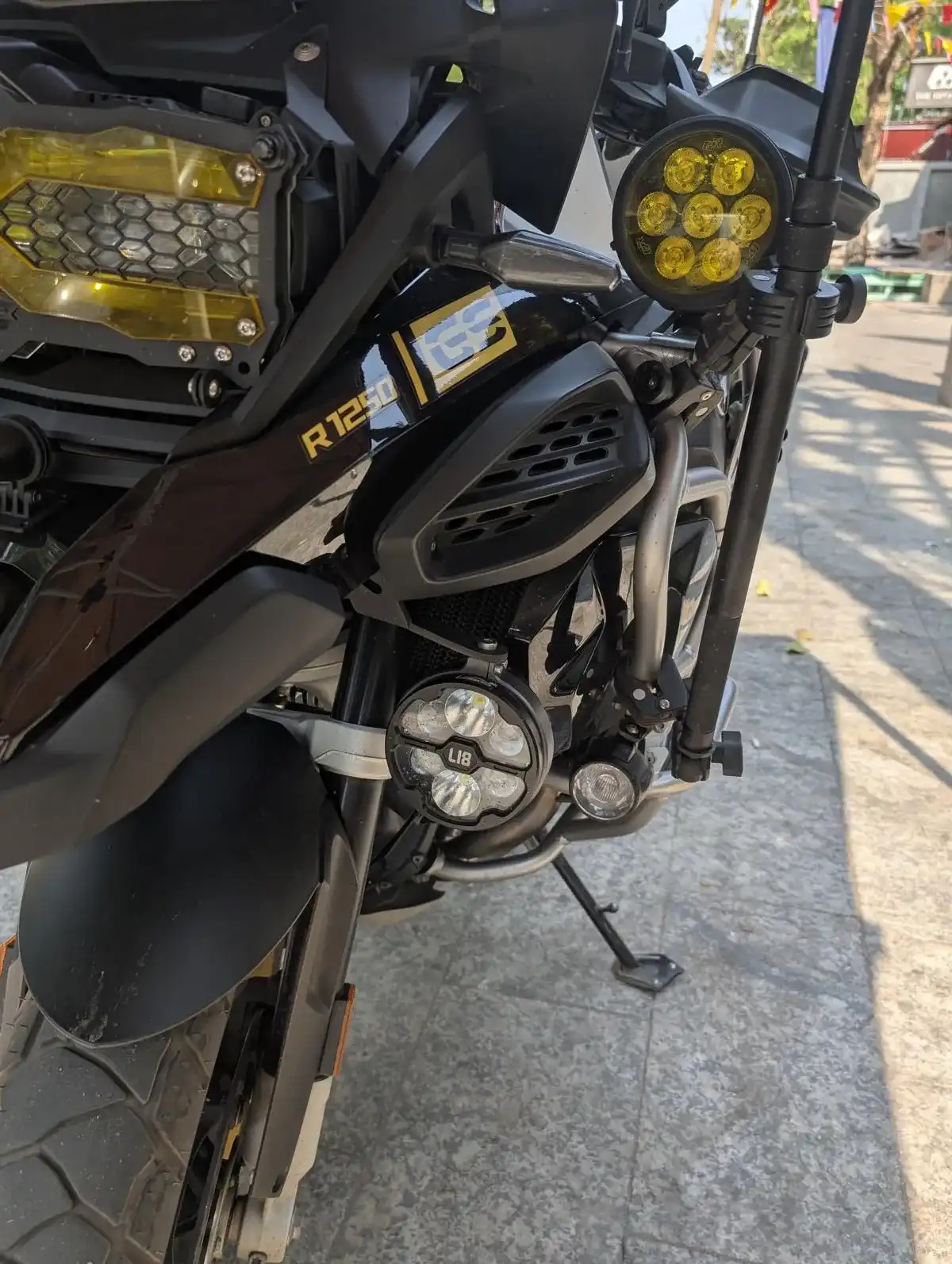
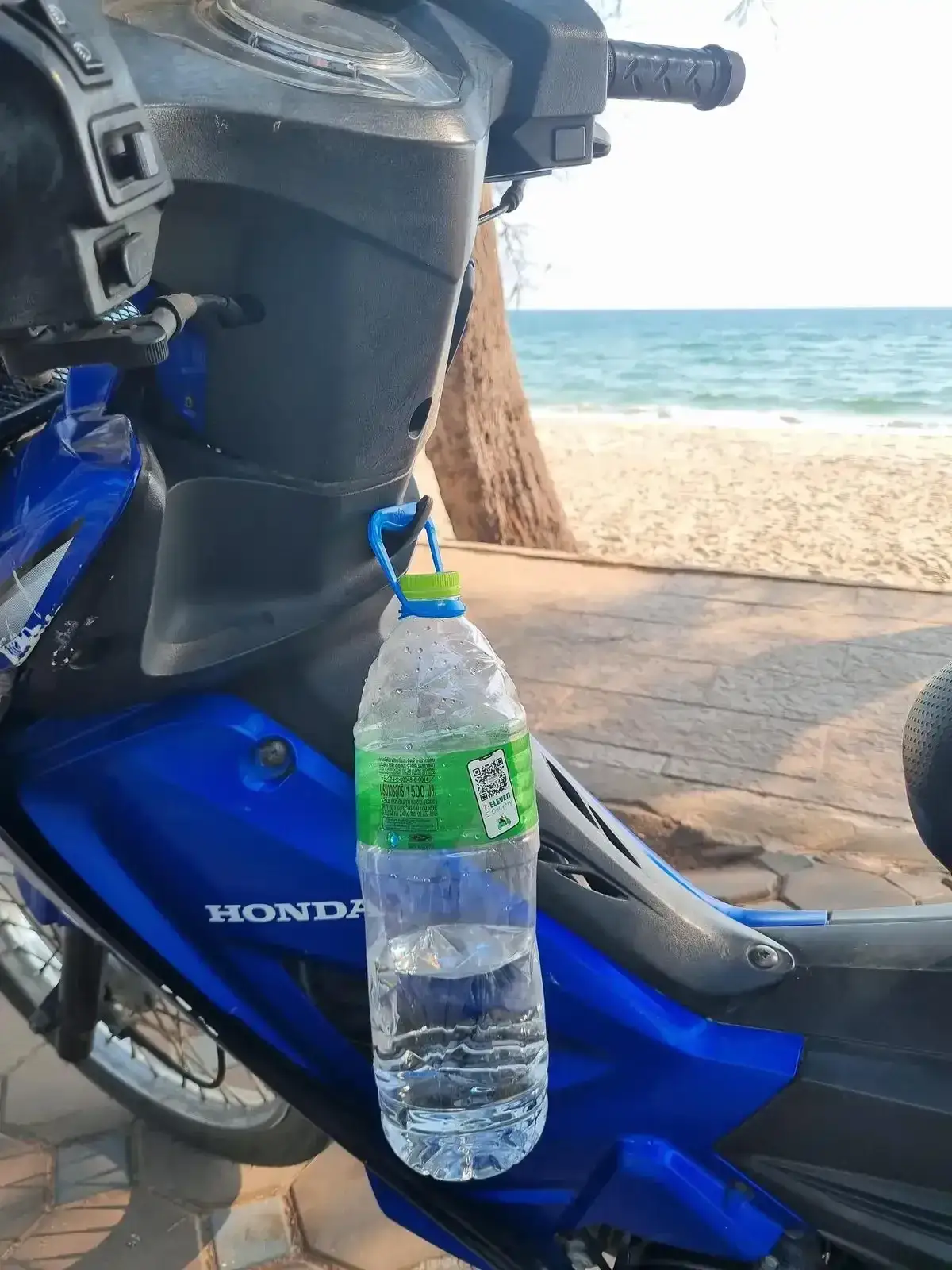
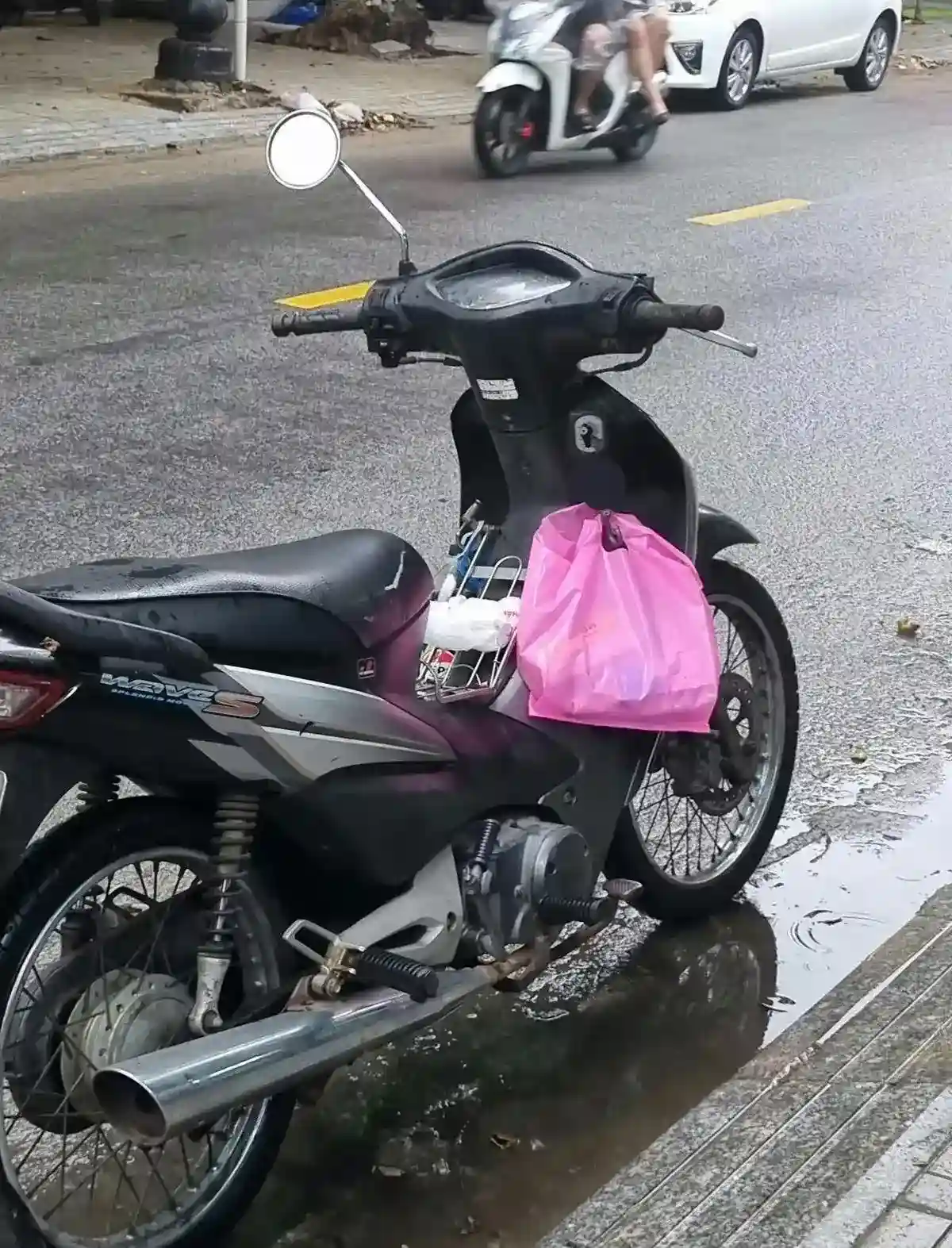
–
Helmets
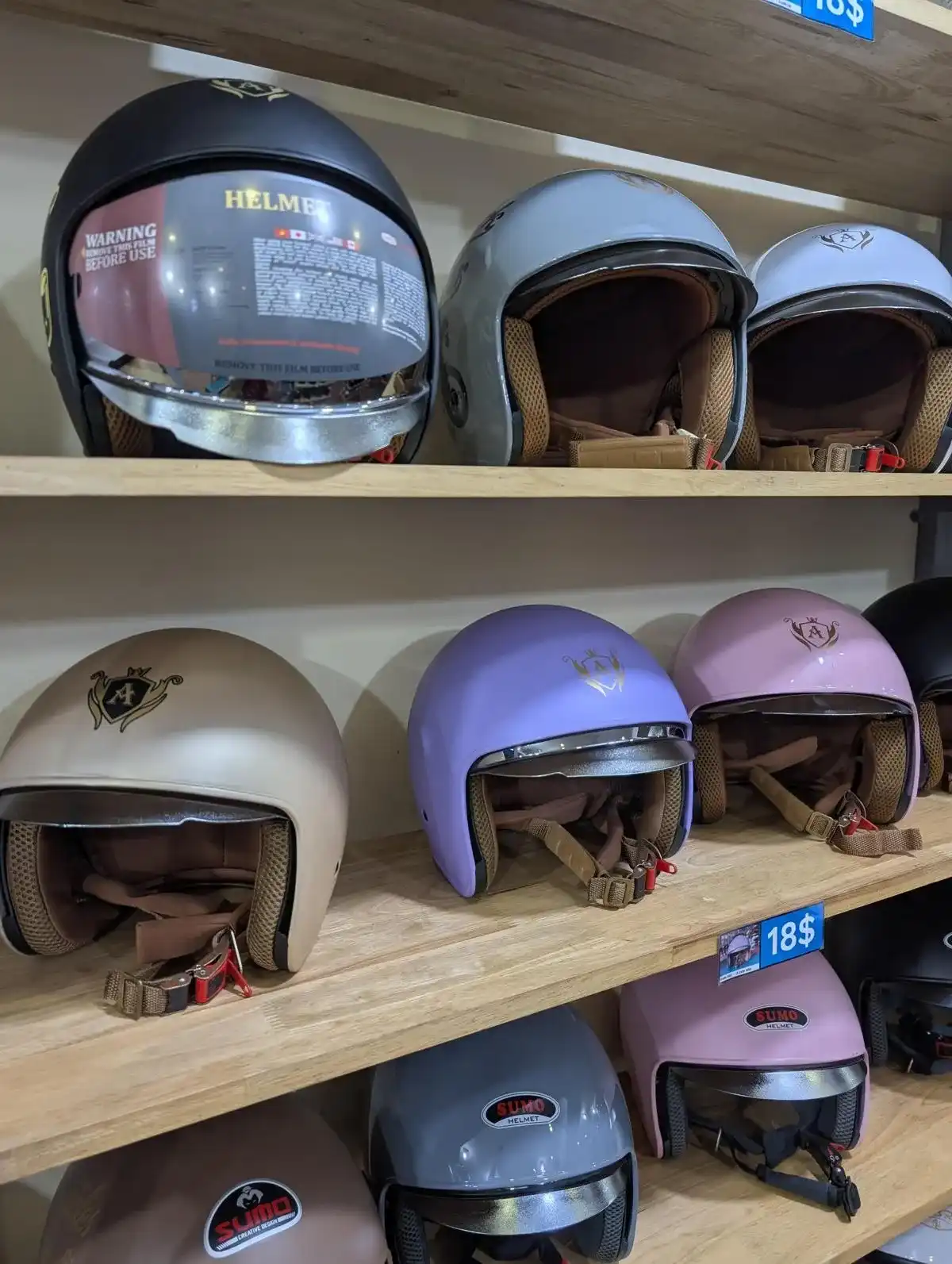
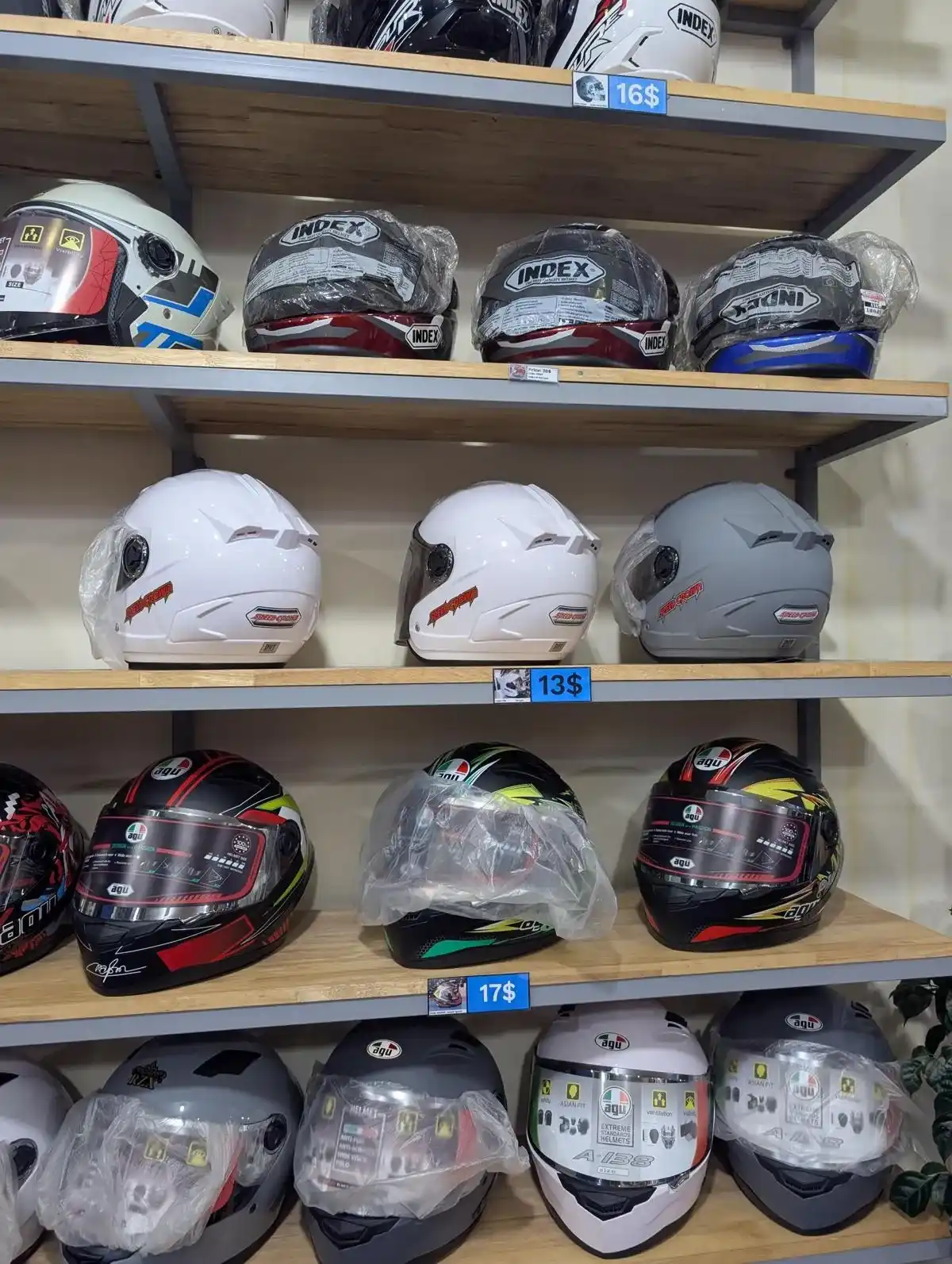
Motorbike Models In Southeast Asia
Honda is the most common brand in SEA, so Honda models are listed here. However, Yamaha and Suzuki have equivalent models of each listed Honda model. Also, there is a never ending list of available motorcycles and motorbikes. GemsOfTravel is only including the most common models.
Fully Manual
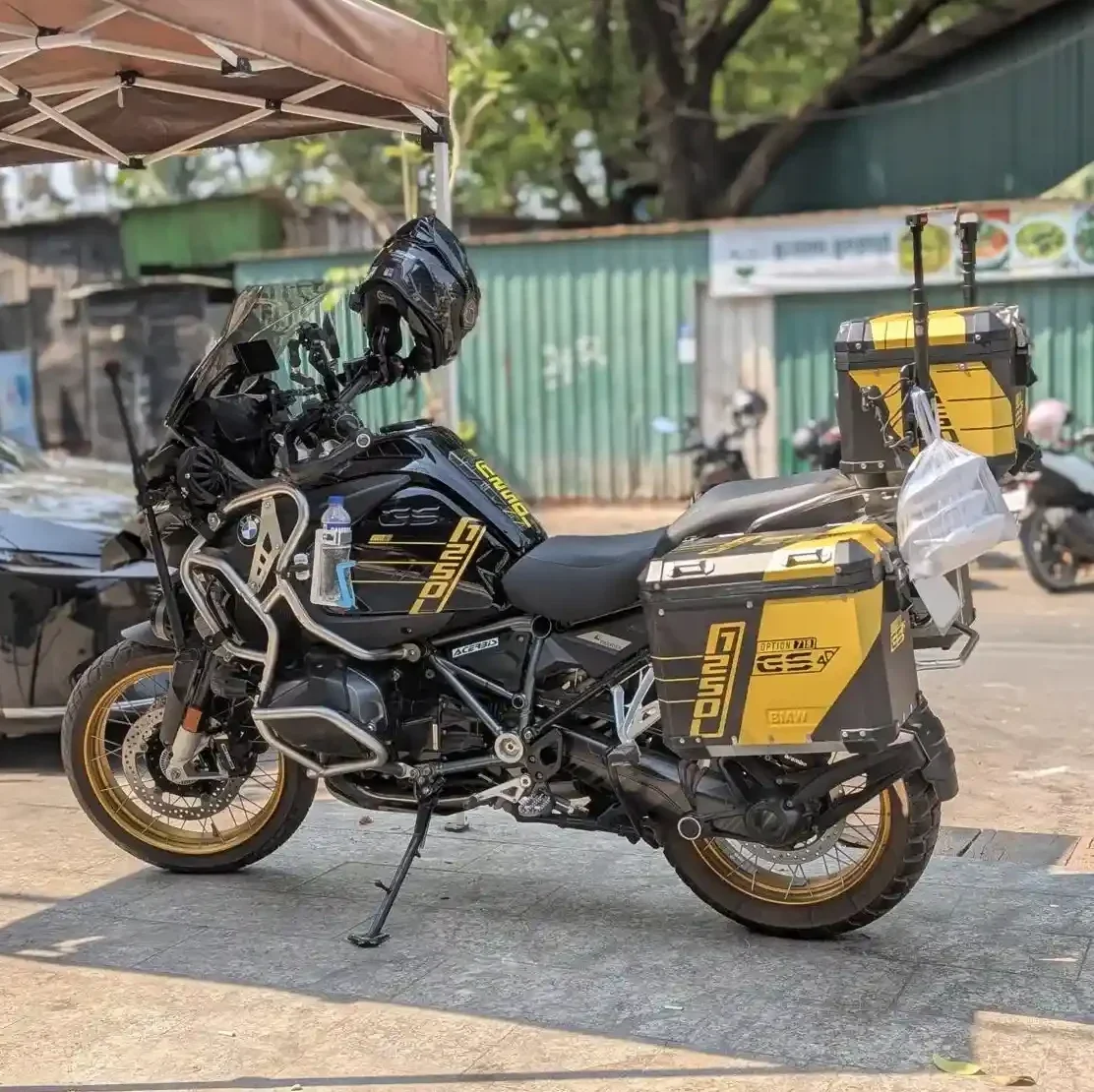
| 1,250cc | BMW |
| 350cc/450cc/650cc | Royal Enfield : When you think “normal” motorcycle, then the Royal Enfield would come to mind. They offer classic, roadsters, scrambler, and adventure touring motorcycles, along with a couple of other models. |
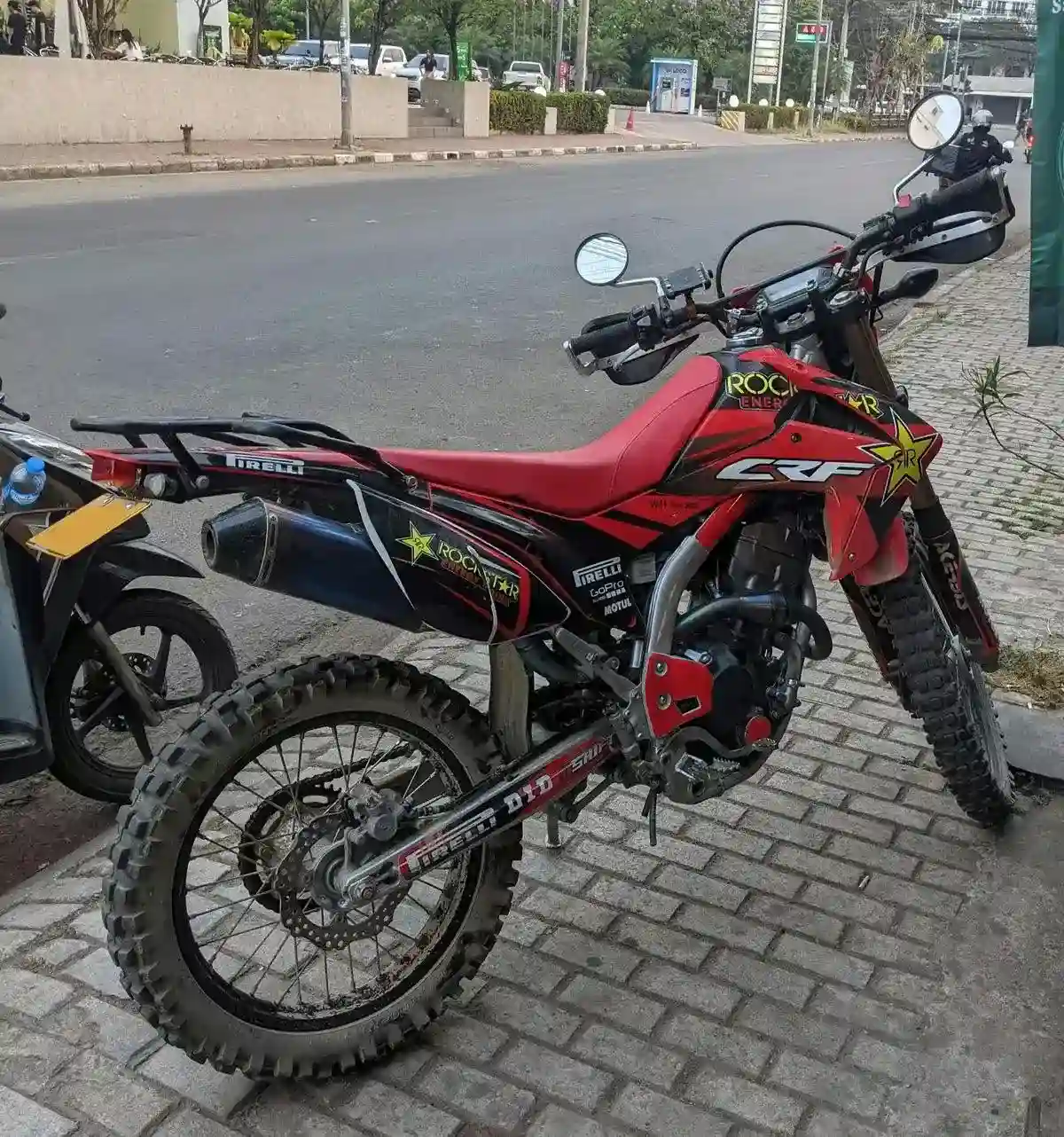
| 250-300cc/350cc/450cc | Euro bike : This is an on-road dirt bike – it is for offroad use and also has lights & turn signals. Brands include Honda, KTM, Yamaha, and Kawasaki. |
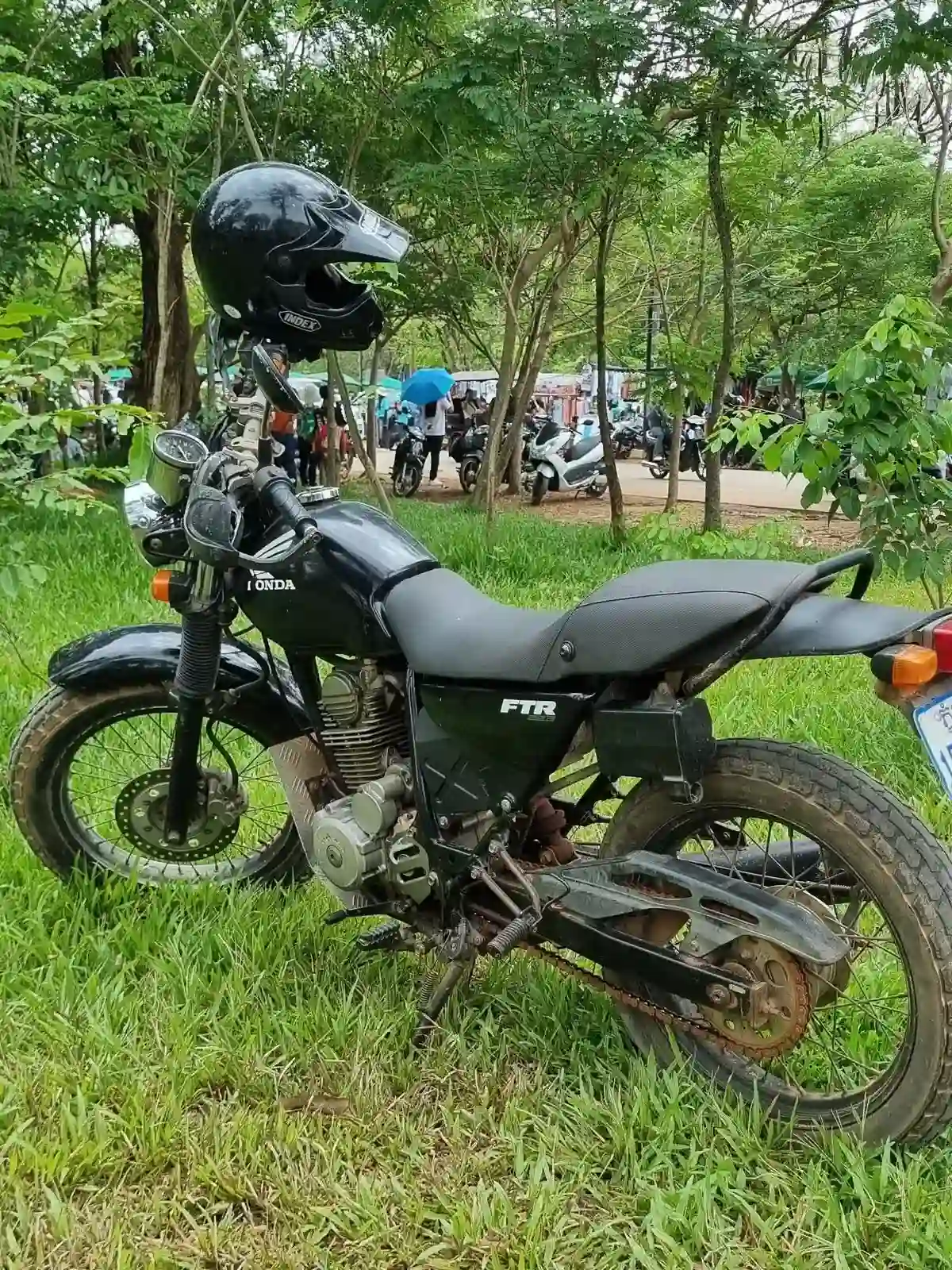
| 223cc | Honda FTR (FTR 223) : A “rugged road bike”, or scrambler. |
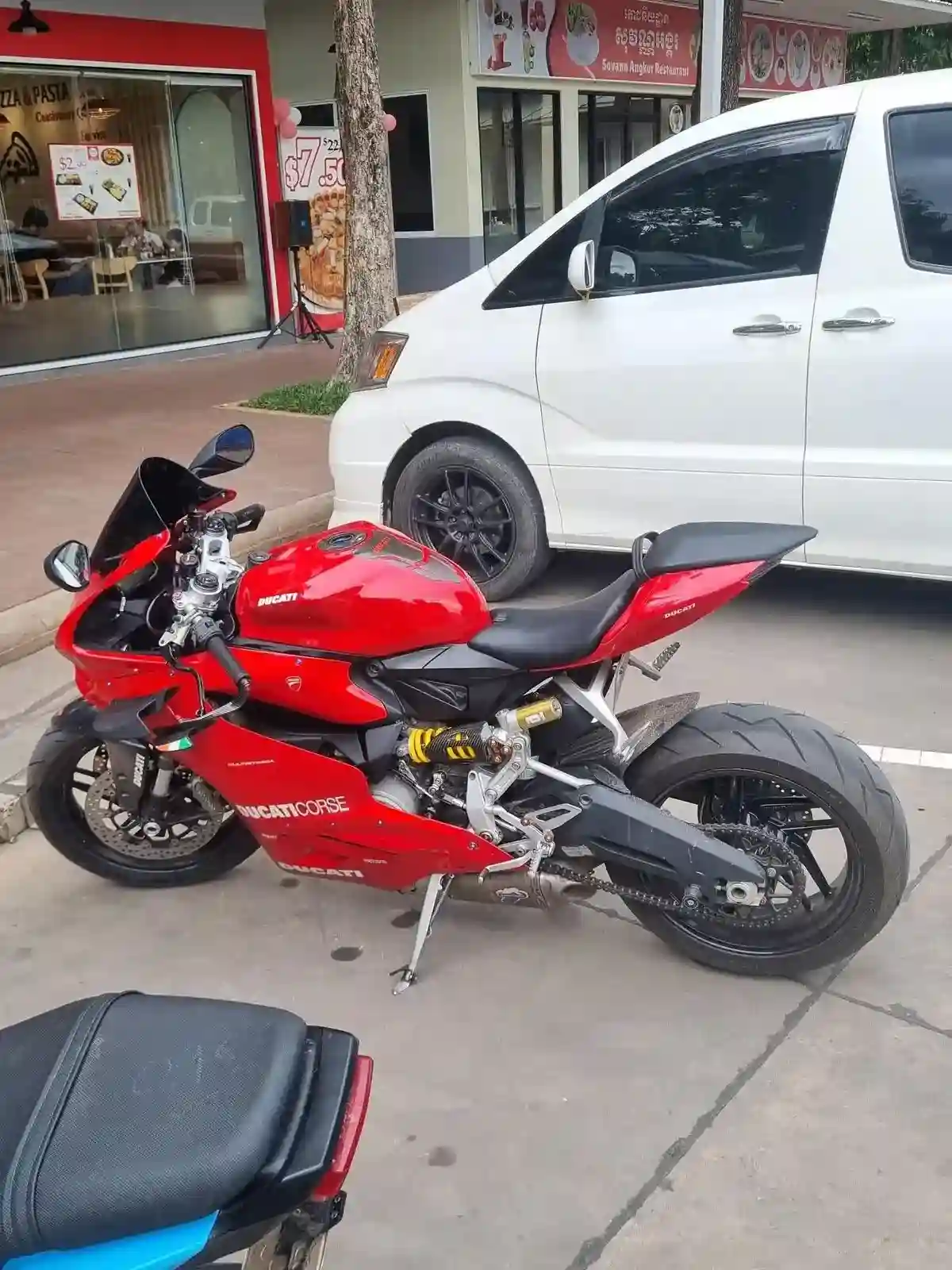
| 300cc and above | Ducati sport bike : A large sport bike (a.k.a “crotch rocket”). |
| 150cc/250cc/300cc | Honda CBR sport bike : A small compact sport bike (a.k.a “crotch rocket”). |
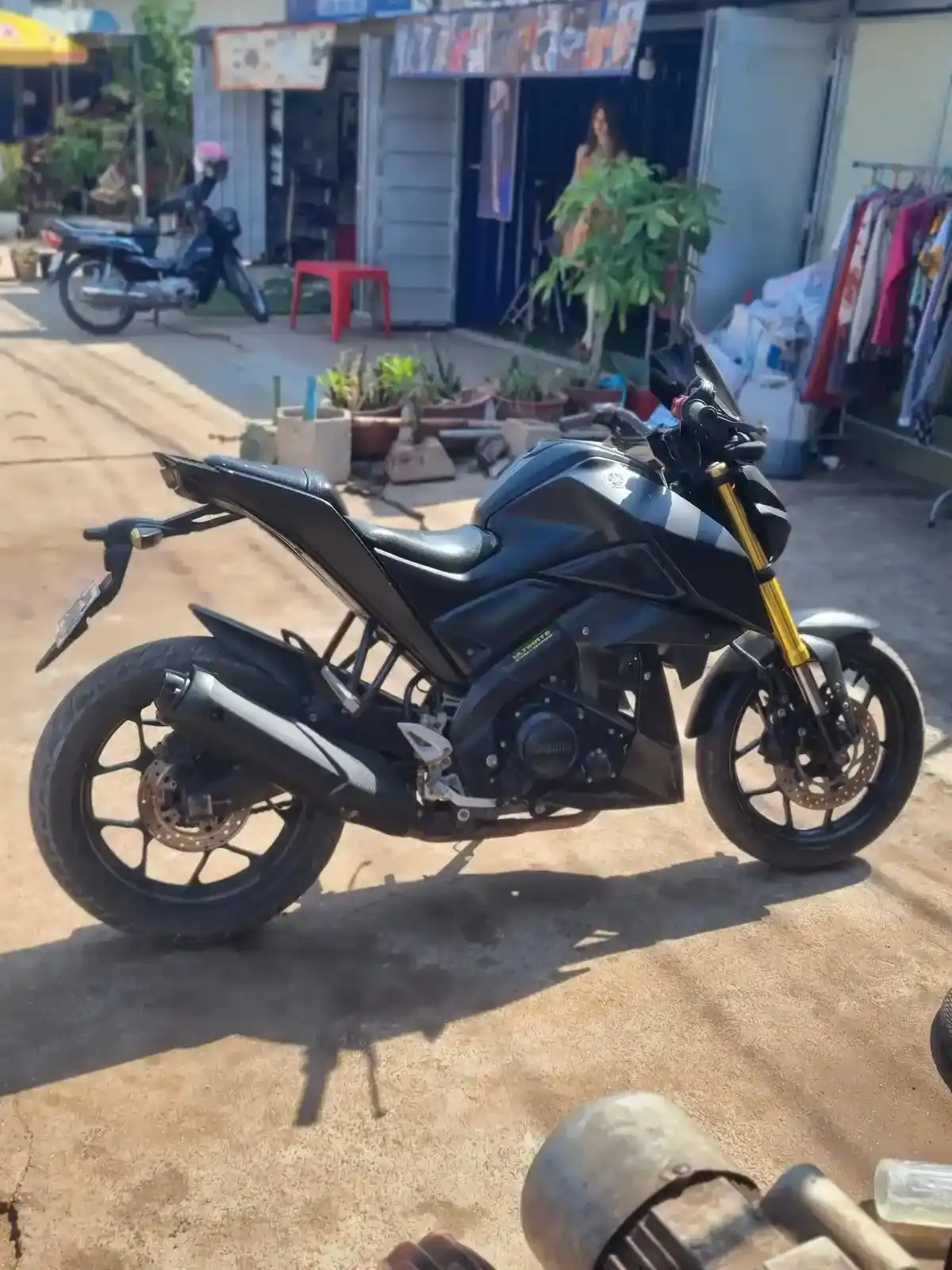
| 150cc | Honda Winner/RSX : This is a cross-over of a sport bike meets semi-automatic Honda Wave. |
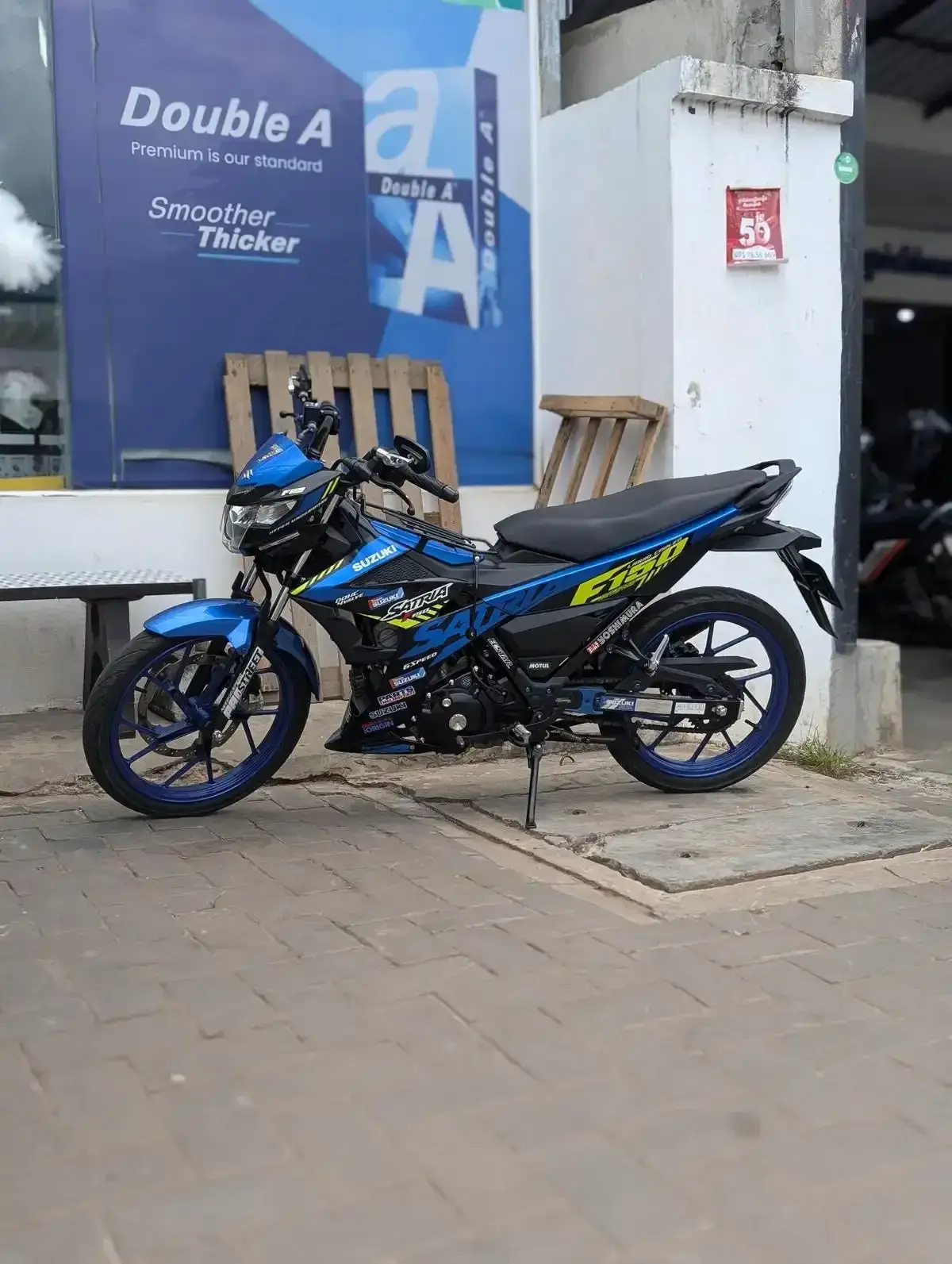
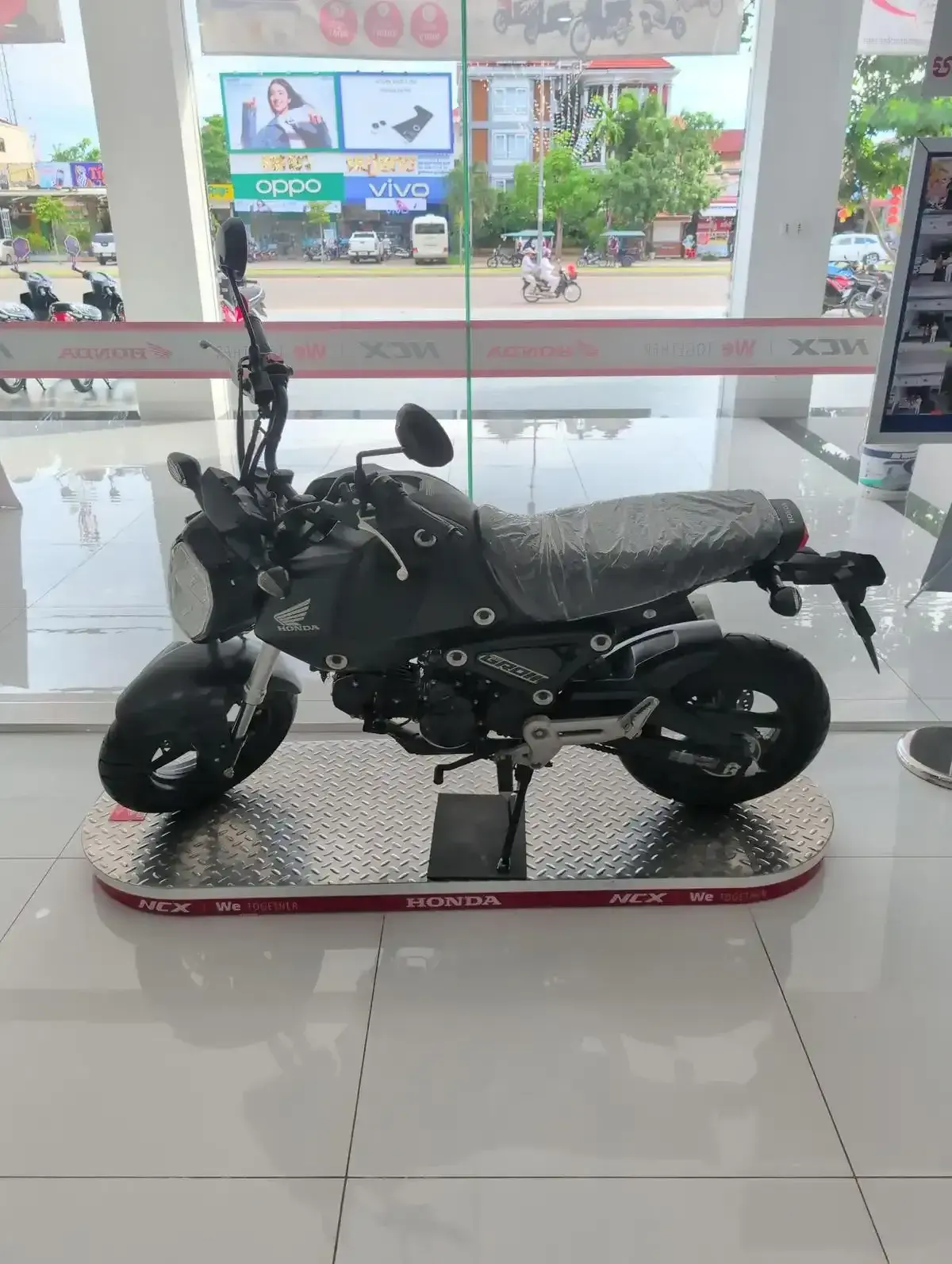
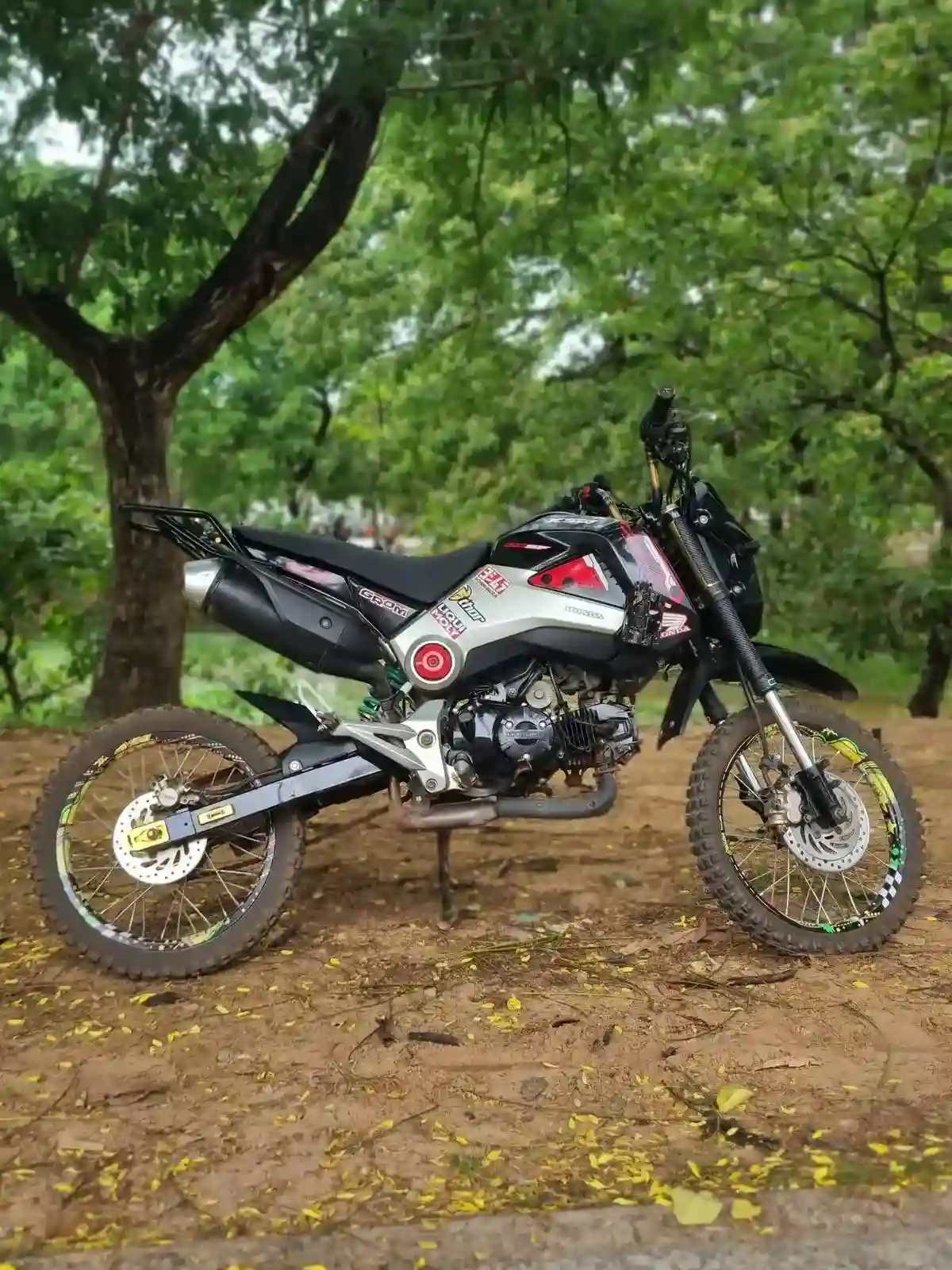
| 125cc | Honda Grom MSX : This looks like a dirt bike-style with mini wheels found on common automatics like a Honda Click/Vario. One of the images, below, shows a Honda Grom that is retro-fitted with dirt bike rims and tires. |
| 110cc/125cc/140cc | Detech Honda Win : This is a classic looking motorcycle that backpackers seem to love – it’s a real backpacker special. This is the infamous Vietnamese model that gets bought/sold/bought/sold all throughout Vietnam. The number of times it’s been married and divorced from it’s owners should make us all blush. The amount of random road side issues and required maintenance to keep these rolling varies. Yours may run just fine for you, or not. Mechanics are everywhere and will be able to fix this bike – no problem [fixing your motorbike problems]. Do not let the name confuse you – Detech is the brand that makes these “Honda” motorcycles, not Honda. |
Semi-Automatic
Semi-automatics are the most common motorbikes throughout Southeast Asia. Rice is part of every meal and semi-automatic motorbikes are part of nearly everyone’s daily ride. Water is wet, SE is hot, and semi-autos are most common – just facts of life.
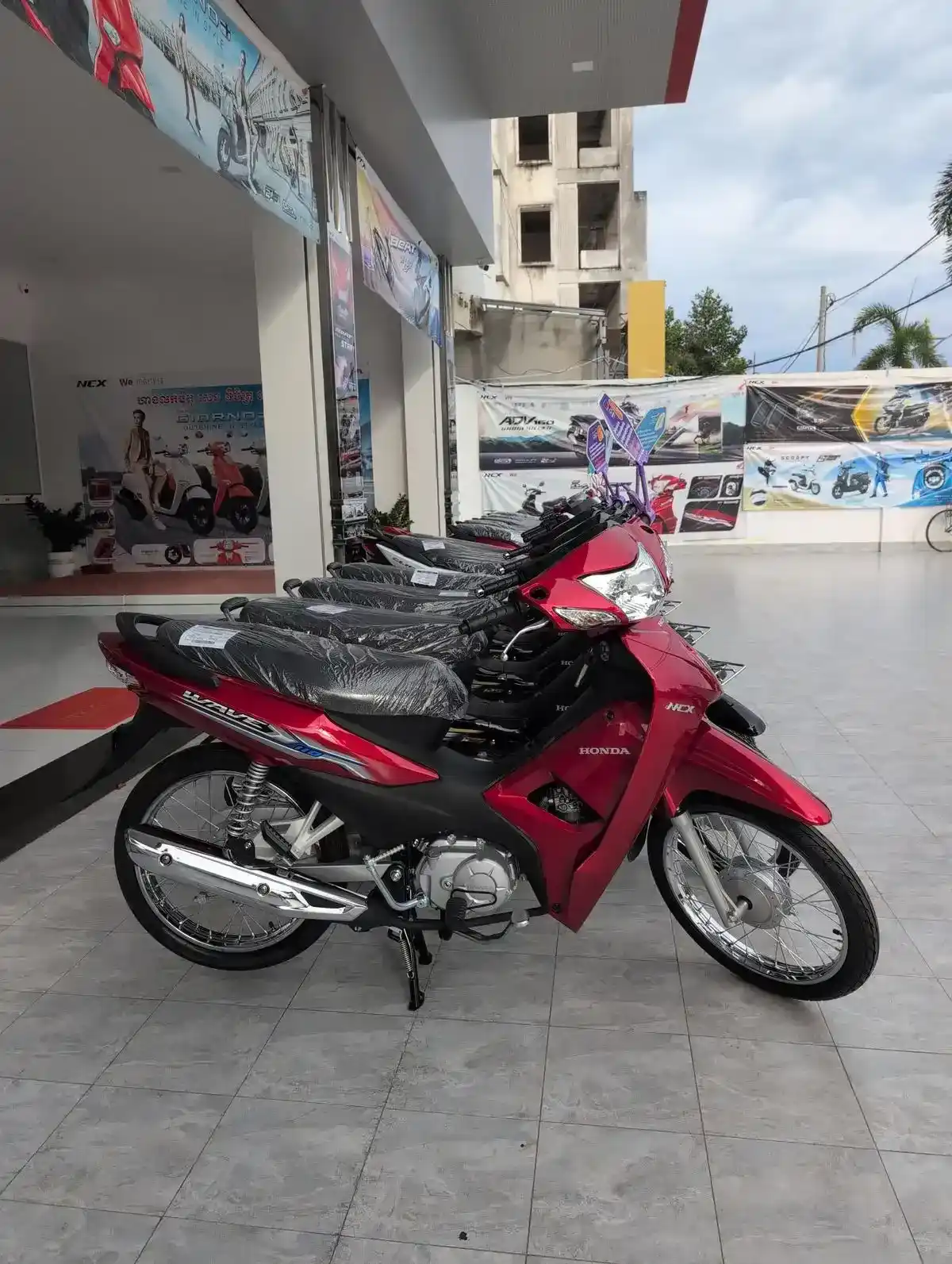
| 110cc/125cc | Honda Wave : The Honda Wave is the most common bike in SE Asia (or some similar variant of it) – a true staple of Southeast Asia. They are well known for being indestructible “tanks” and “bomb proof”. They are easy to fix, parts everywhere, and any mechanic can service this with their eyes closed out of sheer memory (exaggerating here, but guaranteed that every bike mechanic has worked on this model). These come with a front disk brake (recommend) or a front drum brake (do not recommend). |
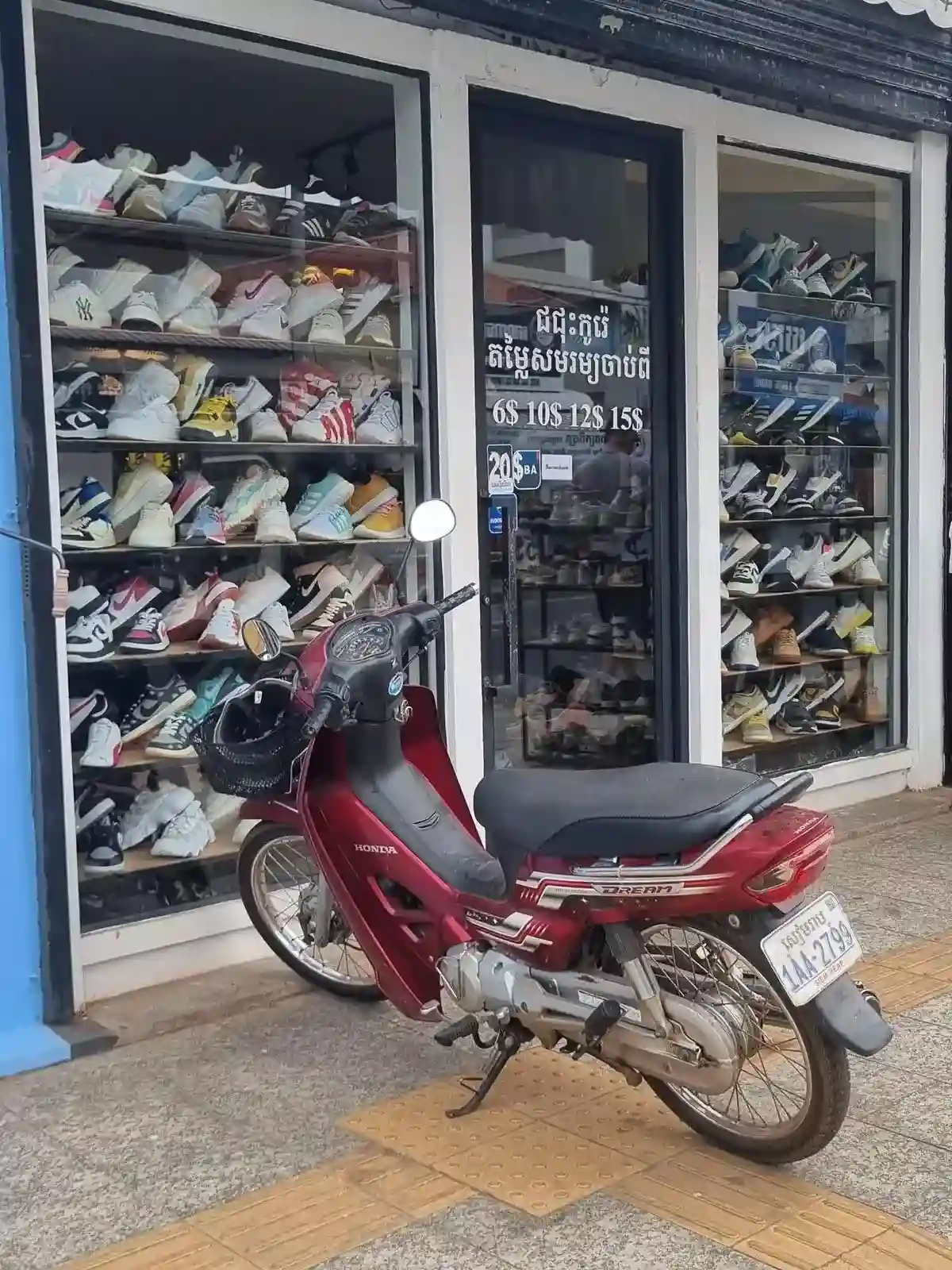
| 125cc | Honda Dream : This bike is a variant of the Honda Wave, and is beyond popular in Cambodia. It seems like everyone rides the exact same bike, a Honda Dream, in Cambodia. Same info applies to the Dream as does the Wave, but with one difference – the front brake. This bike is only sold with a front drum brake (do not recommend), never a front disk brakes (recommended). |
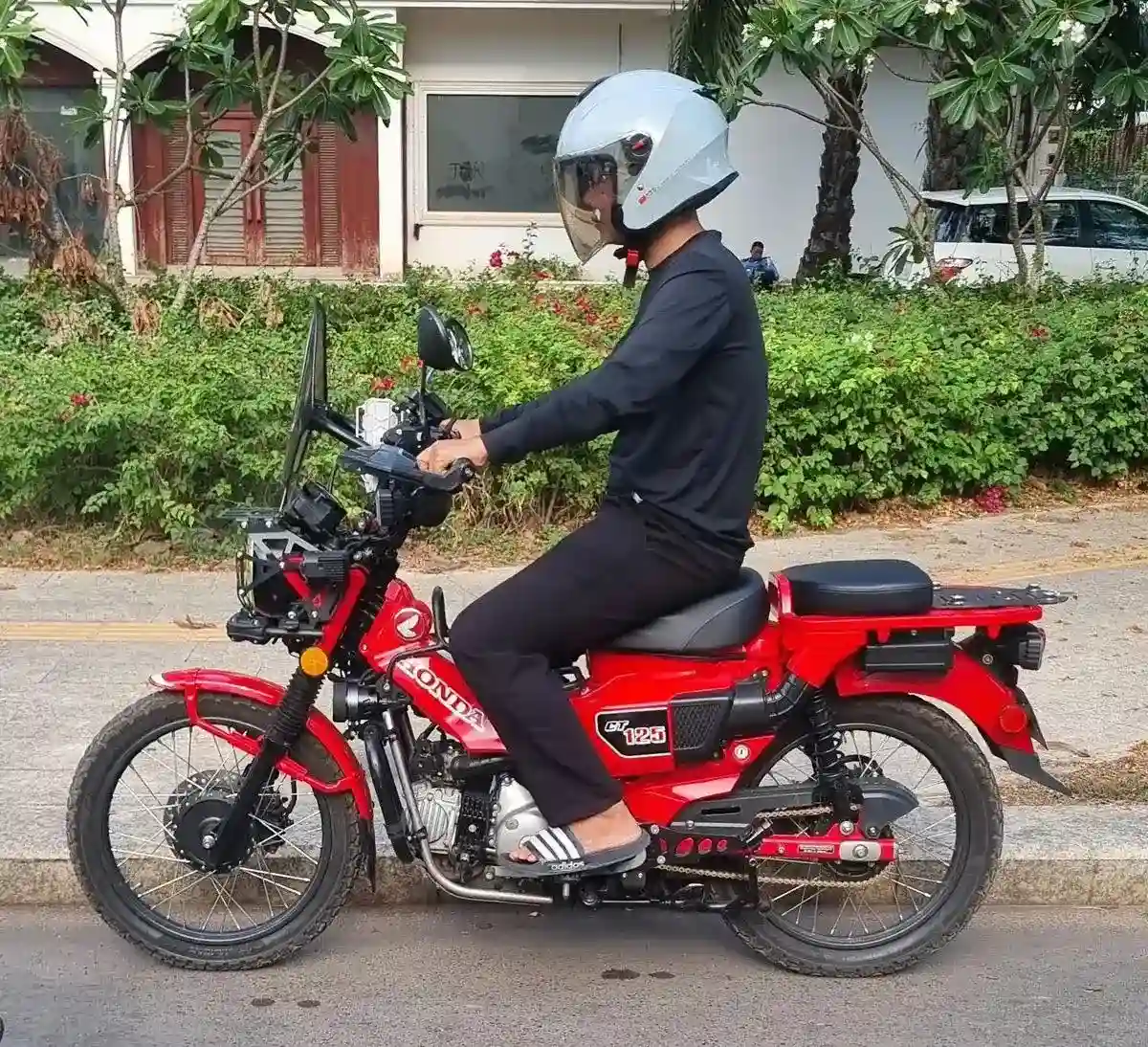
| 125cc | Honda CT : A bike for “casual off-road use” as wikipedia puts it. It is a rugged and more premium Honda Wave. You could consider it the Land Rover Defender of semi-automatic motorbikes? The Honda FTR 223 is a bigger version of what this bike offers, without the beauty aspects. |
| 114cc | Yamaha PG1 : A competitive take on the Honda CT, and same info applies. |
Automatic
Automatic motorbikes are super common all over SE Asia. They are considered more premium, comfortable, and have nicer features compared to the semi-automatic Honda Wave models. Very well built.
The smaller (110cc – 125cc) models are very nimble, but the larger models are bulkier with wider tires and they are less nimble.
All are solid bikes. You can take these off road without worry. The rims & tires are stronger than that of semi-automatic bikes.
| 350cc | Honda Forza |
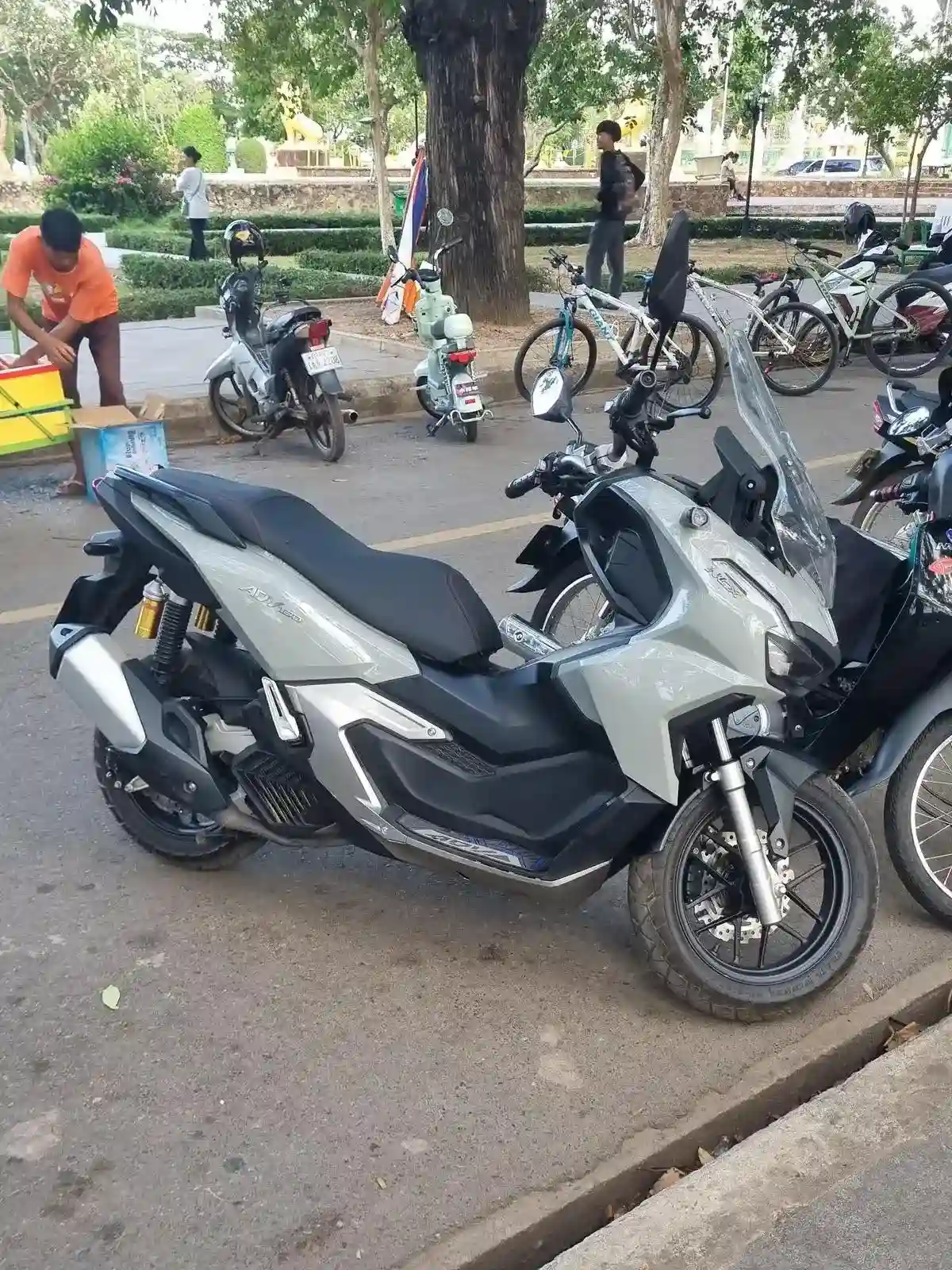
| 160cc/350cc | Honda ADV |
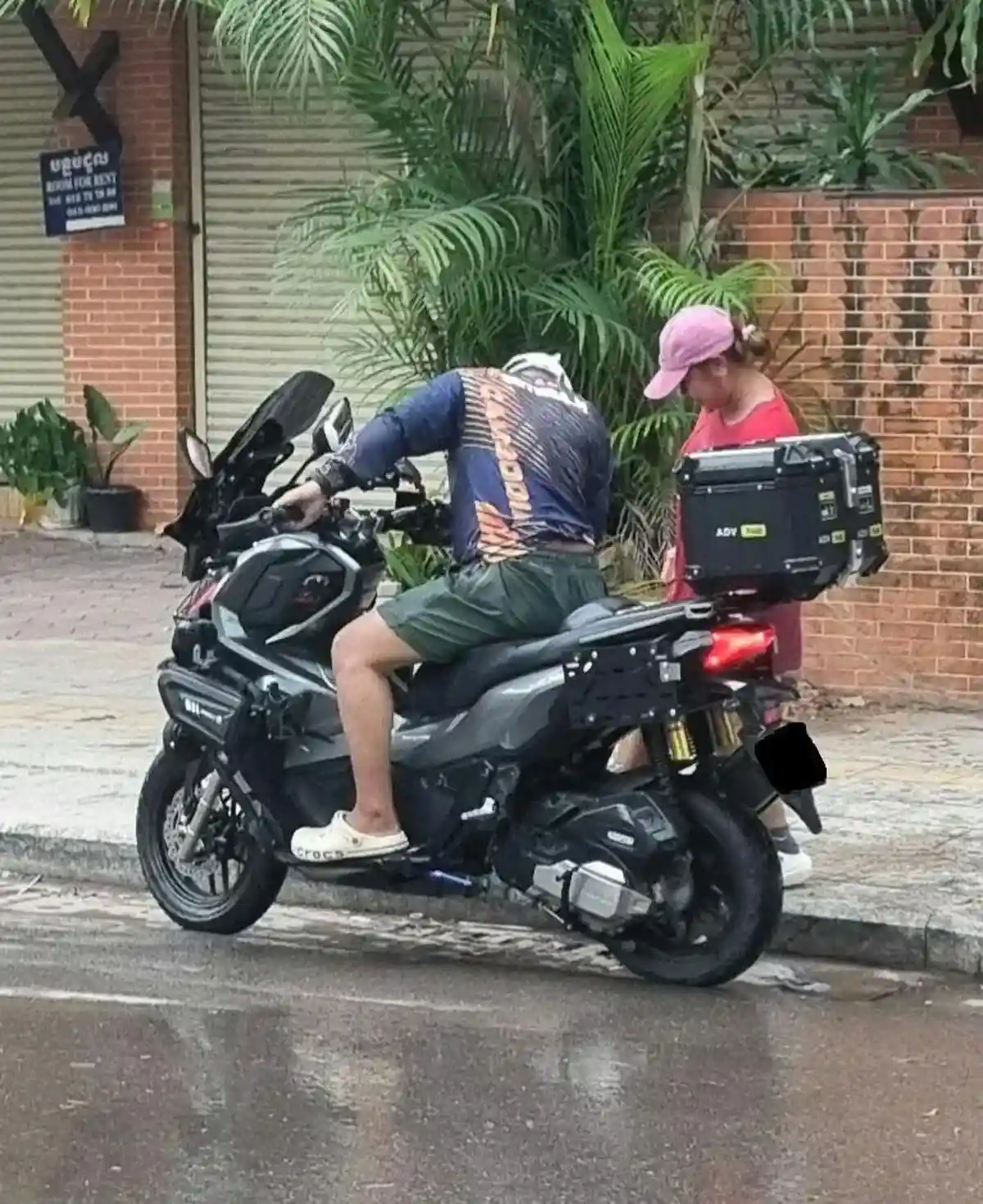
| 150cc/160cc | Honda PCX : The upgrade to a Honda Click (a.k.a. Vario). It is bulkier, but a more comfortable ride with some nicer features. |
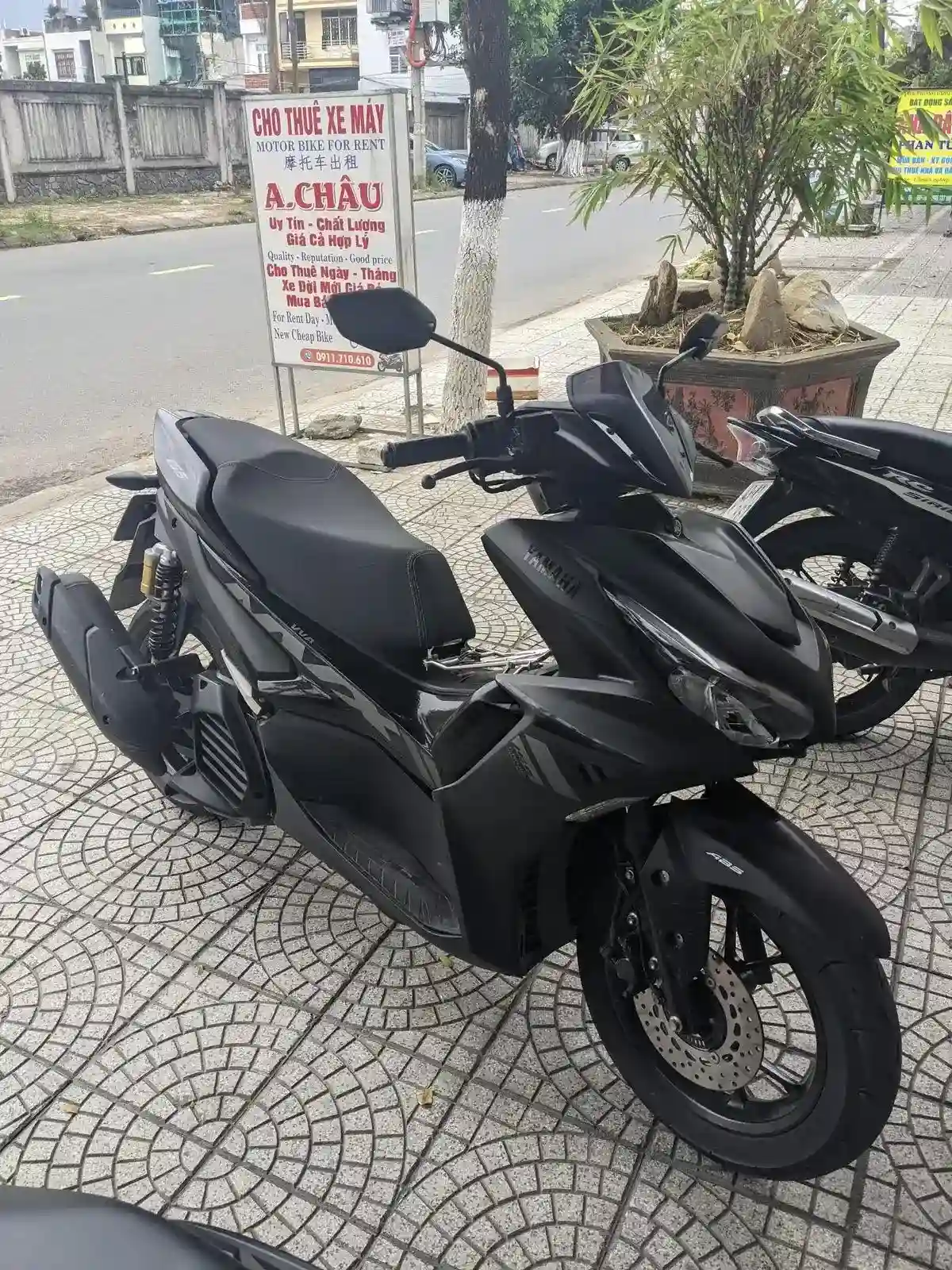
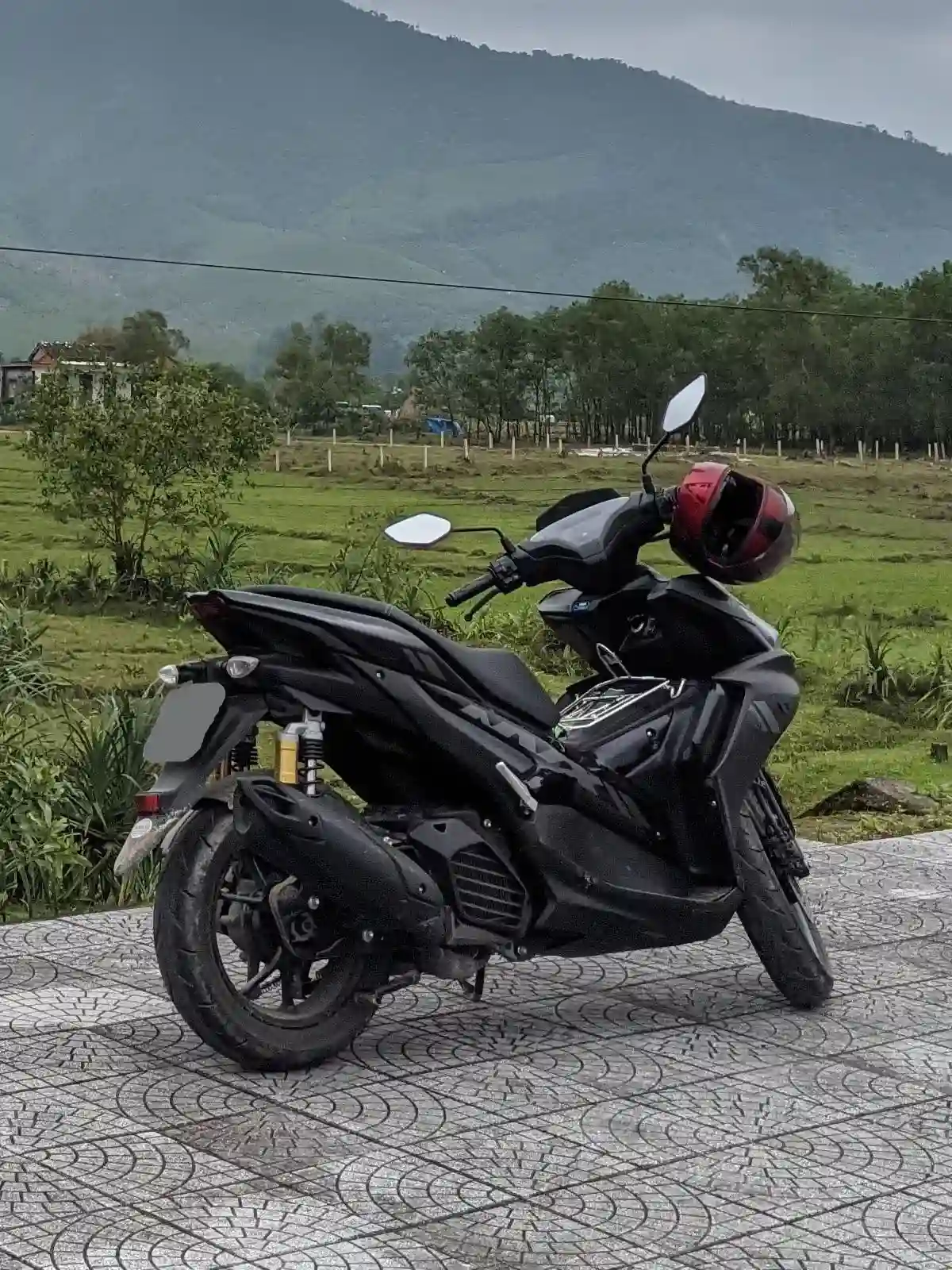
| 150cc/160cc | Honda AirBlade (Honda AB) : This bike seems to be a “Honda PCX meets Honda Click/Vario”. Compare specs and see which one you like – this or the Click/Vario – since the engine sizes are the same. There does not seem to be much of a major difference other than styling. |
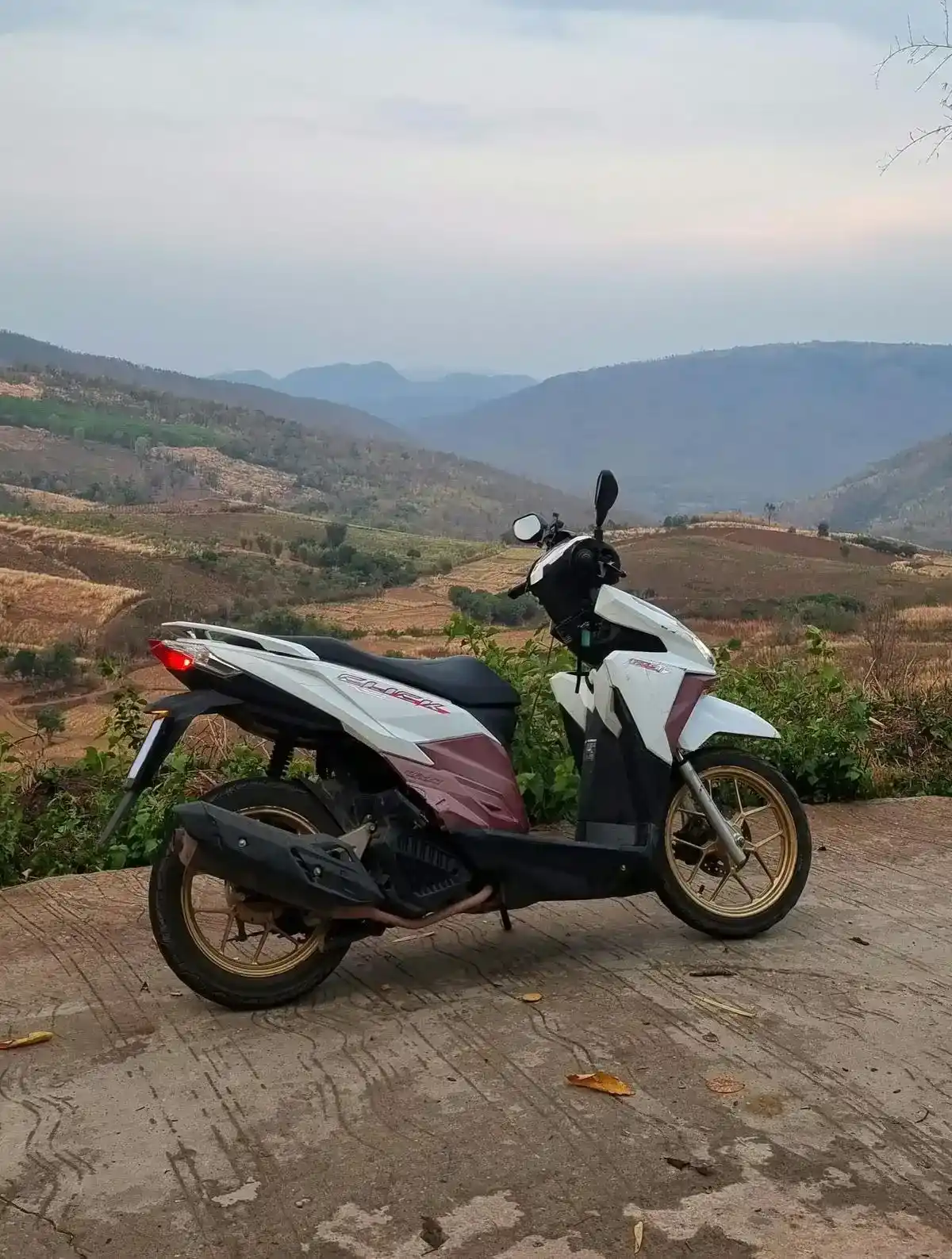
| 125cc/150cc/160cc | Honda Click (a.k.a. Vario) : The best midrange automatics. These are not slow bikes! A 150cc is really nice for getting up steeper hills. The storage compartment is large, and the “dashboard” has some deep storage pockets, which is fantastic. Taking these bikes offroad is not problem at all, just don’t expect them to get through extreme terrains. Rent one for a couple of weeks and see what you think. |
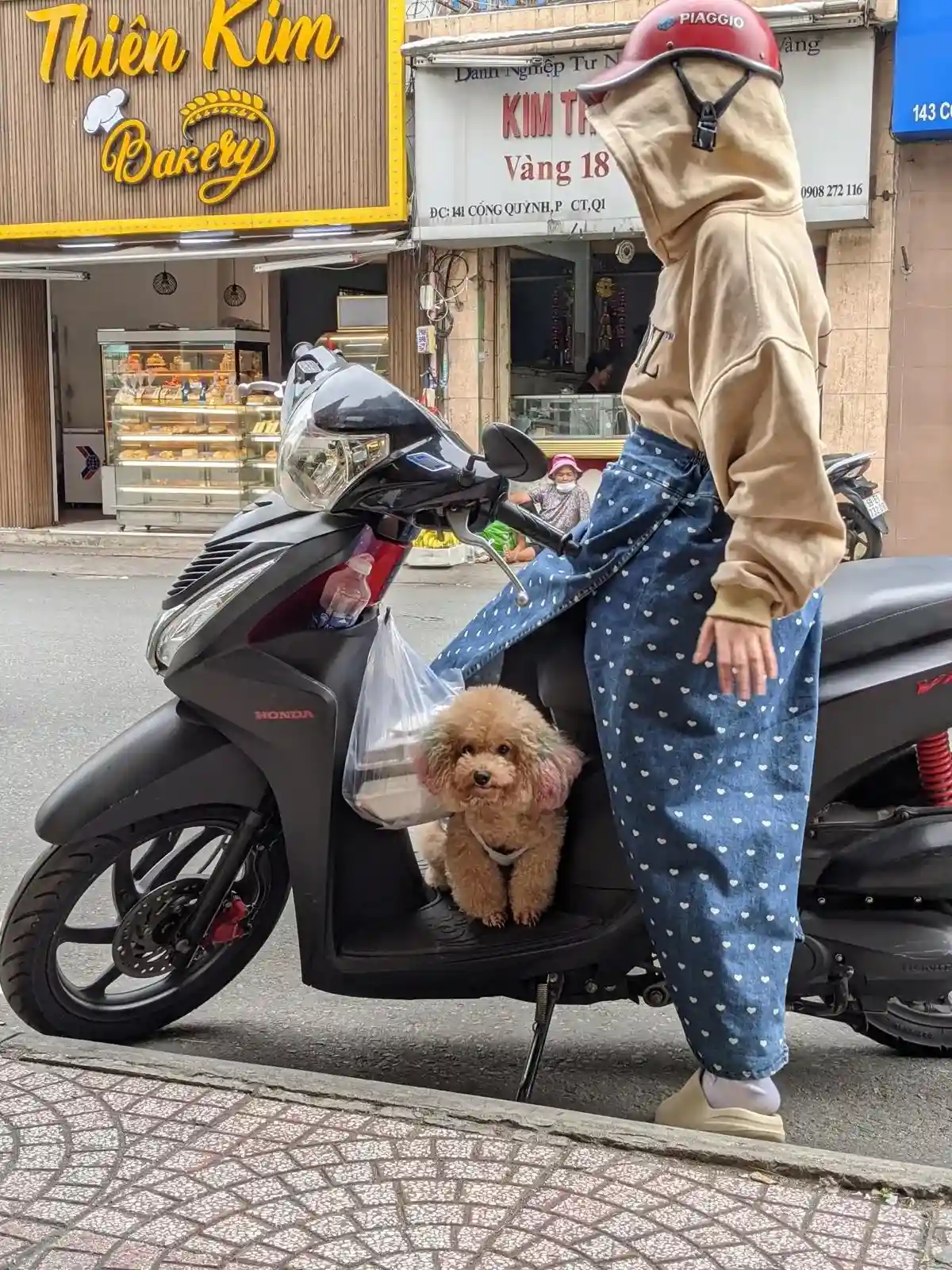
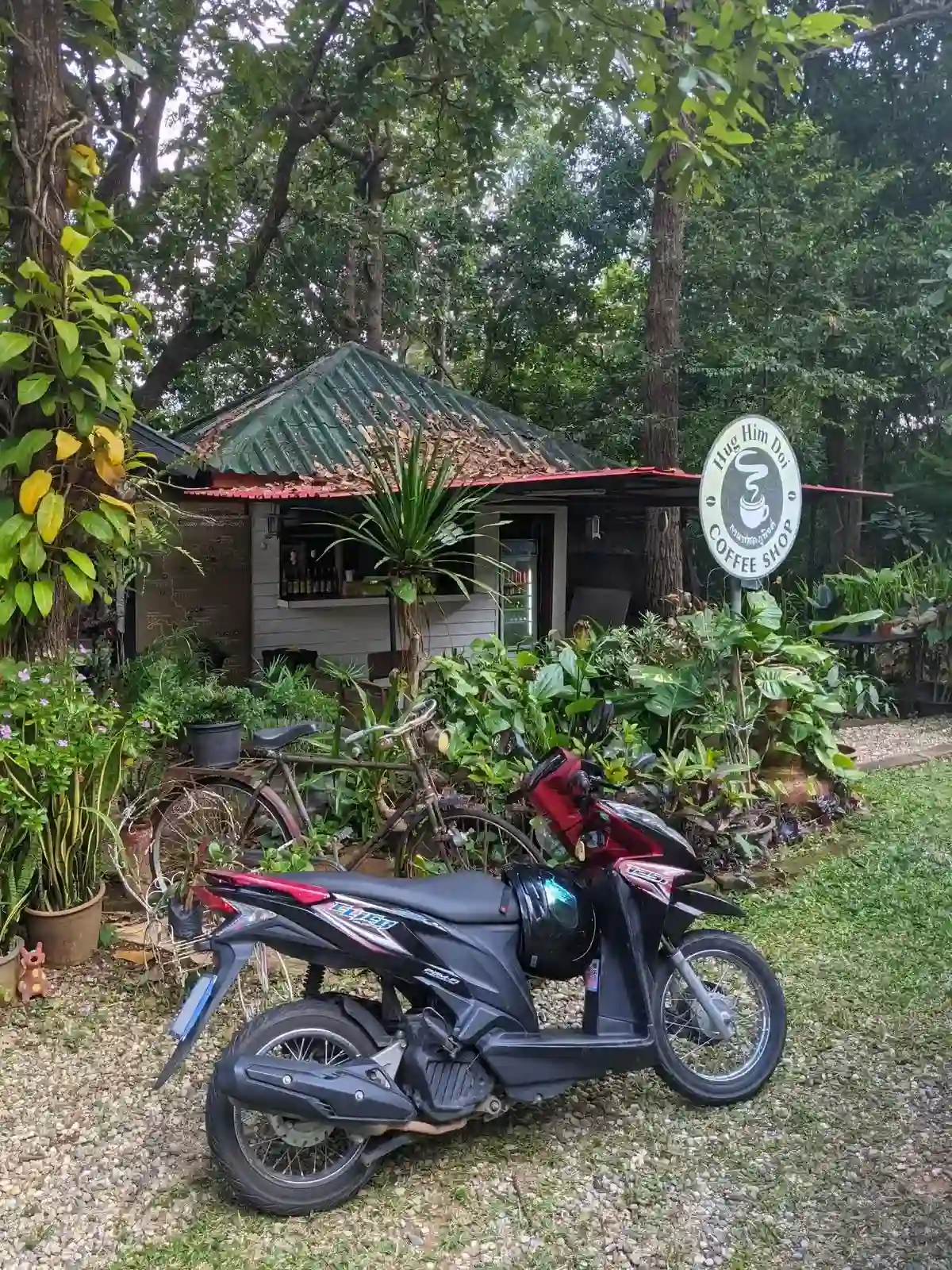
| 125cc/150cc | Vespa : Vespas are a fashion statement. They are pretty and fancy looking. The seats are comfortable. Try one out if you’re interested, but these are never rented out. |
| 110cc | Honda Scoopy : An entry-level automatic scooter. The storage compartment has lots of space. It’s a basic bike, but runs really well. |
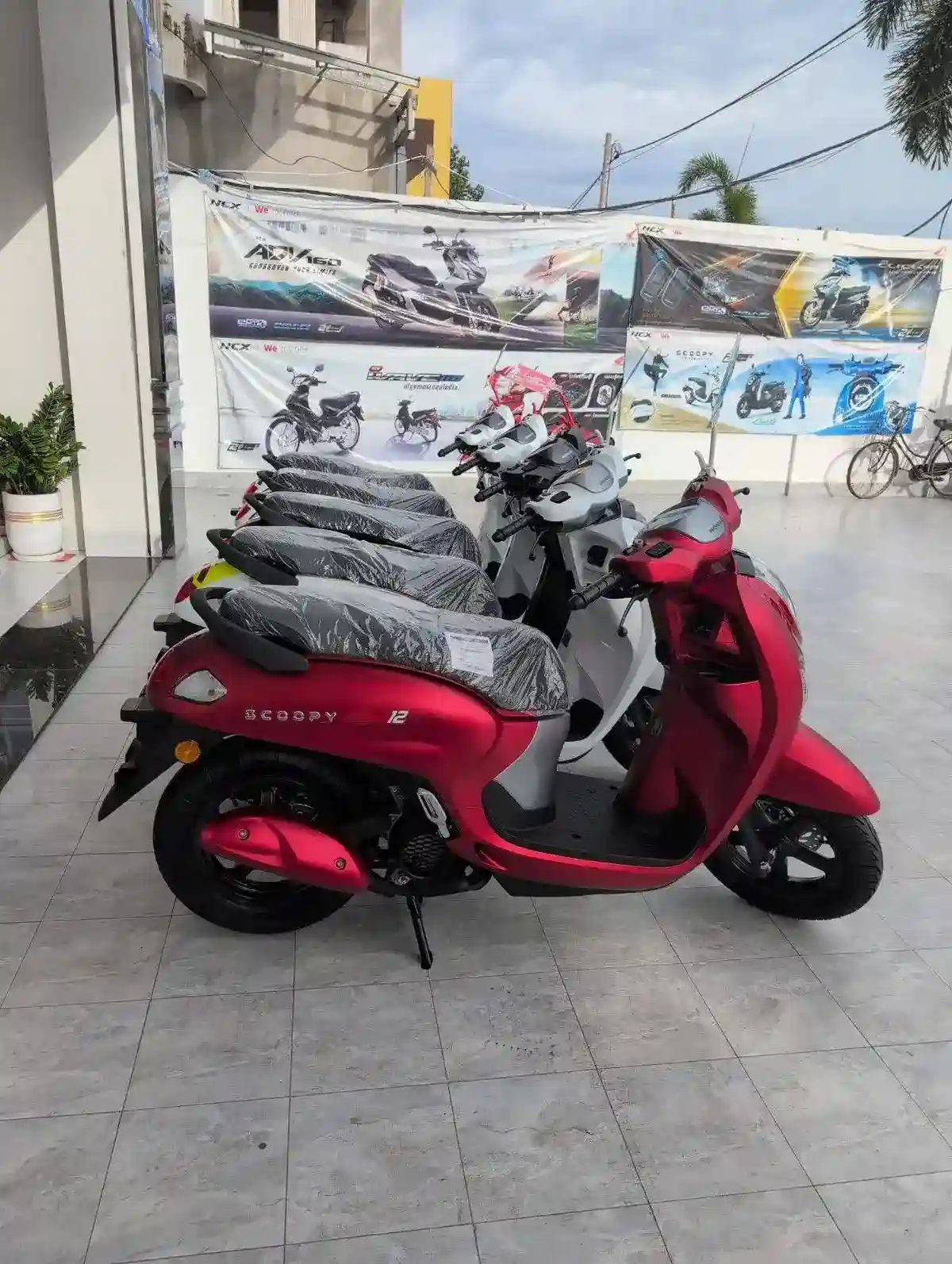
| 110cc | Honda Zoomer X : The “naked” bike of scooters. The storage compartment is huge, but it is only covered by mesh which allows dirty and water inside. The styling is different that all the other motorbikes. The bike is so basic that there is not much to talk about it. If you like it, then you like it – there’s all there is to that. |
| 50cc | Honda Today : If you want a 50cc bike, then this is an option. The name is not too captivating, neither is the engine size. But, if you like it then that’s all that matters. The prices can be much cheaper for these, which is good. The wheels are small compared to the other models which makes going over bumps a bit more dangerous. The plus is that 50cc bikes do not require a license, at least not that GemsOfTravel is aware of. In Cambodia, though, a license is apparently not required for bikes under 125cc, but not including 125cc. So, why get a 50cc when you can get a 110cc without a license? Disclaimer: this is not legal advice, just a starting point for you in your research. |