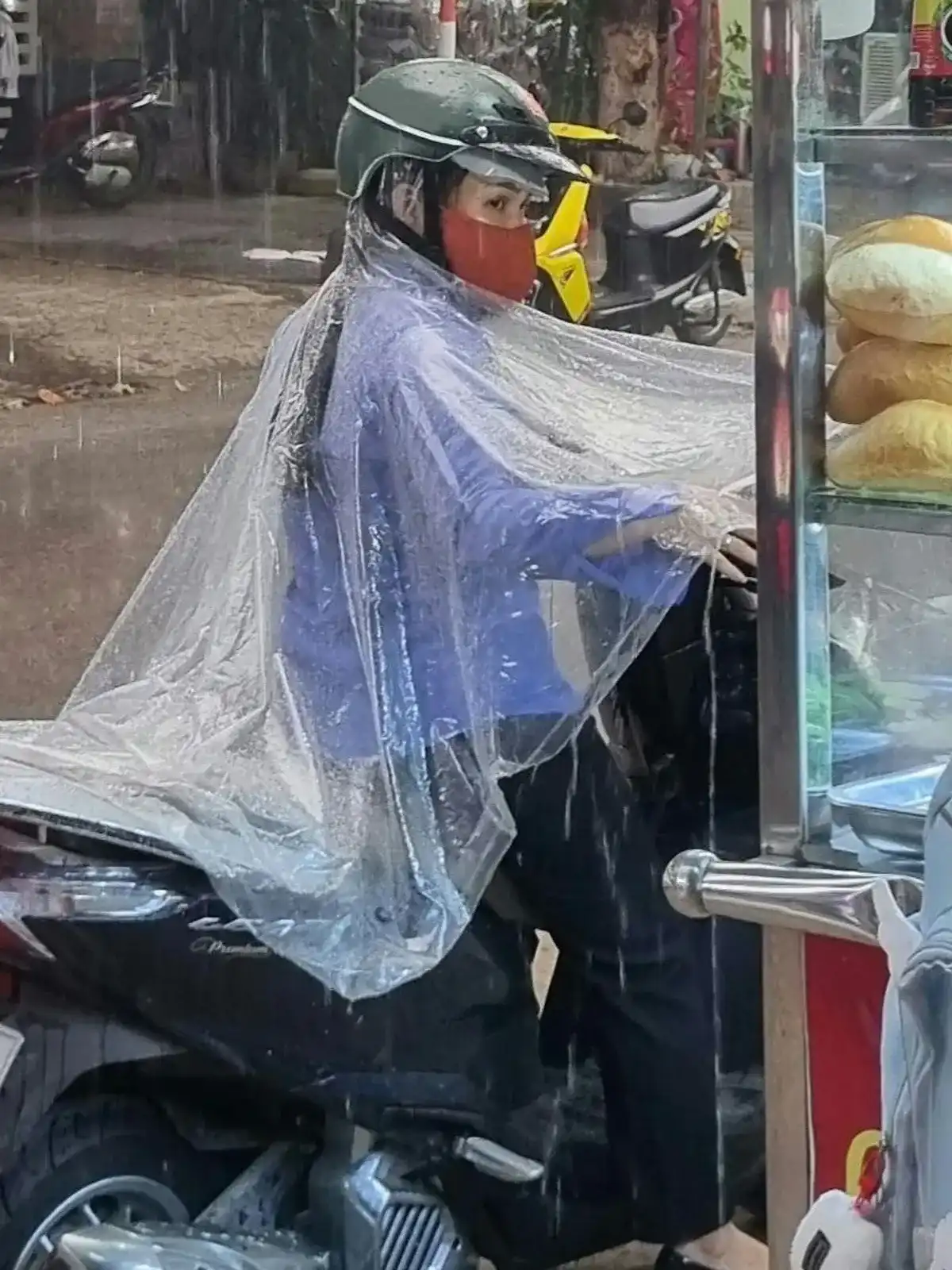
The key here is: *PROTECT YOUR VALUABLES* from water & humidity. The bonus is that these can also be used for packing – grouping things together – helping you stay organized while on the move.
Southeast Asia gets very wet & humid during the raining monsoon season. Over time, the humidity will cause surface mold, even on things stored-way in a closet or within a bag. This is even more true for those of us who have adapted to the heat, no longer using air-conditioning – using air fans only.
Tip
At the bare minimum, store your passport within a zip-lock plastic bag.
You do not want it to get damaged by water or humidity. Replacing it (or getting an Emergency Passport) is not something you want to go through.
Why Do You Need This
Rainy monsoon season
Southeast Asia has a rainy monsoon season. Rain can come down very heavily, and road flooding does occur.
Although the rain usually only lasts for a couple of hours each day, anticipate needing to protect your gear from water.
Another thing is that due to the way rooms are constructed, the humidity during rainy season can lead to some damage to your valuables.
Wet adventures
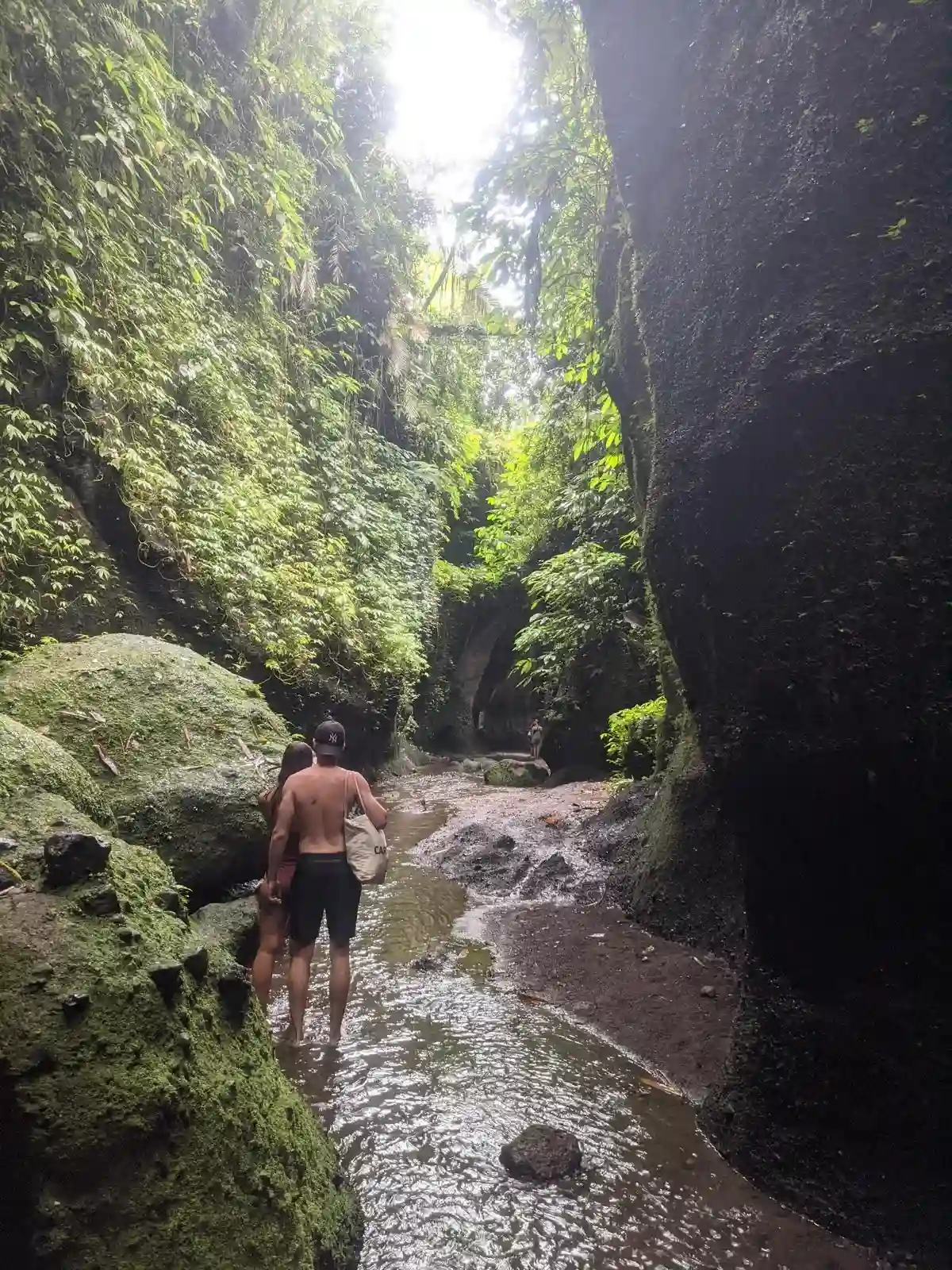
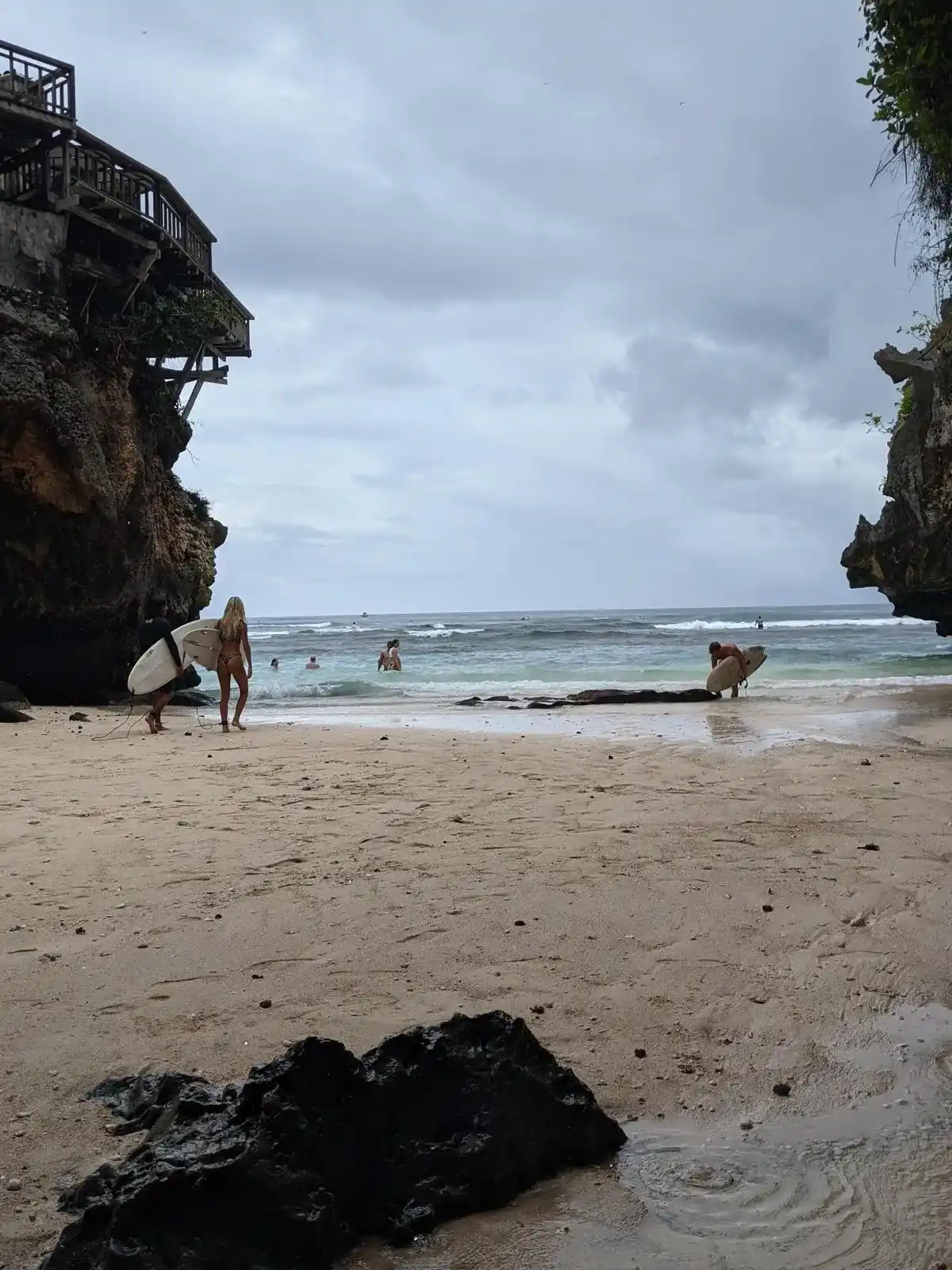
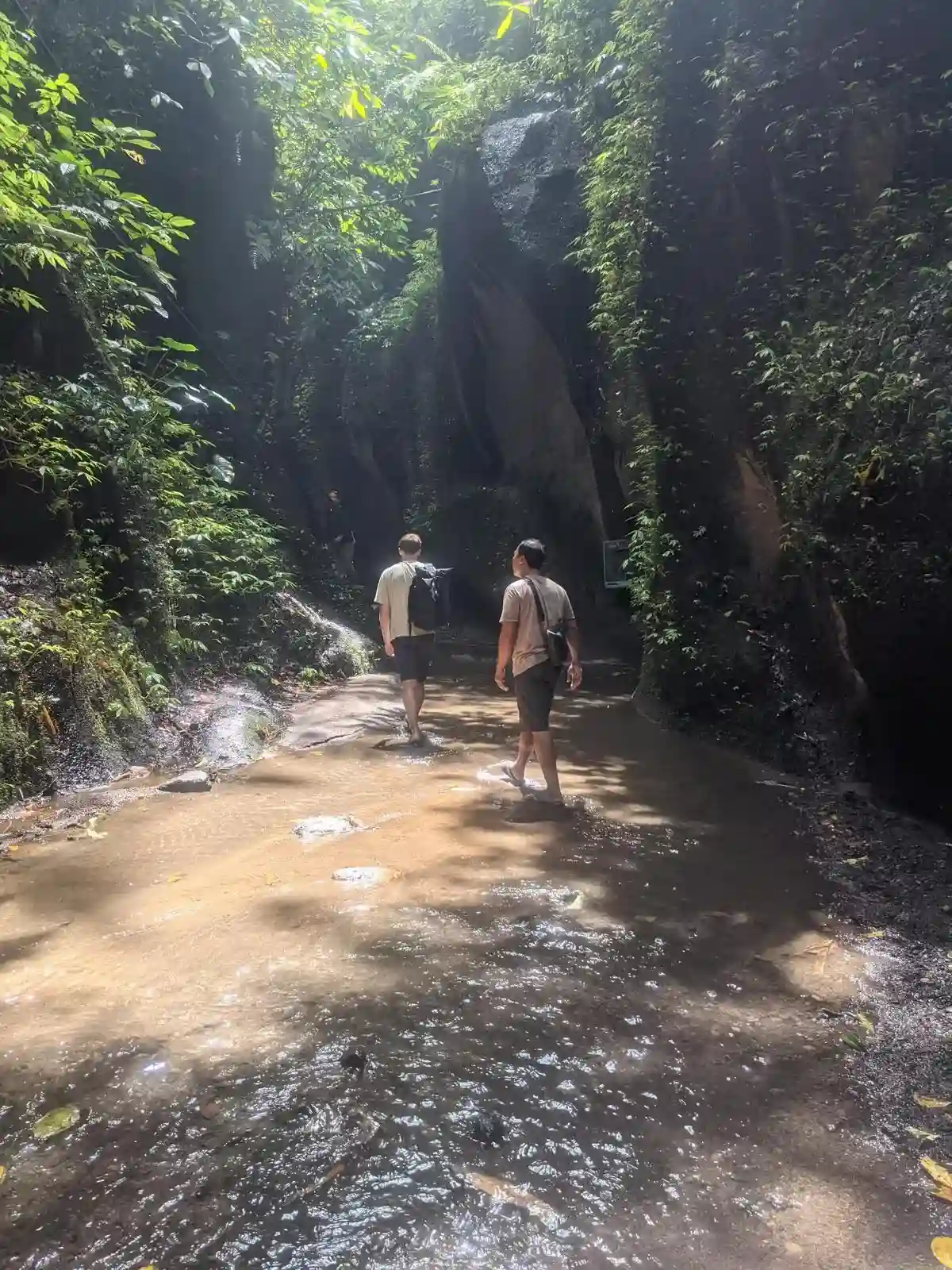
Beaches, waterfalls, kayaking, and the like. Oh, and the Thai holiday of Songkran, of course!
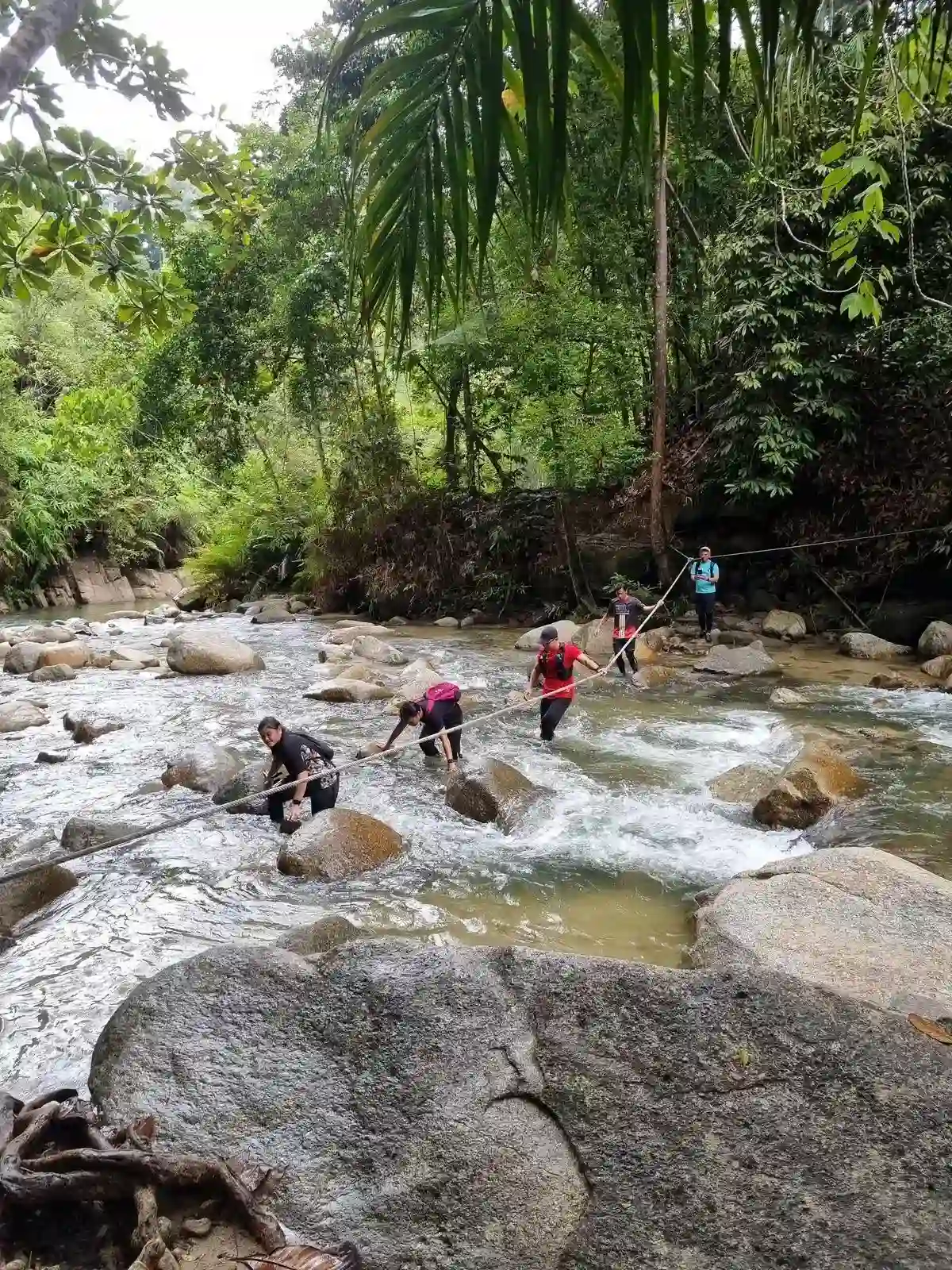
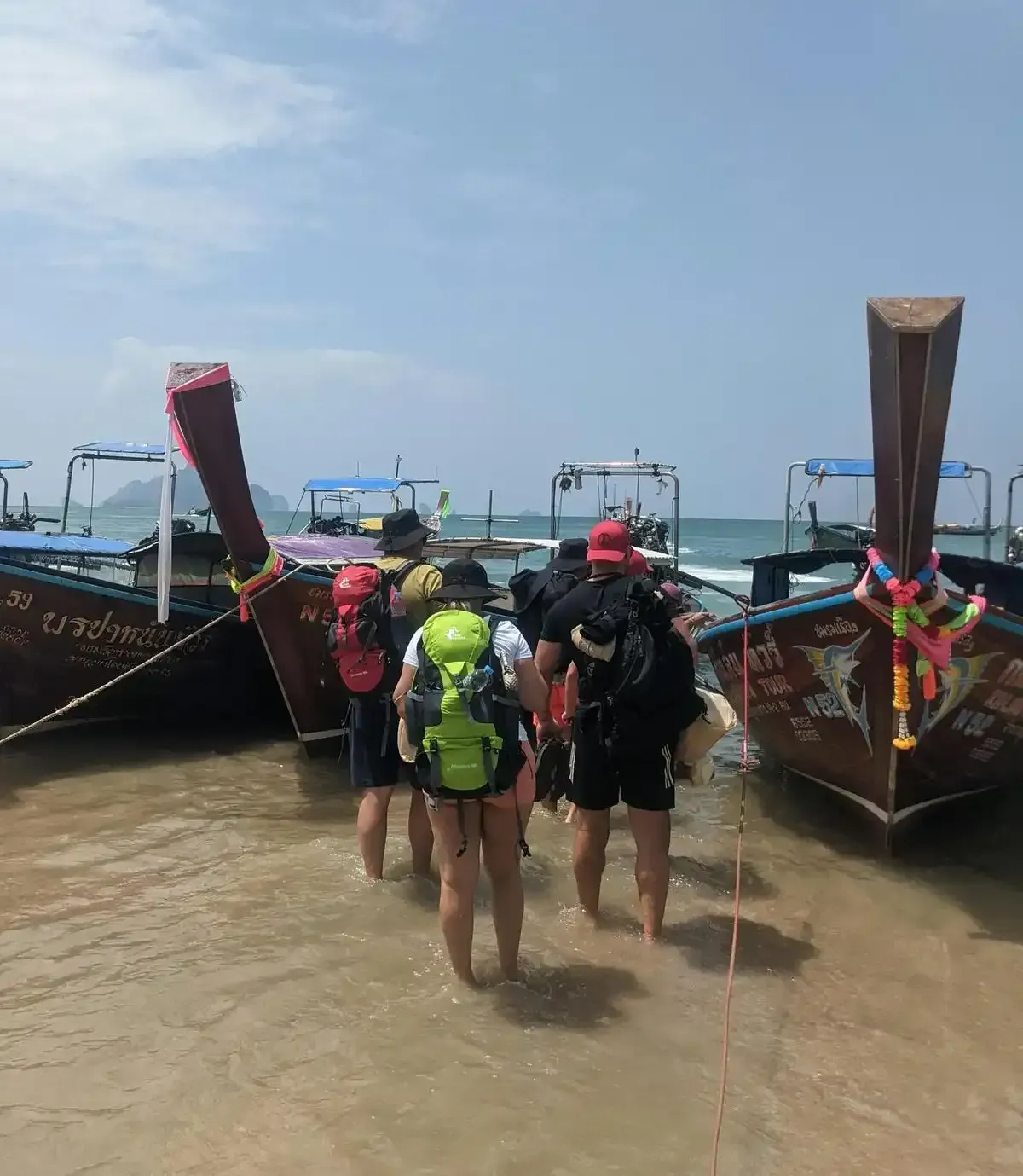
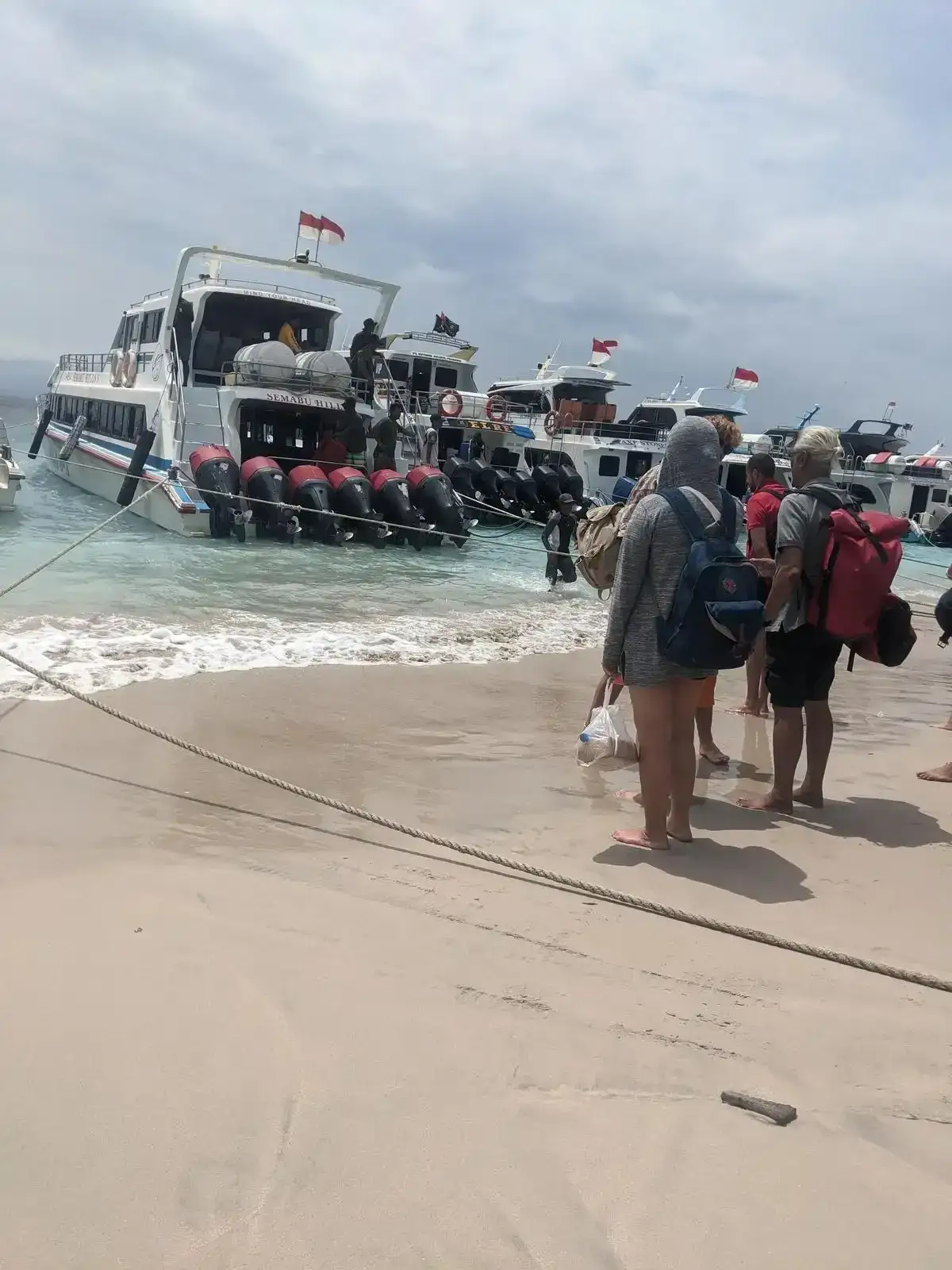
Waterproof or Water resistant
Don’t let wording deceive you! Water resistant is not waterproof! Basically, water resistant is less protective, but it is good enough for most situations.
If you dunking your things directly under water, than you want water proof. If your things will get splashed with water (or if raining), then water resistant is fine enough most of the time. That being said, waterproof offers the most protection and is preferred, if you can. A waterproof pouch will provide a tight seal, preventing humidity inside the bag, so any delicate or valuable items will appreciate that.
Waterproof
= For bags, you can submerge it fully into water (sand and dirt, too).
Because of the material used and having a water tight seal, water cannot penetrate through the waterproof bag, nor can humidity.
Note
If a brand claims ‘waterproof’ then they should have done testing on the bag to prove their claim.
Water Resistant
= You cannot submerge it fully into water – water (and humidity) will leak through.
This is due to the (1) bag material (and it’s inferiority) of water resistant coating, and also (2) a lack of water tight sealing.
The ‘water resistant’ protection will protect against rain water. But, it will not fully protect (or protect at all) against humidity.
Great Idea!
Layering: use a water resistant bag 👜 within a water resistant bag 🎒.
A bag within a bag – it seems redundant, but the moto here is “protection plus more protection!”.
EXAMPLE: A practical example would be a rain cover (water resistant) on your backpack that has a stuff sack (water resistant bag) inside of it.
Don’t forget, they protect against dirt, too, not just water!
Warning
TEST THE BAG: Before purchasing and using it, test it – dunk the ‘waterproof’ bag inside of water and check if it leaks. Put a cloth or napkin inside, if it gets wet, then you know water leaked inside.
Of course, make sure nothing important is inside the ‘waterproof’ bag before doing this!
This checks if the bags are really as claimed – waterproof or water resistant. A water resistant bag will fail to meet the needs of waterproofing – they are not the same.
Bag Covers
A bag cover should be in your arsenal of travel gear. Don’t leave home without one!
Okay so, there are a couple versions of these.
Great Idea!
Travel hack : Pack a heavy duty trash bag to use as a DIY bag cover.
However, a rain cover for your backpack is much better.
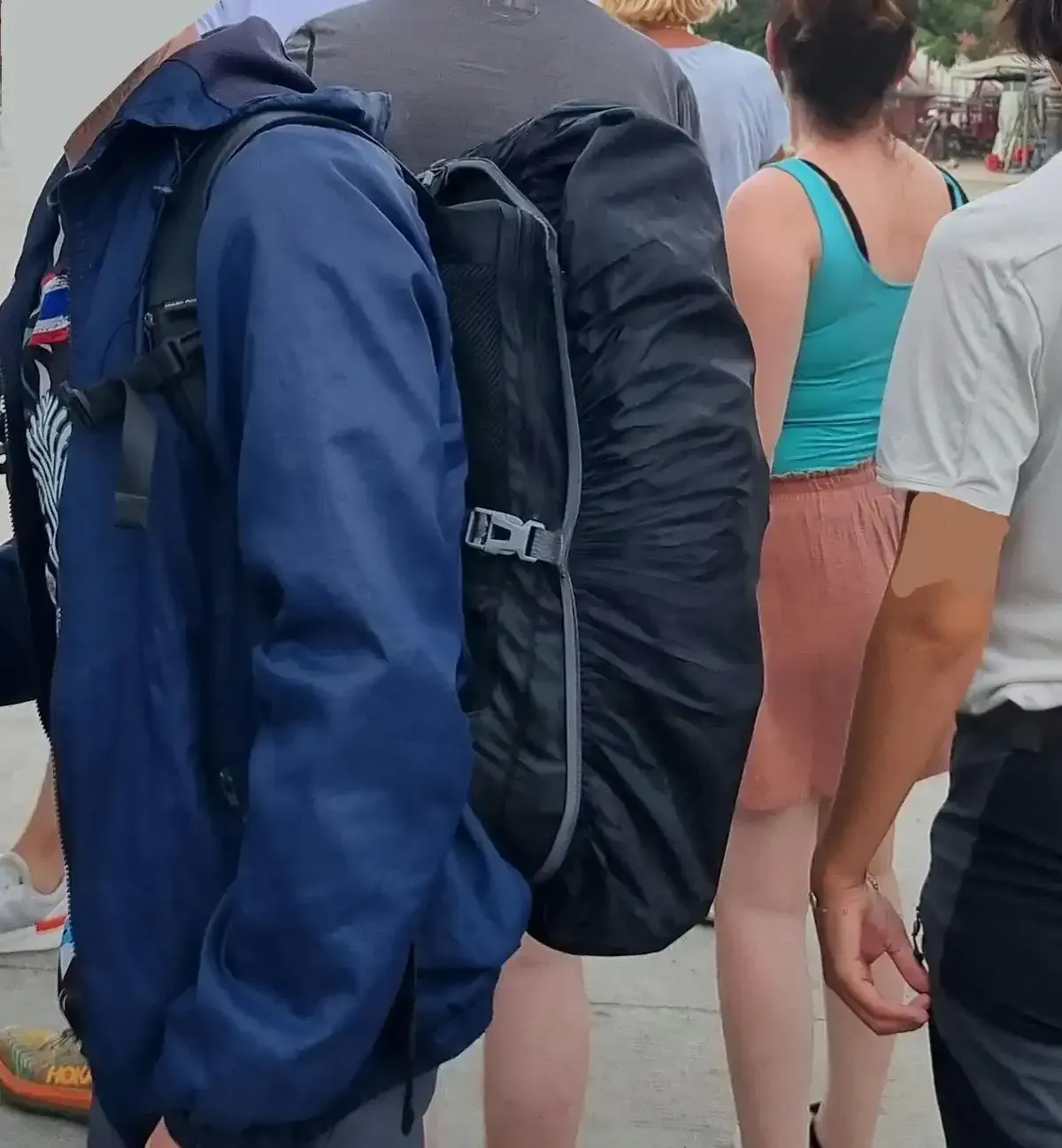
Rain Cover
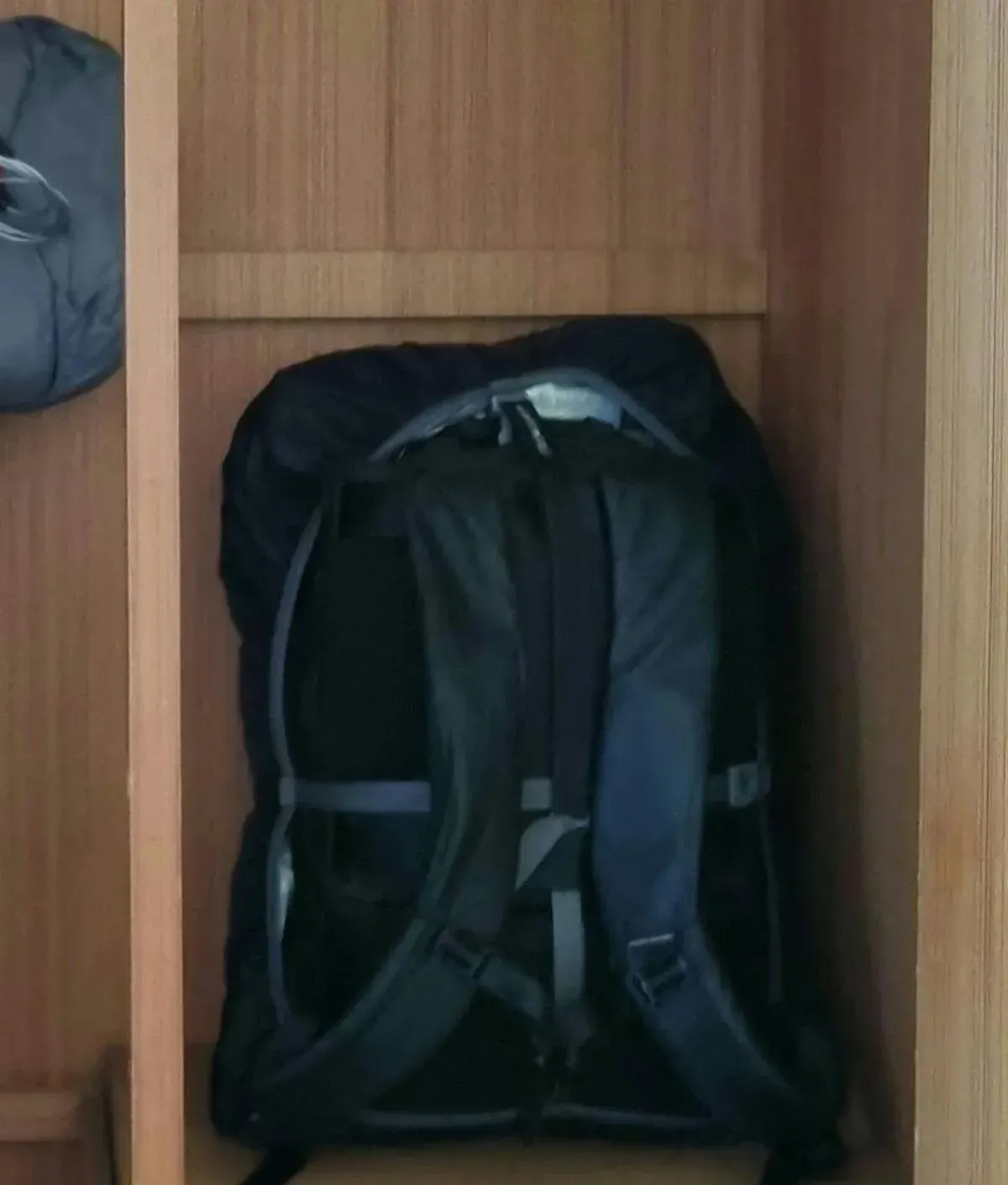
This covers the bag or backpack + strap onto it.
This kind allows you to wear the backpack with the cover on. So, if it’s raining then your bag will have coverage.

PROs
CONs
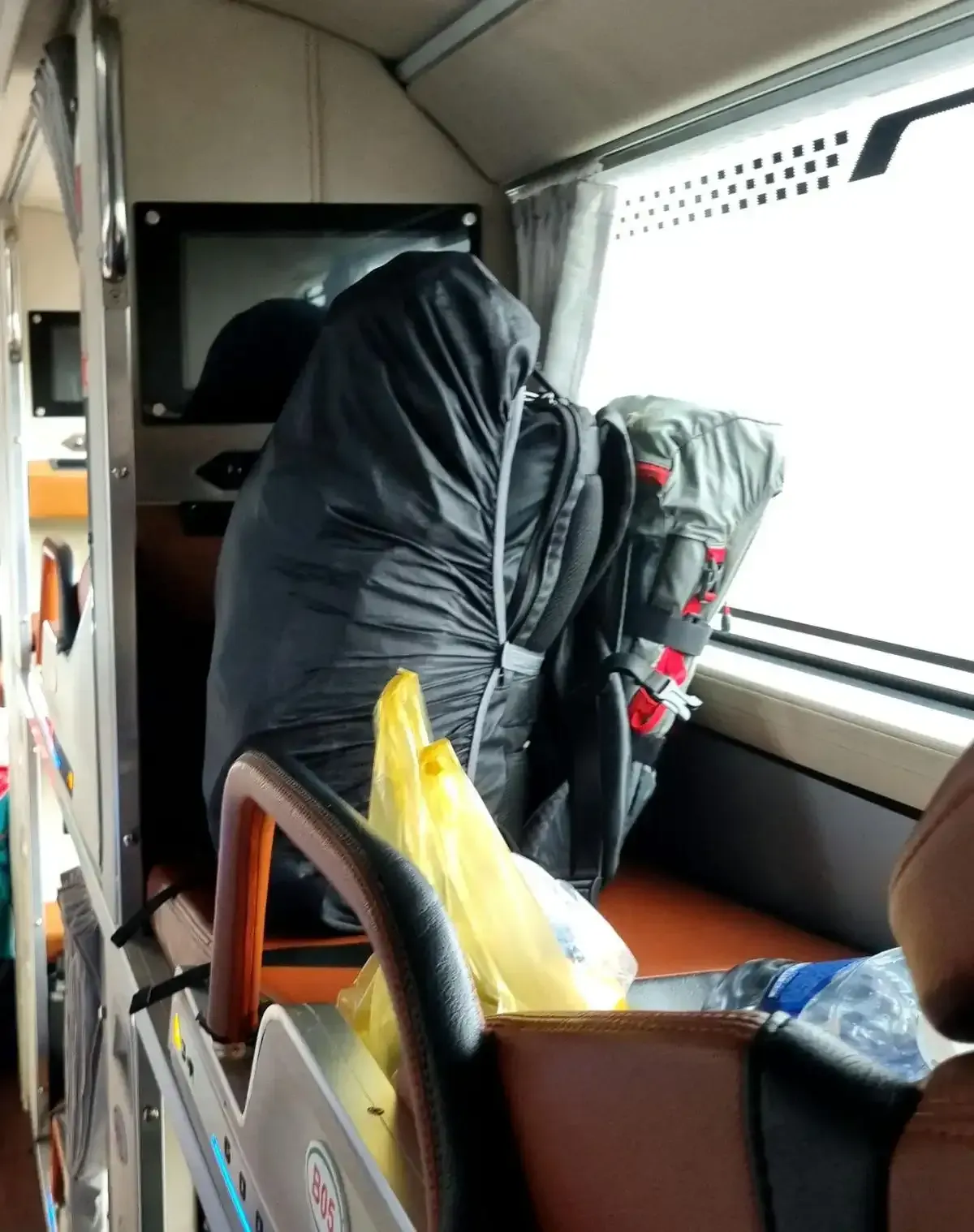
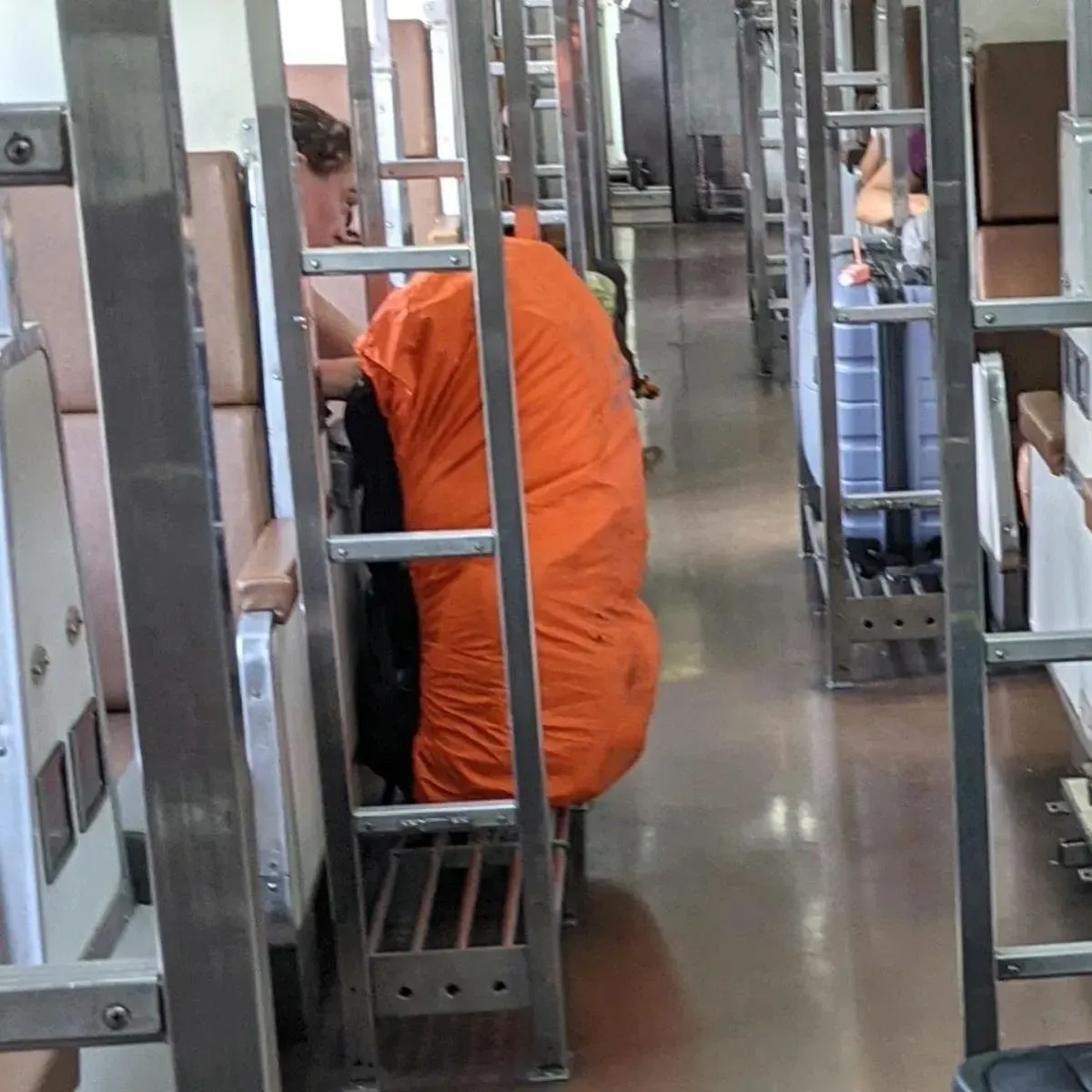
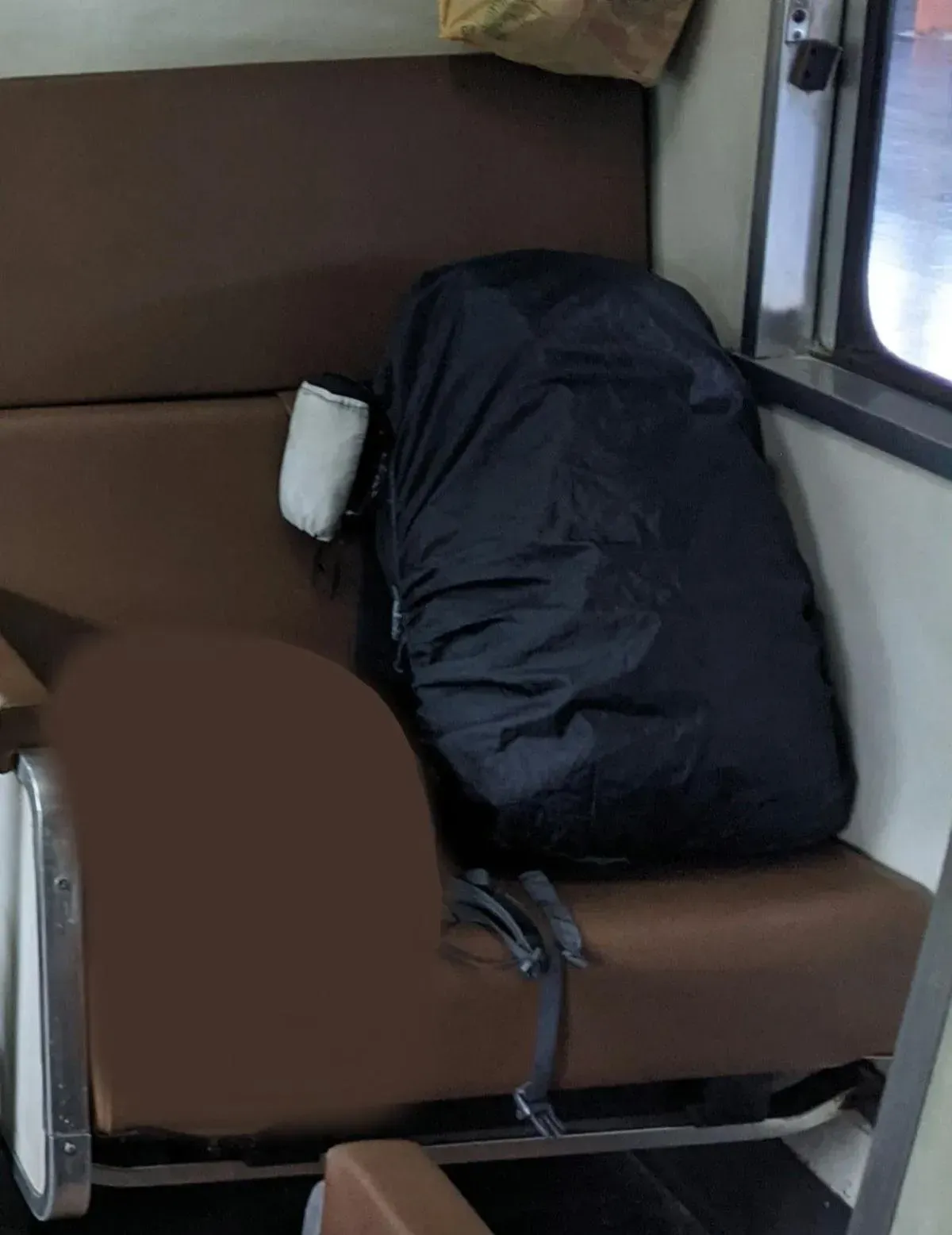
Rain and Transit Cover
This is for completely covering the bag for storage during transit, hence the name.
If you check-in your bag at the airport, or put your bag under the bus in the storage area, then this is a good option to consider.
While travel needs are different for each person, GemsOfTravel would conclude that the 2-in-1 cover is not worth it – the CONs outweigh the PROs. The rain cover is good enough – add in an umbrella or cheap $1 rain poncho for when it rains.
Rarely will you need to use the ‘fully covered and zipped-up’ option, but again if you find the need then go for this option.
PROs
CONs
Dry Bag
Many dry bags are waterproof. Sizes range from 5 liter upwards of 40 liter.
They may not be useful as a main backpack, but they are good for kayaking and small trips to the beach or a waterfall.
This one also can wash your clothes! It’s called “the Scrubba” and it has ribbing inside and an air valve.
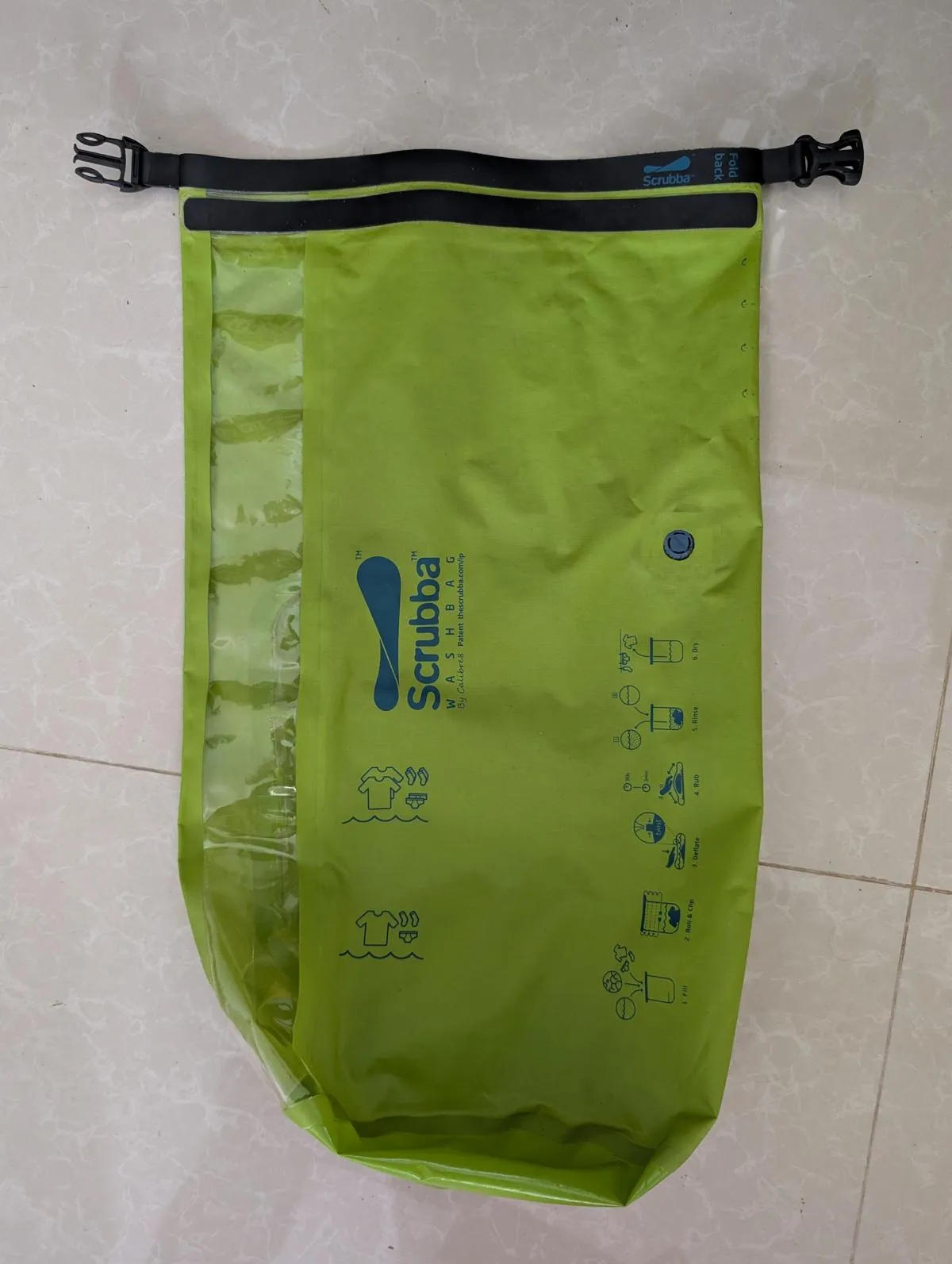

Sealed Waterproof Pouch
There is a pouch shape & size for anything that you want to put inside. Nite Ize is a brand that has many great options!
*NOTE: We have used Nite Ize waterproof pouches for years and sincerely believe their products are the best – no affiliate, we just like them.
Examples:
-> Travel Pouch by Nite Ize (fully waterproof)
-> Toiletry Bag by Nite Ize (fully waterproof), but can be used as a travel pouch, too.
*See niteize.com/waterproof-protection for their full product offering – they’ve got so much cool stuff, so check them out!
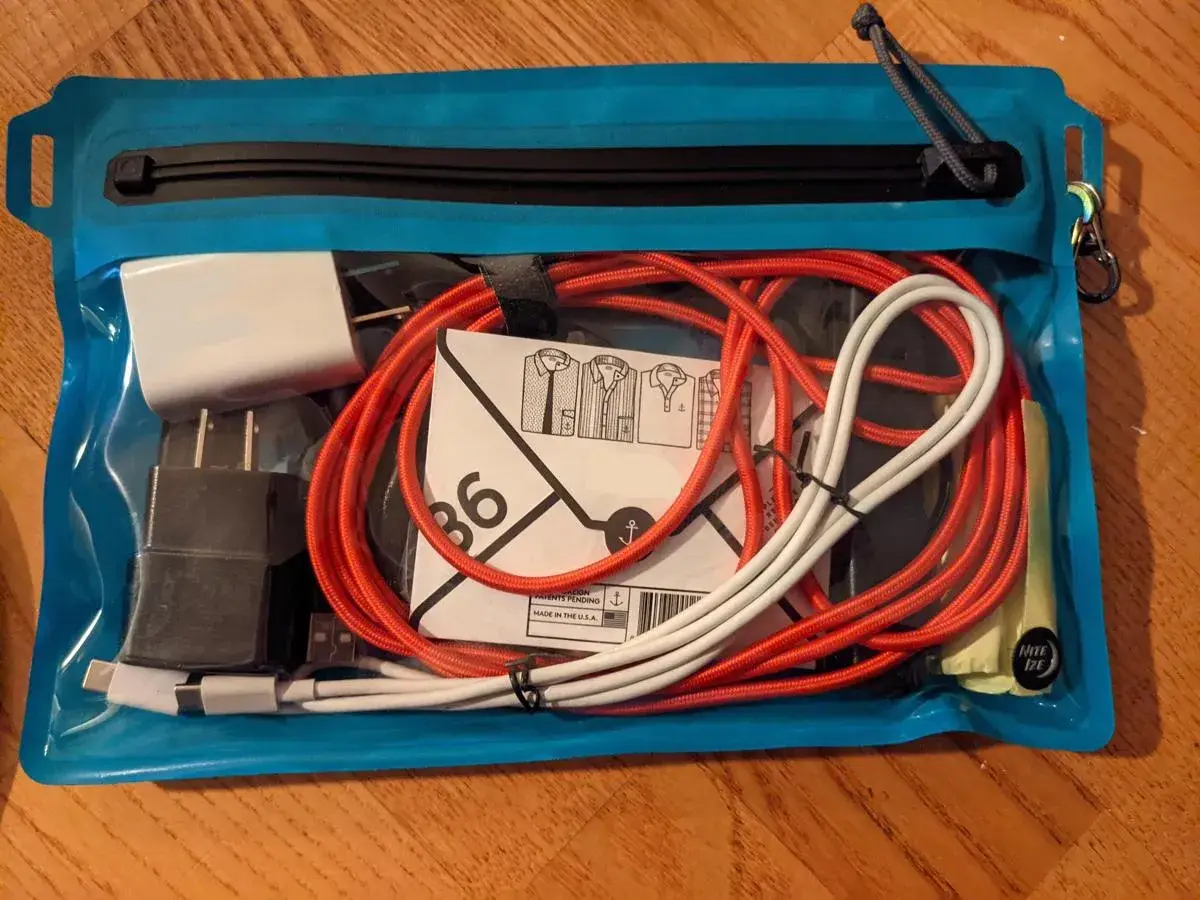
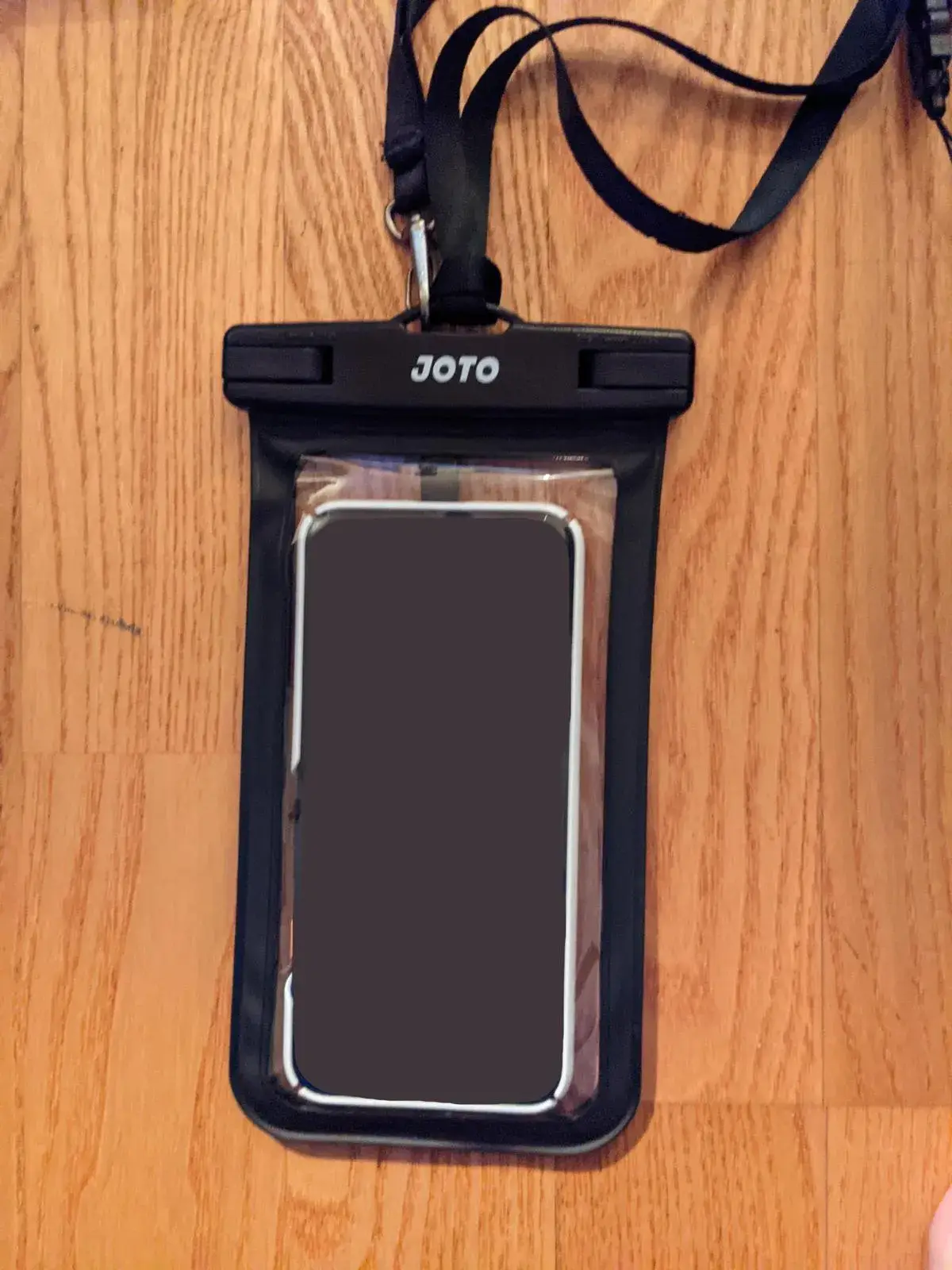
These pouches are perfect for 3 reasons:
(1) Organization : Group certain items together.
(2) Space : Compress the bag to save space. Waterproof versions are air tight sealed. This allows you to compress the air out of the bag and compress whatever is inside to save space.
(3) Protection : Protect valuables from humidity & water and dirt & sand.
Put valuables inside:
– Jewelry ;
– SSD drive or USB flash drive ;
– Small electronics ;
– Medication ;
– Documents such as passport , e-visa print-outs , travel itinerary ;
– Print-out copy of your passport , other IDs (driver’s/motorcycle license) Etc. ;
– Anything you can fit in here is fair game!
Stuff Sacks
Stuff sacks are essential. Make sure to but a water-resistant one (they will never be fully waterproof, fyi).
Use a [water resistant] stuff sack to:
(1) Cover docs & electronics: As a wrapper to cover electronics or paper documents;
(2) Clothes : stuff a bunch of clothes inside;
(3) Organization : grouping things together into different stuff sacks help you stay organized! Don’t loose stuff! ;
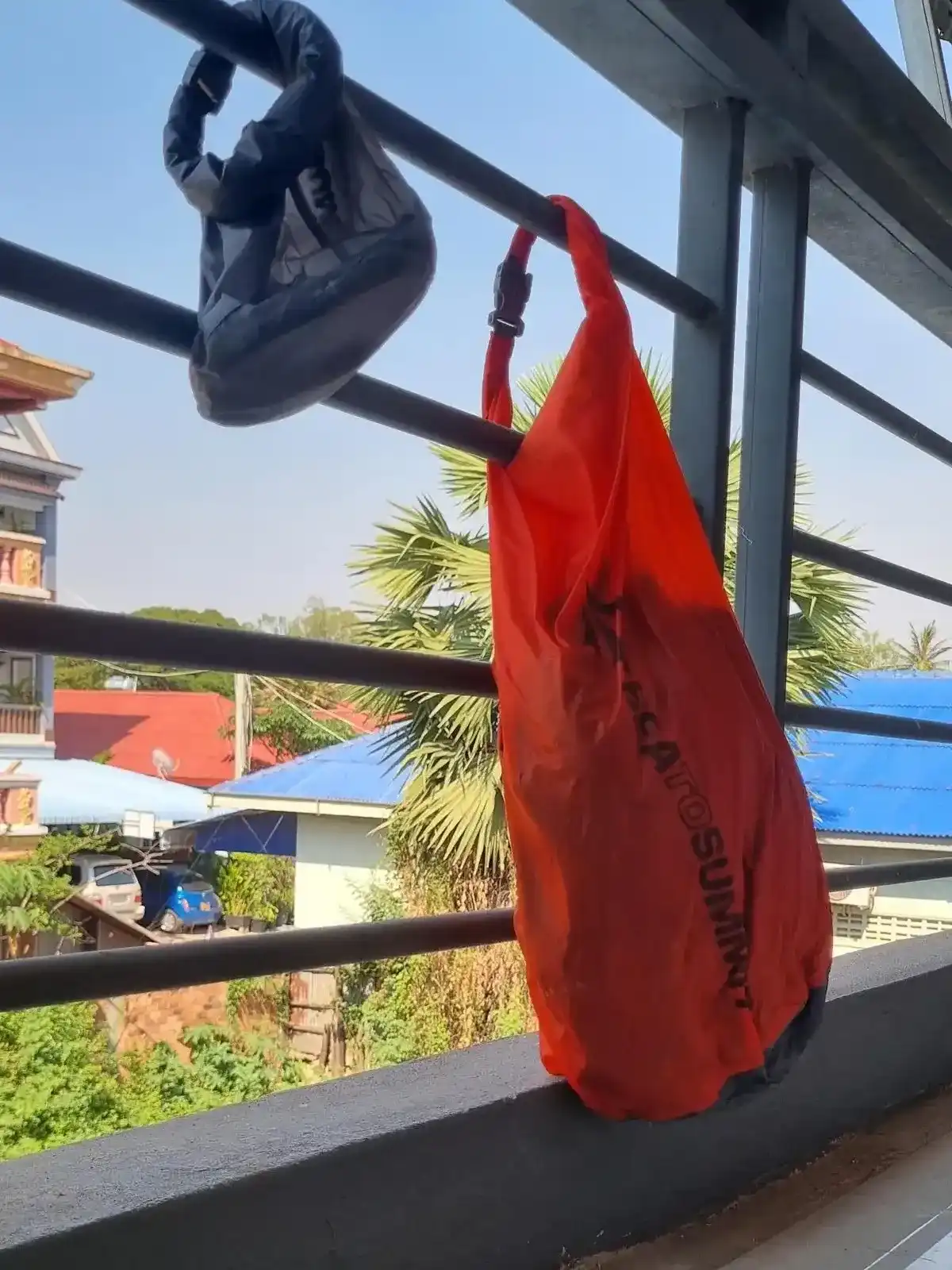
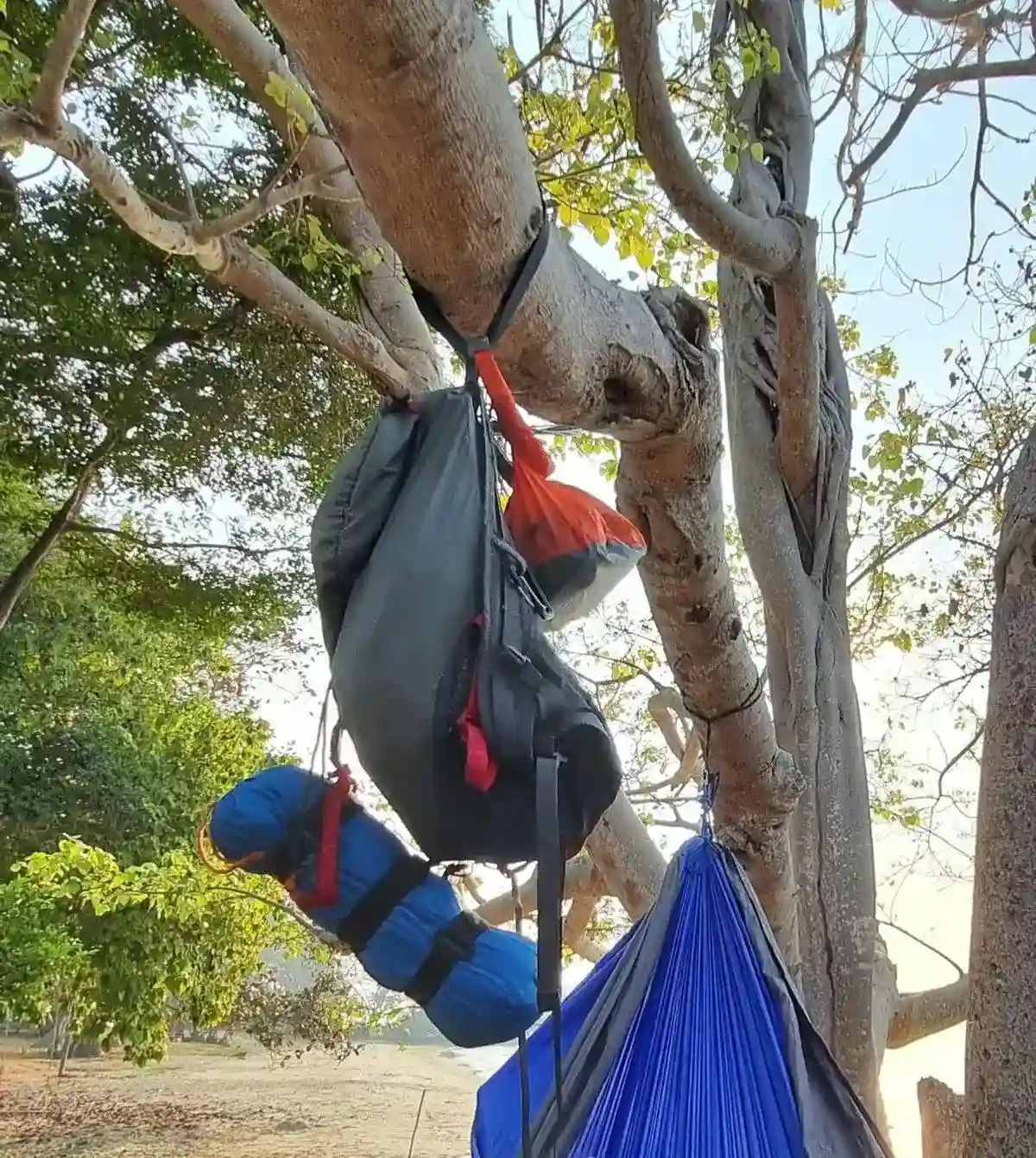
(4) Convenient : a convenient clip-on storage pocket (clip a small stuff sack onto you backpack).
A big plus with stuff sacks is organization and basic protection from the elements. Stuff sacks come in sizes ranging from small to large. The large sizes can fit a large laptop.
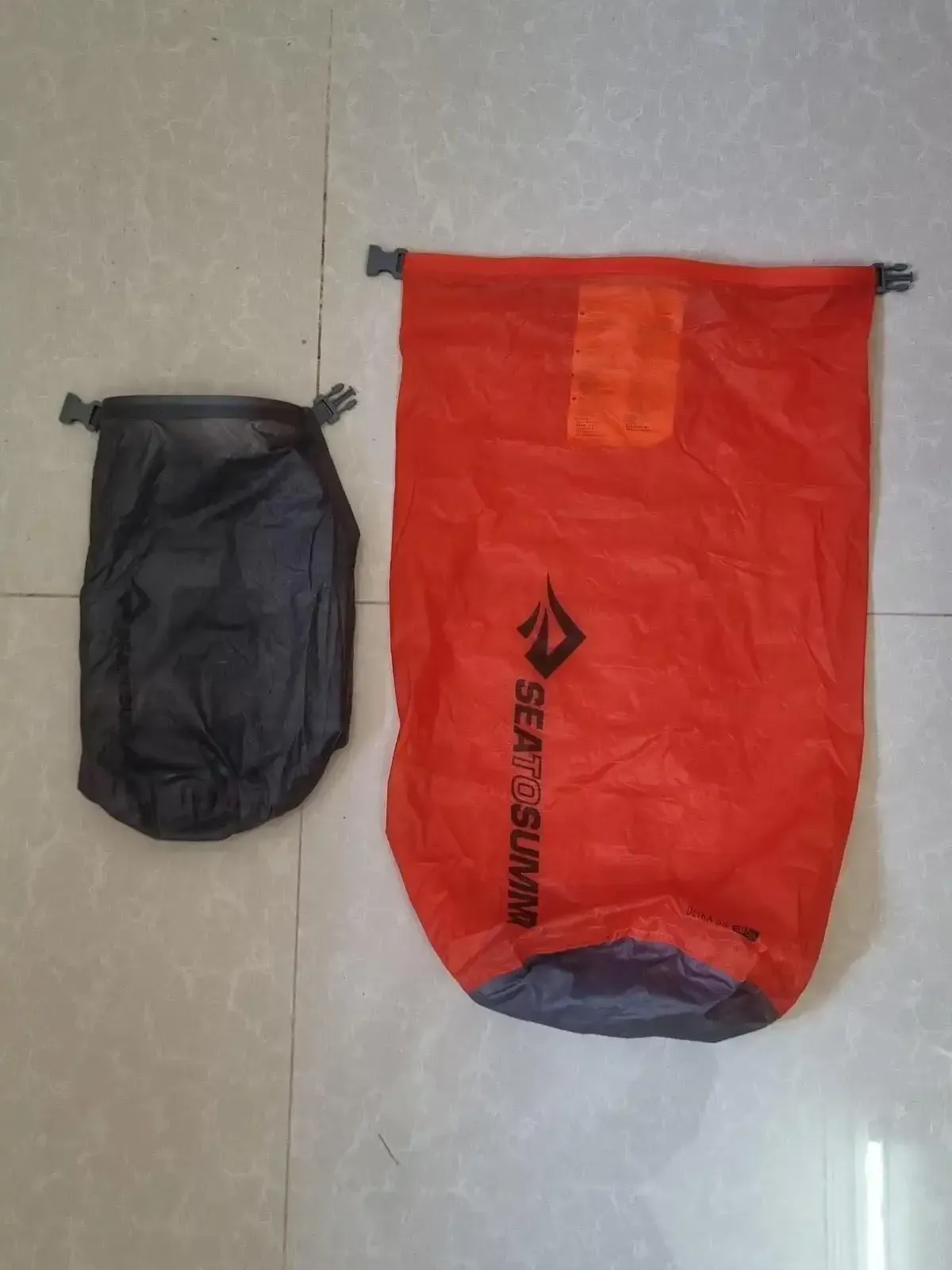
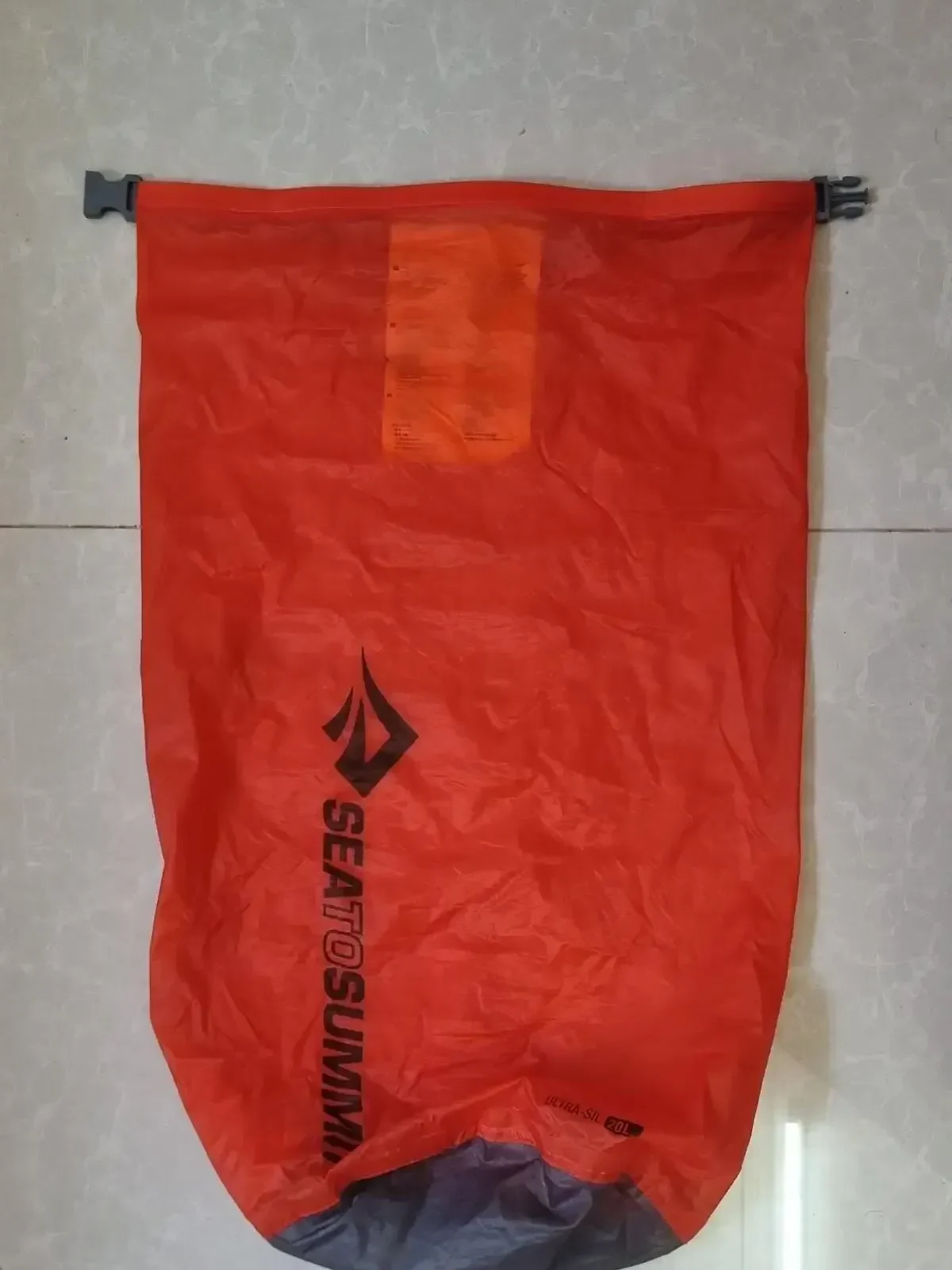
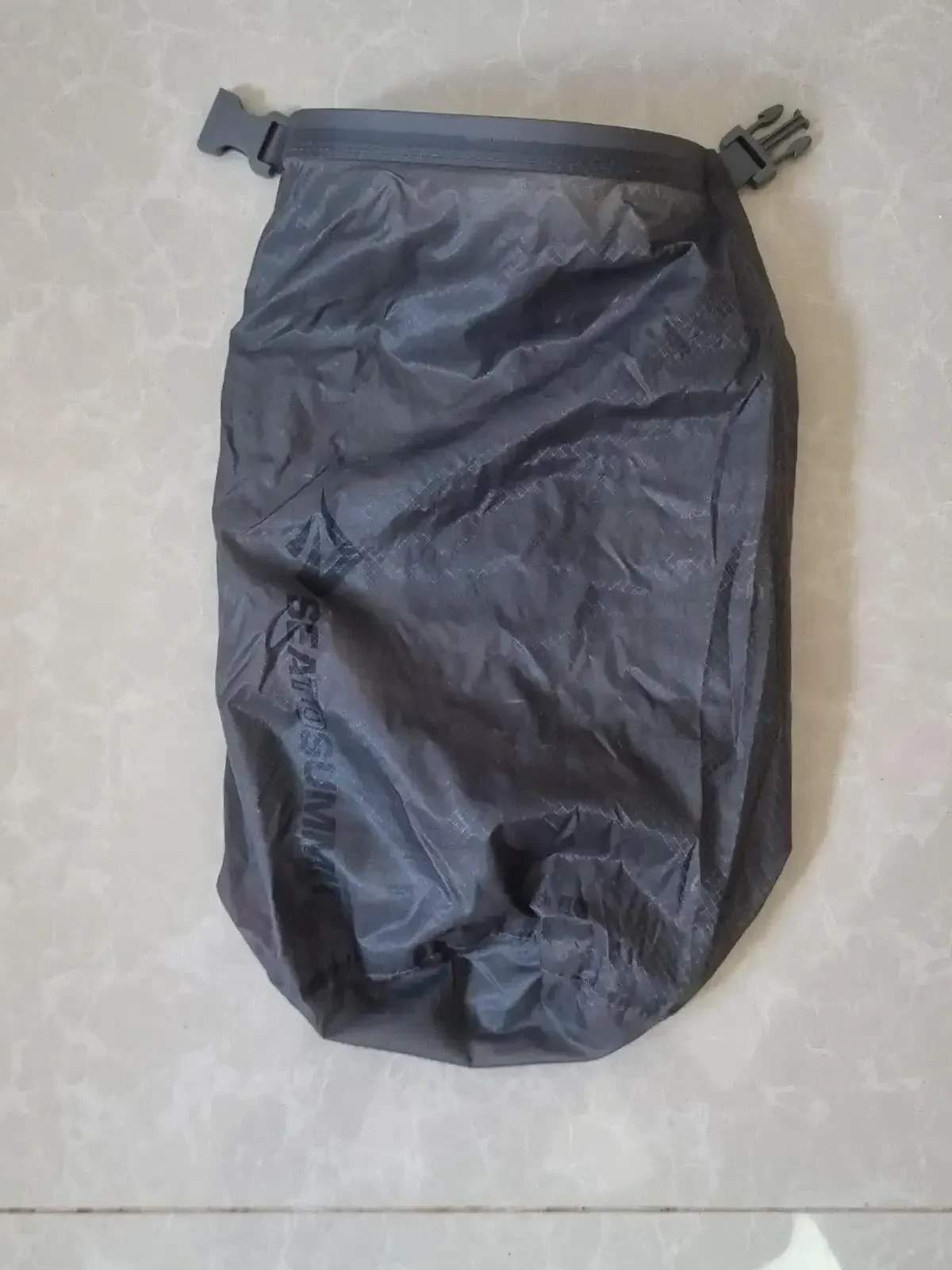
Some stuff sacks are water resistant, not water proof! So, they do not hold an air tight seal. Therefore, if you compress the bag, purging the air out, to gain packing space then the air will come back in just like a ziplock bag, albeit slowly.
Great Idea!
Laptop 💻: Get a large stuff sack to put your laptop inside. Keep it protected against dirt, rain, and humidity!
What makes these convenient is that you can clip the bags onto something.
Umbrellas And Ponchos
For the sake of being thorough, umbrellas and ponchos will be covered in this post.
You can’t predict the weather. Weather forcasts are not reliable in the tropical regions of Southeast Asia. When it rains it pours, and pop-up showers come and go without warning at the least convenient of times.
Umbrellas : It seems obvious, but having an umbrella available is a quick and easy way to protect your gear when it rains.
Ponchos : A cheap poncho works great, your whole body will be protected from the rain. Plus, you can cover the backpack on your back, too! Pickup a cheap $1 poncho. You can get them everywhere in SE Asia, too. Keep the packaging and stuff the poncho back into it for use next time it rains.