
Common health issues can be prevented, or easily treated while in Southeast Asia. Regardless of age or experience, the need for medical care can pop-up out of nowhere. Let’s hope for no motorbike accidents! Be prepared for if/when you do need health care. In this post, GemsOfTravel will inform you on where to go, the cost, pharmacies and prescriptions, and how to get things done.
This is post is practical. For much more detail, we have a few extra health-related posts that are certainly worth a read.
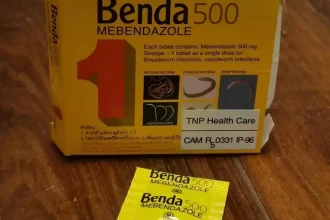
Common Daily Issues
Upset Stomach
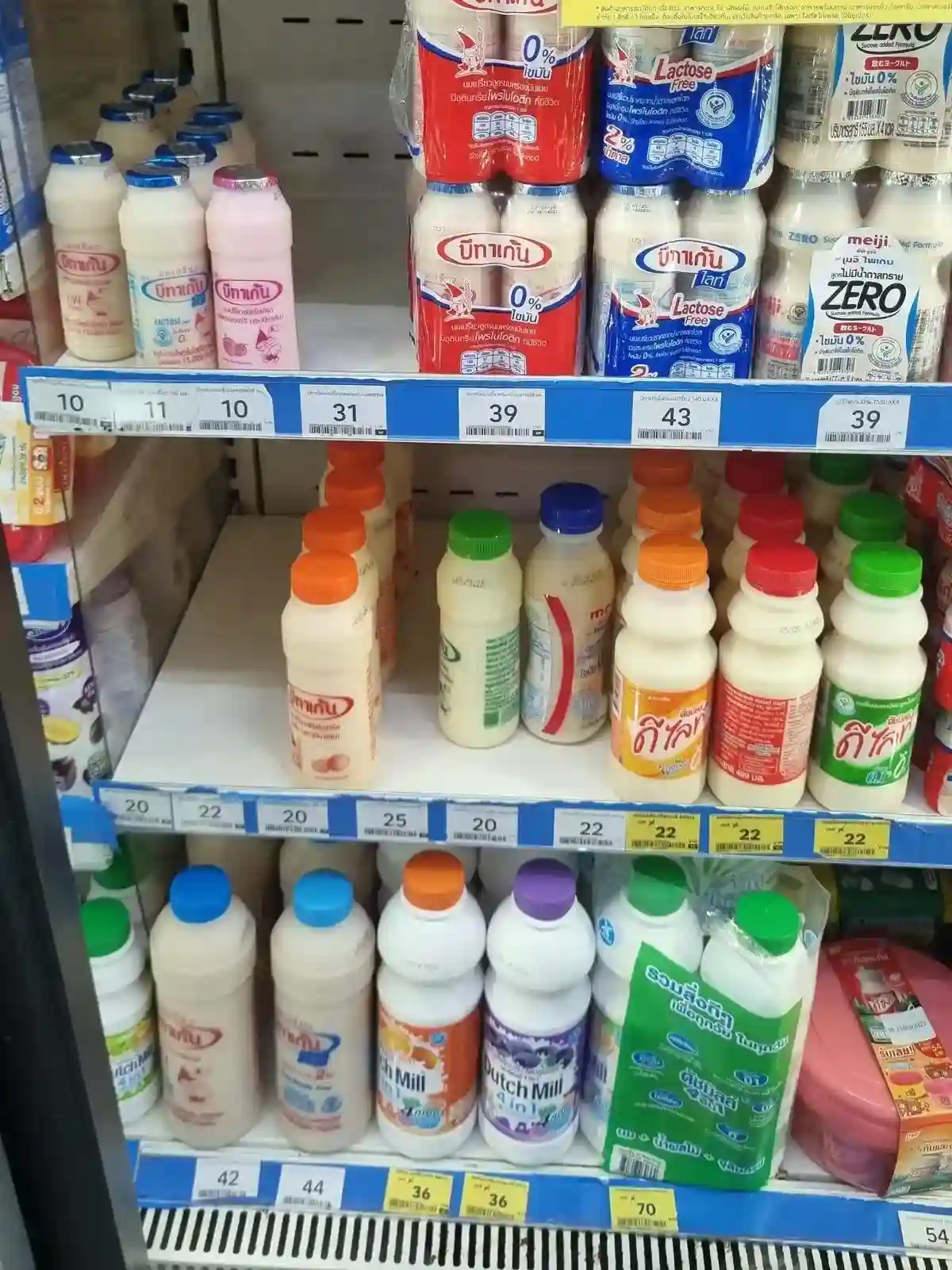
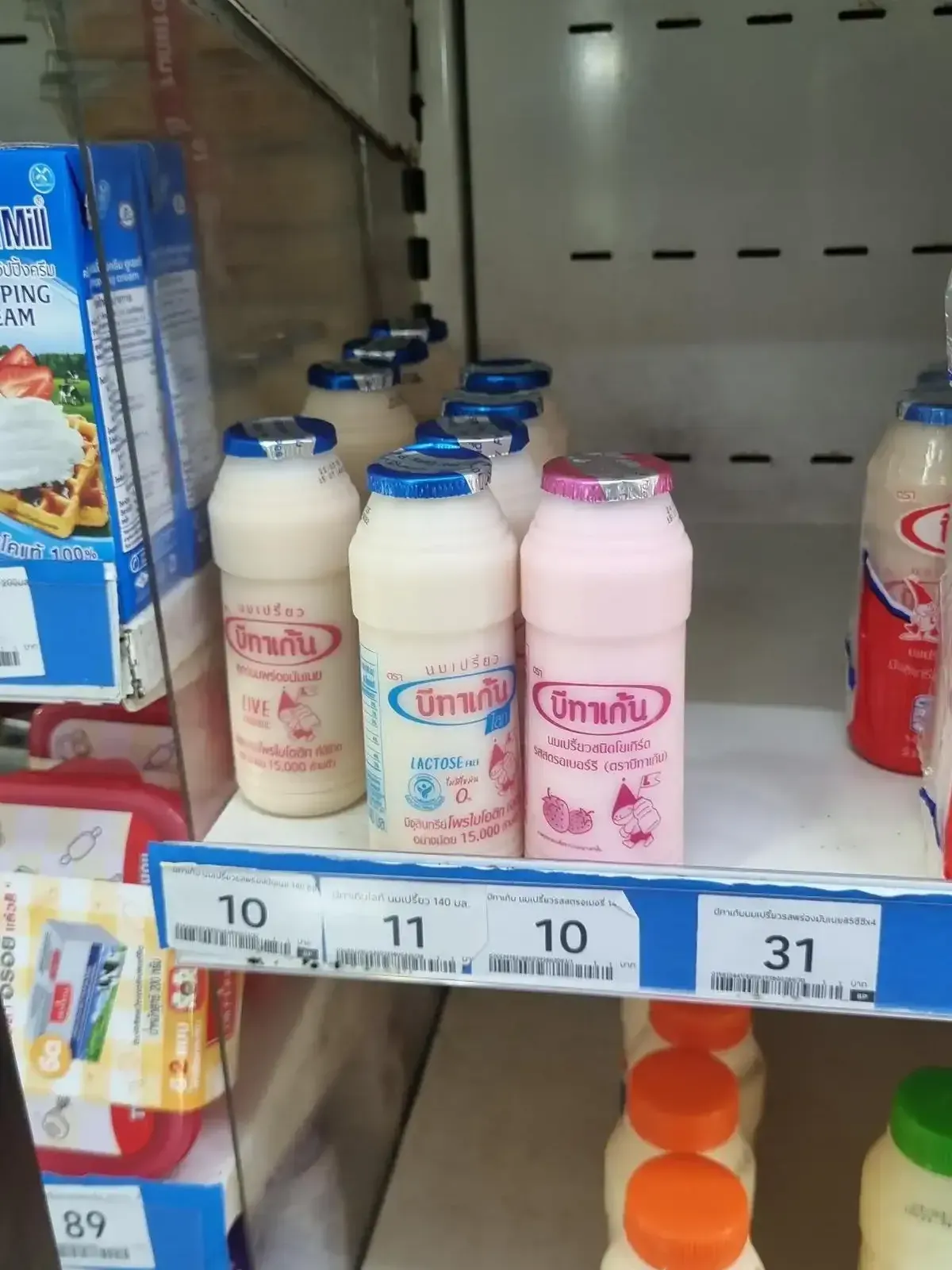
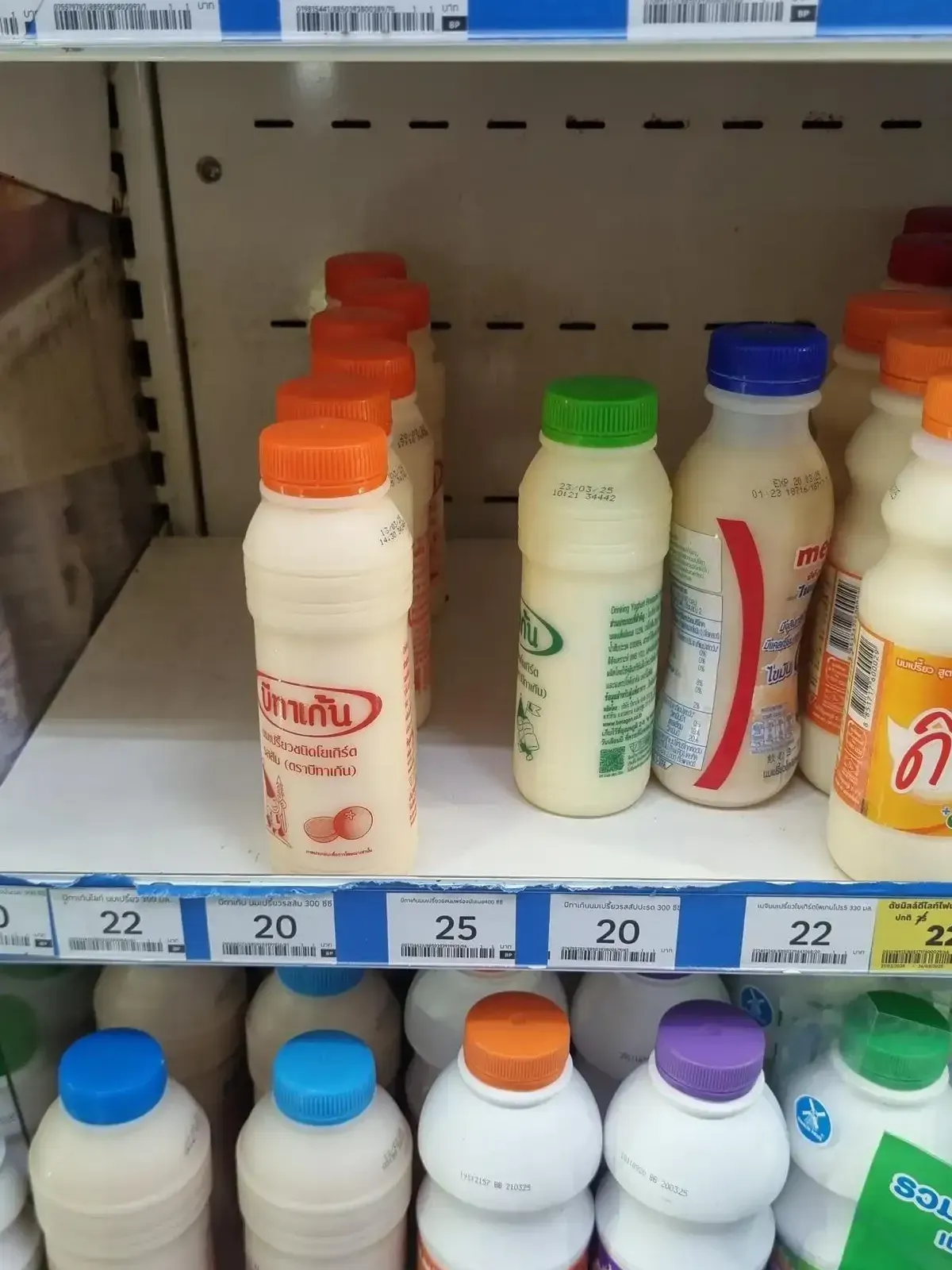
One of the most common daily life issues is an upset stomach and diarrhea. We highly recommend drinking a probiotic/yogurt when this occurs. Most convenience stores sell them.
Prevent & Prepare
Guard yourself against food and environmental issues, and have an Epi-Pen prepared if you need one.
Prevent health risks due to food allergic reactions and sensitivity to sugar (diabetic) by carrying a translation warning that you cannot eat a certain ingredient. It’s helpful to learning about the ingredients in the local dishes, too, if you can.
Furthermore, be up-to-date on shots & vaccinations – Hepatitis A and B, Tetanus, and Typhoid just to name a few.
Care Facilities, Prescriptions, Cost, & Insurance
Pharmacy
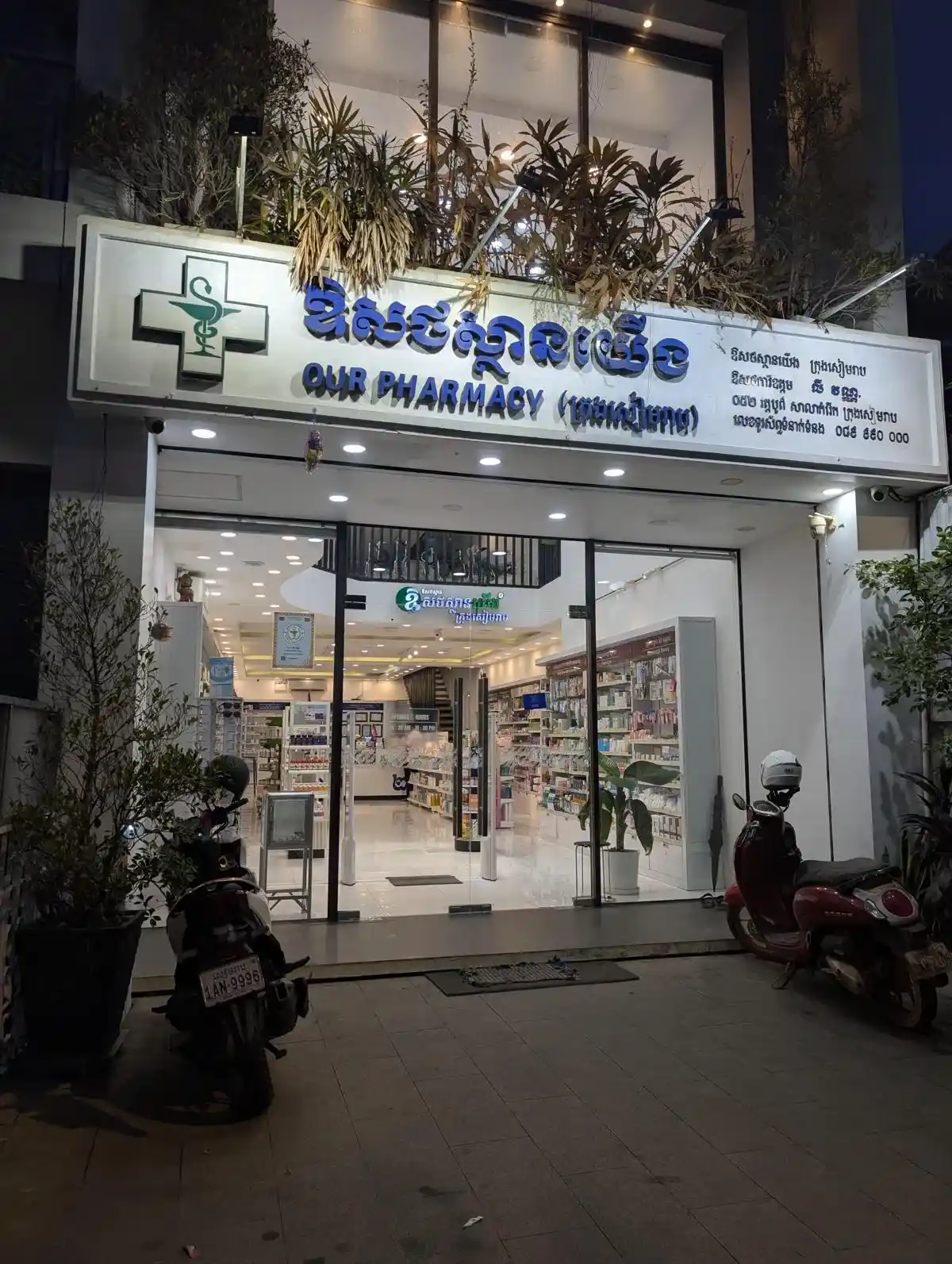
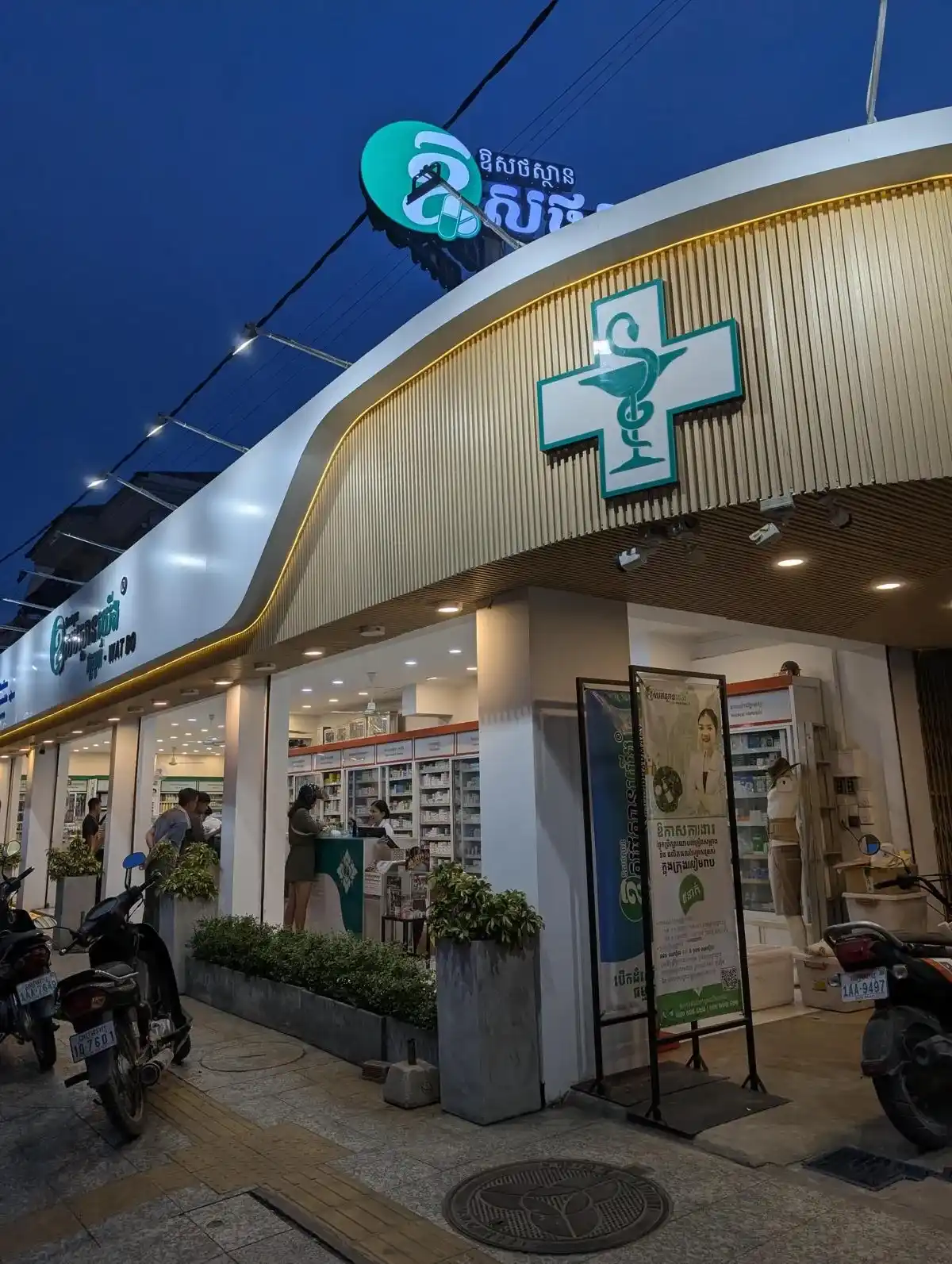
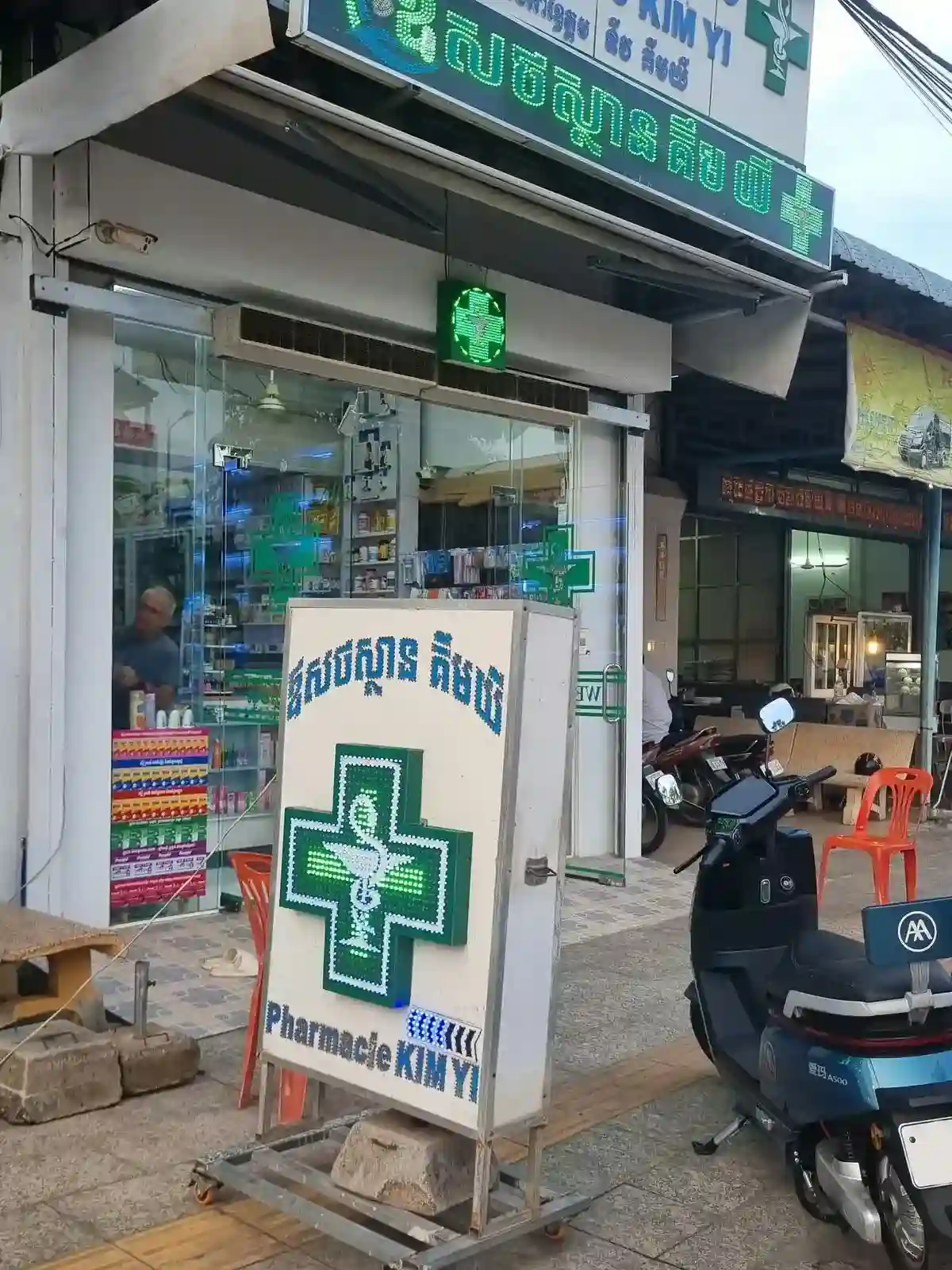
Pharmacies in SE Asia are everywhere, and many medications do not need a doctor prescription. The pharmacists are a excellent resource, answering questions or giving suggestions. They often speak English well, and are friendly. See this linked post for more information.
Tip
Know that pharmacies can help in an emergency, and are often conveniently scattered throughout a city. Since they usually speak English, they can call an ambulance on your behalf in the local language and describe your medical issue.
Prescriptions
Compared to the West, Southeast Asia has a myriad of differences in regards to prescriptions. No formal prescription required, along with the education requirements of staff, and different medication brand-names & formulations make it a very different medicinal landscape. Please read in greater detail the “Prescriptions” section of our “Healthcare in Southeast Asia – What’s it like? Is it safe?” post.
Warning
BE CAREFUL about flying (i.e. go through international security) with medication that you do not have a formal prescription. We are referring to medications that could be misconstrued as “hard drugs”, even anti-depressants. Just because it is legal to obtain the medication in the country your are in, does not mean that a prescription is not required in the country you are going to. Taking that a step further, medication legal in one country could be illegal in another.
Insurance
Insurance, self-insuring, or a combination of the two. Travel insurance often comes with healthcare coverage, probably not including serious health situations or pre-existing conditions. Don’t forget motorcycle riding coverage. You may wish to purchase one or more of the following: (1) health insurance for your home country, (2) international healthcare insurance, (3) local insurance plan for the country you will be staying in.
Healthcare
You have options – a local doctor and keeping your doctor in your home country. Having both is not a bad idea. Telehealth is more feasible in our digitalized world, but even emails & phone calls to your doctor at home in the UK/USA/Europe is a practical option. Local healthcare can be very accessible, albeit informal with varying degrees of quality (education, competence, regulation and protection laws). International hospitals are your best bet for top quality, and not local hospitals. Be forewarned about potential quality limitations, too.
Healthcare By Country
Malaysia (and Singapore), Thailand, and Vietnam are known to have the highest quality care within the Southeast Asian region, overall. We cannot comment on the Philippines. We detail the healthcare by country in the GemsOfTravel post, “Healthcare in Southeast Asia – What’s it like? Is it safe?”.
Pricing and Medical Visa
Medical care, healthcare, and pharmaceutical costs are significantly cheaper in SE Asia than compared to the USA. Prices do rise sharply when going to an international hospital or buying some Western-brand medications.
Thailand is infamous for dual pricing, wherein foreigners are forced to pay more than locals for the exact same thing. This has been extended to the official pricing lists at Thai hospitals, and many other businesses try to push that boundary to get a 2/3/10x payout. Perhaps, it’s the lottery mindset?
Furthermore, Thailand has visas for medical tourism, in which you can obtain a visa for undergoing health-related care in the country. This visa attracts many foreigners from abroad.