
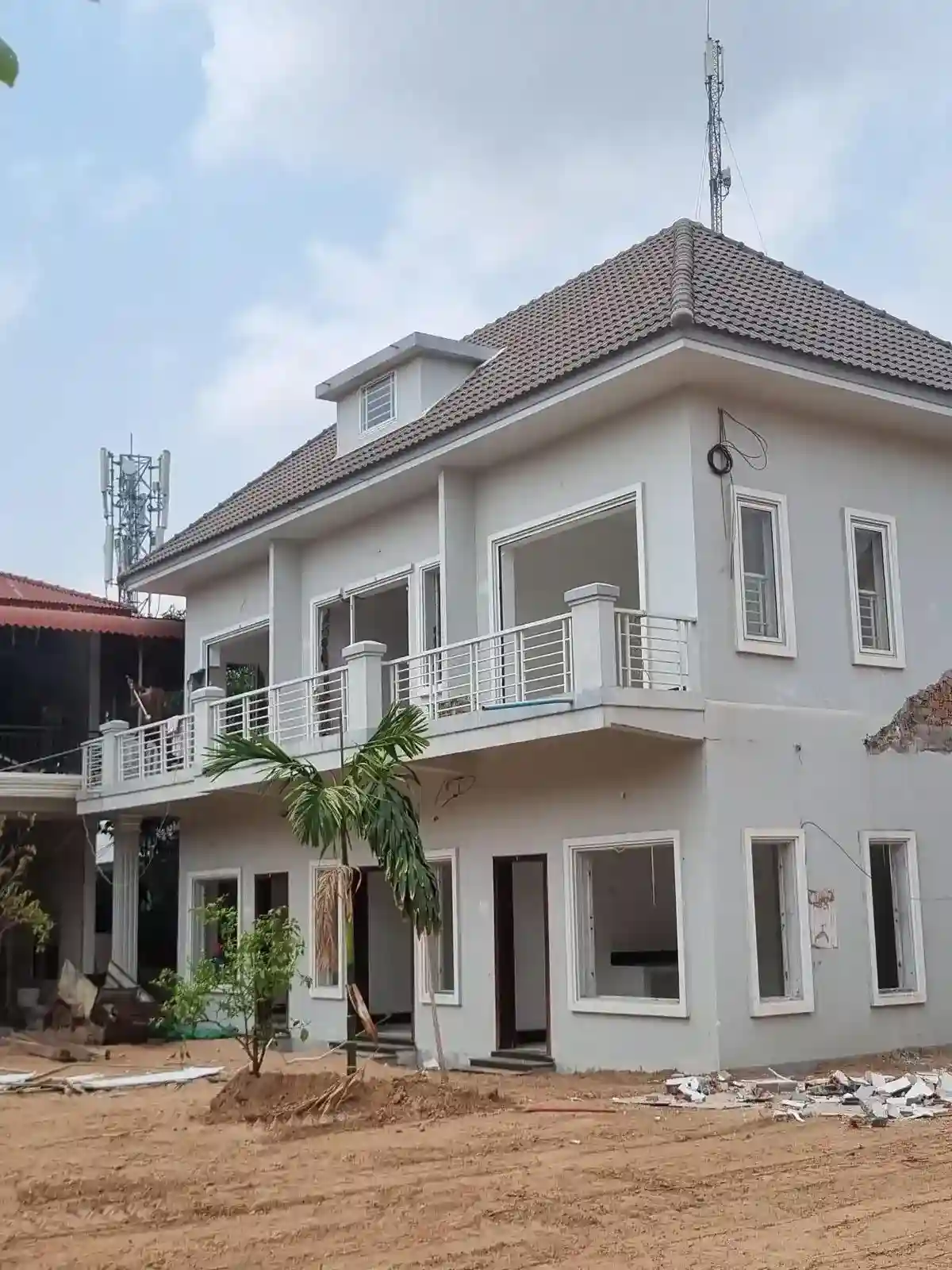
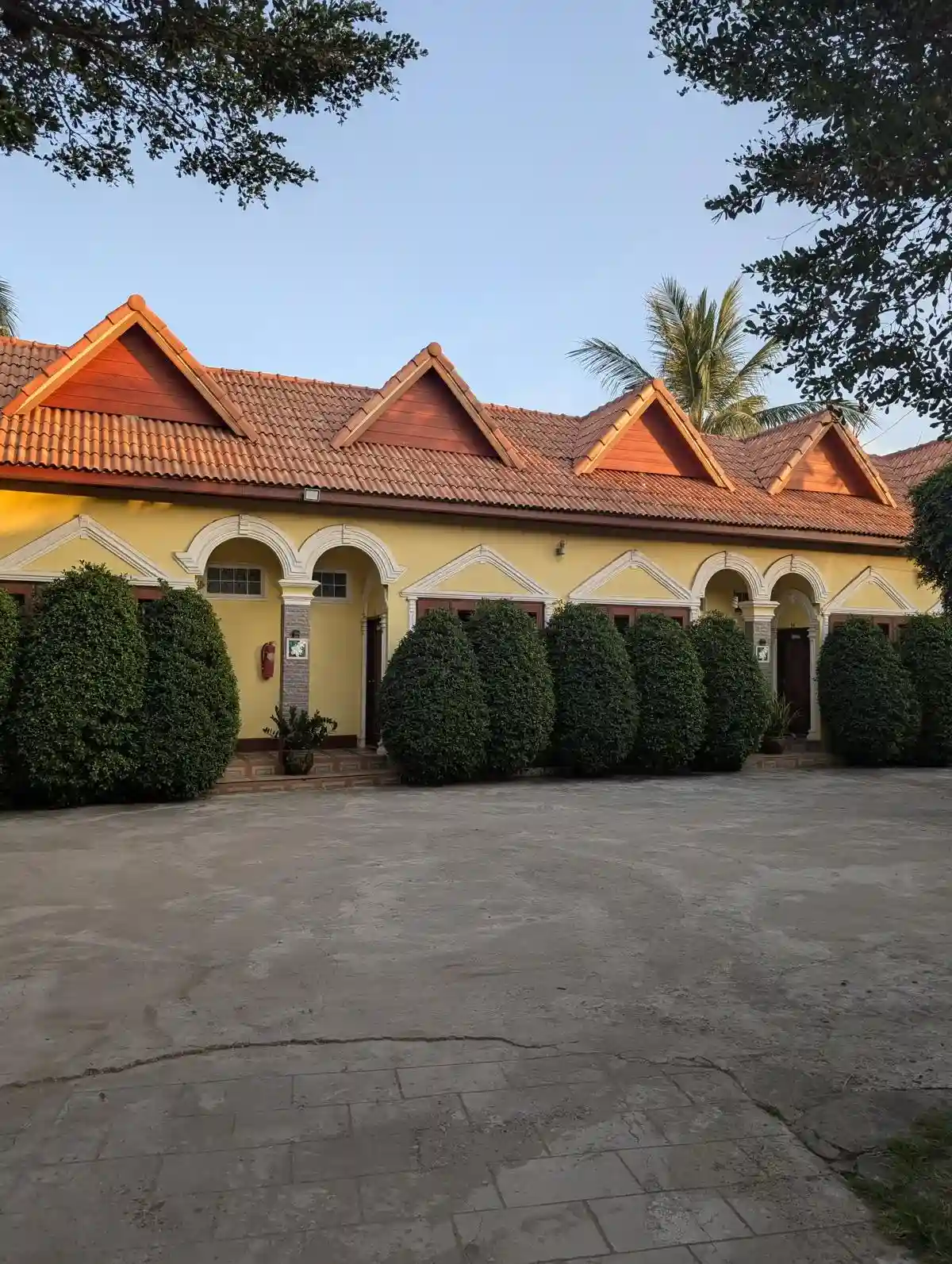
The home construction is Southeast Asia is very simple. Concrete (with or without brick) is the main material along with corrugated metal roofing or clay shingles. As simple as can be … strong and durable, too.
Construction Of Housing In Southeast Asia
Concrete
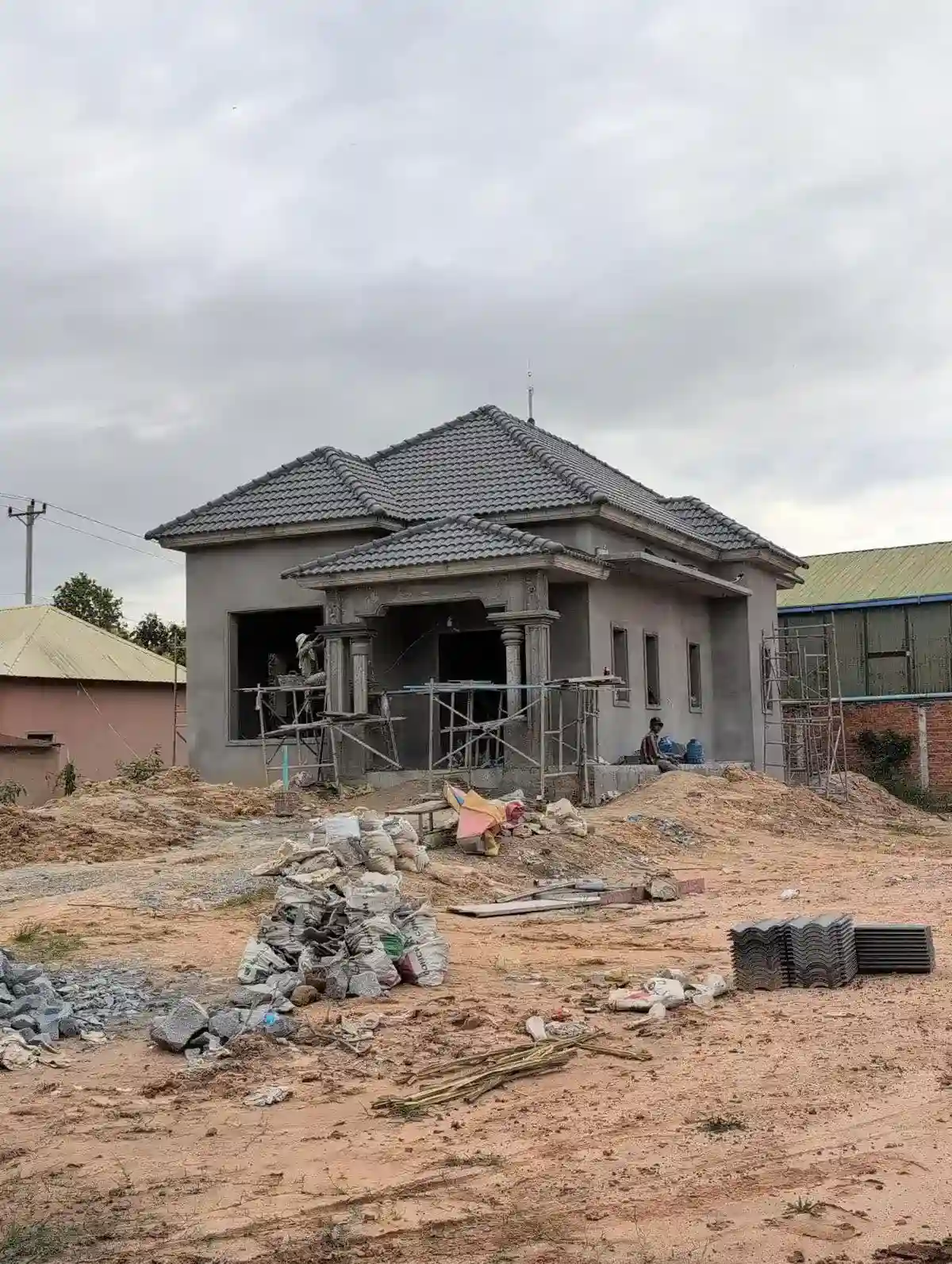
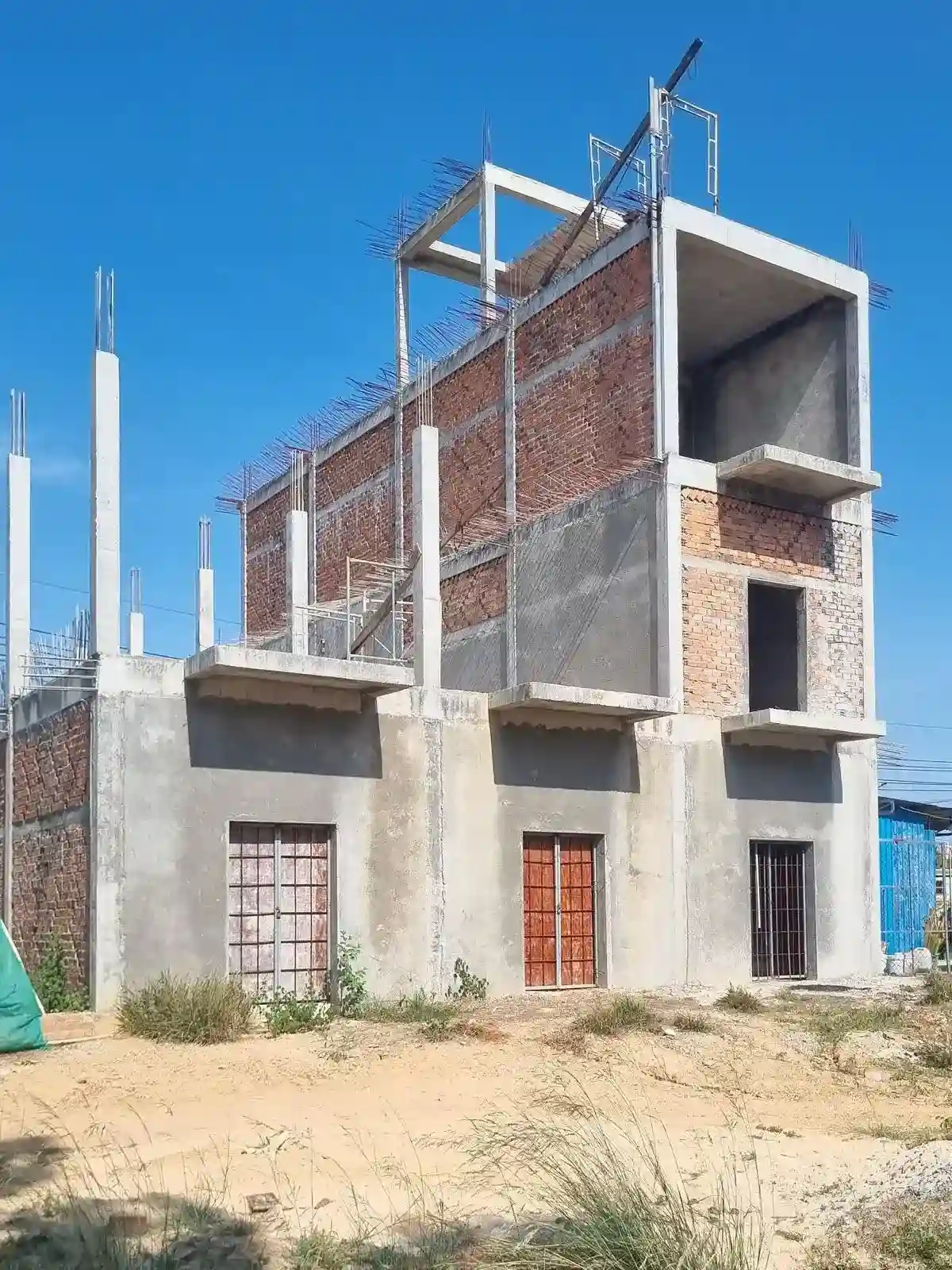
All concrete. Everything is made completely out of concrete. The floors, the walls, the ceiling and roof, the kitchen counters, the structural parts – everything is one giant concrete connected piece. Concrete built on top of concrete and covered with prettier concrete spread. It’s good for sound proofing (not paper thin!), although the windows leak noise and there is no carpet to absorb it. The concrete walls get painted directly, no drywall exists.
Brick
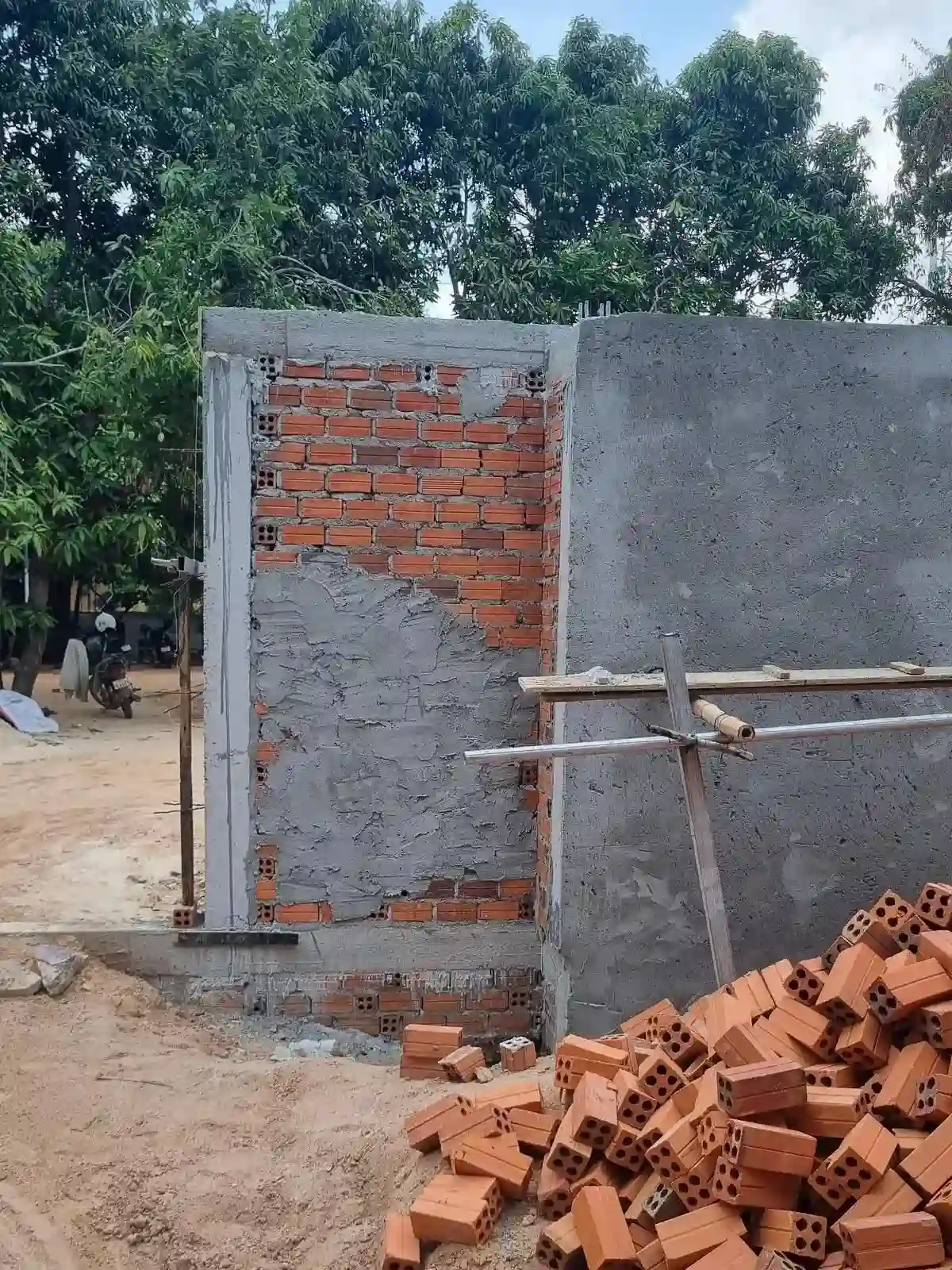
Most things are concrete, but some places use brick or cinder blocks (made of concrete), which get covered in concrete. Brick seems to be supplemental to the main concrete structure.
Clay Shingles And Corrugated Steel Sheets
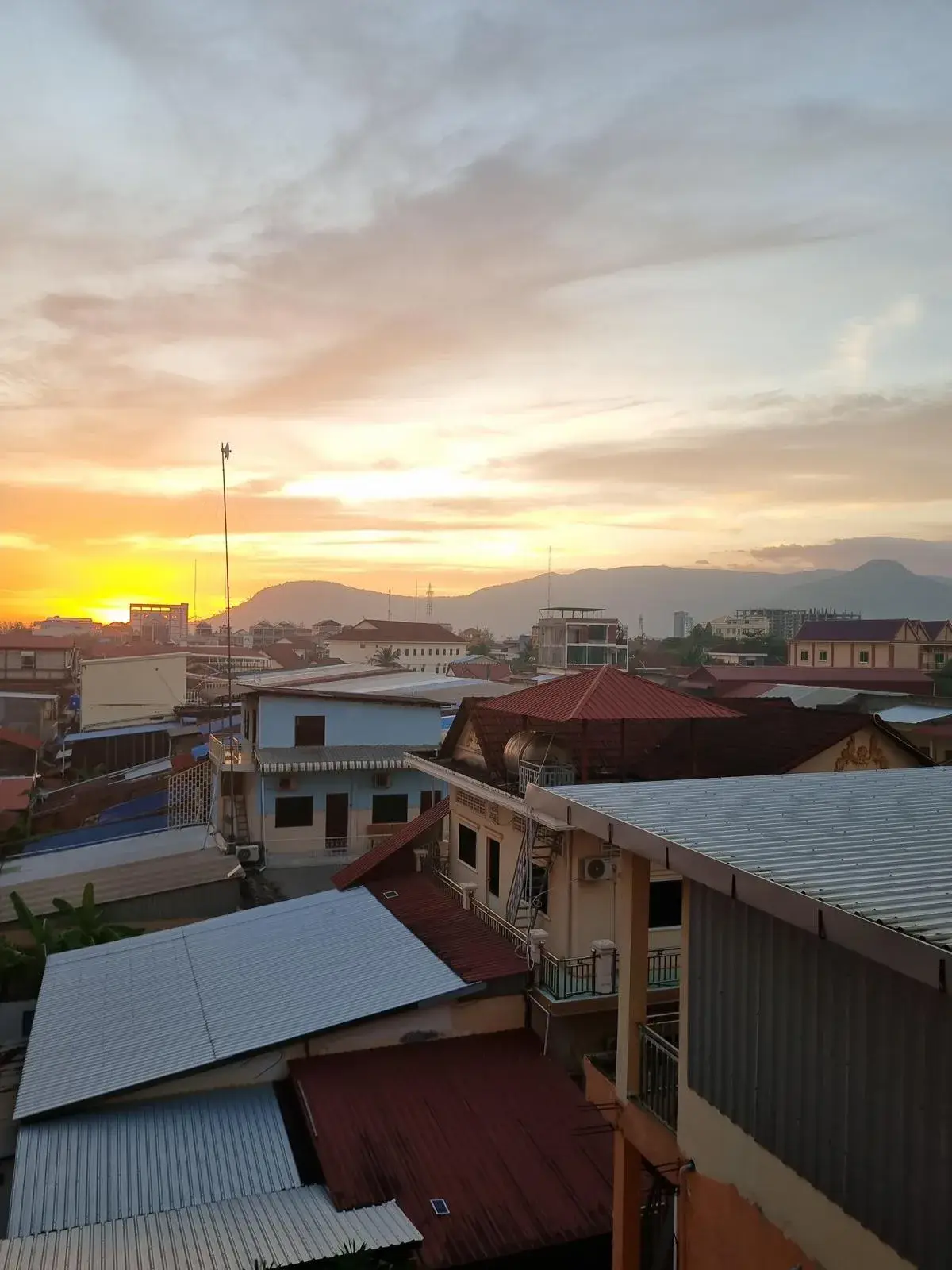
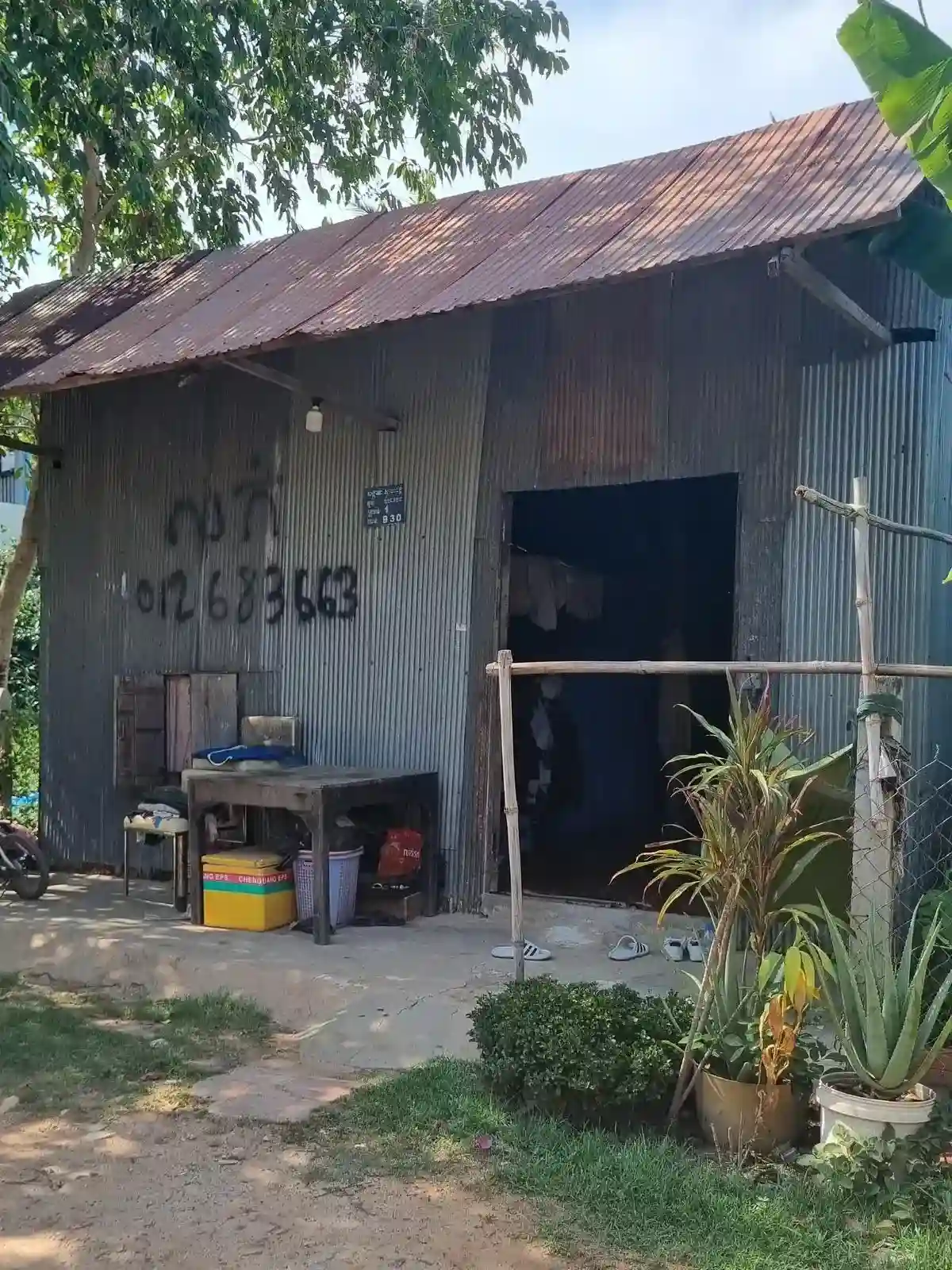
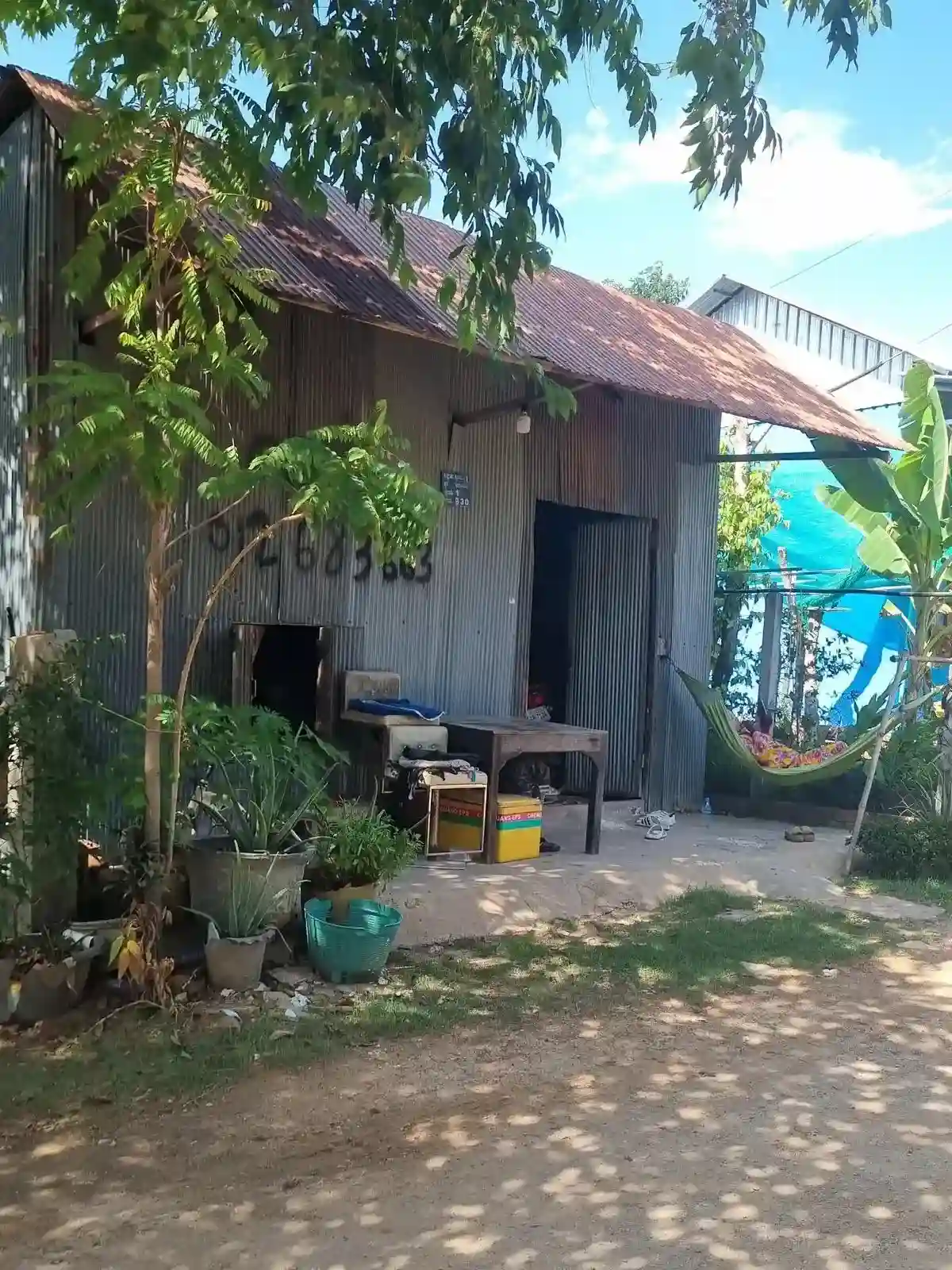
The roofs are covered with corrugated steel sheets or clay shingles, unless if there is a rooftop then the concrete rooftop floor is not covered.
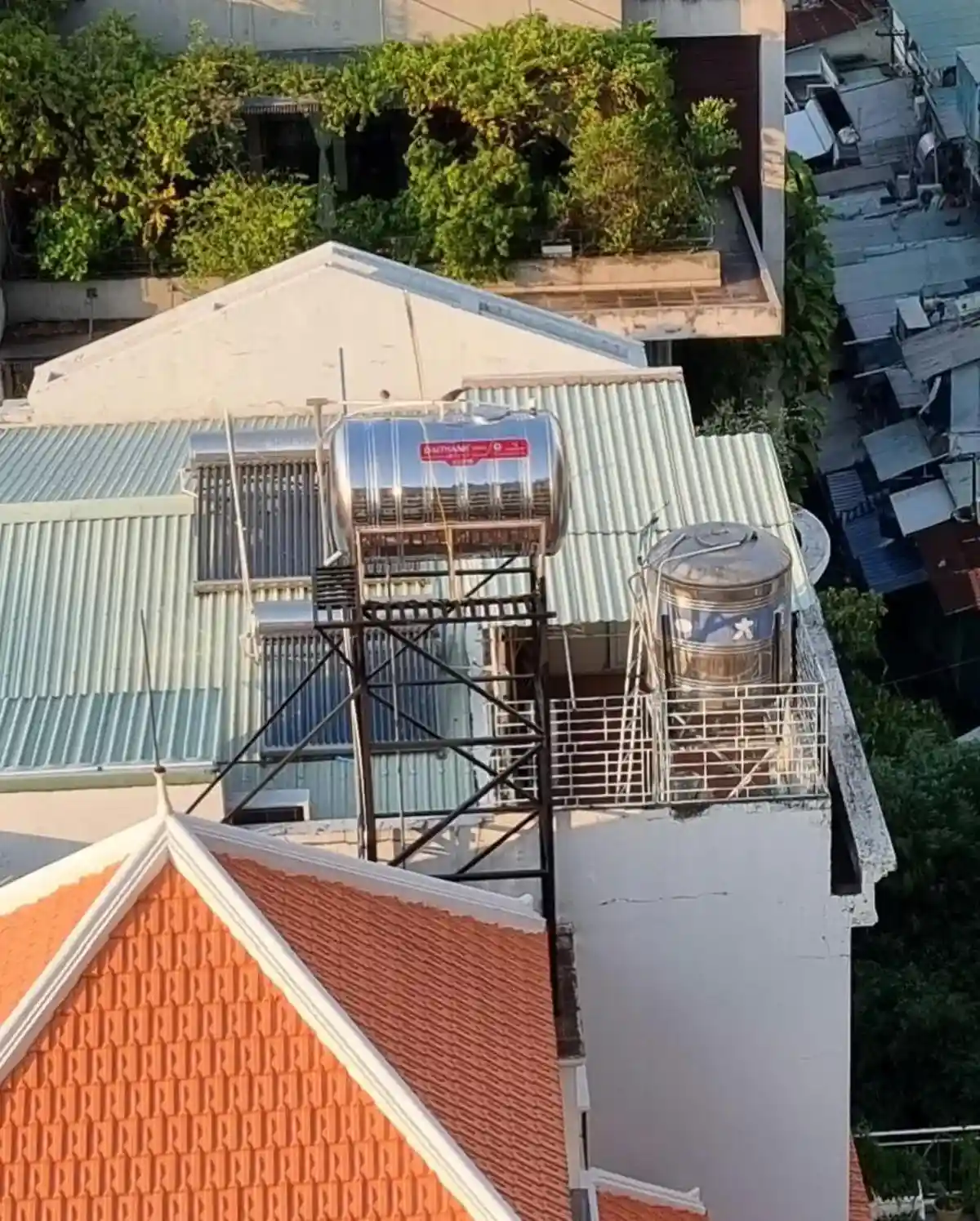
Note the water cistern in the below image. A cistern (large water storage) is mounted on their rooftops, and is plumbed to their home. This is very common in Southeast Asia – to have a rooftop water cistern with gravity pressure fed throughout the home. It is heated by the sun. Some homes have electrical on-demand water heaters within each bathroom shower for heated water.
All Other Materials
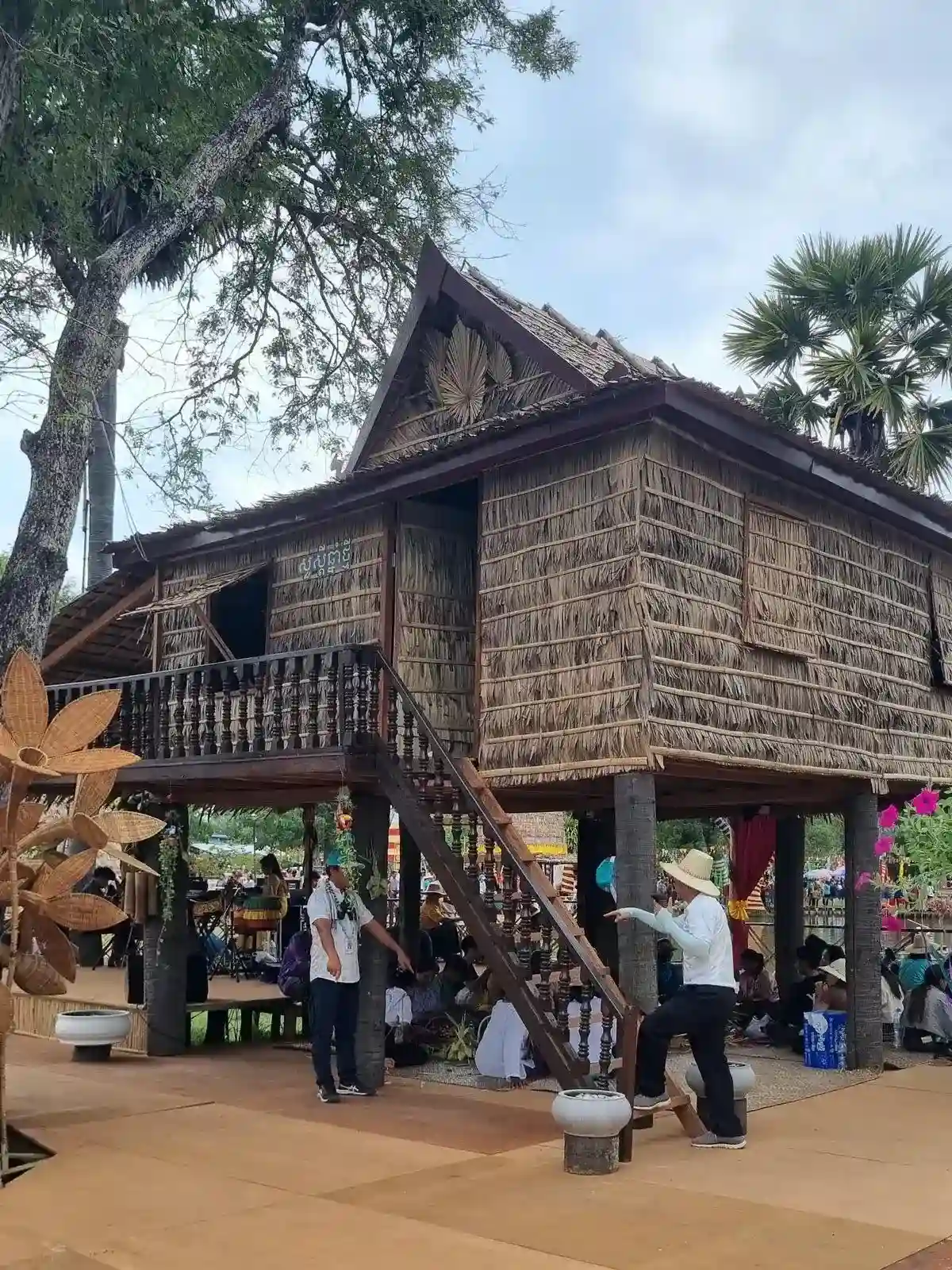
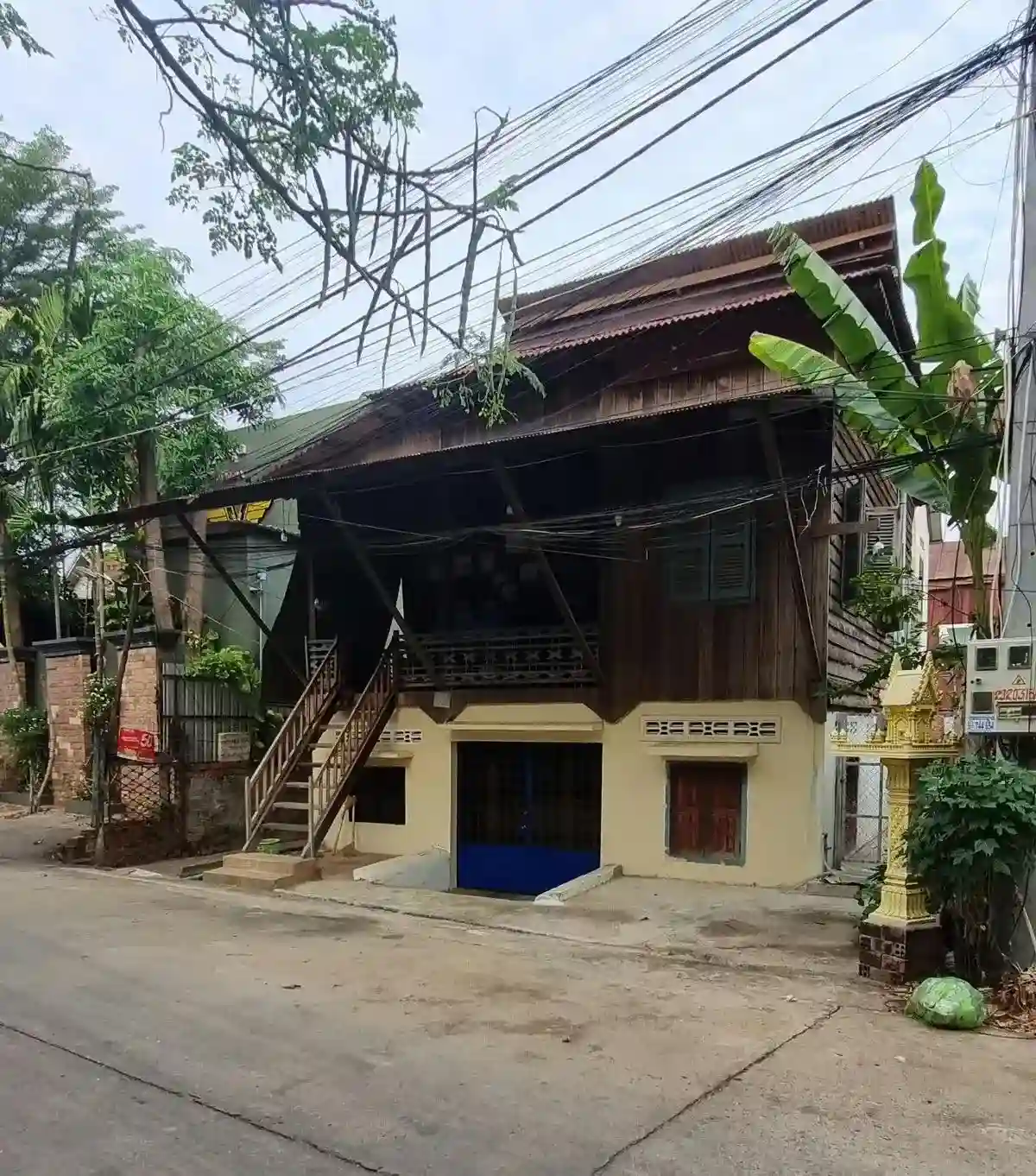
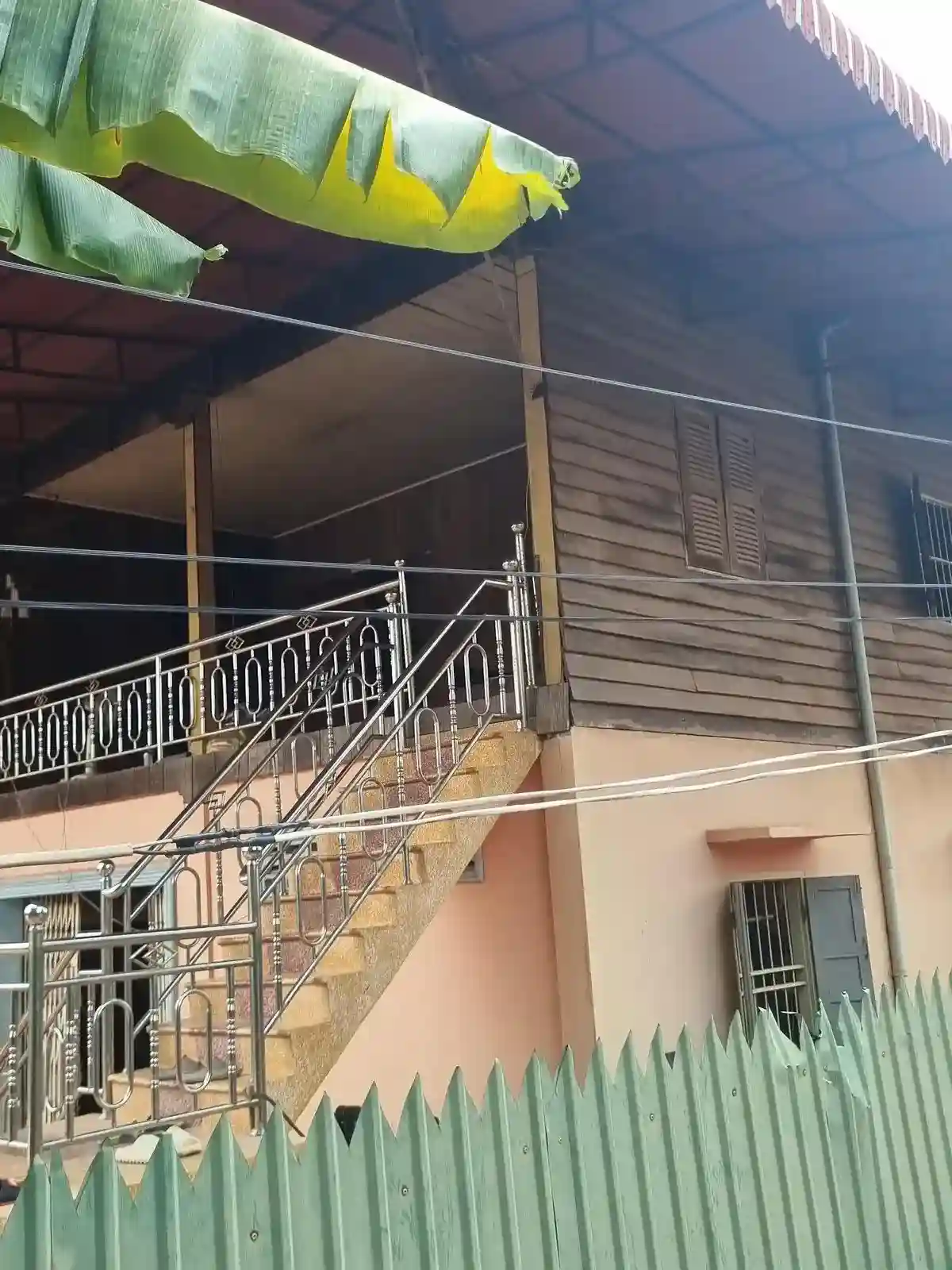
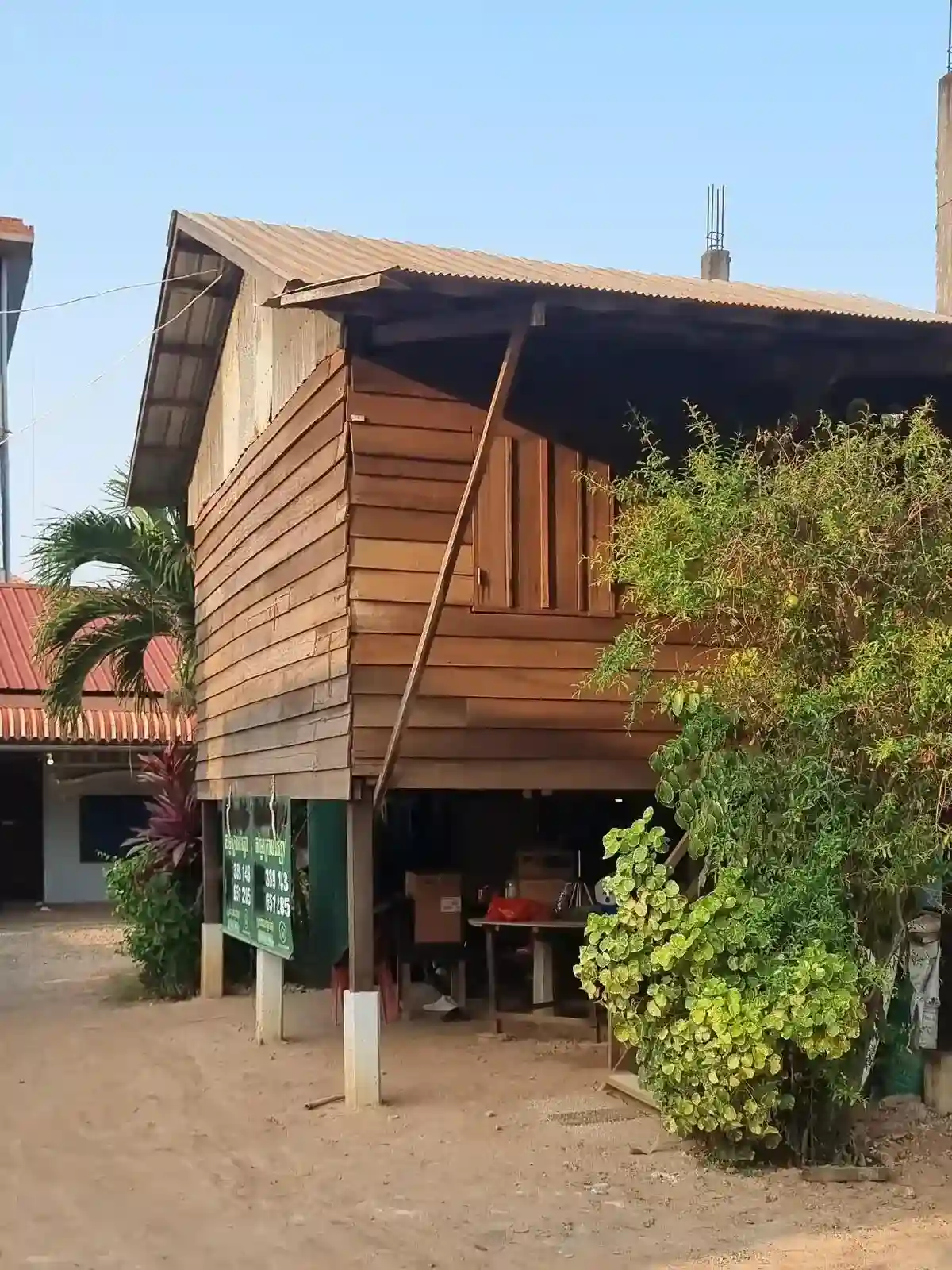
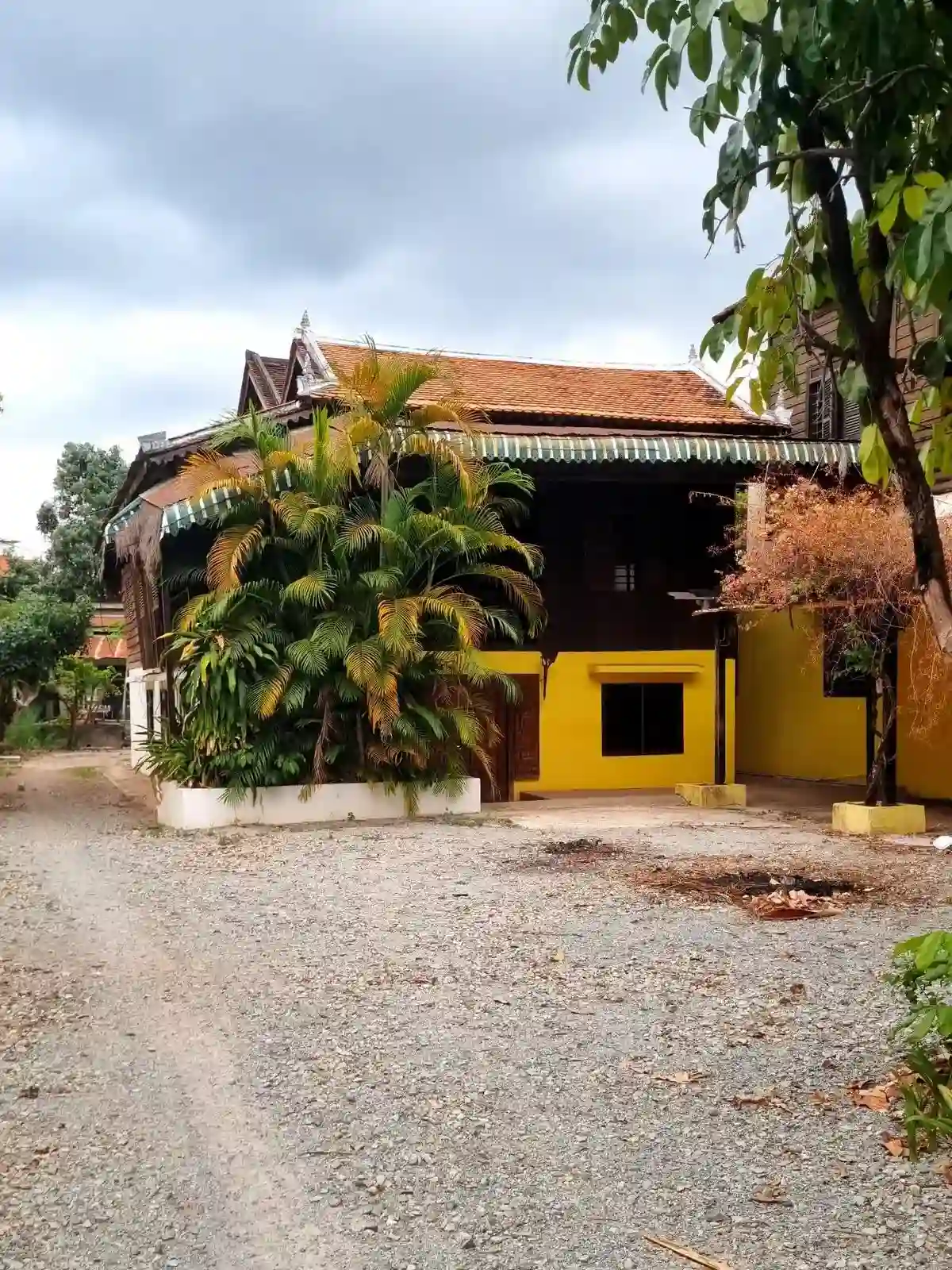
Wood or steel framing – forget about, it does not exist except for the old-style homes, which are predominately all wood. Though, stilt homes that get updated have enclosed their lower floor with concrete. These older home are full of air leaks.
Wood
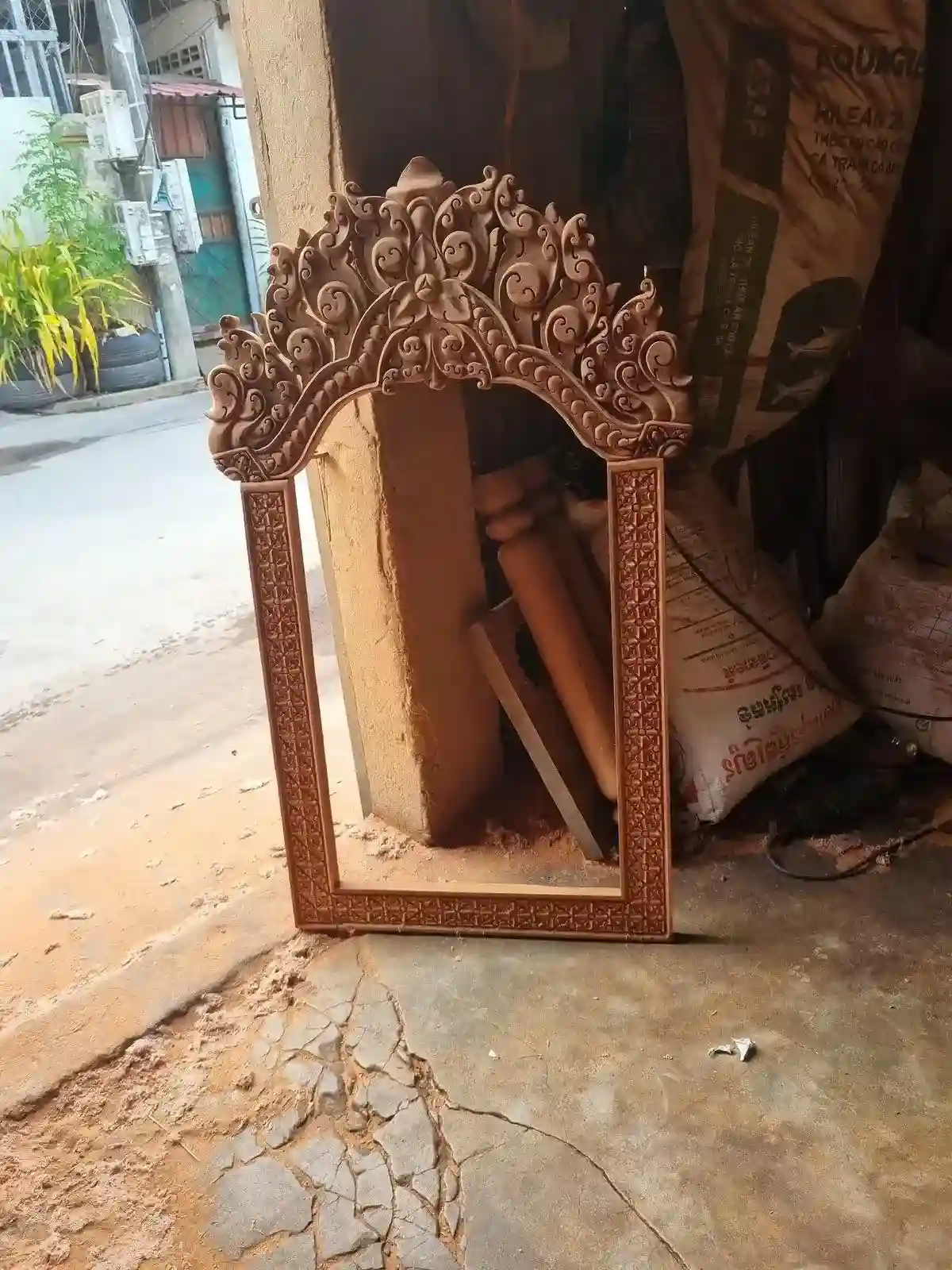
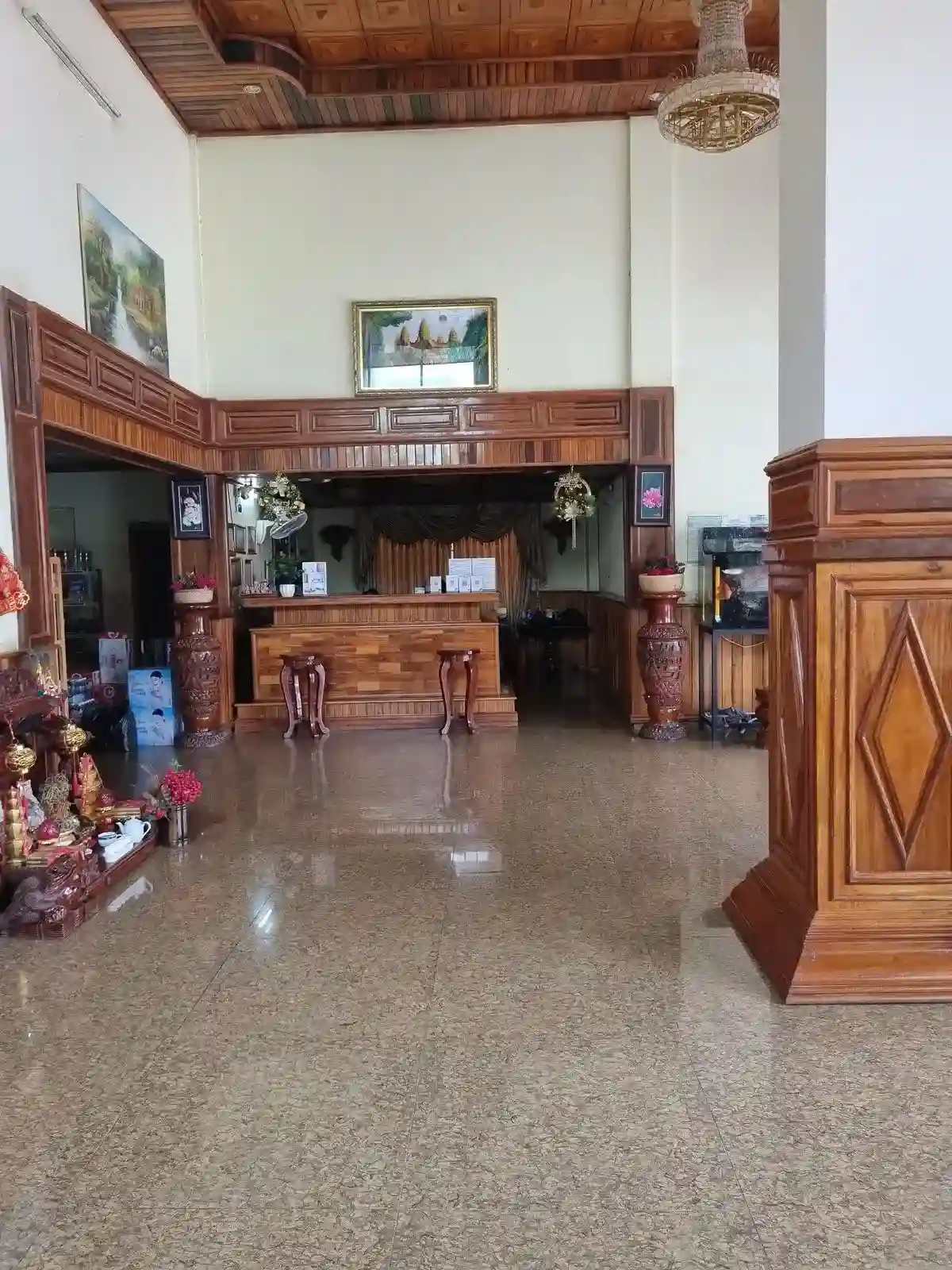
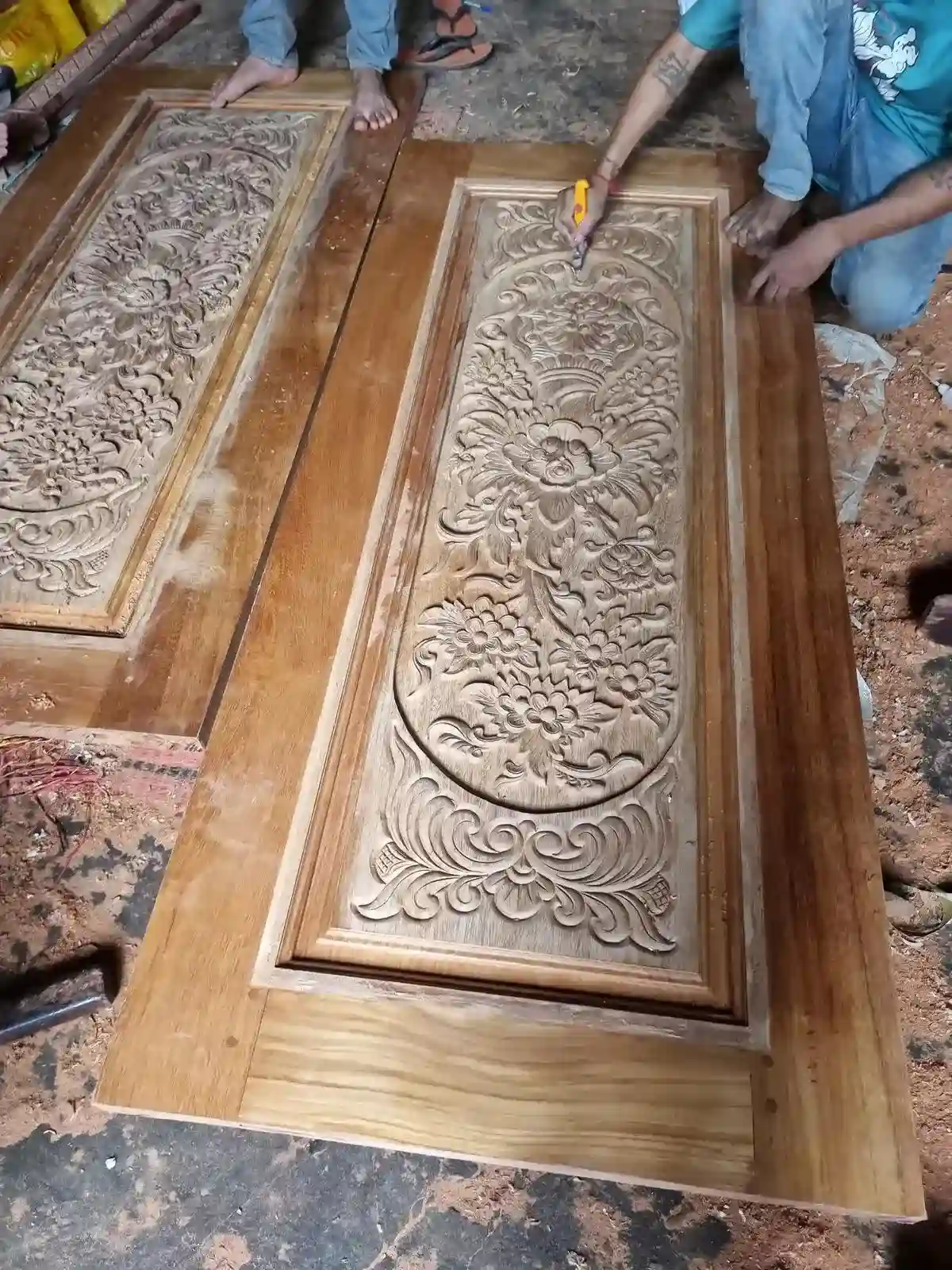
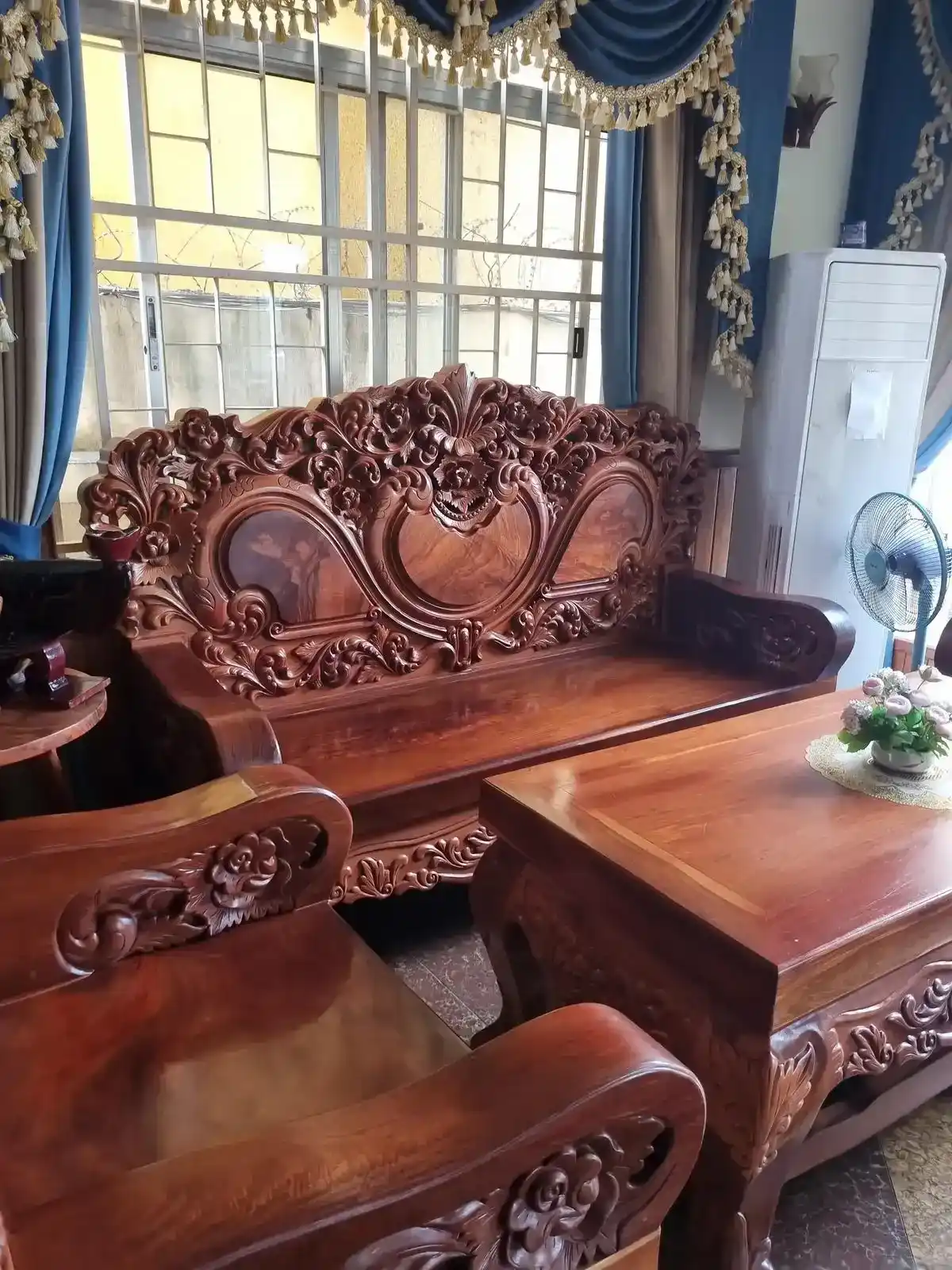
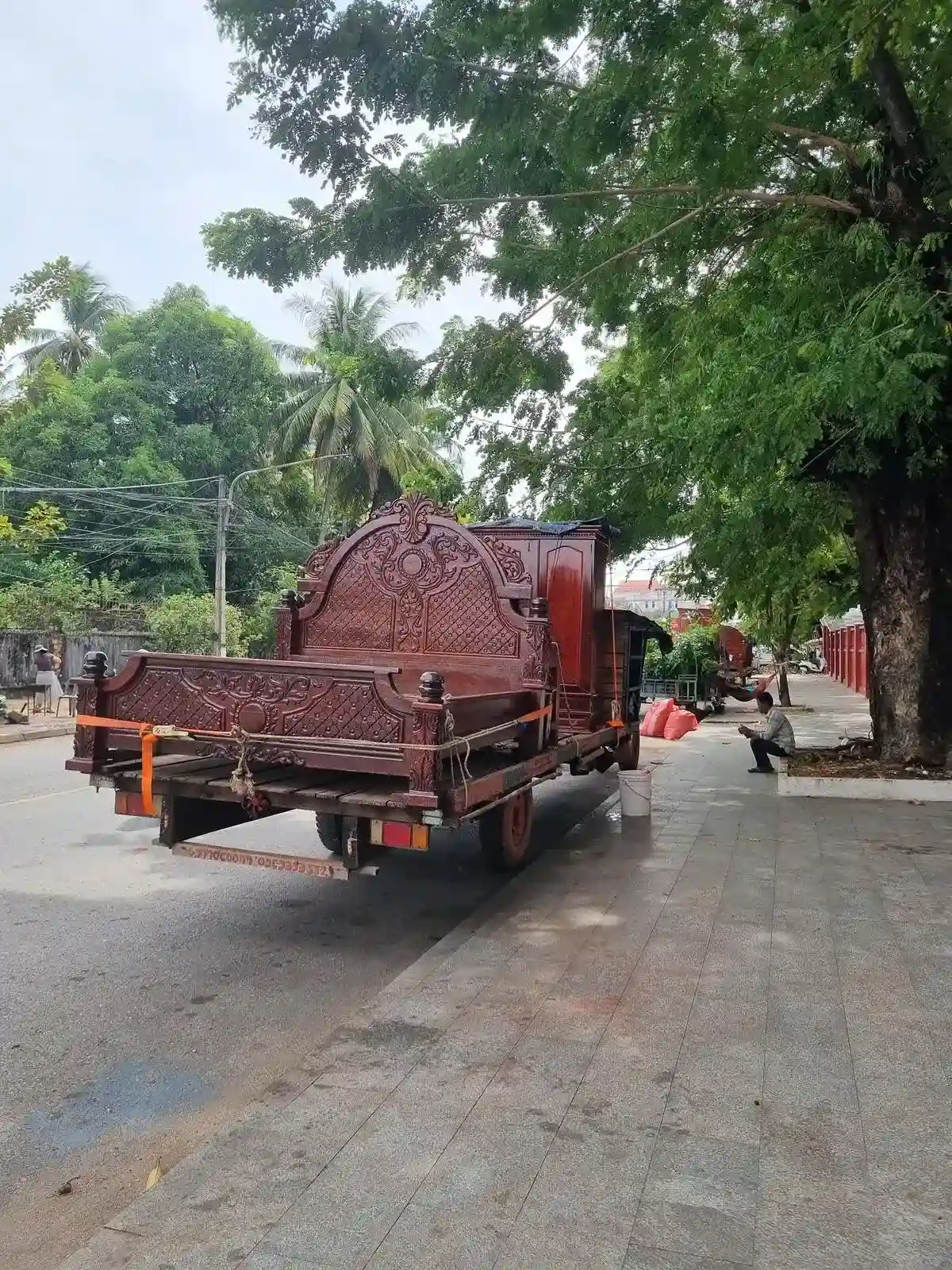
Wood is not used for interior framing the concrete homes or buildings, and whatever else the imagination of mankind can put into a concrete box. But, wood is used to construct doors (solid wooden doors), furniture, and facade decoration inside the home. The wood carvings are truly works of art & their carvers craftsman worthy of praise. Take the time to admire and appreciate the wooden beauty. Unfortunately, you can’t buy a piece and take it home – won’t fit in your luggage and most certainly will exceed the airlines’ luggage weight requirement! So sad, too bad.
Steel Tubing
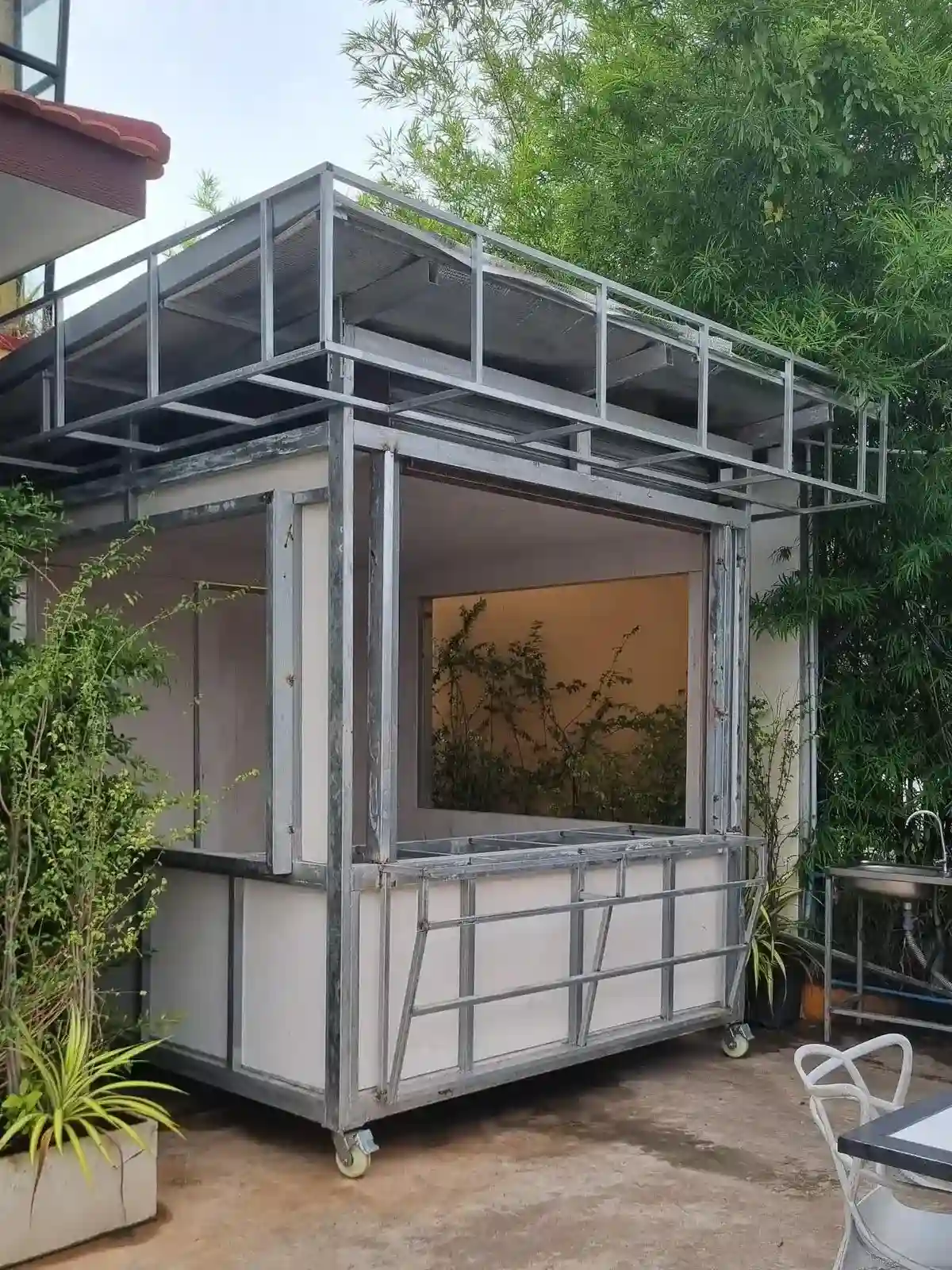
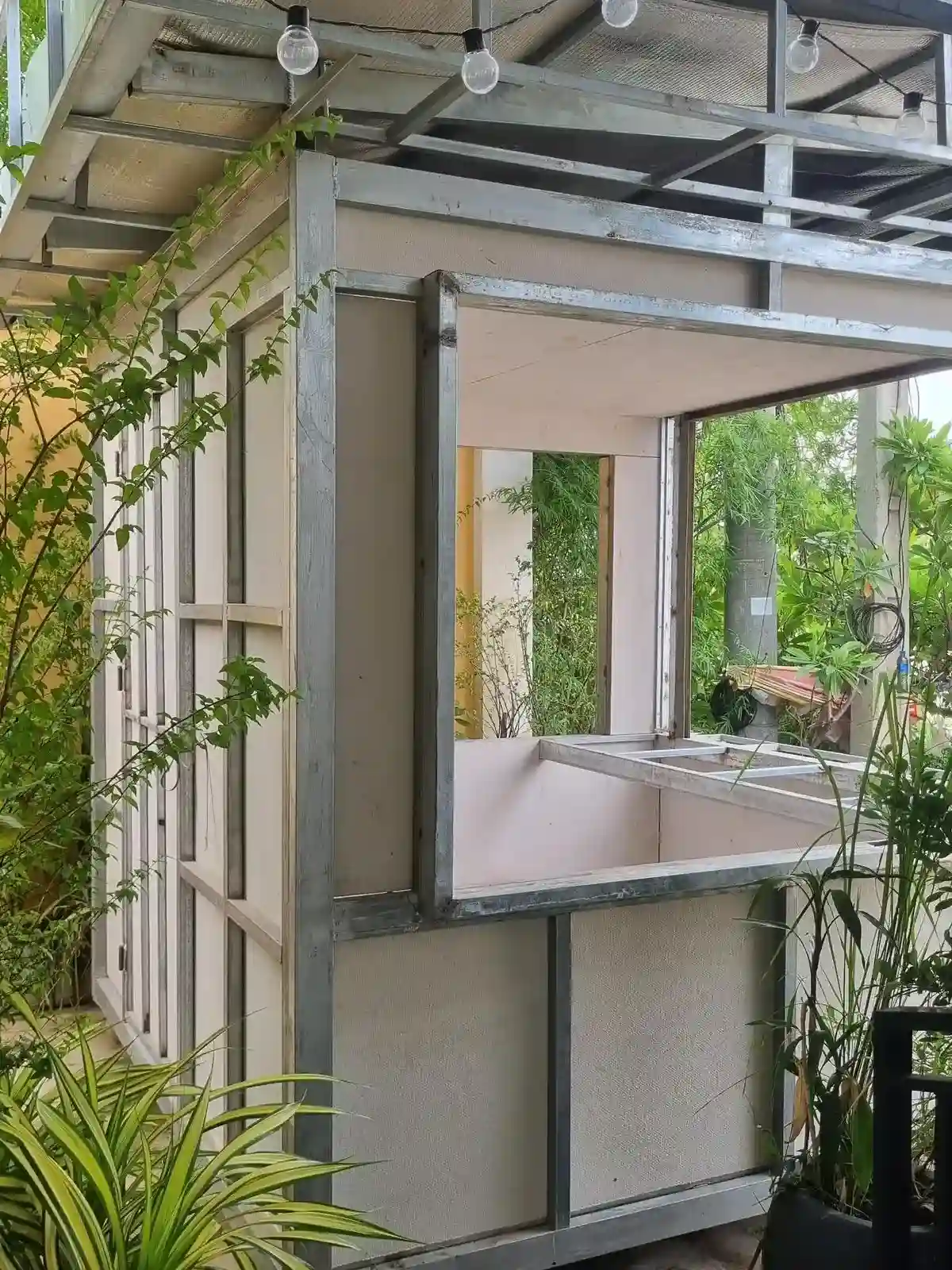
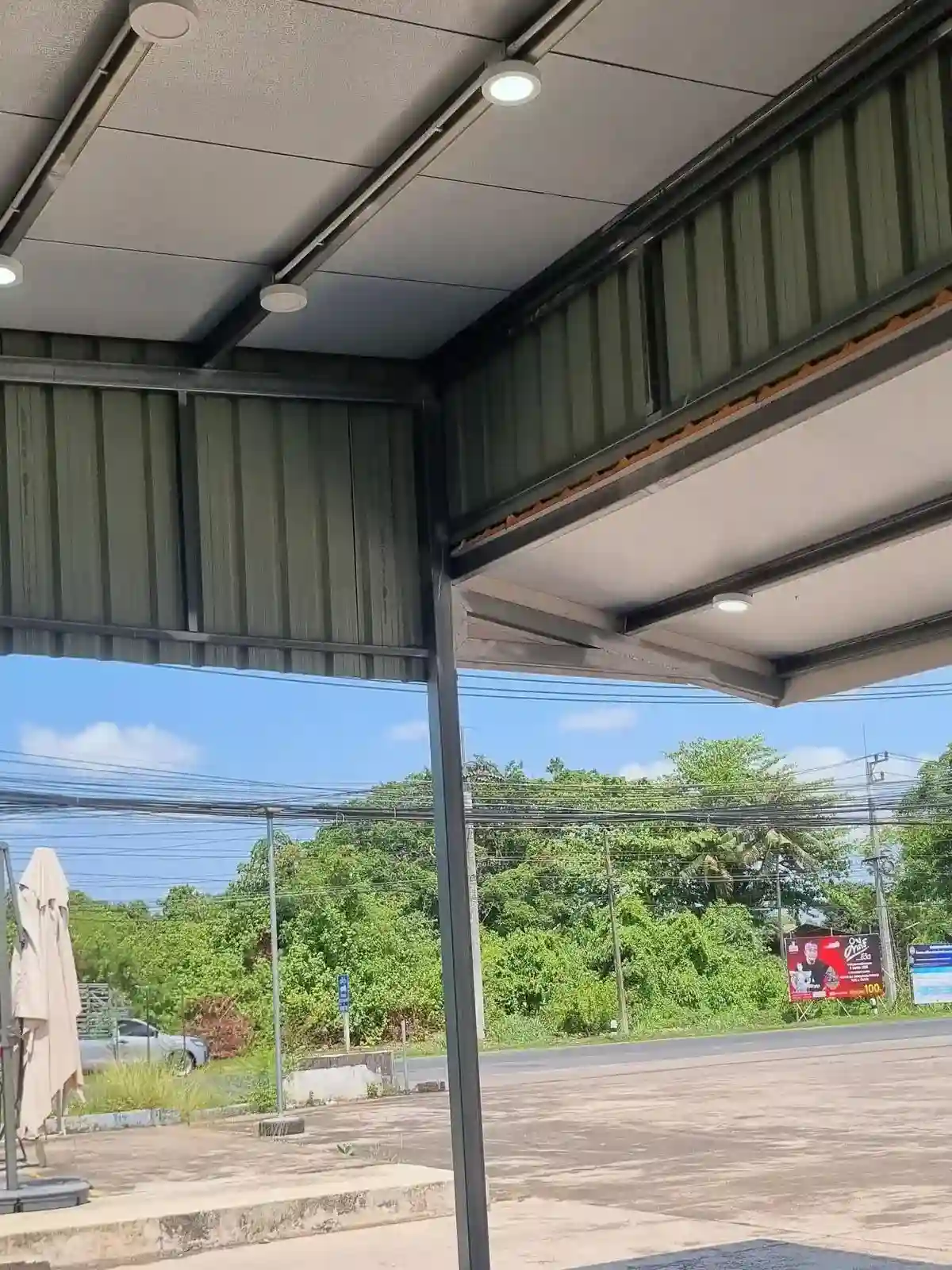
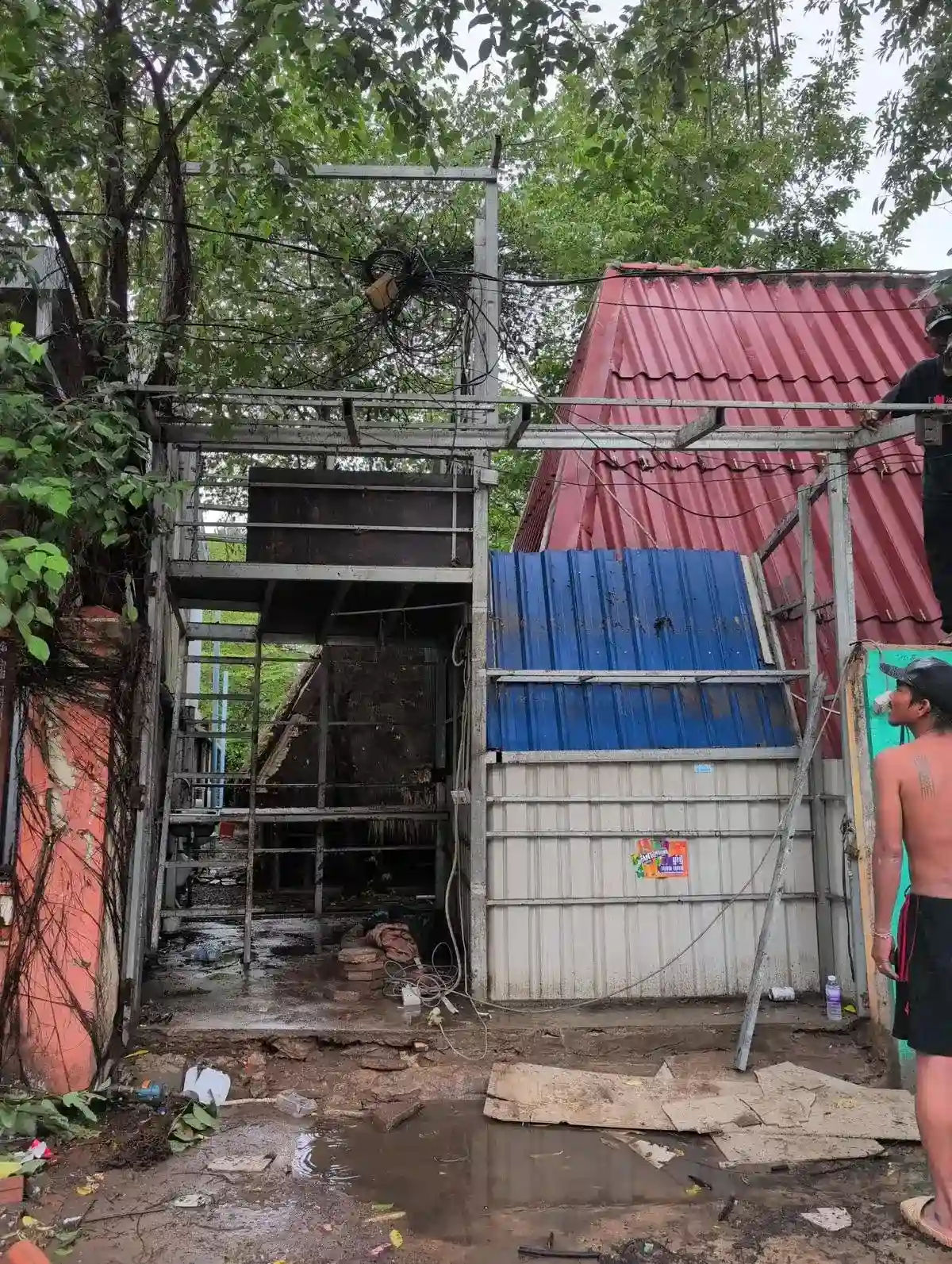
Steel tubing is cut, tack welded, and molded into shape to frame basic structures. You’ll see this, not for homes, but for overhangs to mount corrugated sheet metal to. This is to extend the roof over walk ways. Also, you’ll see this steel framing for simple enclosures. We’ve seen laundry mats in Thailand use this method, in which they built a laundry mat within the steel-framed enclosure.
Bamboo
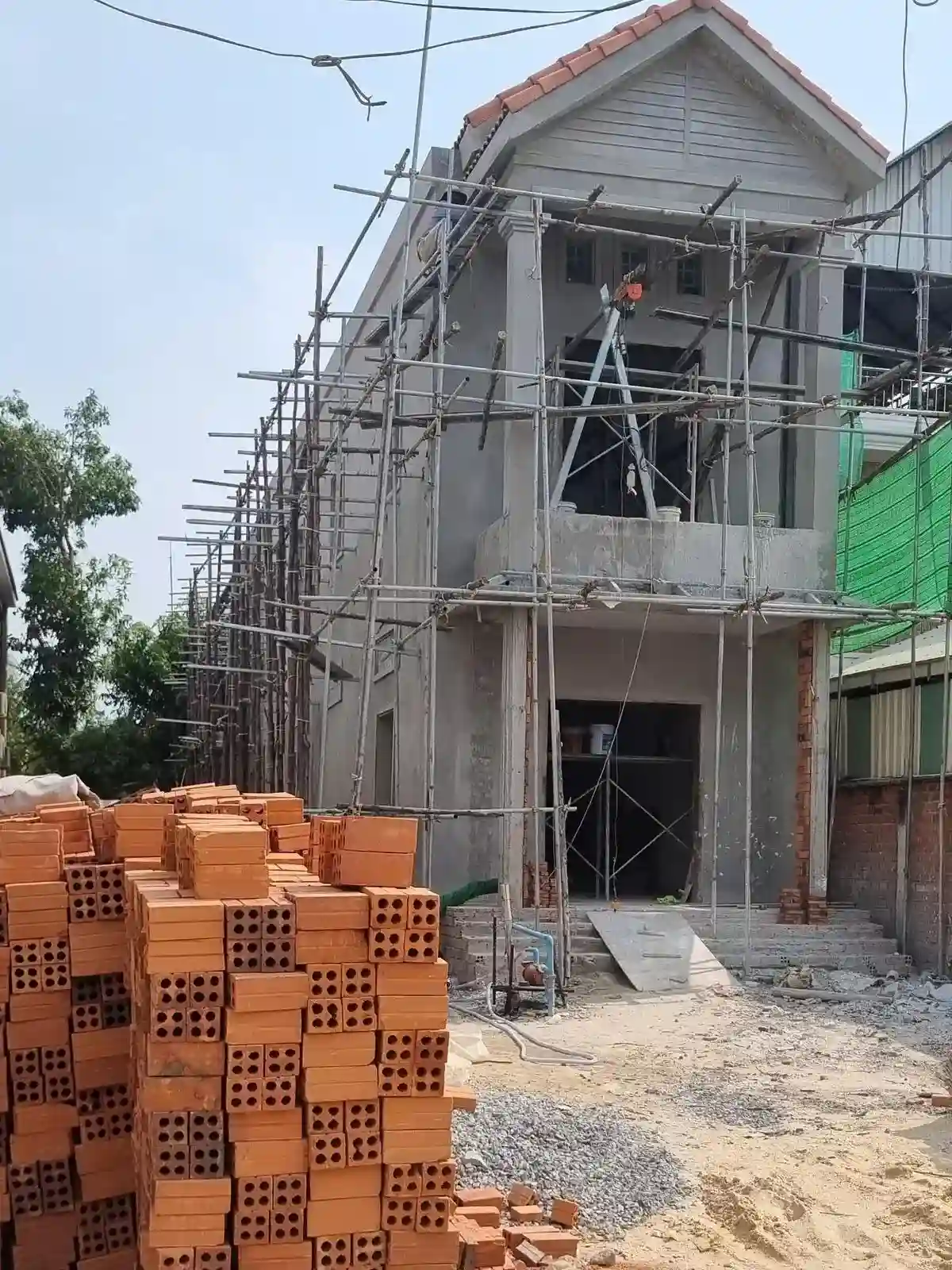
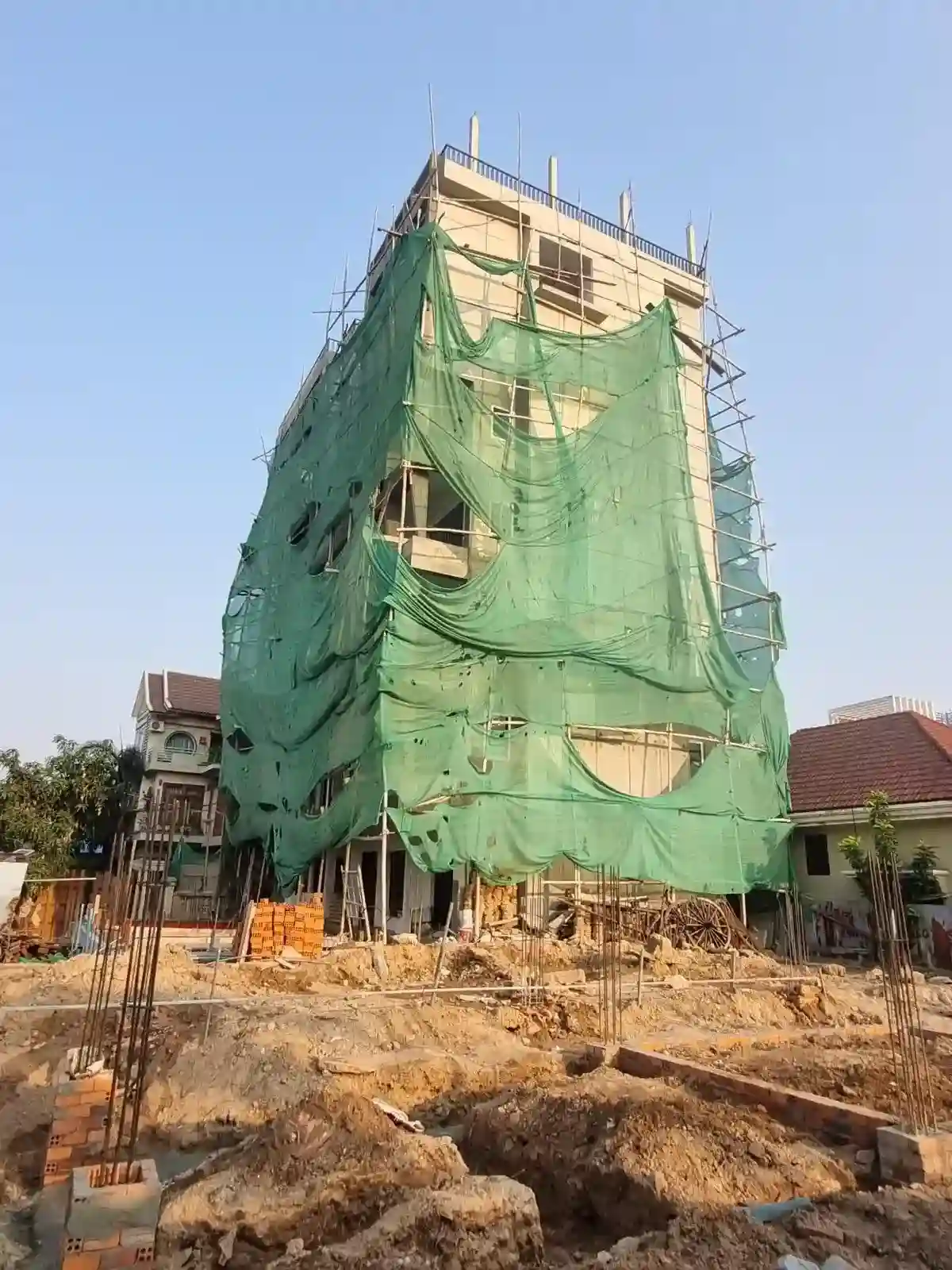
Bamboo is stronger than steel in compression. It’s natural, cheap, and plentiful. Why use steel, right? Well, it is common for construction sites to use bamboo scaffolding. It appears rickety. It looks scary. But, we assure you it’s strong. Don’t take our word for it and go climbing on it, please. We do not want you get hurt.
Tools
Very few fancy tools are used. Like travelers and adventurers, we like our gear. We quickly turn into gear nerds – comparing PROs and CONs and the like. Construction in the West is similar – they like they construction gear and can be loyal to certain brands. Southeast Asia seems to always have some kind of construction going on. We have never seen the fancy gear that the Western counterparts use in America, UK, and Europe.
Workers
Whether building a 7 story concrete building, or doing indoor remodeling, the typical workers are men and what appear to be their wives. We don’t fully speak the local language, so we cannot verify, but it sure seems like a family crew. Footwear include flip flops (yes you read that correctly, flip flops) and a circular-brimmed hat to cover their neck and face. Rebar, a concrete mixer, some bricks, and a trowel to spread the concrete is the basic gist of building a home in Southeast Asia.
Housing Styles of SEA
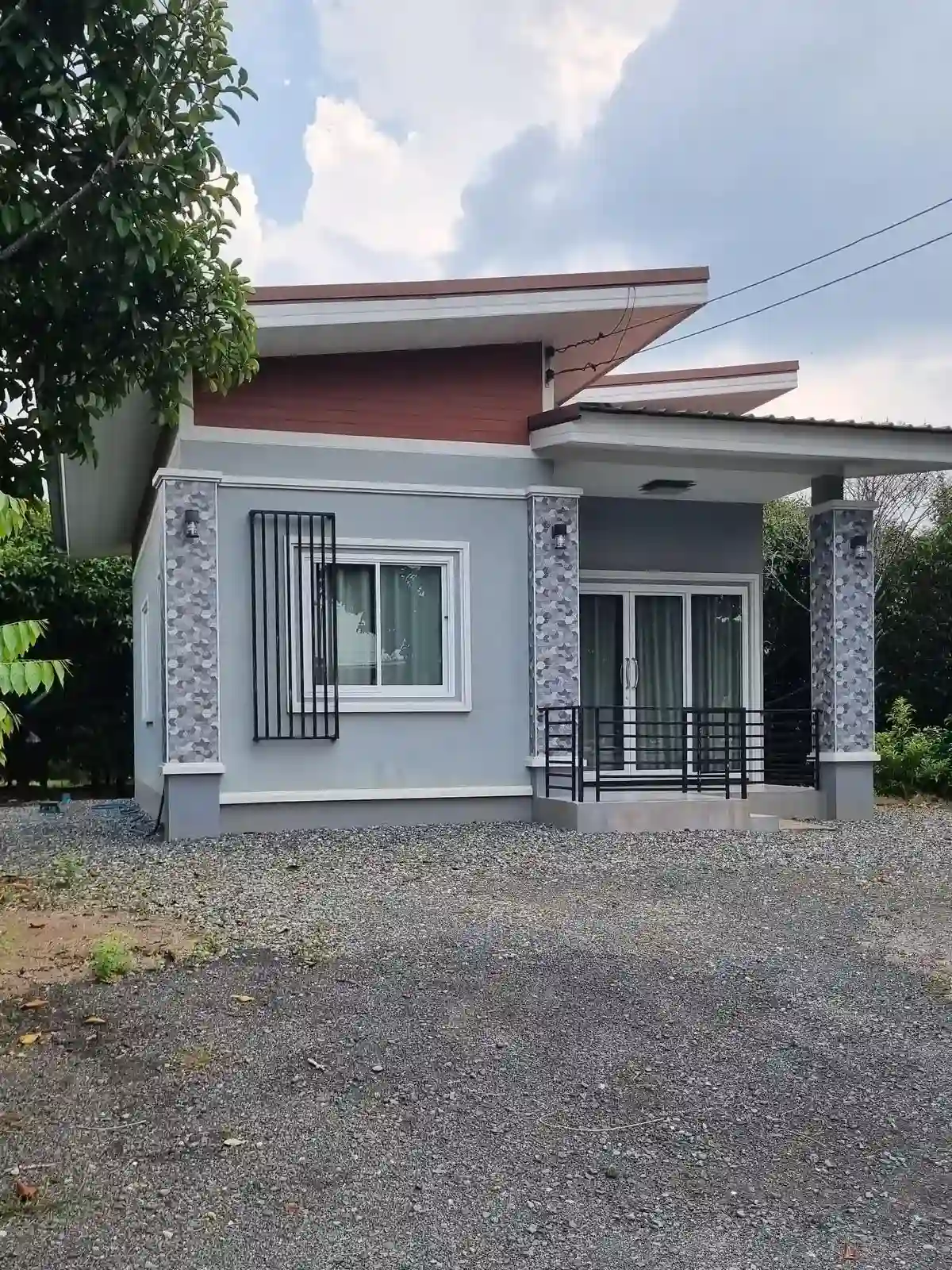
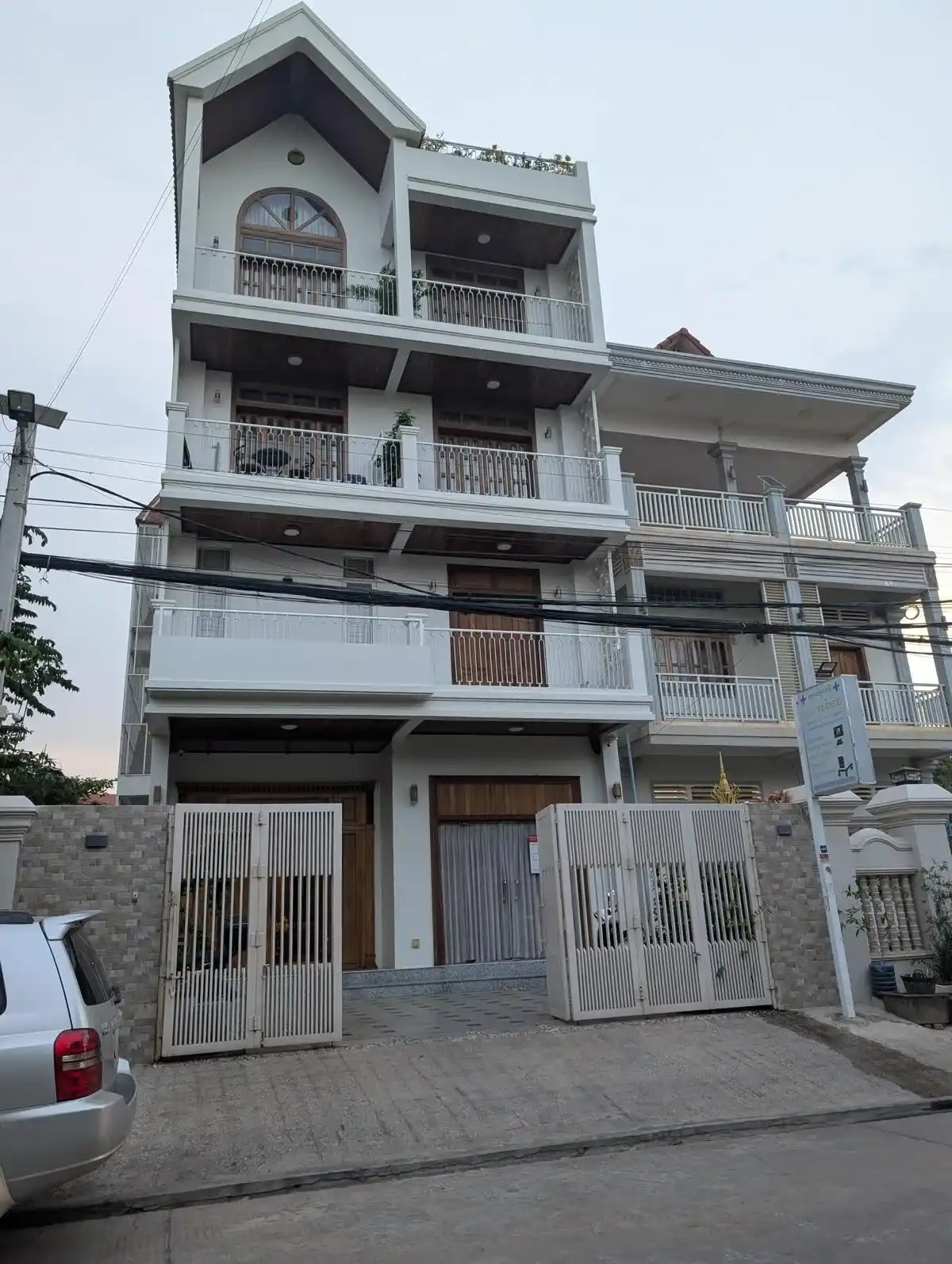
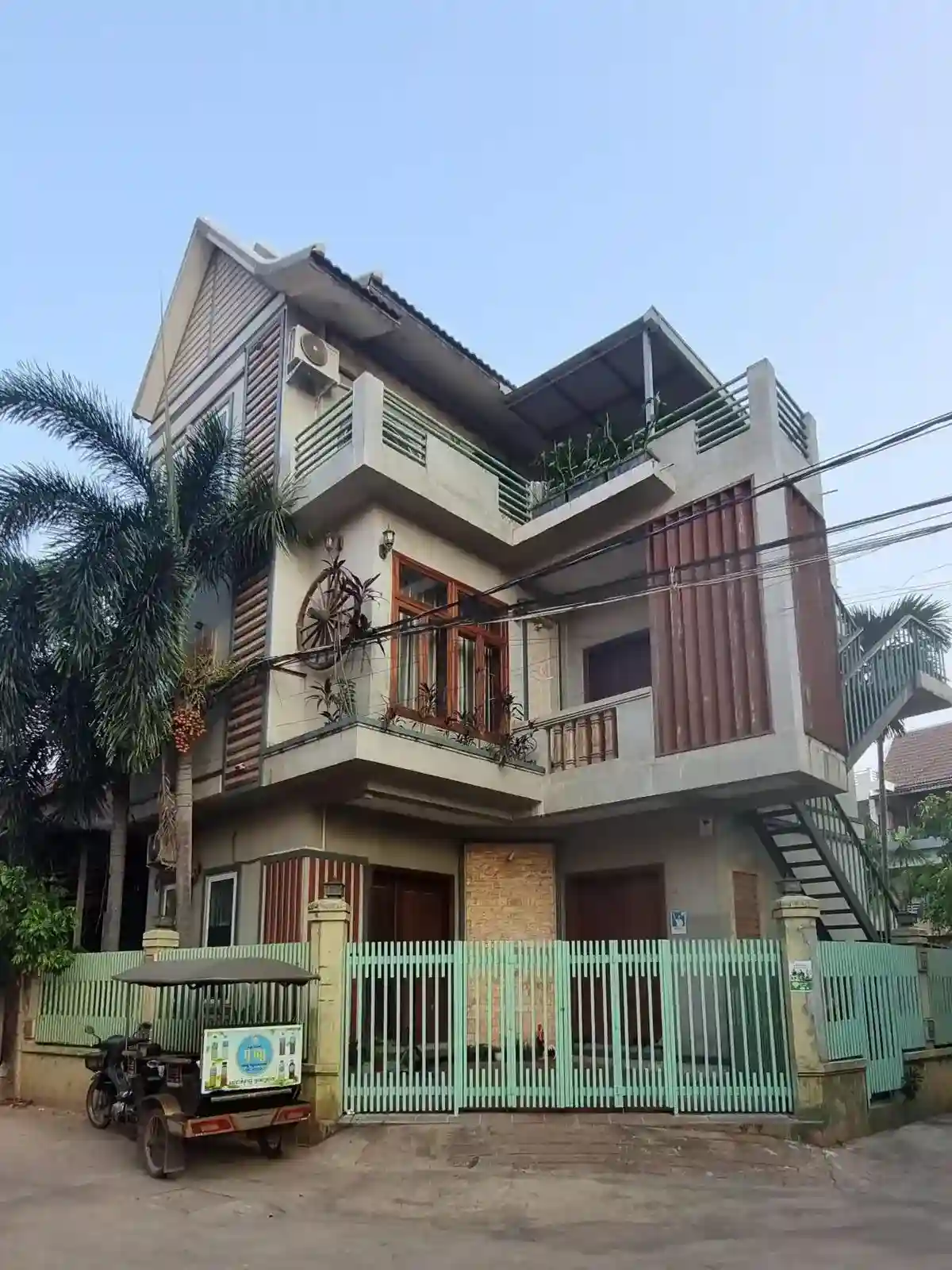
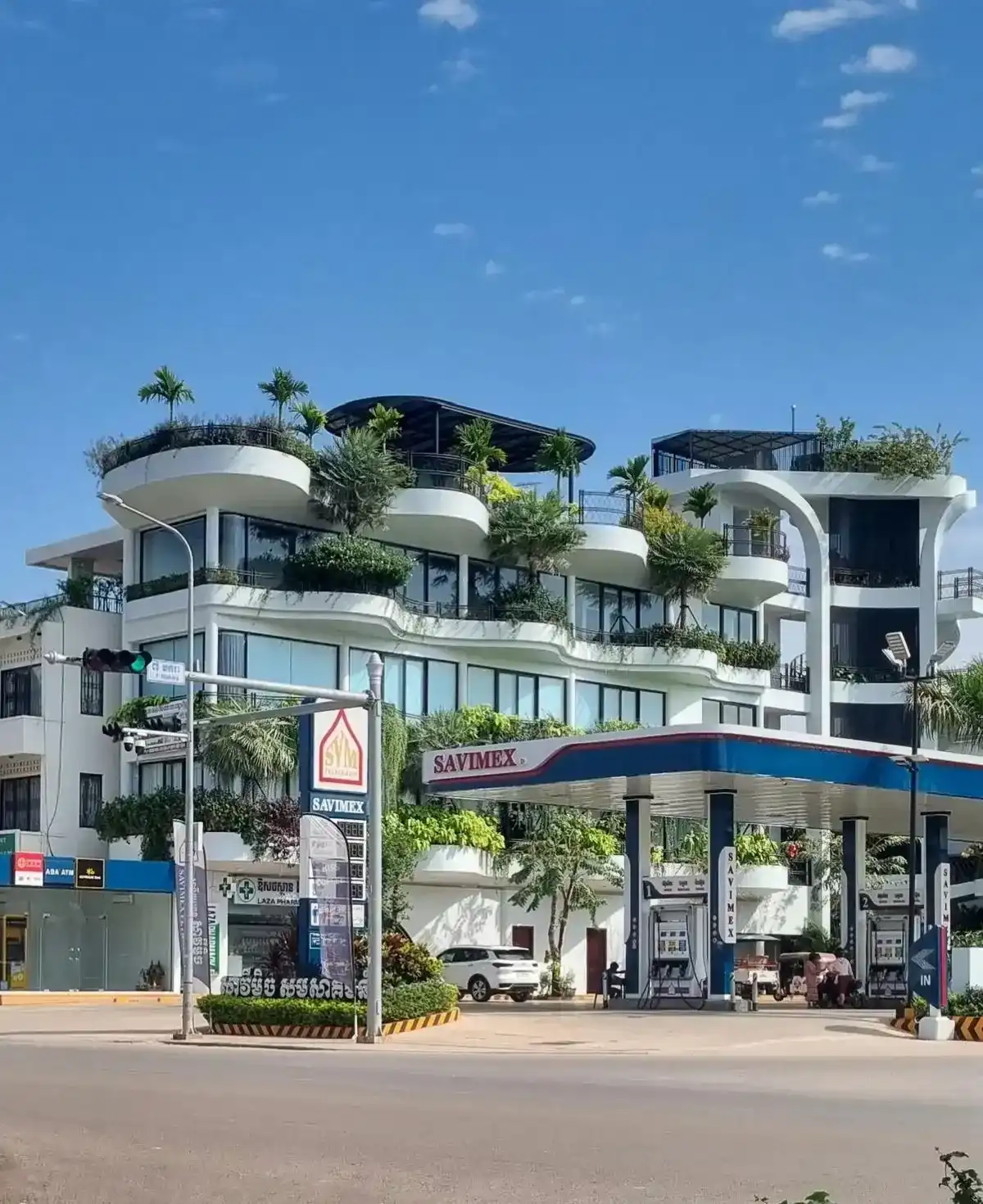
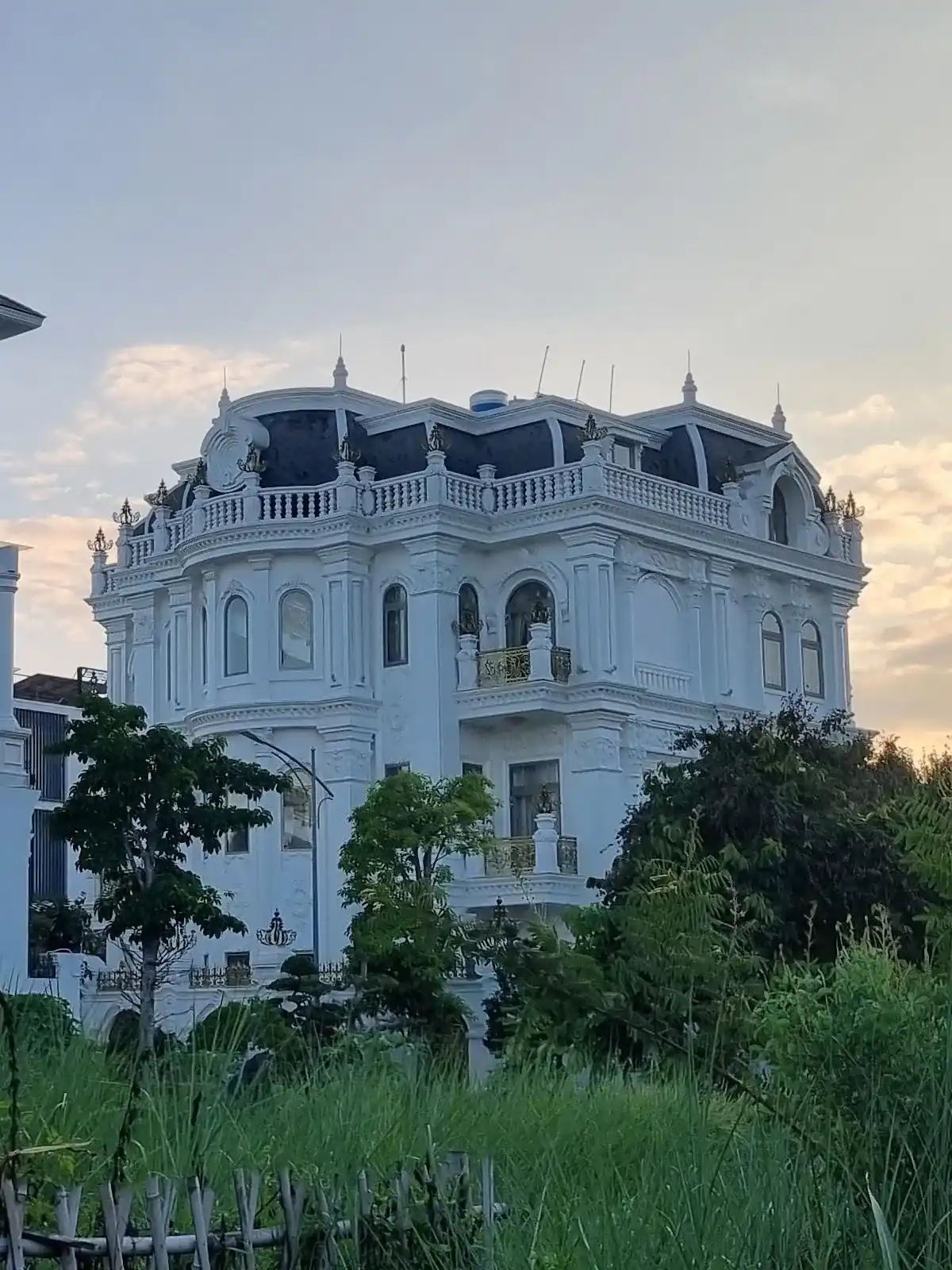
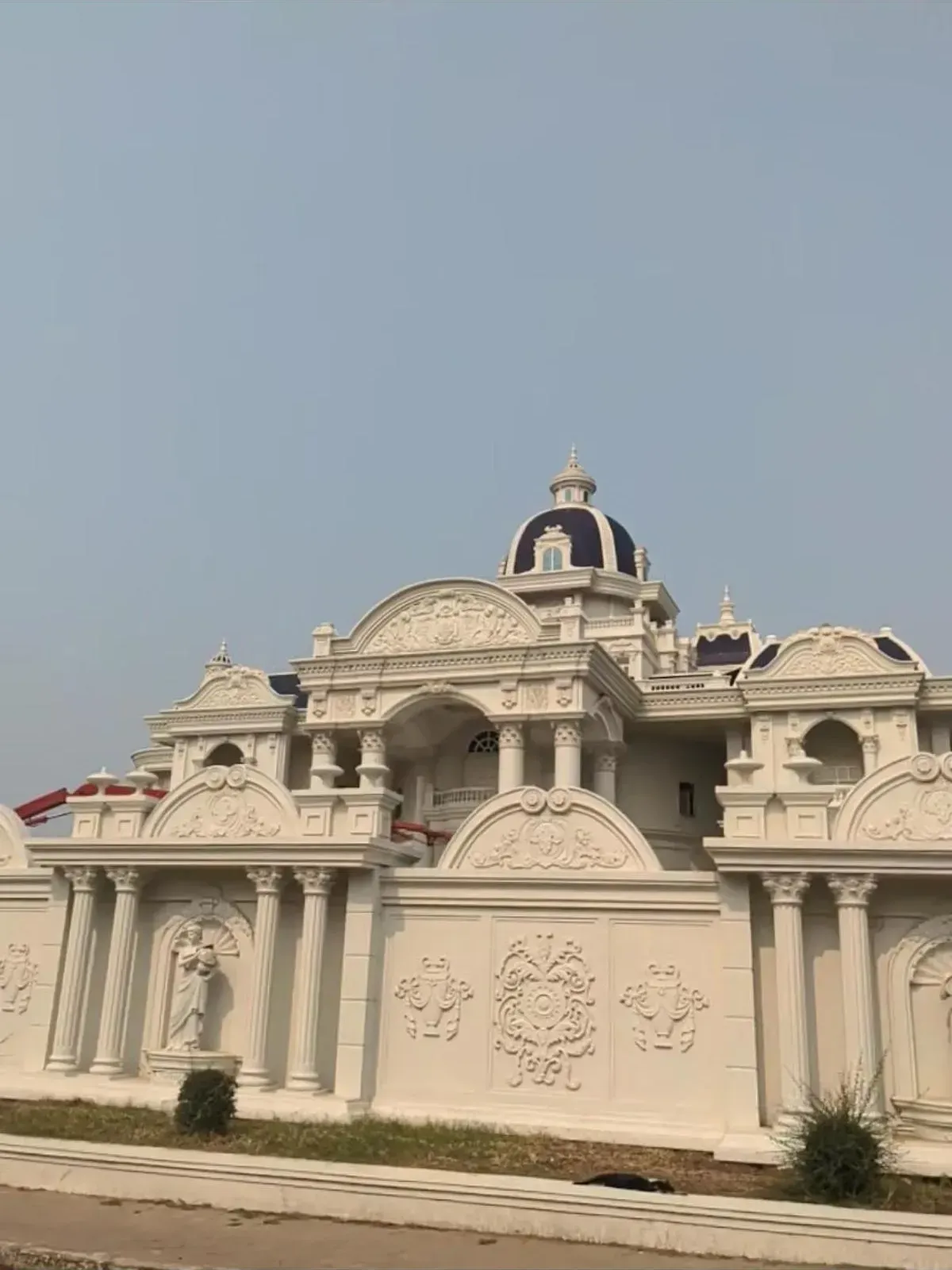
Apart from concrete homes (elaborate mansions or simple concrete boxes), Southeast Asia is home (pun intended) to wooden homes and stilt houses.
If you can build it you can live in it! Huge range of options and comfort levels/ luxury/ simplicity for all budgets levels.
Wooden homes are the traditional method of constructing homes.
Stilt houses are as the wording implies, houses on stilts. These houses are elevated above the ground. Doing so is due to flooding, allow livestock to live below the home, and utilize the bare-ground floor for parking and storage.
Cultural Housing Differences
If you lived in Southeast Asia and gave your friends a tour of your “crib”, then here are some of the points of conversations to highlight:
No carpet
Smaller spaces
Open air concepts, and homes built with concrete
Living at home with mom and dad until marriage (for locals).
Shared areas such as a bathroom, kitchen, and laundry area if available. (This is not always the case, but more common in Vietnam. )
Bidet (a.k.a “Bum gun”)
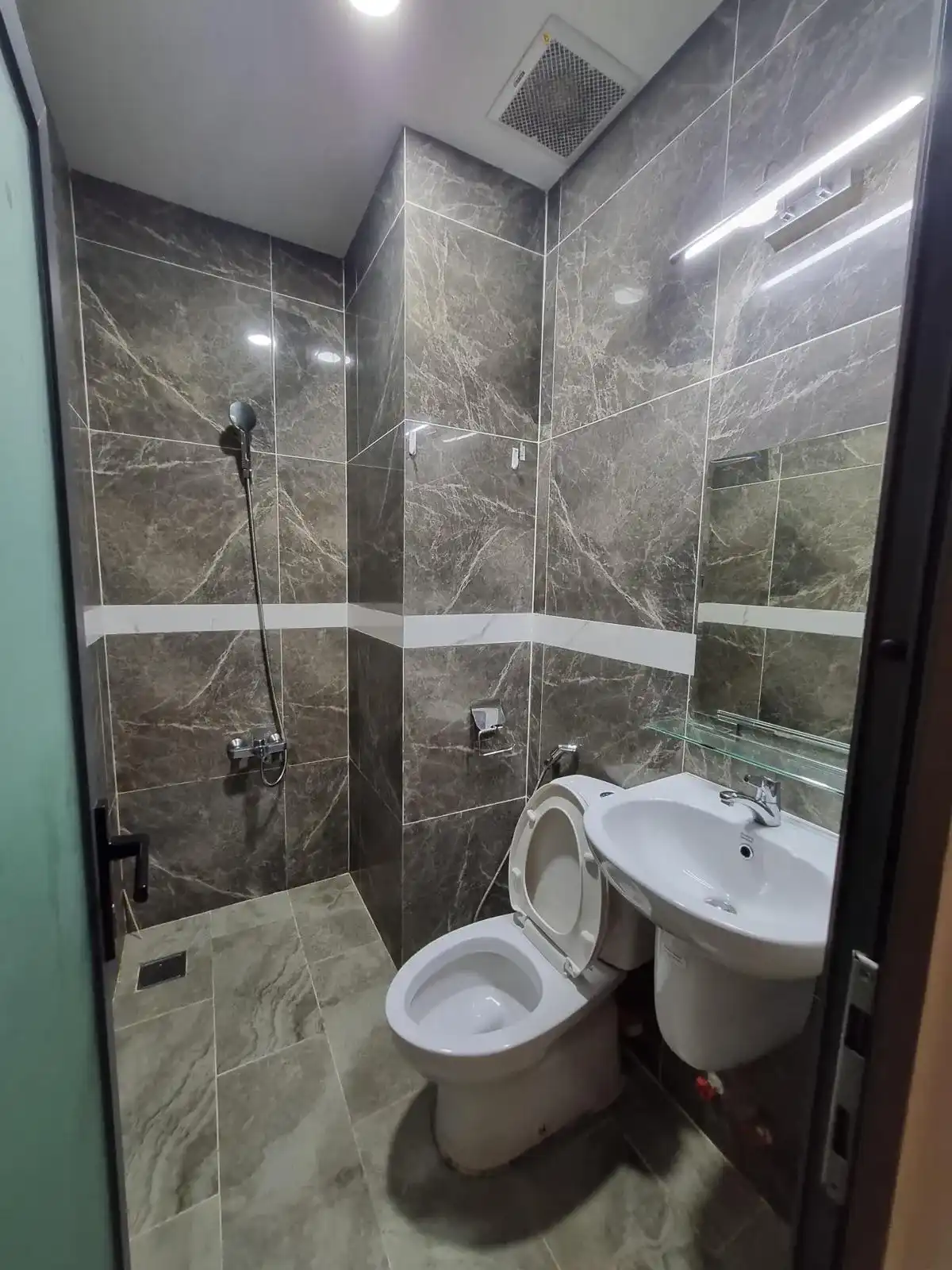
The “Bum Gun” is a hand-operated bidet, and it is very common in homes and public restrooms in Southeast Asia.
This bidet is nearly the exact same as a spray gun that is found on a kitchen sink in the USA.
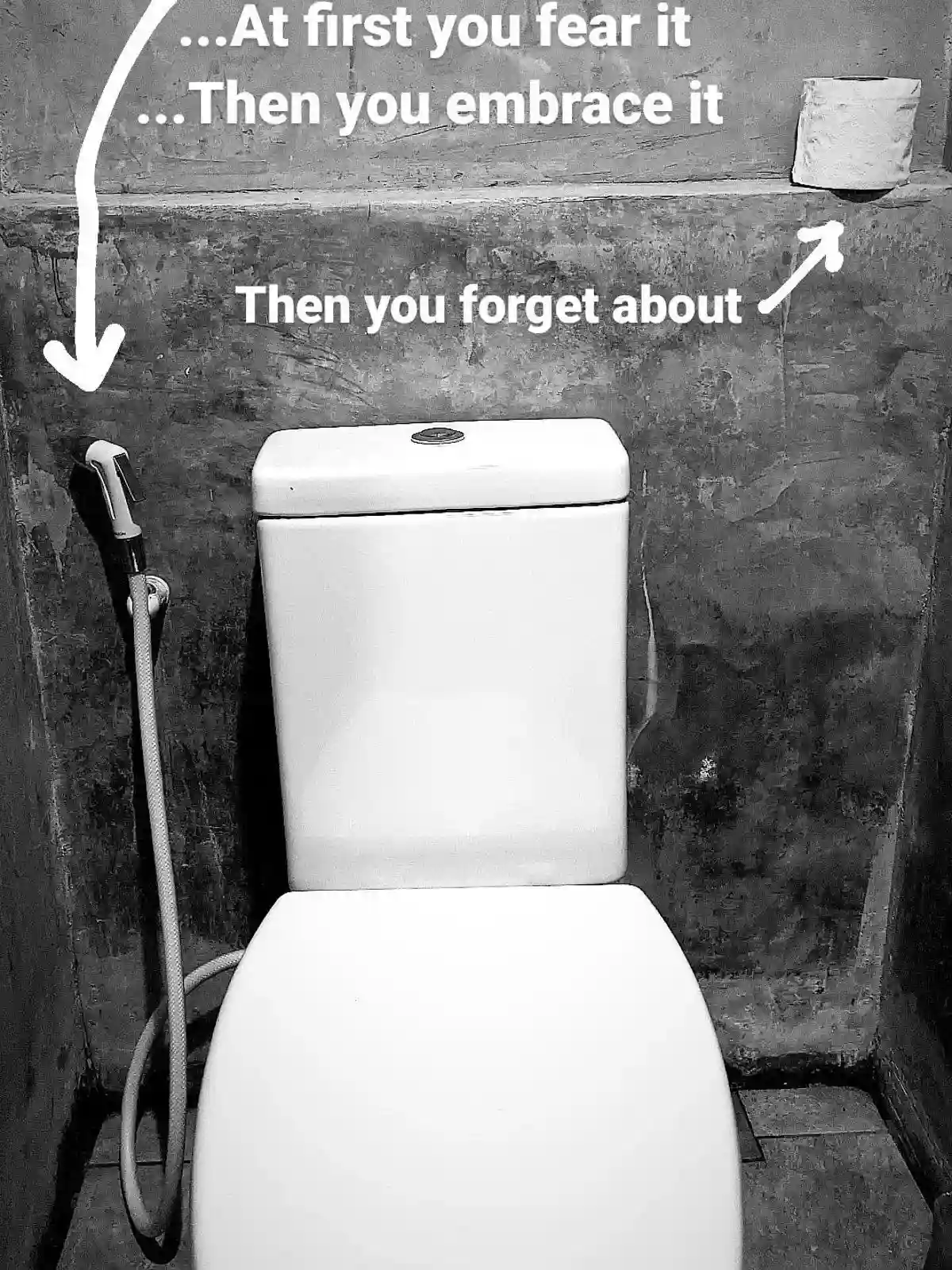
It is weird at first … we know. But, you will fall in love with it!
The “Bum Gun”:
GemsOfTravel.com
At first you fear it …
Then you embrace it …
Then you forget about toilet paper!
Toilet paper is for drying, not for wiping!
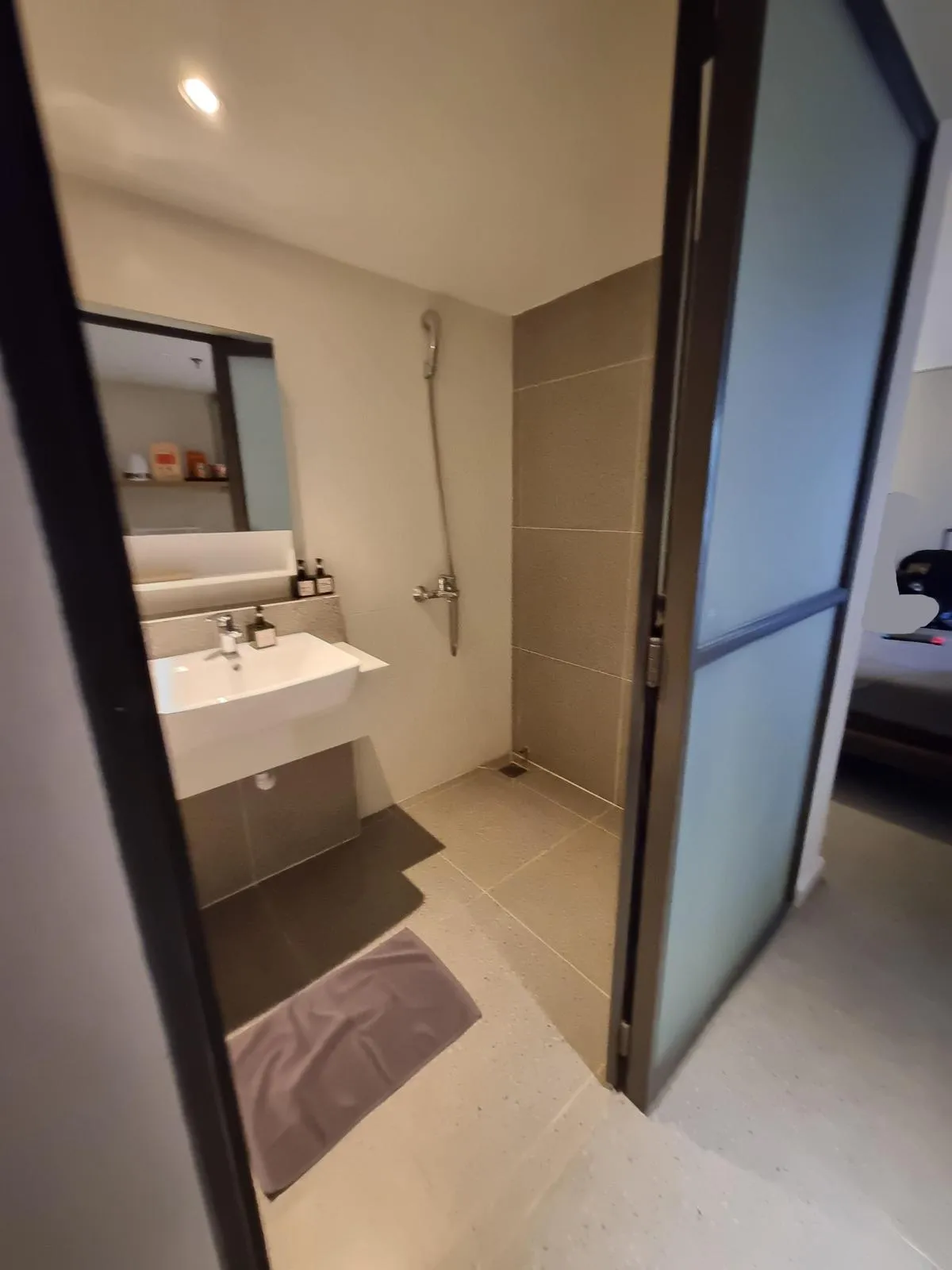
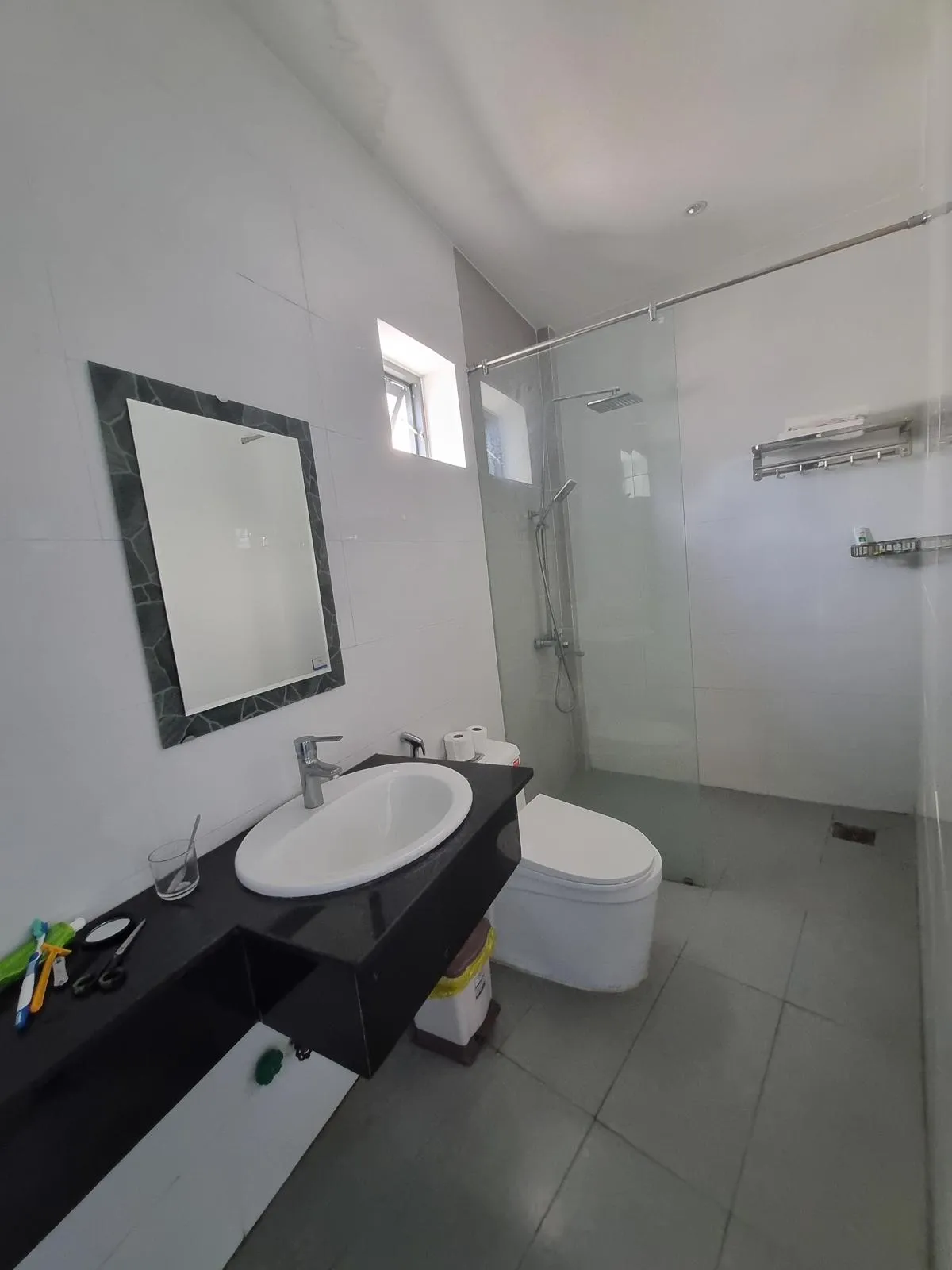
Wet bathrooms: Bathrooms with tiling. No divider between the shower & toilet/sink.
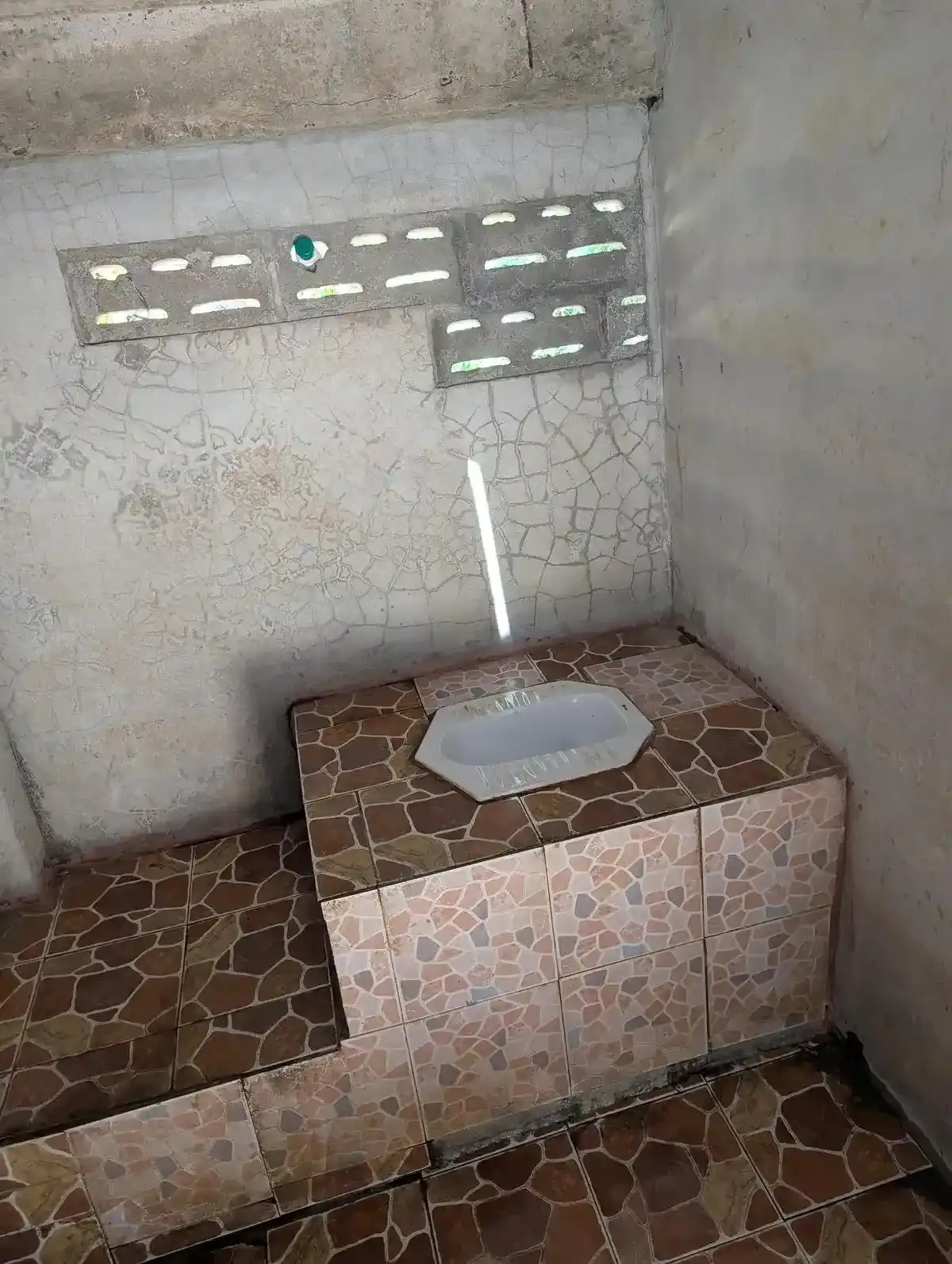
Squat toilets (in some public places)
You won’t come across them often, but they do exist in some cafes or public restrooms.
Housing that you rent will not have these – don’t worry!
⭐ The cultural style differences (+ associated headaches) are discussed in much greater detail in these posts: