
Free Wi-Fi or paid SIM card, both have their advantages and disadvantages. It really depends on you and what you need.
Either way, a local SIM with a lot of internet data is much cheaper than the USA or Europe, and having a local phone number can be useful.
Wi-Fi Everywhere
You can buy official plans and top-up at the following locations: (1) directly at the service provider’s store, (2) 7/11 and similar convenience store, and (3) non-official street kiosks and stores (not recommended, but top-up cards from here are okay).
Public Wi-Fi Versus SIM
Wi-Fi is everywhere – restaurants, cafes, hotels, and convenience shops. At this point you should ask, “why even get a SIM card + internet data?”. The answer to that is if you are venturing outside the populated cities, or if you desire to be plugged-in 100% of the time. But, it really is easy to make do with only using publicly-available Wi-Fi. Don’t be afraid to give it a try, and if you need a data plan then you can always get one if need be. Just be sure that any important documents are downloaded offline onto your phone like travel itineraries and eVisas. Downloading Google Maps offline is also a good idea.
Personal Information
Do keep in mind that some countries have policies where they force you to enter in your passport number to gain Wi-Fi access. This is not common in most places, but large companies like Starbucks or McDonalds will have this policy. So, keep that in mind if you are sensitive to sharing your personal information and do not use a VPN. Stored cookies, meta data, and access point names are more of another concern, especially if they are tied to your passport number and possible phone IMEI number. This feels unnecessary, but certainly has a veil of ensuring security on their networks – you give up privacy to get a possible guarantee of security. Unfortunately, in Southeast Asia hotels always require to see your passport, in which they take a picture of it for their records and for reporting your stay to the local immigration or police. So, sharing your passport number seems to be an accepted practice. This is also done for bus and train tickets, but not all the time. Makes sense to be required to present an ID, but for local Wi-Fi it feels over-reaching.
NOT Sharing Your Primary Phone Number
Although Wi-Fi is everywhere, a good reason to get a local SIM card is to get a local phone number for security reasons. GemsOfTravel recommends not sharing your personal information while abroad, including your phone number from your home country, which is shared via WhatsApp or directly if using VOIP phone service. It’s best to share your local phone number and/or attach it to a second WhatsApp profile (you can make an extra secondary account on WhatsApp).
Cultural Tidbit
A fun cultural tidbit to notice is Wi-Fi passwords are often some lucky number or repeating number patterns like the number eight repeated eight times (88888888)
The Mad Rush For SIM Cards
The first thing you observe foreigners doing when arriving at an international airport is rushing to the SIM card counters. Read the reviews – the airports always promise a plan, charge you for it, but it turns out that you were actually given something much less or end up having issues with it. Not sure how they keep getting away with that.
Anyway, free public Wi-Fi is available at most airports, and even some train and bus stations. You certainly should be using a VPN on those networks, and throughout your travels. But, this means that having a SIM card on arrival is not critical. Use the free Wi-Fi and then visit an official store in the city, which will be lower cost and more reliable than the airport kiosks.
Phone and Data Plans
Purchasing A SIM Card
GemsOfTravel highly recommends only obtaining SIM cards directly from the official telecom stores (see “About Purchasing At Official Stores” below for why). You will need your passport and money. They will take a picture of your passport and sometimes a picture of your face.
Prices
SIM prices are normally between $3-10, but can be upwards of $25, so shop around. Prices depend on the country, carrier, length of SIM validity, and plan (amount of data/text/calling).
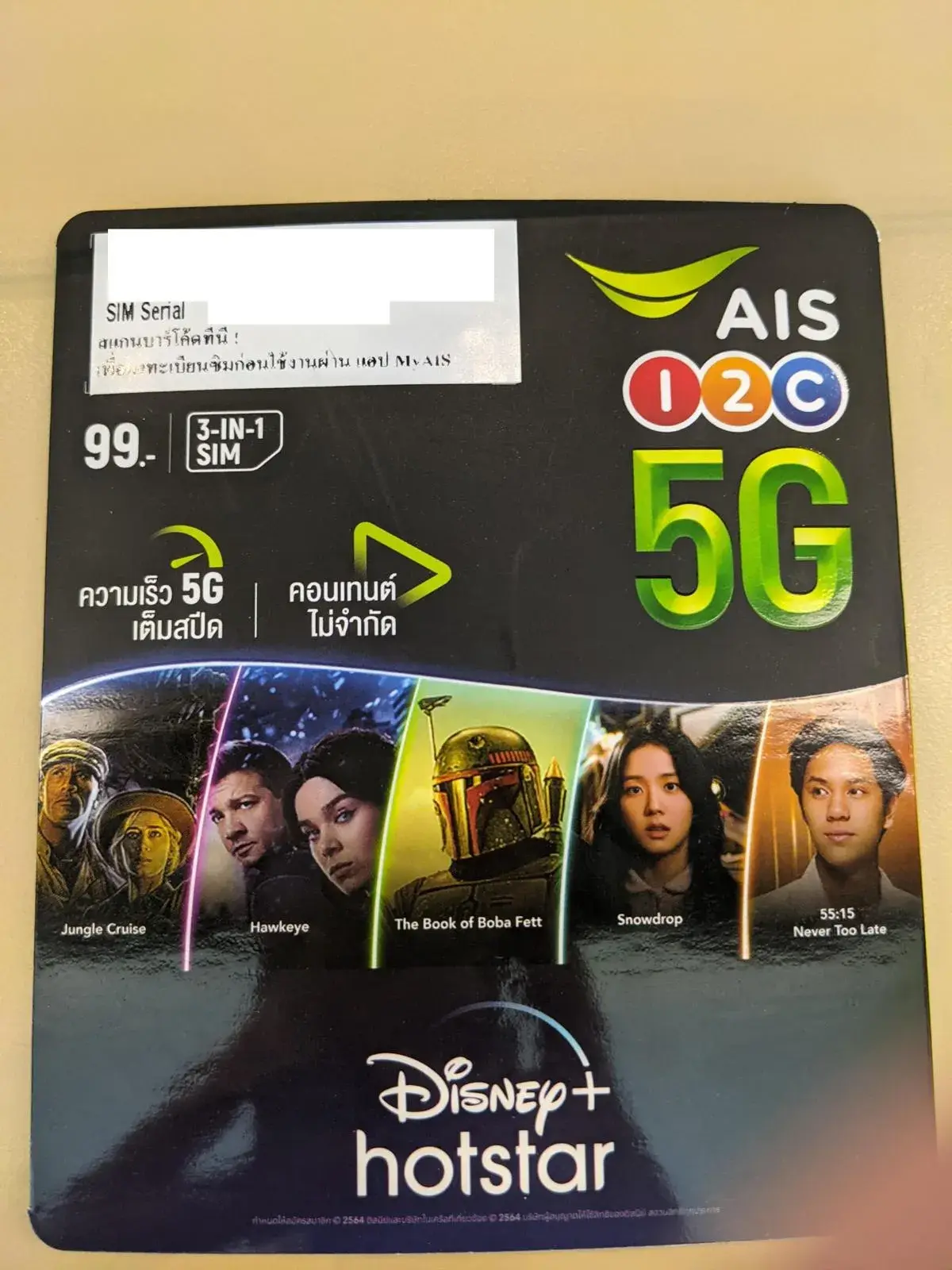
Below picture is a one month sim card with 10 GB (AIS in Thailand) for 99 Thai Baht (about $3 USD at the time).
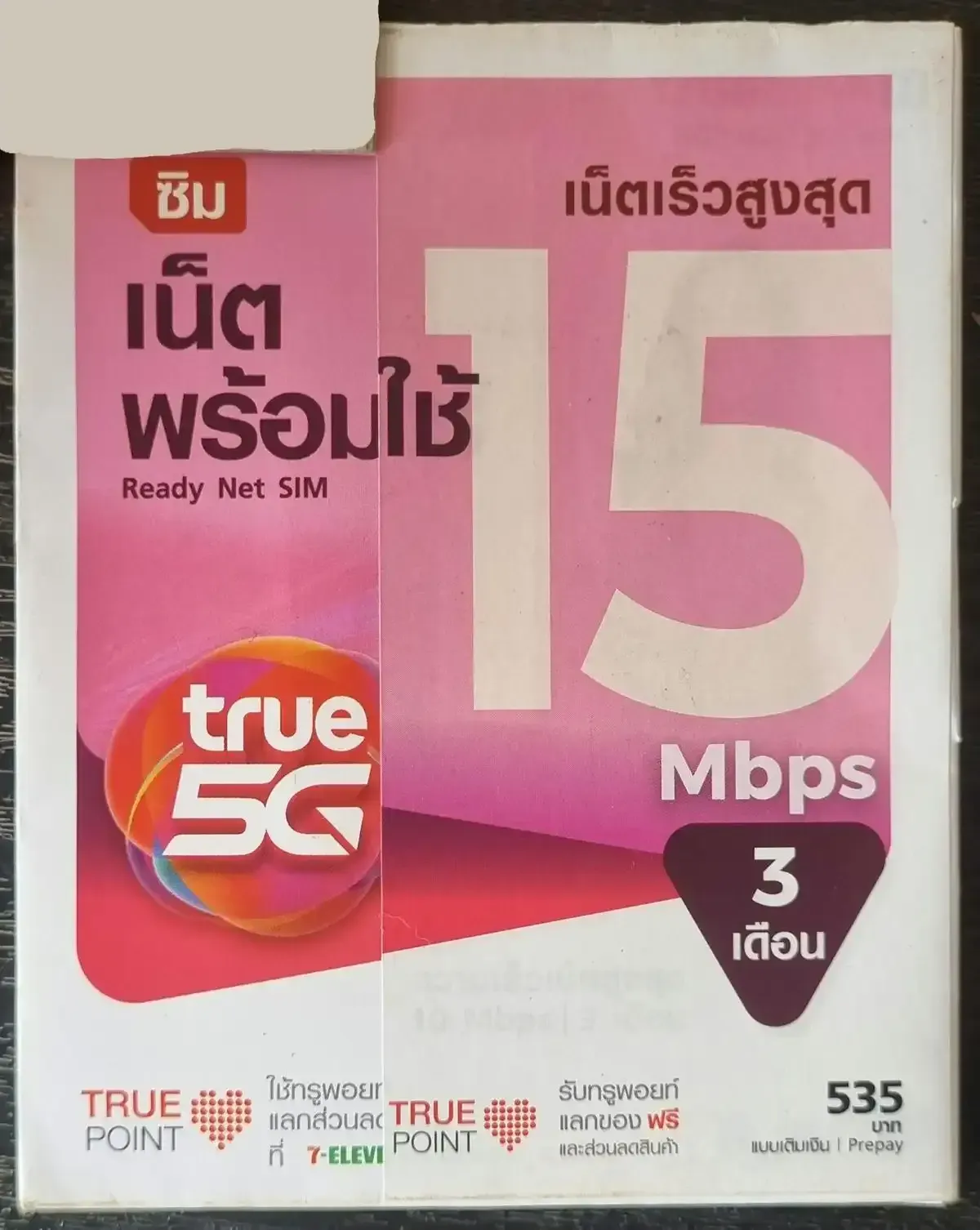
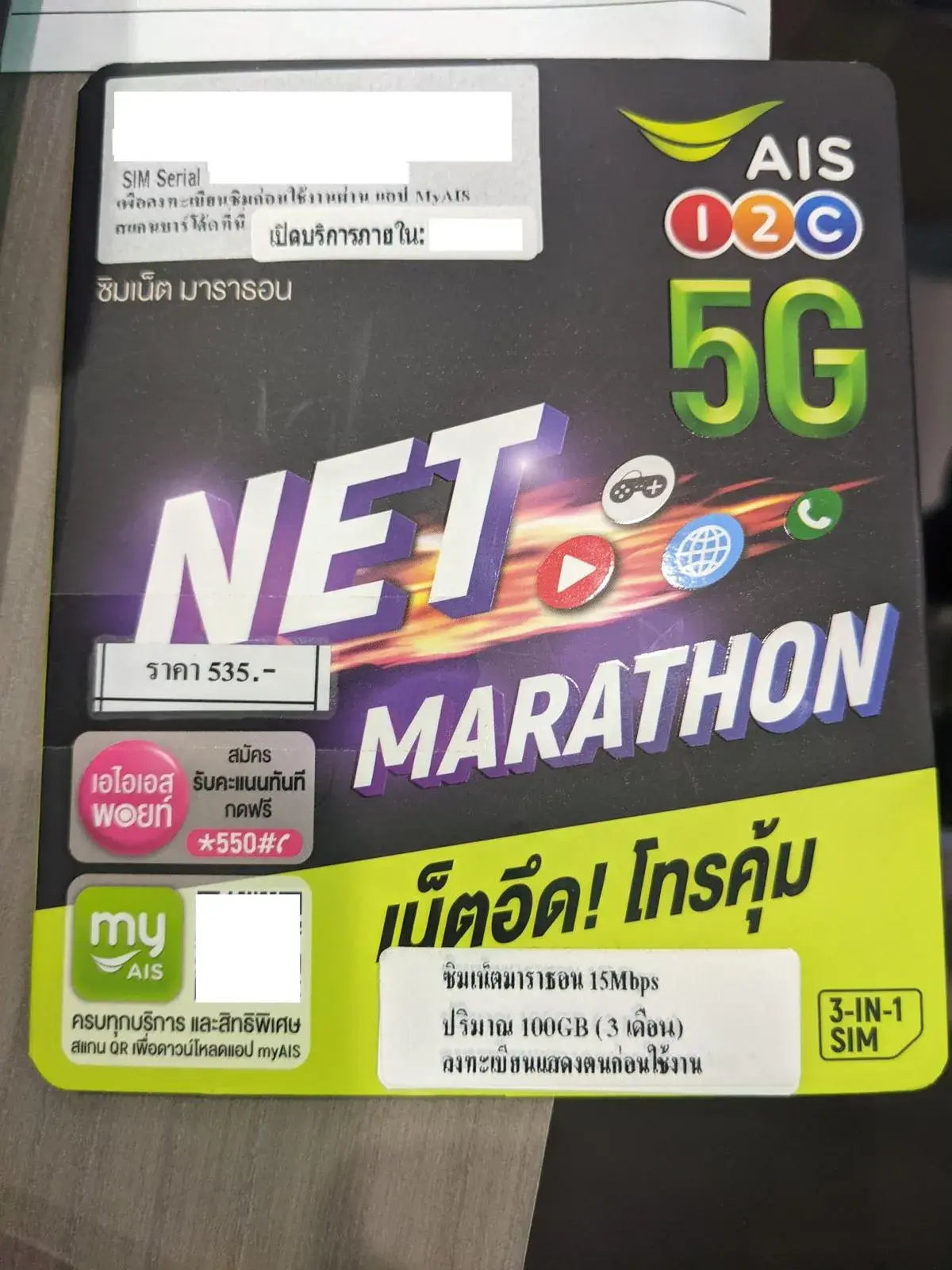
An example, is in Thailand. A carrier called “True” has a 3 month unlimited SIM for 535 Thai Baht (~$15 USD for 3 months). The internet works well at 15 Mbps, so don’t let them try and sell you a more expensive SIM with faster data, unless if you know you really need it. AIS in Thailand used to have this same SIM card plan, but seems as if they push foreigners into more expensive SIM cards these days.
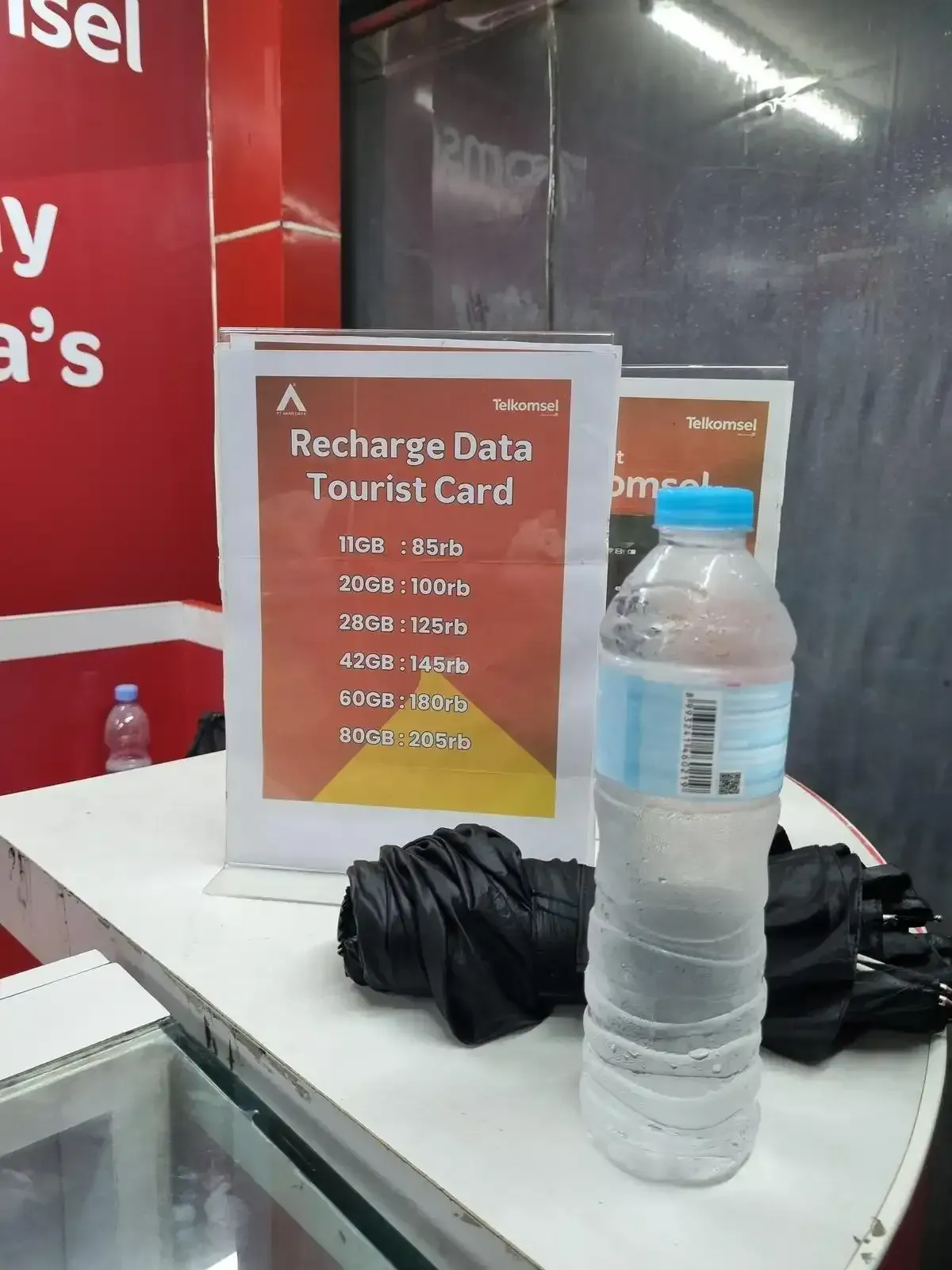
Indonesia is the most expensive, Thailand and Laos are the lowest of cost. Vietnam, Malaysia, and Cambodia are somewhere in between the most expensive and cheapest.
Although, foreigners in Vietnam report non-transparent pricing that is exploitative even in official telecom stores, where they seem to overcharge much higher than the official price. This is per Google Maps reviews. Yes, this practice is done at official stores! Fortunately, Vietnam is the best for public Wi-Fi available nearly everywhere.
What You Get
SIM cards are for internet data and/or calling. In Southeast Asia, some plans are data-only, without phone calling and SMS messaging. Therefore, be clear on what you are buying. They are also pay-as-you-go, without a contract. Features not included in the plan such as calling (see “Calling Texting Outside Network”, below) will require you to load the plan with extra money in order to use those services, outside of your plan.
Note
Hotspot sharing is UNLIMITED! That’s one thing Southeast Asia does really well! Use your phone hotspot for internet on your laptop or other devices – there is not extra charge or fee.
Calling Texting Outside Network
Often times, the phone call and text is for ‘in network’ only. So if you call someone who uses a different carrier, then you might have issues. So, understand this by speaking with the SIM card provider when purchasing. Some cross-carrier issues include simply not being able to make the call, in which you will need to load money onto the card in order to make outside calls. This ‘loading of money on to the SIM card’ is separate from the purchased SIM card plan.
About Purchasing At Official Stores
As mentioned, GemsOfTravel highly recommends only obtaining SIM cards directly from the official telecom stores. This ensures security and a trustworthy purchase process. An issue is that the SIMs get registered to someone else’s name, then sold on the black market. It is important that SIM cards are correctly registered to the person who is using it. Also, never give away your SIM card to someone, because you can be held liable for what they do on the internet, since it is registered in your name.
Plan Carriers Per Country
Cambodia
Top up (put money on your plan): (1) directly at the service provider’s store or (2) buy a scratch off at a local seller’s stall and use the phone prompt system to refill/top up your plan.
Cellcard
Metphone
Smart
Indonesia
As mentioned above, in Indonesia it is required to register your phone’s IMEI number(s) with the telecom company during your purchase of local SIM card. This is considered very privacy-invasive.
Telkomsel
Smartfren
XL Axiata
Laos
Lao Telecom
Unitel
Malaysia
Celcom
Digi
Maxis
Thailand
AIS
True Mobile