
Humans are humans, right? We all eat, sleep, drink, and so on. We may seem alike, but we think very differently. We are products of our culture, environment, and histories. The stark differences that meet the eye are obvious, but it does not end there. Most differences lurk hidden beneath the surface.
Bringing the core differences to light is a journey, and it goes deep. Paying detailed attention is necessary, and your interpretation will vary. Culture is shaped and molded by influences far out of our control. Ultimately, we all eat, sleep, and drink; but they way we do it can be very different.
The Journey Of Understanding One Another
As we go about our journey of learning a new culture, and hopefully pick up a few words of the local language, we point to the eye-openers and obvious exotic aesthetic differences. We take pictures and mire in them with friends and family when we get back home, pinning some to the refrigerator or changing a profile pic on social media.
The most challenging part of this journey is that there is so much hidden below the surface, and digging in is not for the faint of heart. The motivations, values and beliefs, definitions of morality, and societal structures are subject to interpretation. These are things we cannot physically see, and truly understanding them requires in-depth knowledge and analytical skills.
Comparing and contrasting against the backdrop of Western points of reference means that we slowly override the Western mental algorithm, bit-by-bit, with updated cultural information – they (the locals) are just like us (Westerners) until proven otherwise. Unfortunately, our eyes lie to use, our interpretations are not accurate without building knowledge (ie continual refinement), and our eyes glance over what’s right beneath our noses. It all takes time. Experience will bring to light if & when locals are capitalizing on those inaccuracies, insulating you away from what the true local costs are. That’s why it’s good to learn some local language, but why when so many locals can speak English fluently? And that is the point – they understand us far greater than we understand them, both linguistically and culturally.
Western tourists come and go like cattle – a dime a dozen. Everyday a new fresh batch of foreigners coming through with fresh eyes and gleaming smiles, ready to let loose and enjoy vacation.
Don’t overlook the fact that American movies, music, and culture get exported throughout the world. Southeast Asians are the end-users of this content. However, Westerners don’t watch SE Asian movies or listen to their music. They learn about us, we don’t learn anything about them (well, it’s much more difficult to, anyway). This is a one-way-road. The only time this becomes apparent is when you are on the flip side – at the other end of that road, in Southeast Asia.
Keep in mind, your starting point in SE Asia is one that was built for Westerners. Tourism being a top industry, a blanket facade exists consisting of the things that you like – Western music, Western food, and locals who can speak English. The industry wants you to feel comfortable in their foreign country, so an environment gets created that is approachable, one that is a fusion of Western yet local at the same time. It becomes a cheaper version of home as opposed to being in a foreign country. It turns out that the industry has learned that it makes more money this way. Finally, you’ll find that it can be hard to break-out of this environment – the tourist bubble – that has been created for you.
The Starting Points On The Path Of Distinct Differences
We did a write-up on this topic within this post (click the link to scroll there), and wish to not be repetitive. However, GemsOfTravel adds an extra list of points that influence differences in Southeast Asia culture vs. the West’s.
The human “thinking algorithm” is affected by our society’s:
–
Language structure and lexicon.
An example is the German language, which has an extensive vocabulary covering an wide range of concepts and emotions that are not even covered in English.
Southeast Asian languages have aspects in which the same word is used across many concepts, demonstrating the relative simplicity of the language, and thus thinking.
–
Values, motivations, morals (or lack of), and norms.
–
Temperaments of the average person.
–
Economies, industries, and markets.
–
Education levels.
–
Immigration laws and views on immigration.
–
Government structure.
Thought Processes Of Locals – Scratching The Surface
Spiritual
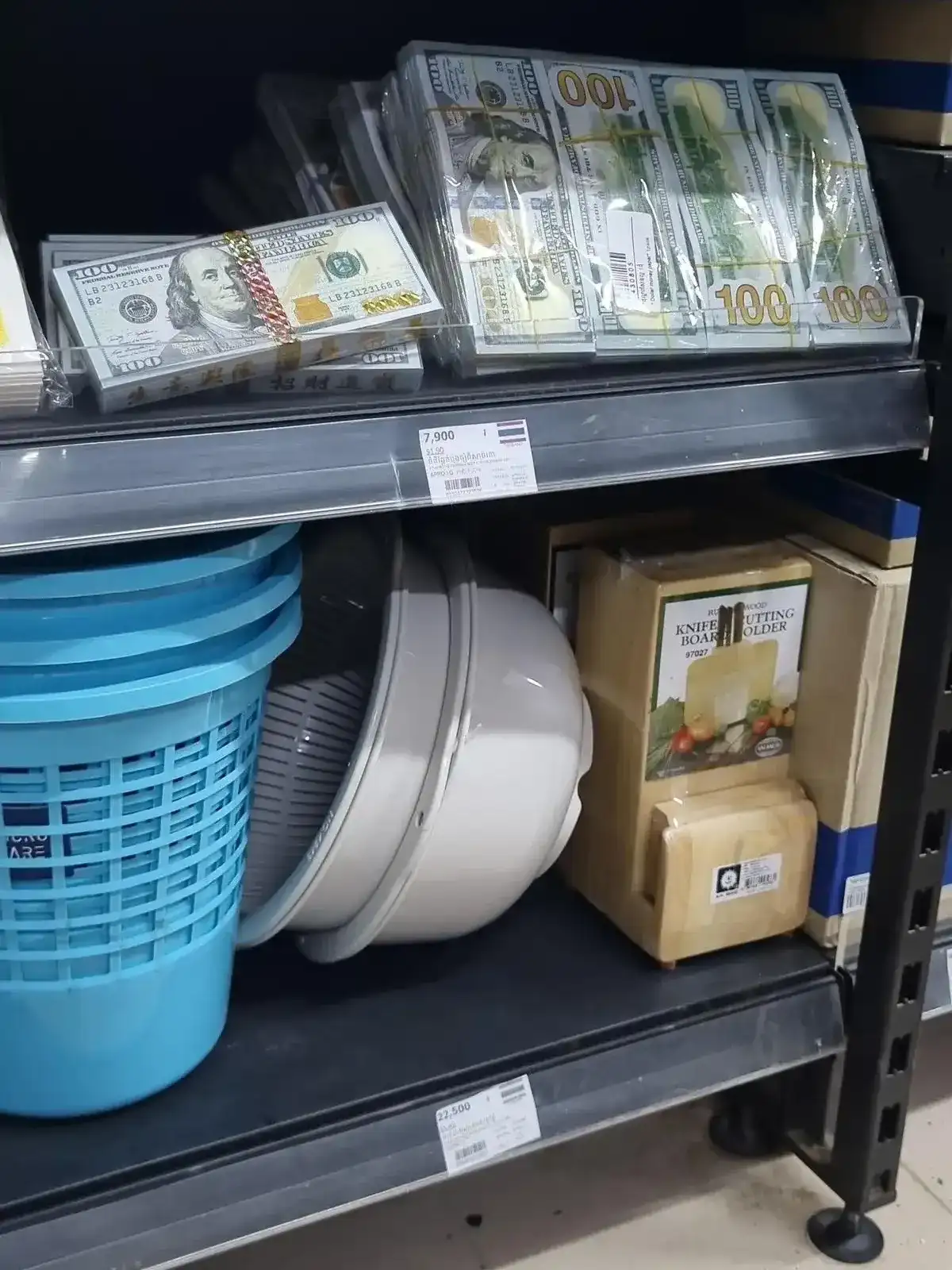
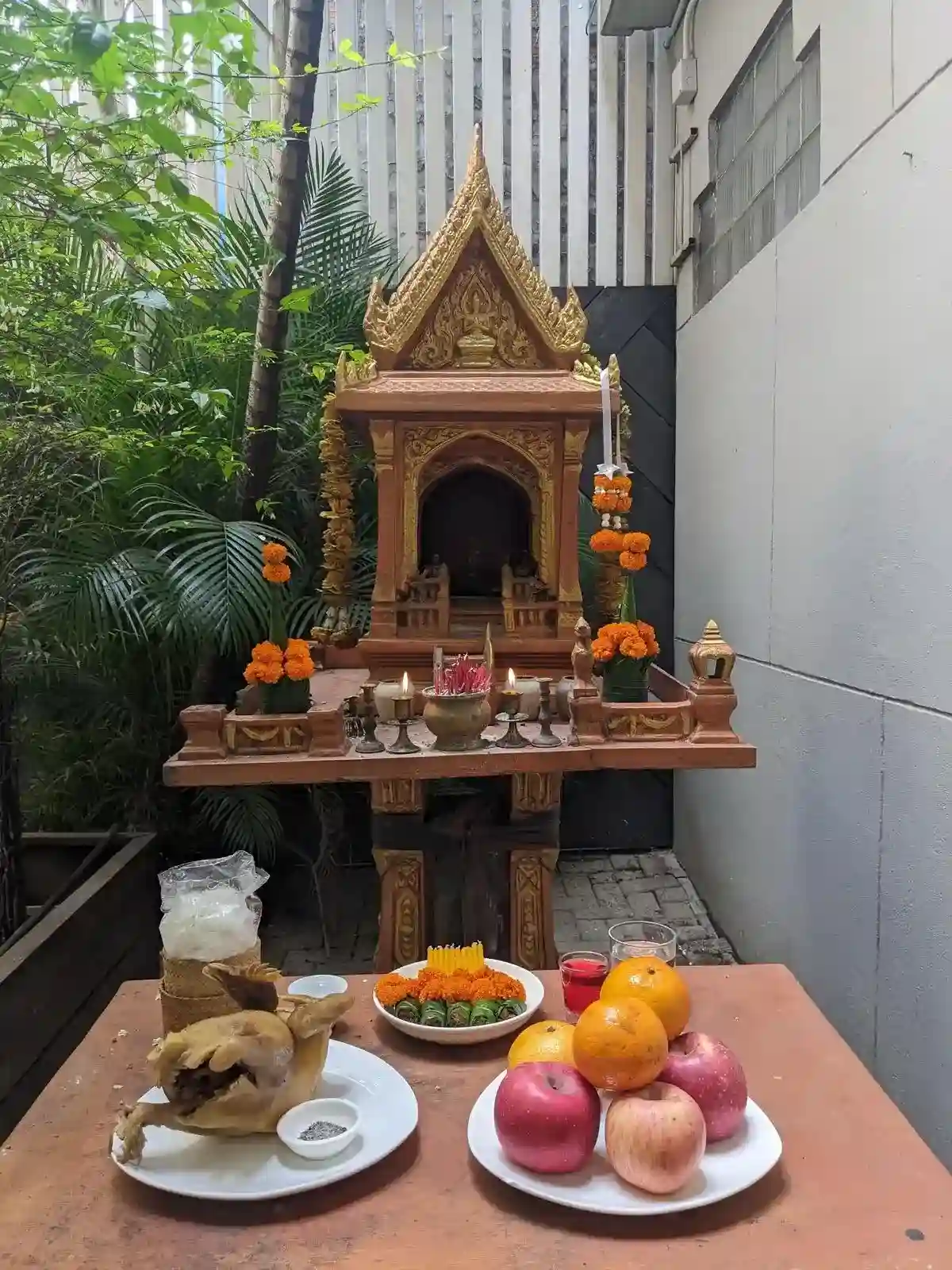
Taking care of family in afterlife & Spirit Homes
Stacks of Buddhist money in the form of fake 100 US dollar bills for sale at a grocery store. The intention is to give this money to those in the after life, where it would be deemed legal tender.

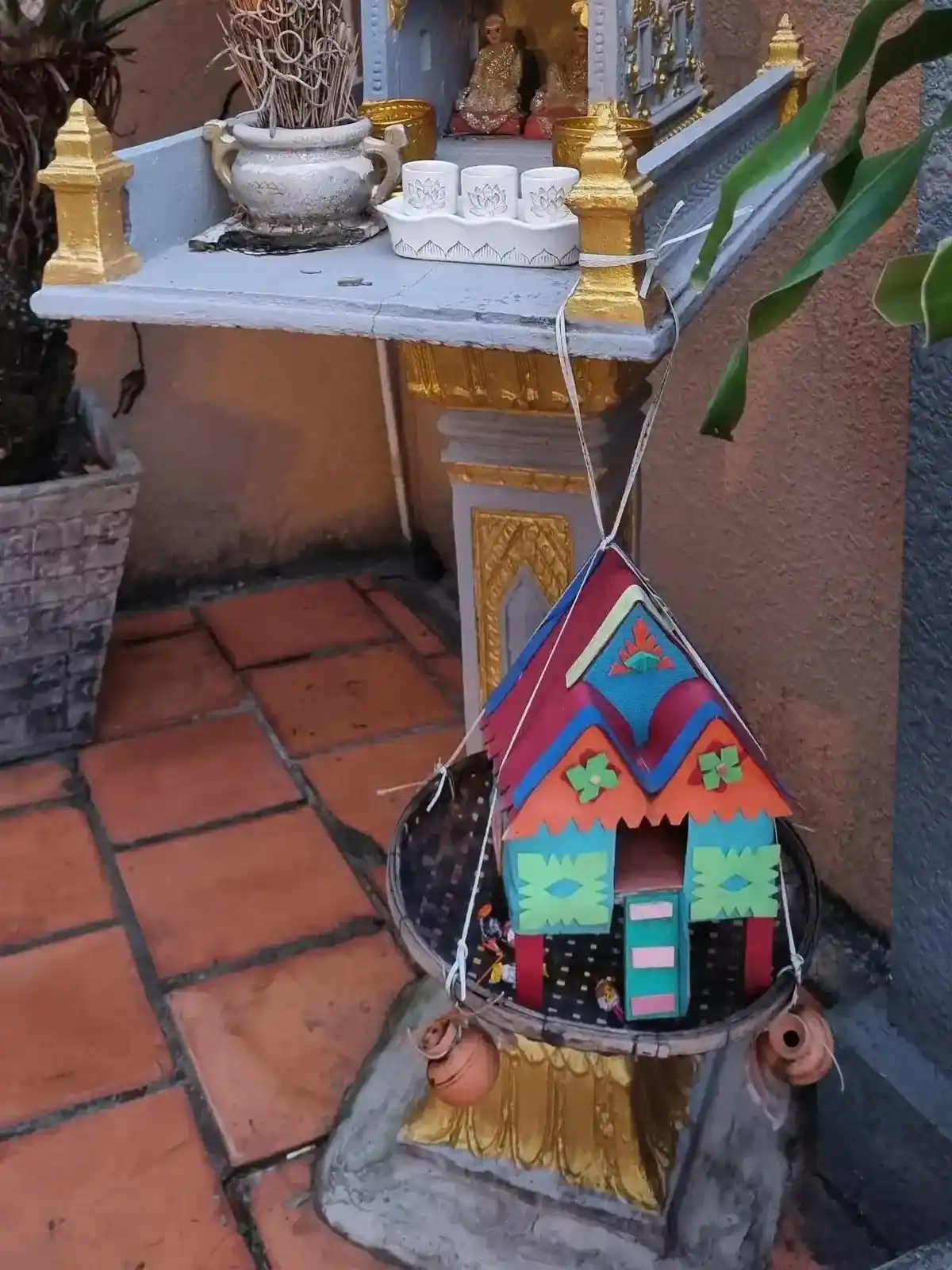
Spirit houses are common throughout Cambodia, Laos, and Thailand.
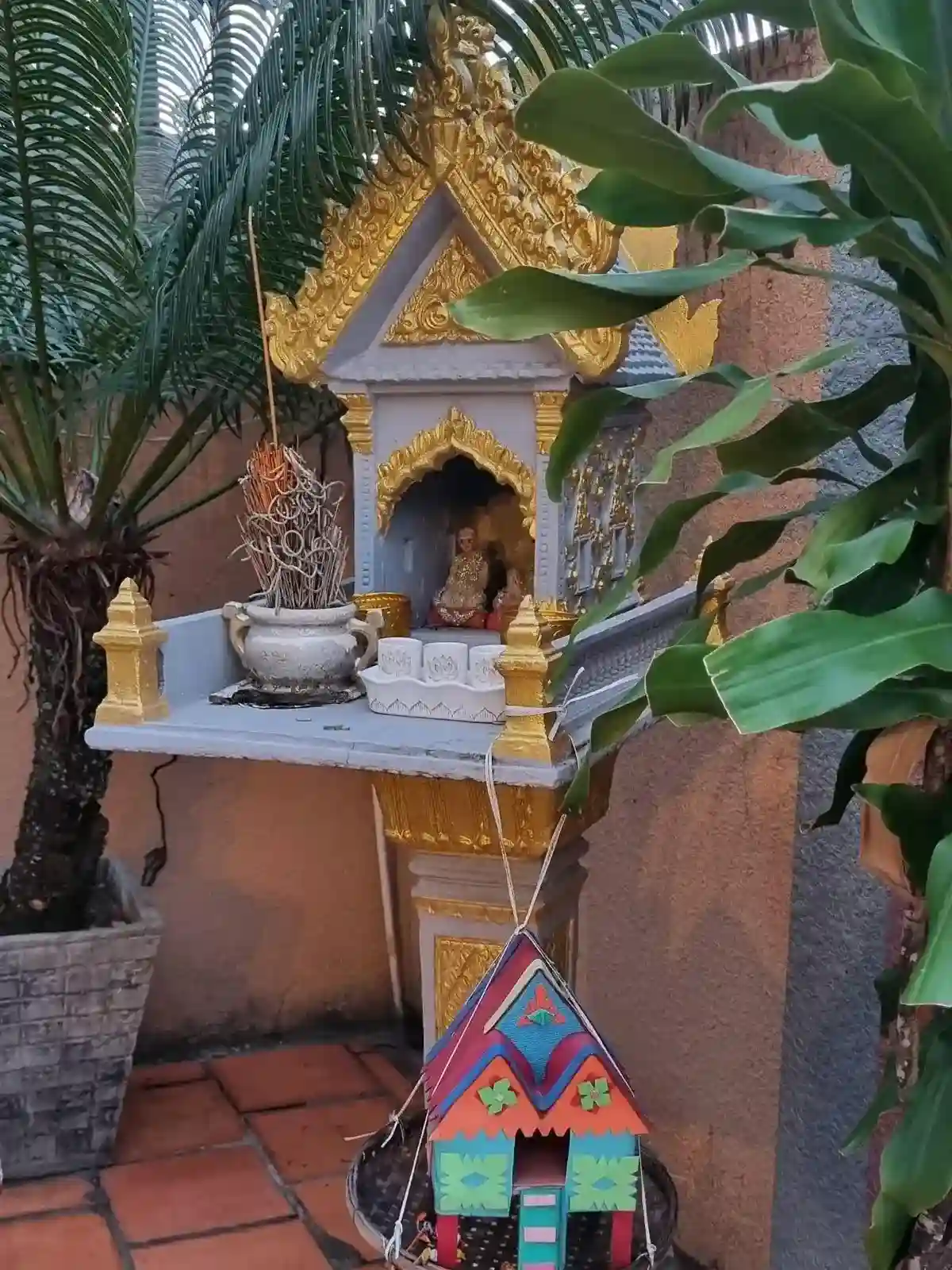
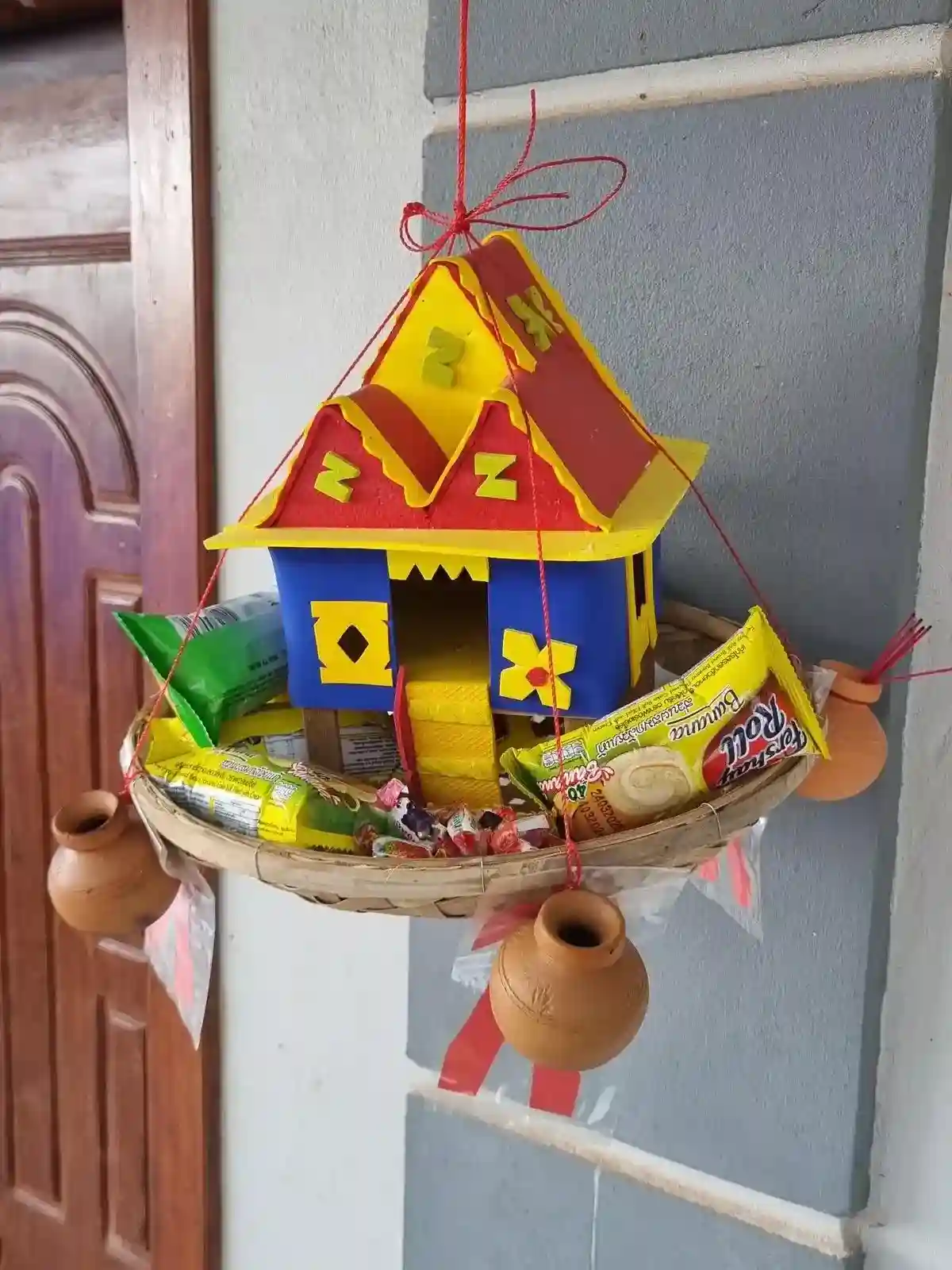
There are even a child-version of the spirit house.
Business
Lottery Mindset
Southeast Asians seem to be pinned into the position they are born into, an invisible caste system so to speak. Perhaps this is the Indian influence that swept through the region long ago?
The fact is that it is hard to move up and out of a poor socio-economic position. The amount of aid and NGO efforts in the region goes to show the challenge.
The lottery mindset of luck at randomness is more than a culturally-defining characteristic, it has become an addiction. Casinos, lottery ticket sellers, short-term money lending, and reliance on debt only add fuel to fire.
Lottery tickets are even picked and sold with lucky numbers.
None the less, having control over one’s future is about motivation, but even more so about opportunities. The foundations of opportunity are set in many ways, but they either lack in comparison or look very different than they do in the West.
In some ways, Southeast Asians have more opportunity due to lax laws. They can setup and run businesses with less regulation, enforcement, legal landscape and legal risks, and formalities. Business in SE Asia is much more practical.
Fishing Mindset
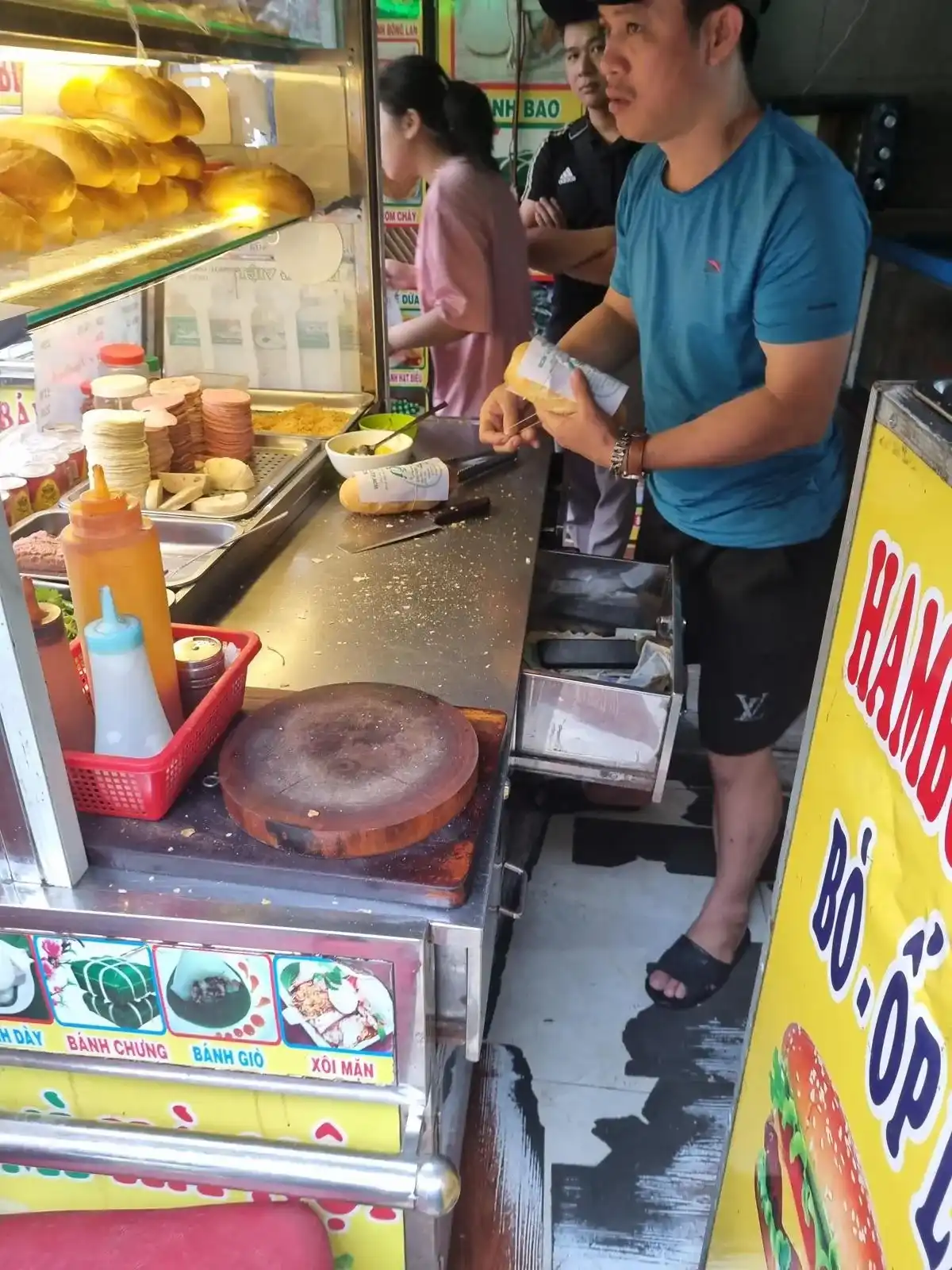
Cast a net or a fishing line and wait. For most businesses and marketplace sellers, this is the most common way of conducting business. The owners or staff will sit there all day and wait for the “fish” (the customer) to bite.
Marketing and customer outreach & retention are not practiced in typical Southeast Asia businesses. Or at least, not to the same marketing efficiency as in the Western world.
Slogans, jingles, and rewards points – forget about it! Customer and market research does not seem to be a thing – just cast a net and see if it works is the way.
Life is more simple in SE Asia, and that is reflected in everyday life, business, and law. One day there is nothing there, the next day someone sets up shop with a food stall. Businesses come and go depending on how well sales goes. Businesses close, then get gutted and remodeled into new businesses frequently.
A key take away is that sales are at random. Perhaps the “random” is seen more as “good or bad luck”?
Short Term Thinking
Get money now, spend it now. Seizing the opportunity goes along with the random aspect of sales.
Foreigners become frustrated with treatment at times (many sellers are truly fantastic, btw). There will be times when they do not try to gain you as customer. Rather, they try to get as much money from the custom now instead of building a customer relationship.
Having a bargaining culture and not having transparent pricing is the root of this behavior. Also, there is too much local competition for the basic everyday needs – too many food stalls and stores selling the same thing without much differentiation. So, a customer can easily go somewhere else.
Low barrier to entry for these businesses does saturate the market and emphasizes an aspect of randomness when it comes to sales.
No Financial Accounting
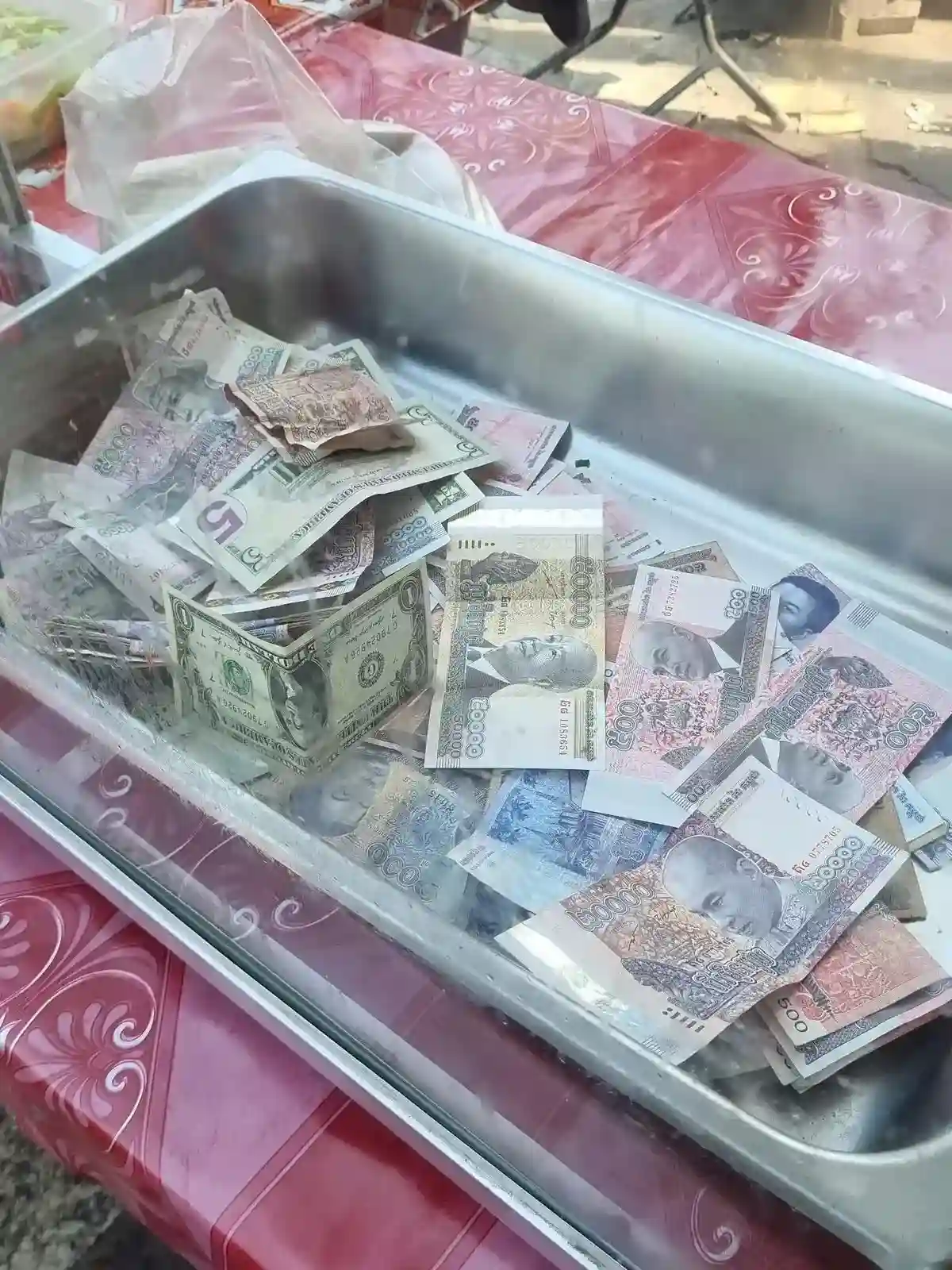
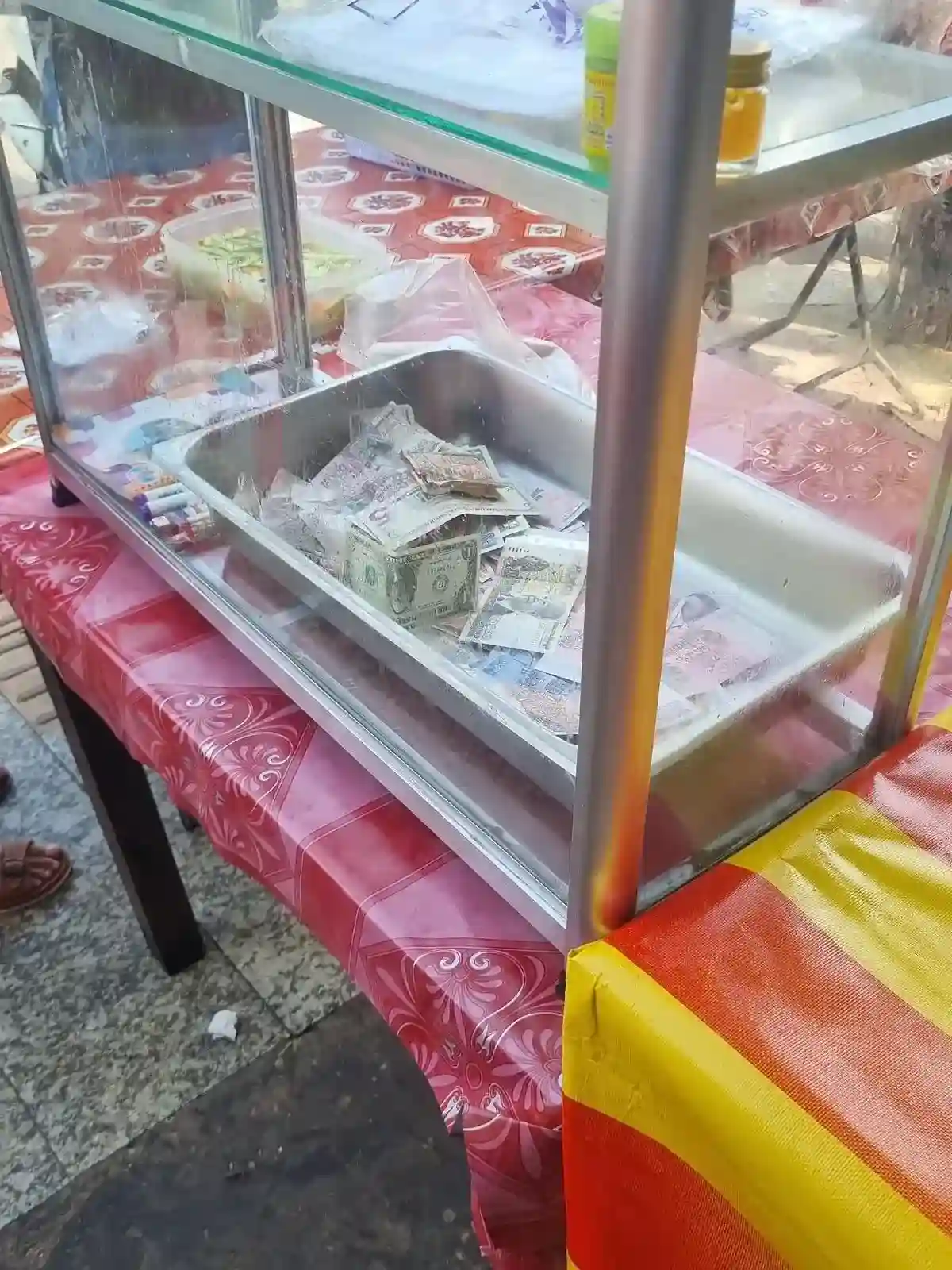
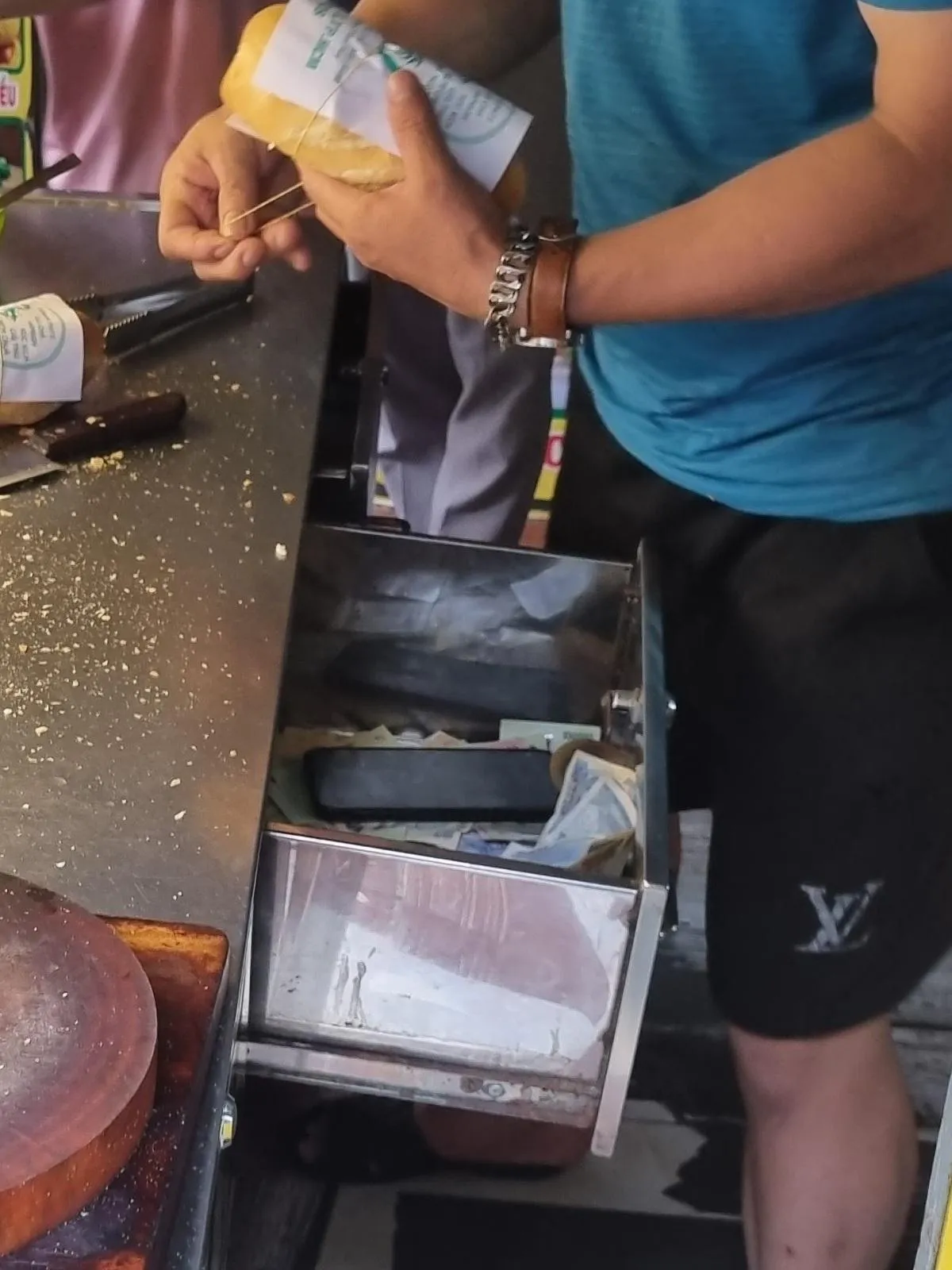
The key here is keeping track of profits (or losses). The gist is that it seems like sellers don’t actually know how much money they make. You’ll see everyday how seller throw money into a drawer or in an unorganized fanny pack (aka waste pack). Not accurately budgeting or accounting a transaction. Not foreseeing short-term/medium-term/long-term costs does further reinforce “things happen at random.”
There are some NGOs who help locals understand the total cost of business, consulting them and building accounting skills. All of this is needed to run a healthy business, have a healthy life, and take healthy risks.
As mentioned, band aid fixes that don’t correct the underlying issue such as short-term loan lending have become the only option for some people. Some lending practices are good, but some have high interest rates and are considered predatory, preventing someone from digging themselves out of a bad position that they randomly fell into.
Weather & Being Forward Thinking
For one, SE Asia is an outdoor culture. When it rains it pours, and flooding also occurs in various areas.
Random bad weather that no-one can control certainly affects business negatively. That aside, the concept of weather goes much deeper. Southeast Asia has two season, the raining monsoon season and dry season. The temperature stays the same, hot, all year long. This is not like the West, where it is common to fluctuate from very hot to very cold with snow all in the same year.
Disclaimer: GemsOfTravel does not claim this to be 100% true, but we heard it and it makes sense in our experience. So, take the following with a grain of salt. Cultures who do not have 4 distrinctly different seasons do not have the thinking of past/present/future. Since all days are so similar, there is less long term thinking. For example, a people who do not store food for winter know that they will die and are, therefore, forced to be forward looking and save up food. If the weather was the same every day, then they would not develop this forward-looking thinking.
Try living in Southeast Asia and then think about if it is winter, spring, summer, of fall… you’ll say summer every single month. Our natural environment does influence our cultures at many levels. Methods and/or ingredients for food preservation being another example.
Superstitions
Lucky Numbers & Patterns
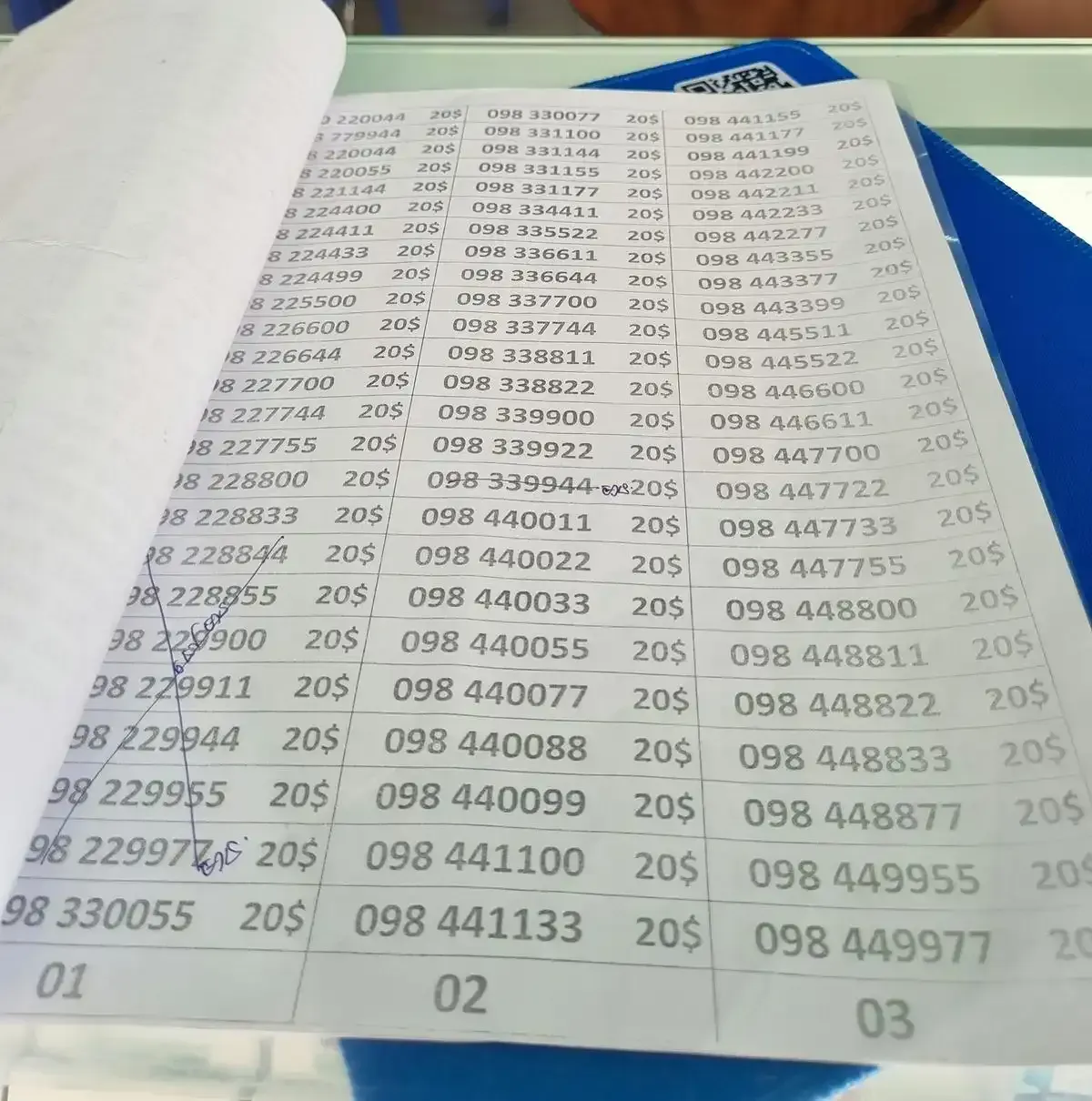
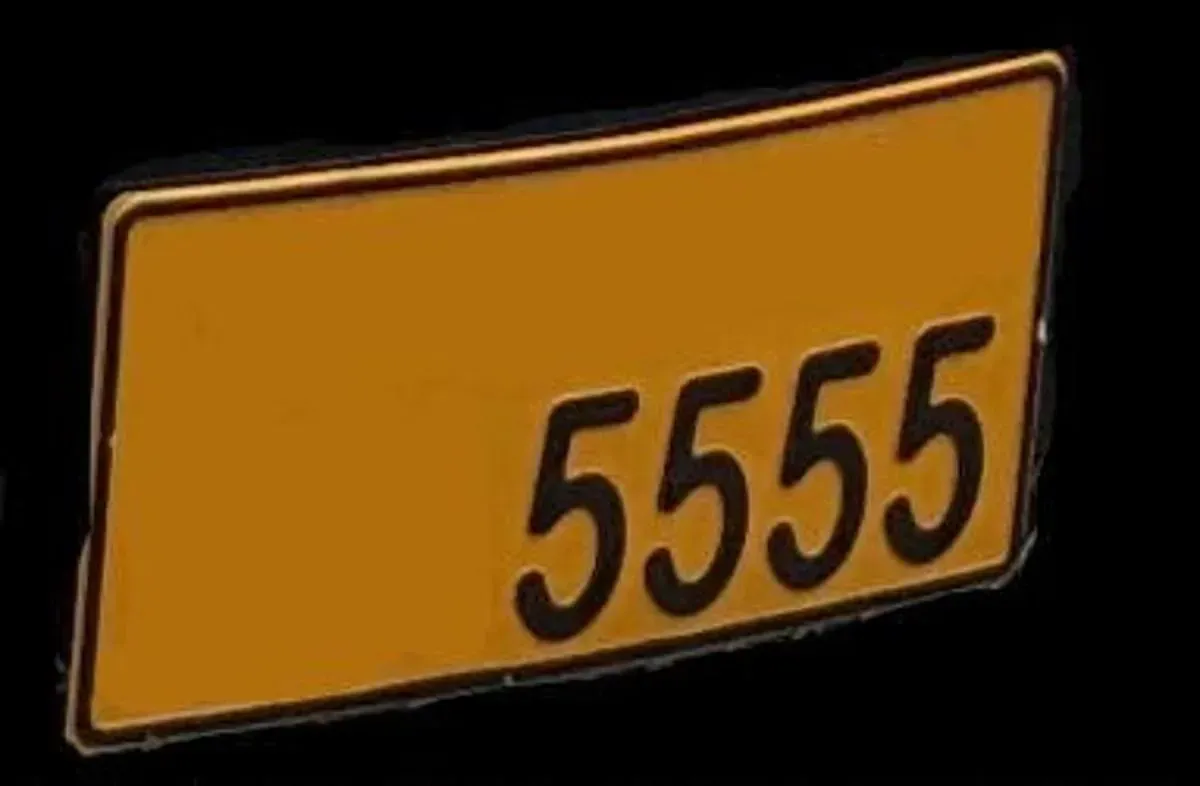
Certain parts of Southeast Asia have a thing for number patterns. License plates and phone numbers, anything where the number can be chosen the preference will be for a number pattern.
There are certain numbers that are liked more. For example, the number 8 in Chinese culture is considered the most lucky and sounds similar to the words for wealth/success. The flip side is that the number 4 is avoided since it sounds like the word for “death”.
As you can imagine, the better numbers come at a price.
Other Superstitions
Superstition further plays out in marriage date selection in accordance to the zodiac, amulets, Sak Yant tattoos, various sacred geometric diagrams, and plenty more!
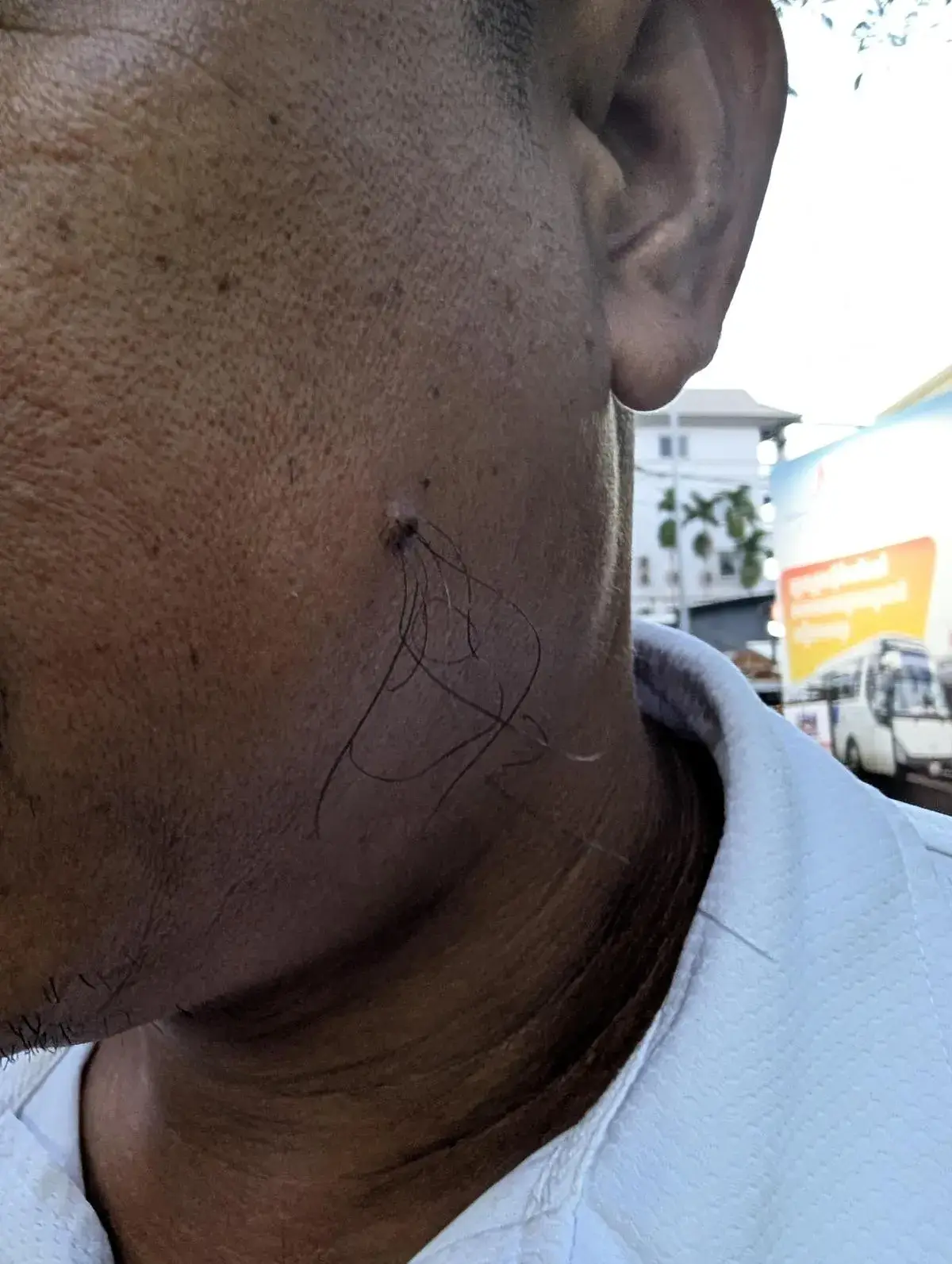
Another favorite is hairs that grow on a mole. Locals refuse to pluck the hair, because they consider it good luck if it grows through a mole. What’s even more fun is that those hairs grow really long after years and years of refuge.
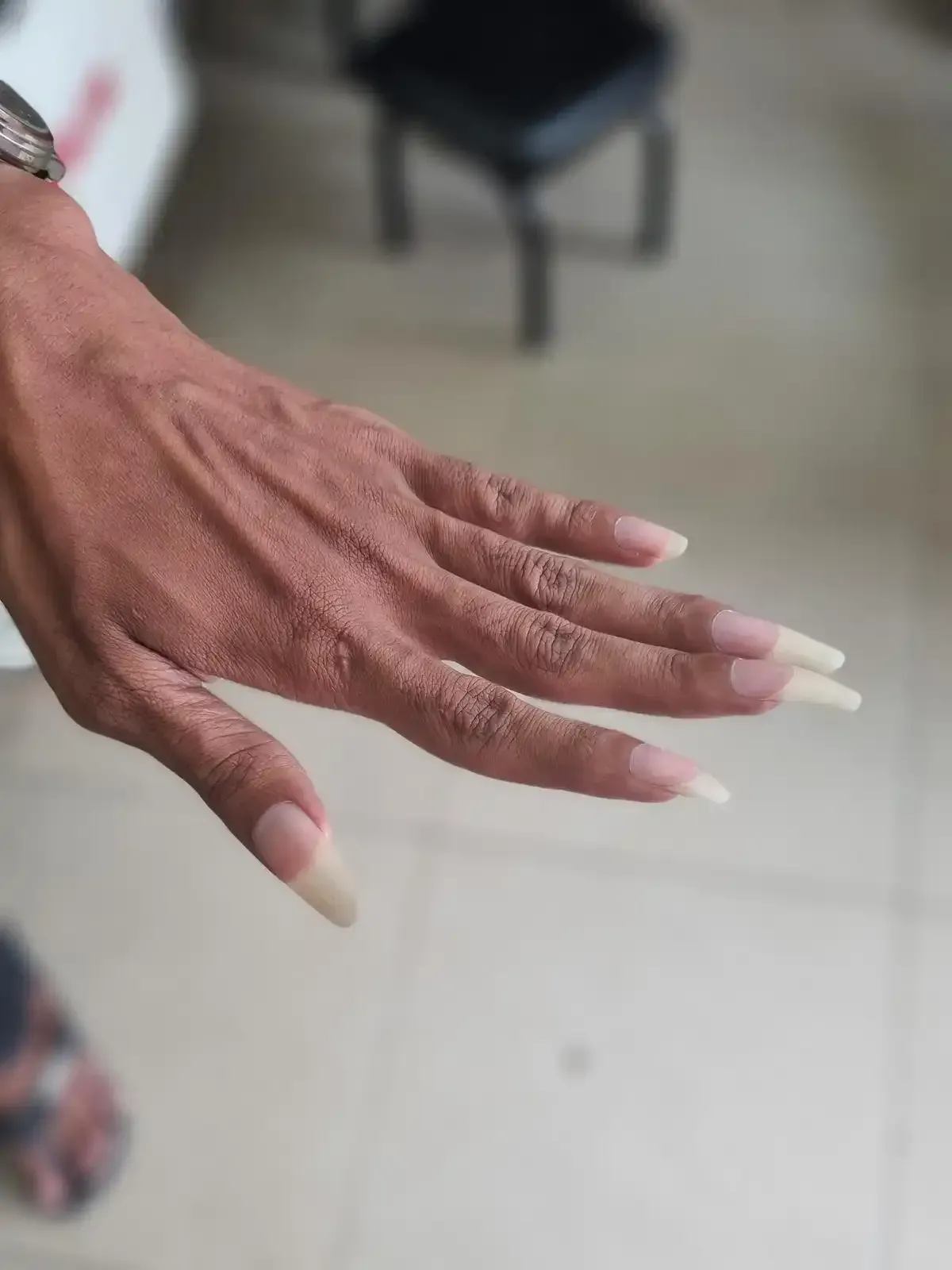
It’s not really a superstition , but males – primarily in Vietnam – consider having long finger nails to be of high status. This is because those who do not need to work (are rich) do not use their hands. Thus, long finger nails are not an issue.
Daily Life
Politeness
Thais are well known for being polite. Vietnamese, in contrast, are well known for being very (or overly) blunt.
Saving Face
If you ask a question, even if they don’t know the answer they will just tell you some kind of answer to save face. You: “Where is the bus station”, Them: “ugh, that way.” Learn to take interactions with a grain of salt. You will have to interpret and read between the lines in Southeast Asia.
Smiling & Friendliness
A smile is not just a smile – there are many kinds of smiles with different meanings. The nervous smile, the state of being confused smile, the welcome smile, the smile of confirmation meaning okay, the keeping peace smile or deescalating a tense situation, the smiling bluff when negotiating or to cover up something they don’t want you to know about, and the normal happy smile are a few to mention.
One things is for sure, Southeast Asians do not understand western sense of humor, playfulness, and self expression. Interactions seem to be more ‘down to business’ and conservative.
Collectivism
You better be dang sure they think about the hierarchy in everything they do. Family comes first, the parents are at the top of that and are highly respected by the young-ins. Knocking a parent down from this ‘king of the hill’ status is not an aspiration. Parents get respect regardless of their actions.
That comment illuded to a cynical tone, which most definitely can be true, however adhering to a strong family bond is certainly commendable. And, this allegiance is many times necessary in a world without safety nets and without other support systems in place to replace the family support system.
The kids are the parents retirement fund and elderly support. And, when those kids have their own children, then they will get this treatment in return. It’s the circle of life that turns counter-clockwise to the Western ways where parents support the children until they move out, and have their own children to support.
How Much
The question locals ask most often is “how much did you pay”. Money is always the primary tone within conversation – it’s soleless. The core of it seems to be that, to locals, money is the only thing that can bring satisfaction. There is no expression of heart and emotion such as “I am happy for you that you bought it! You will really enjoy it.”
Sayings
Common Sayings
Thailand has a few sayings such as when they say “up to you” in English. This means “I am not going to argue with you” or “fine!” in a fed-up tone. It can also mean “F-around and find out!
Another Thai saying (in Thai) is “sabai sabi” and “saunk”, meaning “relax and be lazy” and “if it’s hard don’t do it.”
Foreigners often point to these two sayings when expressing the source of Thai people’s laid back vibe (or lazy, perhaps?). Although, you really should know, that the laid back and polite surface is to keep peace in public. Behind closed doors is where the bottled emotions come out.
Please return the same politeness that has been granted to you.
The final saying is found throughout Southeast Asia and that is “Same same” or “same same but different”. We take it that these mean two things are “similar” or “similar enough”.
Word Usage
For a lack of a better title, this is about word that you will hear them speak in English.
Words such as “no have” or “cannot” are direct translations into English. The languages of Southeast Asia are more simple in ways and structured differently.
You will discover that English language adds all sorts of filler words. “No have” means “I do not have [any available right now]”. “Cannot” means “you cannot [do _ ]”. Language can be very condensed, which makes picking up a practical words much easier!
Check out GemsOfTravel’s language guides on Thai, Vietnamese, and Khmer!