Looking for unique things to go do & see? Well you came to the right blog post. There’s tonnnnns of things to do in Southeast Asia. Tons!
Let us introduce you to night markets and sites unique to the local area. Festivals and holidays are an extra bonus – they can’t be missed if you are lucky enough to be in town at the right time.
Tip
have some Rest & Relaxation time after a long day on your feet having fun (and we know you will).
It’s a pleasant way to cap the day off … the sprinkles on top if you will. Massages are roughly $15 USD (or lower) per hour. So, indulge a little.
Night Markets
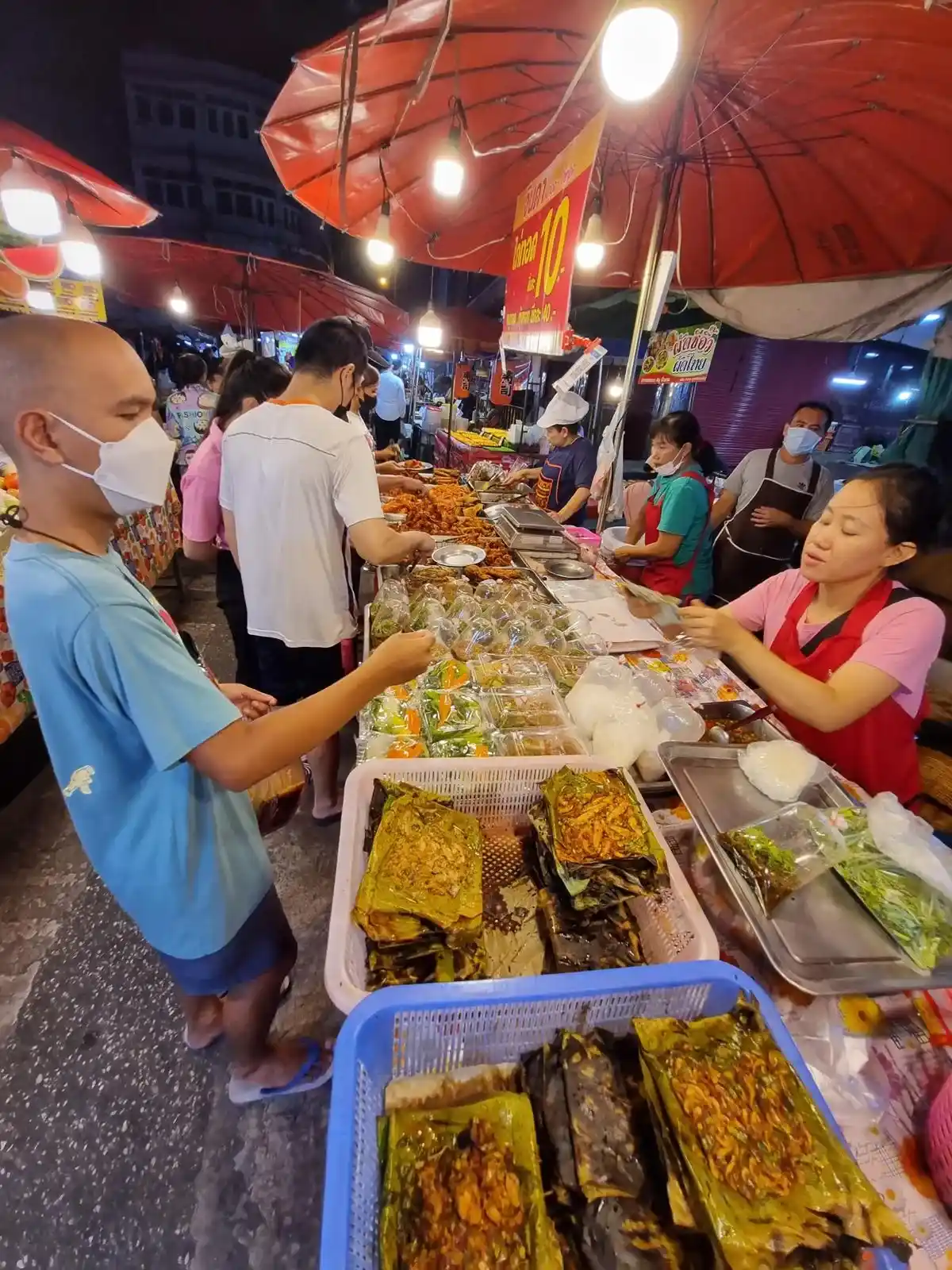
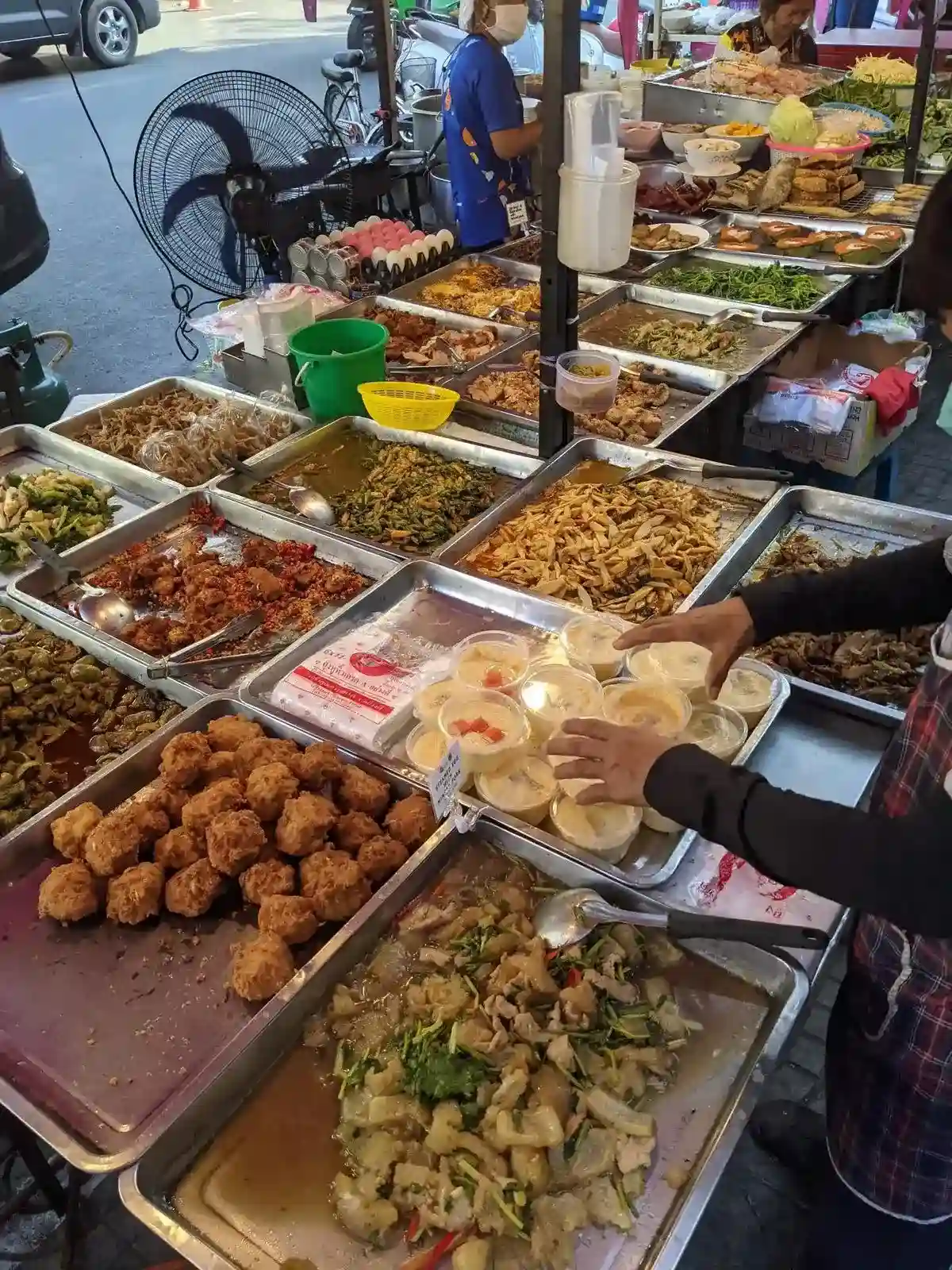
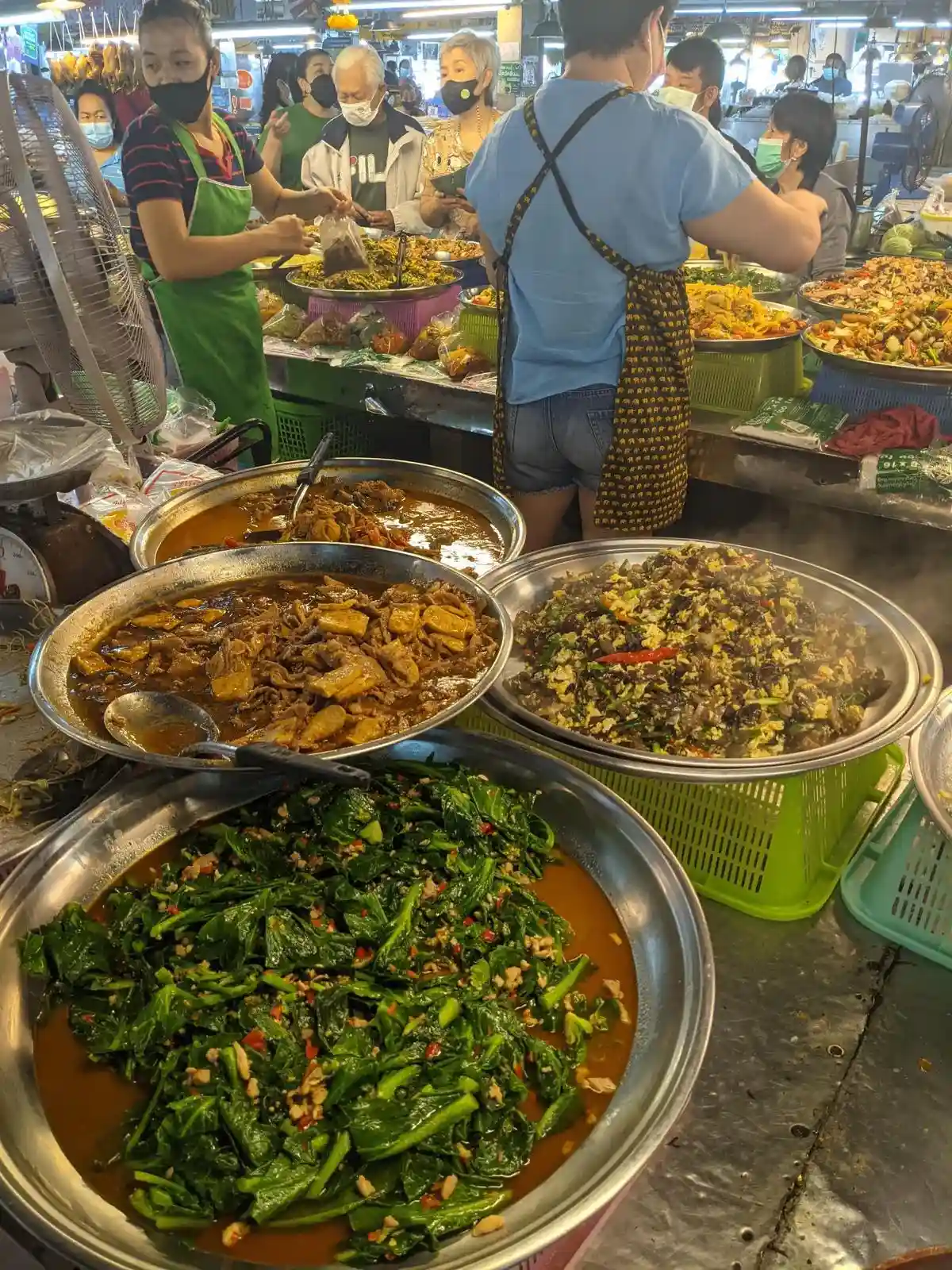
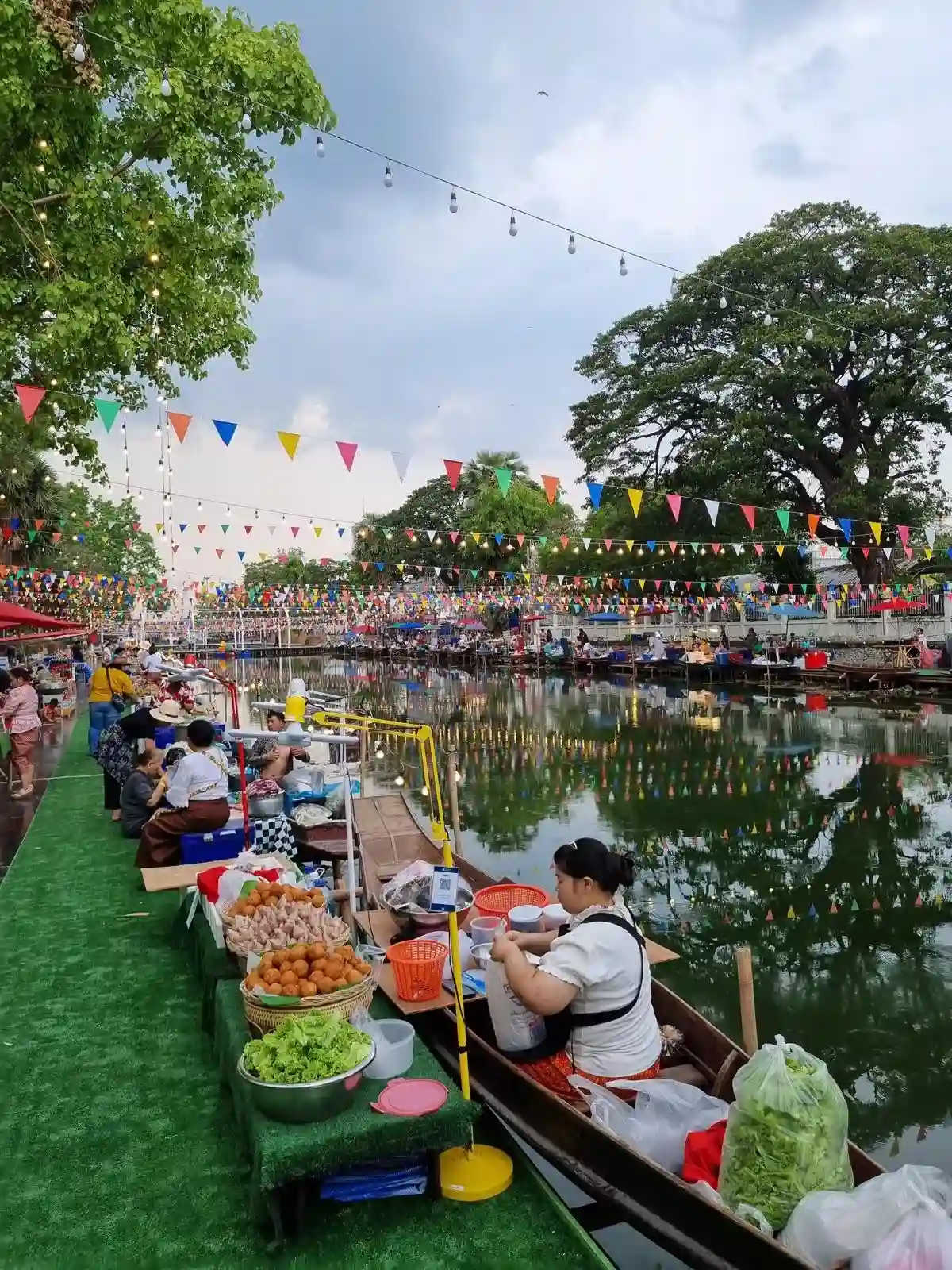
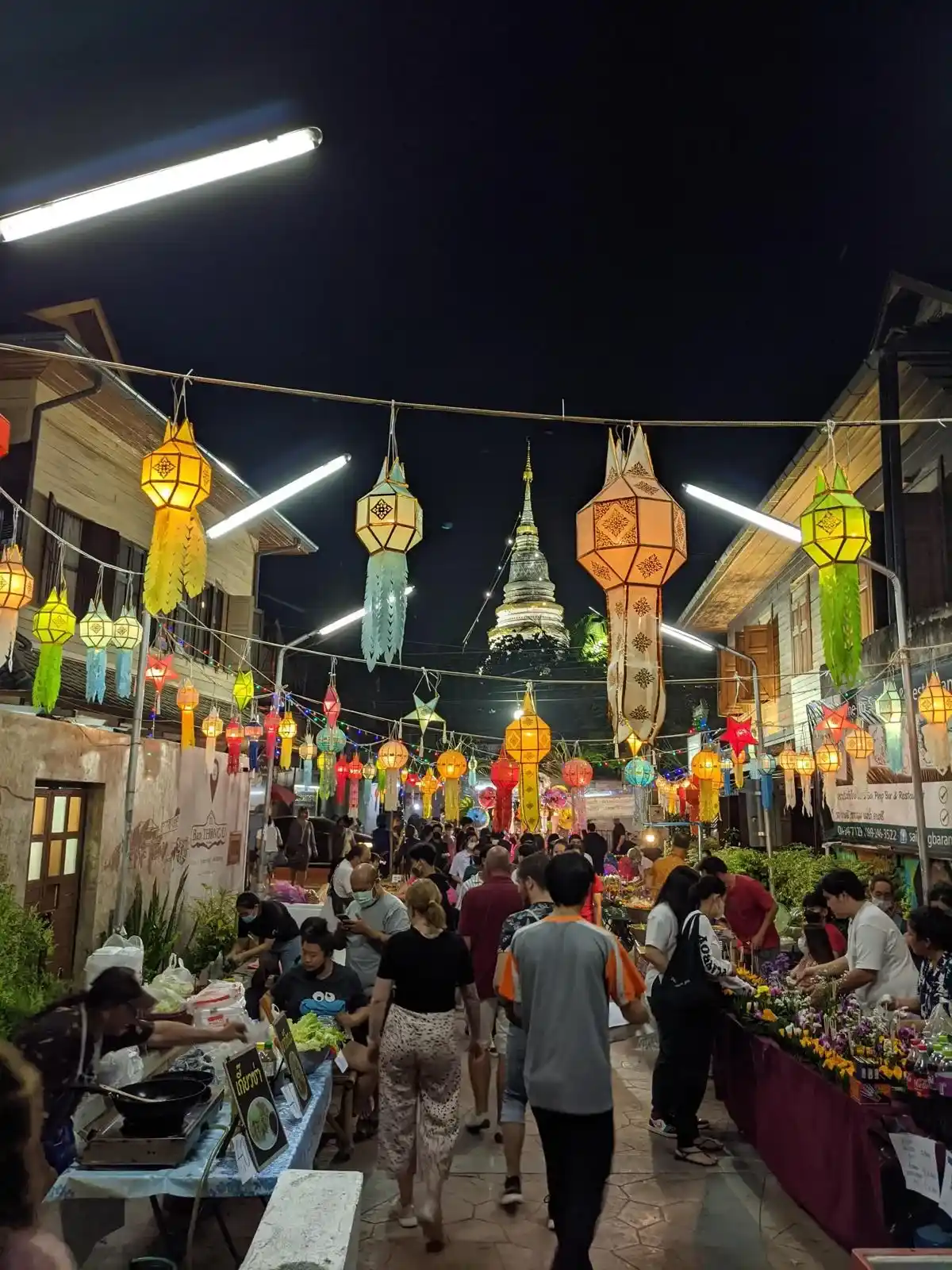
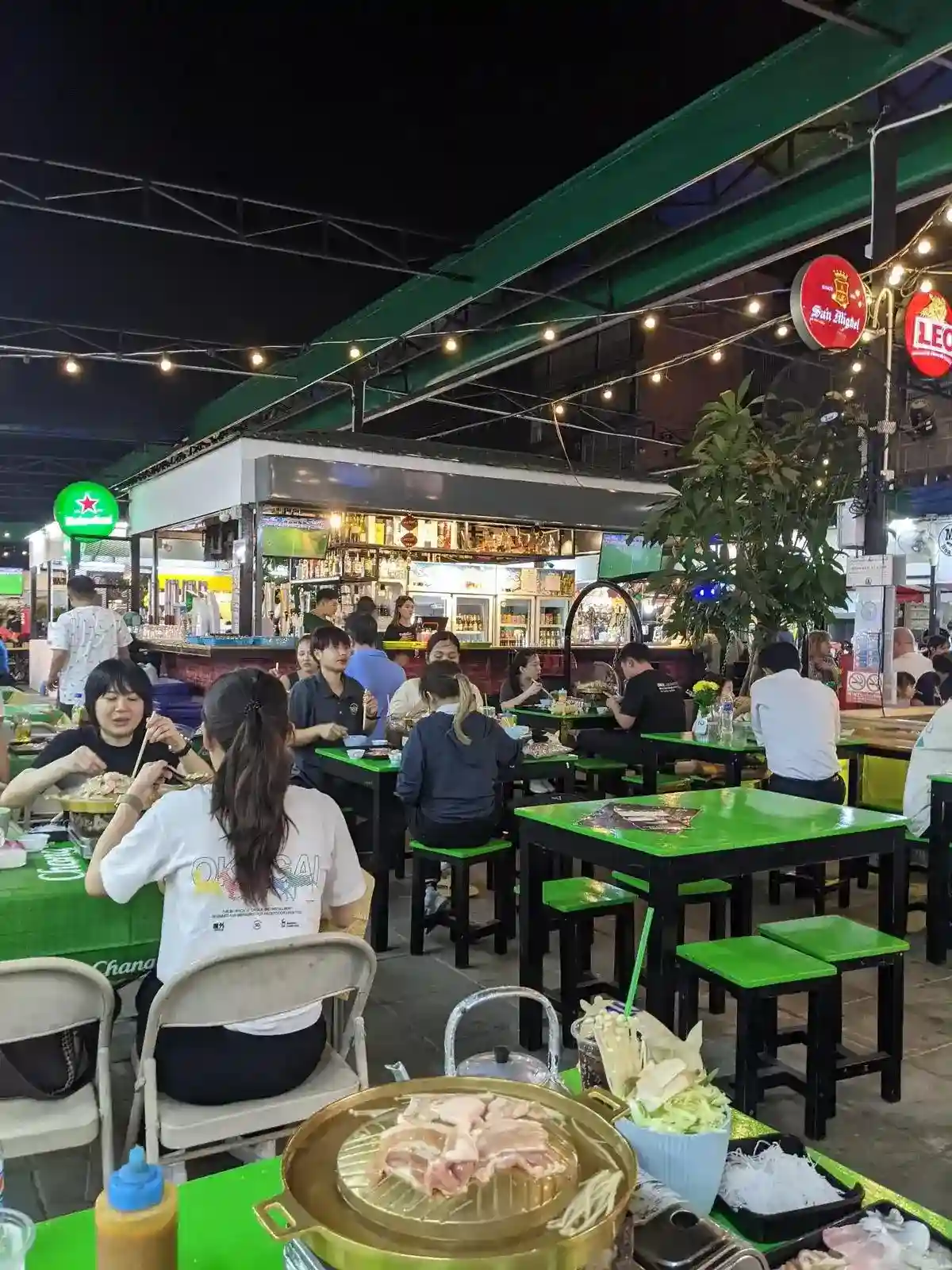
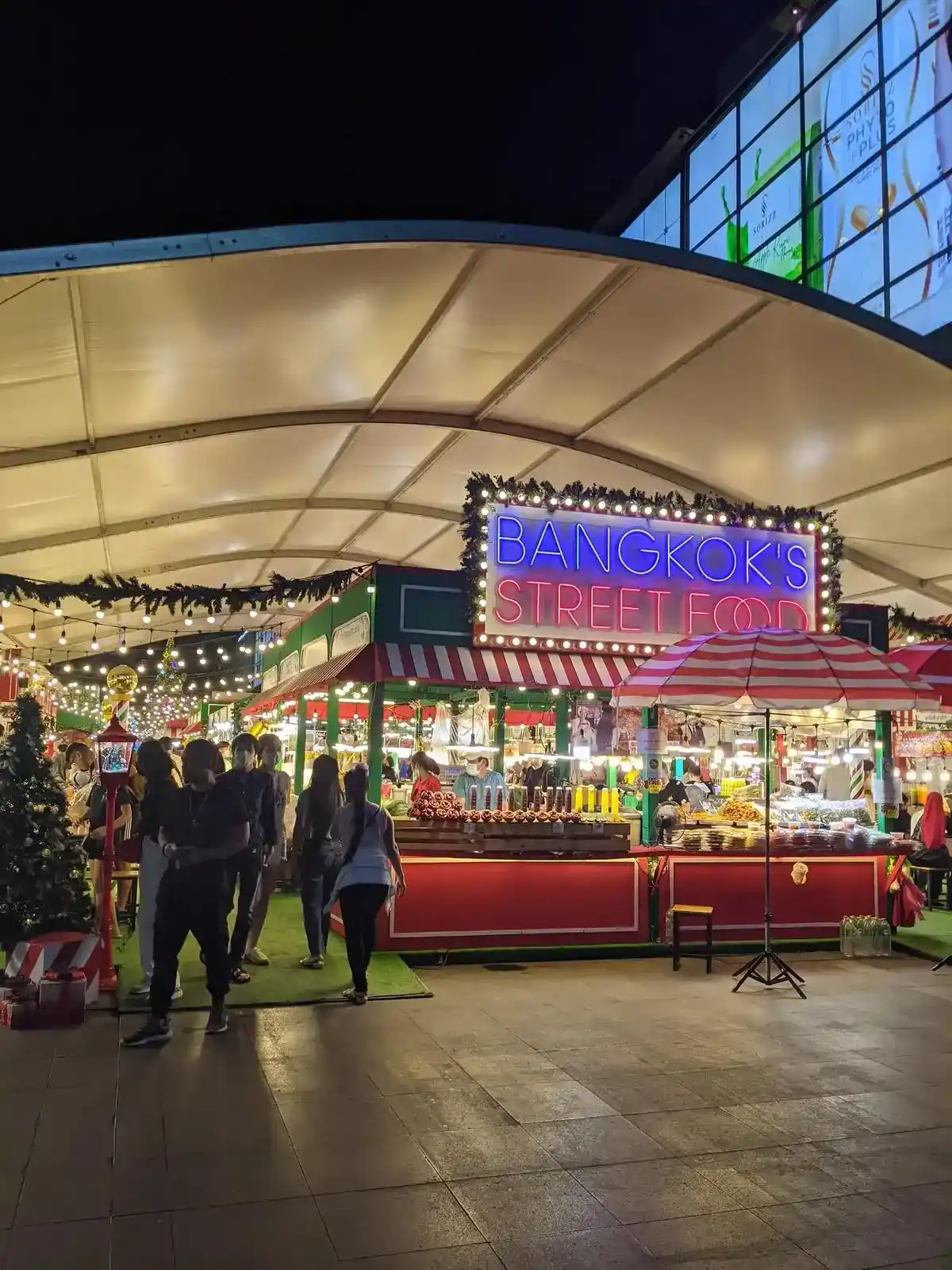
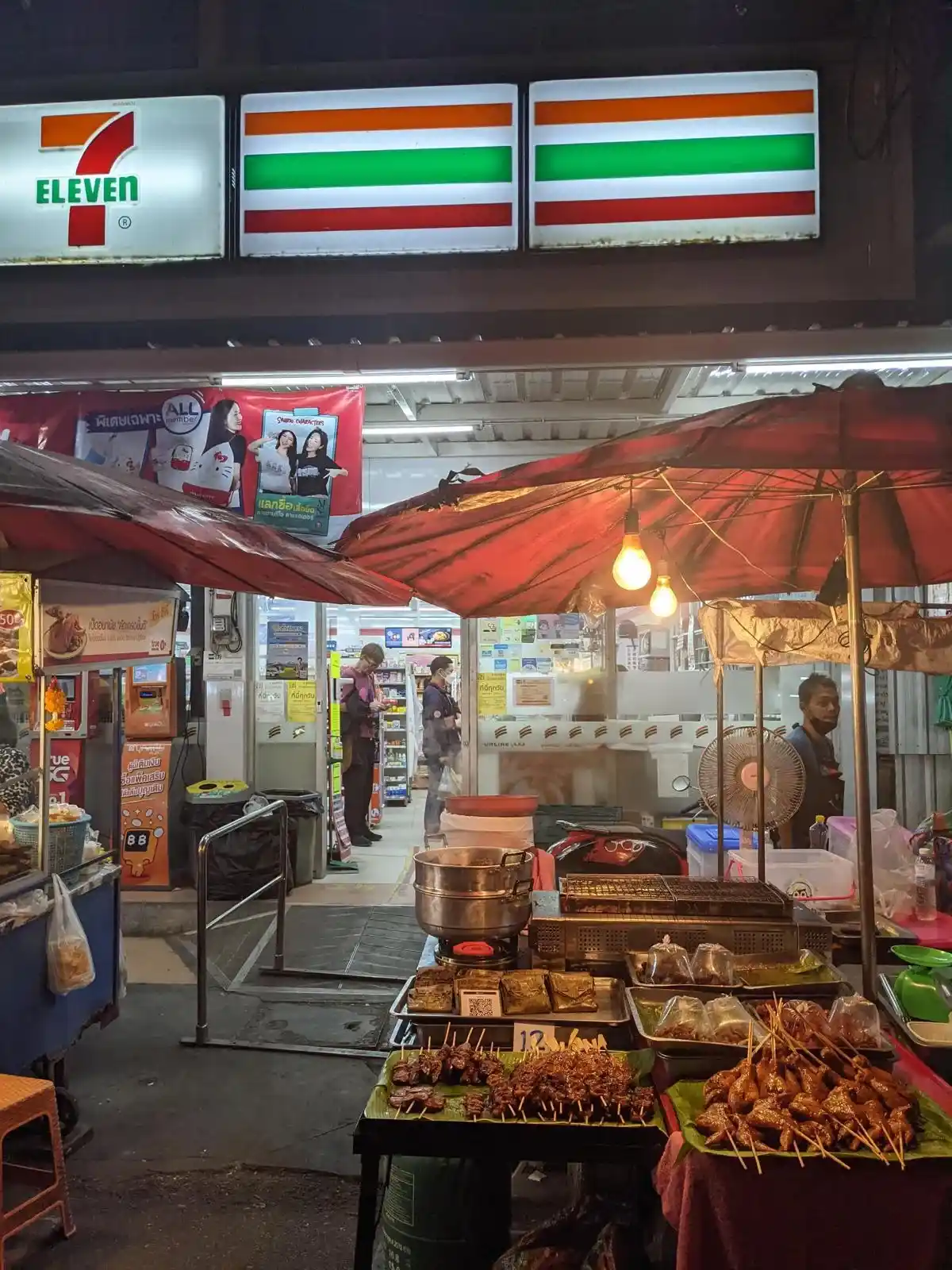
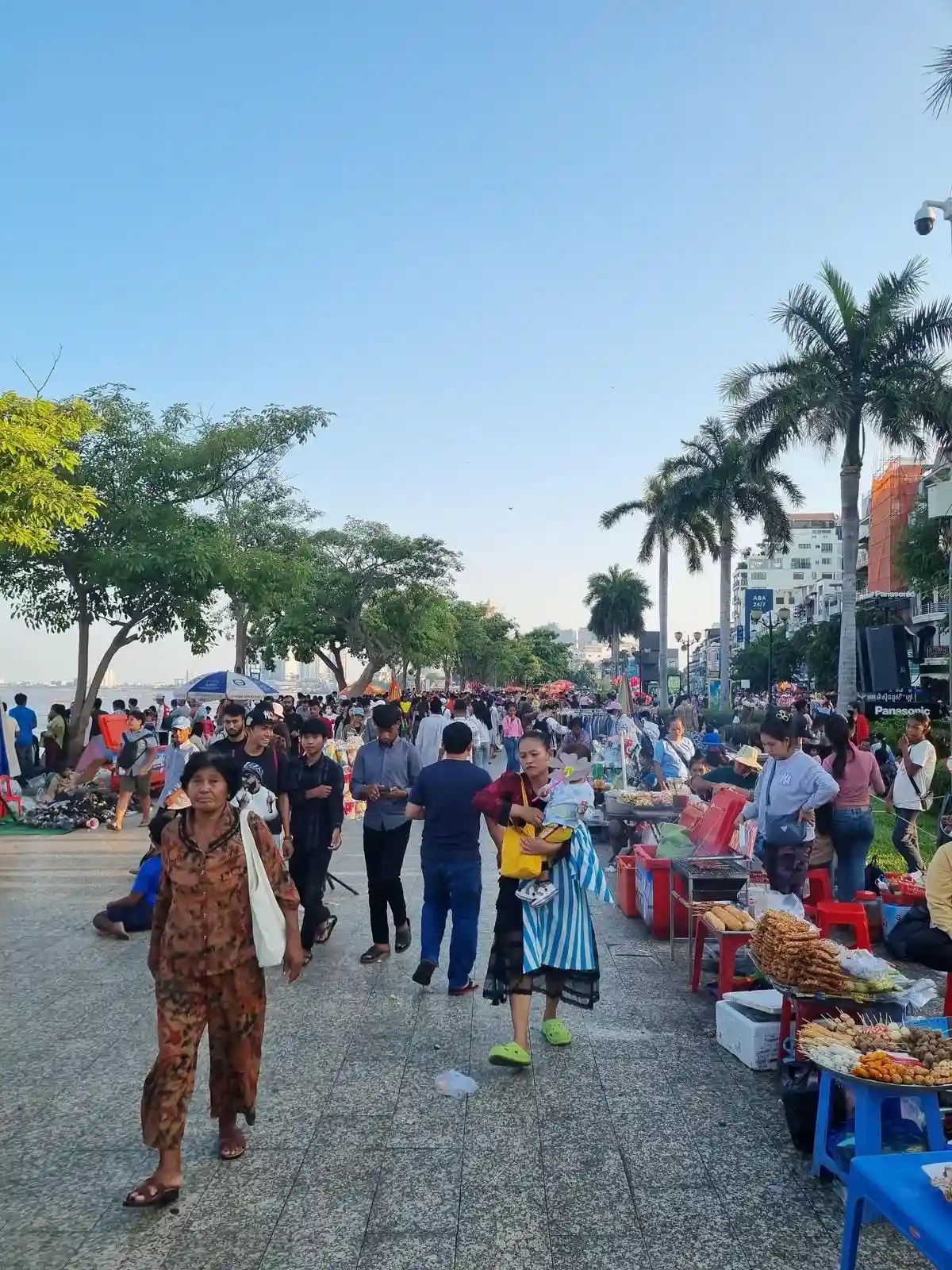
Night markets should be on the top of your todo fun list. They are lively; bustling with food, lights, and handicrafts for sale. It’s almost like a fair that happens every day, albeit at a smaller scale. Fun, fun, fun! Along with live music and maybe a game or two for the children – you will be entertained.
Night markets, or a similar nightlife, is common place in many towns. Just search “night market” or “food market” in google maps in any town you are at. To be honest, if that doesn’t work then just ride on motorbike until you find it.
Anyway, here’s a few of the markets to mention:
>
Vientianne, Laos
Night market along the Mekong river.
>
Chaing Mai, Thailand
Downtown market on the weekend. All the streets are closed to traffic, becoming pedestrian only.
>
Kuala Lumpur, Malaysia
Food street. China town also has a decent market.
>
Vietnam
Food street in Ho Chi Minh City (Saigon), and Beer street in Hanoi.
Historical Sites & Museums
Dinosaur fossils (in Thailand)
A hotbed of dinosaur fossils have been discovered throughout the Northeast part Thailand, called Isaan. Sites with dinosaur footprints, and Dino museums are points of interest.
WW2 History Sites
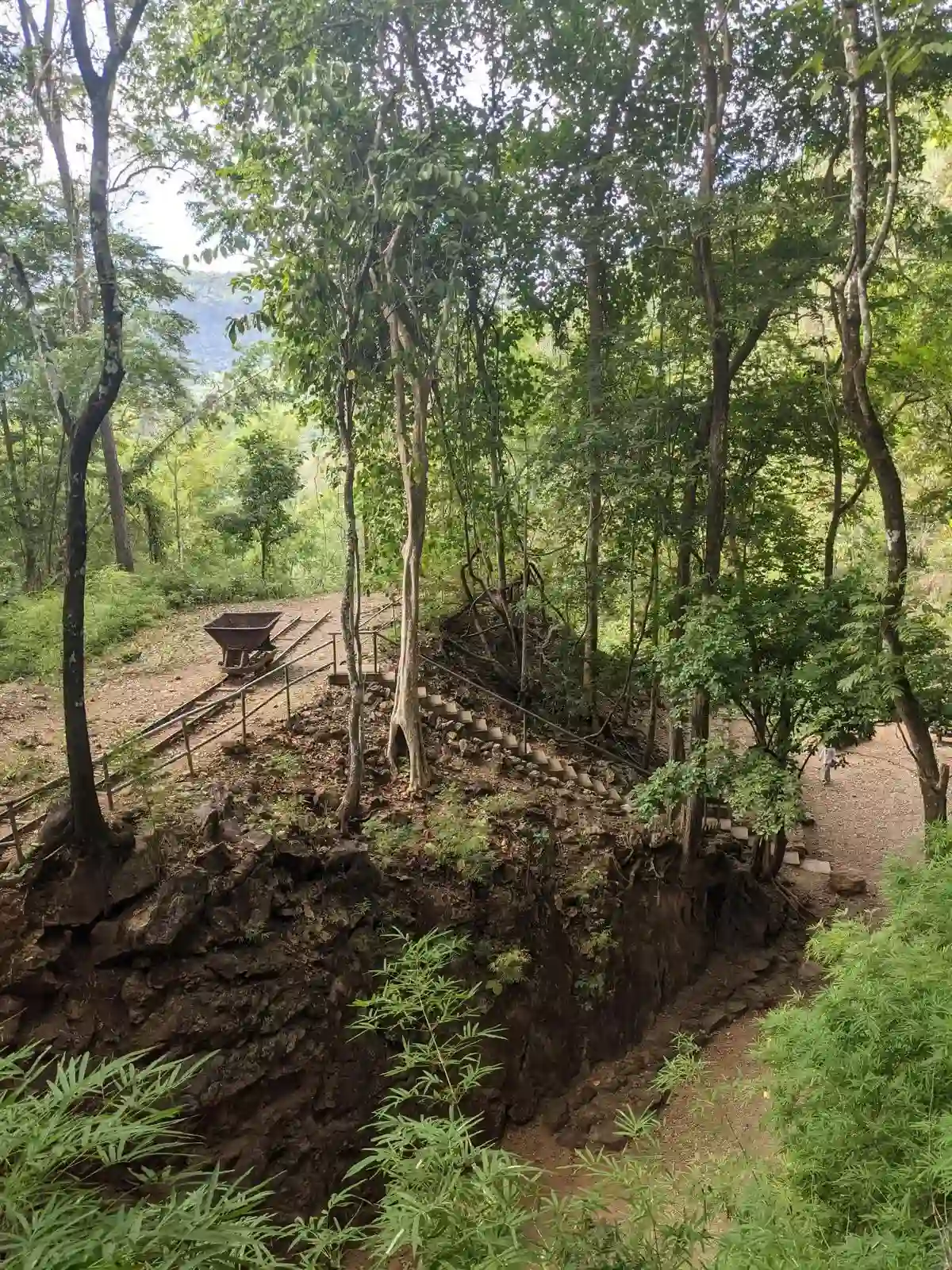
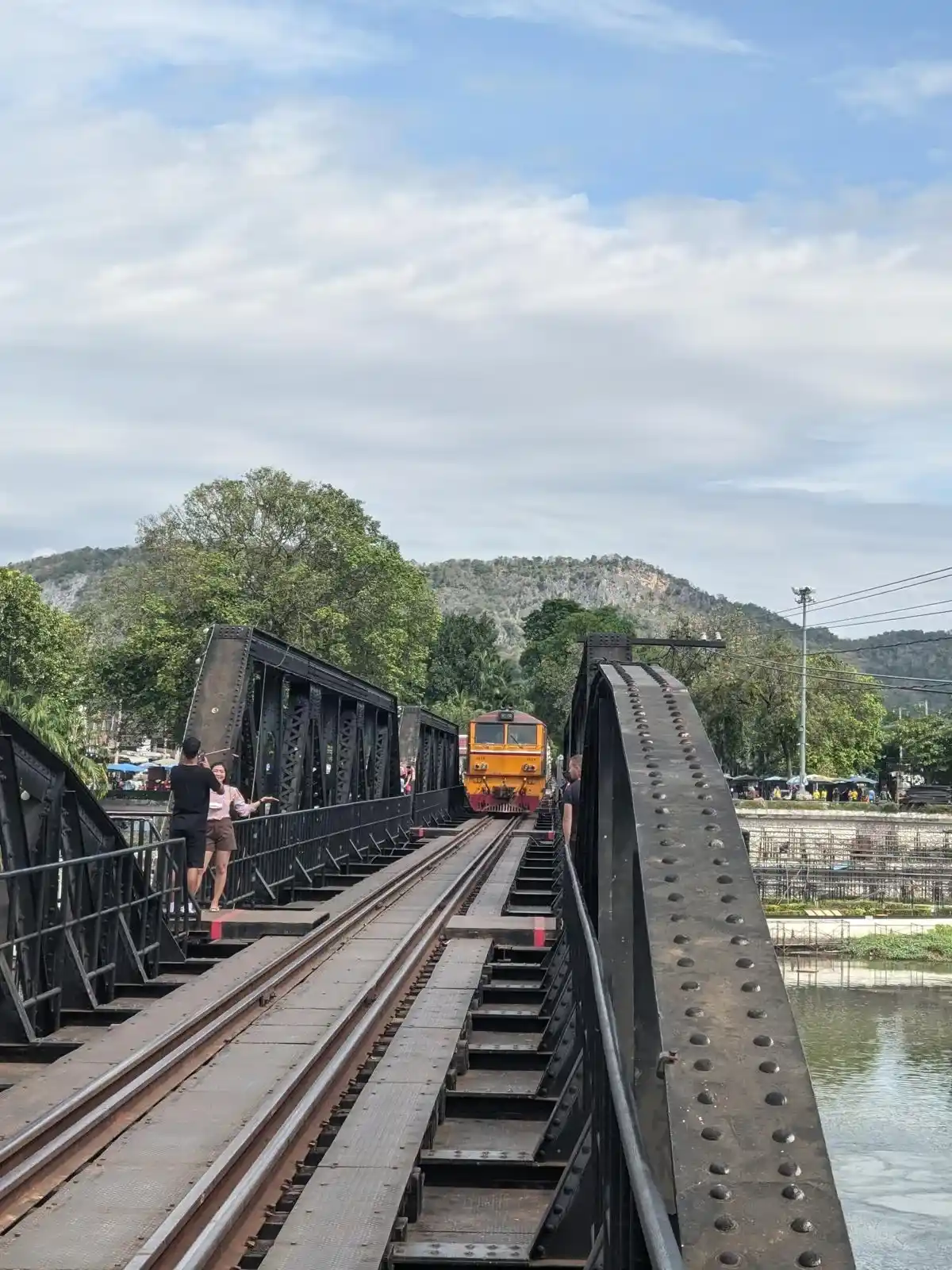
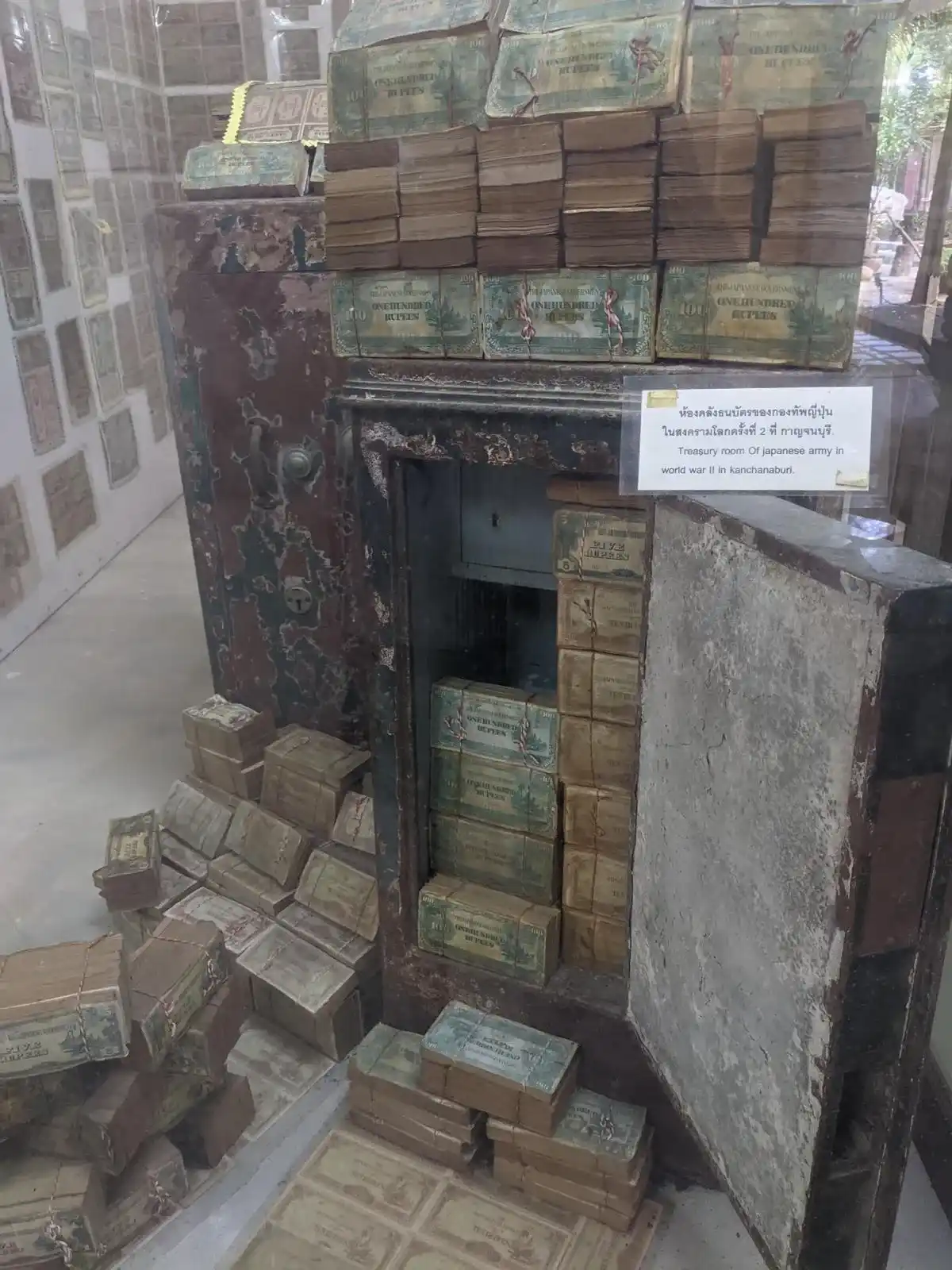
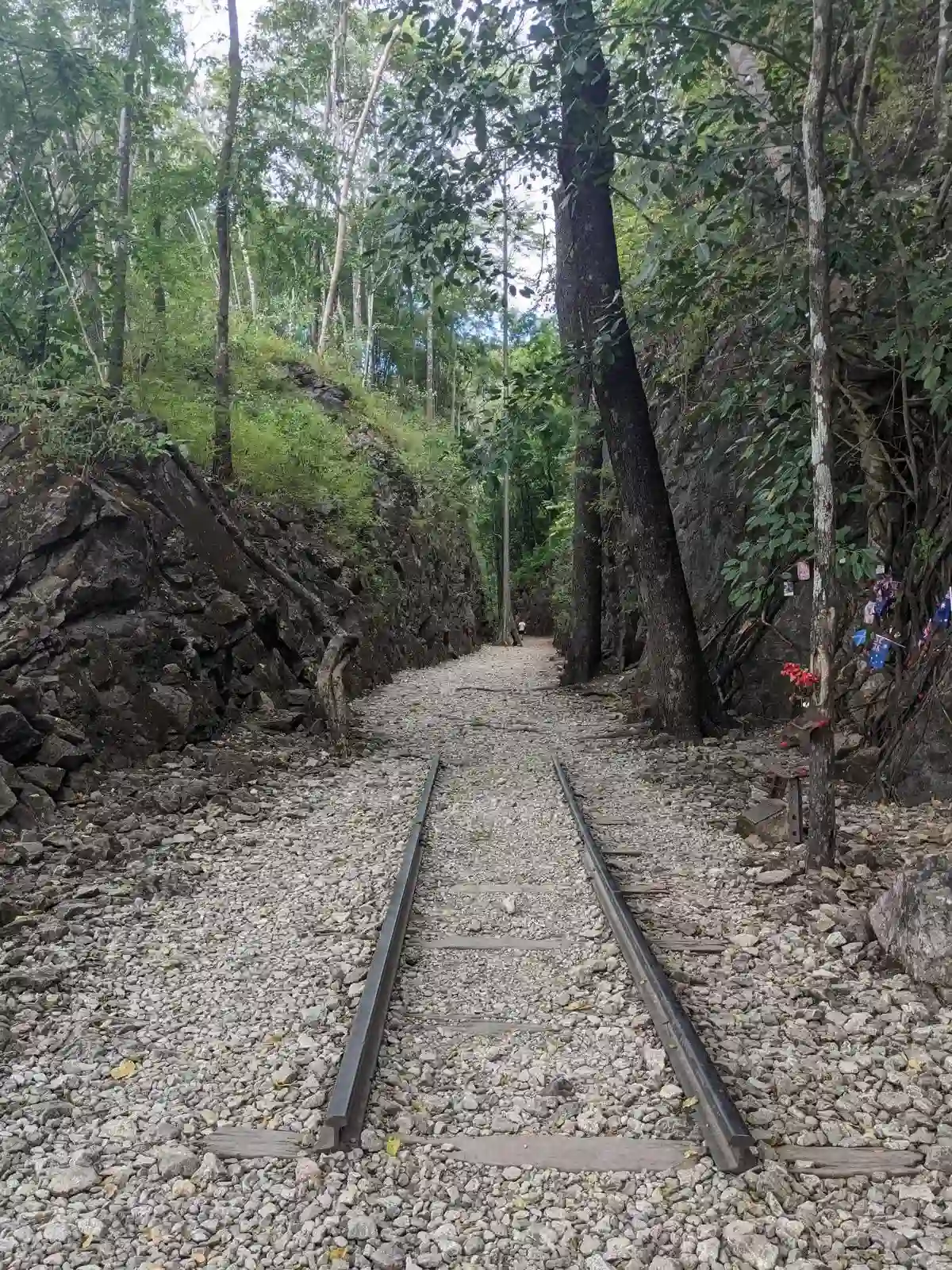
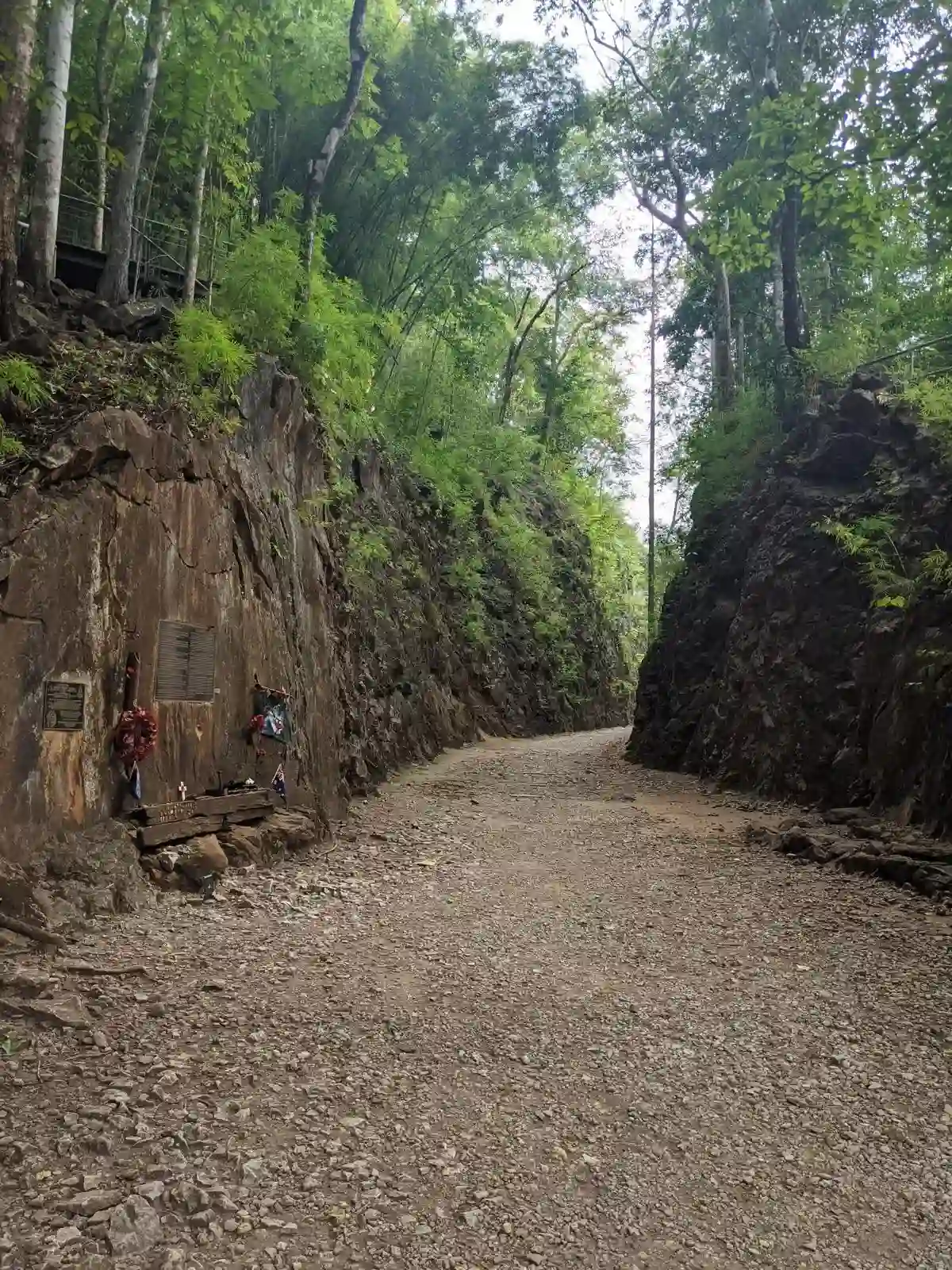
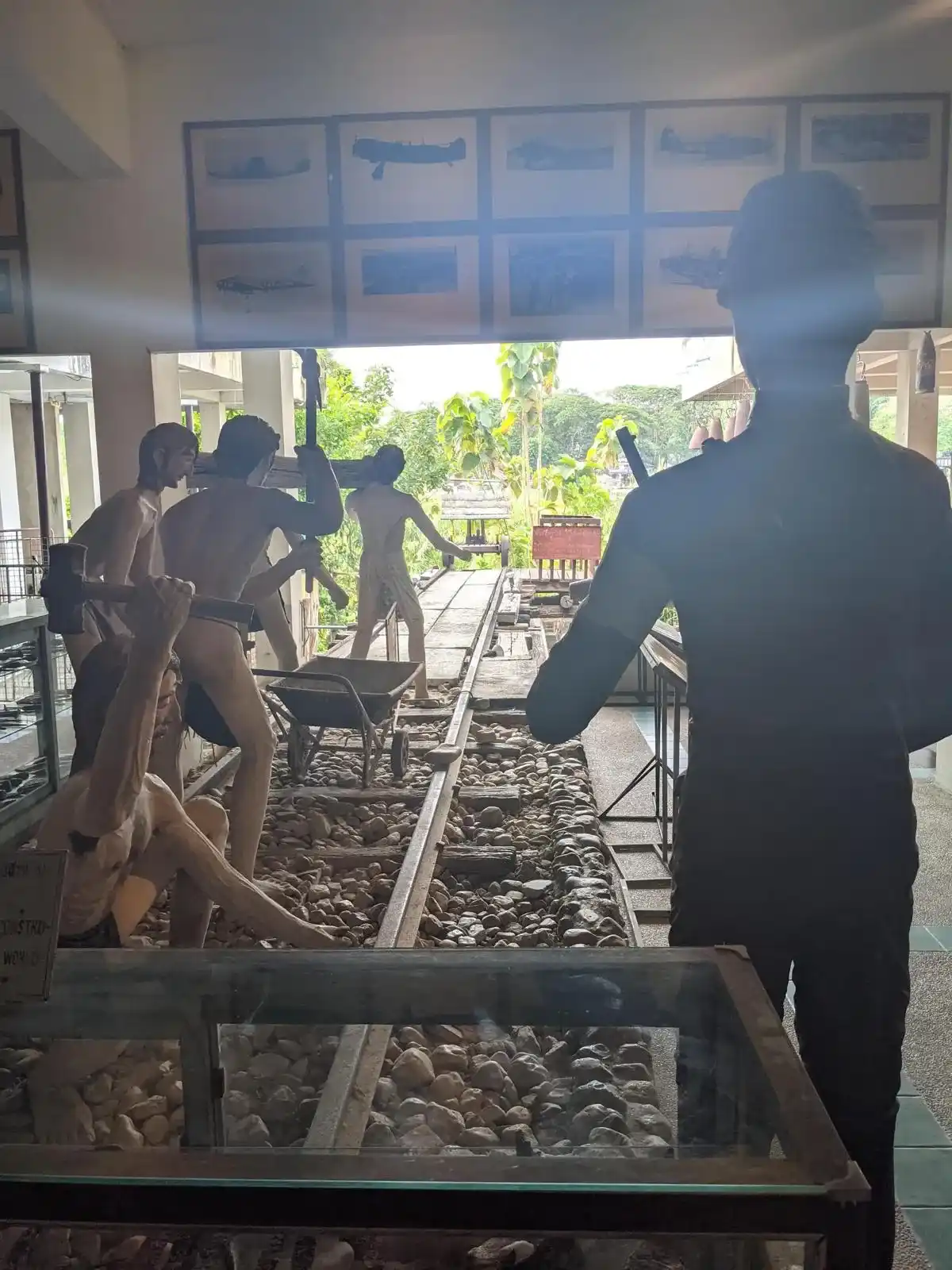
While Thailand was neutral in WW2, the Japanese were allowed to occupy western city of Kachanburi (similarly to how the USA was in Udon Thani). It is a must-visit area of WW2 sites, including the (1) bridge over river Kwai, (2) “Hellfire pass” section of the “Death railway”, and (3) a war museum. You can even(4) take a ride on the train that passes on the death railway.
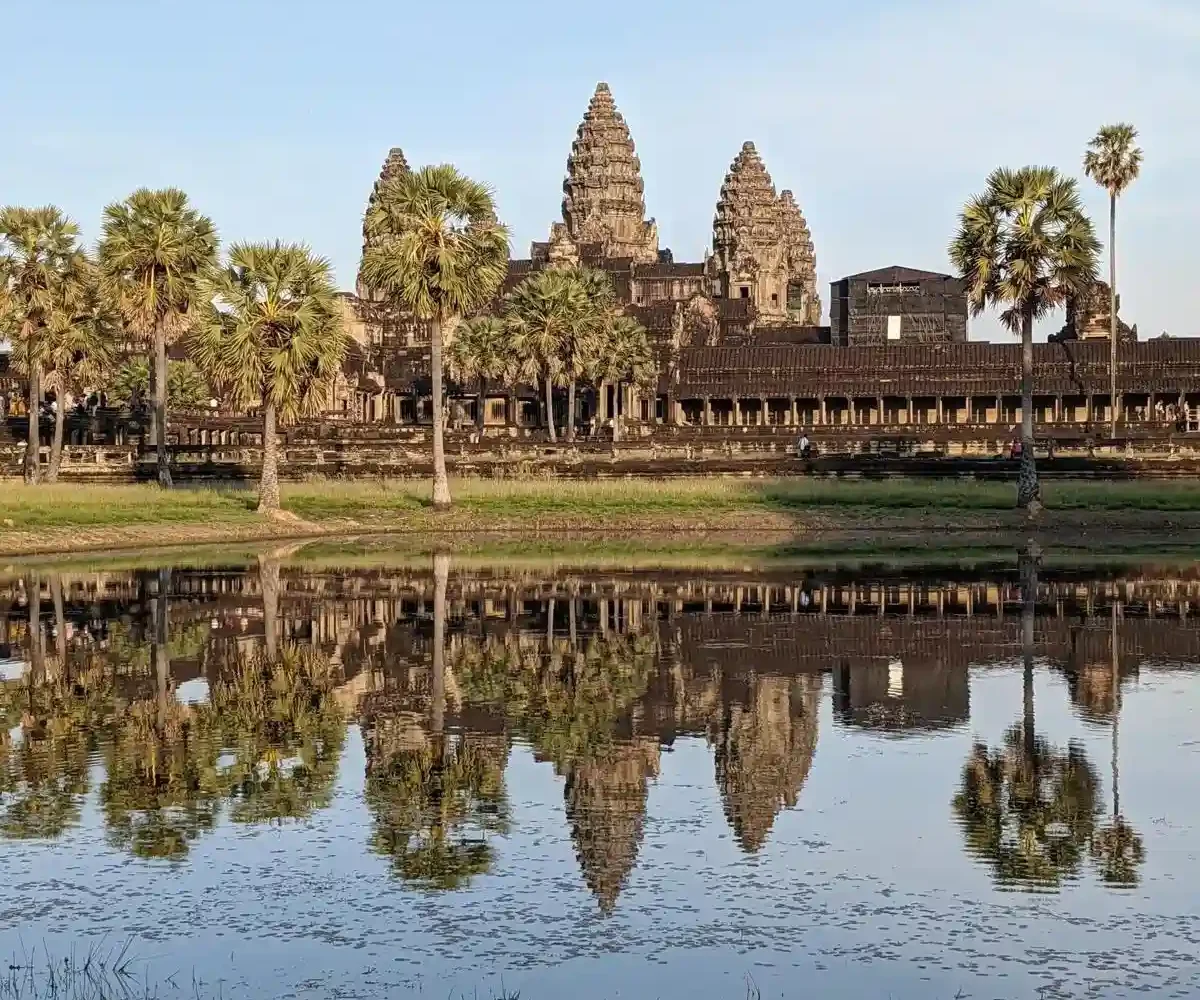
Angkor Wat Park (UNESCO World Heritage Site)
Fun Fact
“Wat” means temple, and that’s exactly what Angkor Wat is – a temple.
Angkor Wat is one of many temples inside Angkor Archaeological Park. There’s so much to the Park, though Angkor Wat is the crown jewel.
Notice on the Cambodian flag 🇰🇭, Angkor Wat is the symbol of Cambodia, connecting the people through the shared heritage of the Khmer Empire.
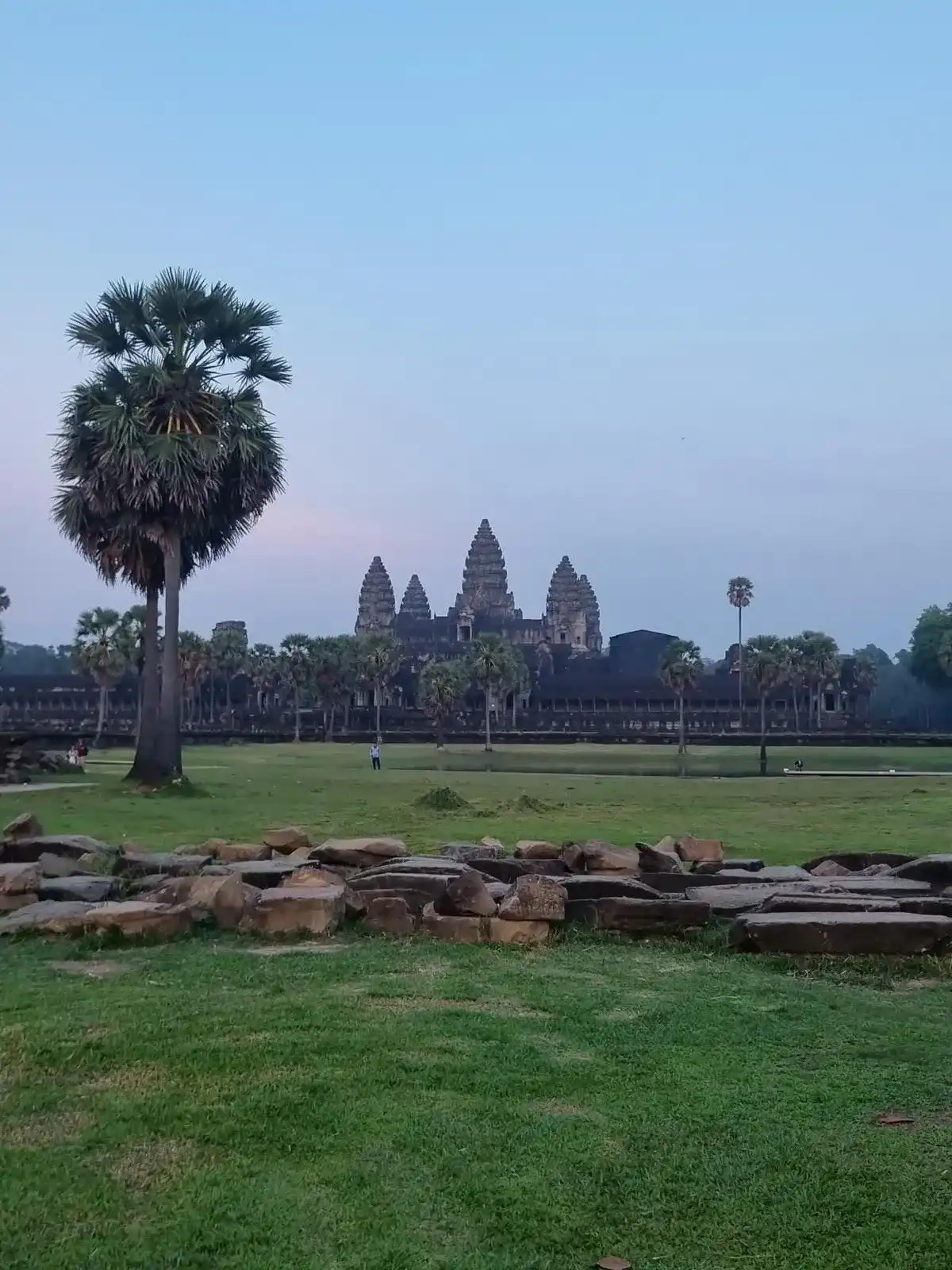
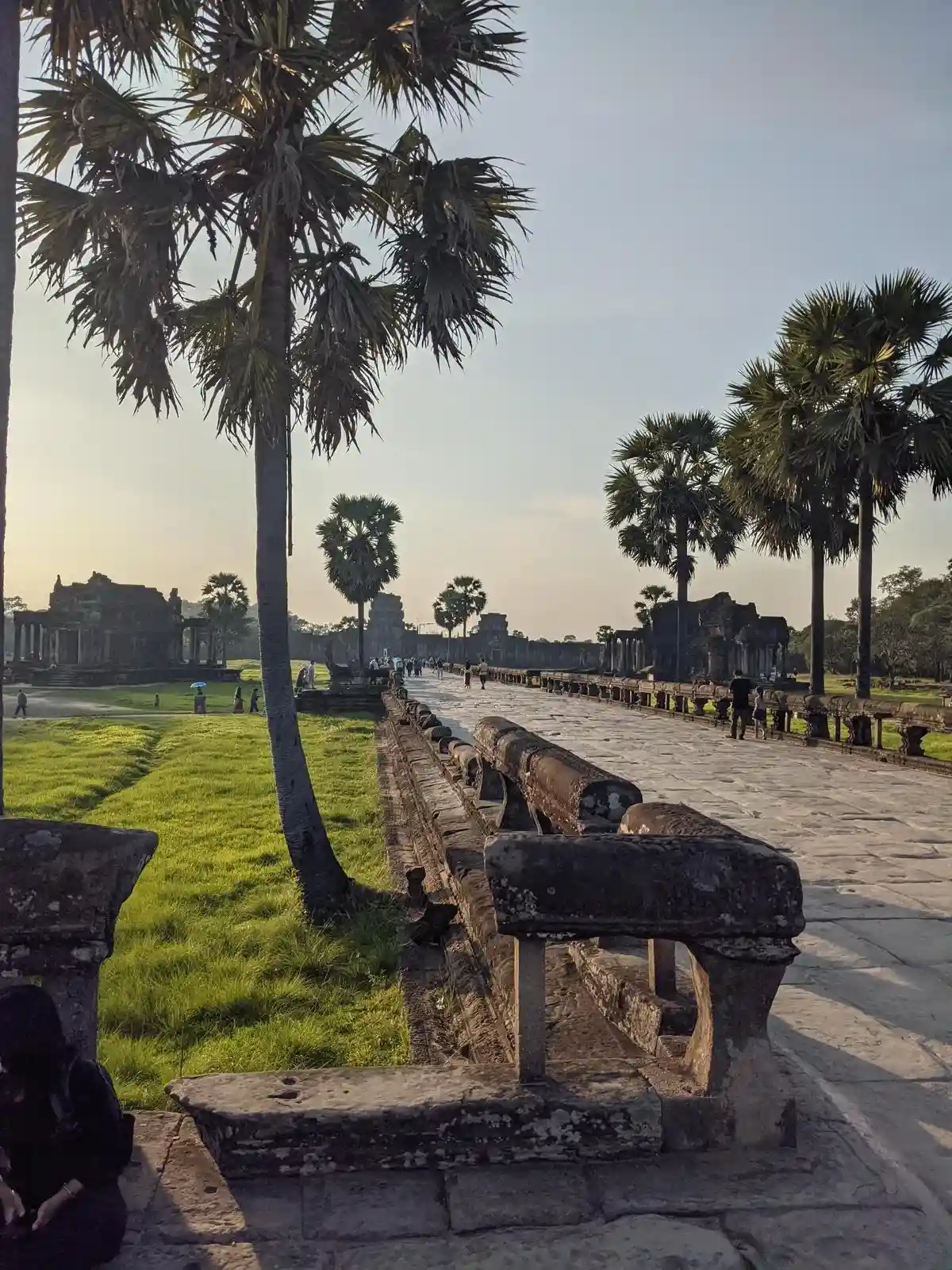
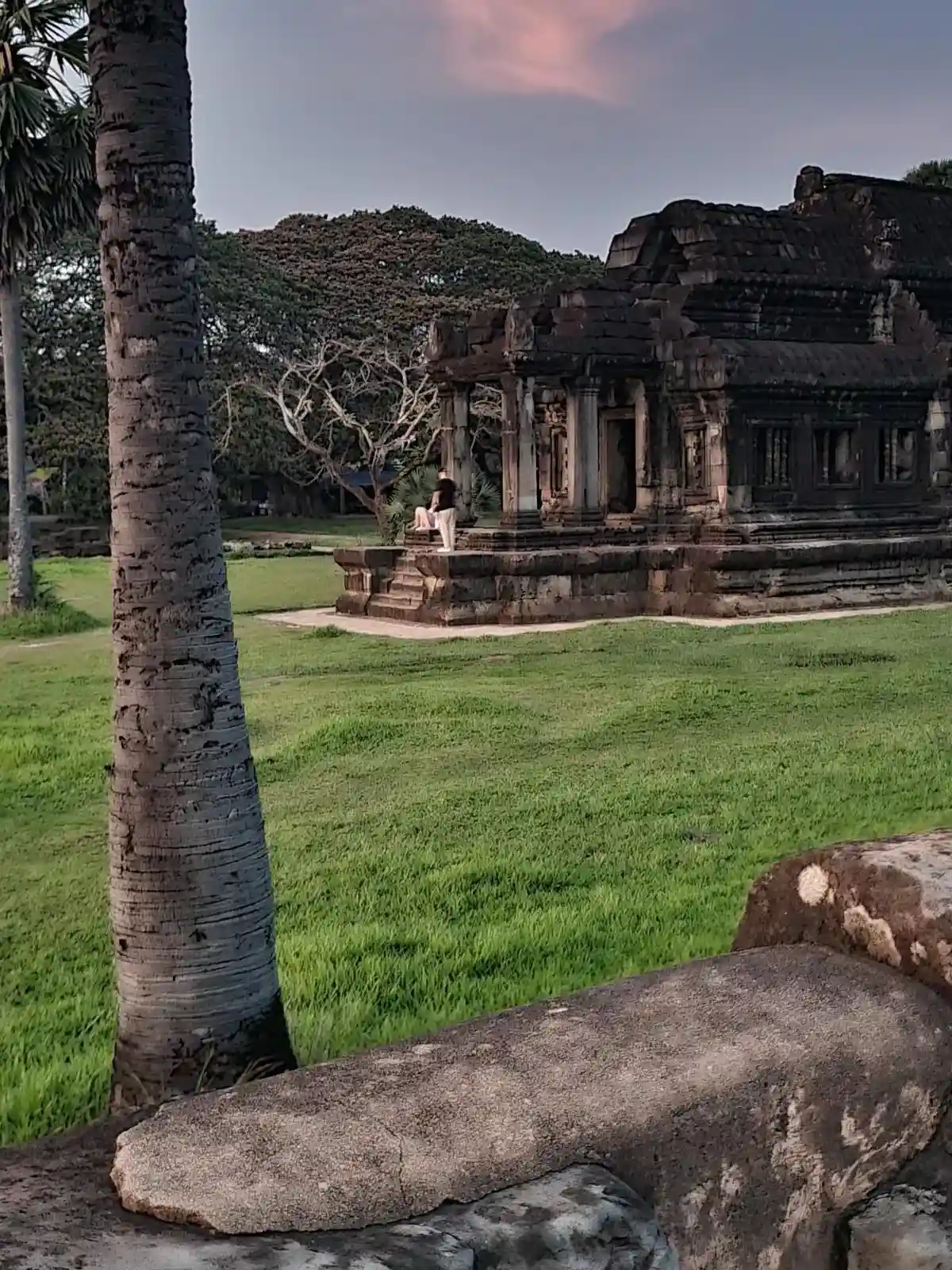
Noticed we said “empire“. That’s because it doesn’t stop with Angkor Wat! The whole area is a park with many ancient temples and buildings, not just Angor Wat.
Bayon Temple, and others, are amount the most unique structures in the world.
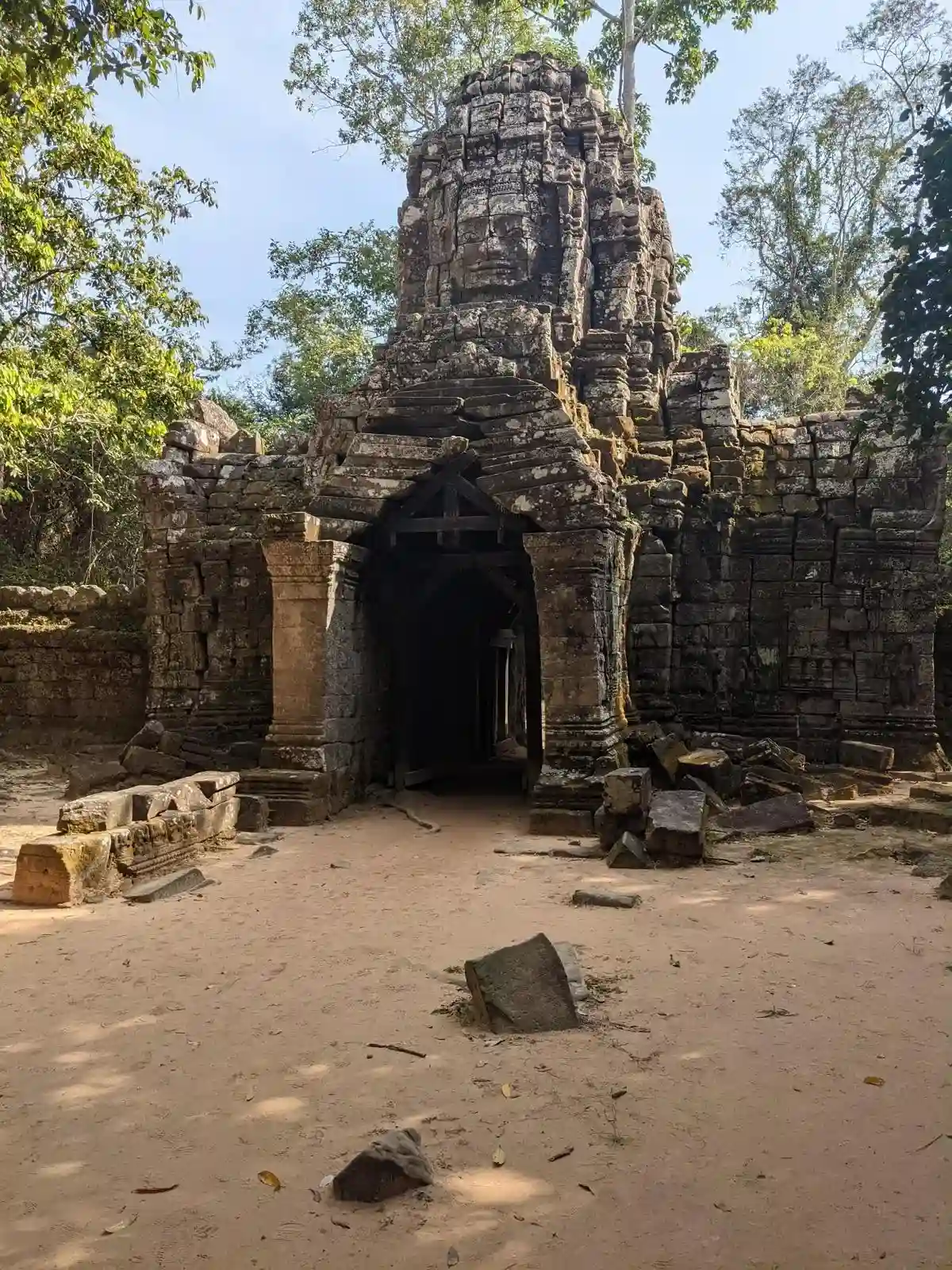
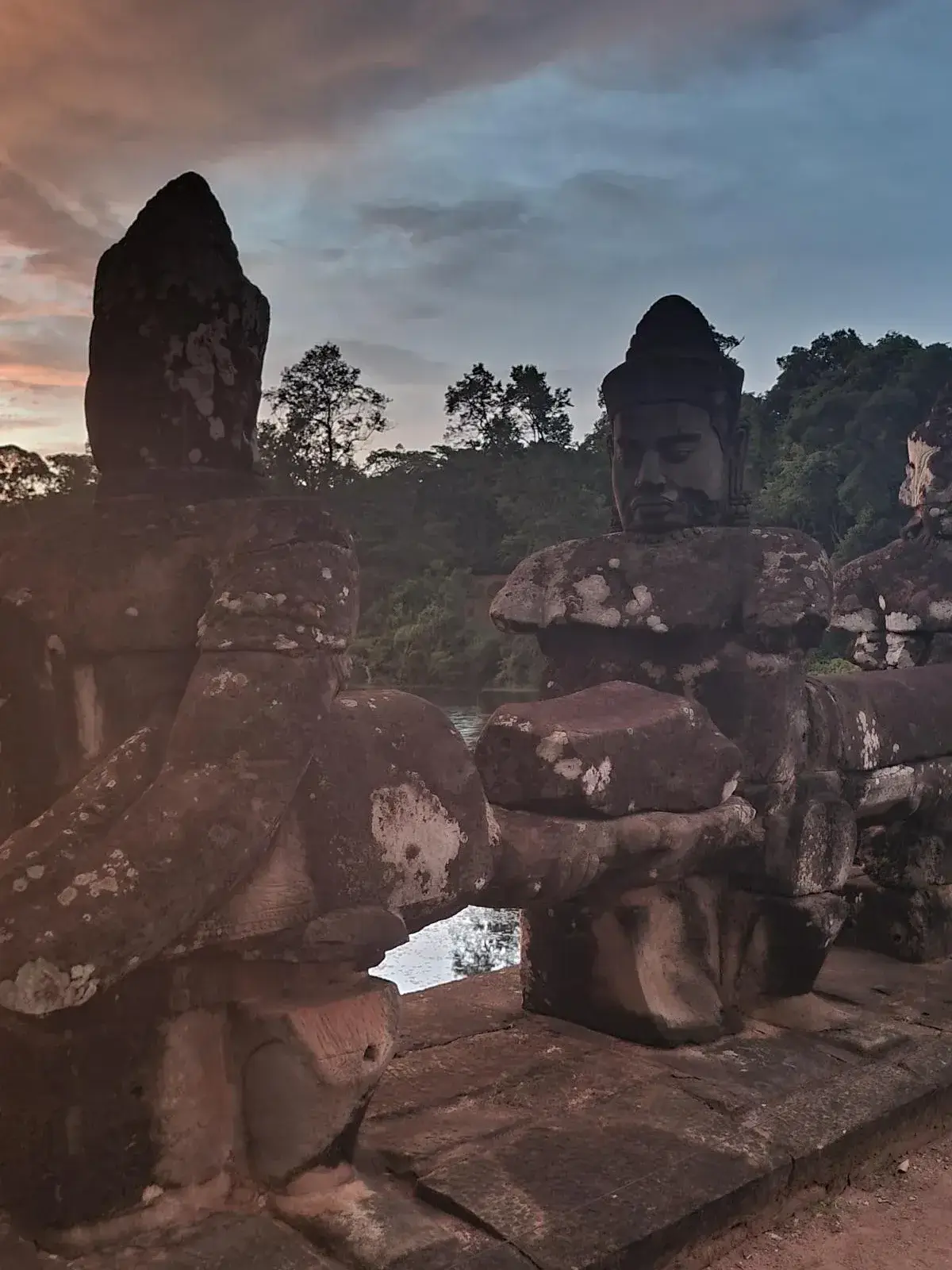
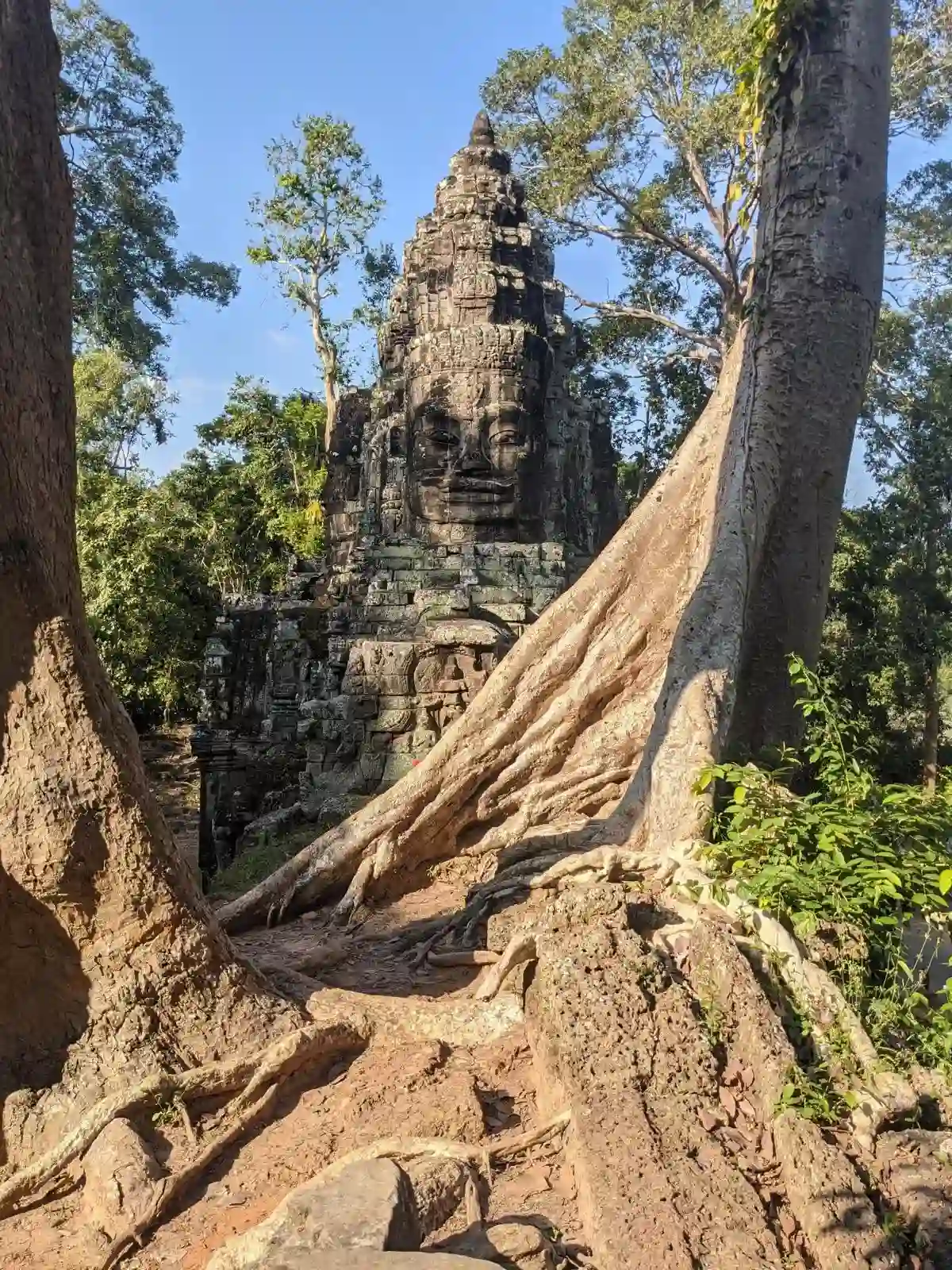
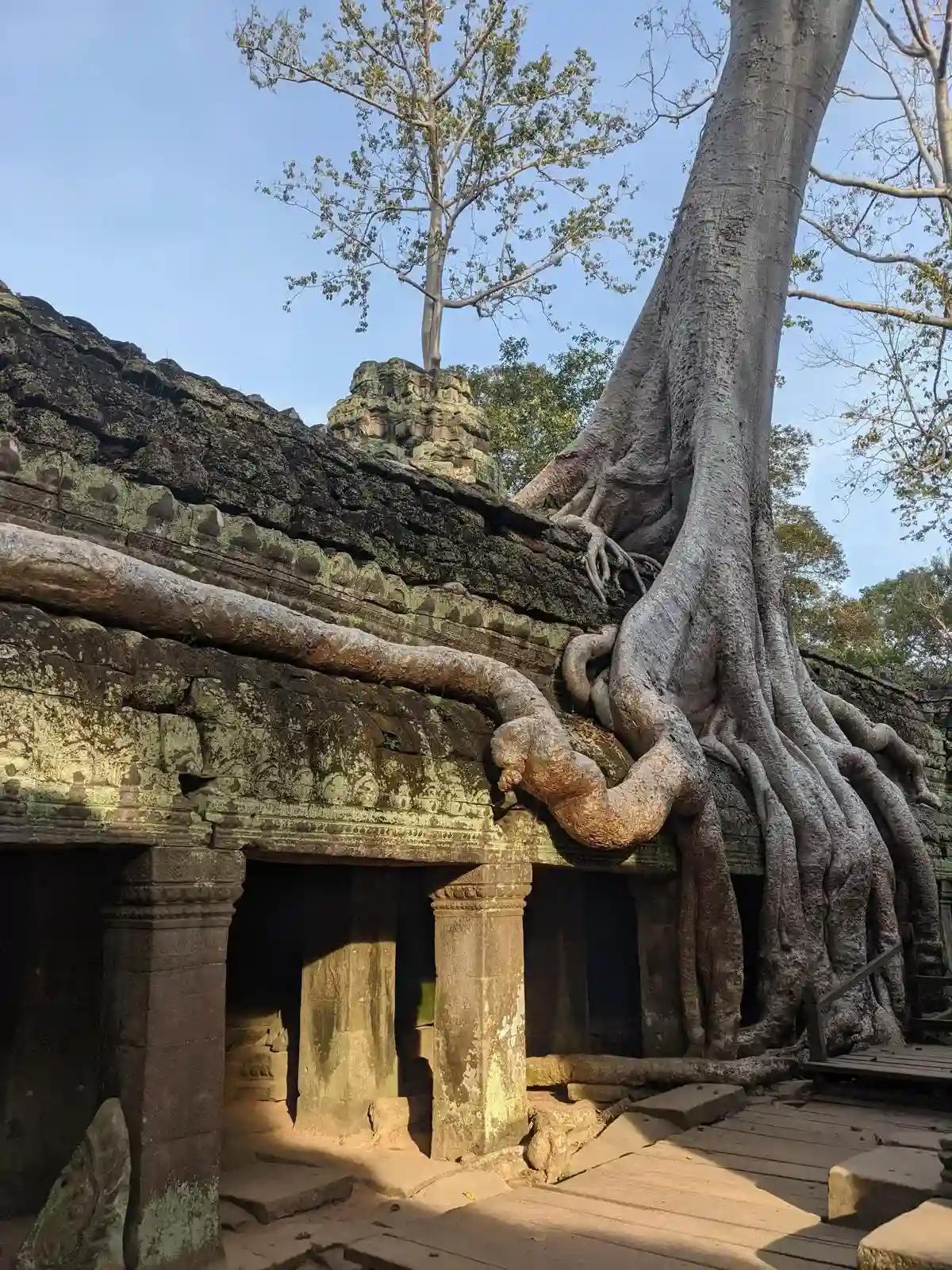
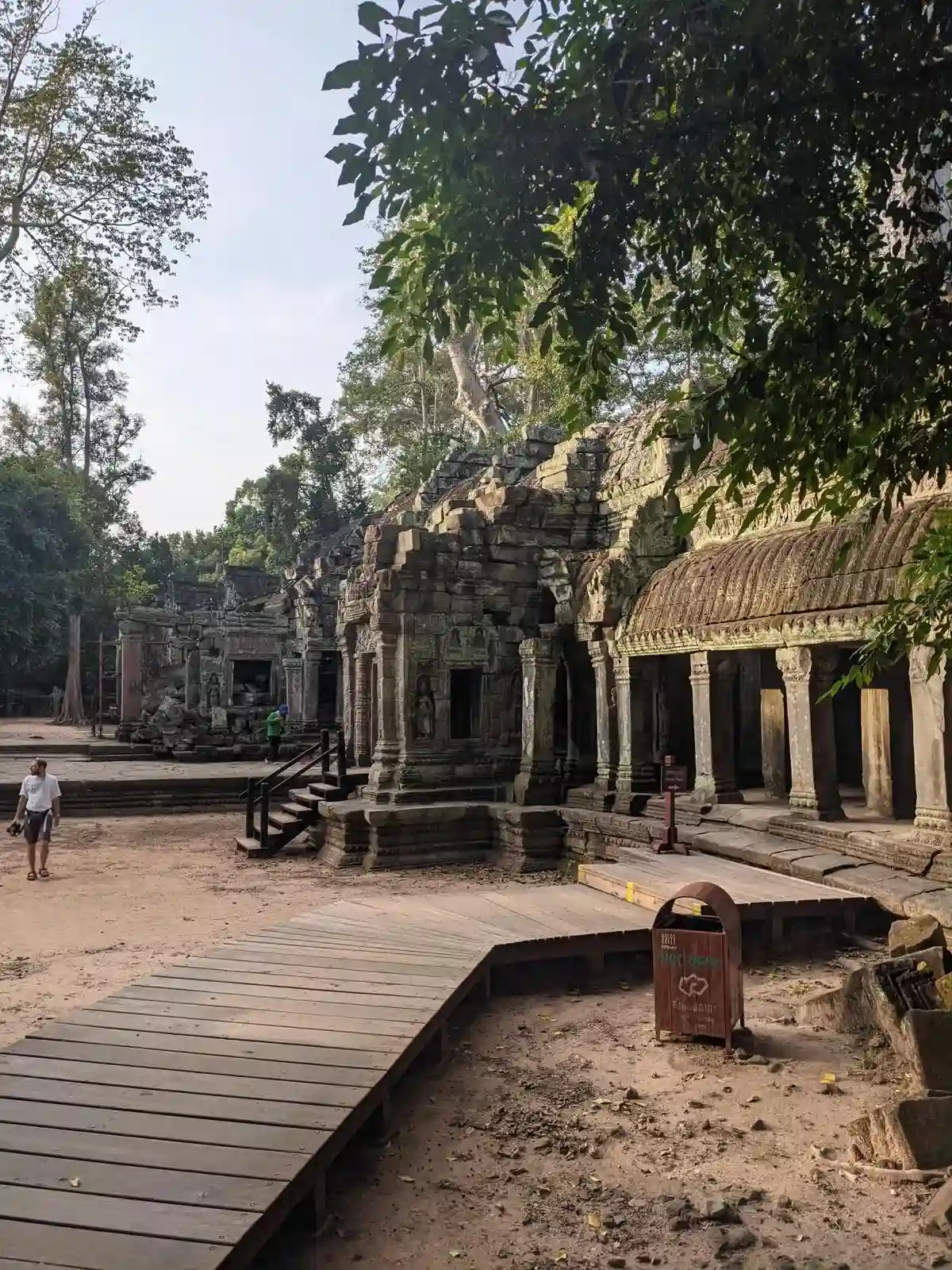
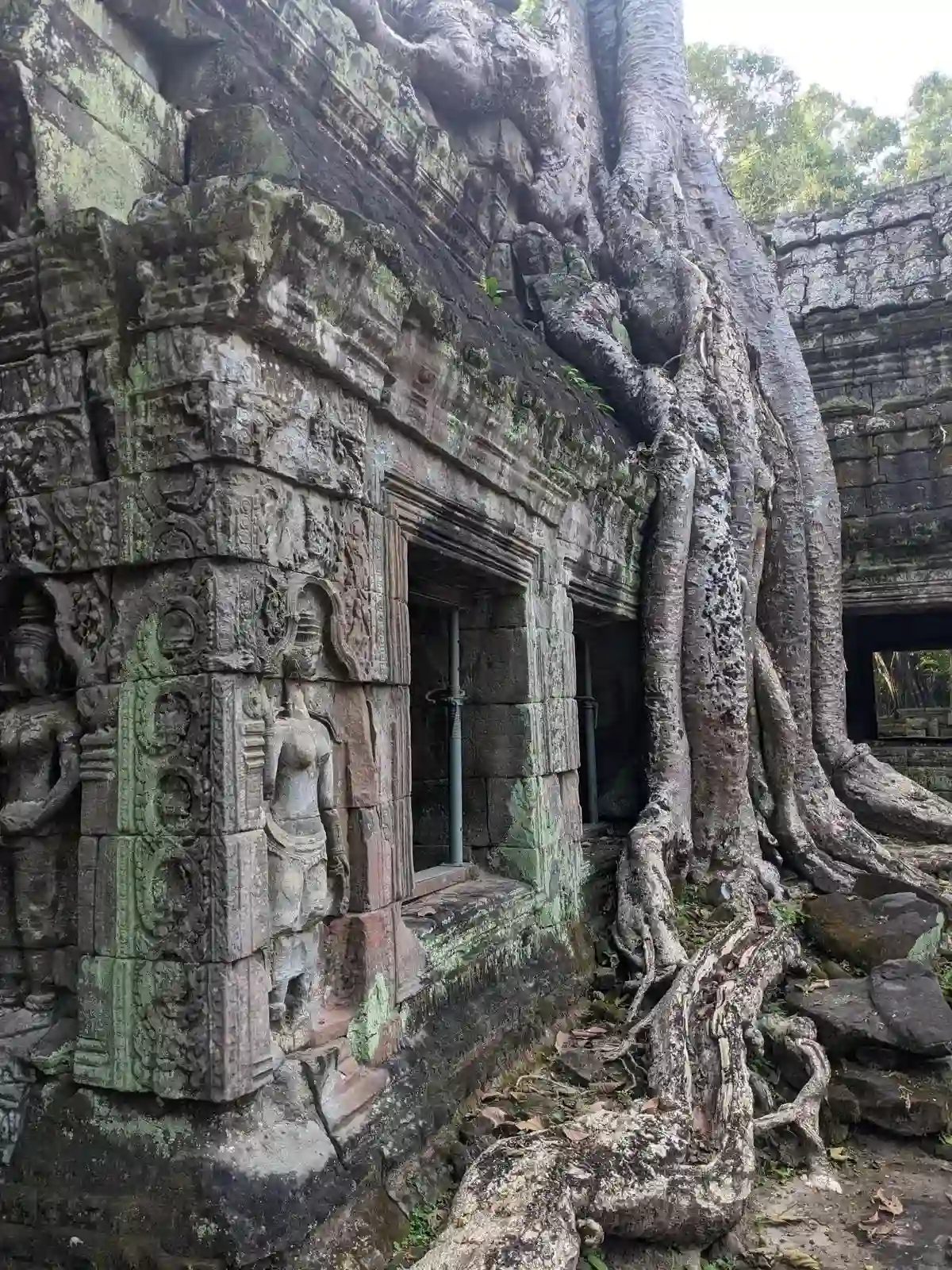
Angkor Wat park was the epicenter of the Khmer Empire, but it’s empire stretched far and wide, building temples all throughout the lands. Over the centuries, as you can imagine, the dividing lines between countries has been drawn and re-drawn numerous times. So, evidence of the empire is not limited to Cambodia. Modern day Thailand and Southern Laos contain remnants of Khmer temples within the country’s boundaries. As time goes on, archeological efforts progress in reconstructing buildings with their fallen stones.
Sukhothai Historical Park (UNESCO World Heritage Site)
Sukhothai is in Thailand, and the Sukhothai Empire the “first Thai kingdom” and considered Thailand’s “first capital” until being moved to Ayutthaya and later Bangkok. Don’t confuse it with Angkor Wat Park (Khmer Empire).
Ayutthaya (UNESCO World Heritage Site)
Ayutthaya is the newest of sites to visit ancient ruins (well, not so ancient compared to others). It is the closest to Bangkok, and easiest to access from the city center of Ayutthaya and it’s train station. As mentioned, this was Thailand’s second capital before it’s final change to modern day Bangkok.
Unique Local Sites
Unique Local Sites go hand-in-hand with Sights, Sunsets, View Points. These get us dreaming of adventures, and shape memories of fond experiences. Going to Southeast Asia is about doing what you cannot do in your home country, so get out there and see the sites.
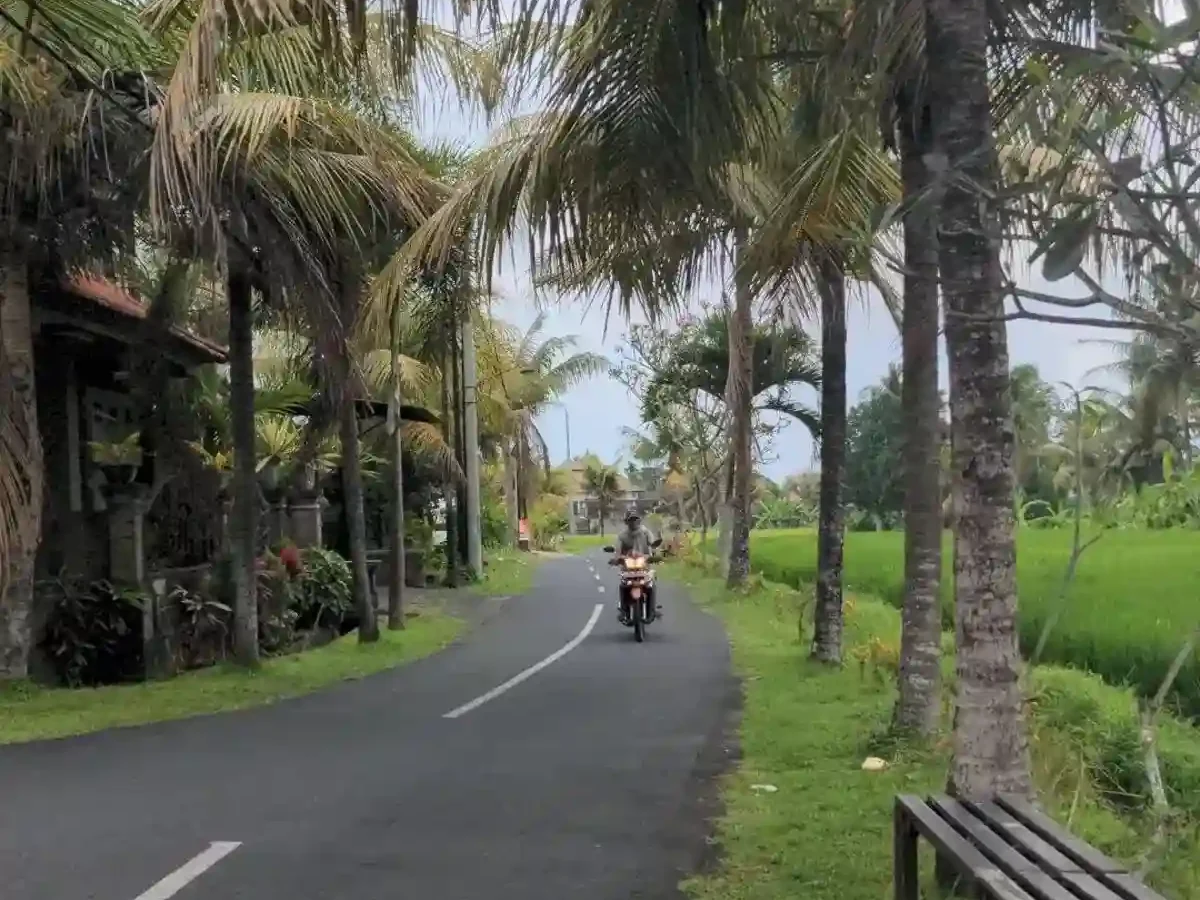
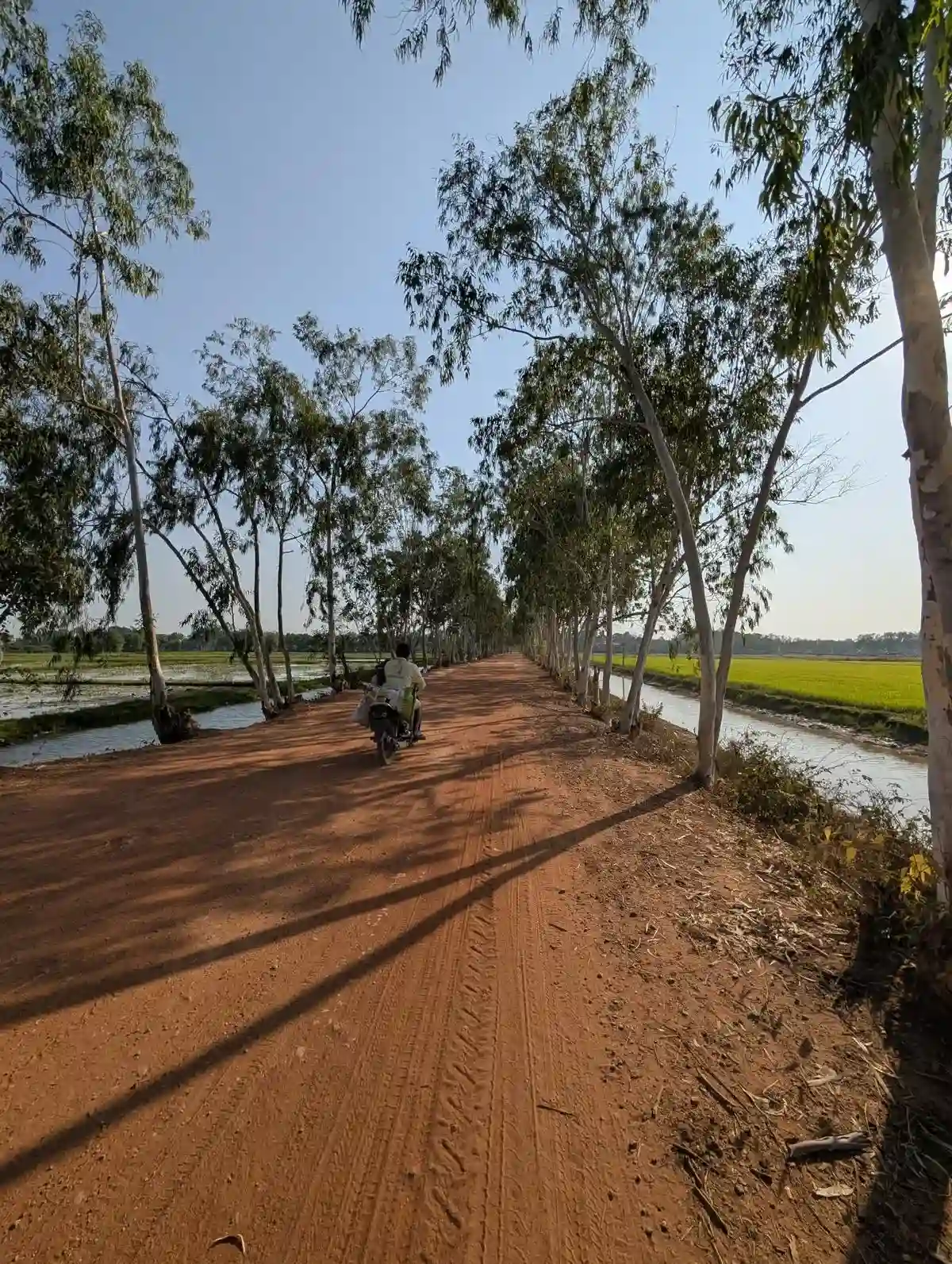
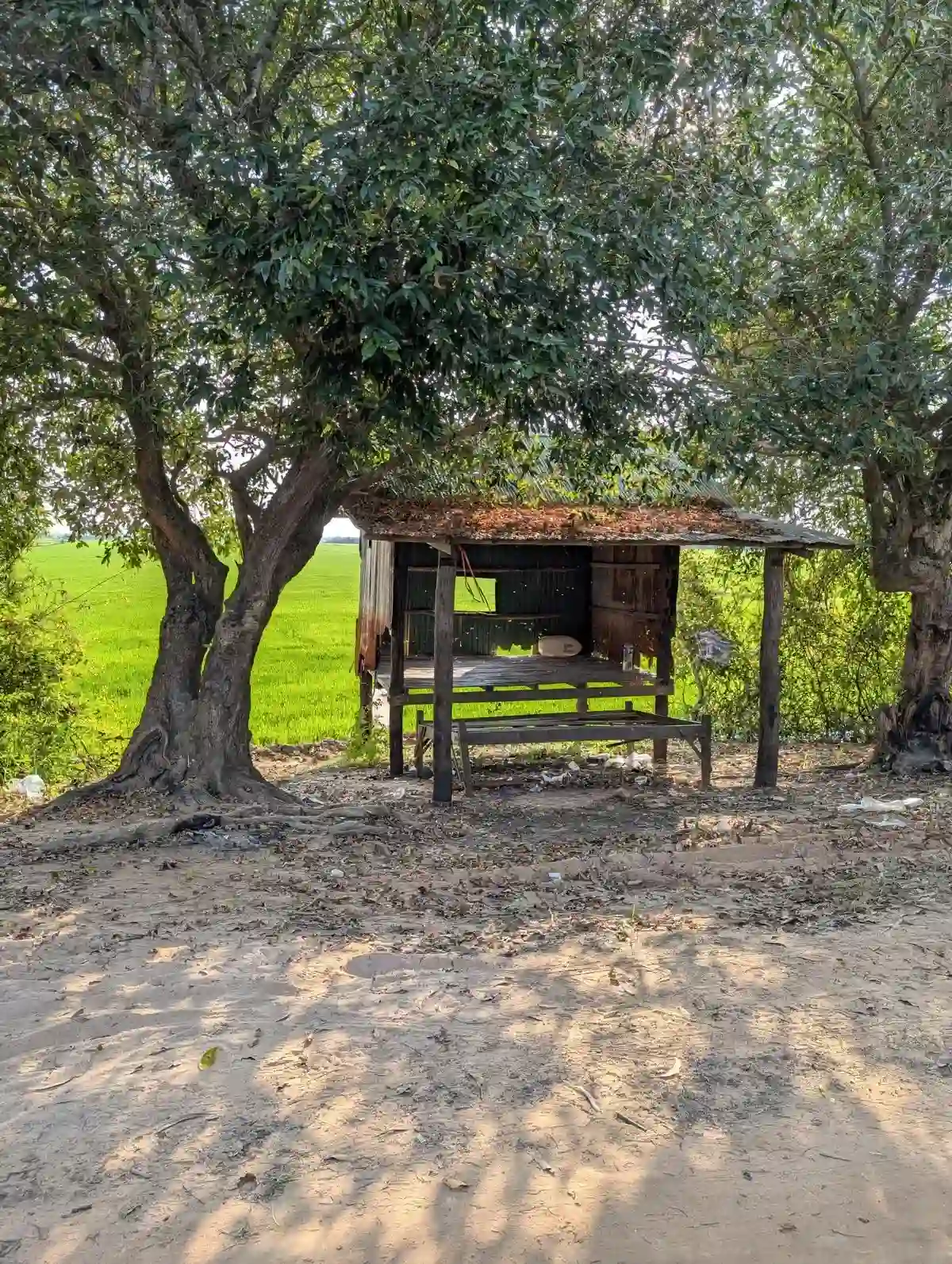
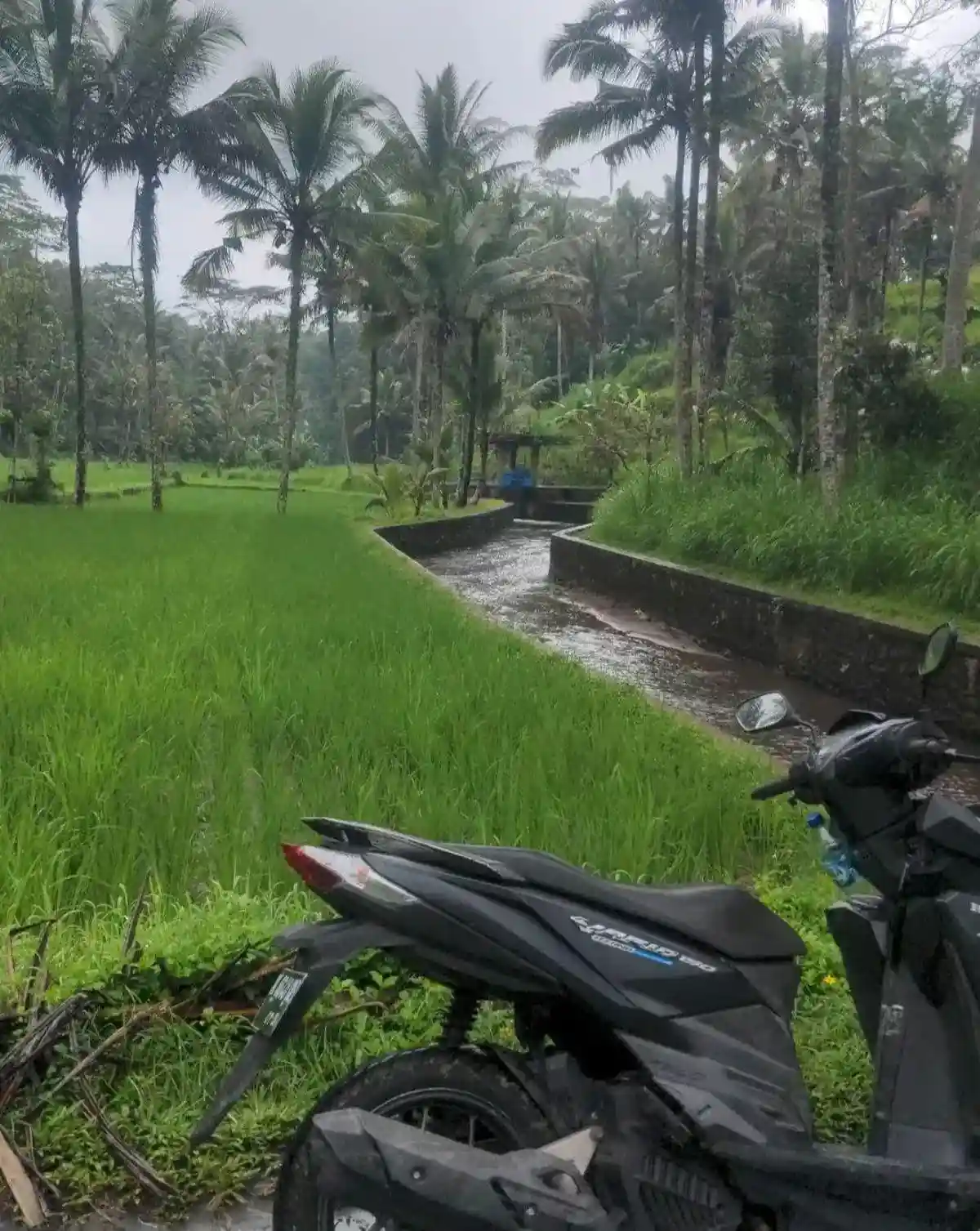
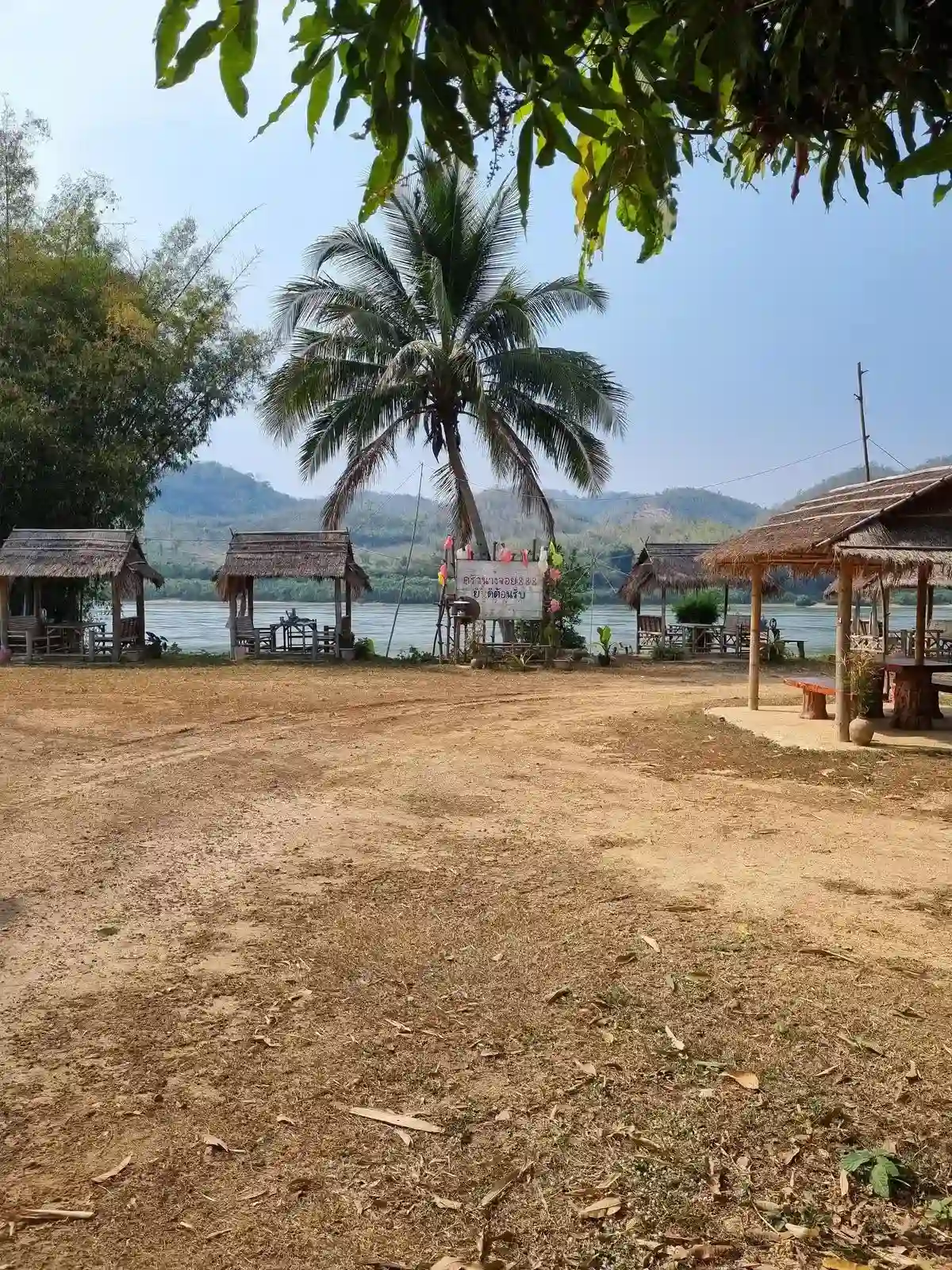
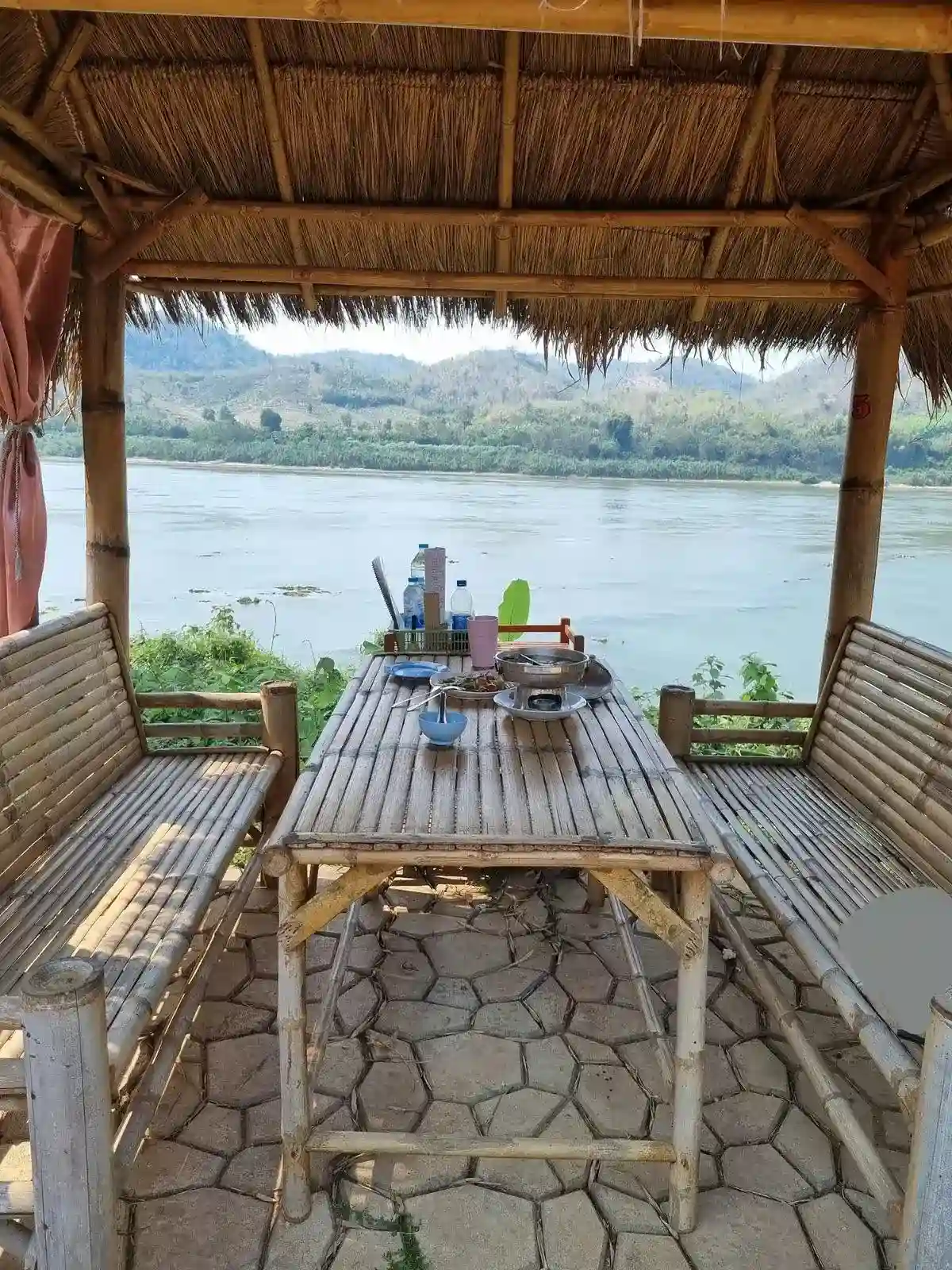
The Countryside And Rice Fields
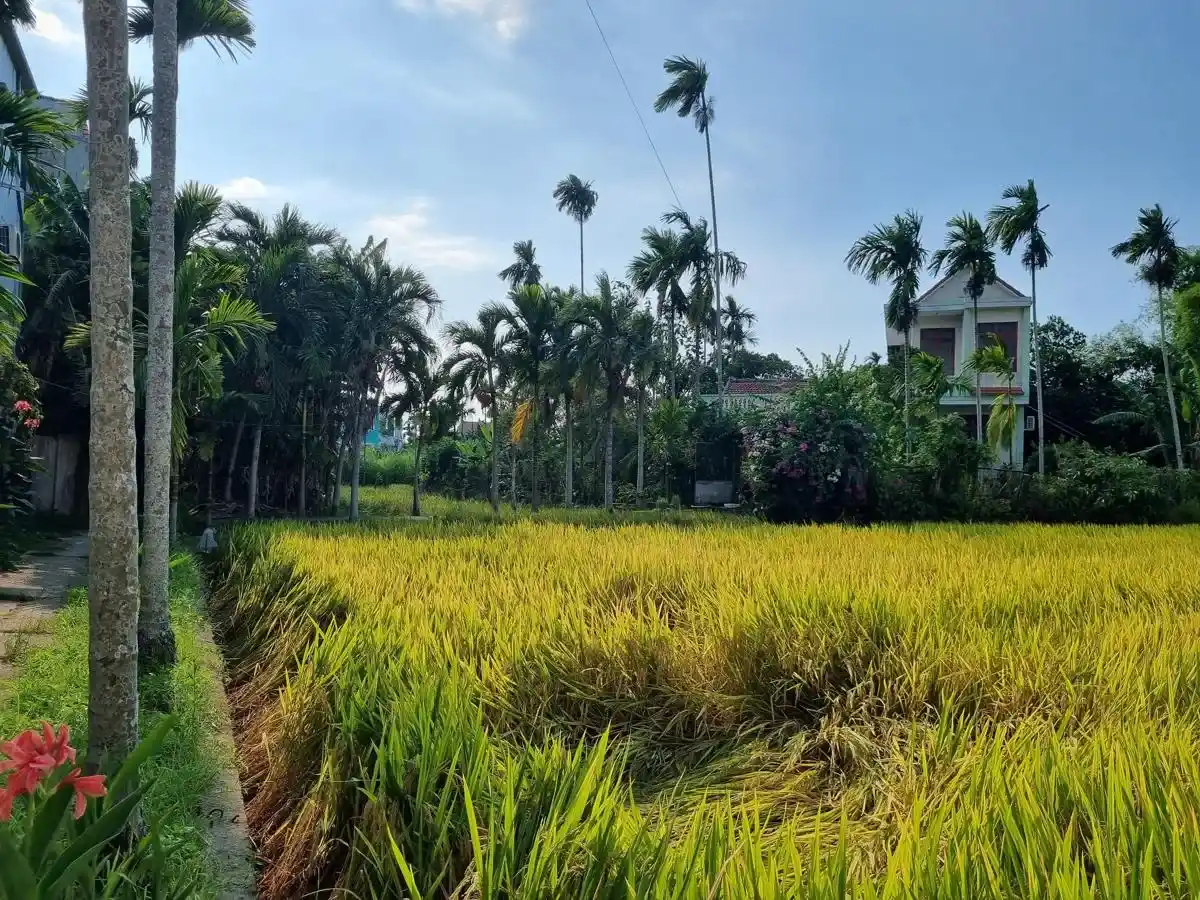
Riding straight out to the country-side is a SE Asian motorbike adventurer’s favorite. So much to explore far way from the city.
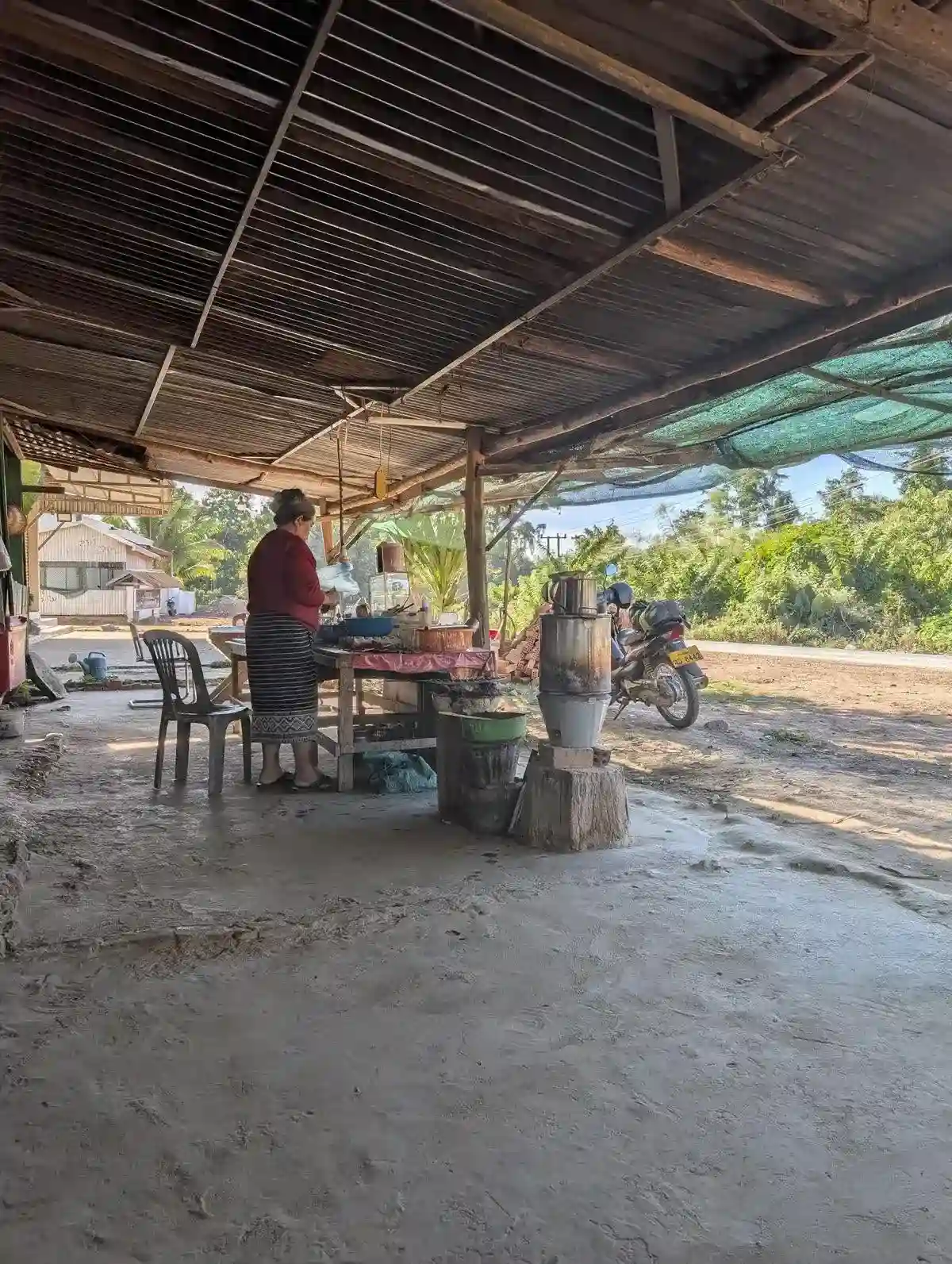
Life out here is different, slower, and less accustomed to foreigners. Dare we say it is the ‘real’ Vietnam/Thailand/Cambodia/etc?
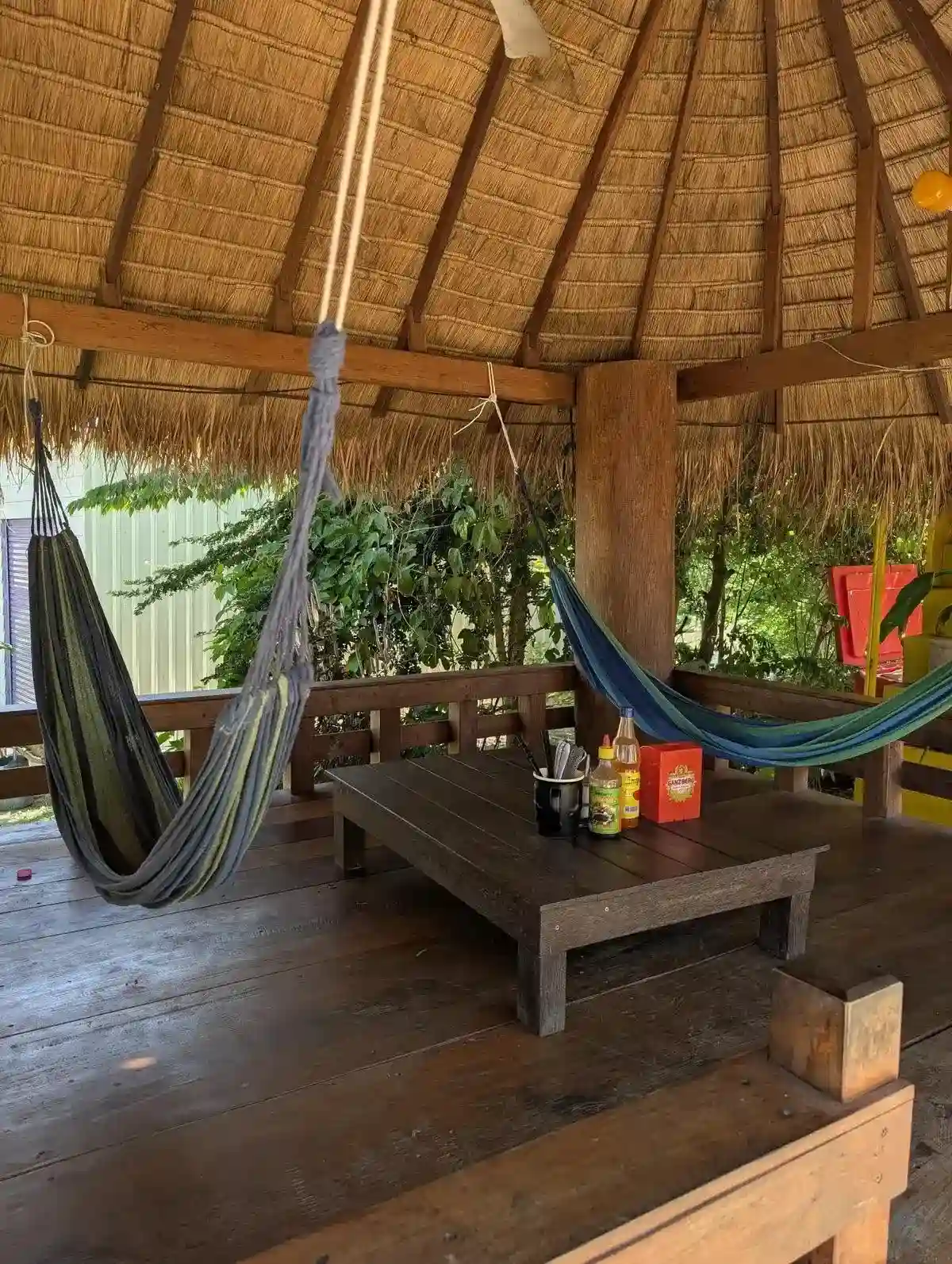
These are the small towns that tourists usually pass right through or go around. Go slow through them, stop, wonder around, and have a coffee and bit to eat.
Villages
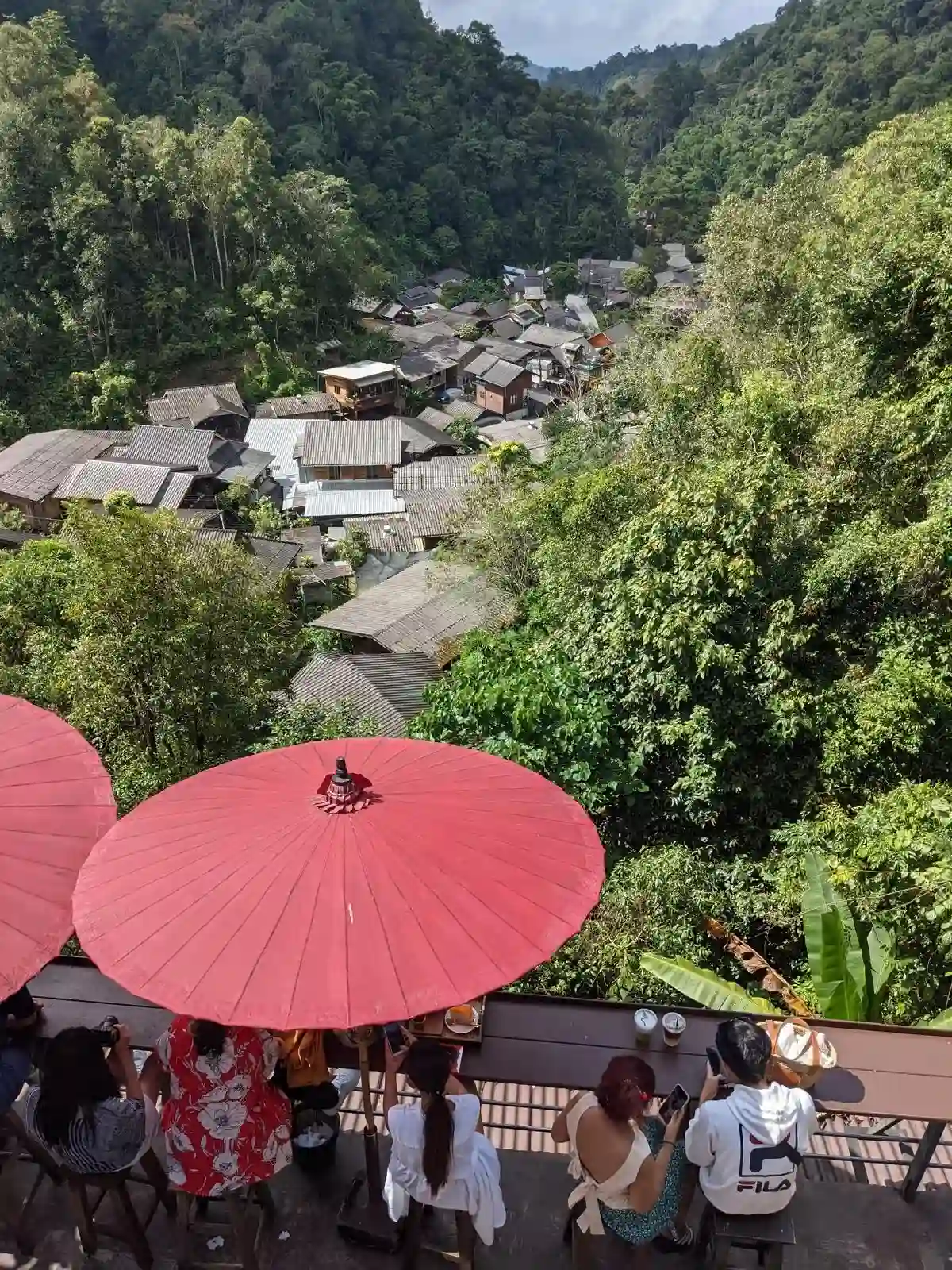
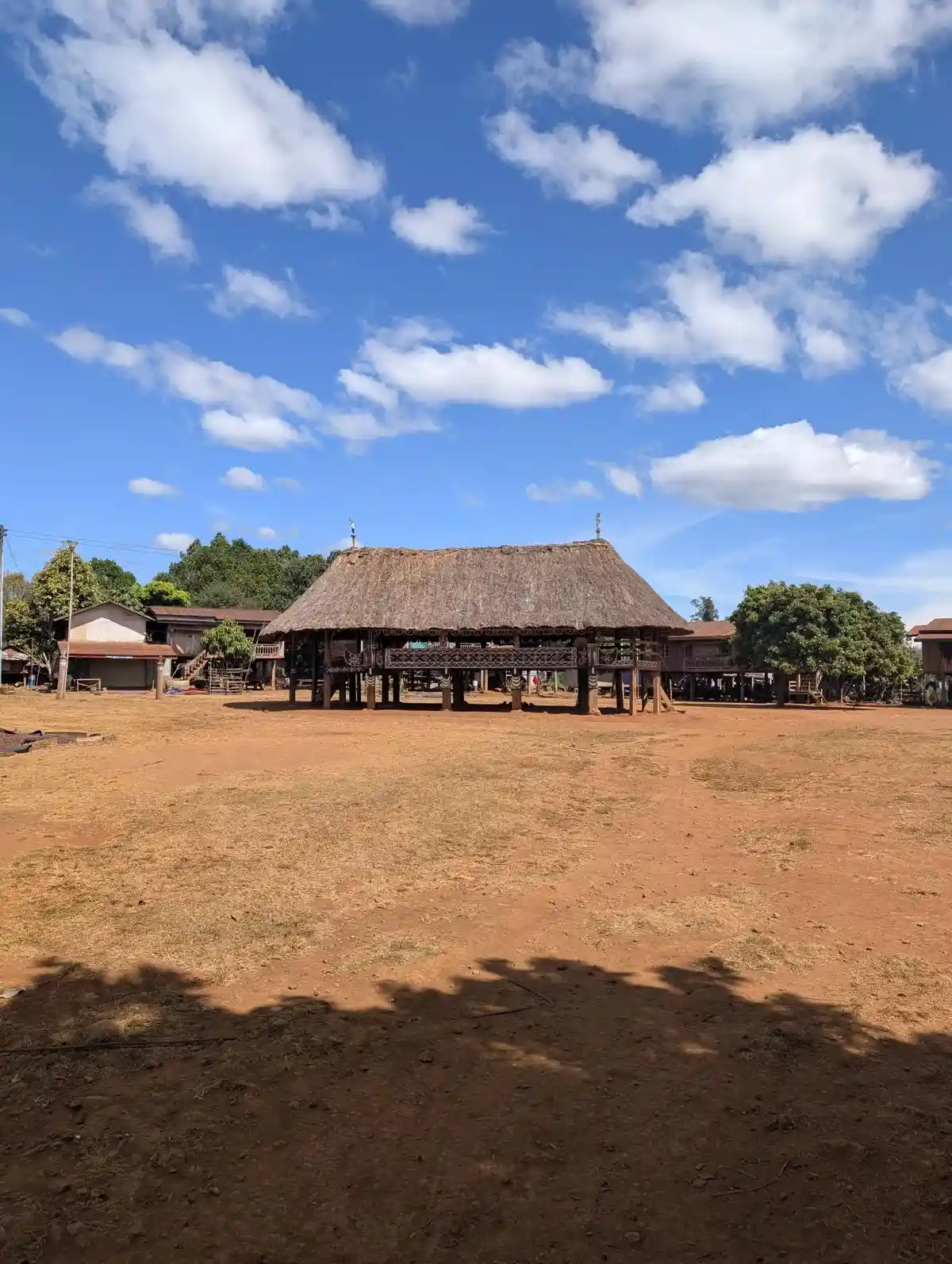
Venturing out in the countryside, you may stumble on some exotic villages in remote areas. The most exotic are the indigenous tribes who live there.
Some areas have been slighty commercialized – a way for the tribes to earn money – such as Hmong Doi Pui Village outside of Chiange Mai.
Others are remote and authentic, while some within close distance to tourist towns are replicas.
Mangrove Forests
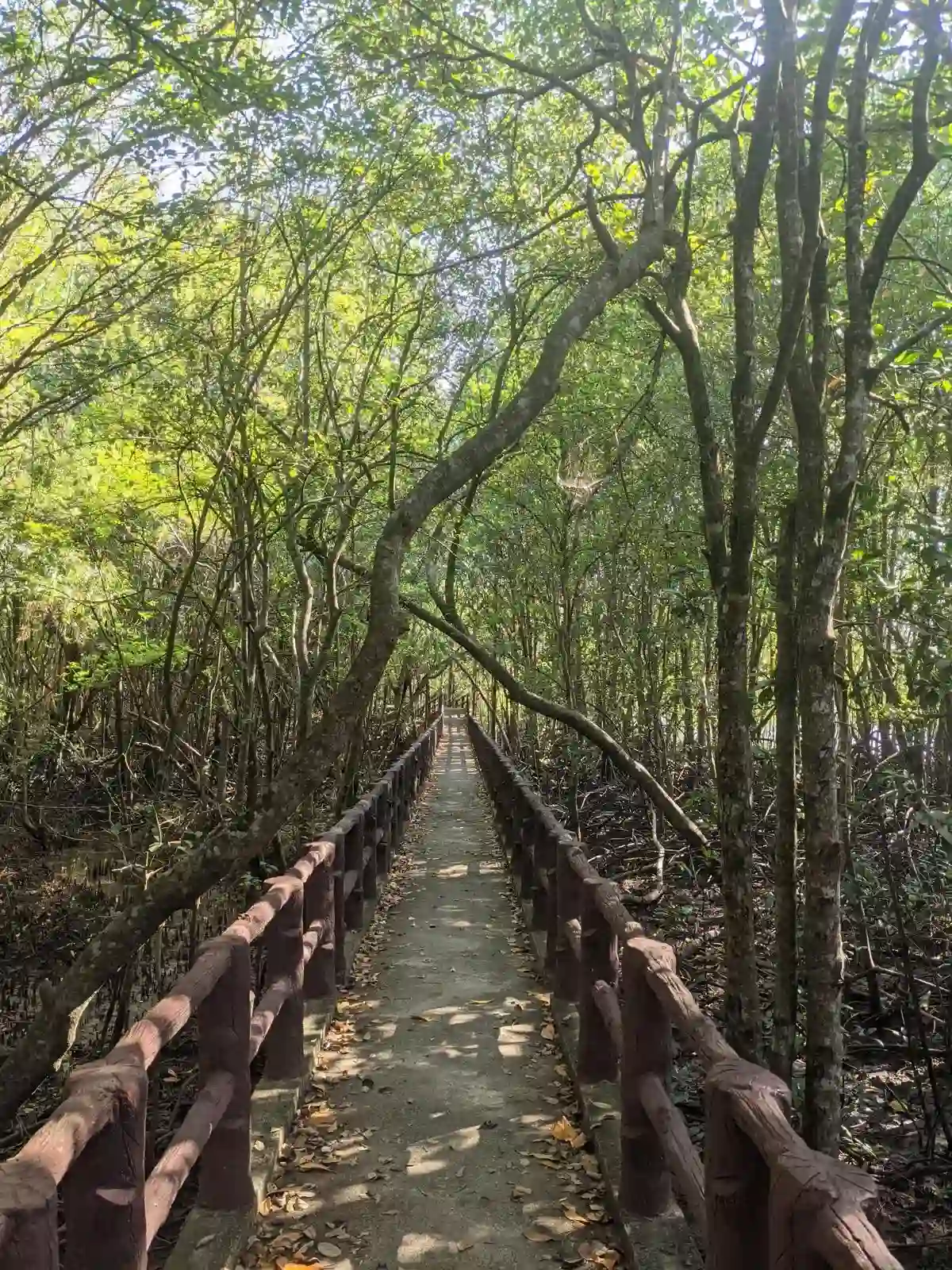
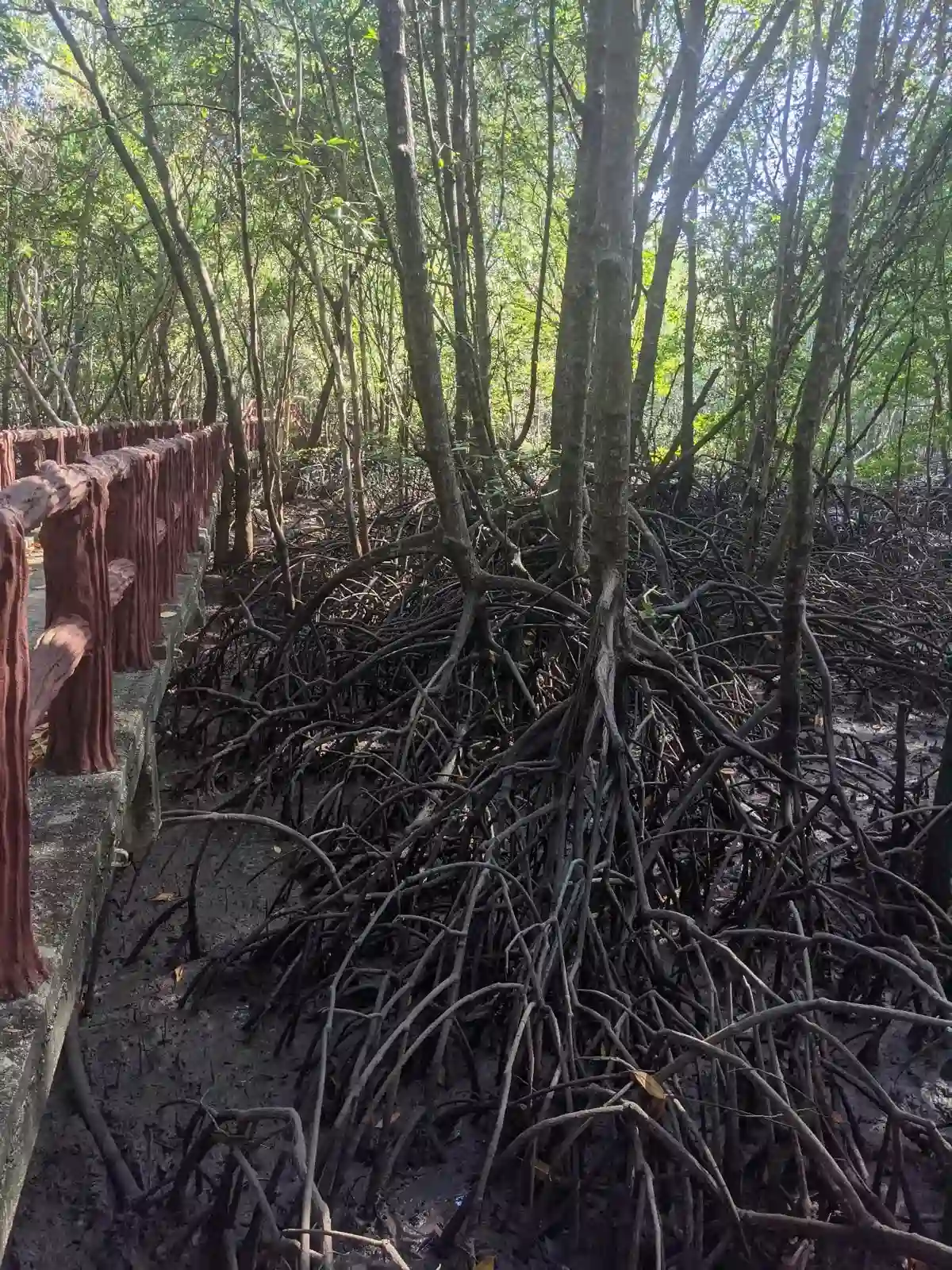
Walking through a mangrove forest is a beautiful sight. The mangrove trees are quite unique with their roots exposed high above the water line, located in wet swampy areas. Walkways through the forests are often constructed for us to enjoy their beauty.
Palm Tree Plantations
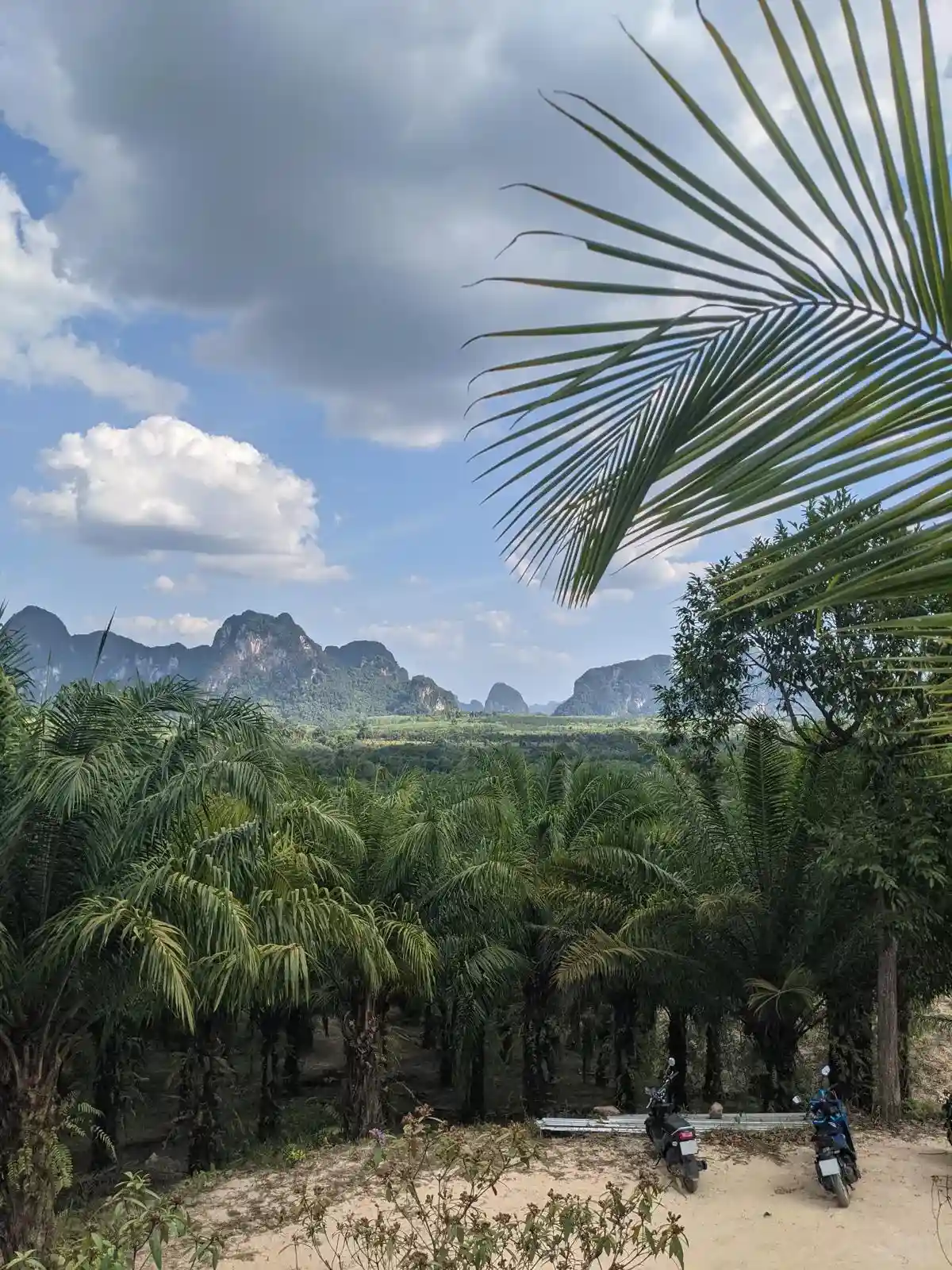
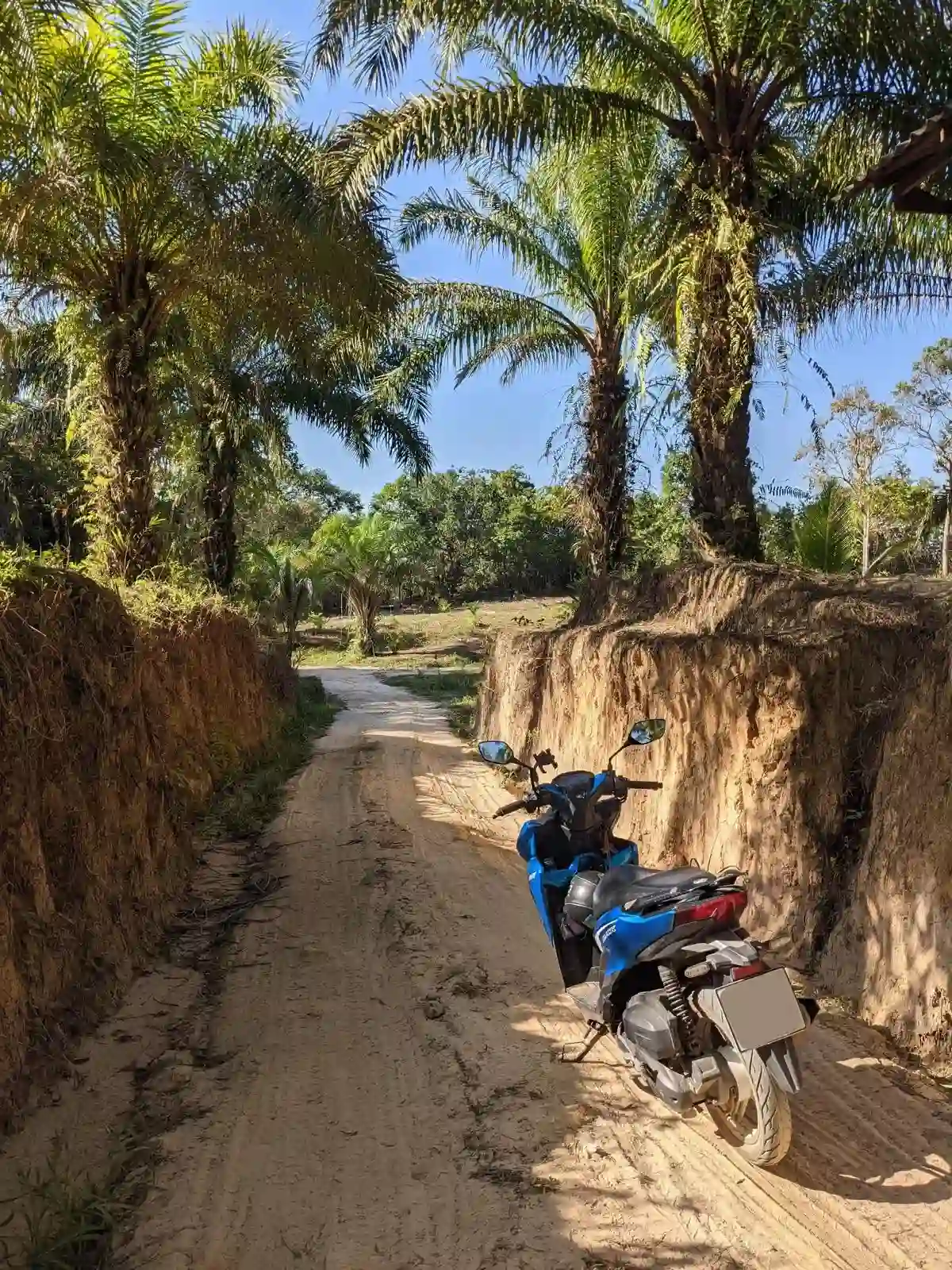
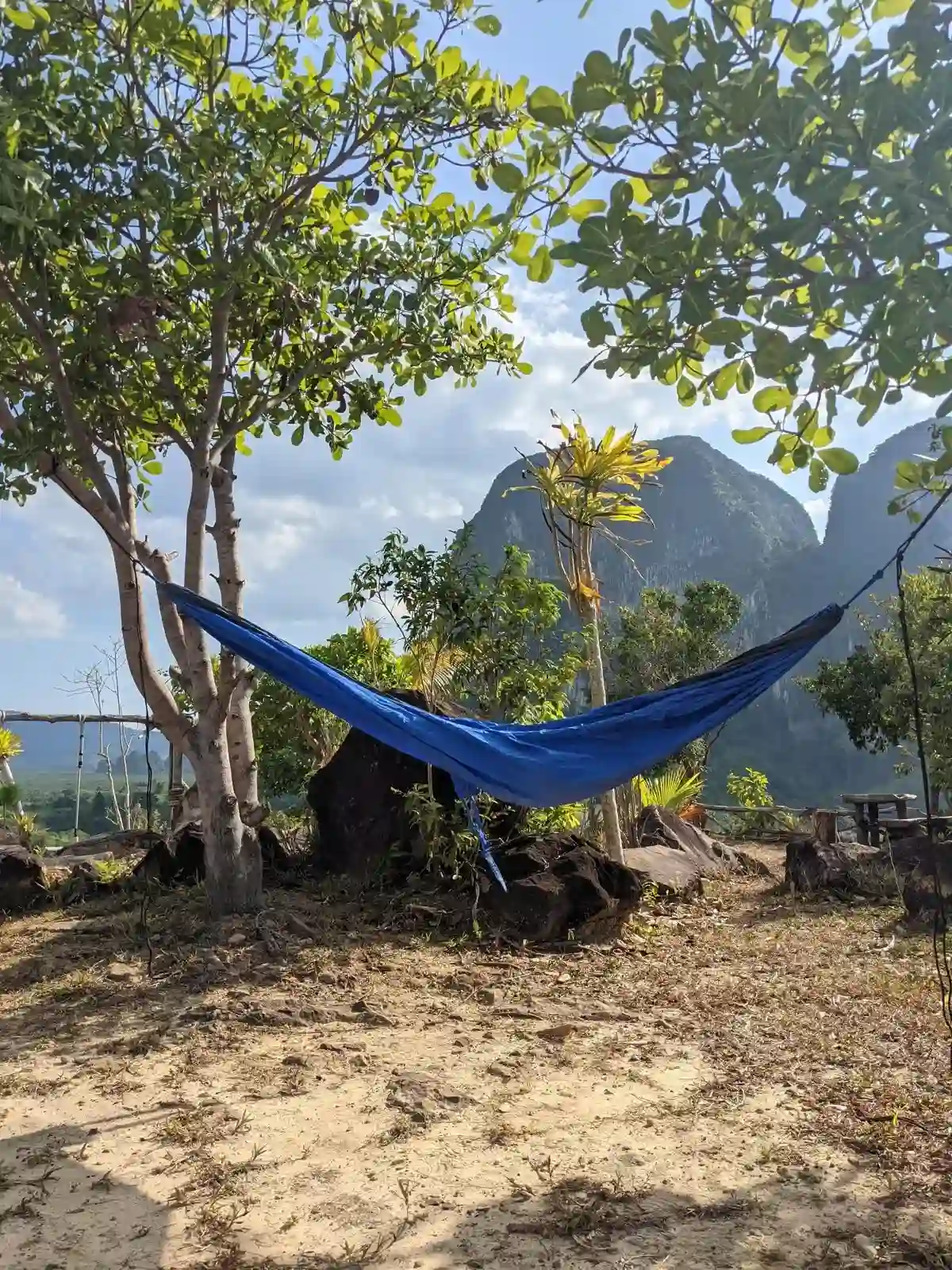
Palm oil (from palm tree) is a major cash crop in Southeast Asia, particularly in Malaysia and Southern Thailand. Riding a motorbike throughout the area is a refreshing sight.
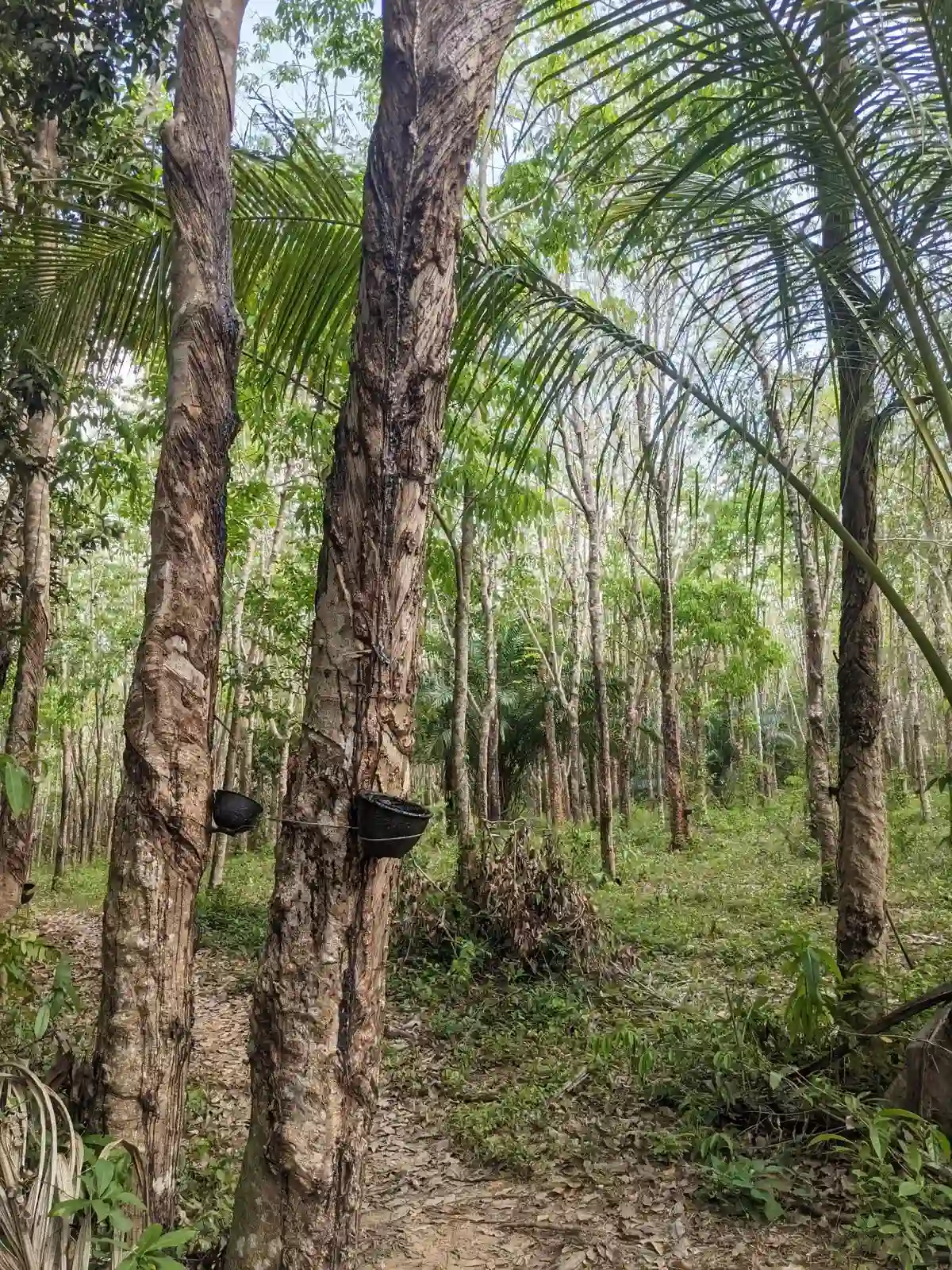
Rubber Tree Farms
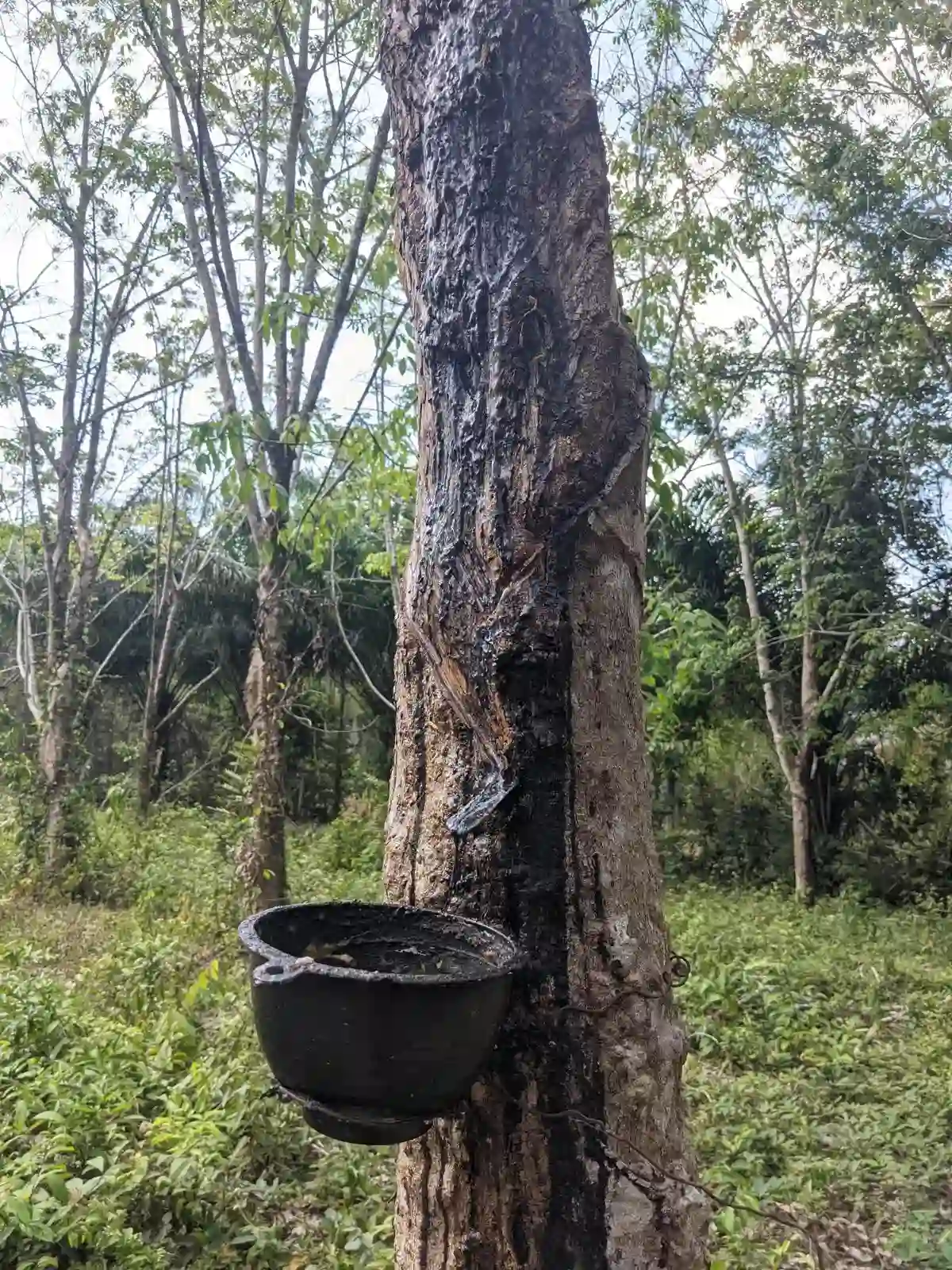
The rubber tree produces latex for the worldwide market. Like palm trees, we appreciate the lush greenery these trees add in mass to the local region.
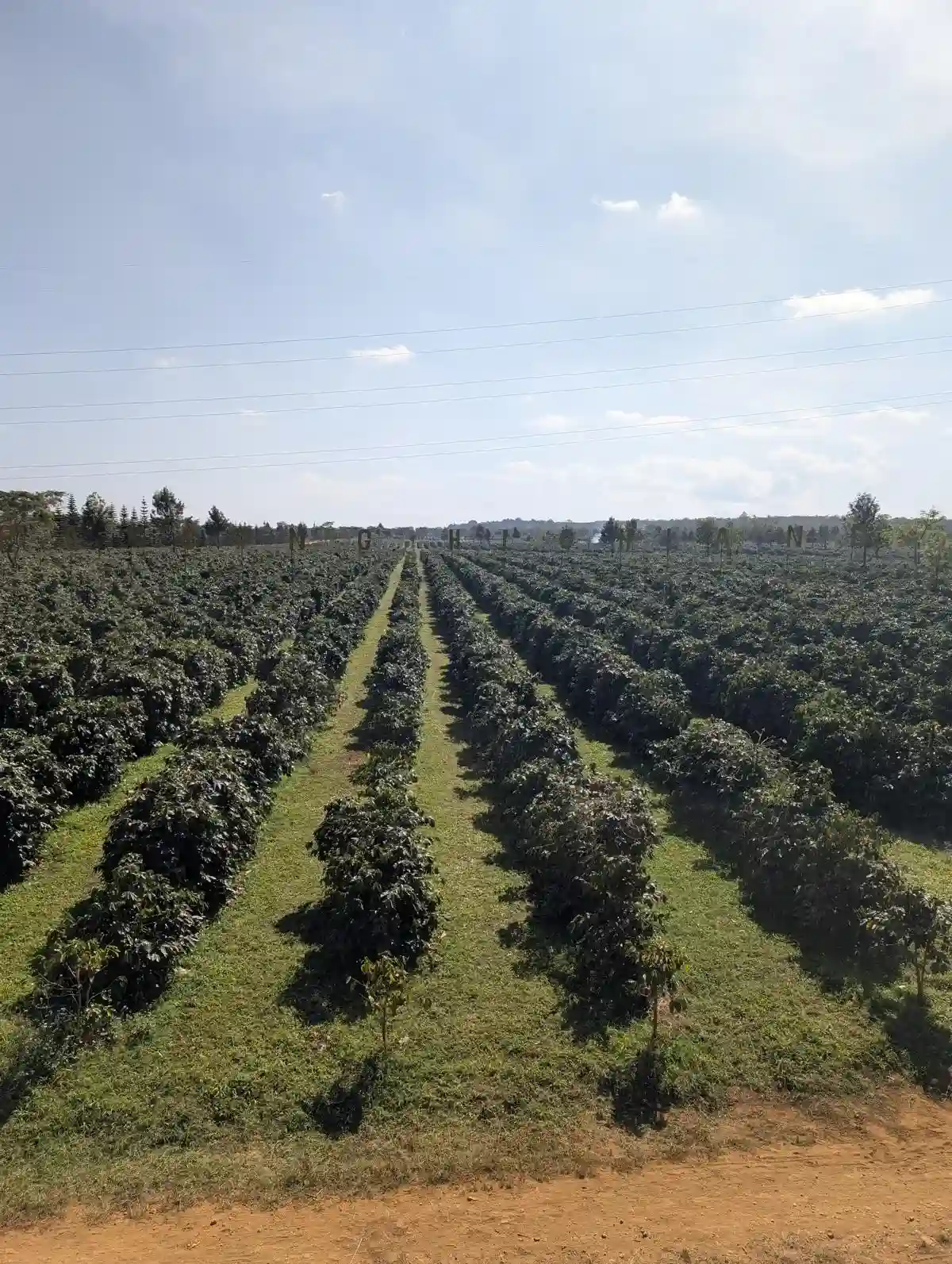
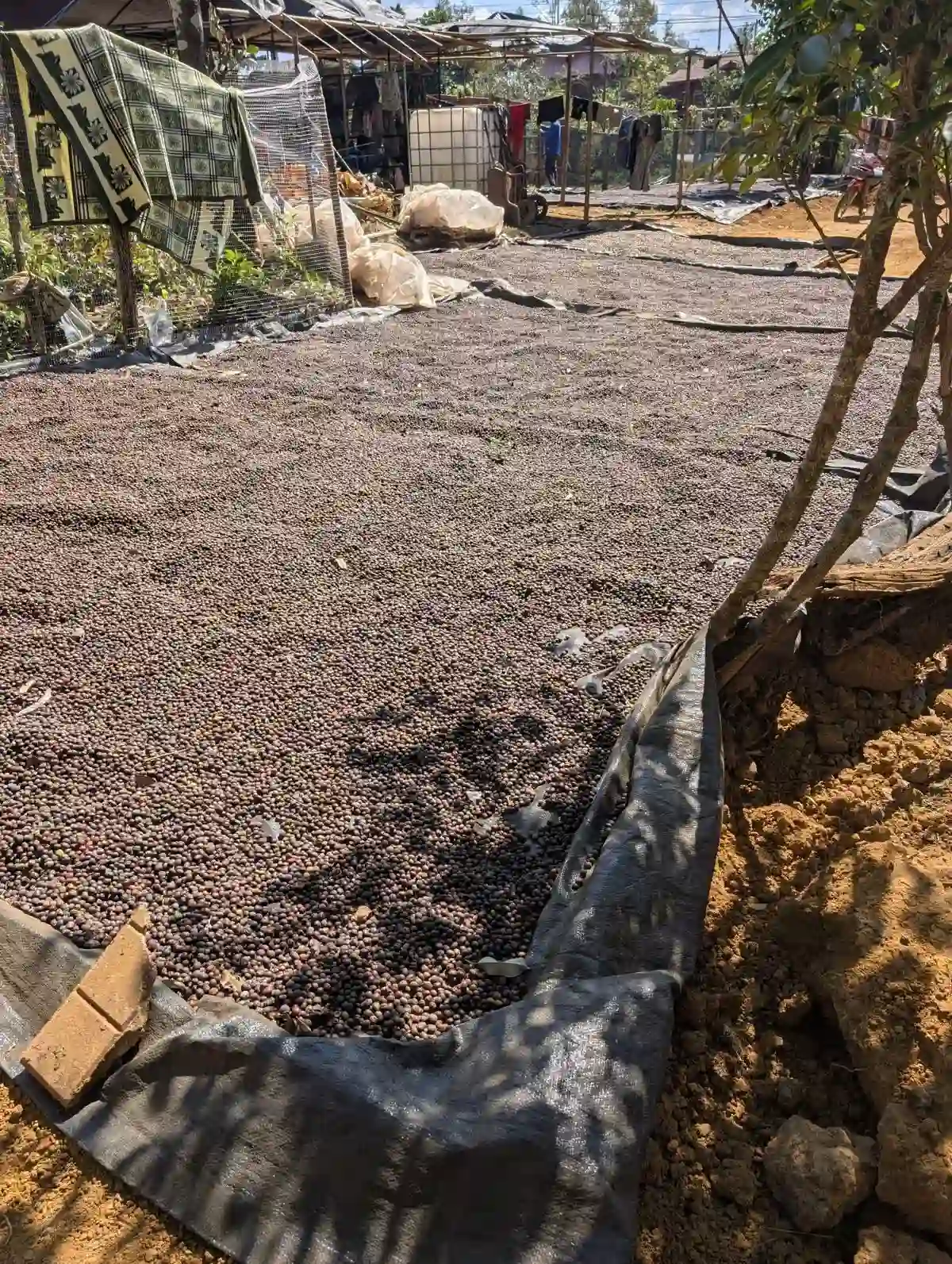
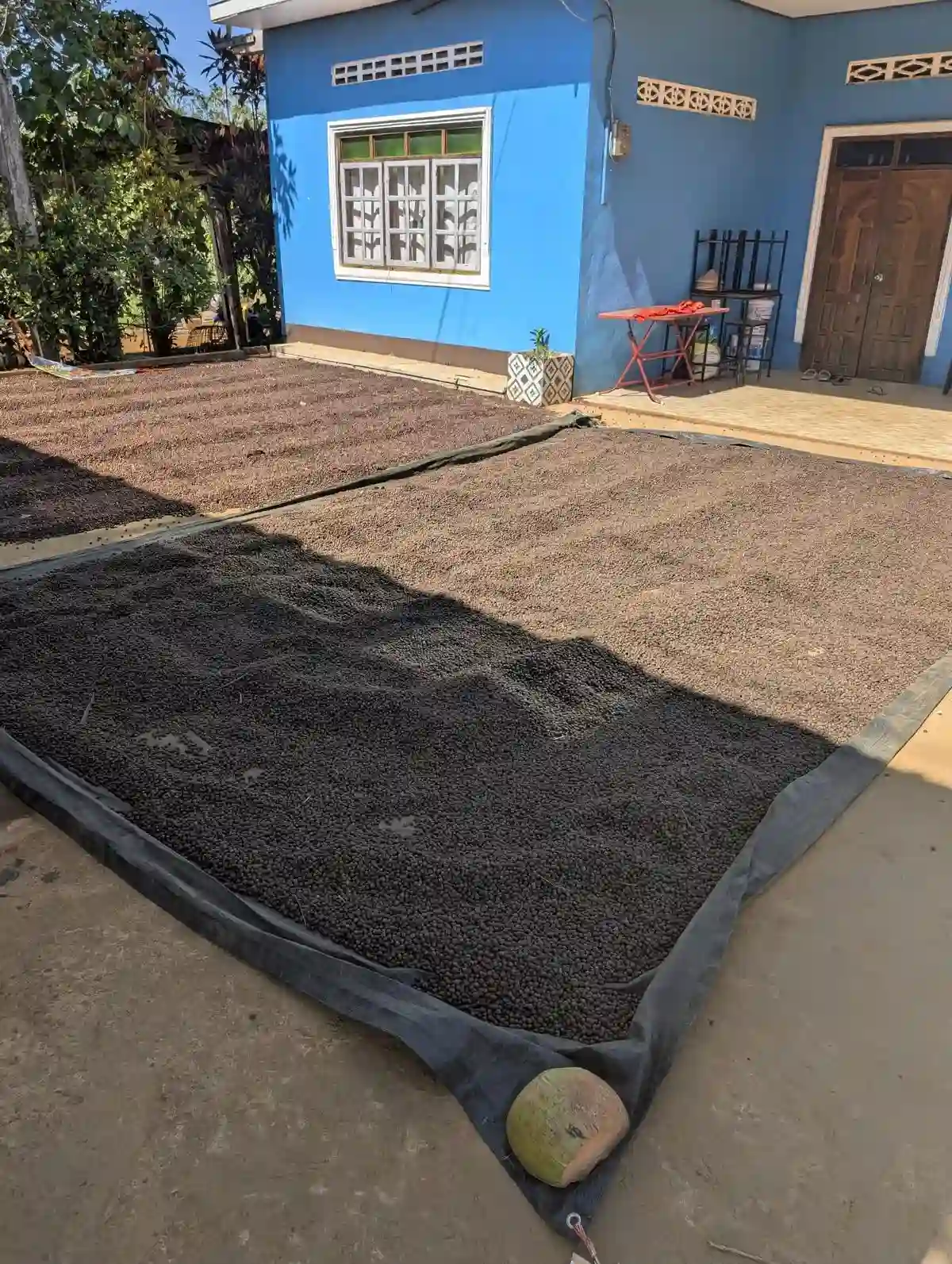
Coffee & Tea Plantations
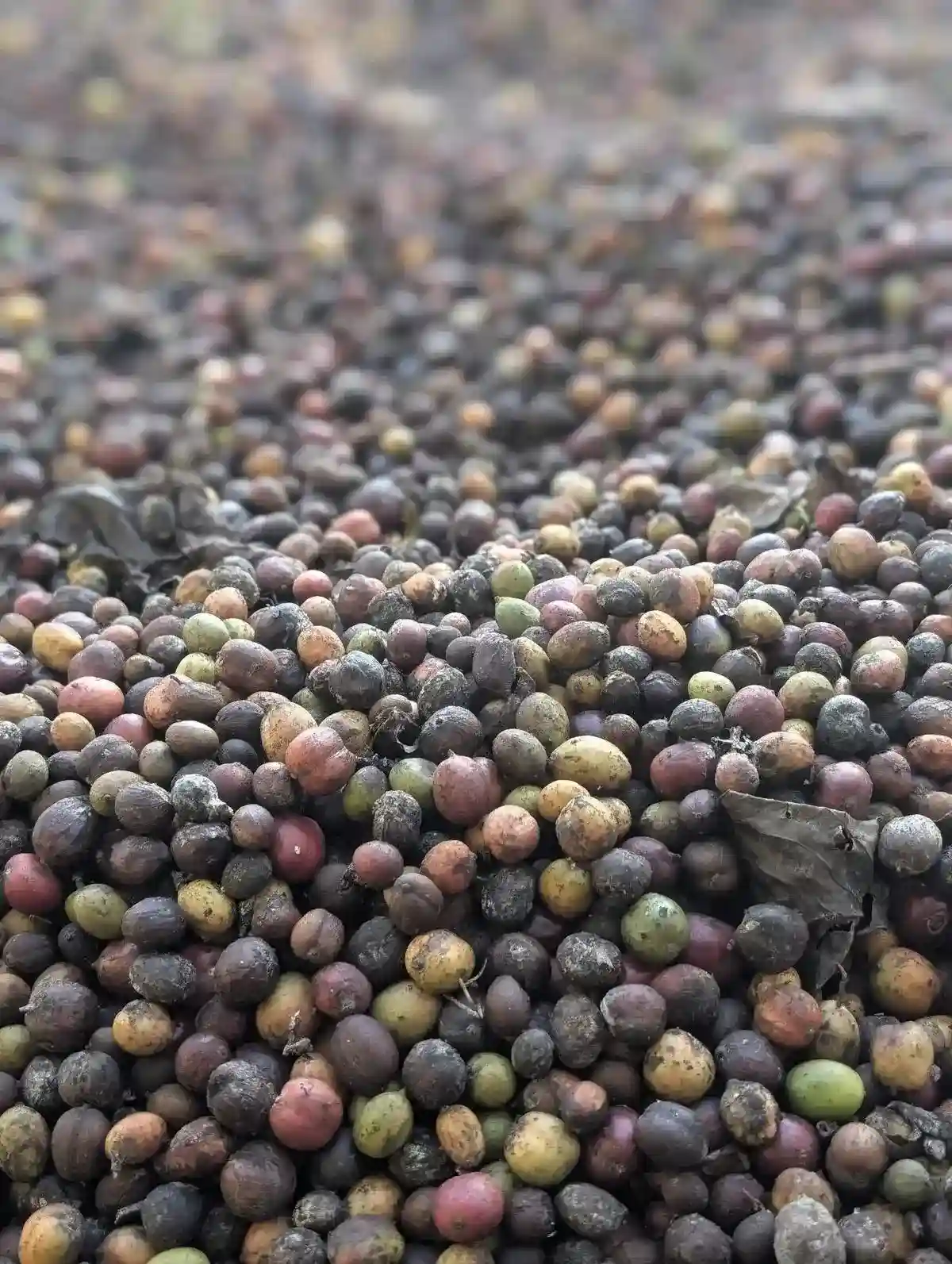
Growing coffee & tea is less exciting than enjoying the fruits of brew in your mug. However, visiting these growing locations is an activity to enjoy, and you’ll get fresh brew straight from the source.
Temples
There is a bajilion (is that number?) in Southeast Asia. Most are in Thailand and Cambodia, while Vietnam and Laos have a few scattered about.
Temples range from newly built to ancient; and from Buddhist, Hindu, and Cham. You’ll find them in the cities and in the remote country side.
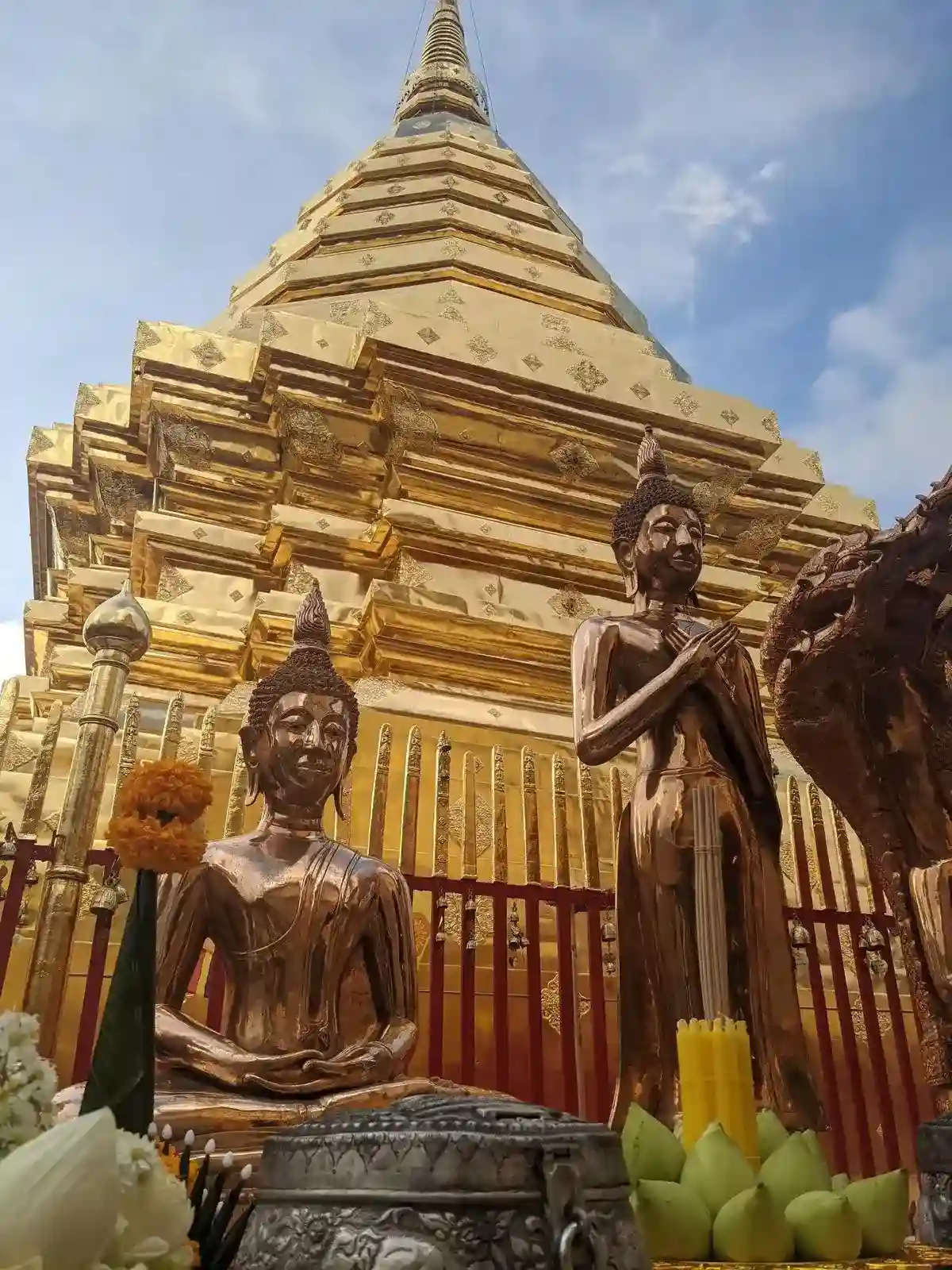
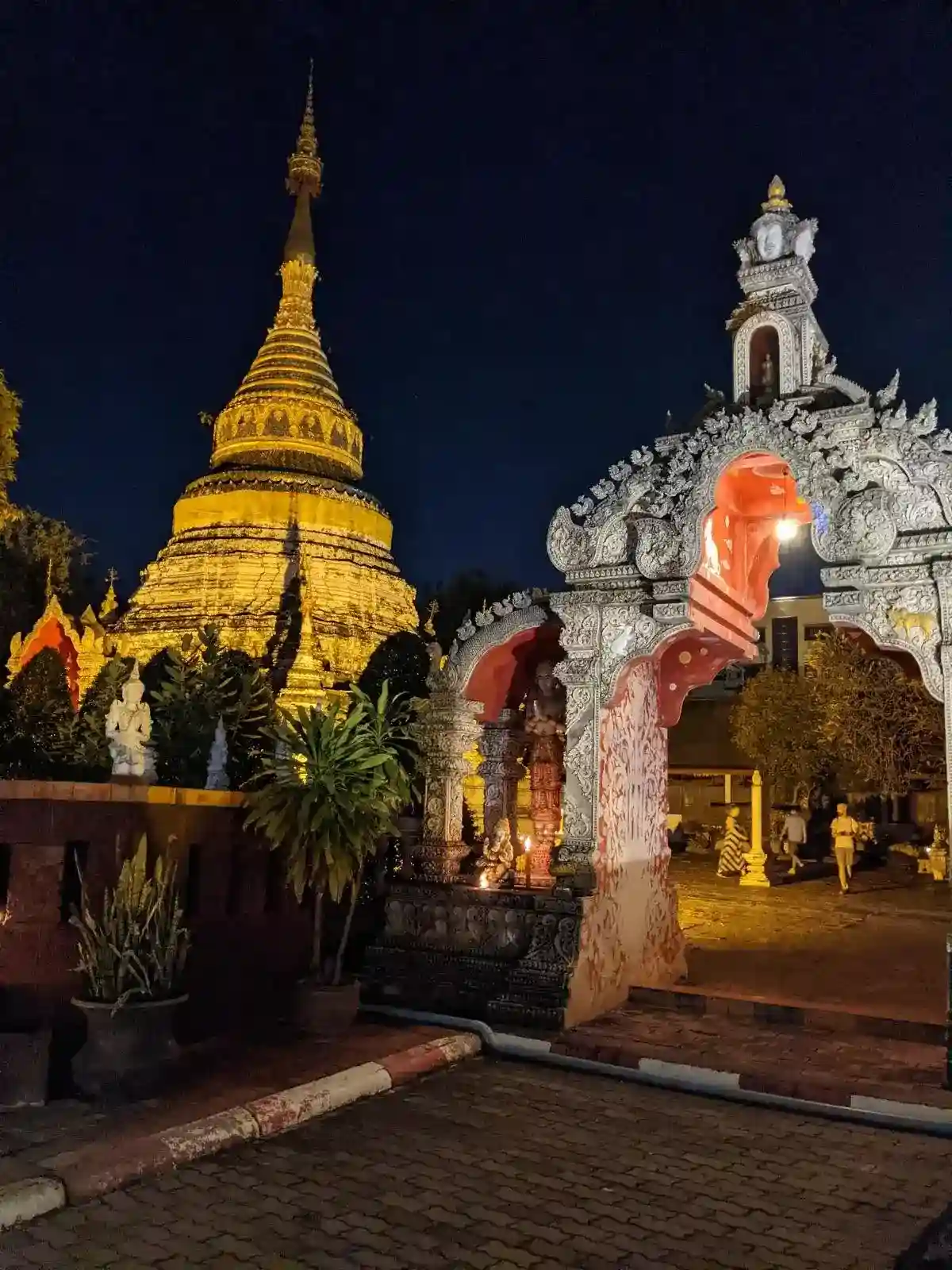
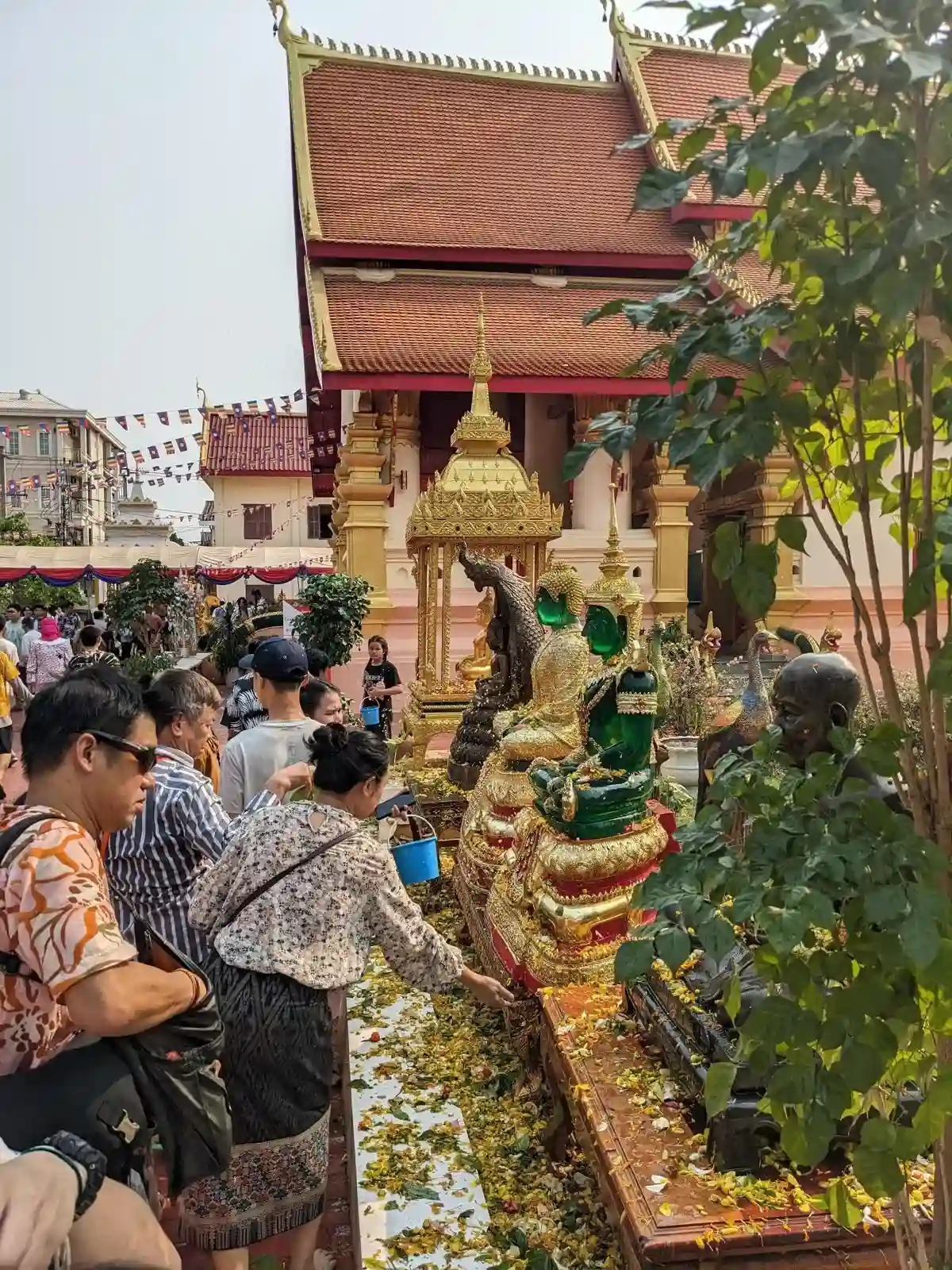
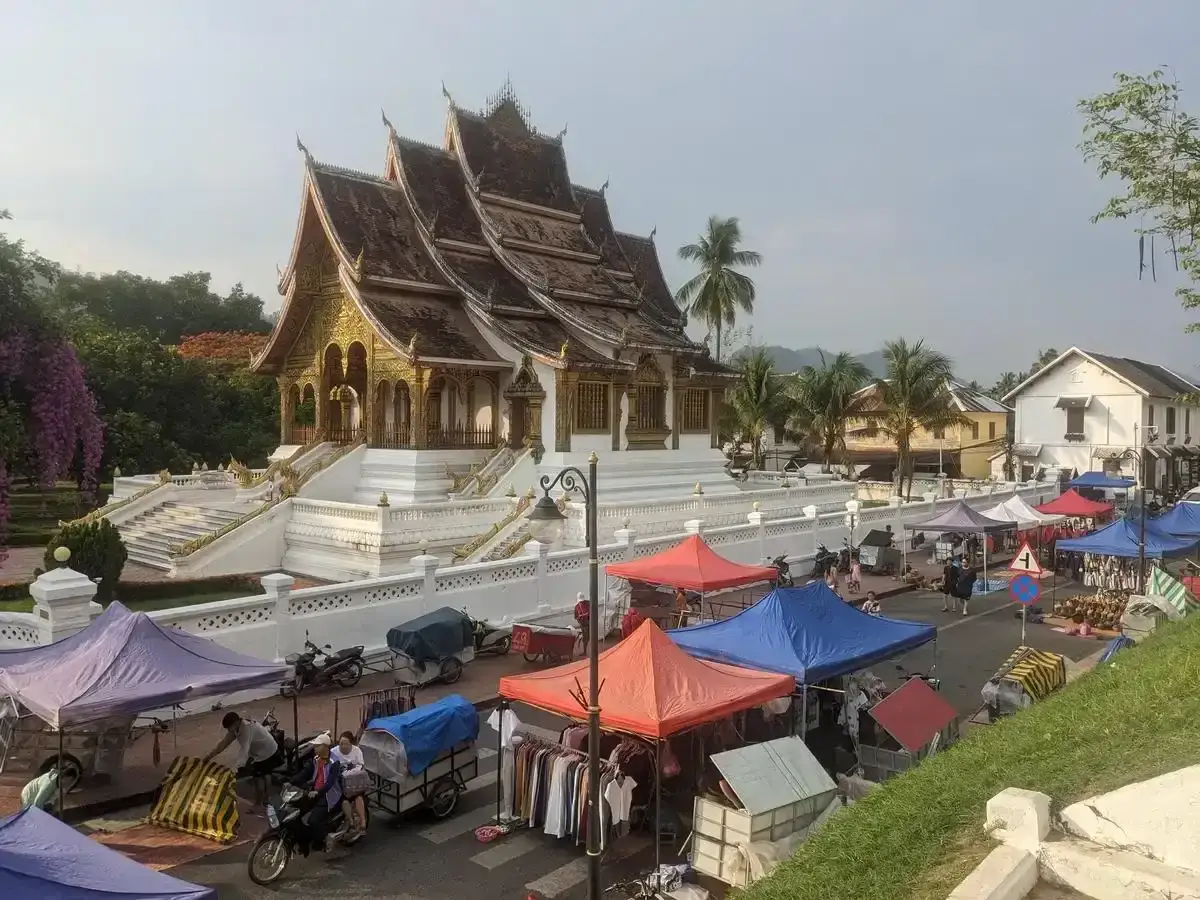
Each temple takes upon it’s own, unique, personality. There’s such a variety of modern and classic (the standard gold temple) temples, and the variety makes temple-hopping an exciting activity – you just don’t know what you’ll see next!
You don’t need to be Buddhist to enjoy the exotic architecture, calm atmosphere, and history.
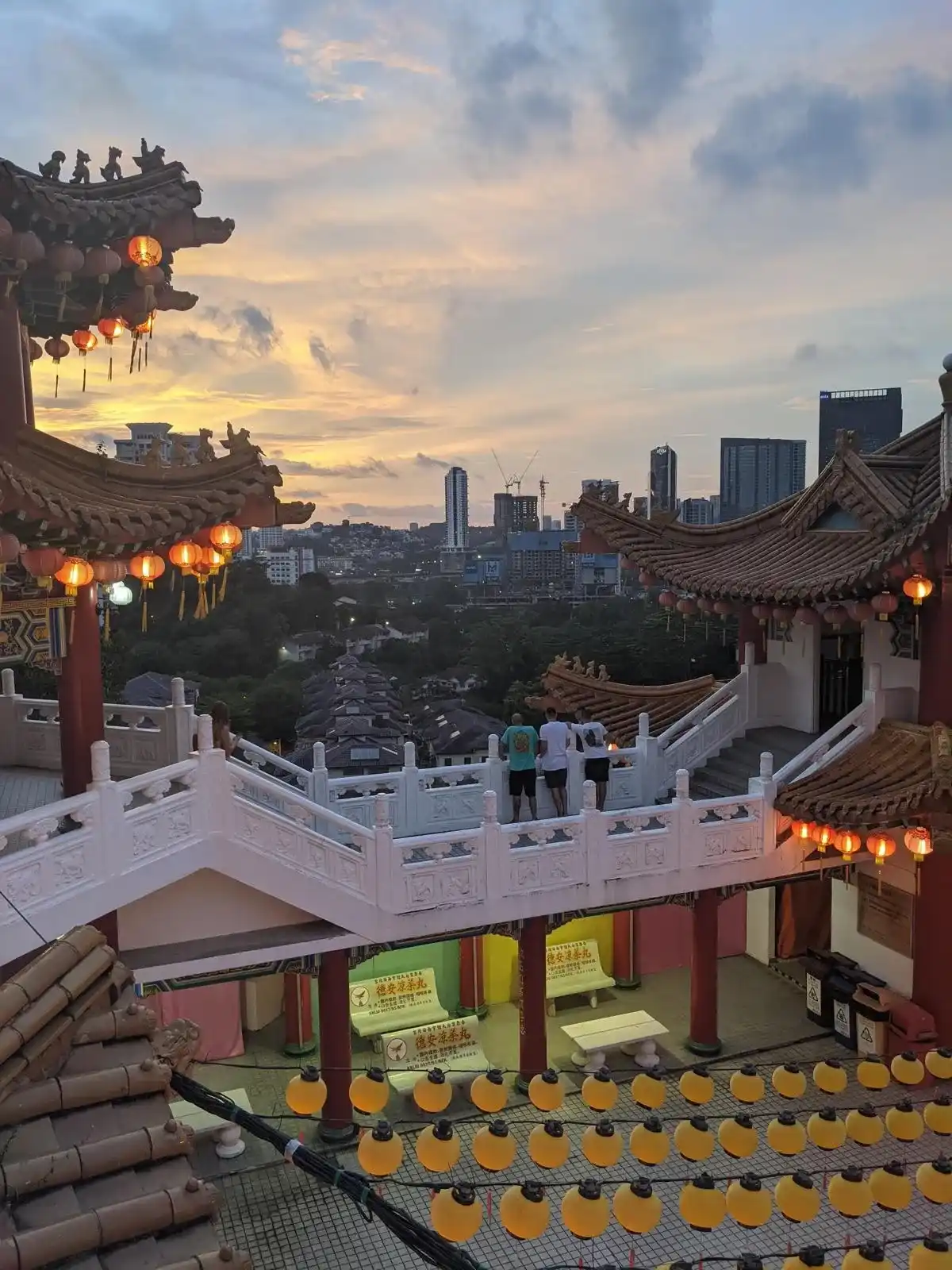
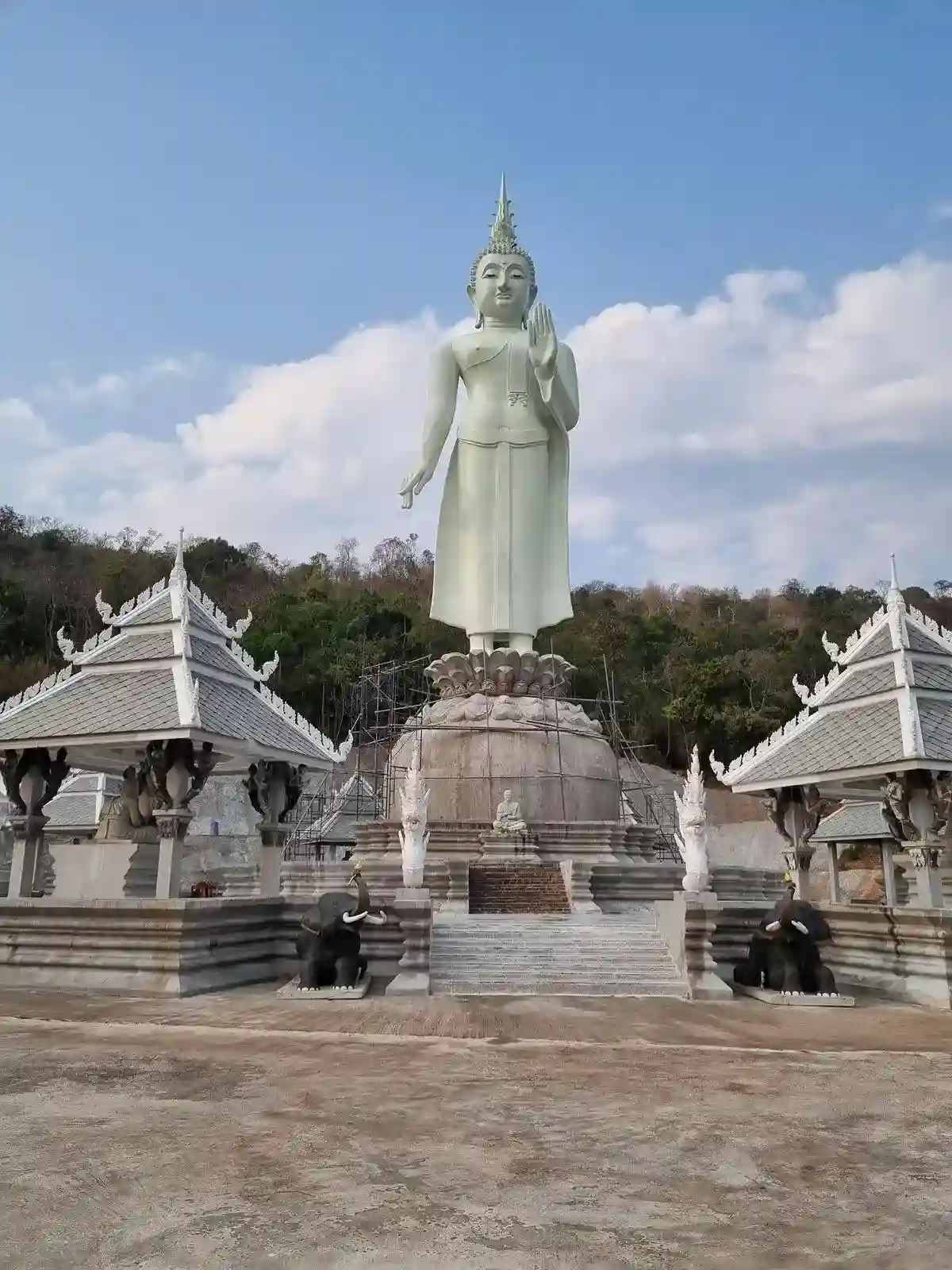
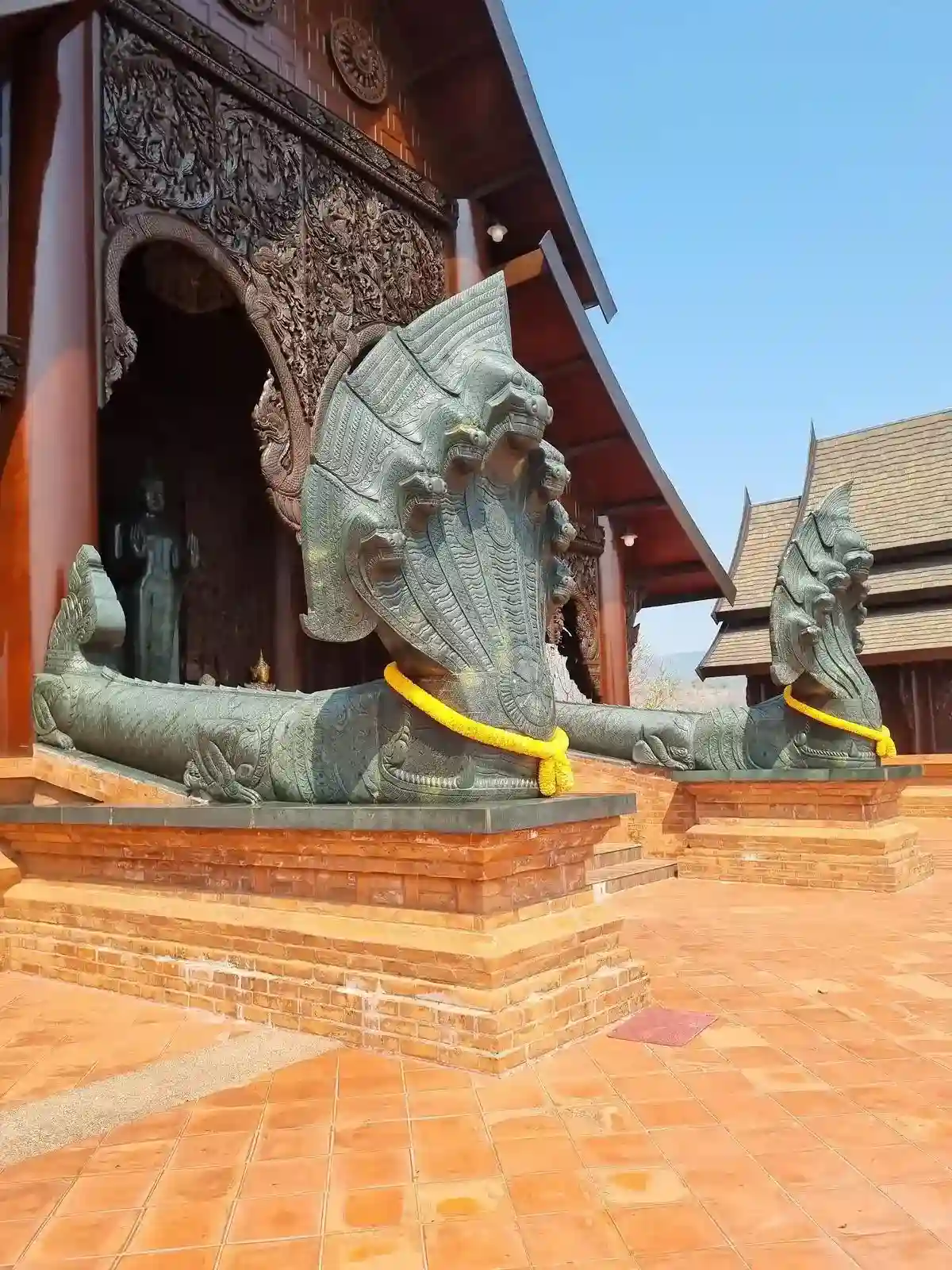
Each temple takes upon it’s own, unique, personality. There’s such a variety of modern and classic (the standard gold temple) temples, and the variety makes temple-hopping an exciting activity – you just don’t know what you’ll see next!
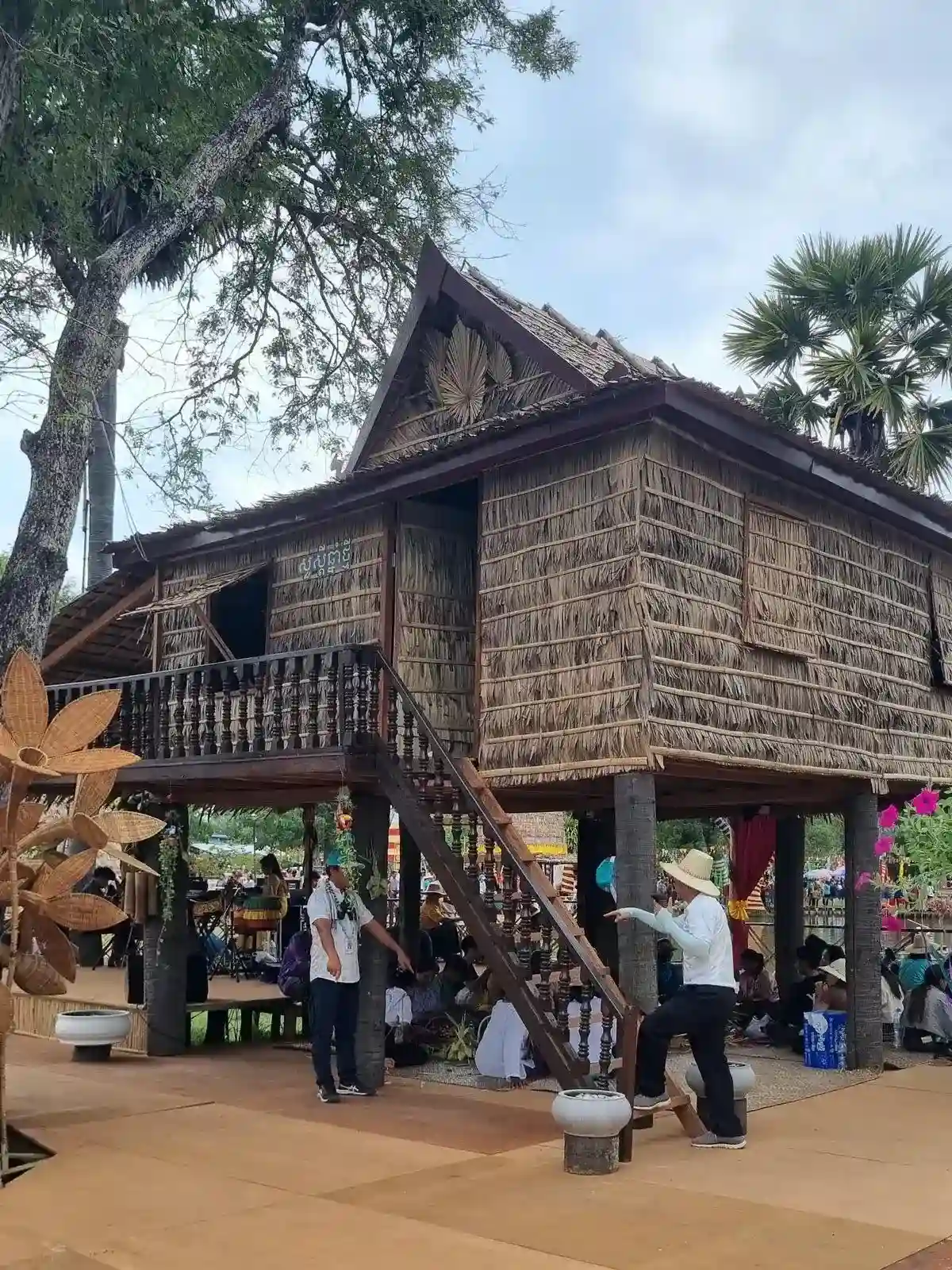
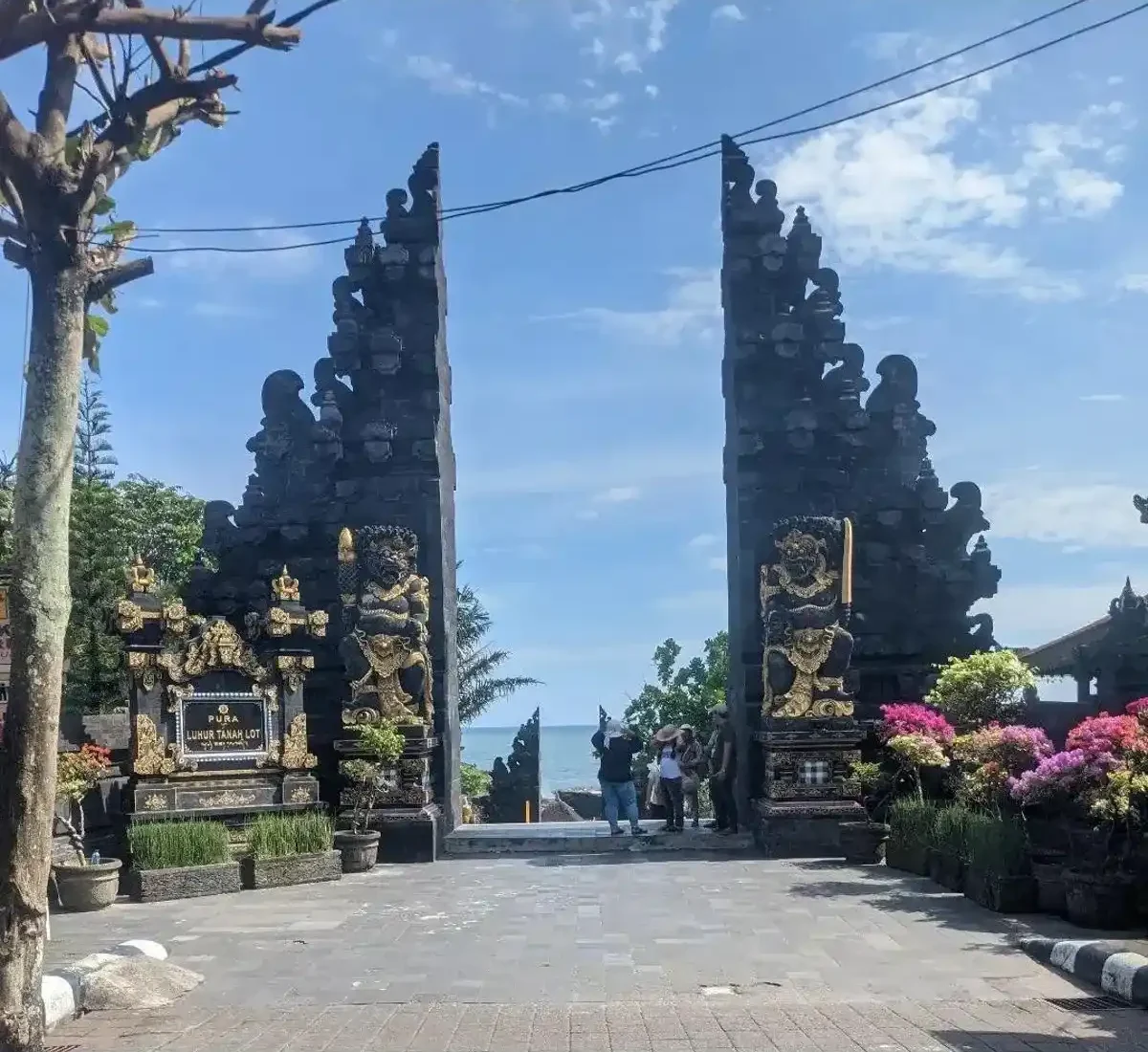
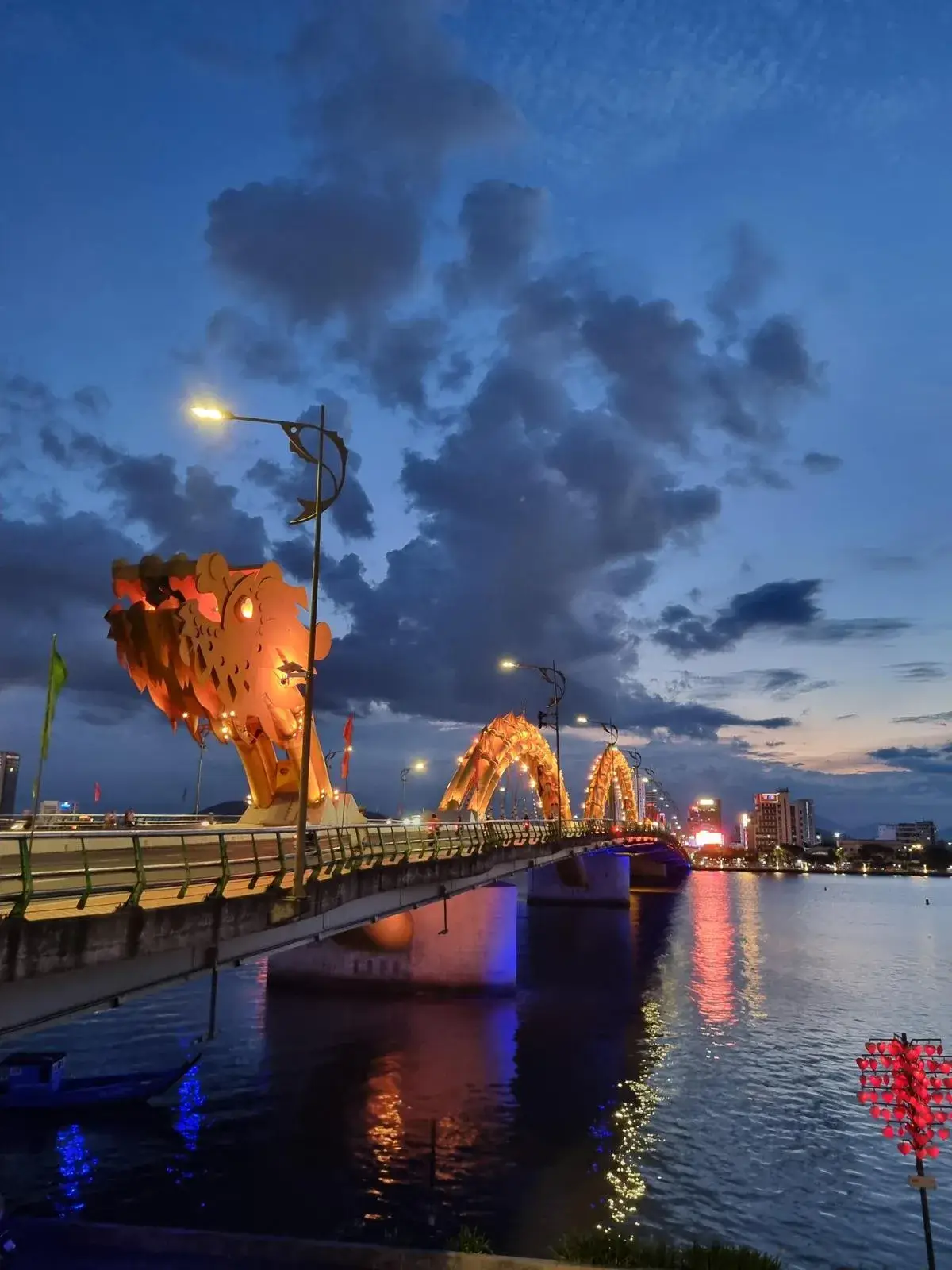
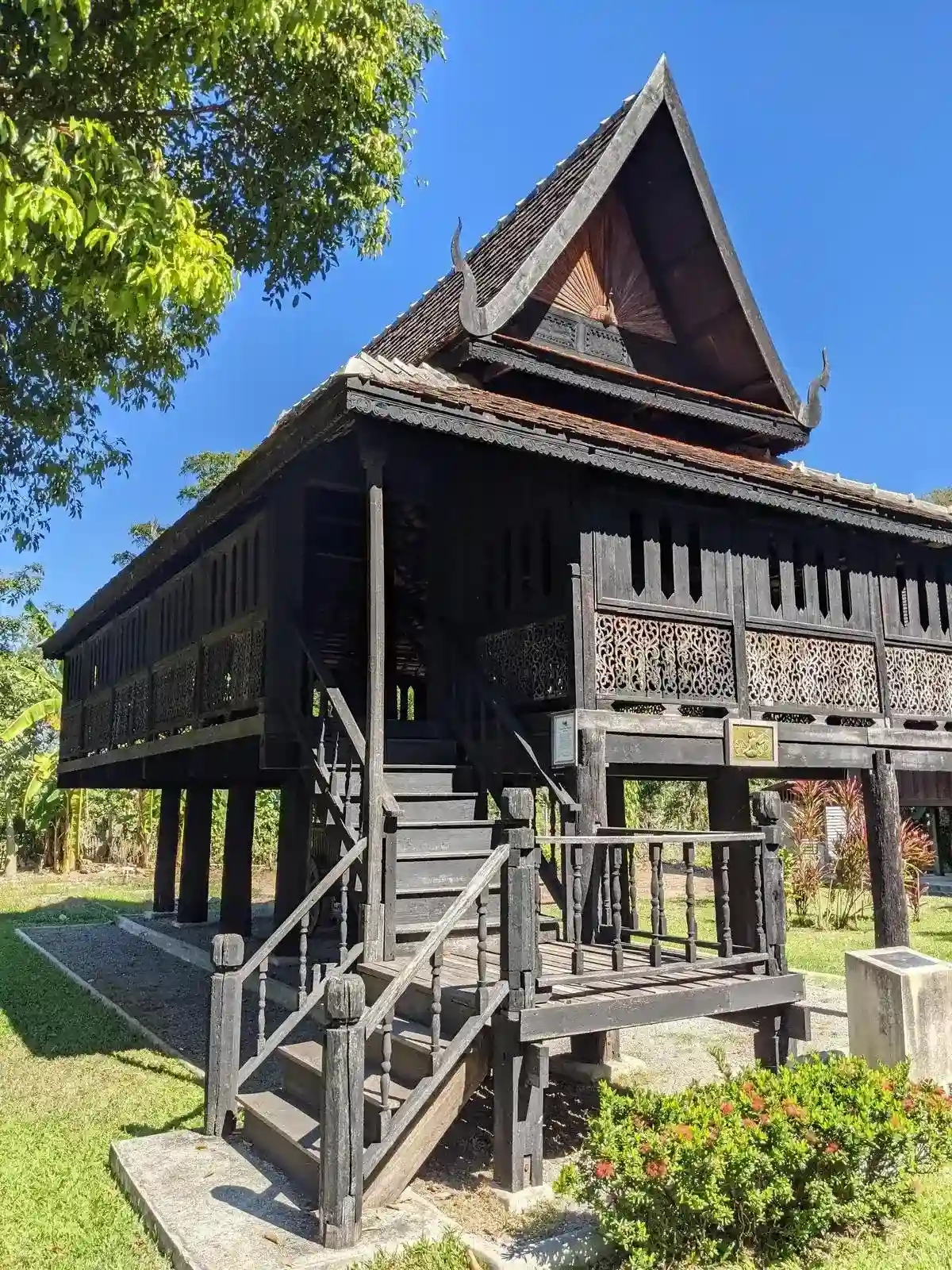
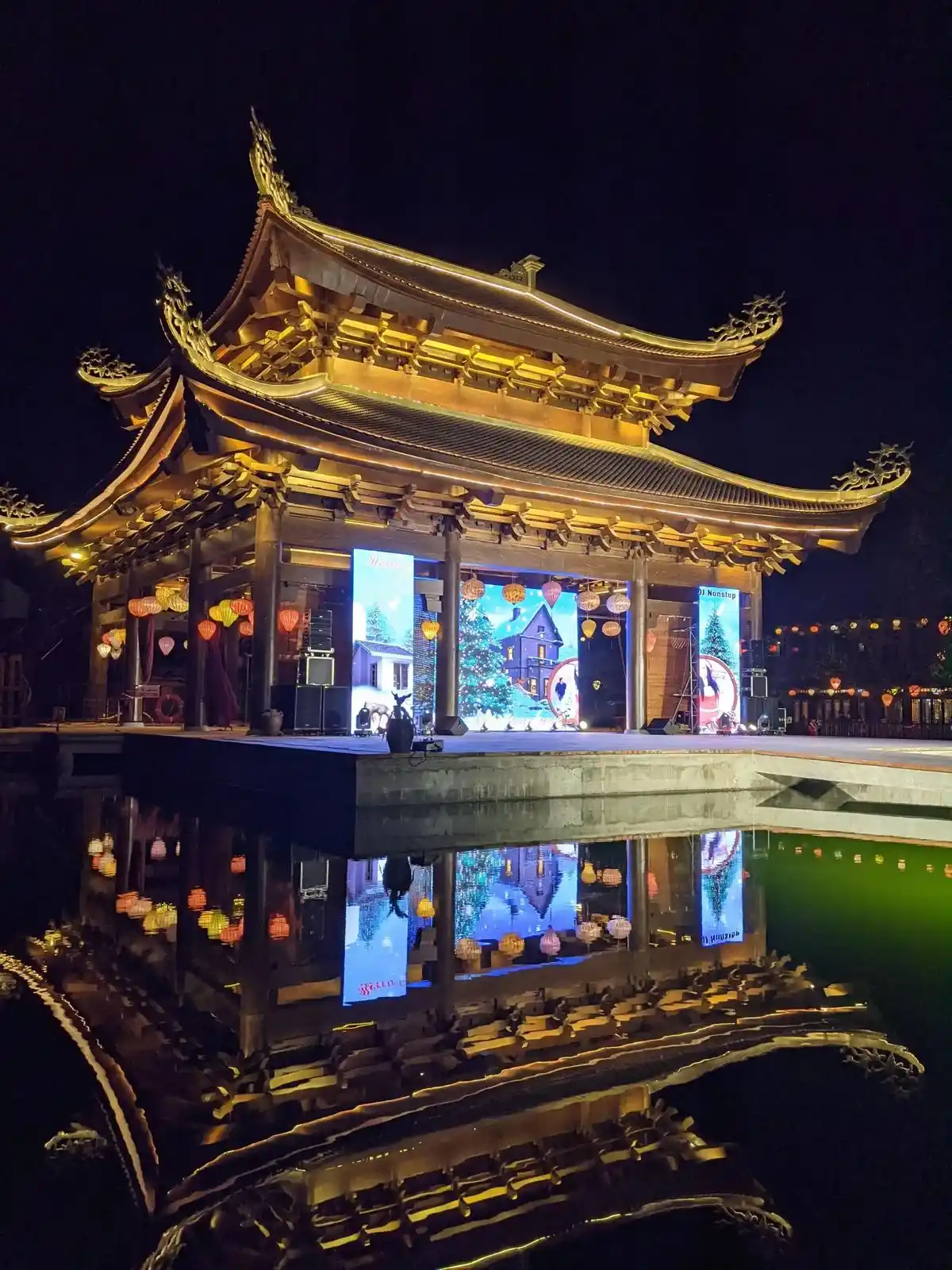
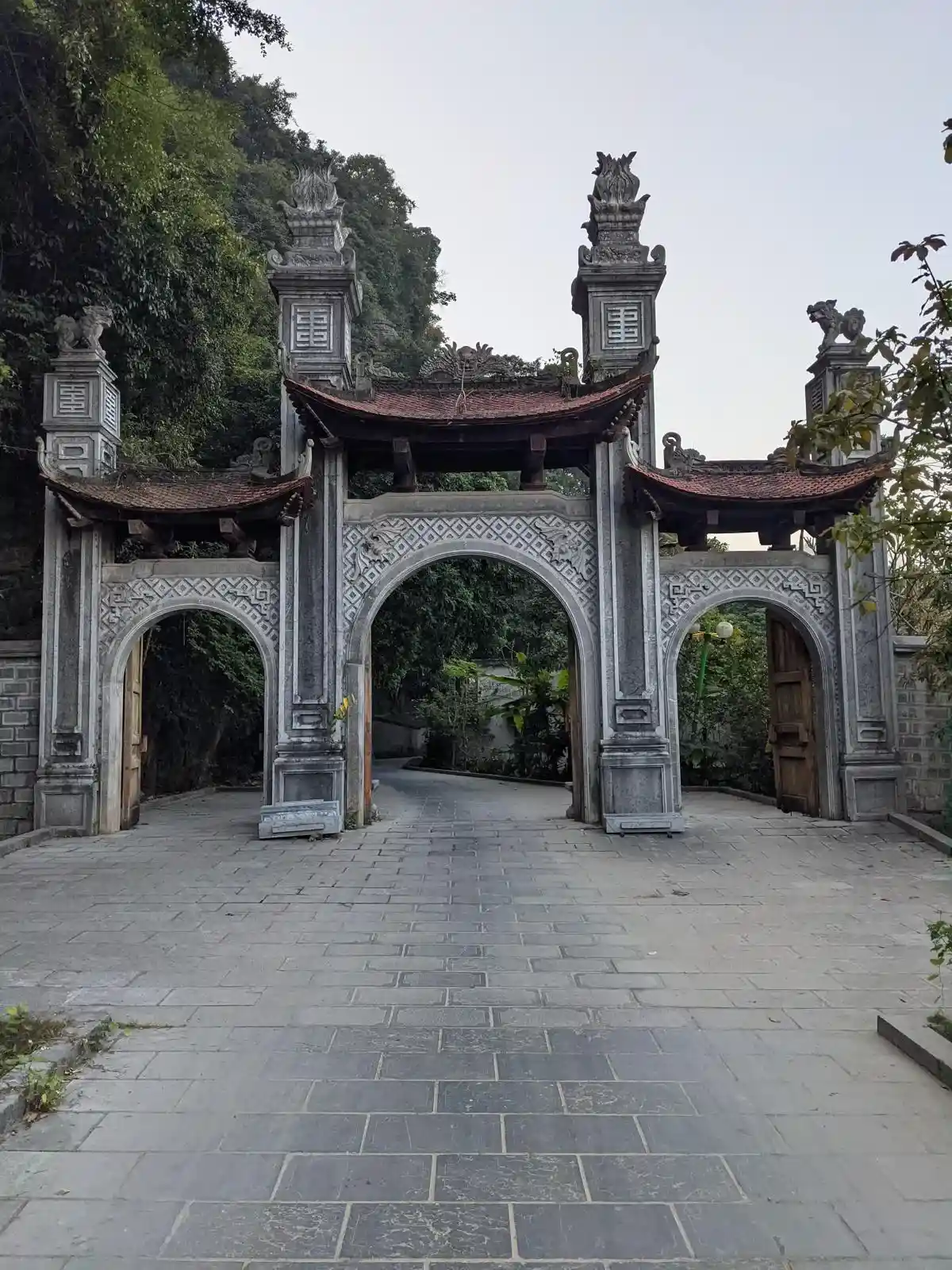
Exotic Architecture
Foreign countries have exotic architecture – some historic and some modern – that you will find fascinating. They are sights to savor. Relax, slow down, and take a look around.
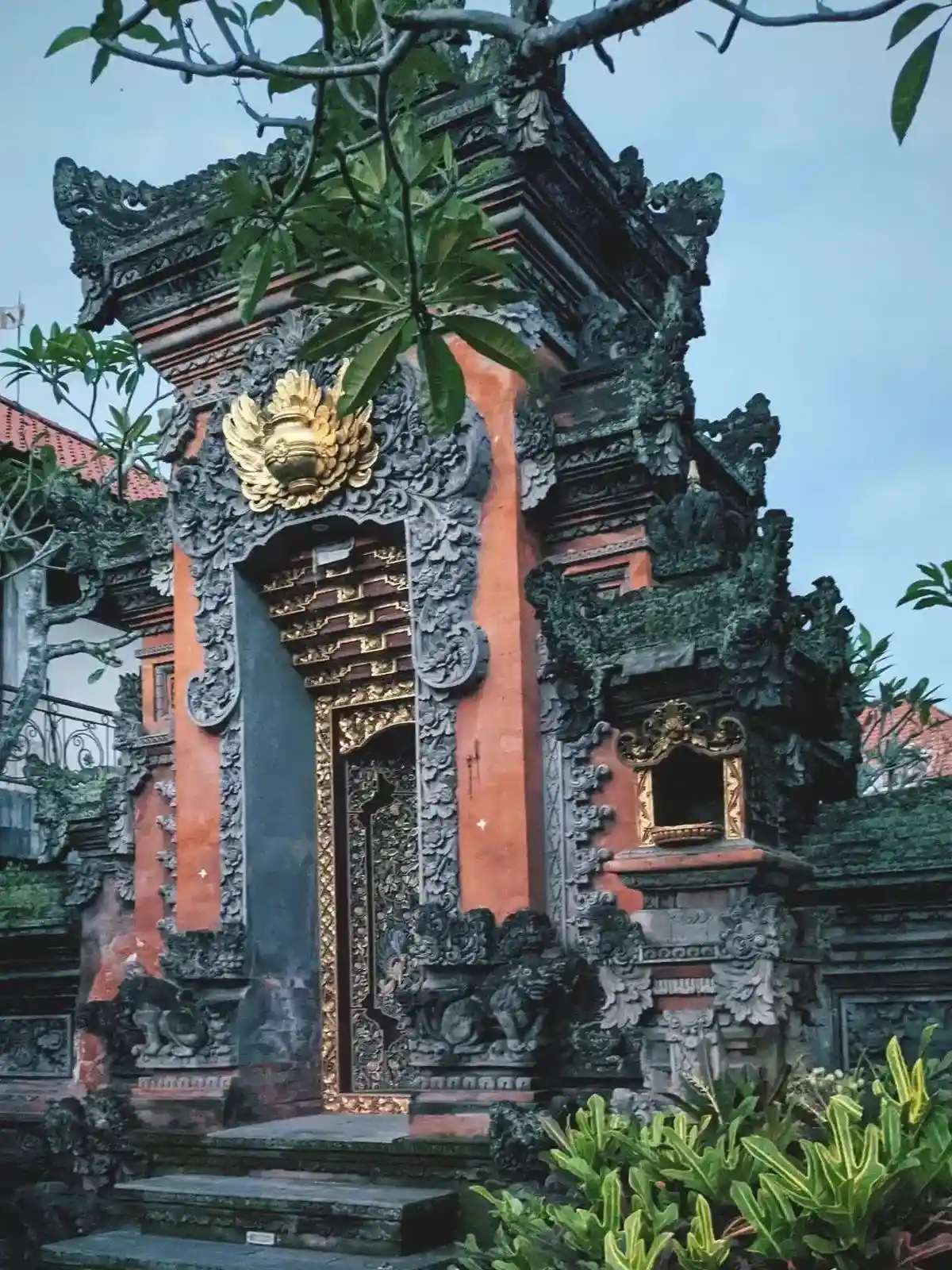
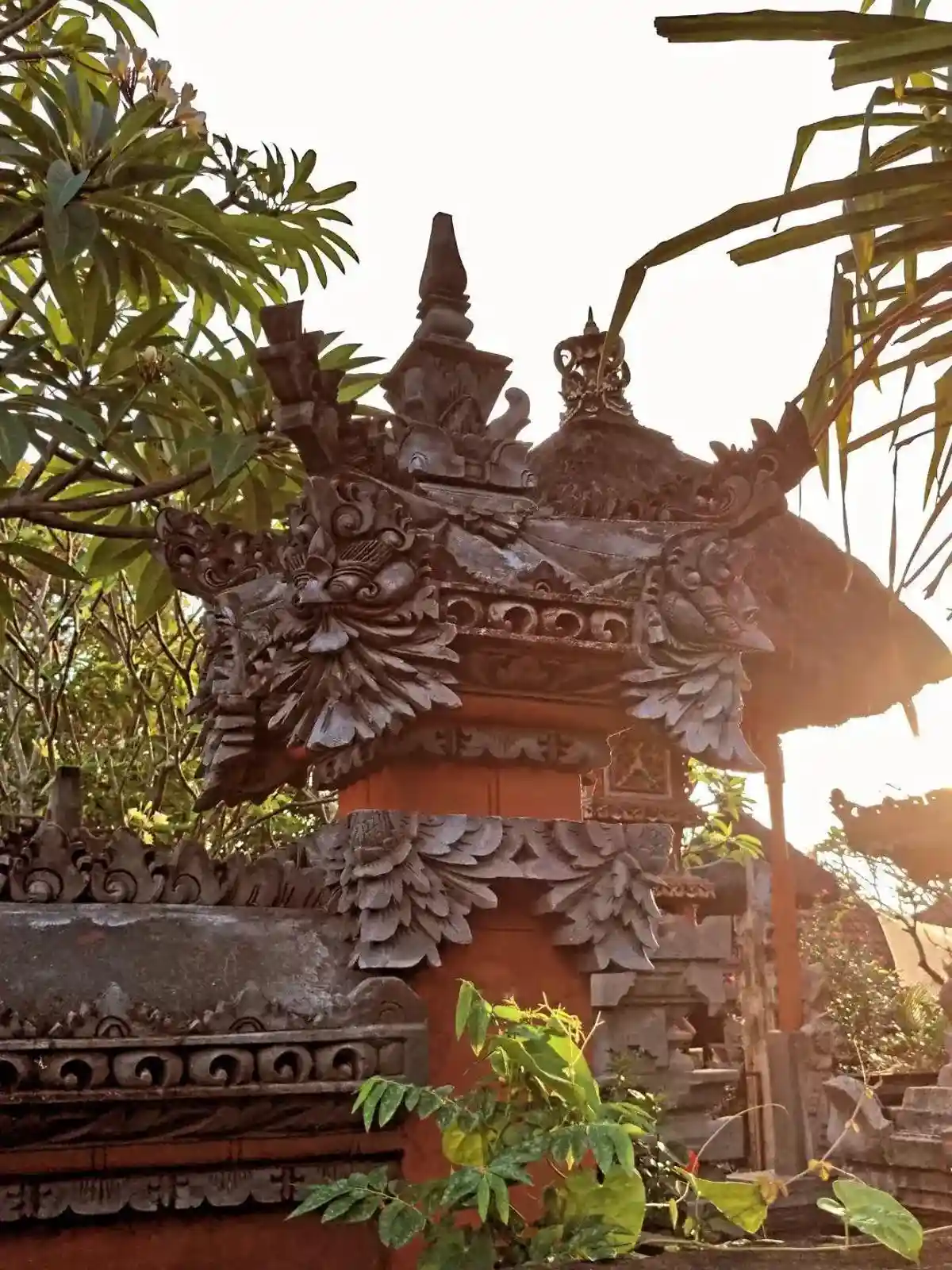
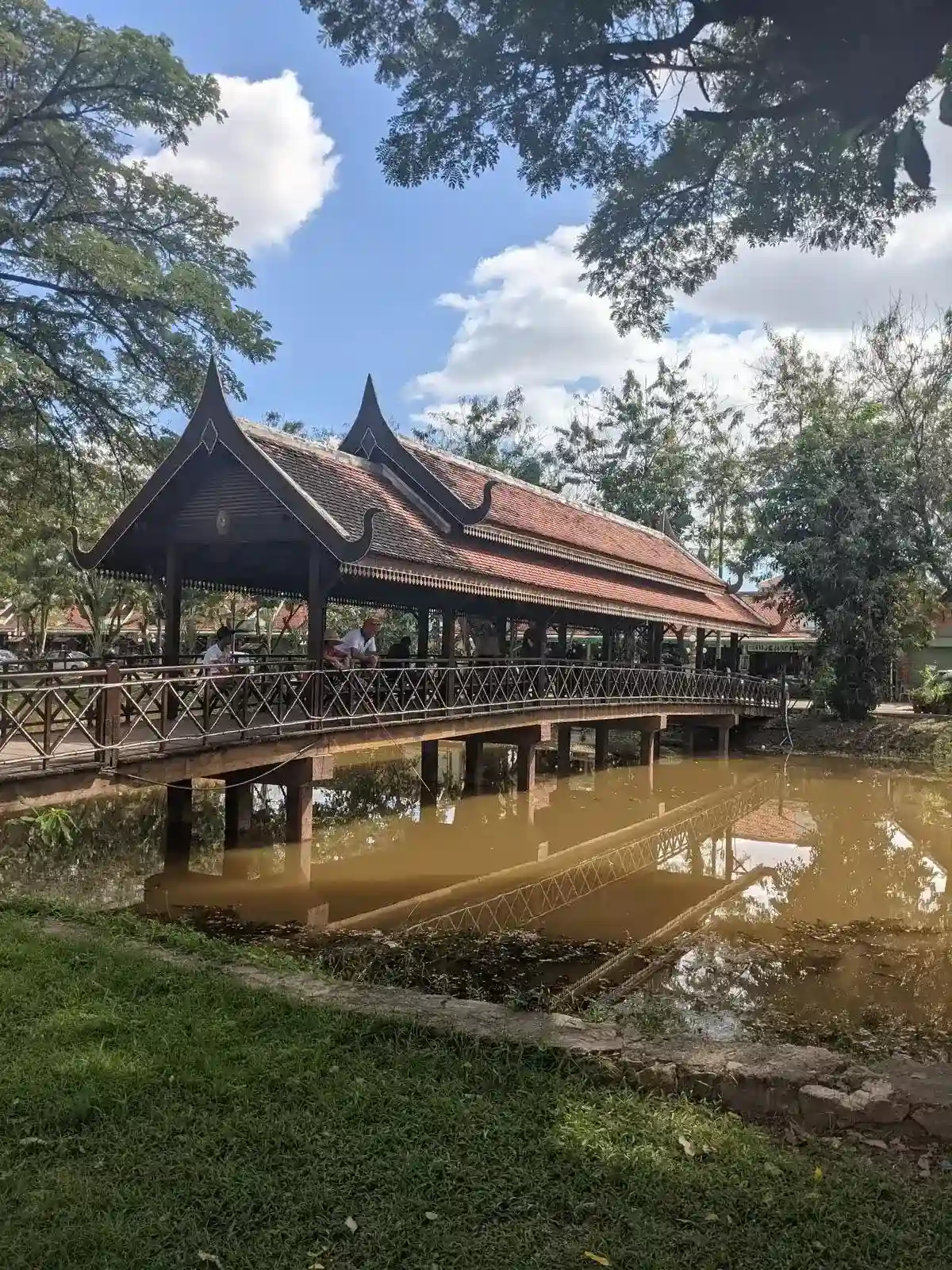
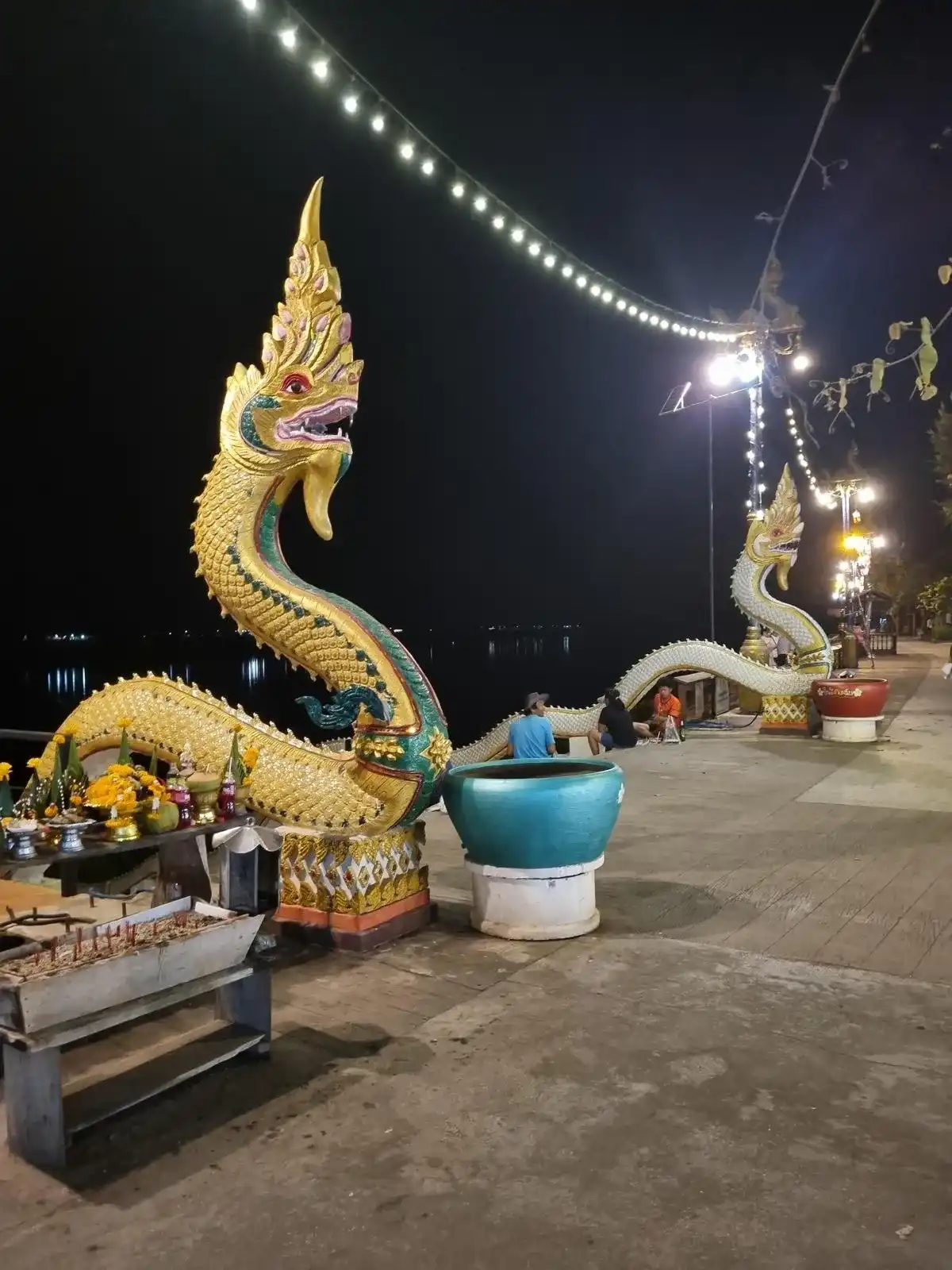
Festivals & Holidays
Feeling in a festive mood? Be part of the culture and local celebrations. SE Asian locals celebrate with food, not champagne, and their festivities consists of that.
Being able to experience a festival/holiday is hit-or-miss. It depends on when and where you go. Obviously, because these are contingent on certain dates of the year, and each country has their own holidays.
Chinese Lunar New Year
Malaysia, Thailand, Vietnam (known as Tet there)
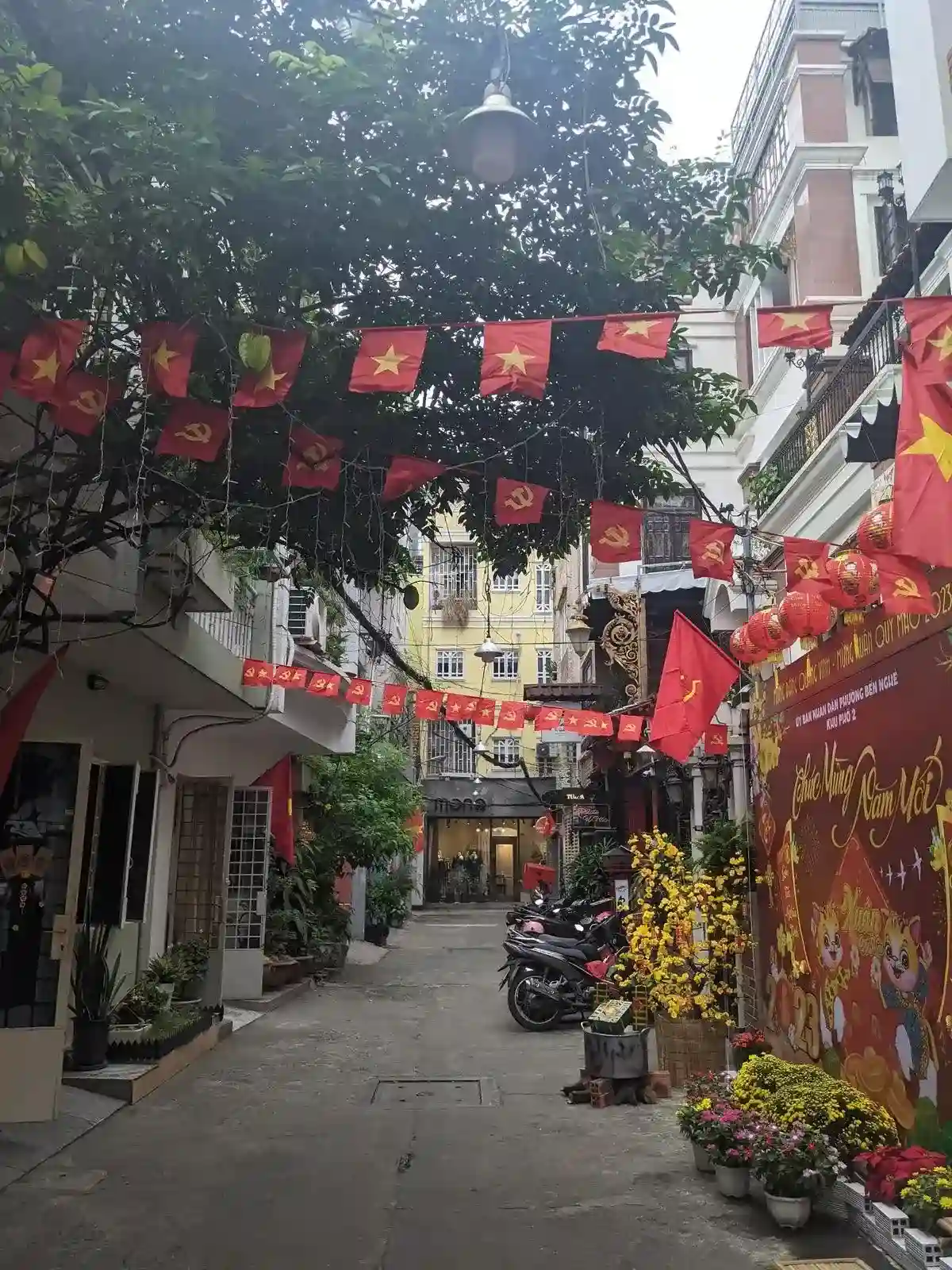
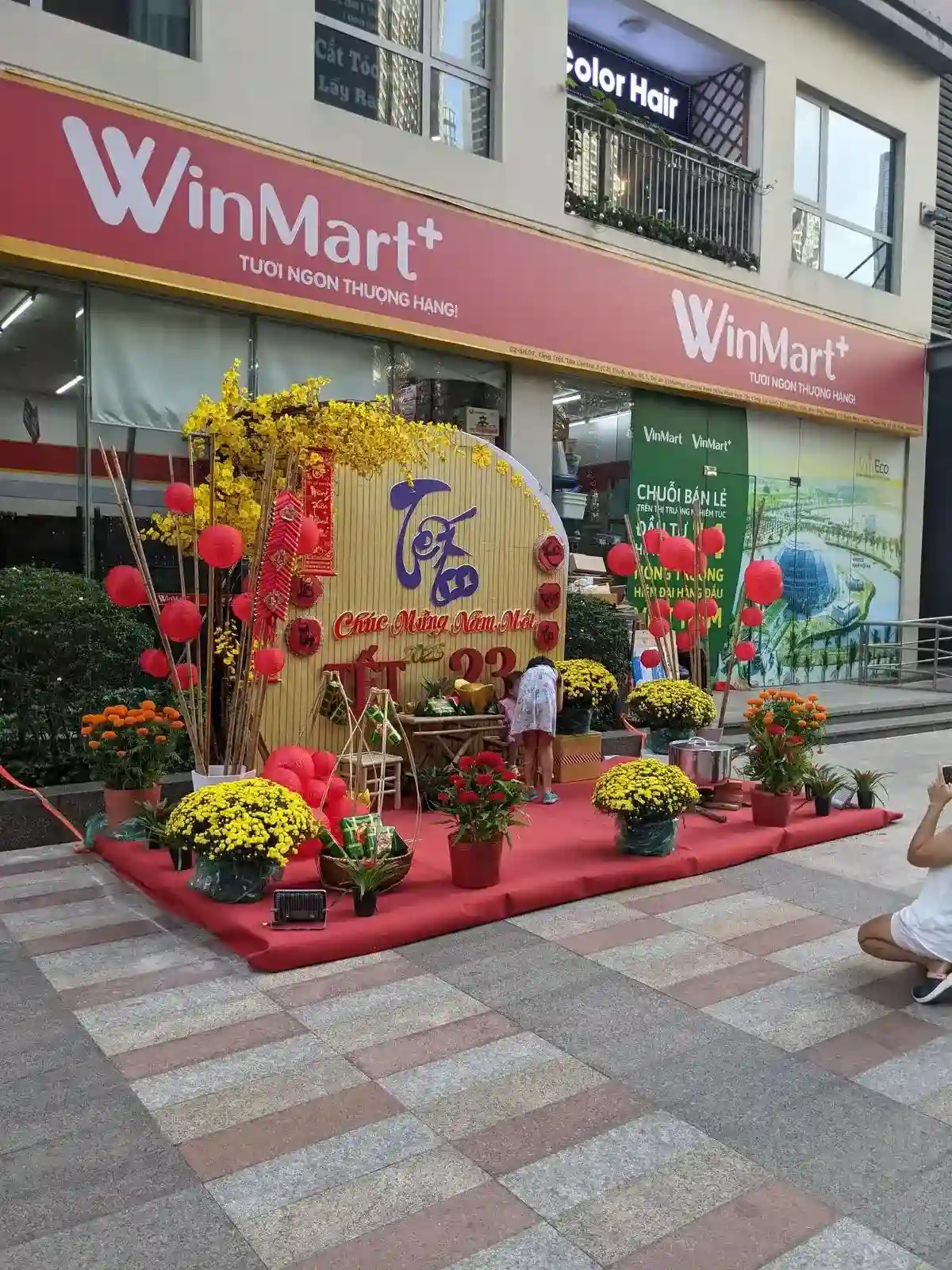
Also known as Tet in Vietnam. The Chinese New Year is celebrated in places with Chinese heritage such as Malaysia, parts in Thailand (Chinatown in Bangkok), and throughout the entirety of Vietnam.
Pretty decorations, acrobats in the lion dog costume, and red envelopes with cash inside handed to the children.
Keep eyes open and ears listening for a display of fireworks! This holiday is gaining popularity around the globe, just like Christmas. This holiday is based on the traditional lunisolar Chinese calendar.
Within Southeast Asia, Vietnam is the country that takes Chinese Lunar New Year the most seriously, while it is only a small holiday in the other countries.
Warning
Vietnam slows down with most people traveling home to be with family. It’s anecdotal, but expect theft to increase up to Tet in Vietnam, and for most businesses to be closed during.
Songkran or “New Year”
Thailand, Laos, Cambodia
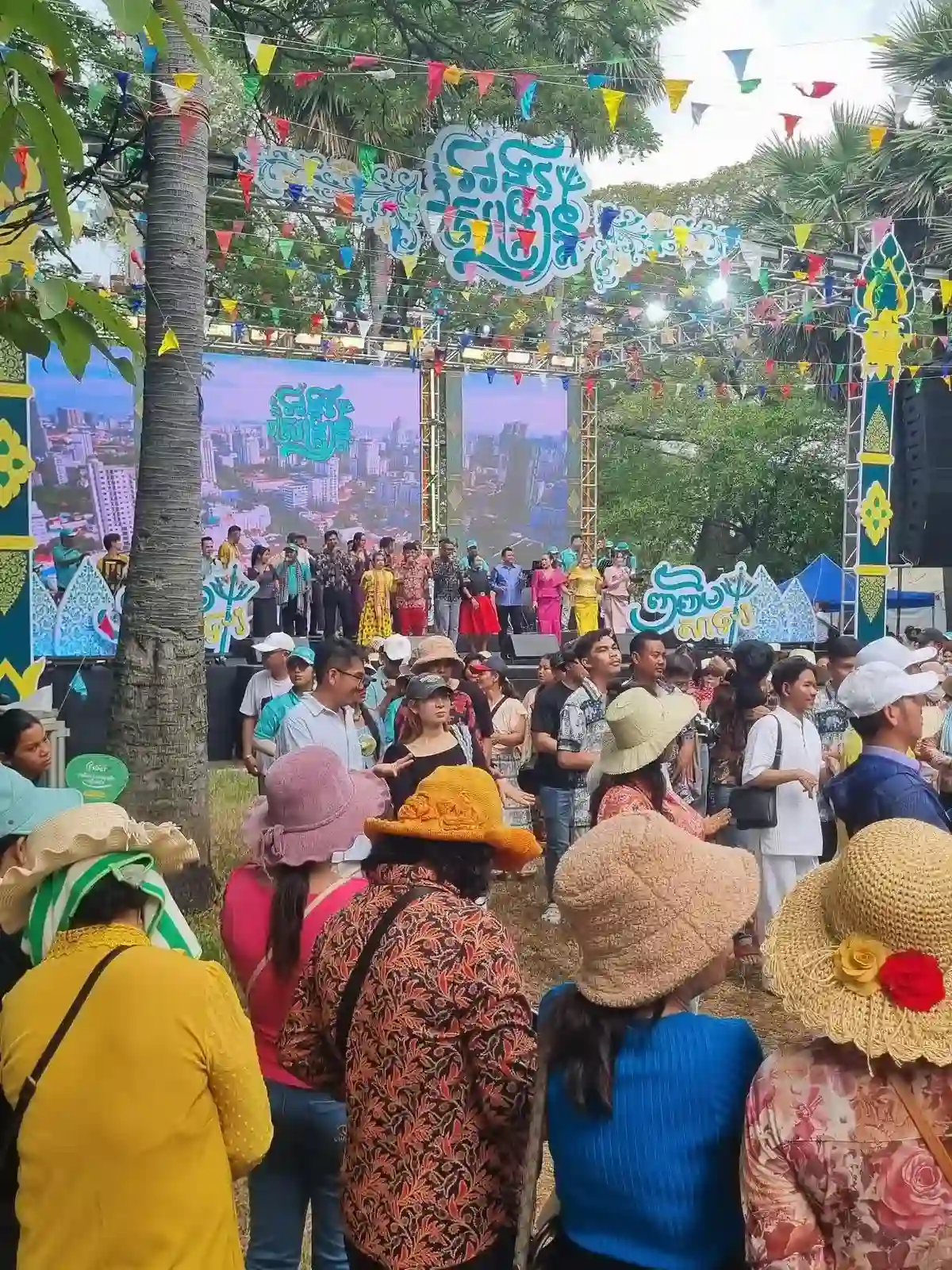
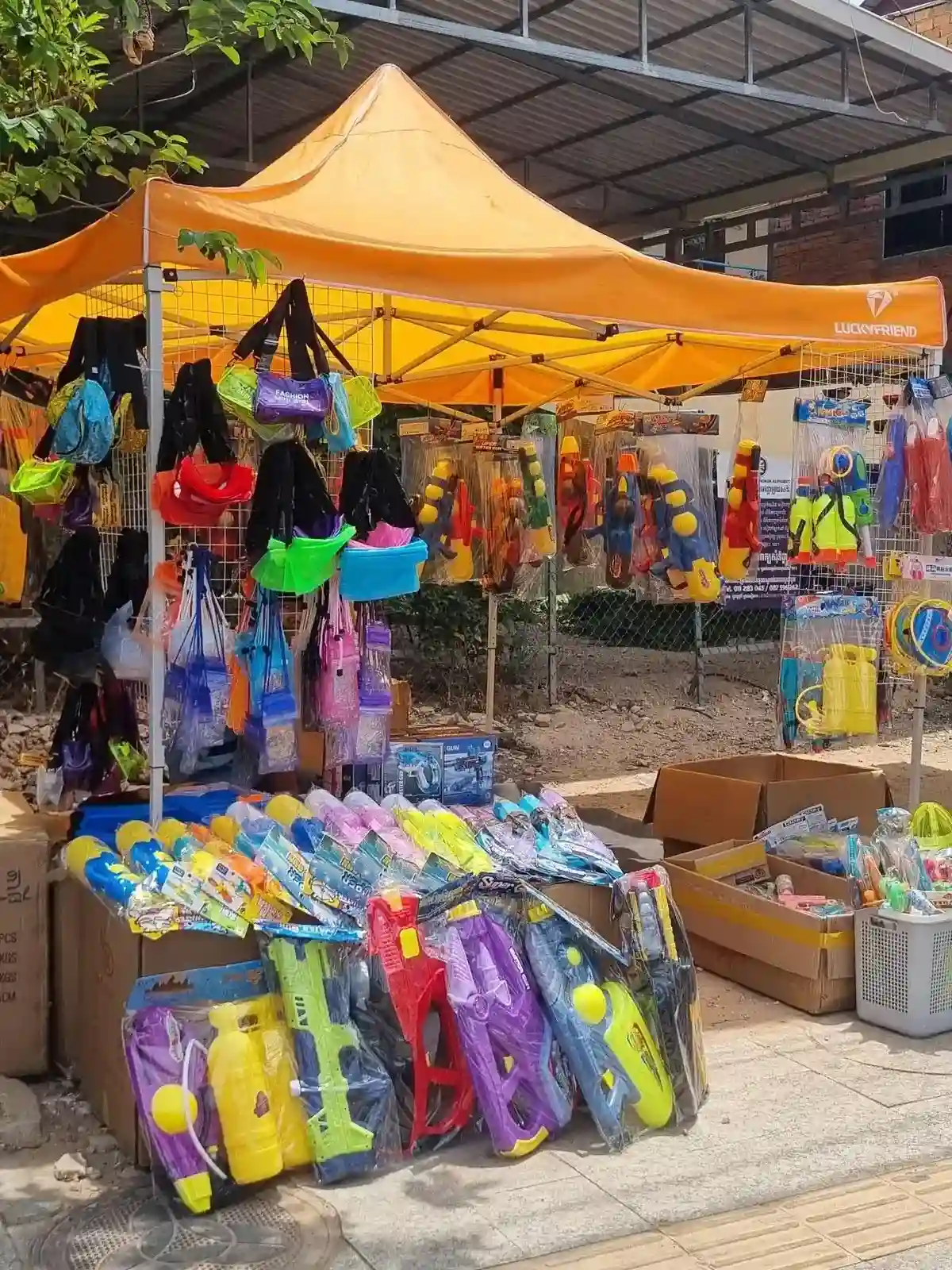
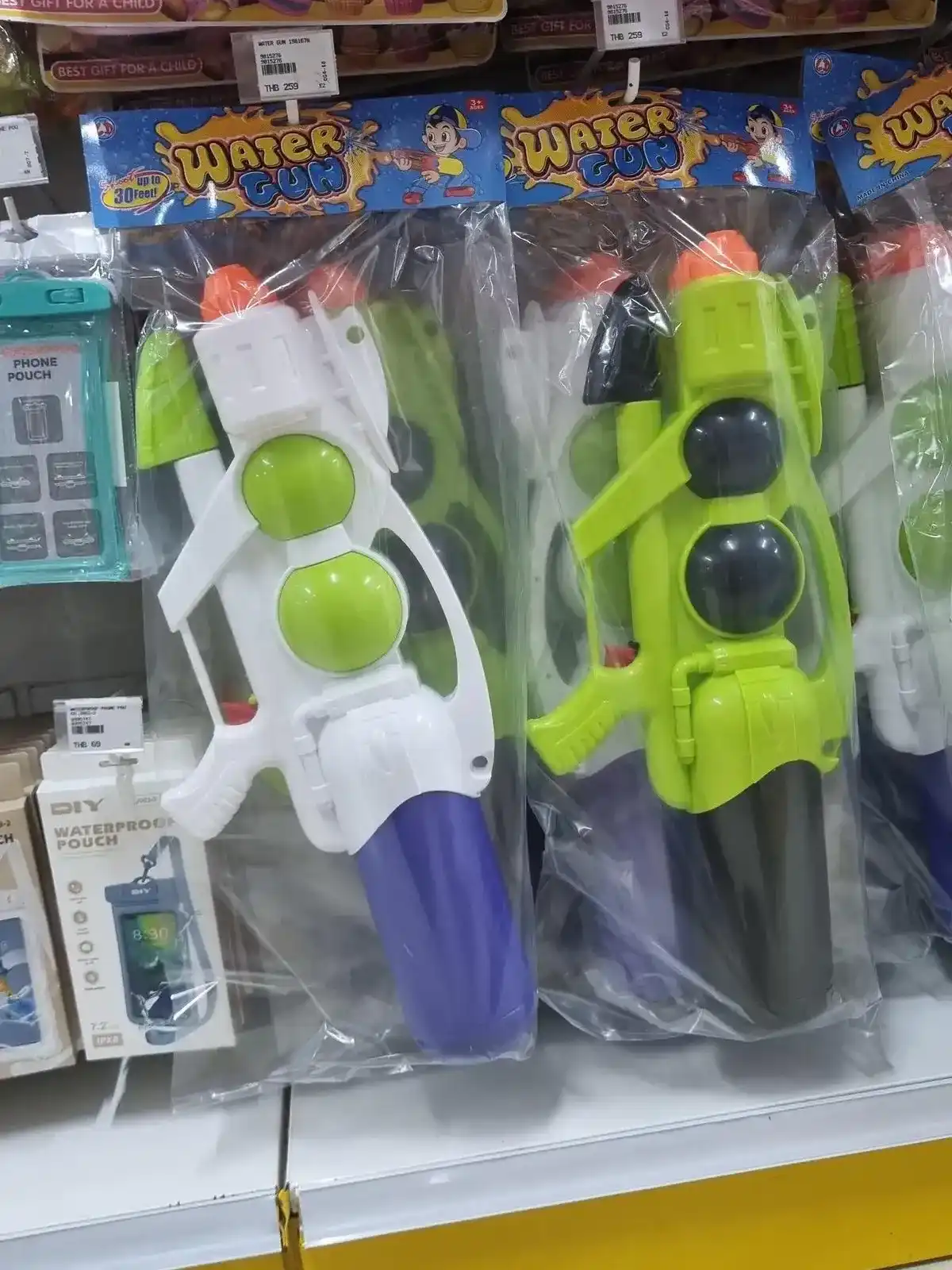
Songkran is best known for it’s multi-day water fight activities! However, there is more to it than that, with Buddhist traditions and rituals.
Don’t worry, you don’t need to find Songkran activities – the water fight will find YOU!
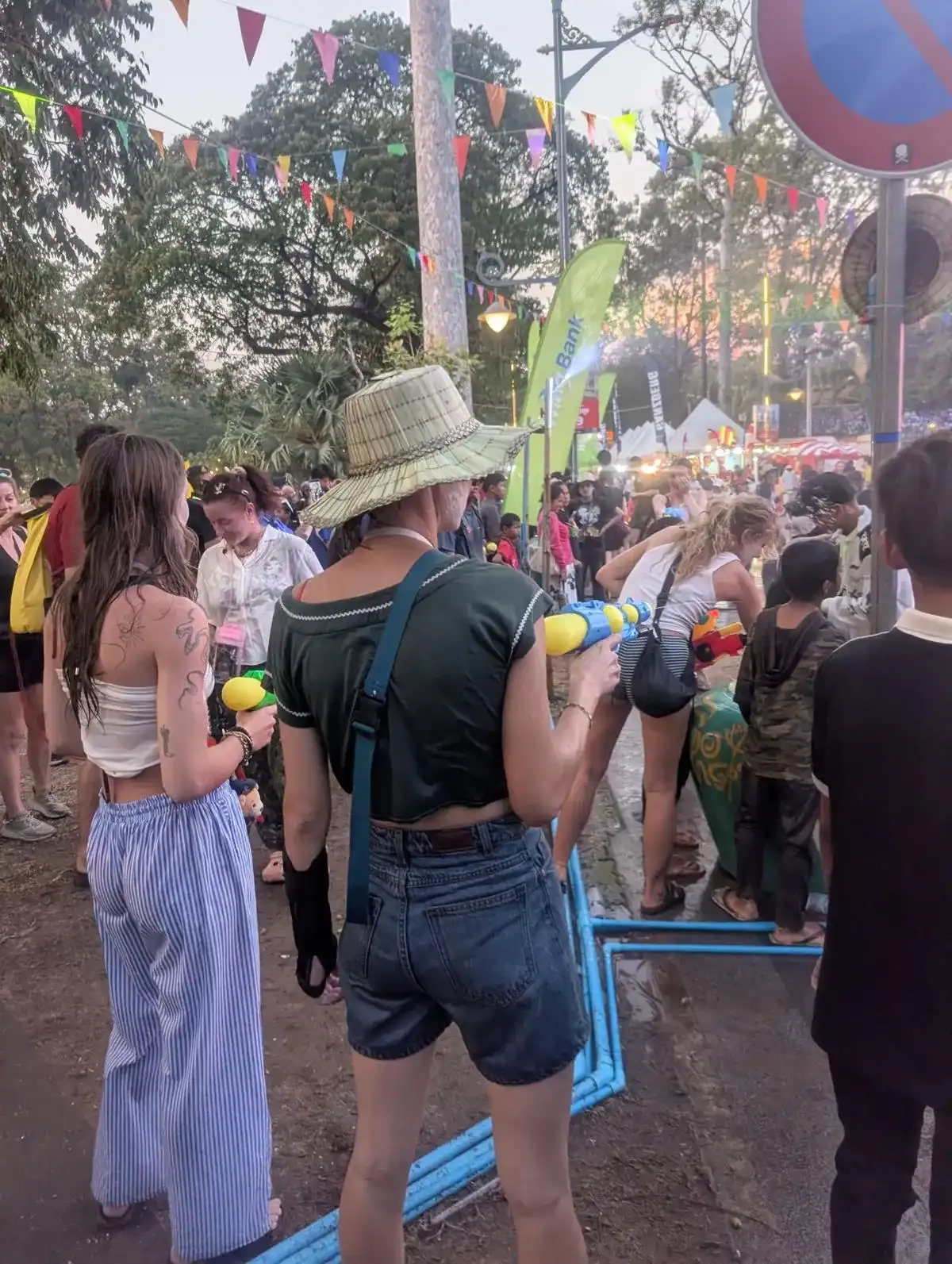
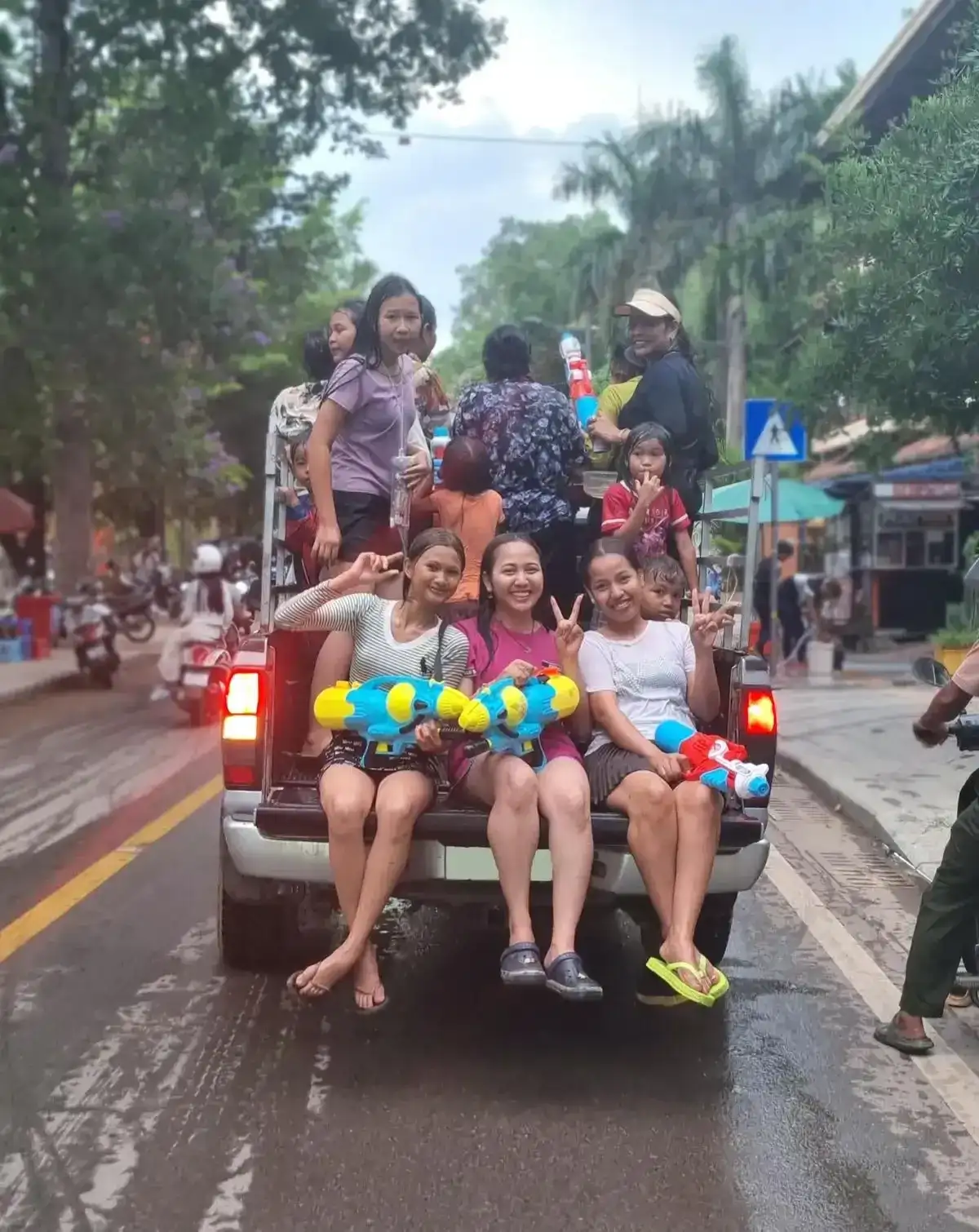
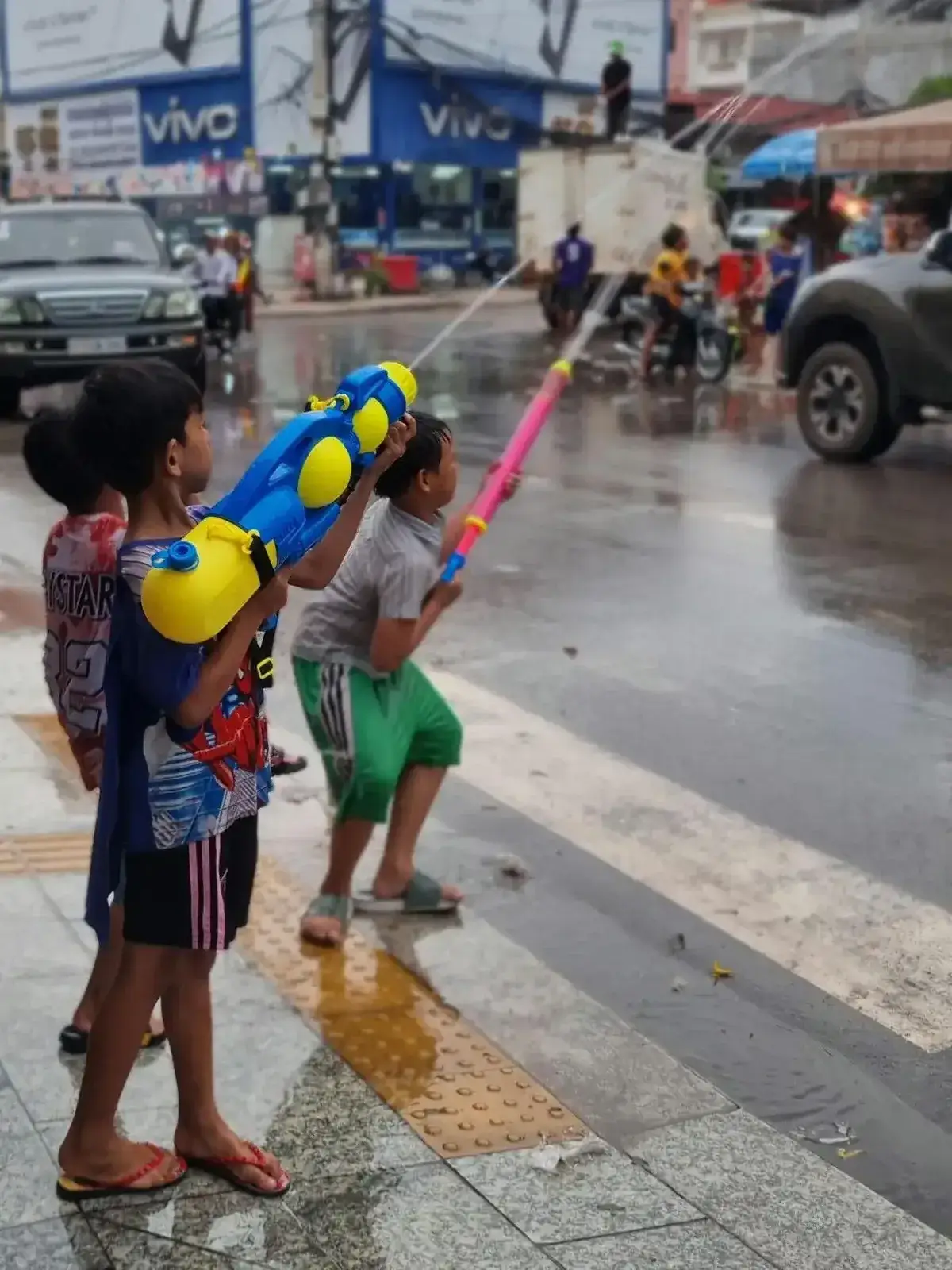
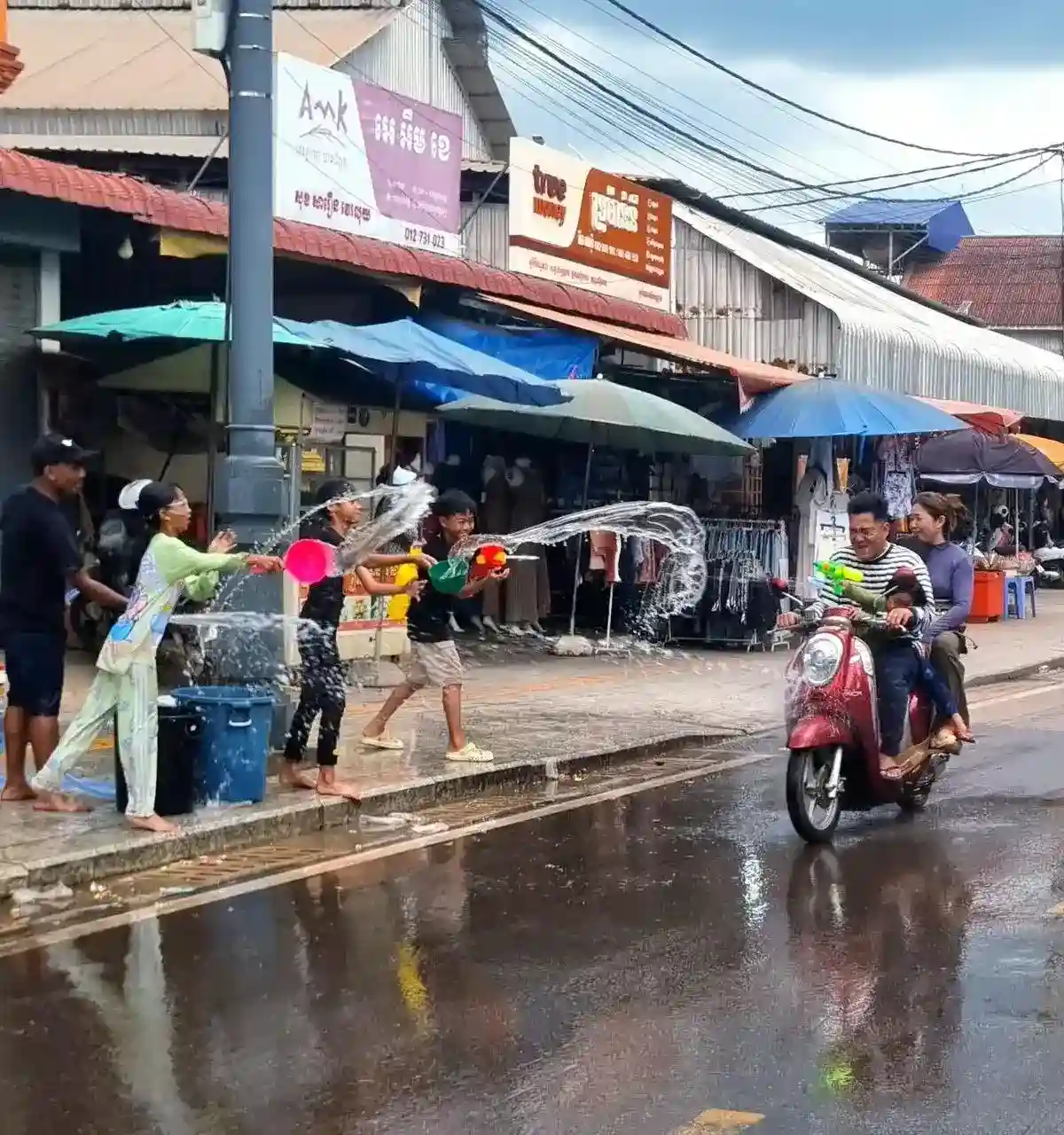
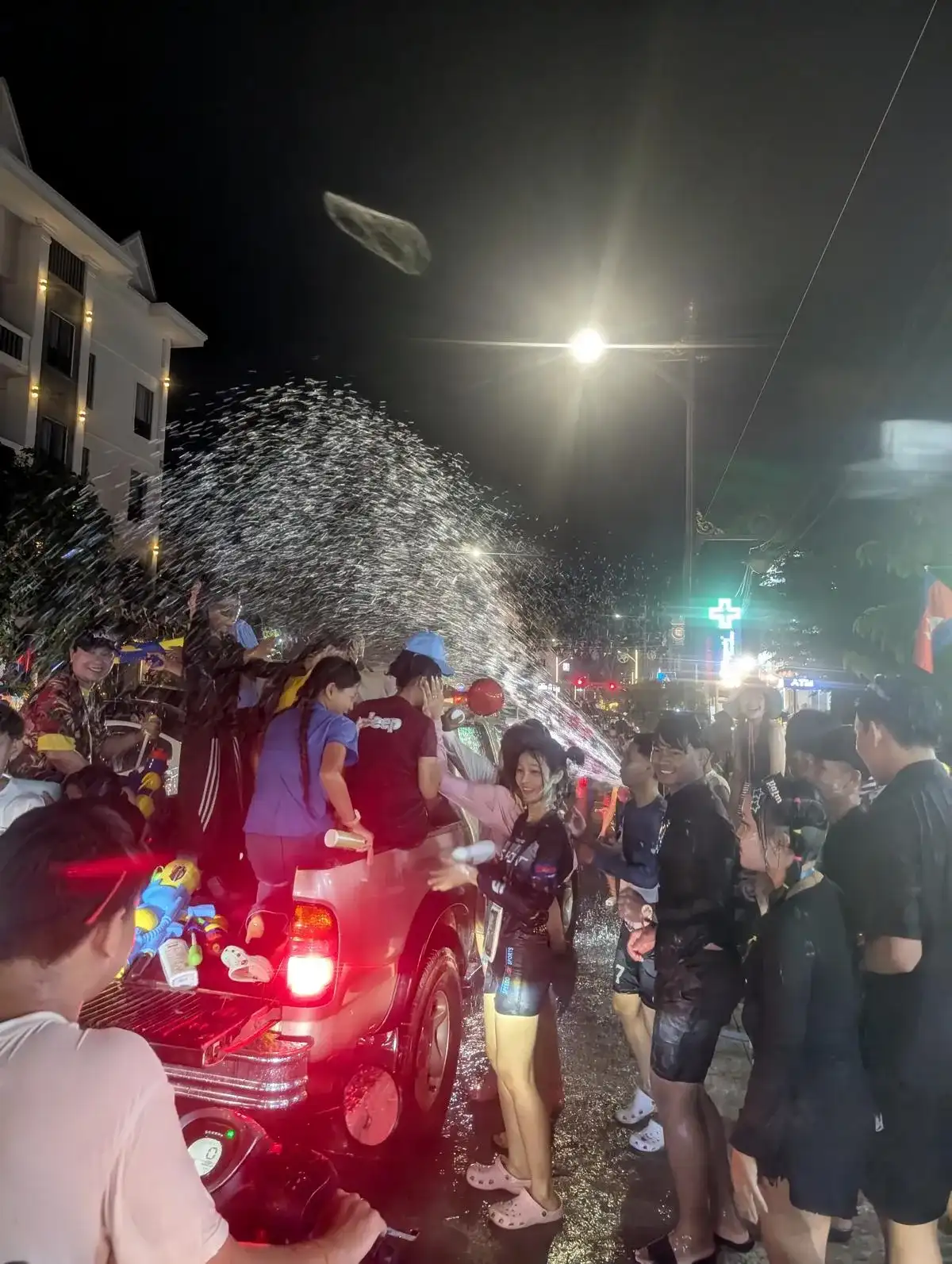
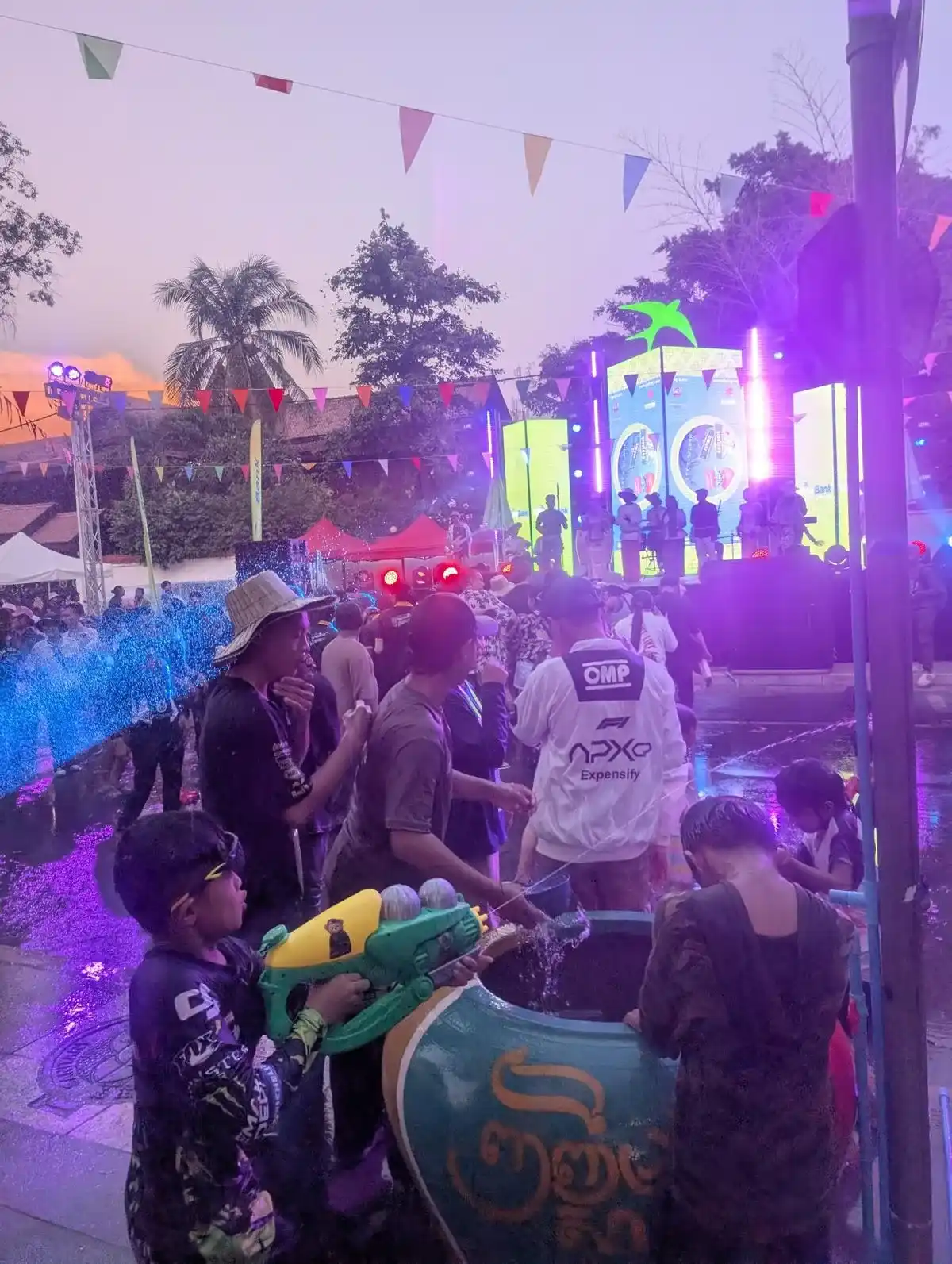
Laos calls it “Pi Mai”. The reason it is called “New Year” is that it aligns with the new year of the Theravada Buddhist calendar.
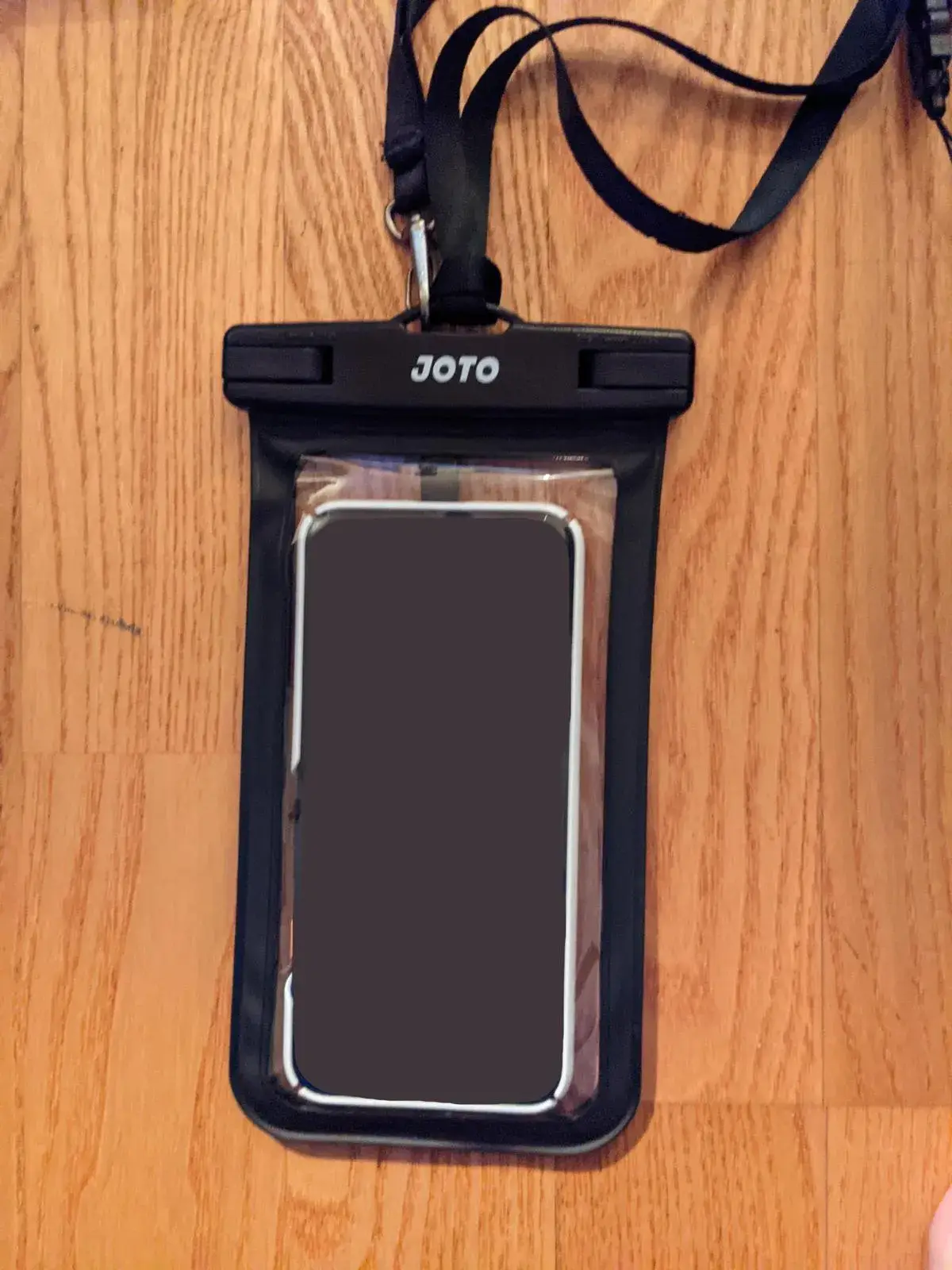
Do worry about getting wet – protect electronics with a waterproof bag!
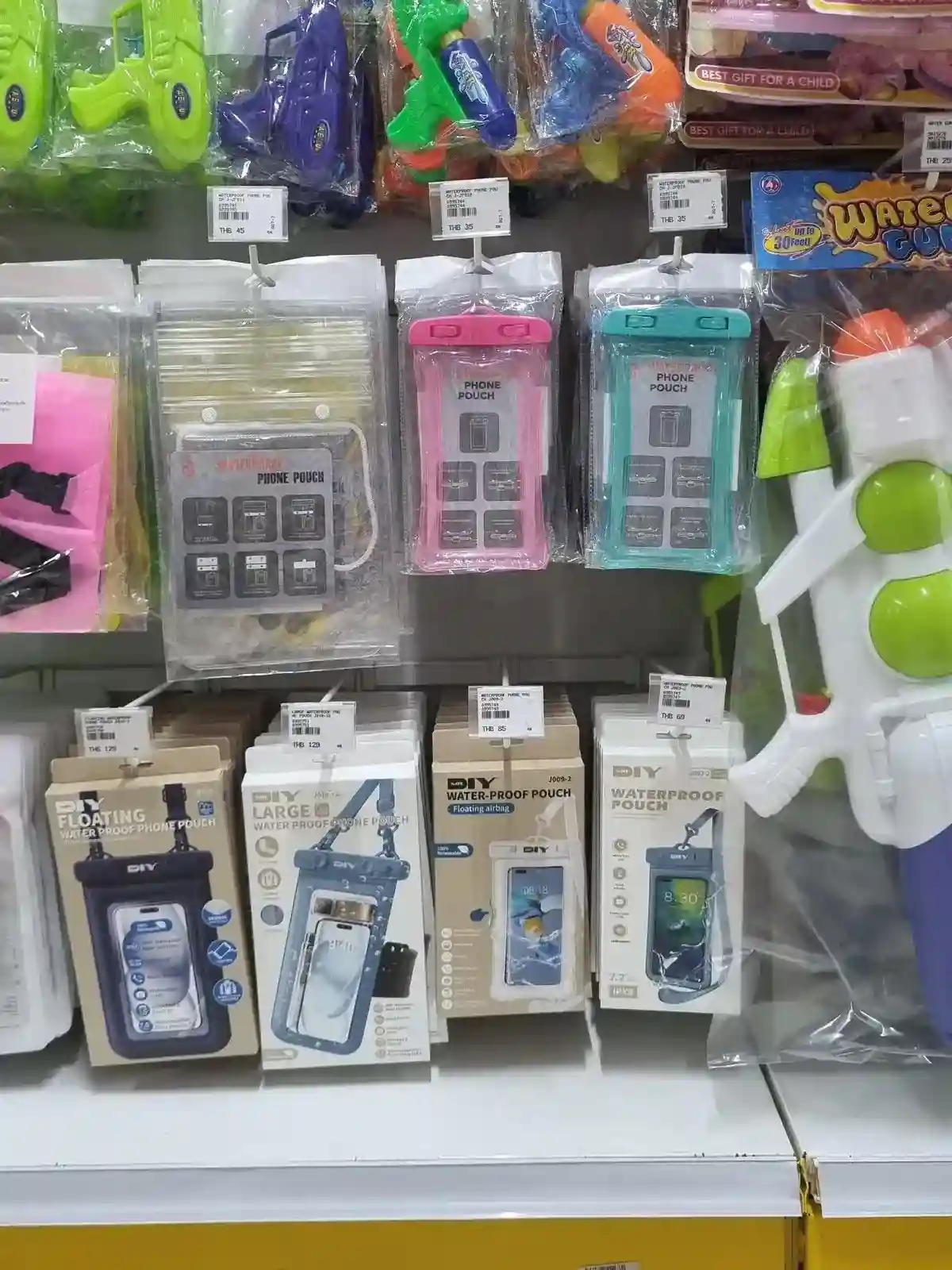
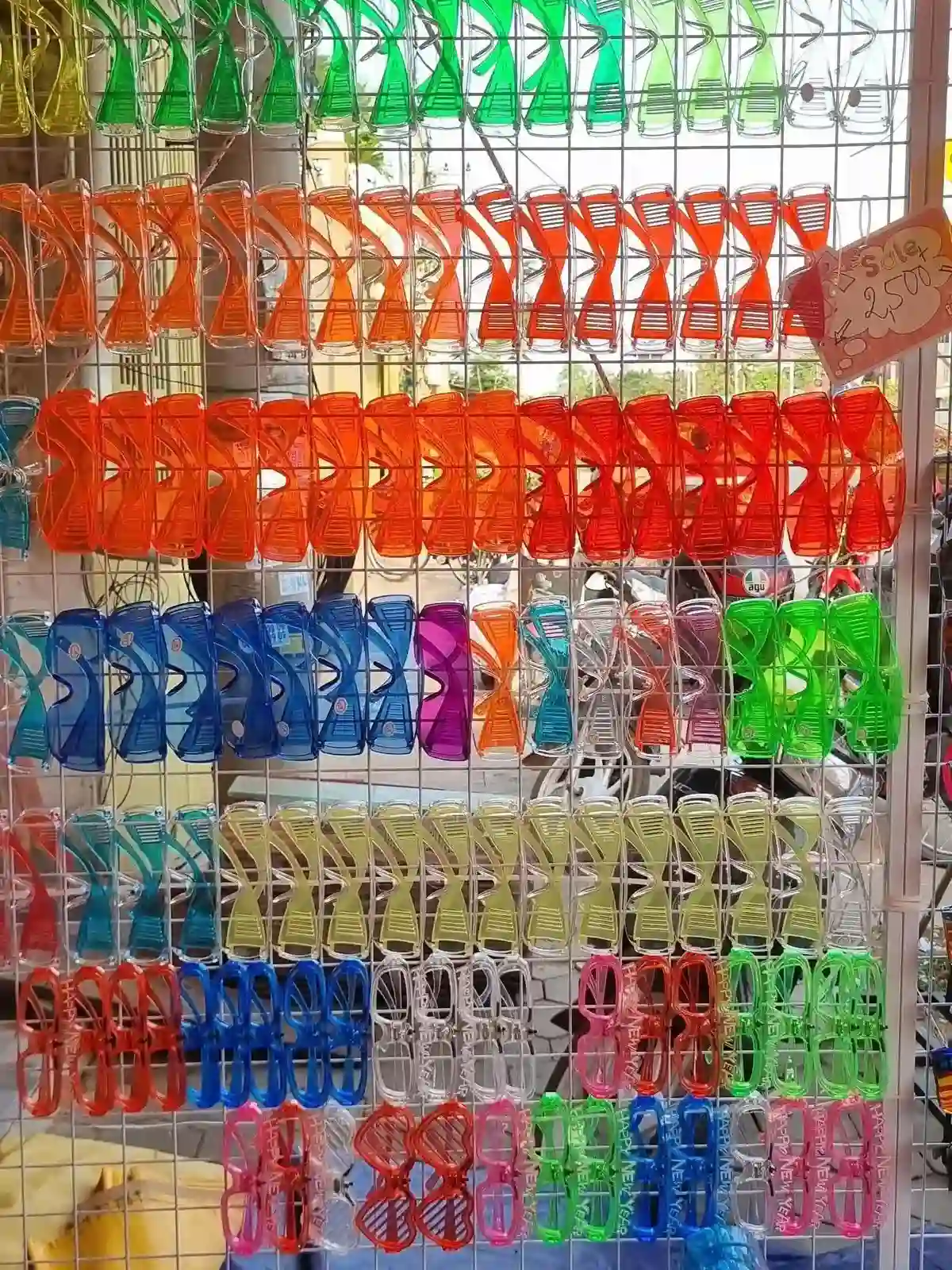
And, get your gear! 💦
Fun Fact
Some SE Asian countries officially go by the Theravada Buddhist calendar. The year 2026 is the Theravada Buddhist calendar year 2569… 543 years ahead!
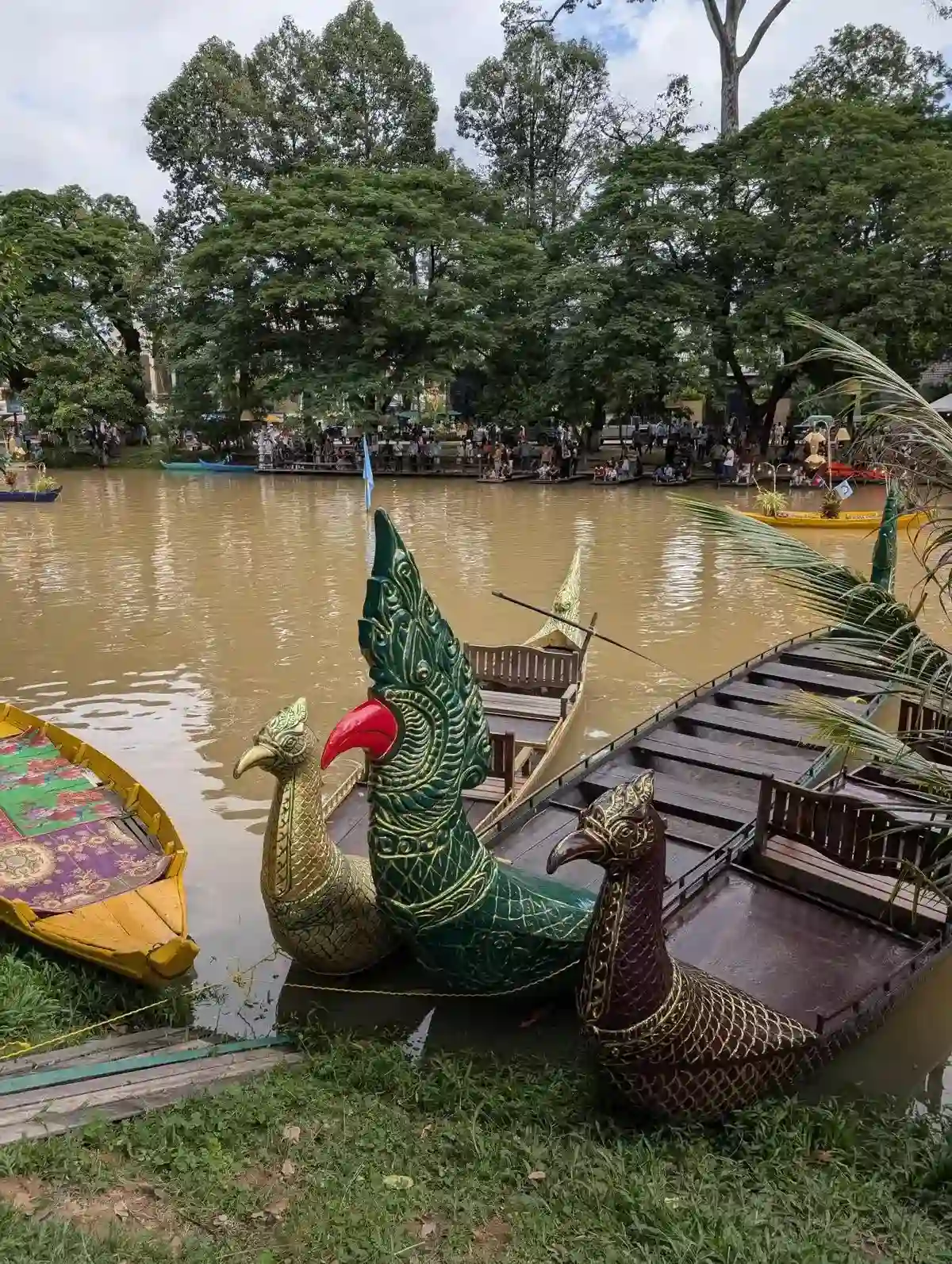
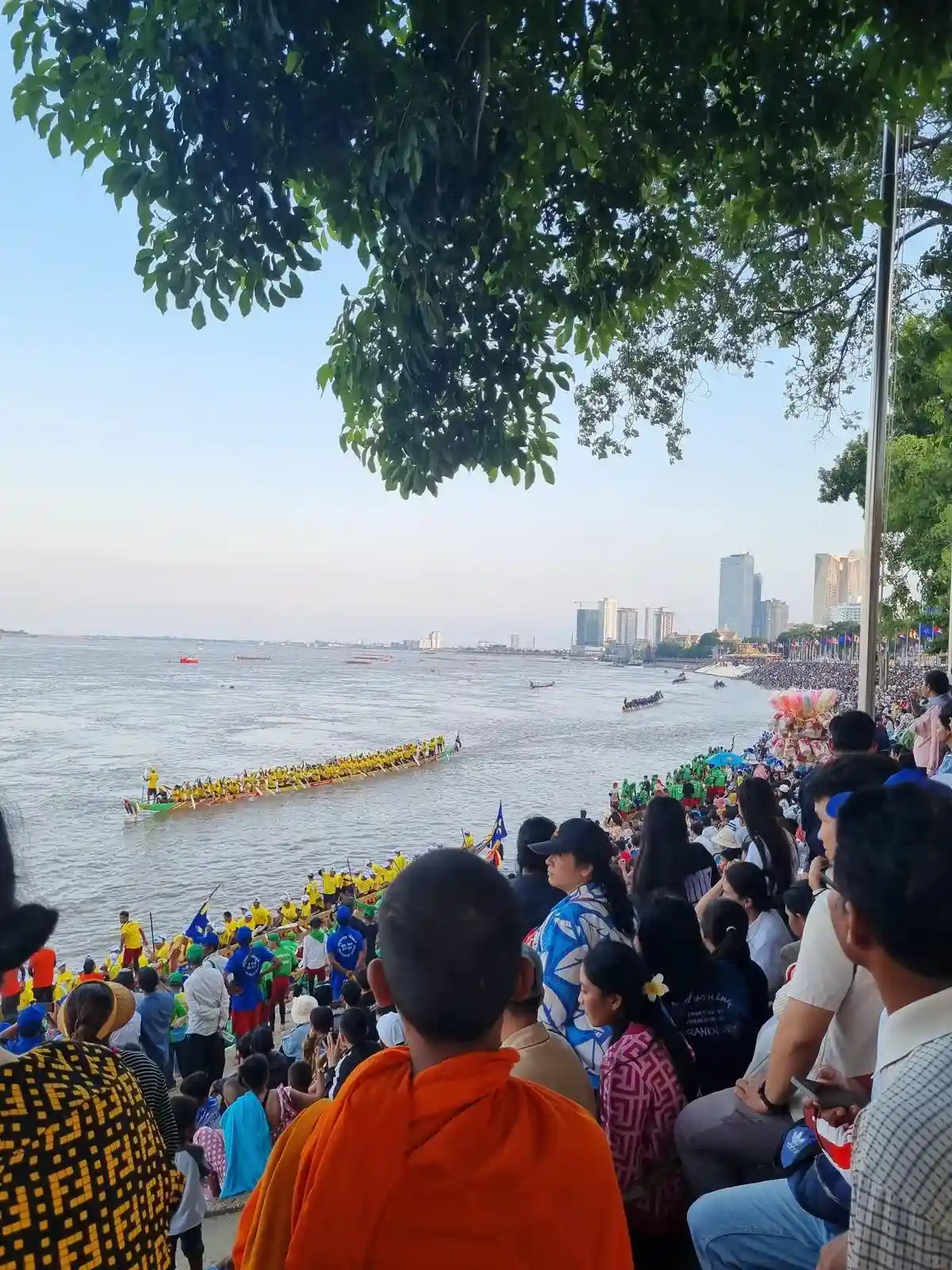
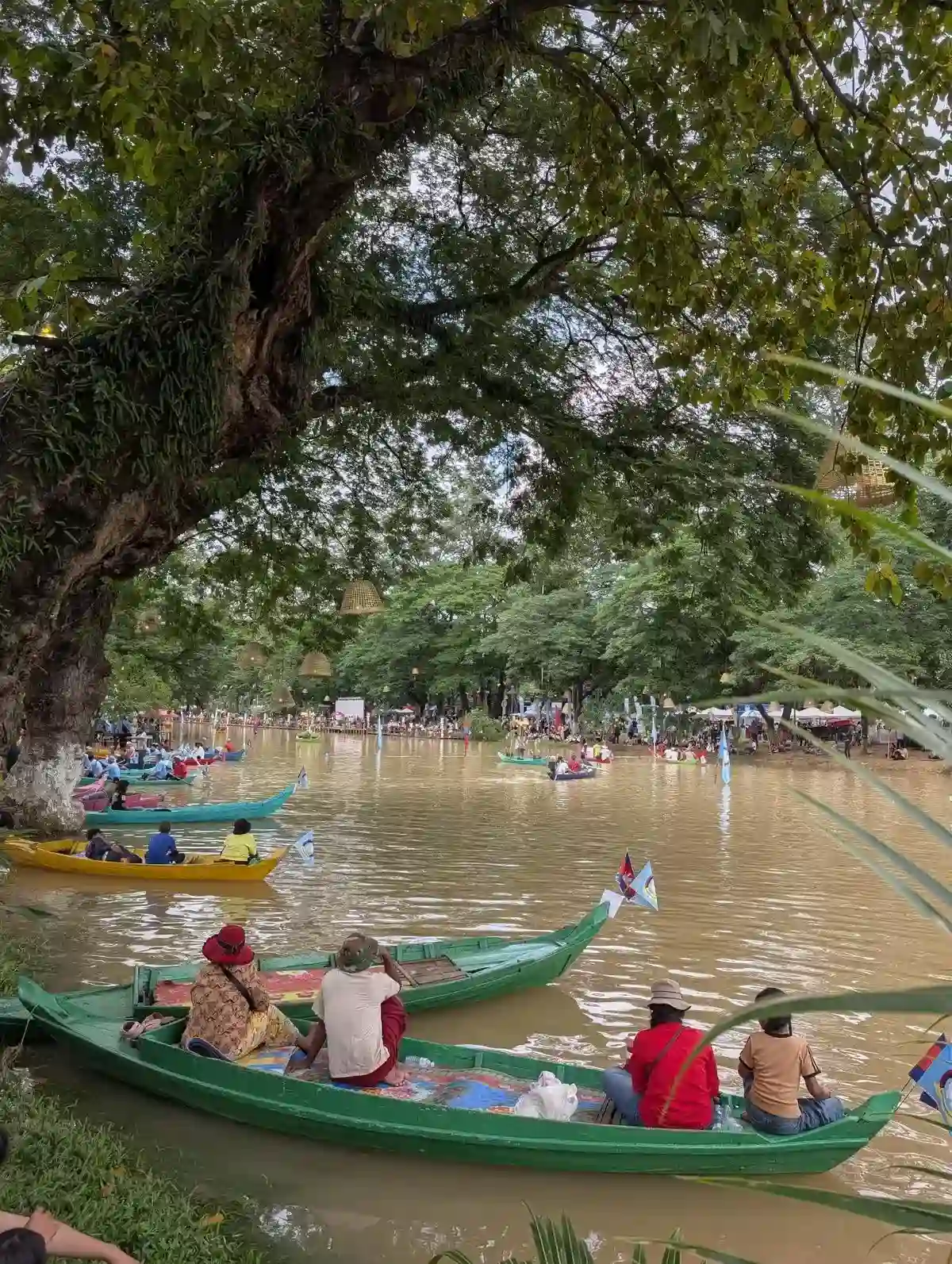
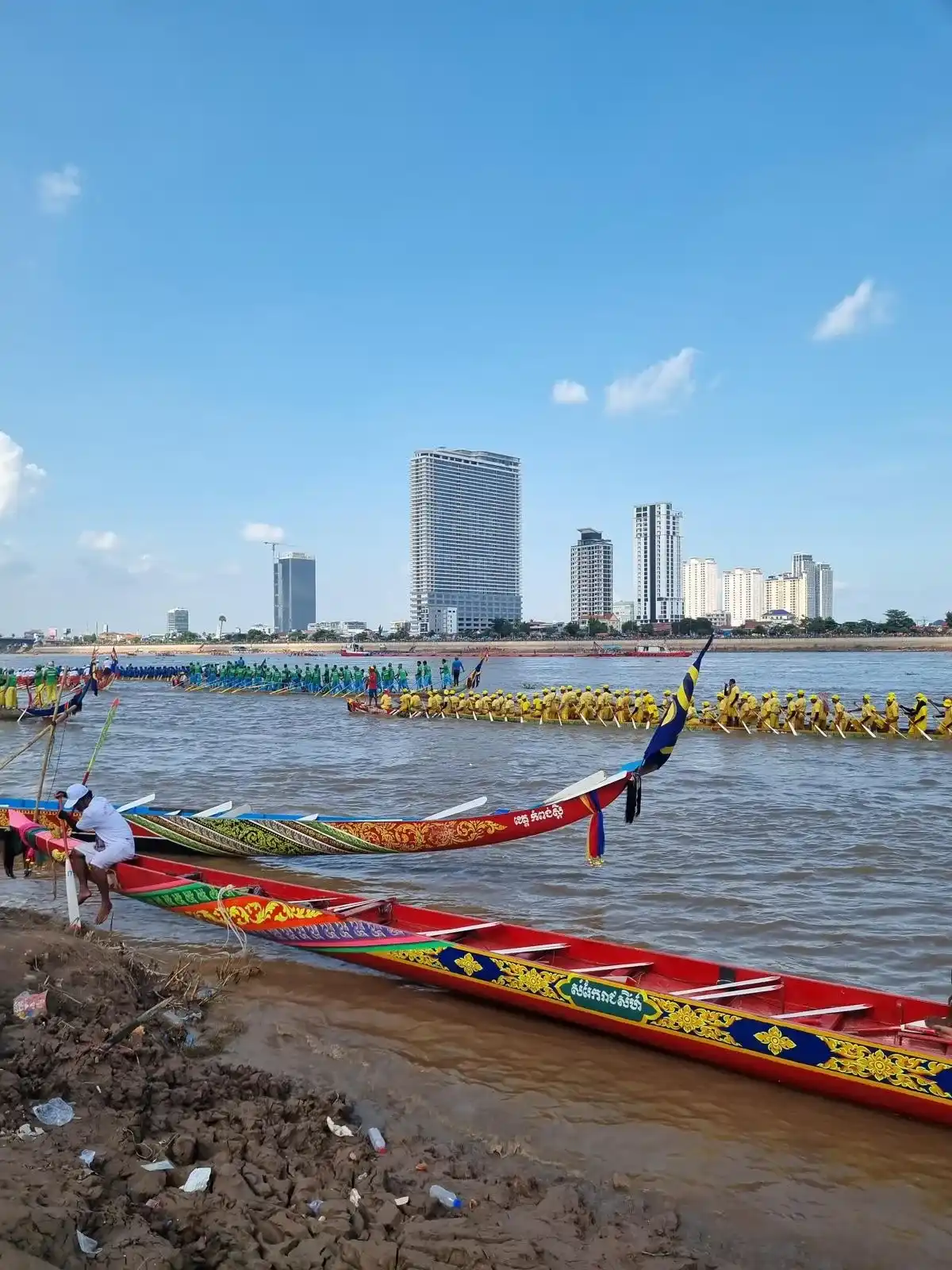
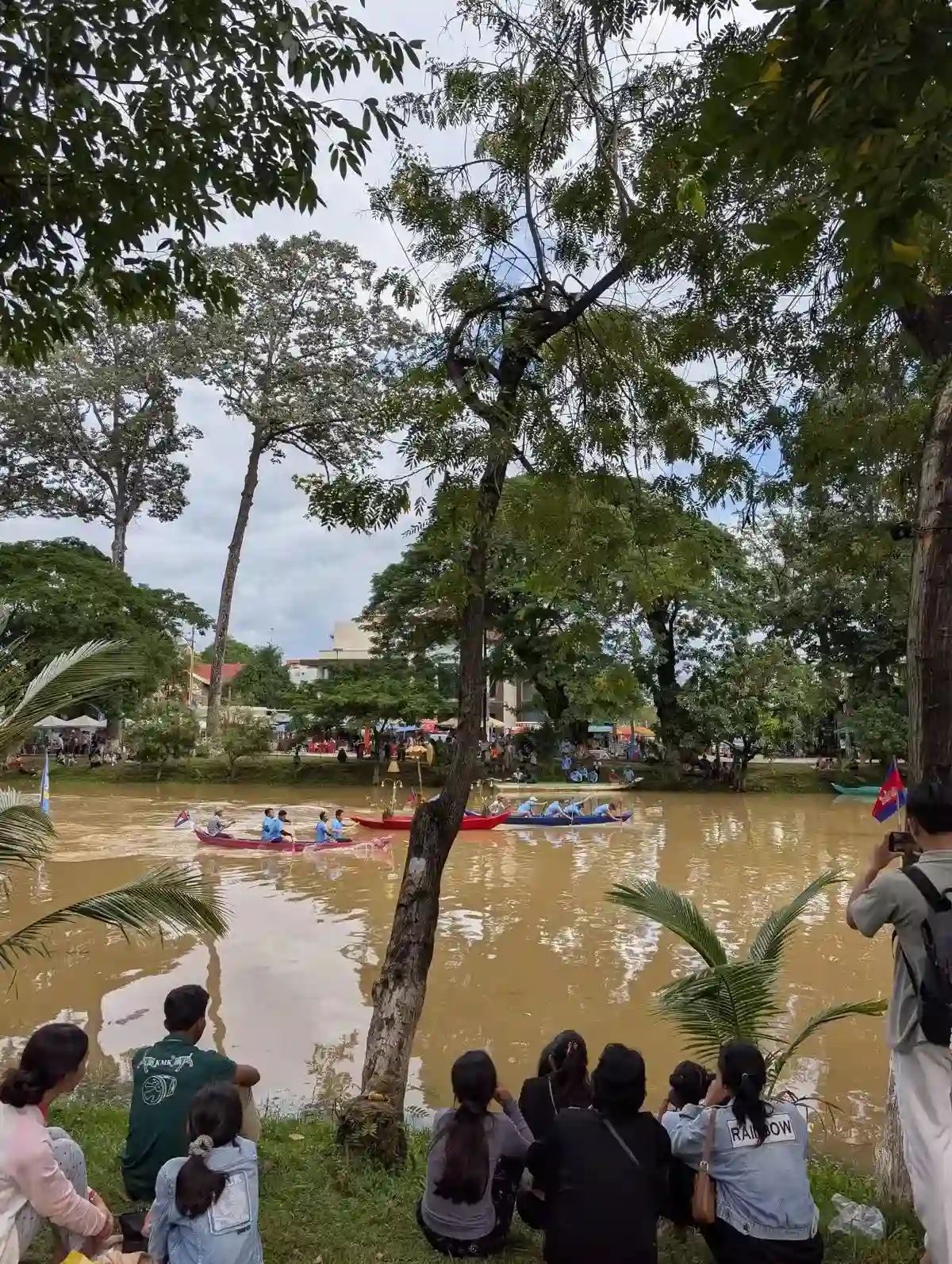
“Cambodian Boat Paddling Festival” (Bon Om Touk or “Water Festival”)
Cambodia
Don’t confuse this “water festival” (Bon Om Touk) with Songkran – they are very different.
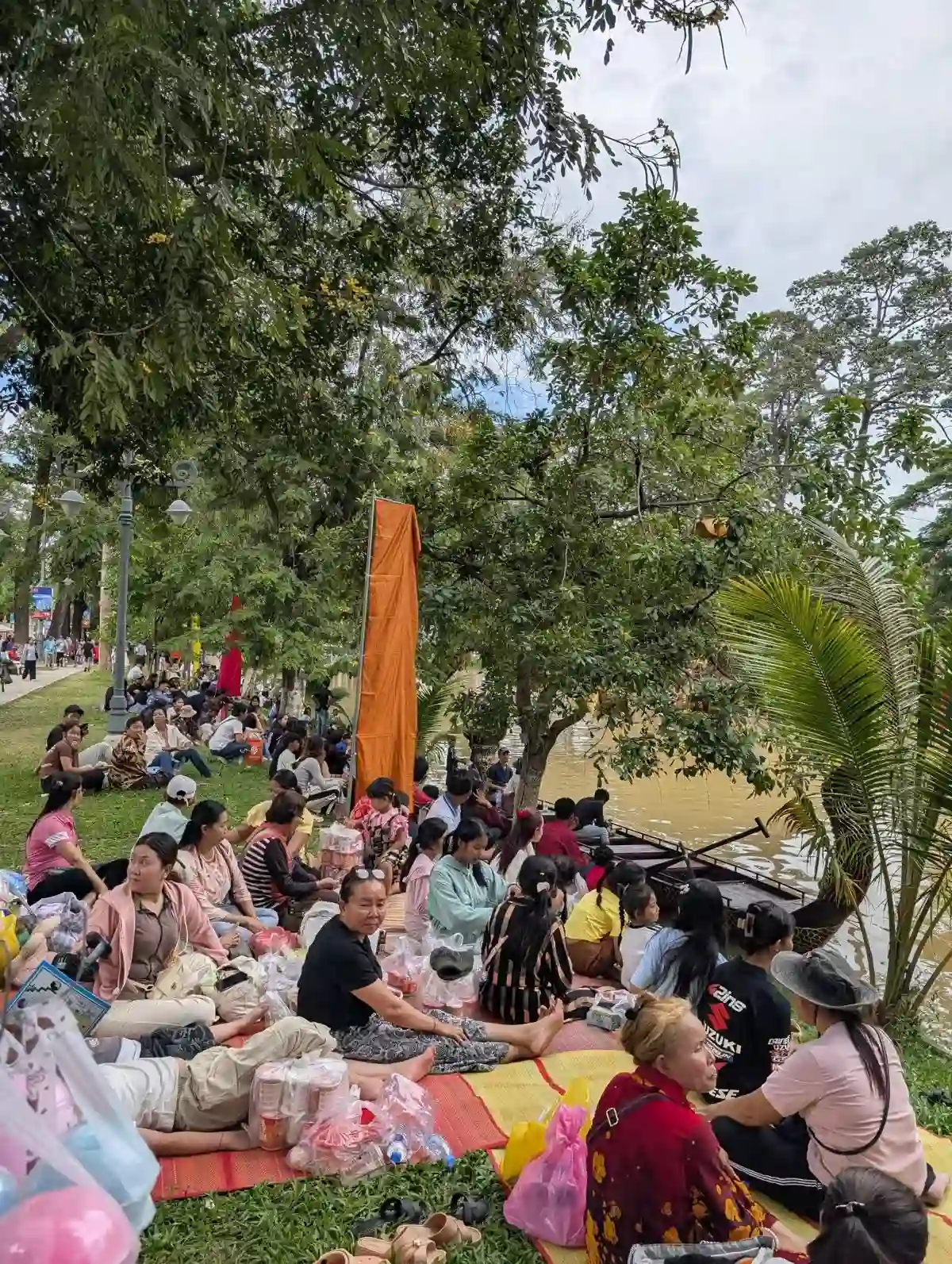
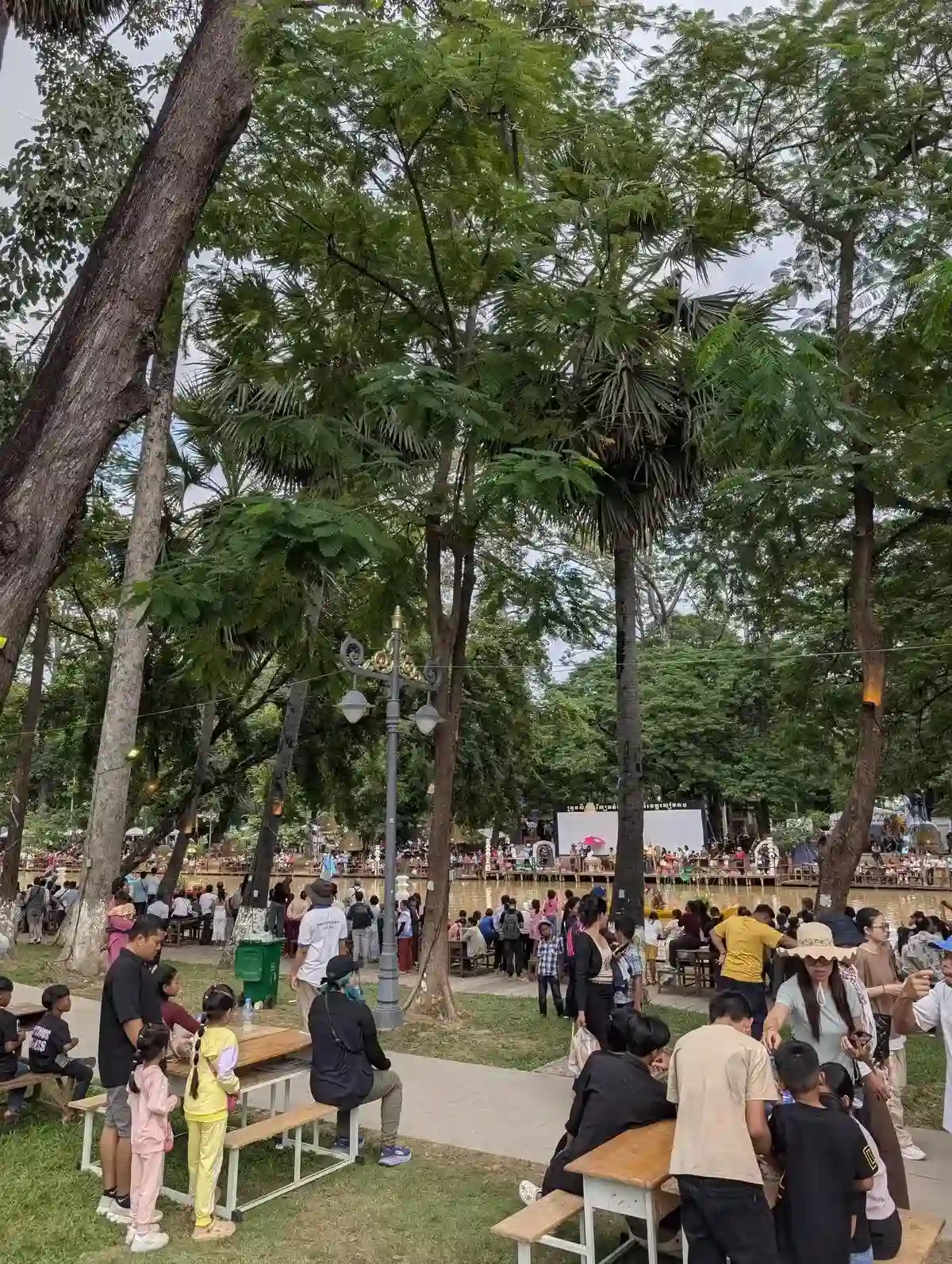
This festival is all about long boat racing, and it marks the end of the monsoon rainy season. There are some festivities that go along with it, but it’s mainly about watching the boats race.
Loi Krathong & Yi-Peng
Thailand, Laos
Two holidays that are celebrated at the exact same time, Loi Krathong and Yi-Peng.
Loi Krathong is about water lanterns and krathongs. It is considered romantic for couples to set off intricate water lanterns (krathongs), together.
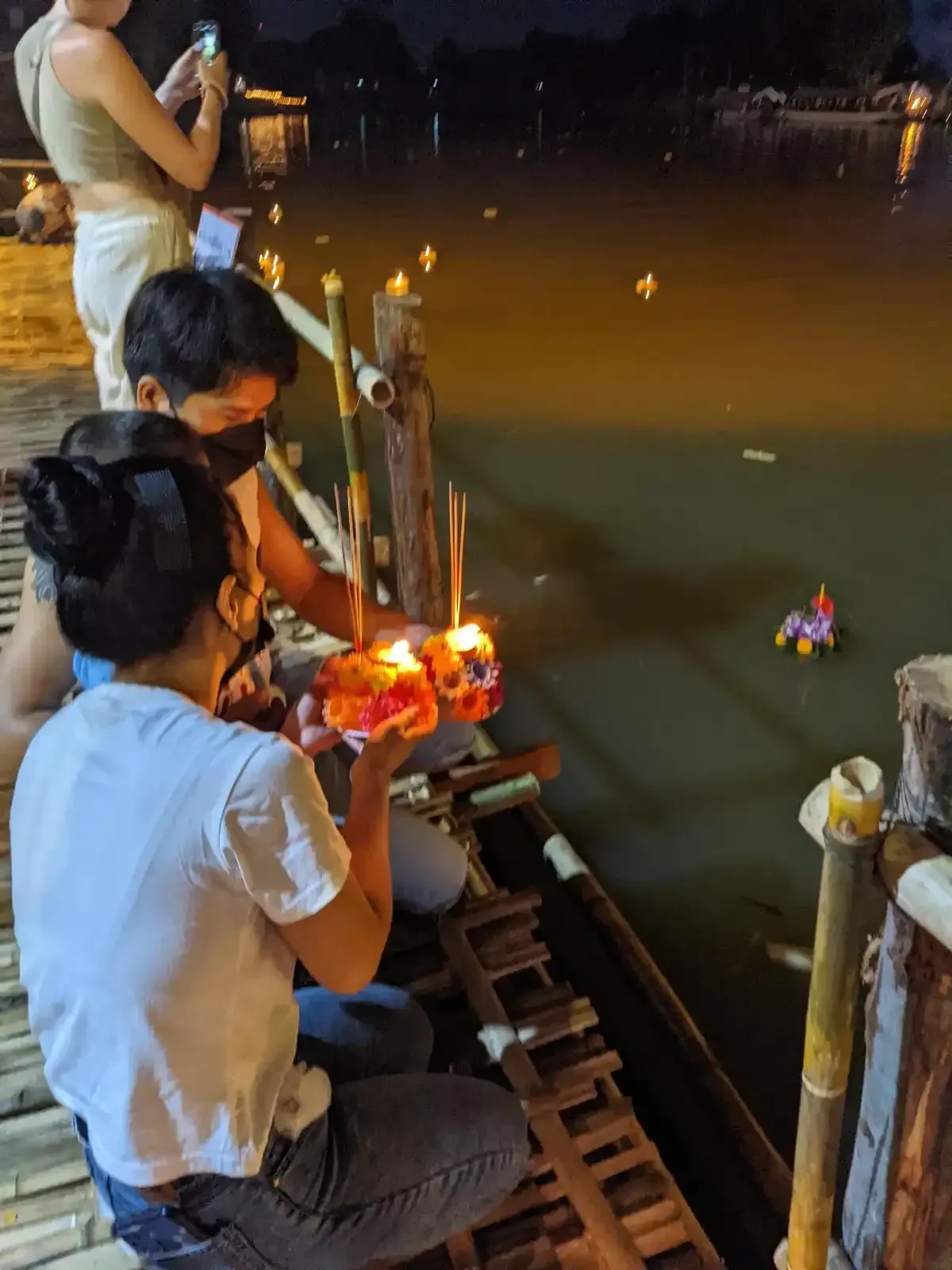
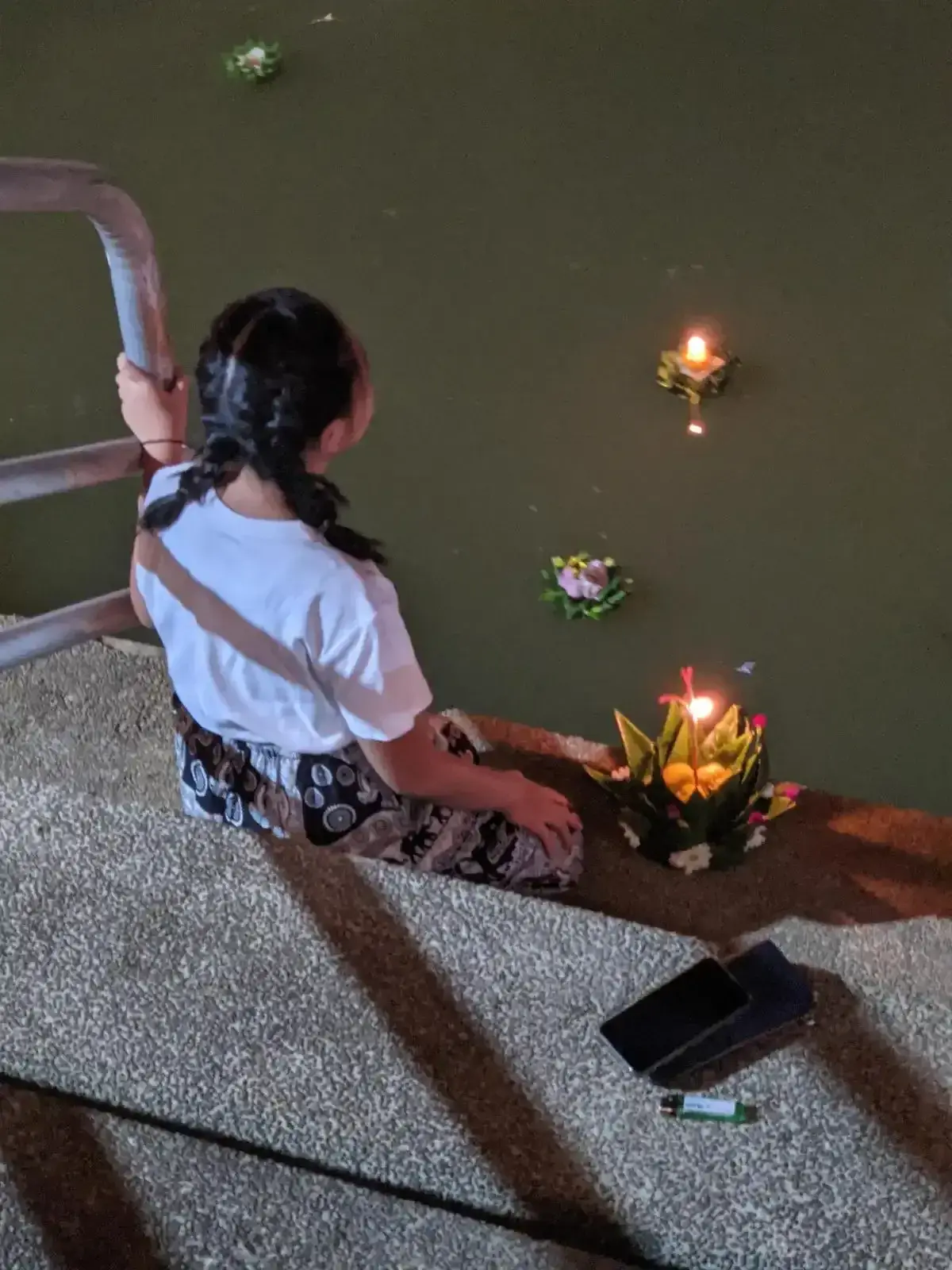
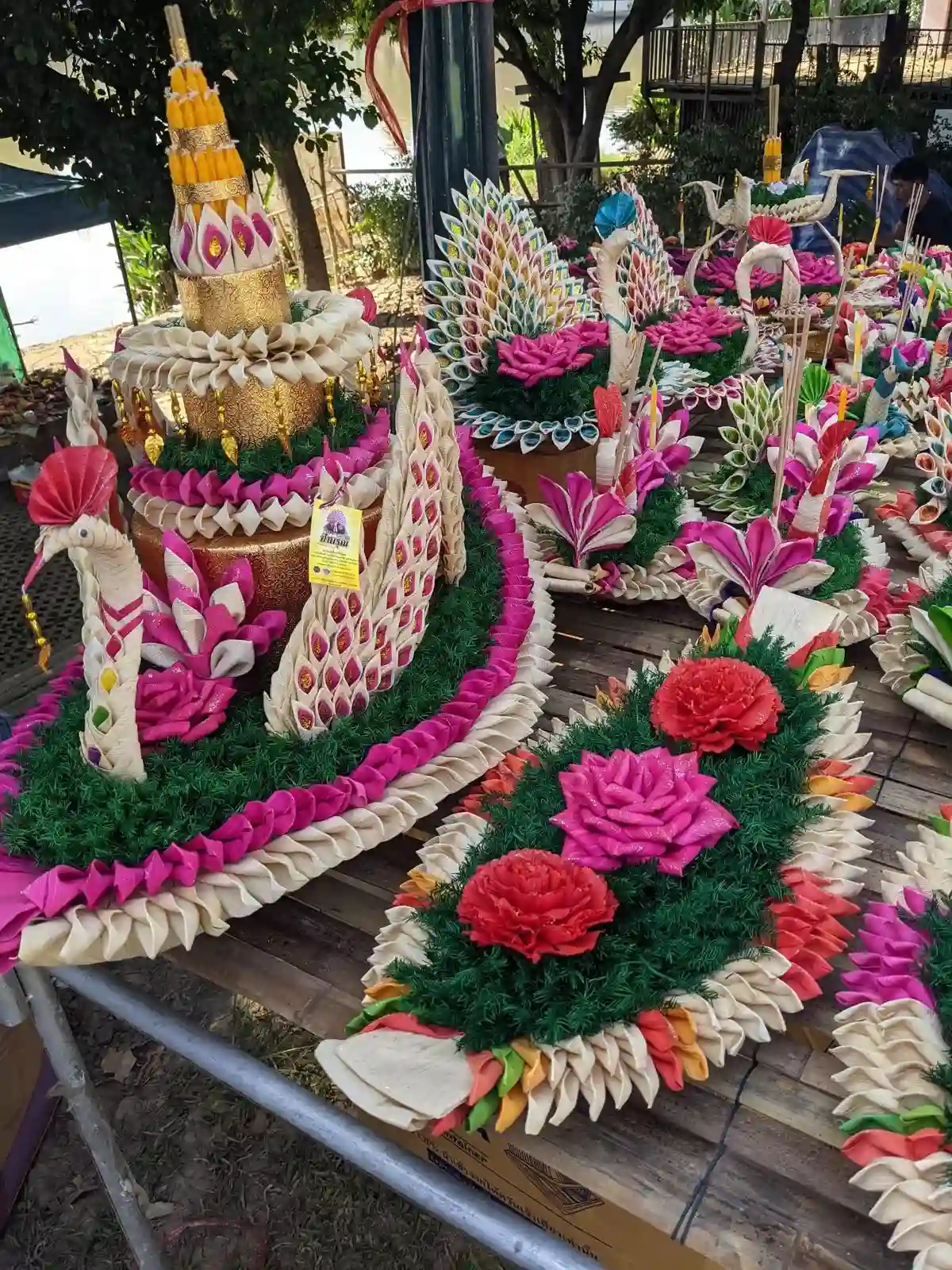
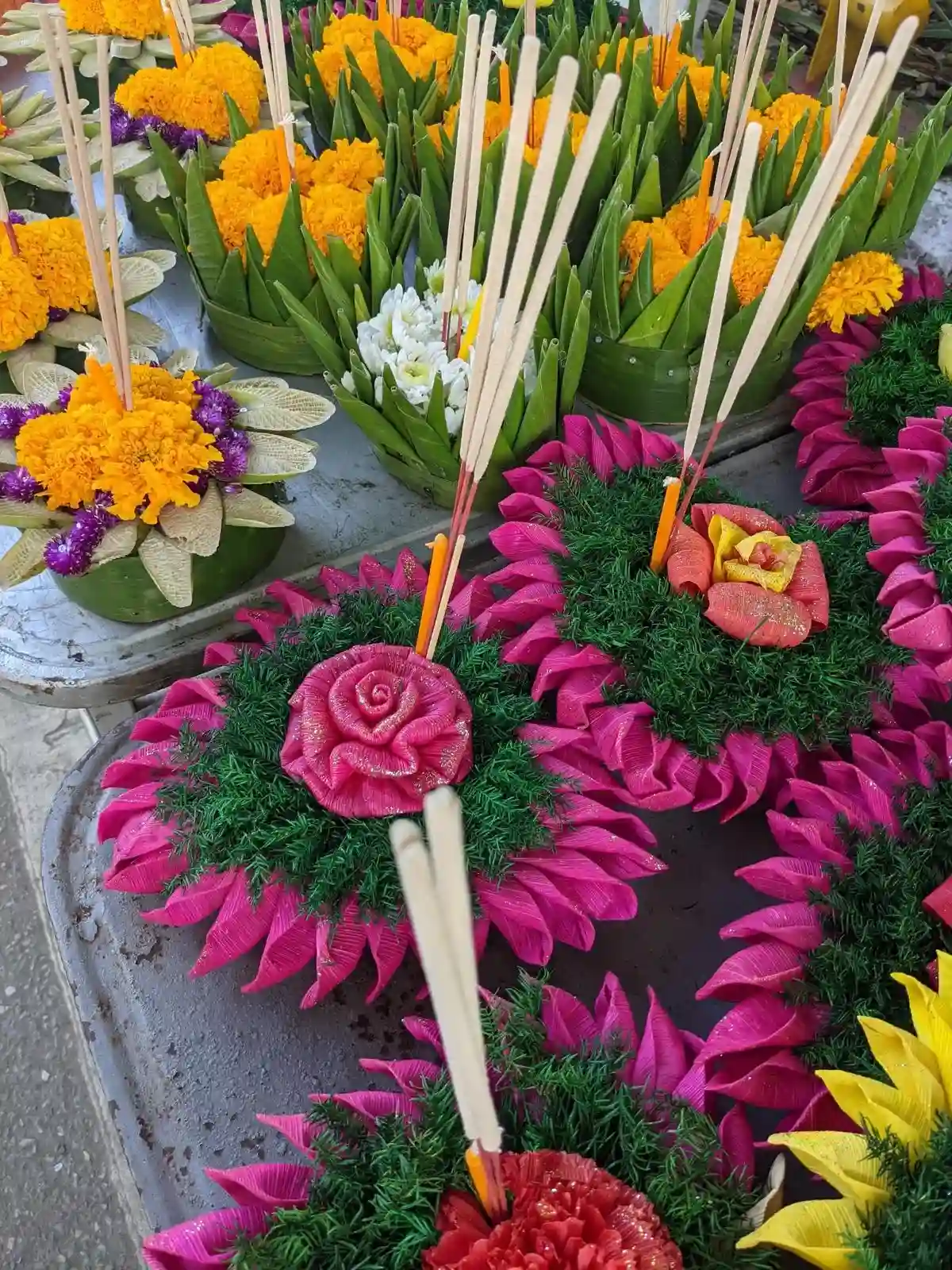
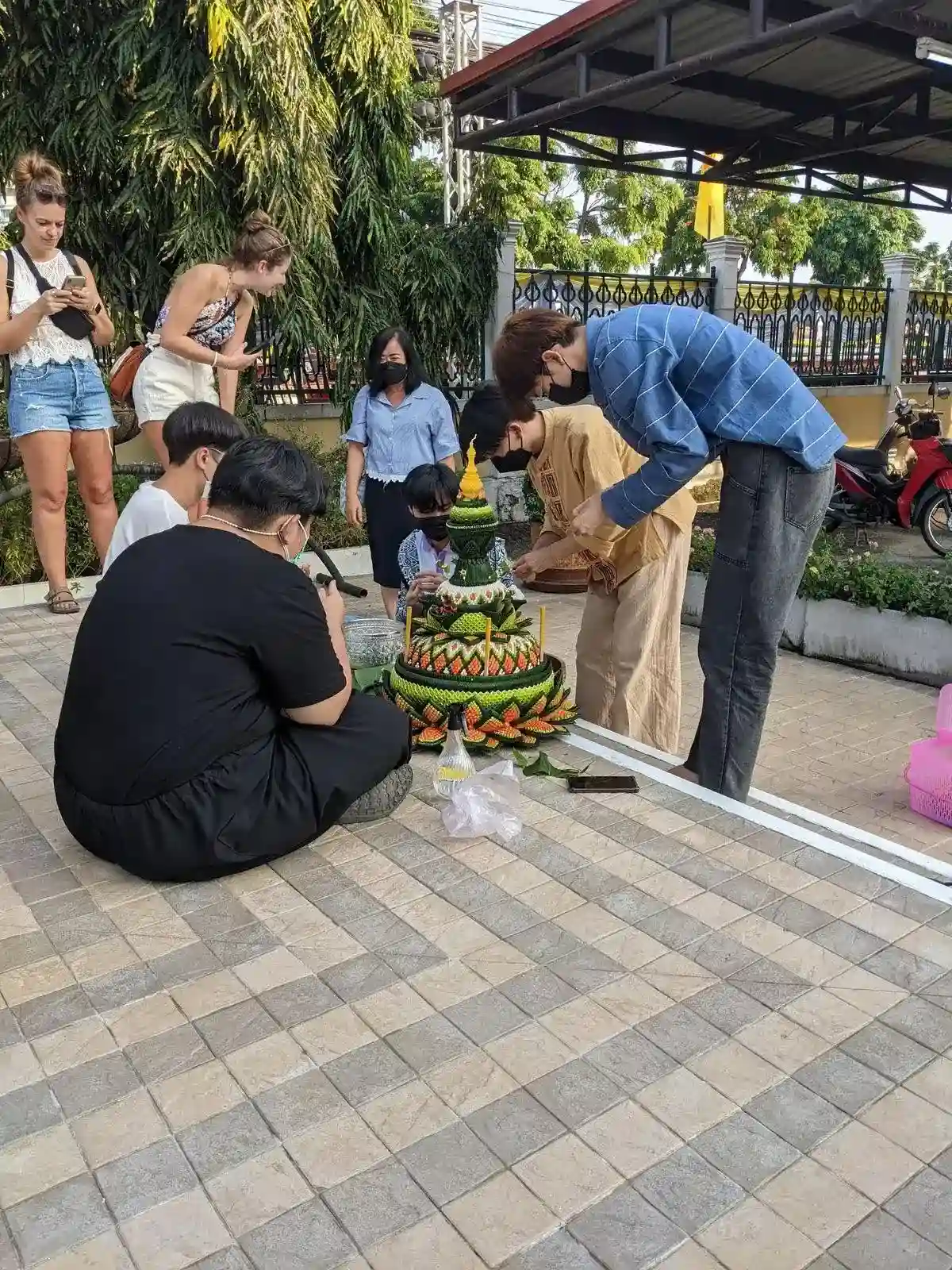
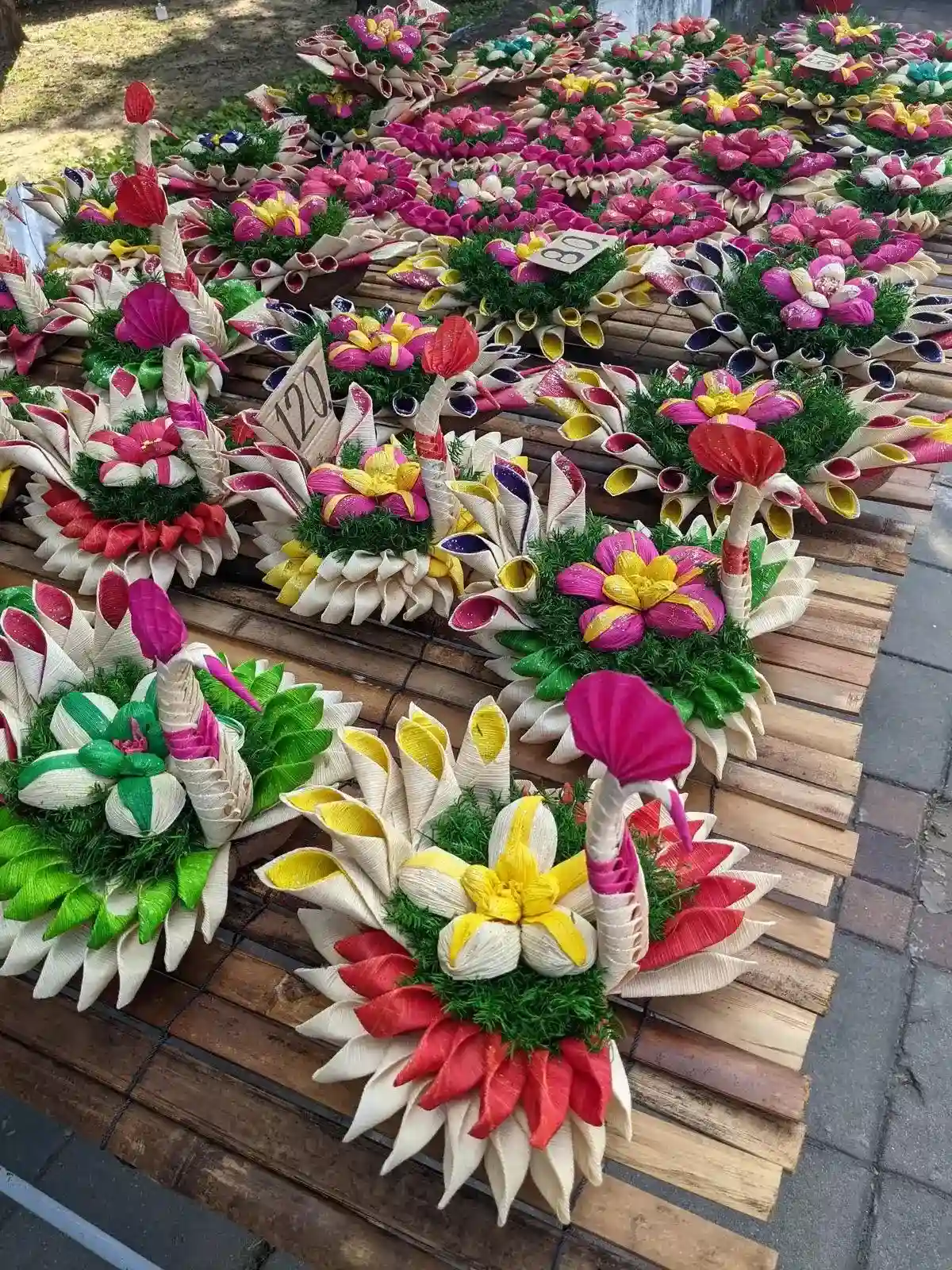
Yi-Peng (full moon day) is about sky lanterns. Lanterns in the water and in the sky – they’ve got it all covered.
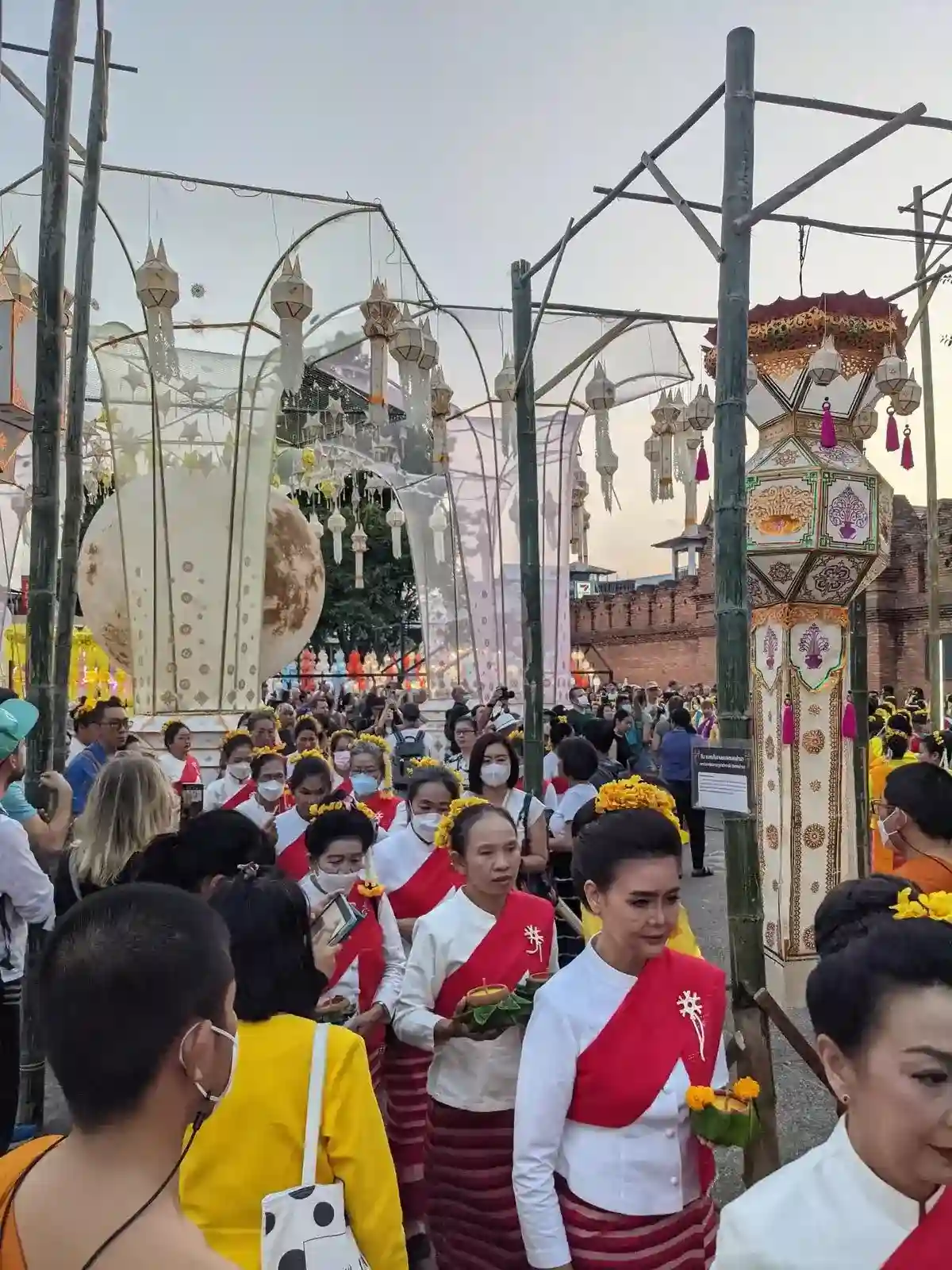
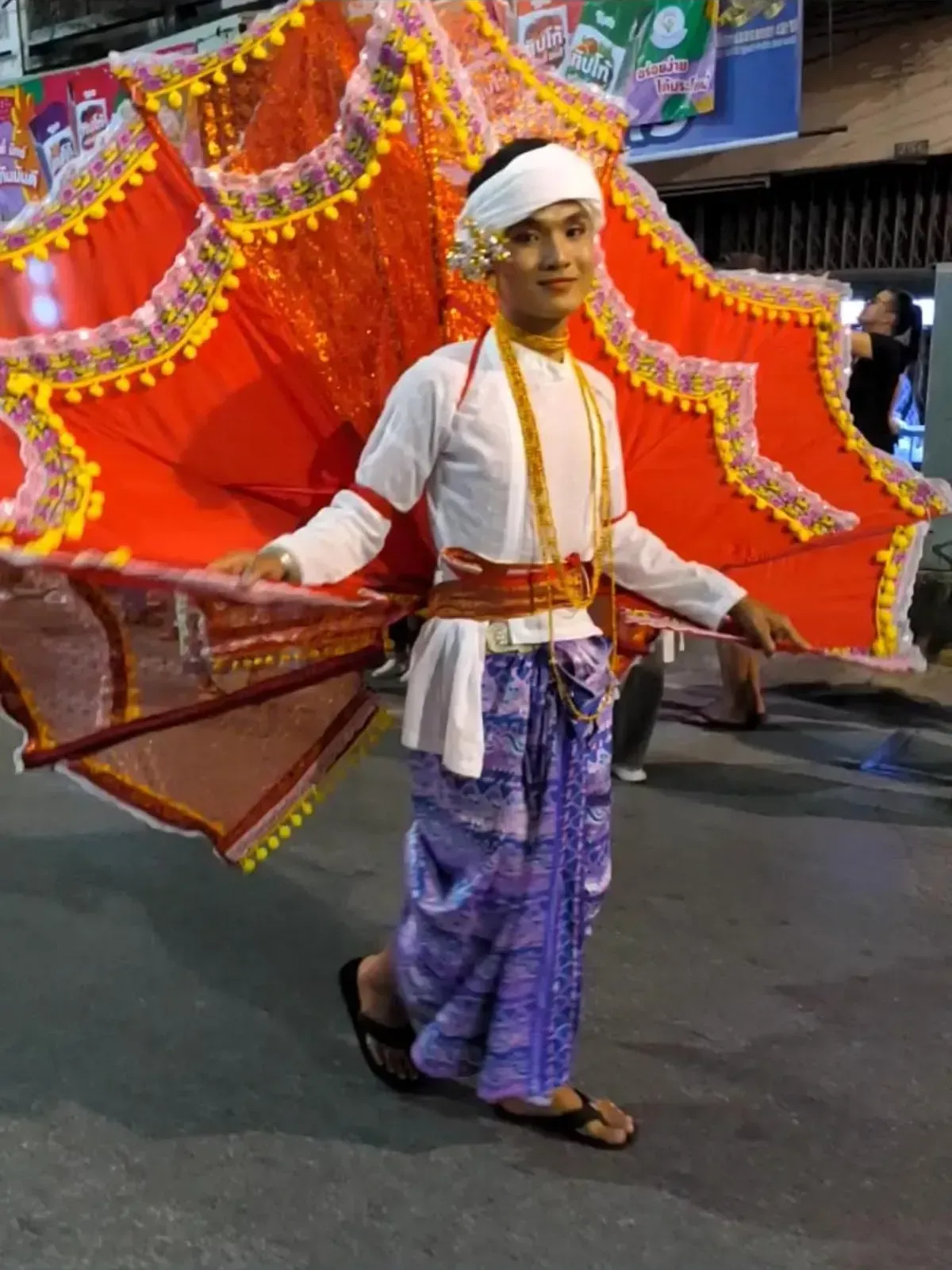
In Chiang Mai, there is a really good parade. DO NOT MISS THAT!
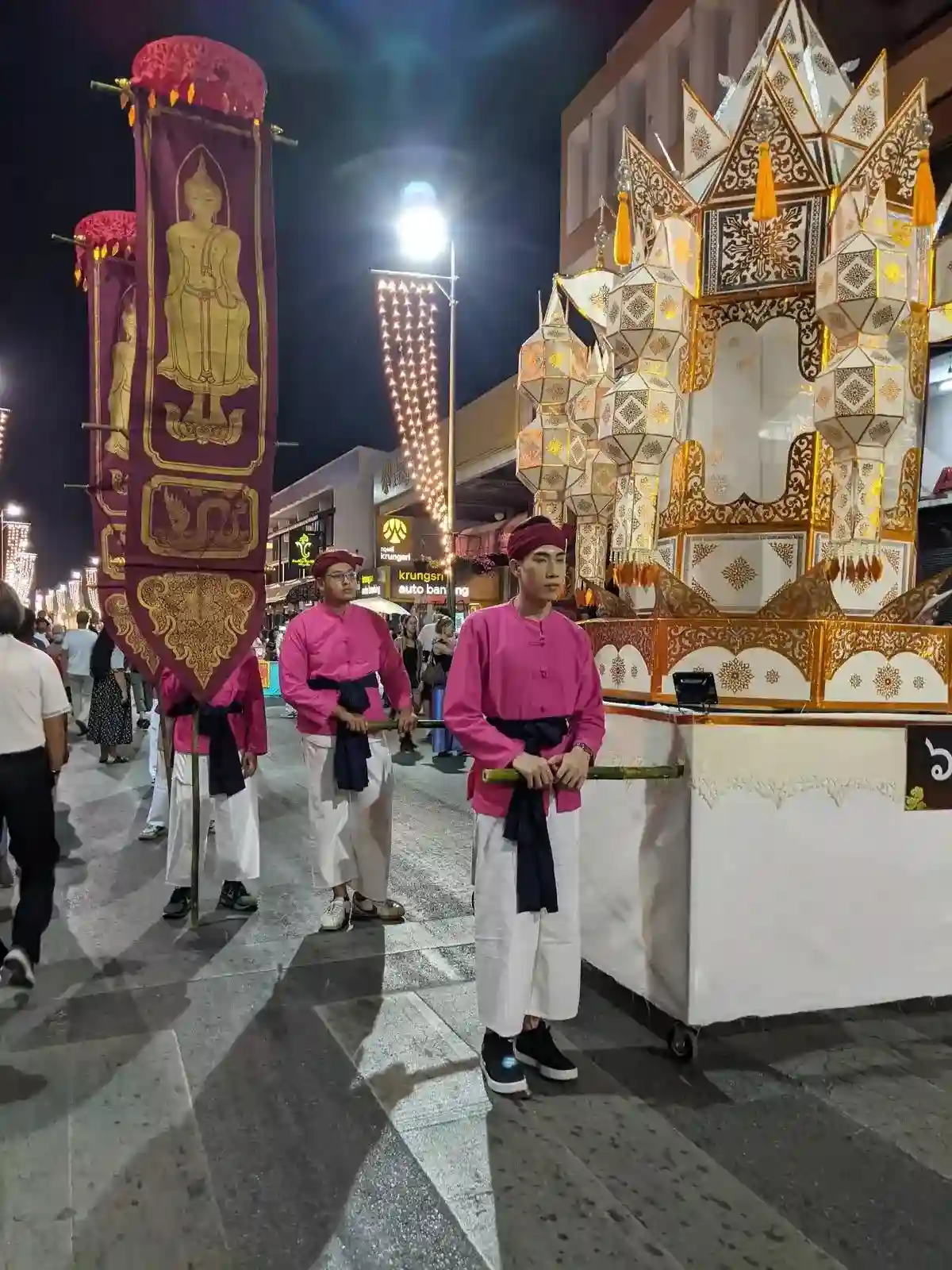
Tip
Chiang Mai, Thailand is considered the best place to experience & celebrate Loi Kratong and Yi-Peng.
Put it at the top of your bucket list!
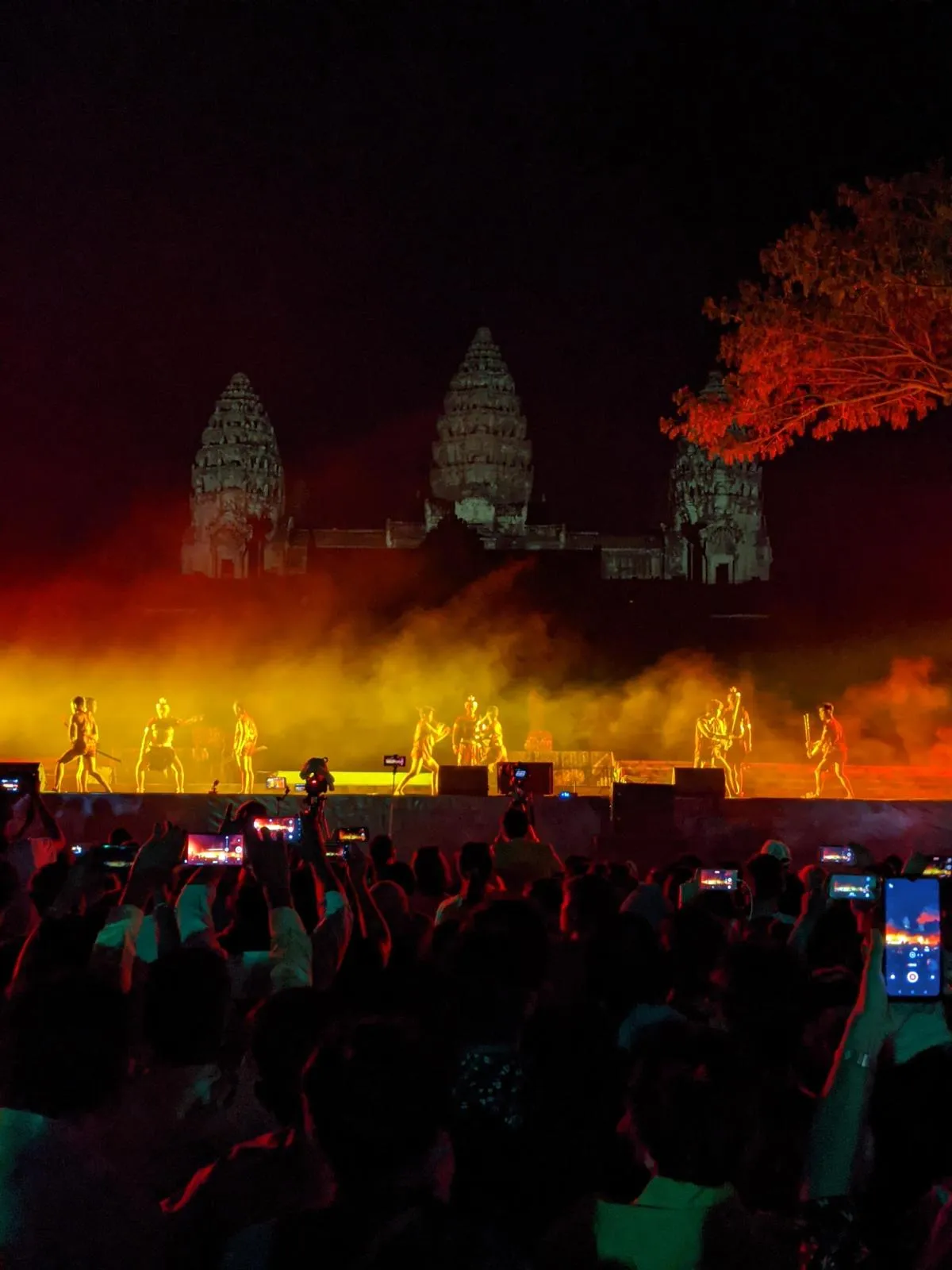
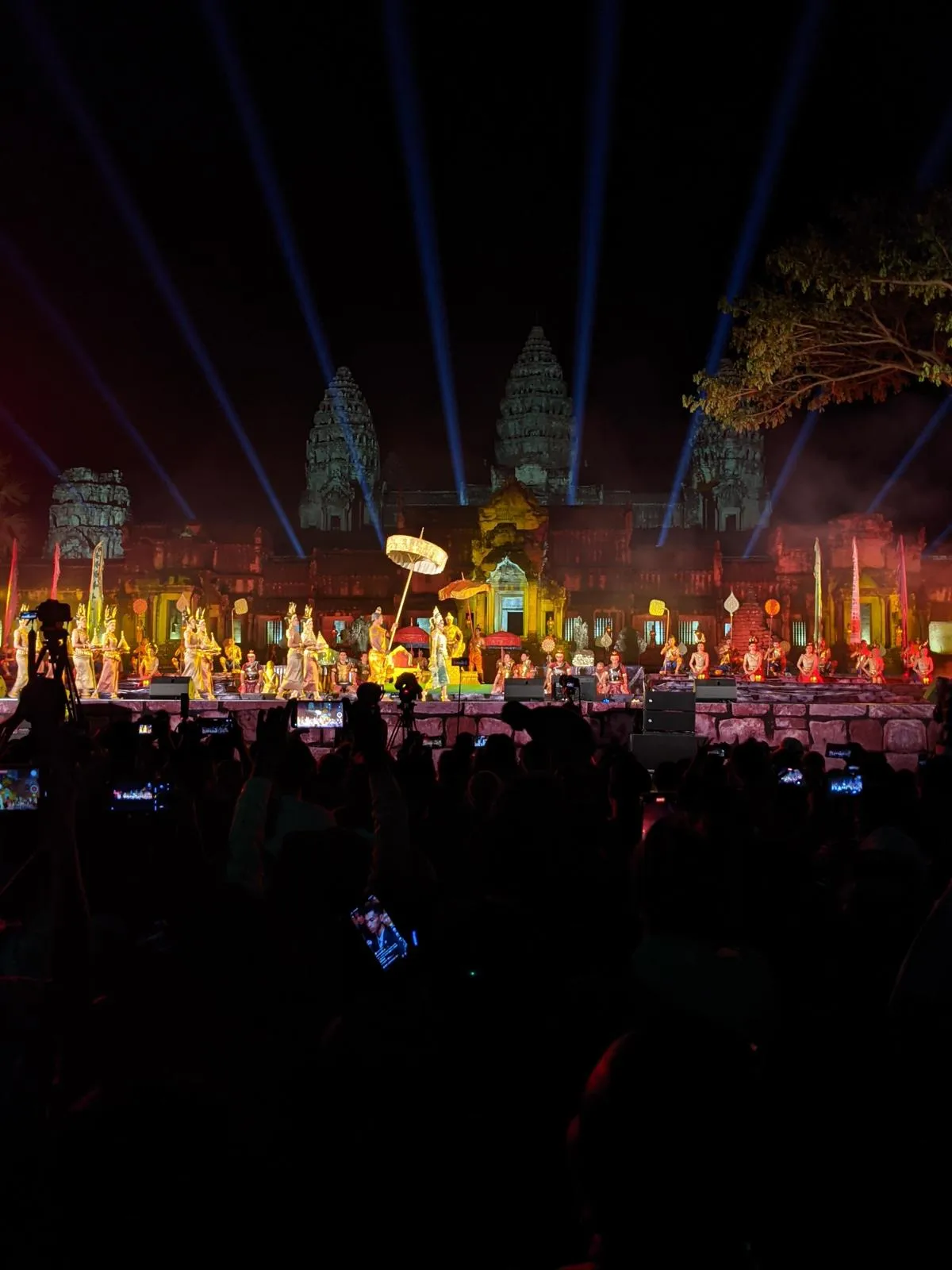
Angkor Thanksgiving
Cambodia
This is a festival with traditional Cambodian arts and performances. It’s free, too!
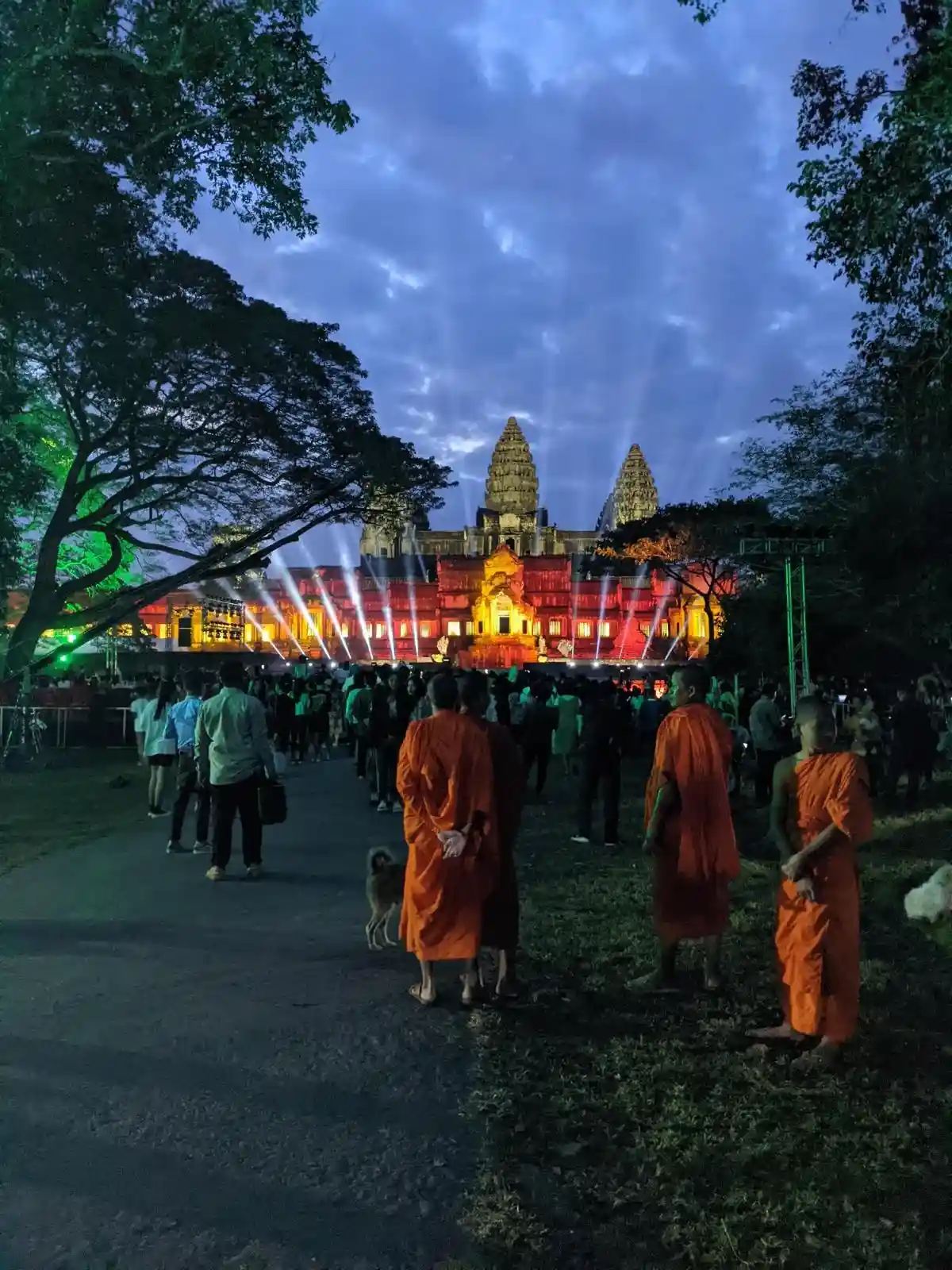
A must-not-be-missed performance is performed behind Angkor Wat in Siem Reap, Cambodia with the temple as a backdrop. It’s stunning.
This event, in part, is to celebrate “Angkor’s inclusion on the UNESCO World Heritage List (December 14, 1992),” per HelloAngkor.com
The event is named it “Thanksgiving”, though it is not the same Thanksgiving in the USA.