
Are you the type that carries all of your cash and cards in your wallet? Yea, you shouldn’t do that.
It is a good habit to only carry what you need on you, and everything else in safe keeping. You don’t want to loose your money, or loose your access to it (ATM card, credit card).
This post is a more detailed extension of the GemsOfTravel post, Money & Street Smarts.
Do Not Put All Of Your Eggs (Cash/Cards) In One Basket
Spread your cash and cards out, instead of putting all of them in one wallet. Separate & secure: separate your cash and cards out and secure them with (1) some in your main wallet/purse, then (2) some in a waterproof concealed wallet and/or in safe keeping.
Why? Because; things get lost, misplaced, and stolen. Large chunks of cash and ’emergency money’ should not be stored in your wallet as it is not for daily use. In higher risk countries, being mugged or pick-pocketed is a real concern. Walking around with 1 or 2 week’s worth of money in your purse/wallet is higher risk. Therefore, you should use a second concealed wallet for safe keeping spare cards and larger chunks of cash.
Being far away from your home country makes it challenging to handle personal and financial matters. Replacing an ATM or credit card can be a major hassle when abroad. Loosing money and becoming stranded is not an easy situation to handle. And, having friends or family nearby for support is not an option.
Game Plan – Separate & Secure Your Cash & Cards
SMALLER amounts for daily use
Money (smaller amounts) for daily use.
Cash Amount
Defining “just enough money” is up to you. This could be any of the following amounts: (1) money for the day, (2) a few of days, (3) a week, or (4) more.
You simply access the cash you have in storage (see Chunk of money #2) and reload your wallet/purse with cash as necessary.
Cards (ATM & Credit)
Cash is king, and can be used anywhere without concerns. But, if you decide to use a credit card for daily use, then include it here. It is recommended not to carry your ATM card in your main wallet until you need it.
Where To Store The Cash & Cards
Store this money (and a credit card, if you choose) in your primary daily-use wallet/purse.
LARGER amounts and ATM/credit cards
Money (larger amounts) and cards (ATM/credit) for safe keeping, accessed only when needed.
Cash Amount
Emergency cash + all other cash for daily use that is not inside your primary wallet/purse. This is your biggest chunk of money, money that you do not need for daily use.
Cards (ATM & Credit)
Store ATM cards and all other credit cards here for safe keeping. Having back-up cards is a great idea in case if one expires, or gets canceled (lost/stolen/fraud charges on it). Back-up cards are obtained by having multiple bank or credit card accounts. One example is to use Wise (formerly TransferWise) account as a back-up account with an ATM card.
Where To Store The Cash & Cards
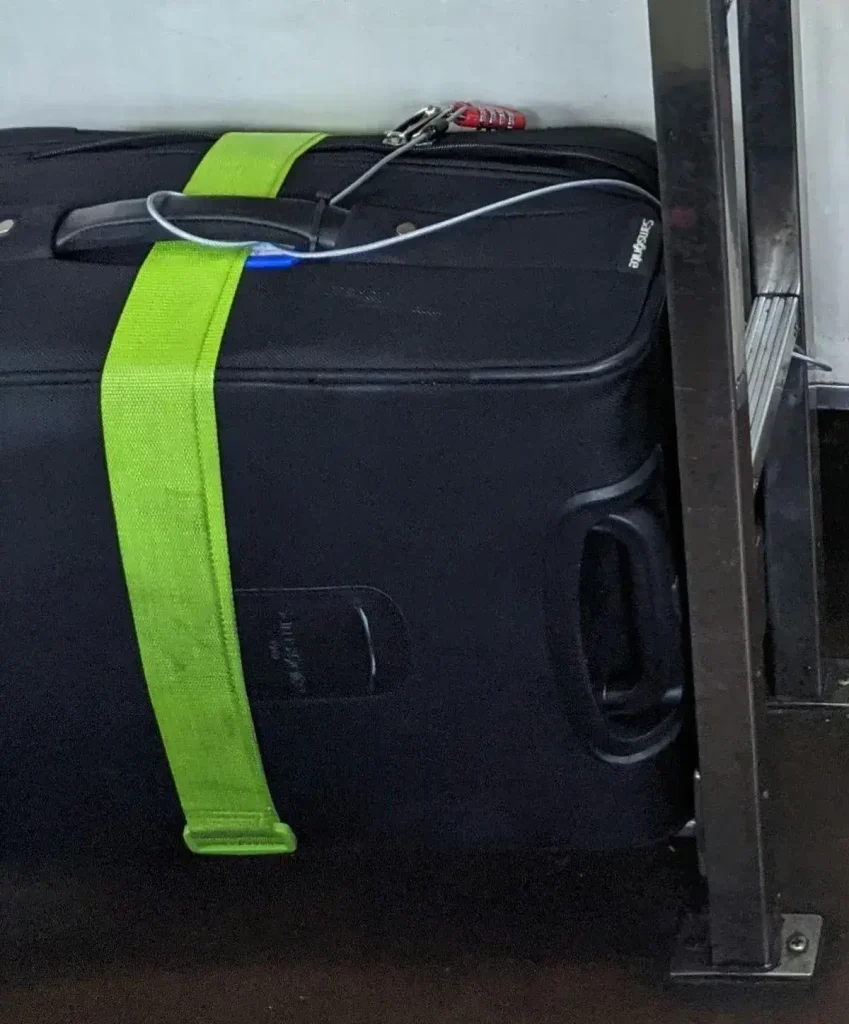
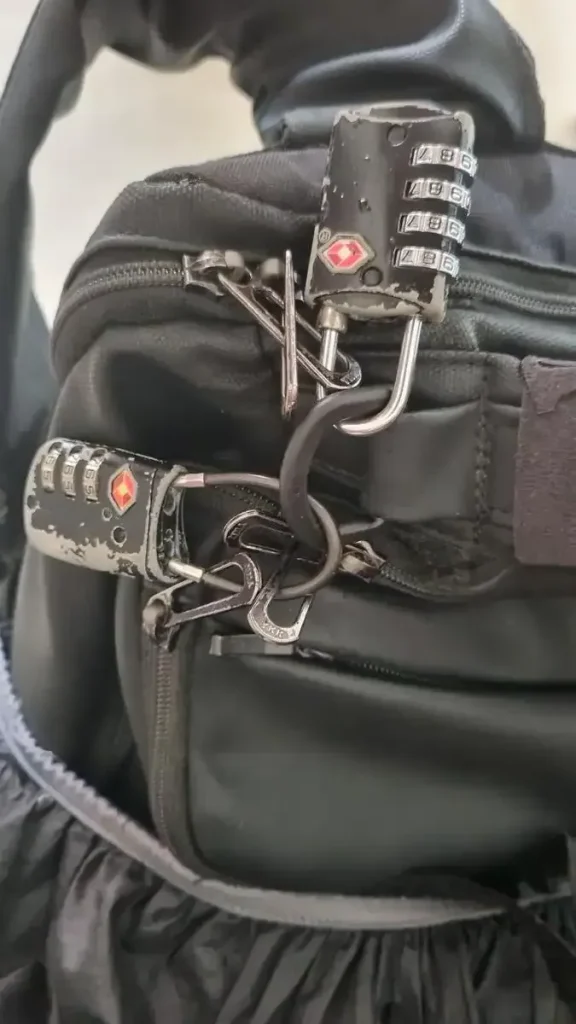
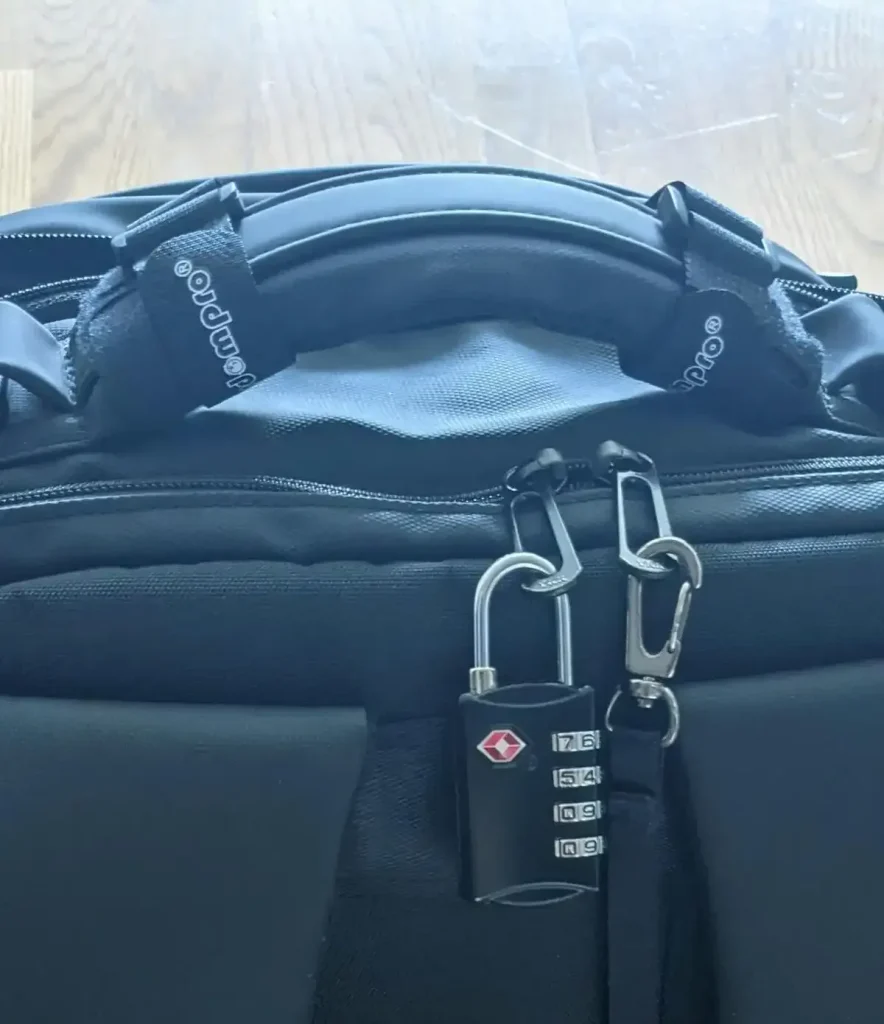
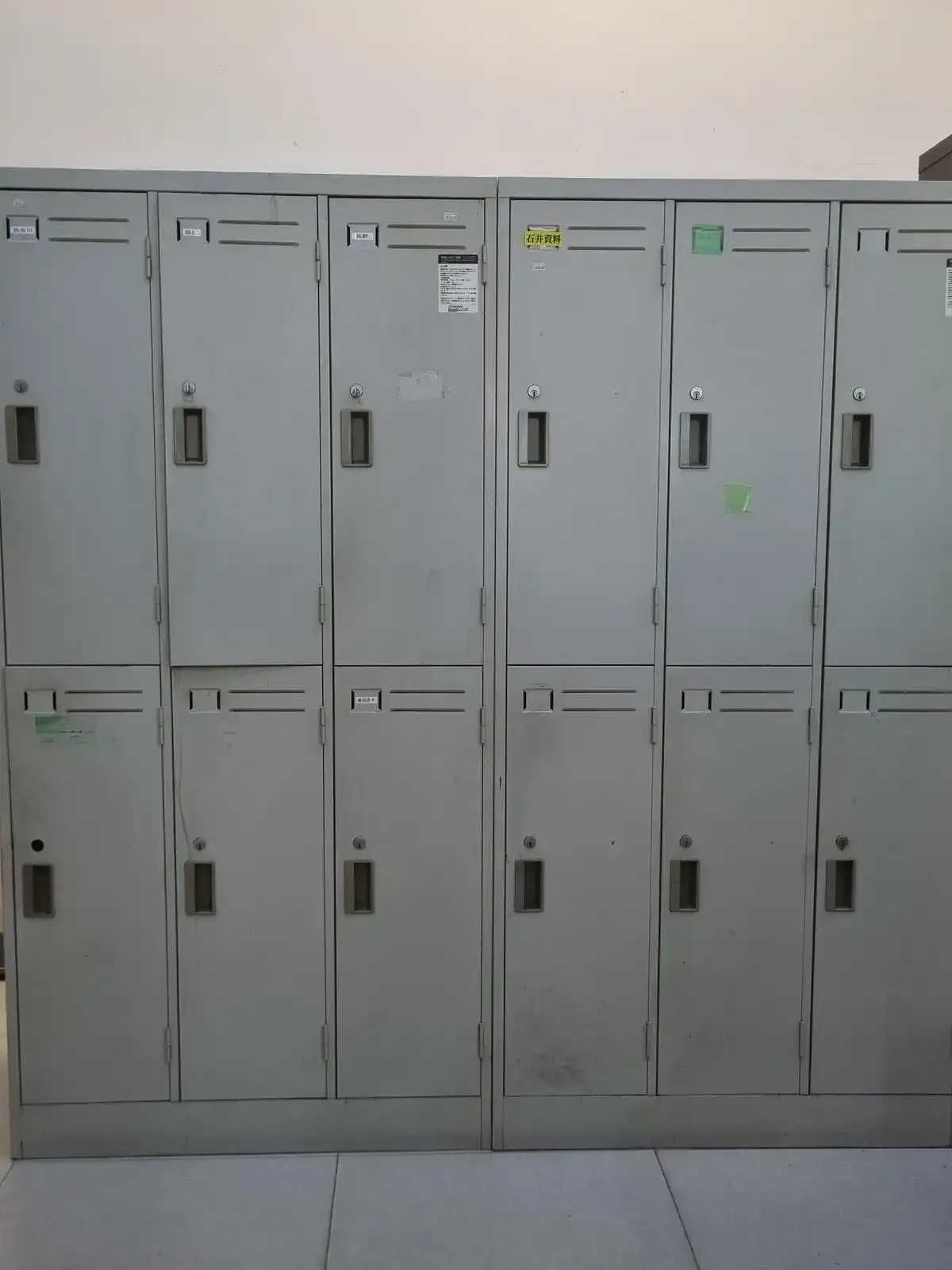
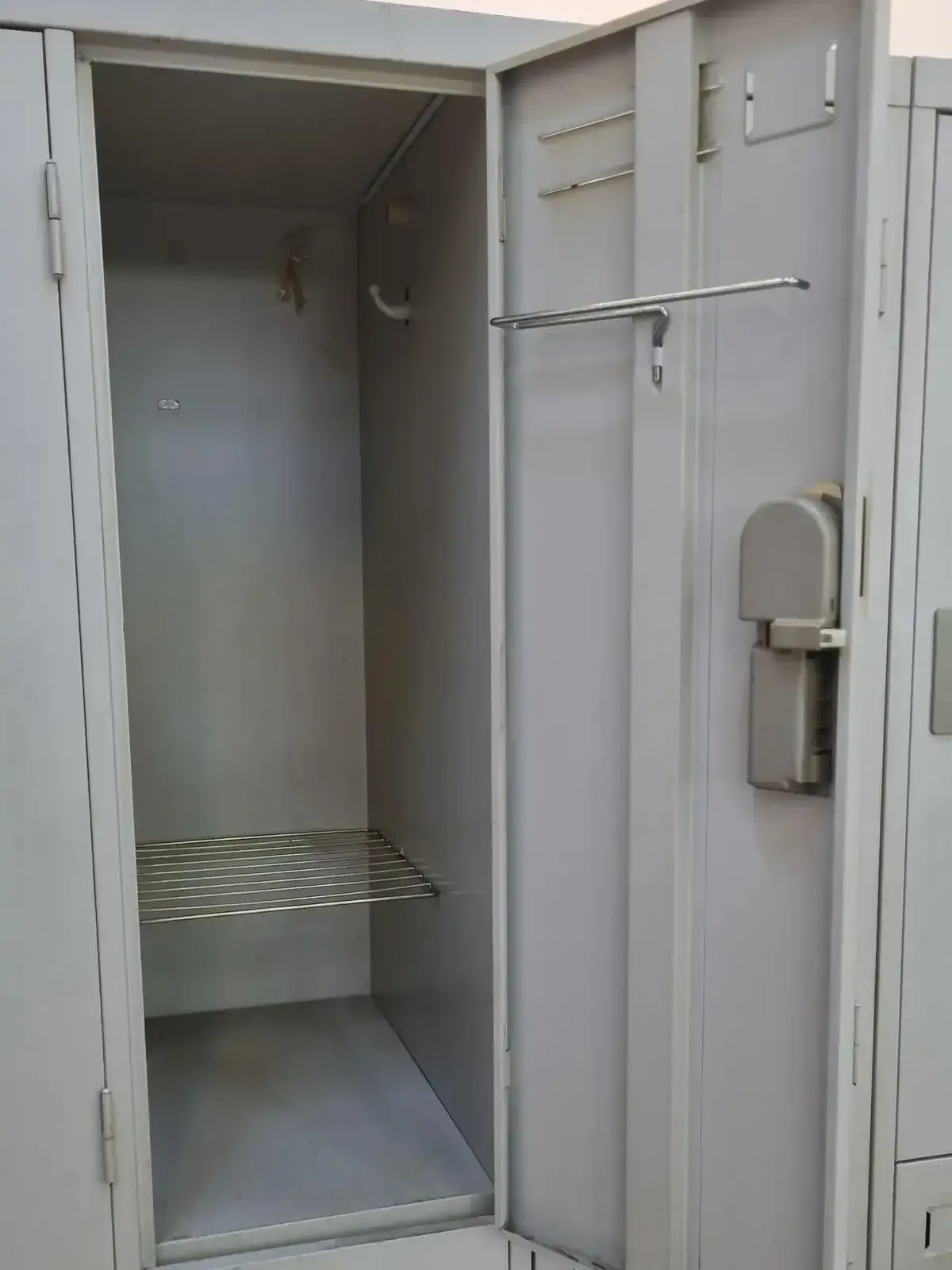
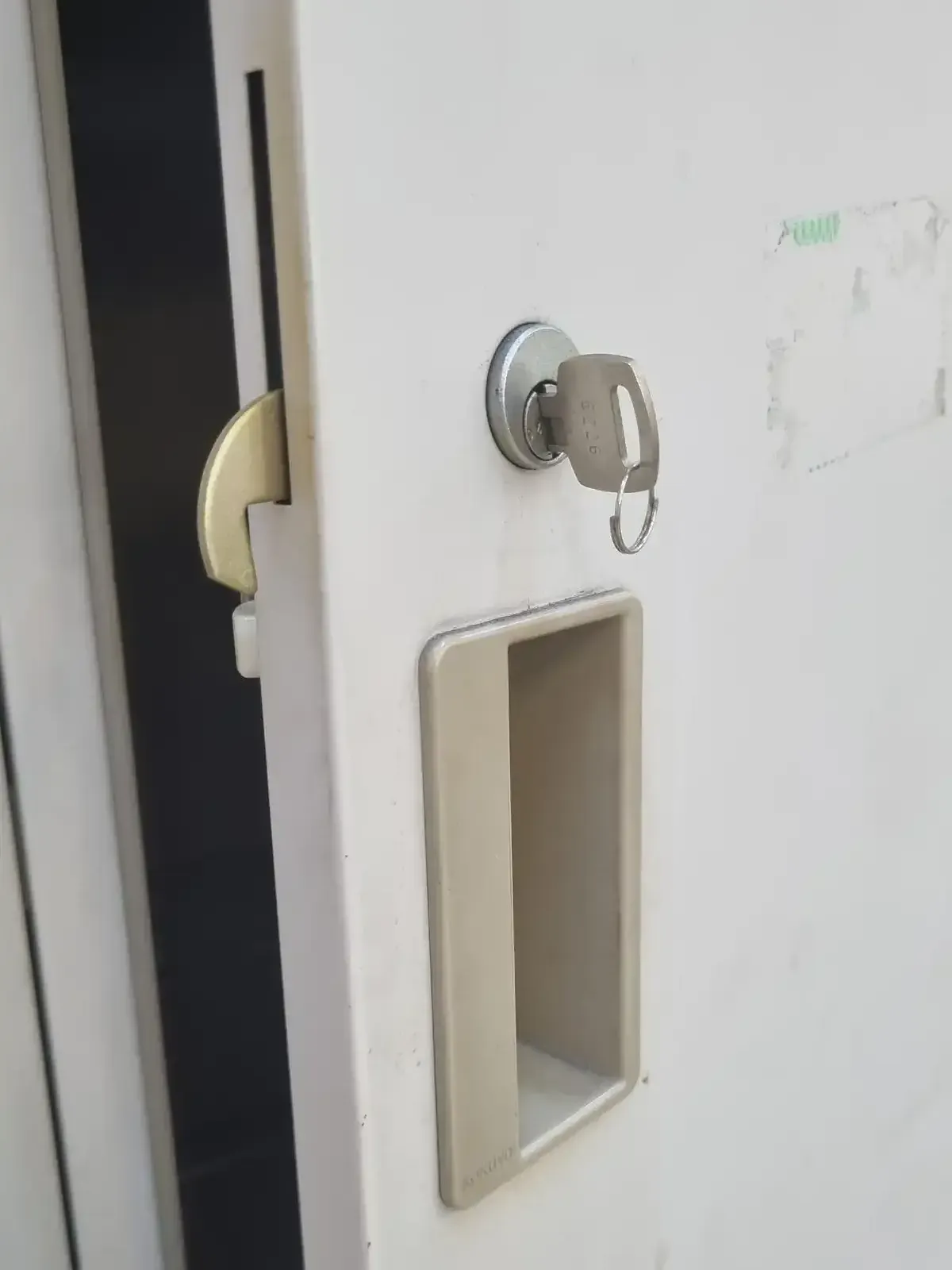
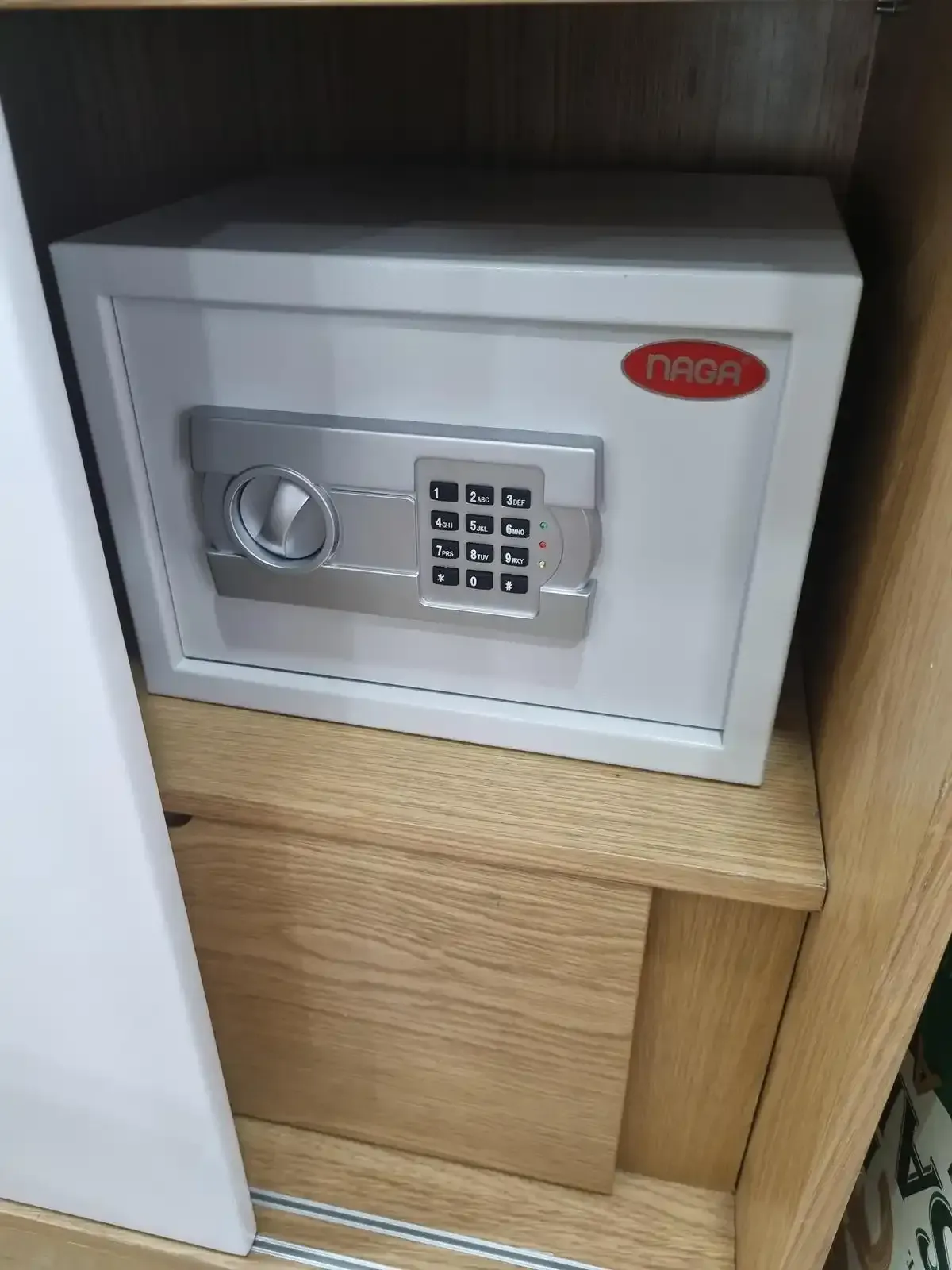
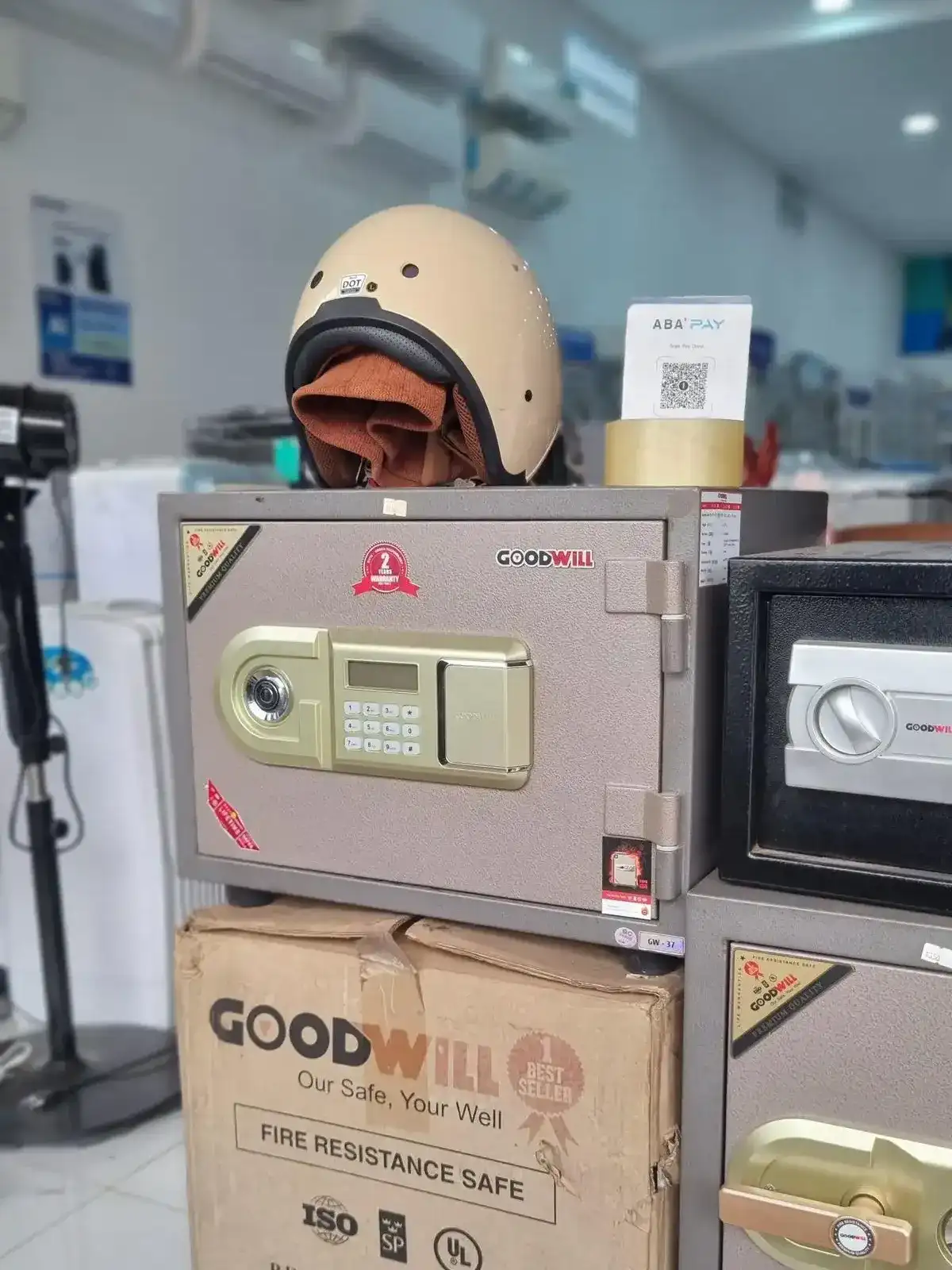
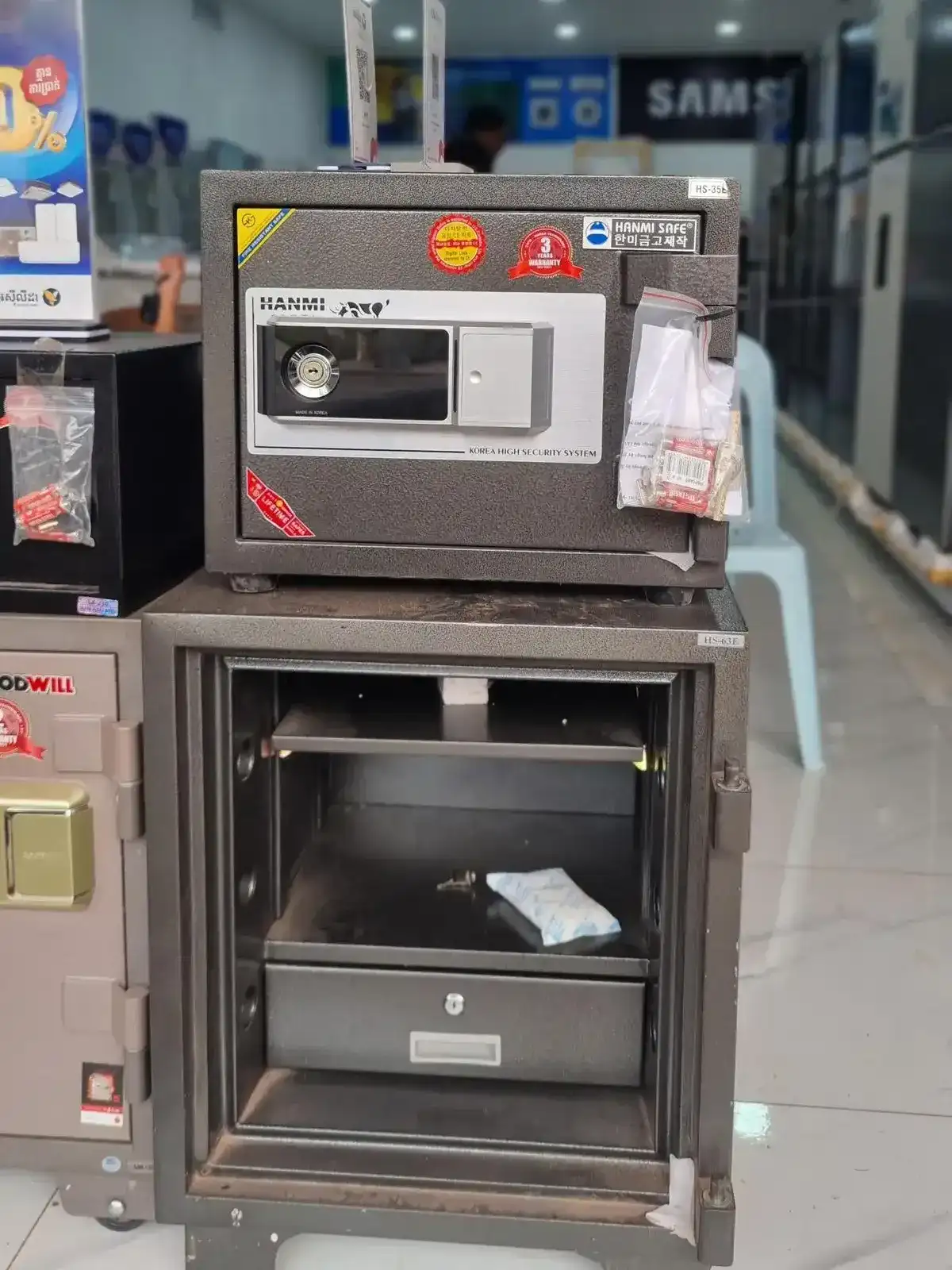
Spread money out into 1 or more of the following: a concealed wallet, a locker or locked inside your bag for safe keeping.
GemsOfTravel does not recommend storing cash & cards in a fanny pack (aka waste pack), because zippers get left unzipped, they are easy to pickpocket, and you’ll tend to leave it laying around – not watching it.
Concealed Wallet (that is also waterproof)
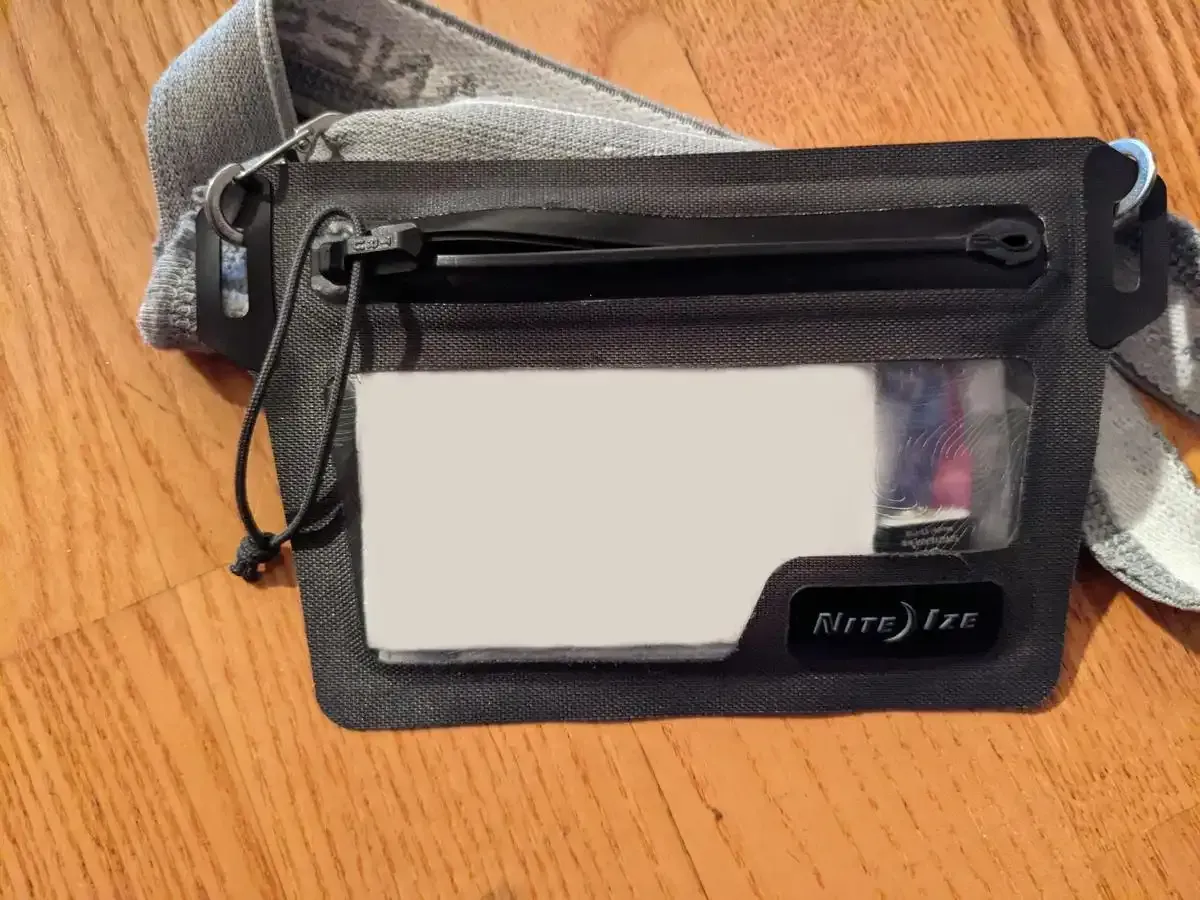
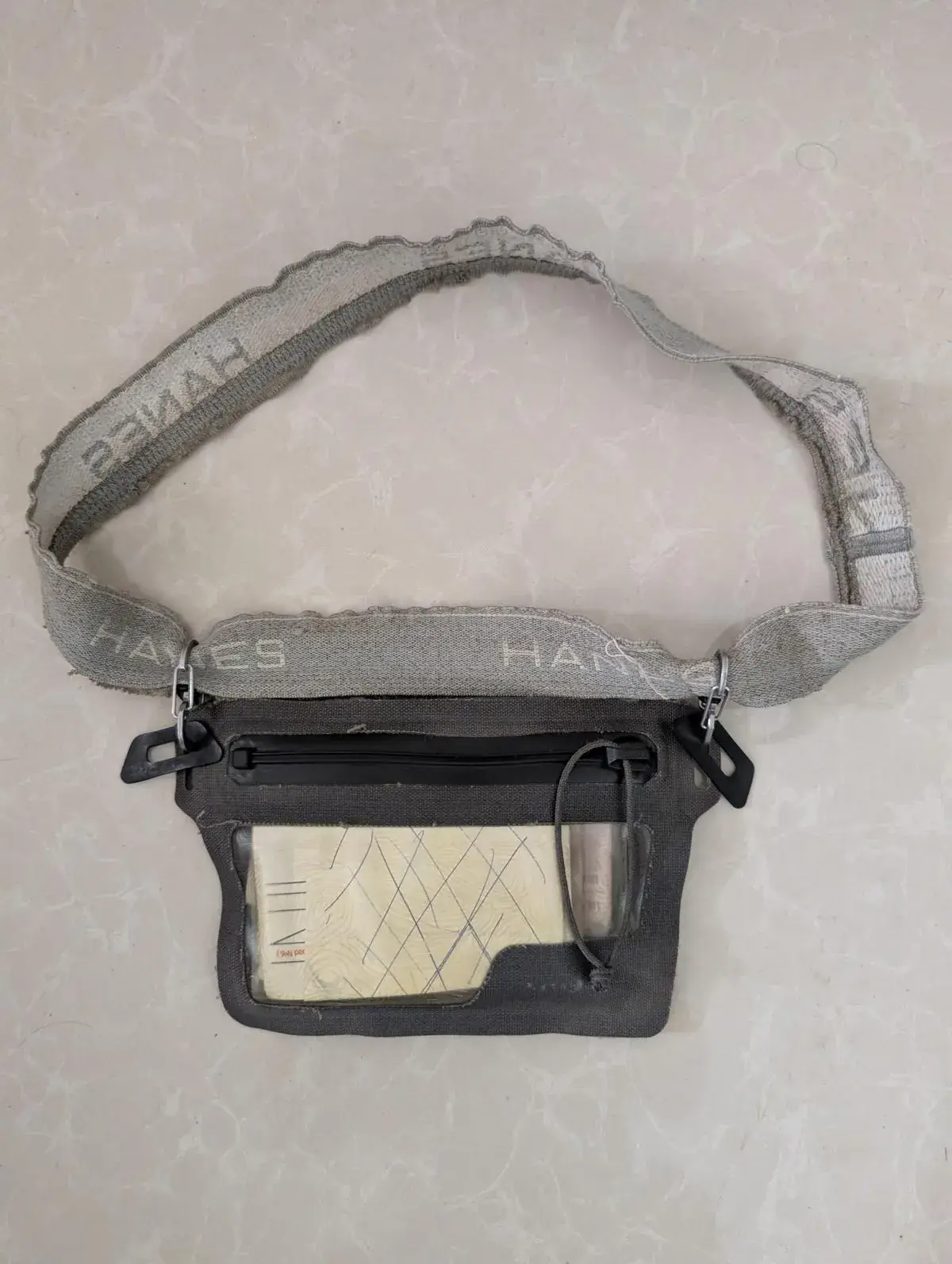
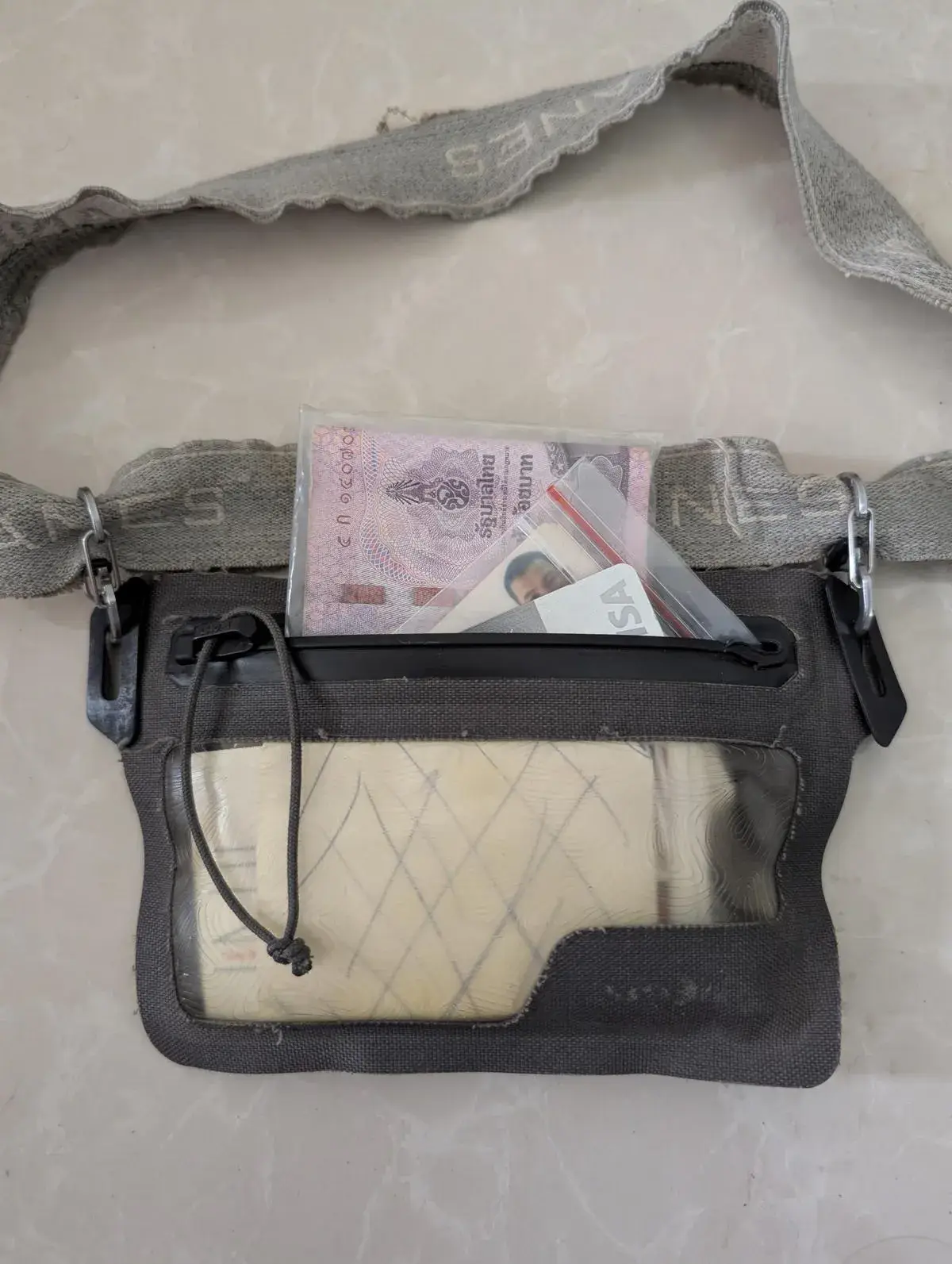
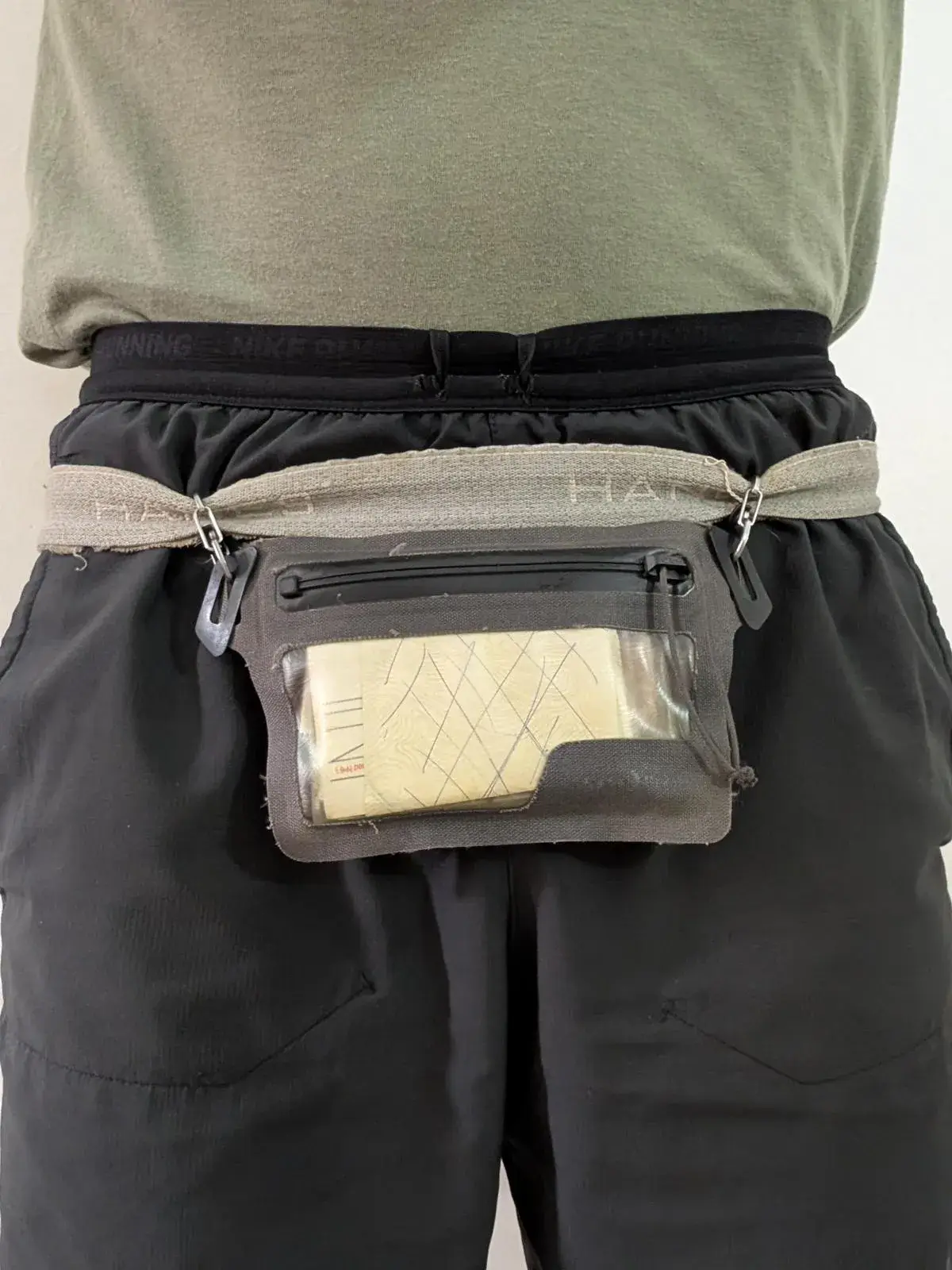
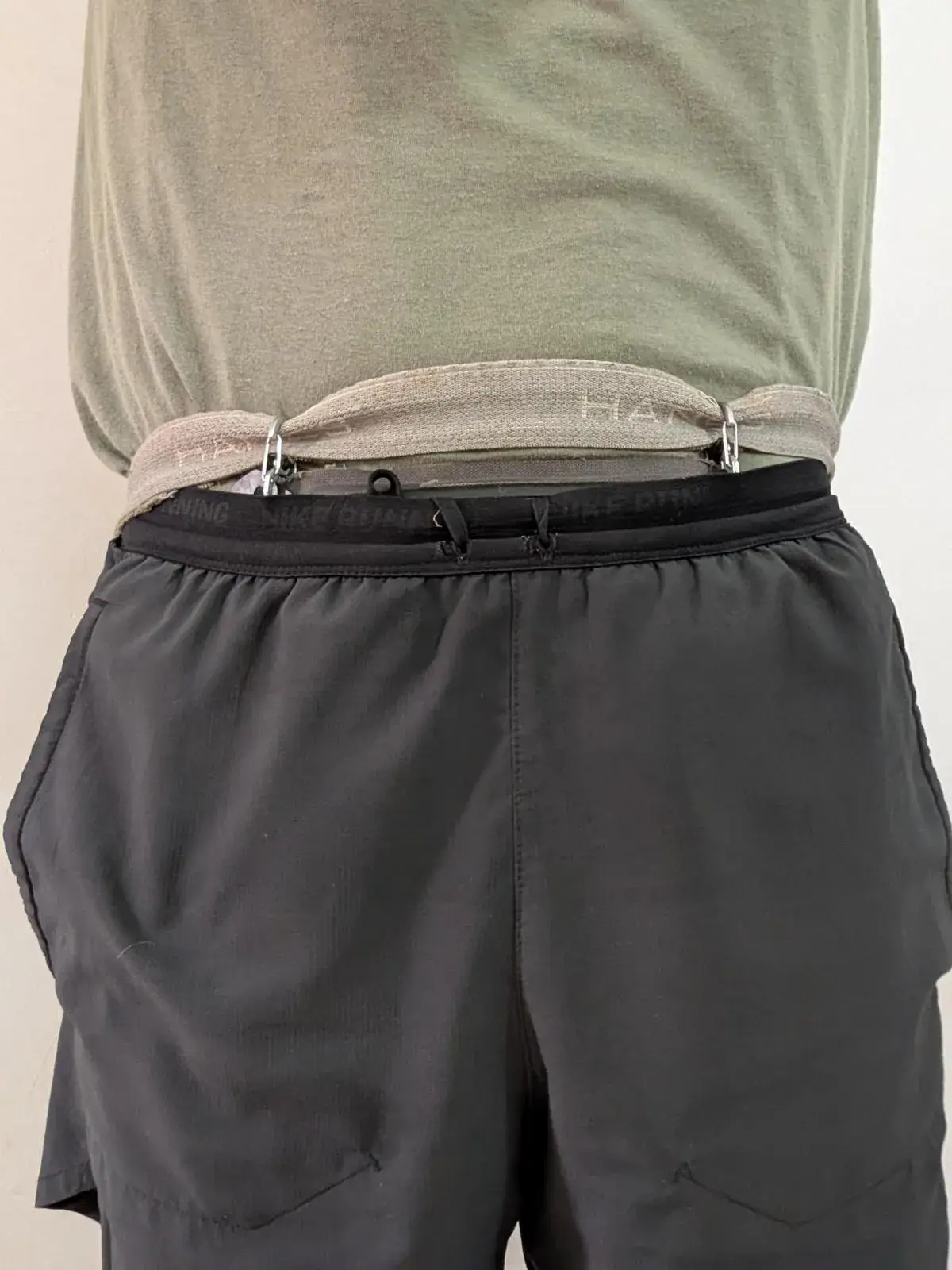
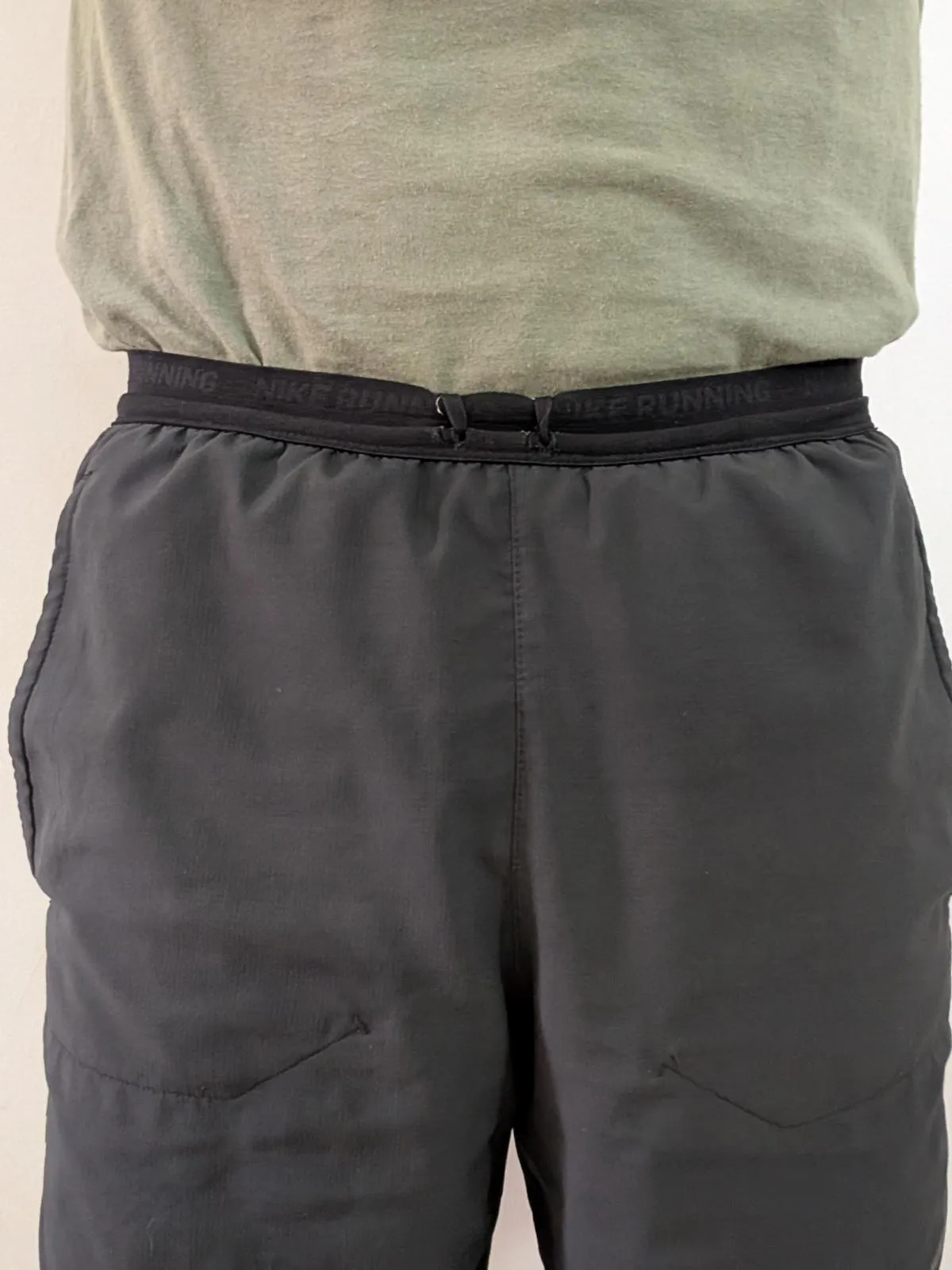

Great Idea!
Use the Nite Ize waterproof wallet.
Store money, credit cards, and ID using this waterproof and concealable wallet! Also, store the printouts of your passport, ID, and medical insurance info inside.
It’s tethered to you – you won’t loose it.
It’s concealable – people cannot reach in and steal.
It’s waterproof – do not worry about rain, sweat, or swimming.
Warning
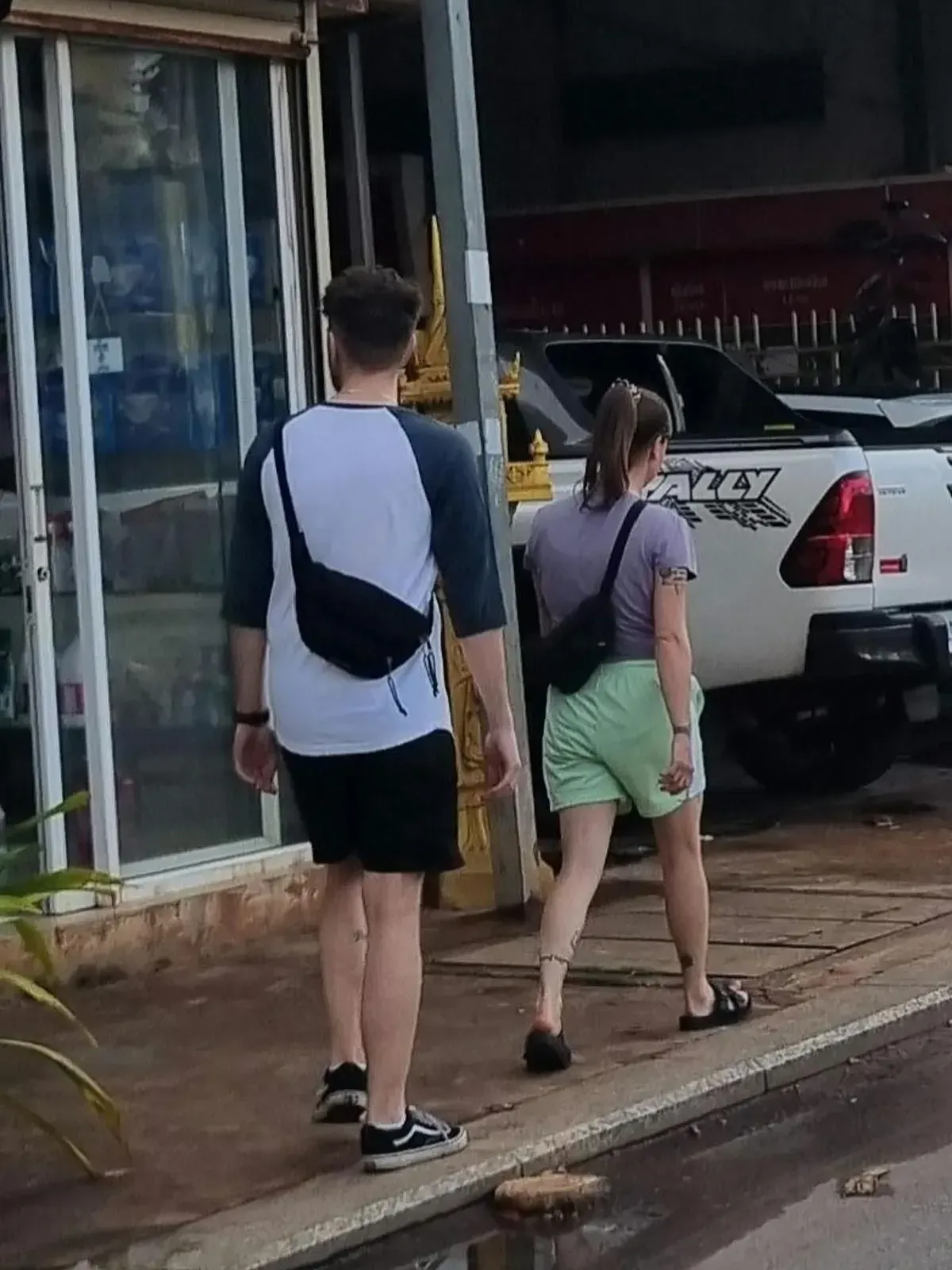
The waste pack (a.k.a. “fanny pack”) gives a false sense of security.
People often (1) leave them unzipped, (2) take them off and leave them laying around, or (3) even wear them on their back exposed to pickpocketing instead of across their chest.
NOT GOOD! BAD BAD BAD! Therefore, GemsOfTravel suggests the Nite Ize waterproof concealed wallet, instead.

Locked inside your bag
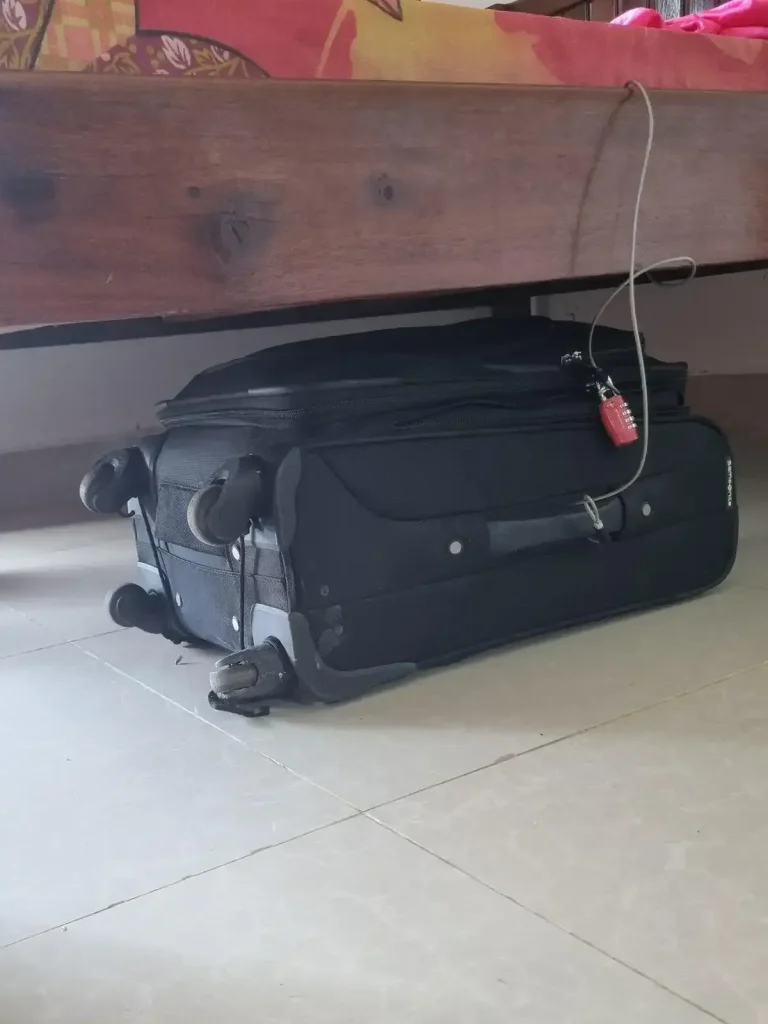
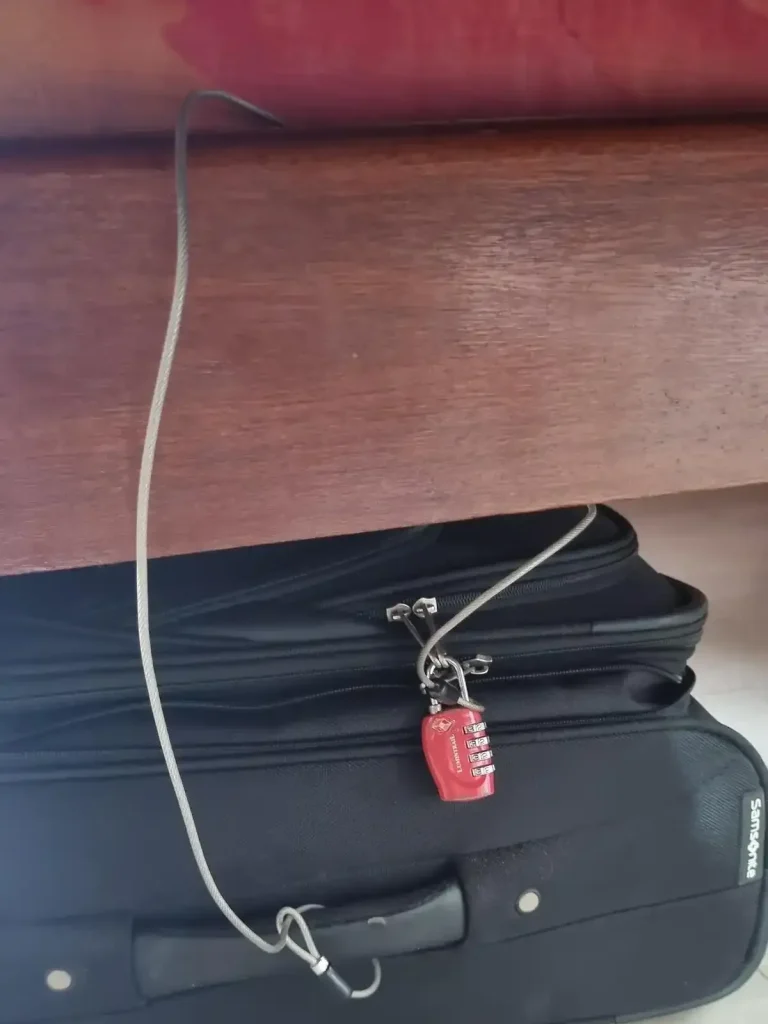
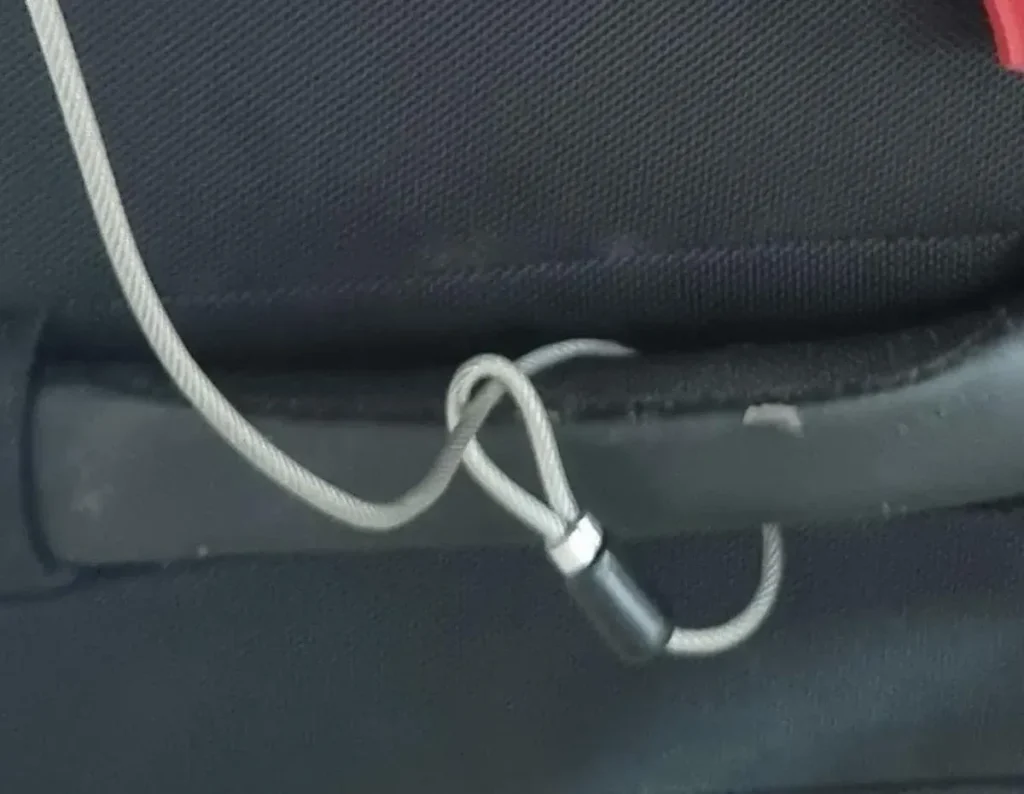
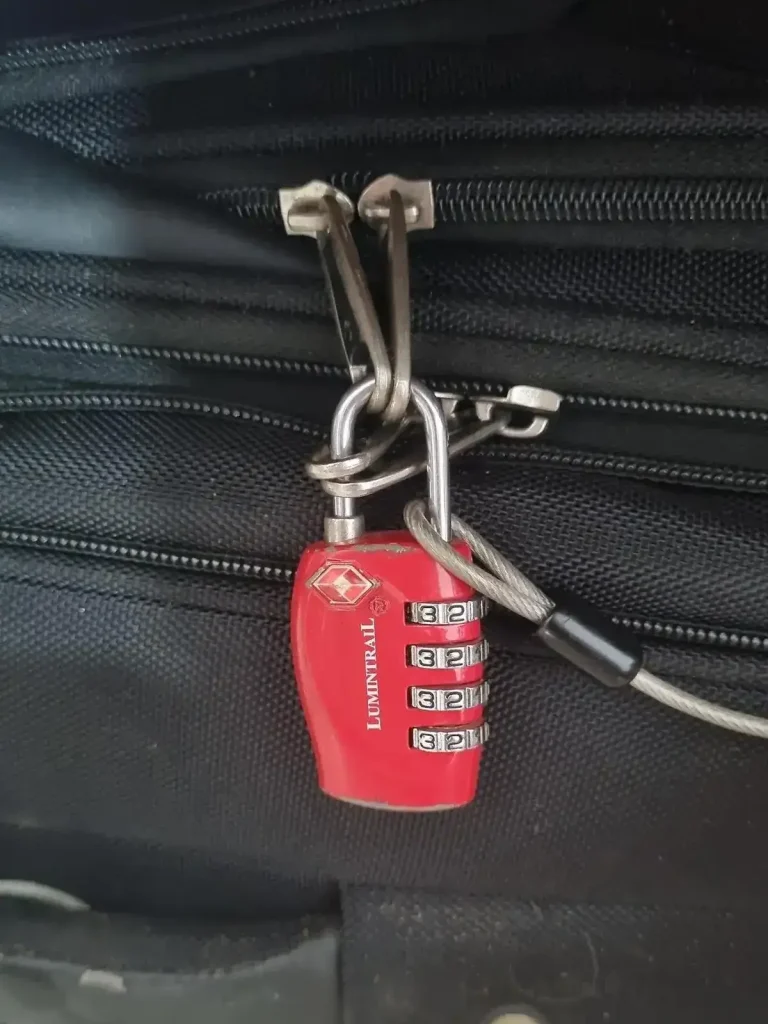
Locker or lockbox
Replacing ATM/Credit Cards While Abroad
Receiving a new card while in Southeast Asia is not so simple. It might go smoothly for you, but it commonly is more difficult than you’d think.
P.S. If your card has been lost, stolen, or the ATM ‘eats it’, then lock and/or have it canceled immediately. You should have it canceled and request a new one sent to you asap.
Shipping Time
Mailing a new ATM or credit card could take several weeks or over a month to arrive. You should request expedited shipping, which is faster than the standard shipping method. The faster shipping option will buy you time. Although, it can still take two weeks to a month to get to the country and through it’s customs checks, despite the “3-5 day expedited shipping” guarantee.
You Are A Moving Target
You are traveling around, constantly changing locations, so you do not have a concrete address to have the new card sent. And, you book accommodation as you go, so you don’t know exactly where you’ll be in 2 weeks, let alone 1 month! This makes things difficult. If the shipping takes longer than expected, then you will leave before it arrives! Oh, no!
Bureaucracy
Imports and exports into the country might be very bureaucratic, which adds more time and hassle in receiving your card by mail. Cambodia, for example, can be a lengthy customs check with hidden fees and bureaucratic red tape for delivery once in the country. This is based on Google Maps reviews for DHL, FedEx, and UPS in Phnom Penh, Cambodia.