Expect the unexpected, and prepare by having emergency cash. Preferably, have backup cards, too! In normal life, emergencies don’t happen often. However, you are much more vulnerable when traveling around or living far from home.
Being without money does happen, and remedying the situation is time confusing and stressful. Loosing your ATM card or cash does not need to be a right-of-passage for the seasoned traveler – the stories are not worth the cost.
Make a plan and prepare – it is worth it. Starting with the posts on GemsOfTravel will take you far. GemsOfTravel has already done the hard work for you on all topics of traveling, nomading, and living in Southeast Asia.
Options – Forms Of Emergency Money
Cash
Tip
Cash should be your go-to form of emergency money. Always travel with some spare cash for emergencies!
Cash Amount : $200 to $500 USD, or more. Smaller bills ($5, $10, $20 bills) are best, and try to avoid larger bills ($50, $100 bills). Smaller bills are more easily accepted than larger bills, and having smaller bills ensures you do not need to worry about getting change back.
Cash Amount – Reasoning : The cash helps you pay for survival, so choose an amount that makes sense to you. The goal is to buy time until you can get a new ATM or credit card shipped to you, which may take about 1 month even with expedited shipping. It is realistically possible to make $200-$500 USD last multiple weeks in Southeast Asia.
Currencies : USD and Euros is best, but any other major currency works. The Thai Baht is a strong regional currency and central the the Southeast Asia economy. However, the Lao Kip (Laos) and Cambodian Riel (Cambodia) are not accepted at currency exchange kiosks outside of the respective country, they are only accepted within their own country.
Cards (ATM or credit)
Having back-up ATM cards and back-up credit cards, both, is a smart idea. This is more a recommendation for longer-term nomads, retirees, or travelers.
As mentioned in another post, cards expire and get lost/stolen. Backups are a good idea. Having multiple bank or credit card accounts is how to obtain these backup cards. One example is to use Wise (formerly TransferWise) account as a back-up account with an ATM card.
Western Union
If the above isn’t enough, then Western Union is a lifesaver in Southeast Asia and abroad – saving us from those worst-case scenario situations! All of you unprepared people: Western Union has your back!
You pay for it online, and then go pick up cash at a local agent. Other than paying with a card, you can pay with your bank account number in the case that you have lost your cards. Agents are everywhere, don’t worry – review agent locations on the Western Union website. A quick search shows the fee is between 6-10% of the money transferred.
Keeping Cash Perfect
Keeping your cash (USD, Euros) in perfect condition may be a requirement for exchanging cash or paying visas at immigration. Here is how GemsOfTravel keeps their emergency money like brand new.
Note
This is specific to major Western currencies. Local Southeast Asian currencies (Baht, Ringit, Dong) do not need to be kept perfect.
The desire to keep cash bill perfect is because Western countries have stringent rules on what cash they will accept back into the country from abroad. The USA and Europe have strong currencies, and they seek to fight against fraudulent cash bills coming in from abroad.
Sandwich an envelope of cash between nylon sheets.
Nylon is a soft plastic, and you can cut through it with a pair of scissors. The nylon sign (we used a “beware of dog” sign) is thick and sturdy enough – it will not bend – keeping the cash straight while stored inside a bag. We chose the sign because it was the perfect thickness compared to other nylon signs (the handicap signs were not thick enough).
The cash-nylon-sheet-sandwich is tied together (we used velcro straps). Then, it is packaged within a plastic bag to protect it from water and the moisture from humidity.
Safely & Securely Stashing Your Cash And Cards
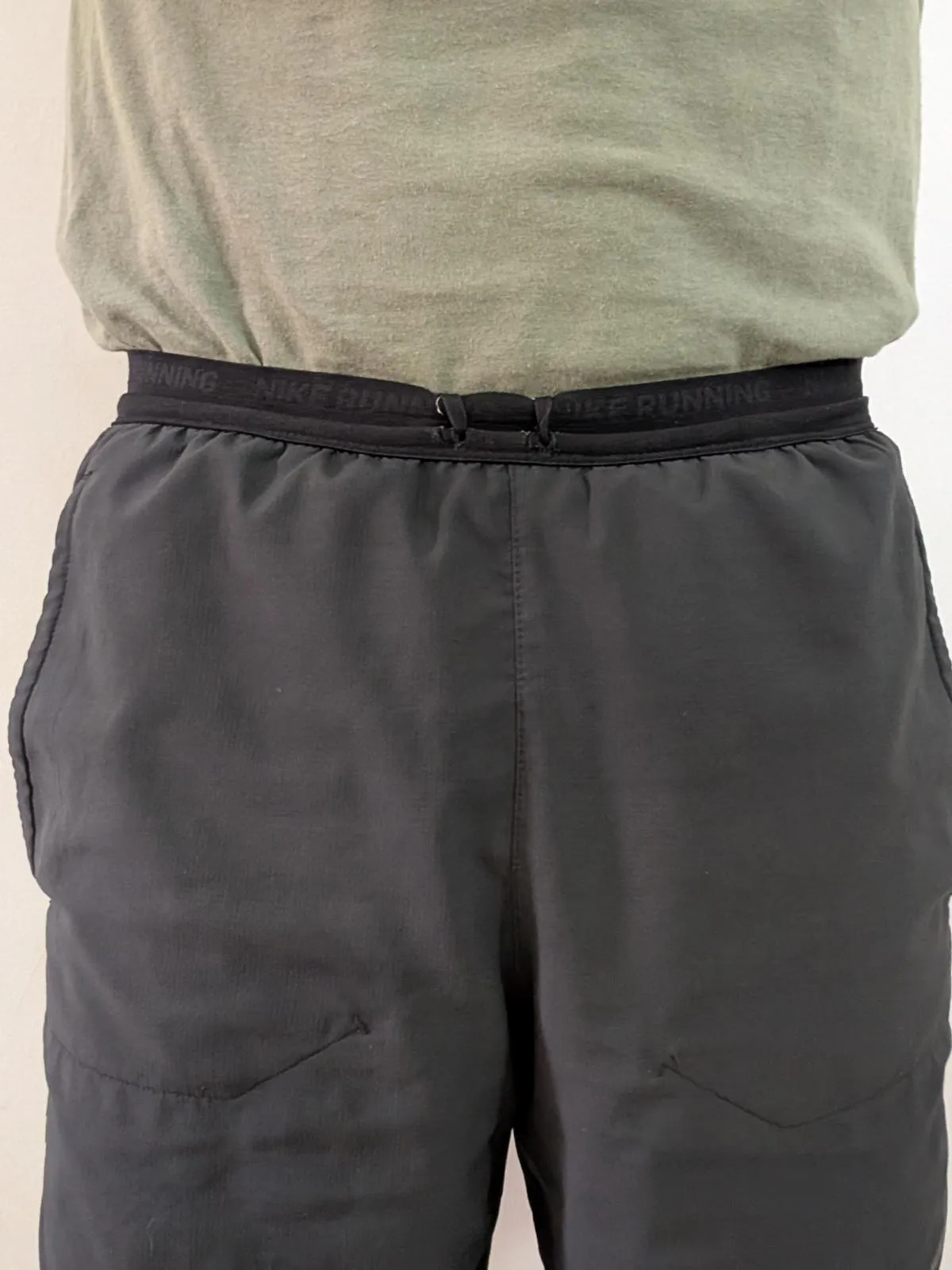
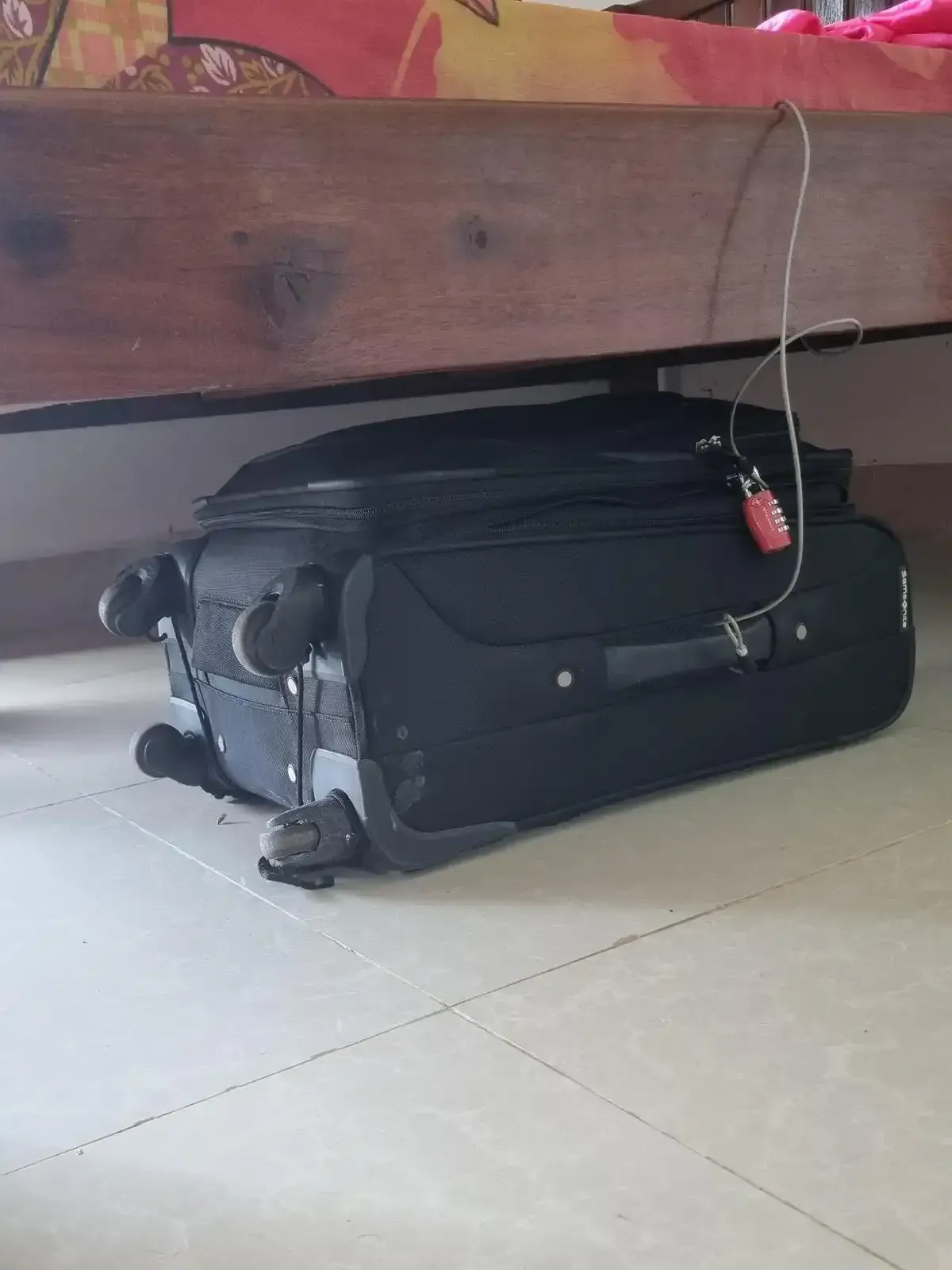
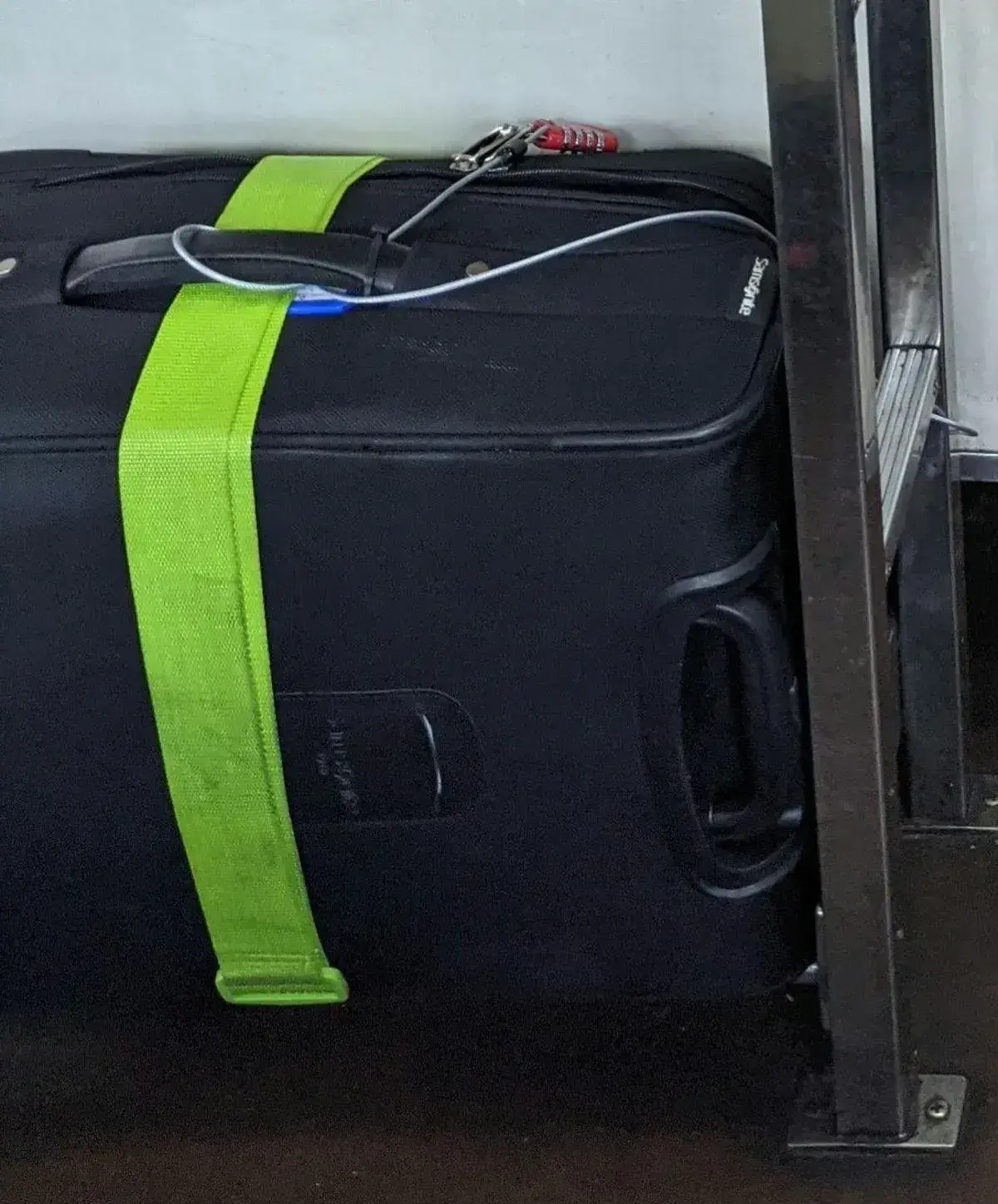
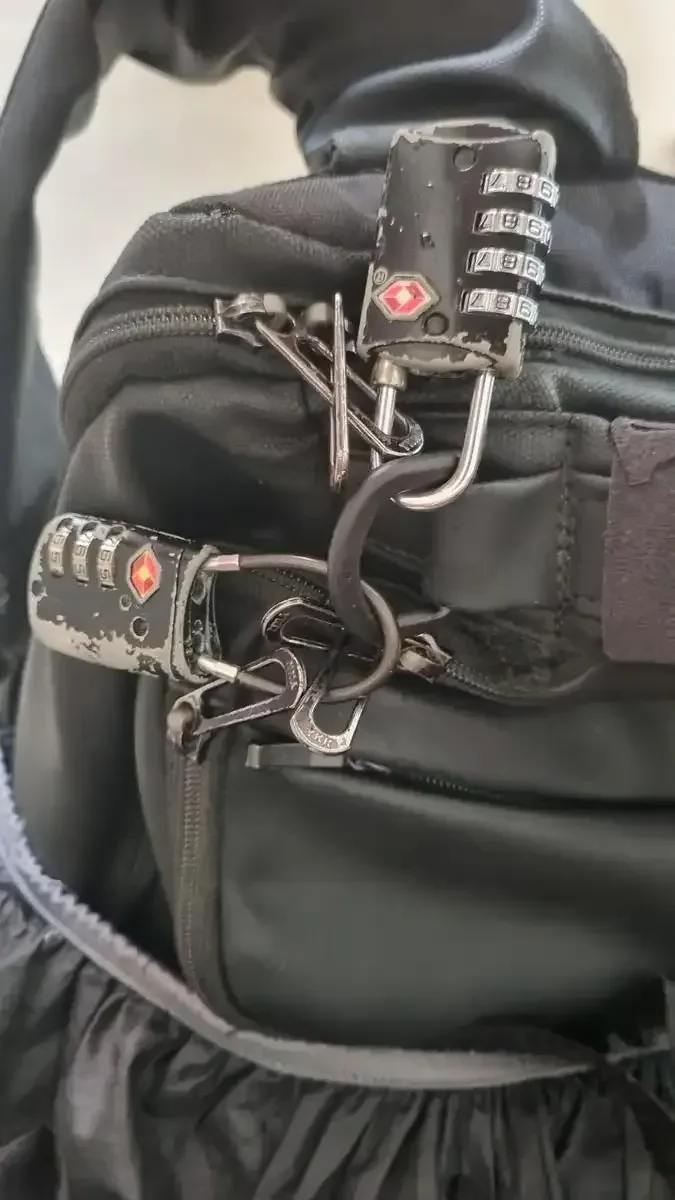
Store your cash and cards – securely – where others cannot get access to it.
Click this link for our GemsOfTravel post on securely storing large amounts of cash, cards, and more!
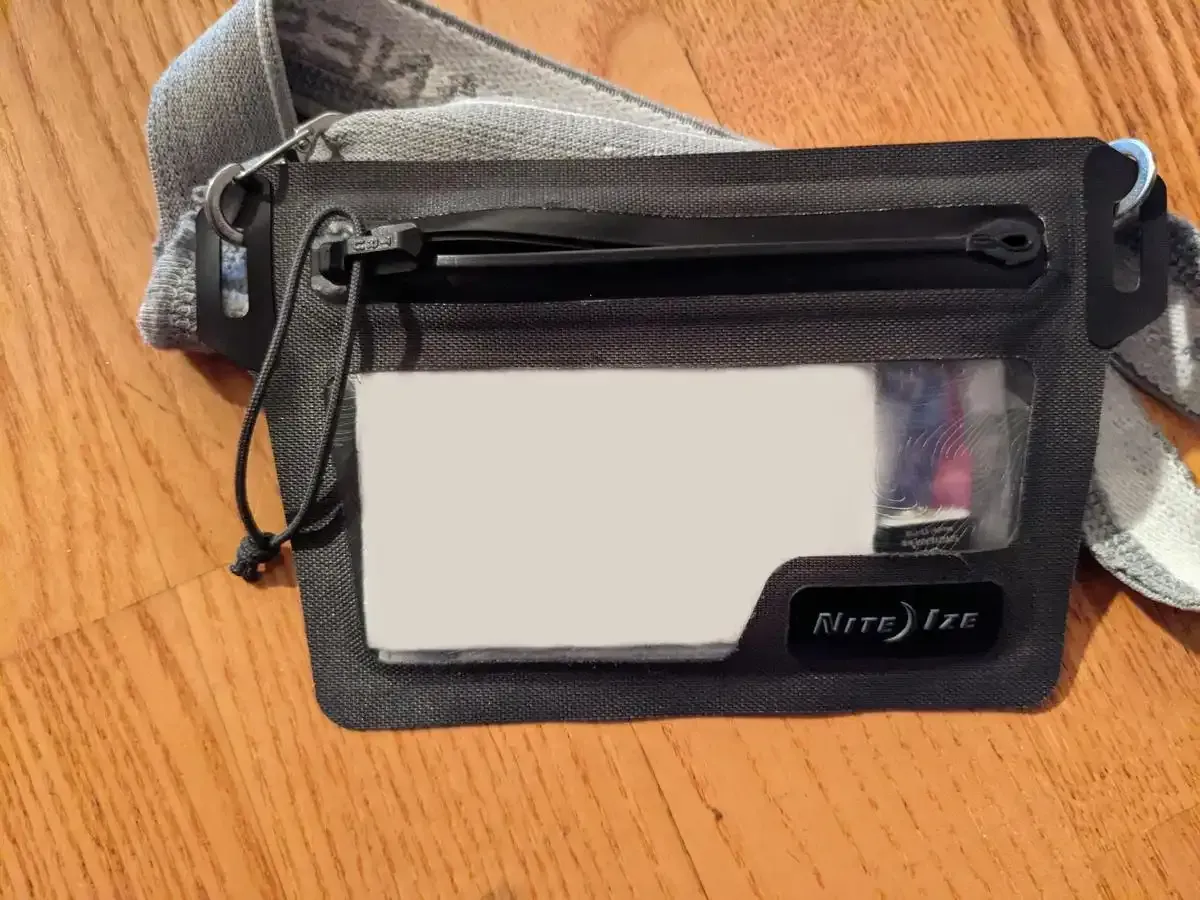
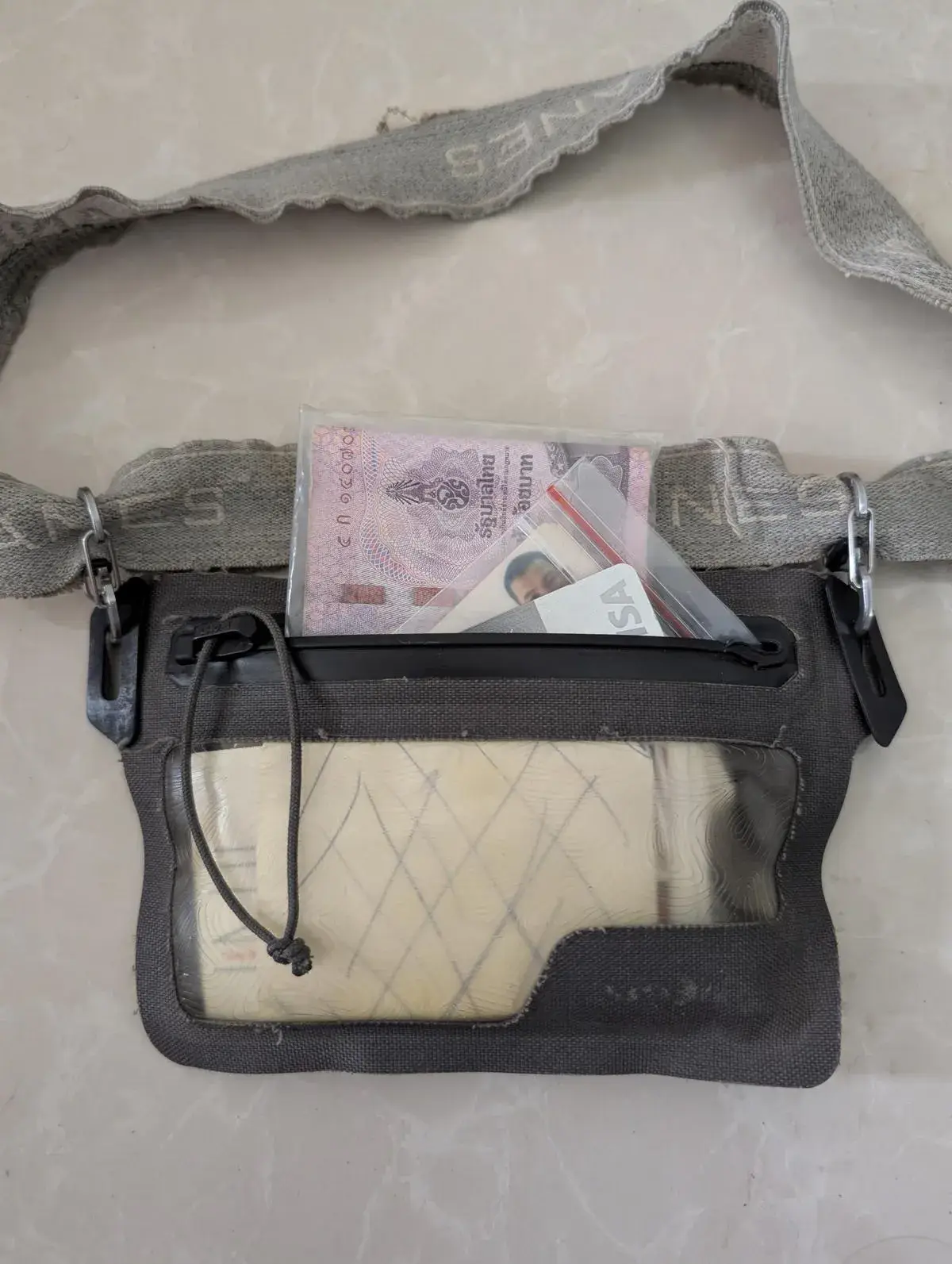
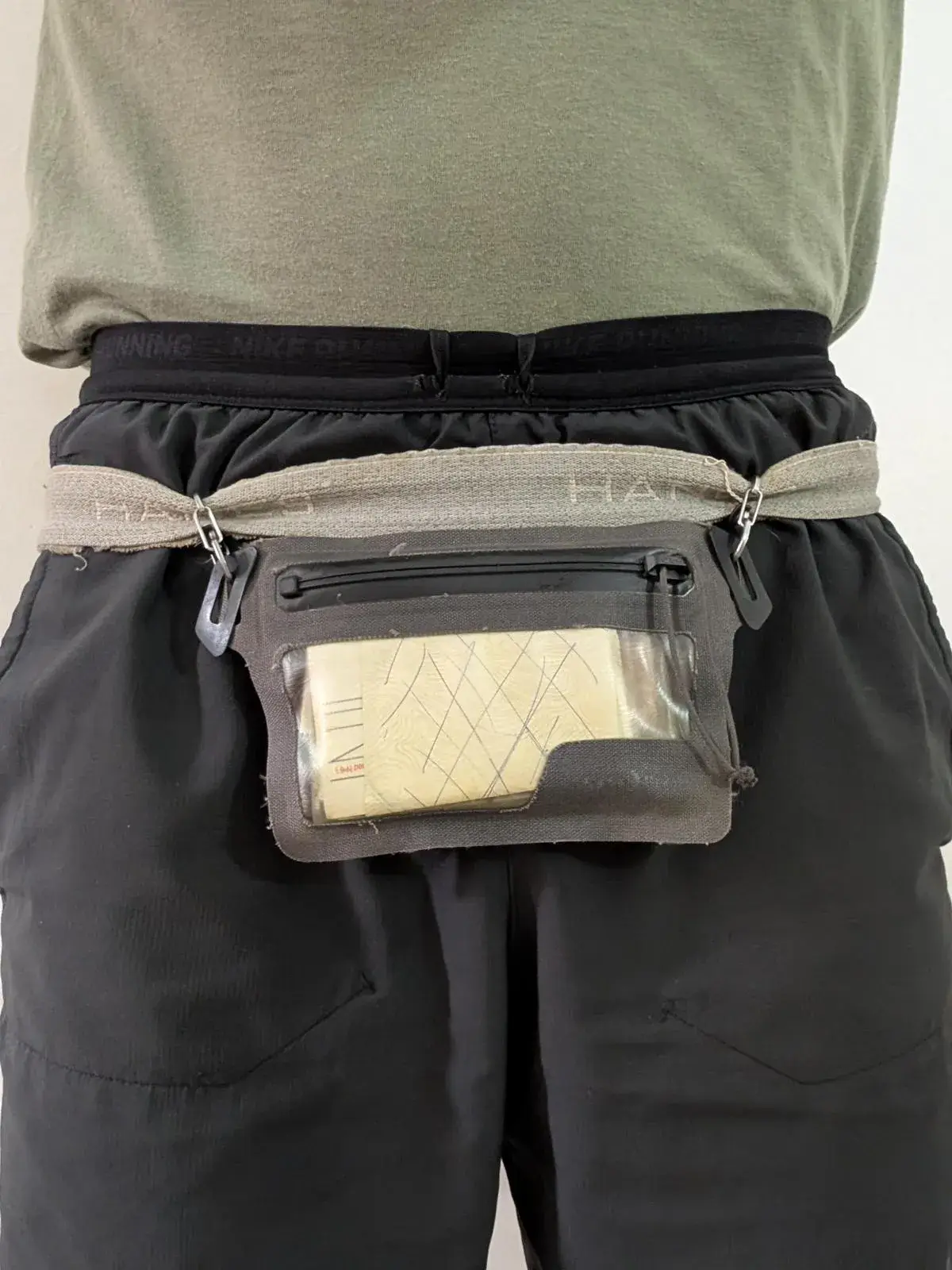
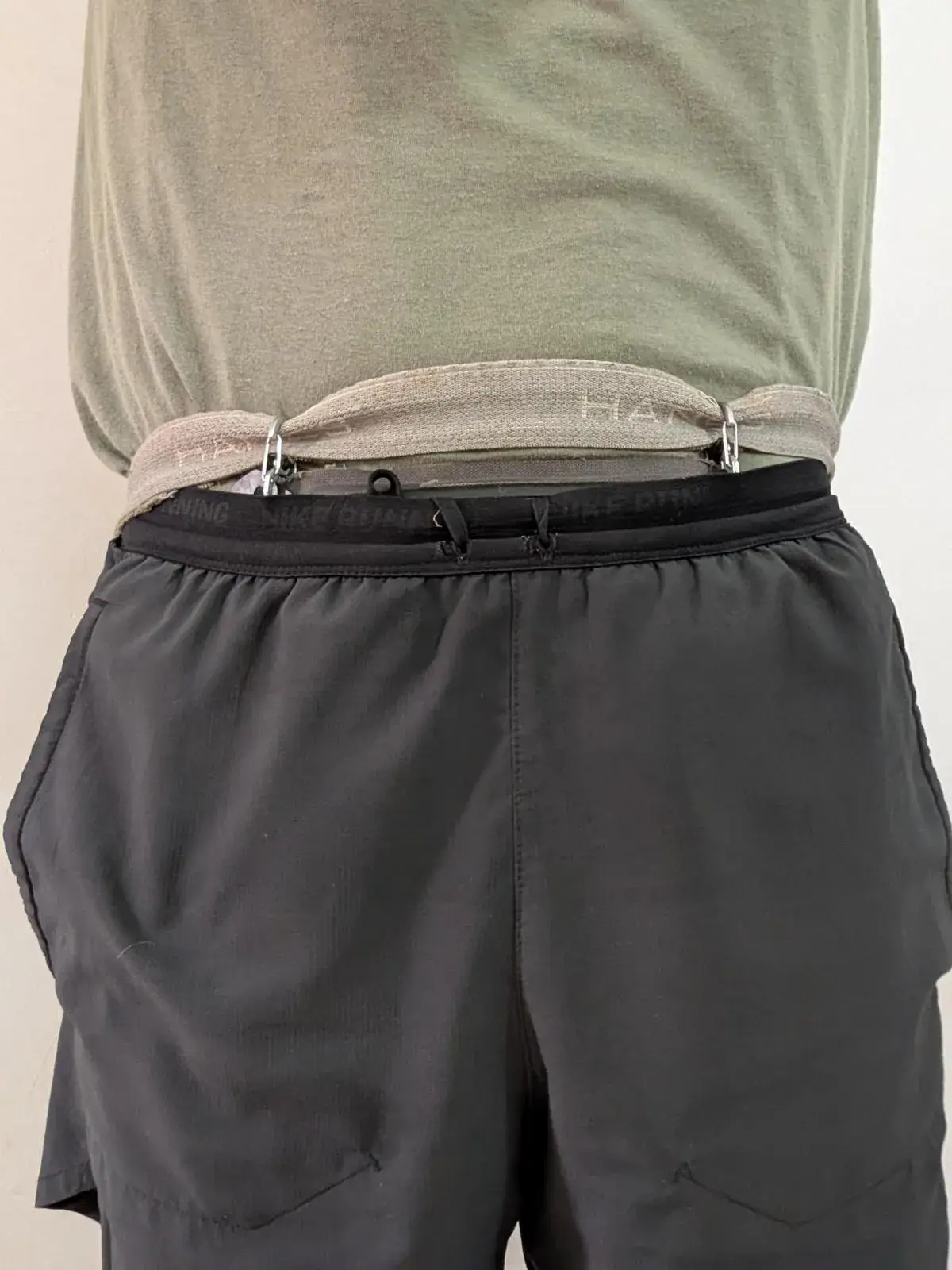
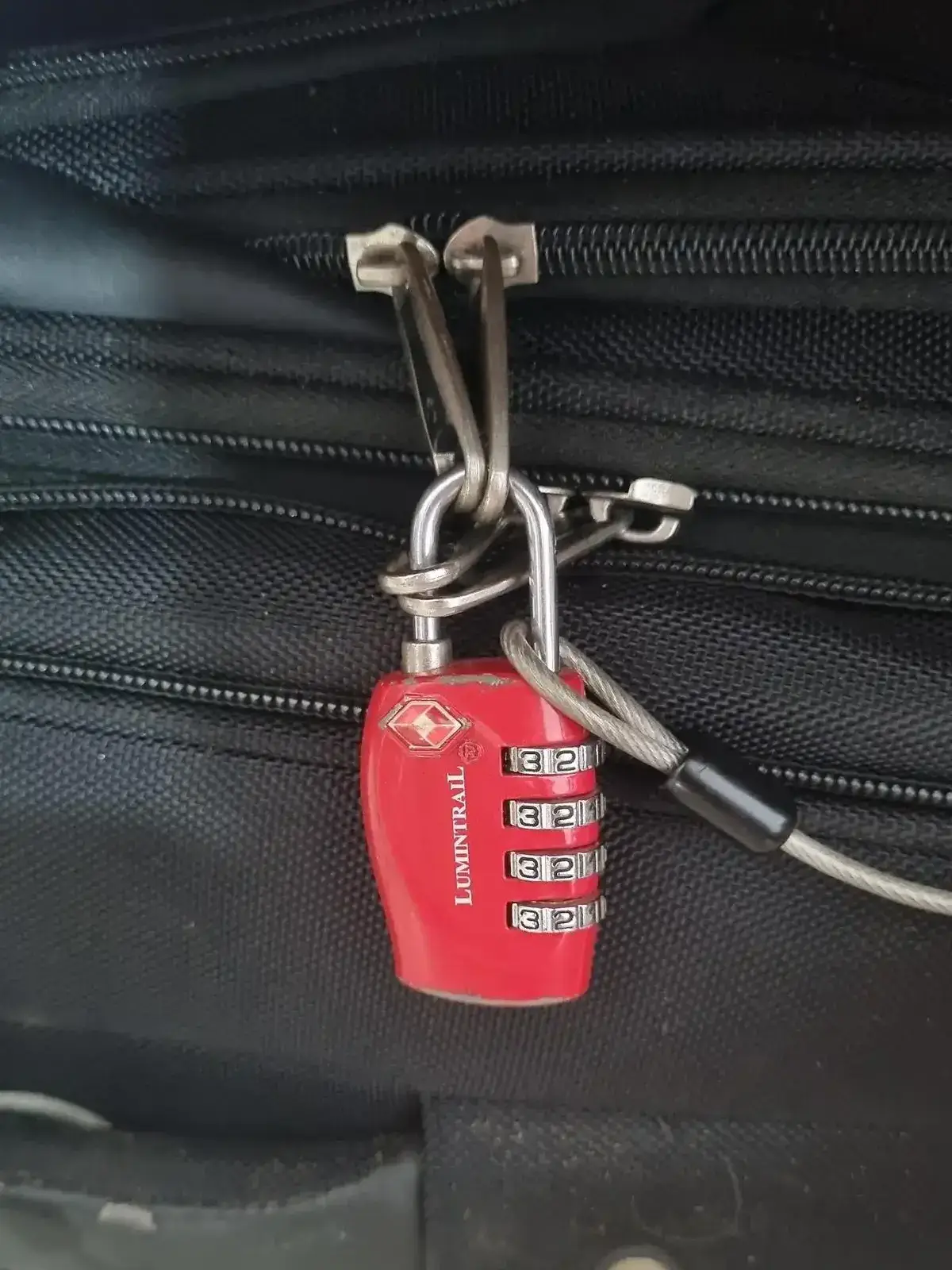
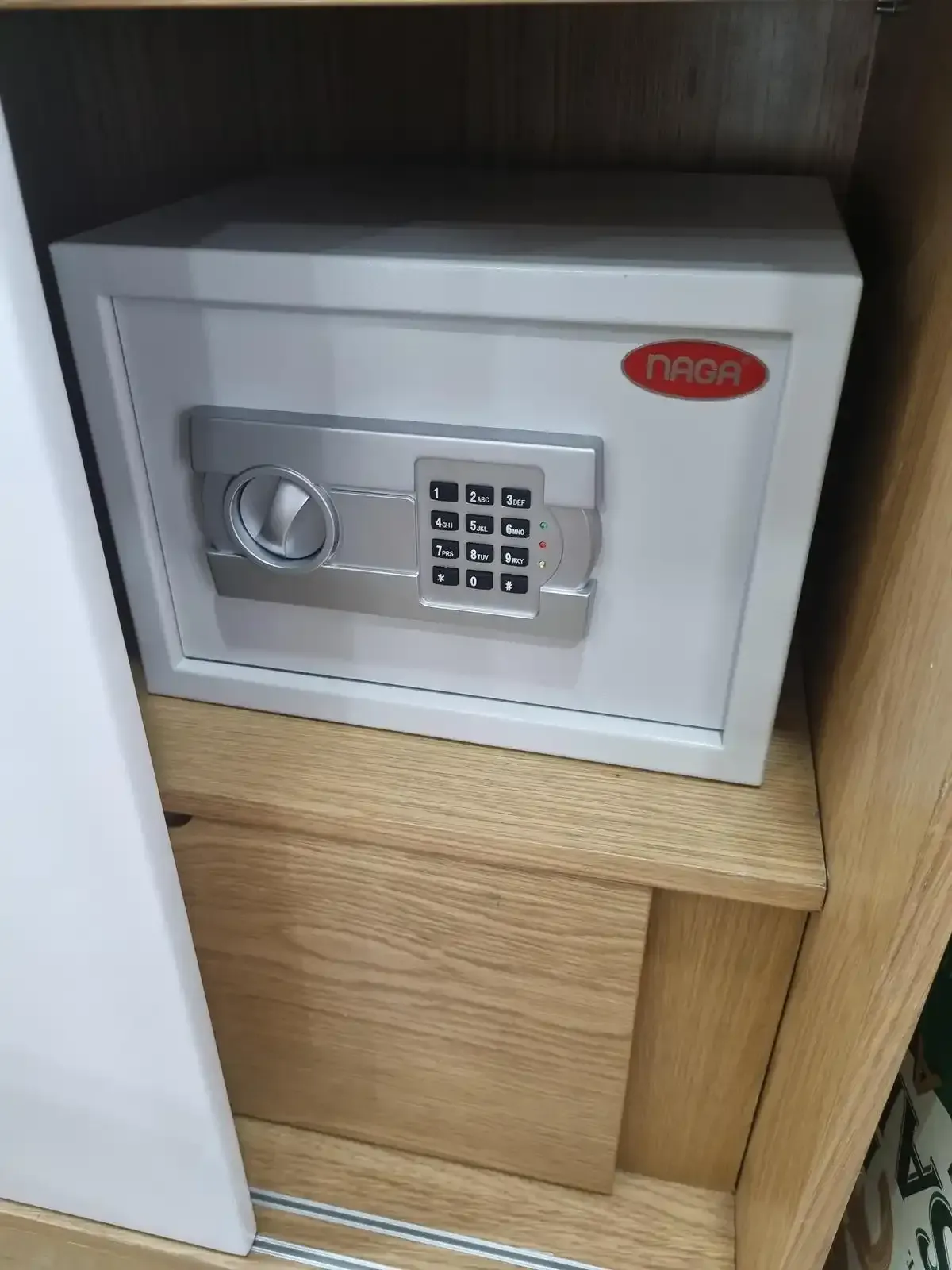
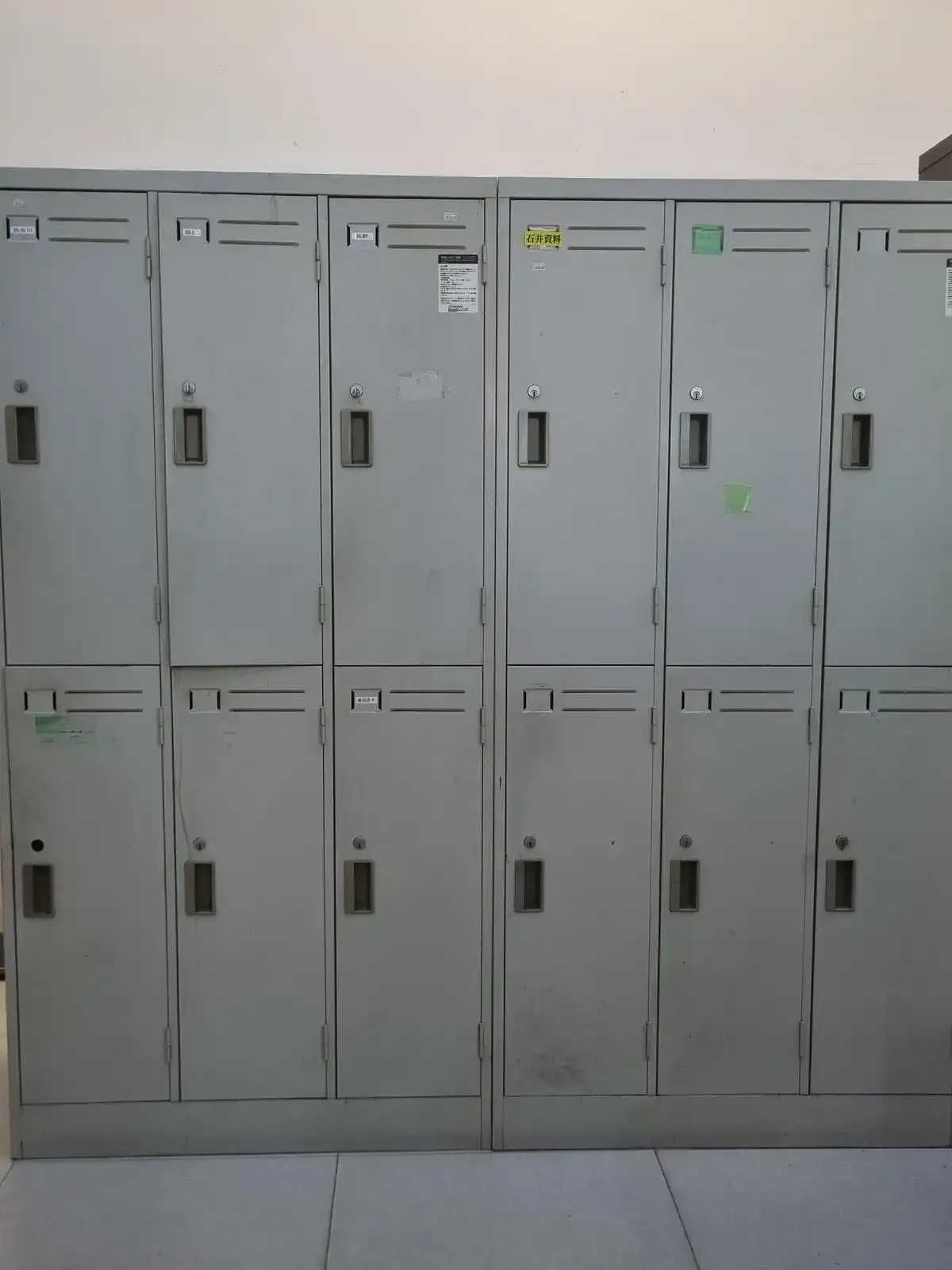
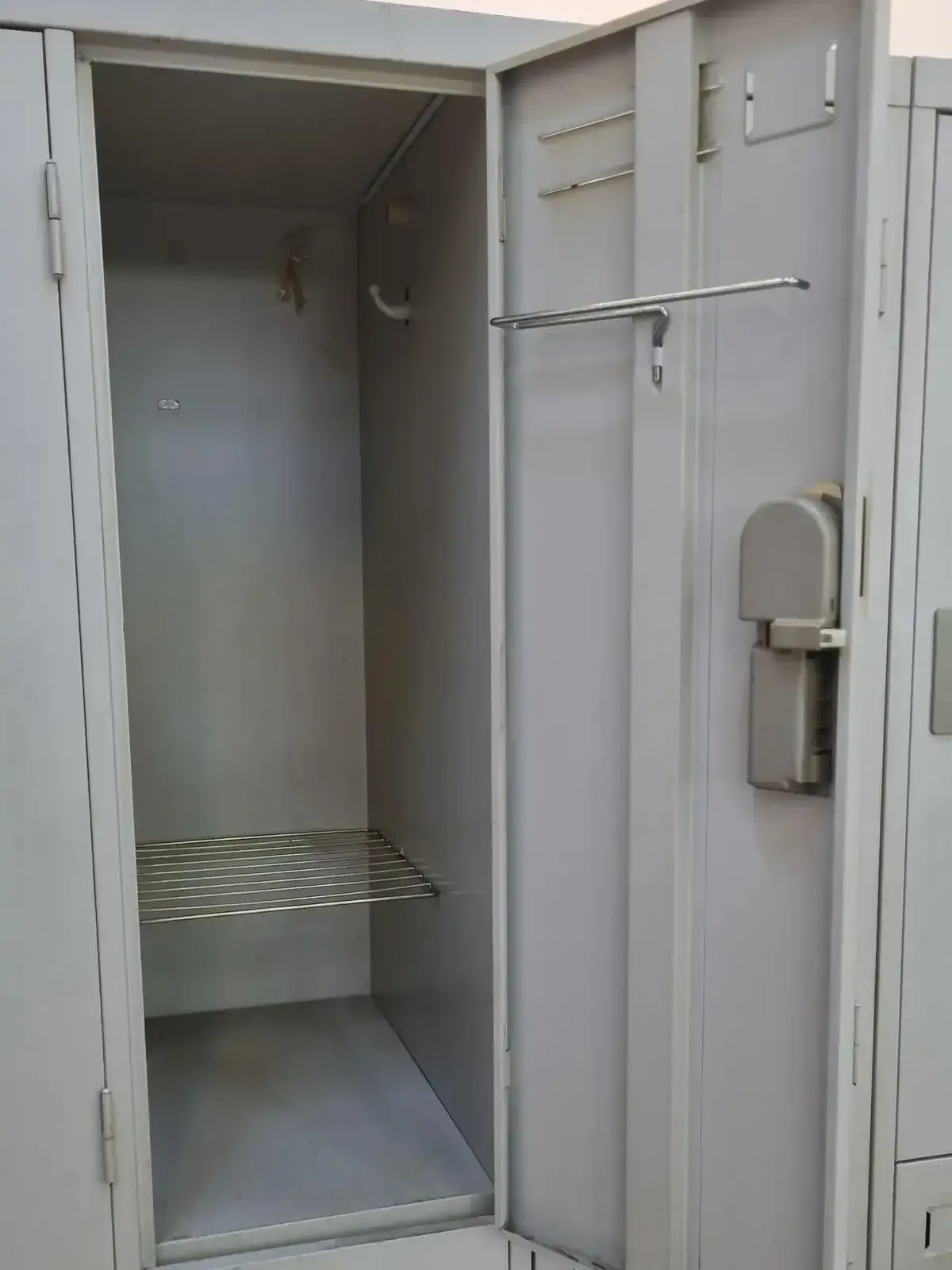
The below pics offer a quick glance on the methods we recommend.