
Motorbike accidents – do not think it will not happened to you! Riding in Southeast Asia is FUN, but accidents and the aftermath is NOT FUN! No-one ever expects an accident.
Think about this: passengers in a car have a metal structural cage that protects them in an accident, but a motorcycle does not – you are fully exposed! A motorcycle is completely vulnerable and exposed, lacking any protection in an accident.
Have we got your attention, yet?
(1) Get licensed, (2) wear protective gear, (3) inspect the motorbike, and (4) know the risk factors of riding.
Knowledge [on motorcycle safety] is power. Prepare well, and don’t let accident happen to you.
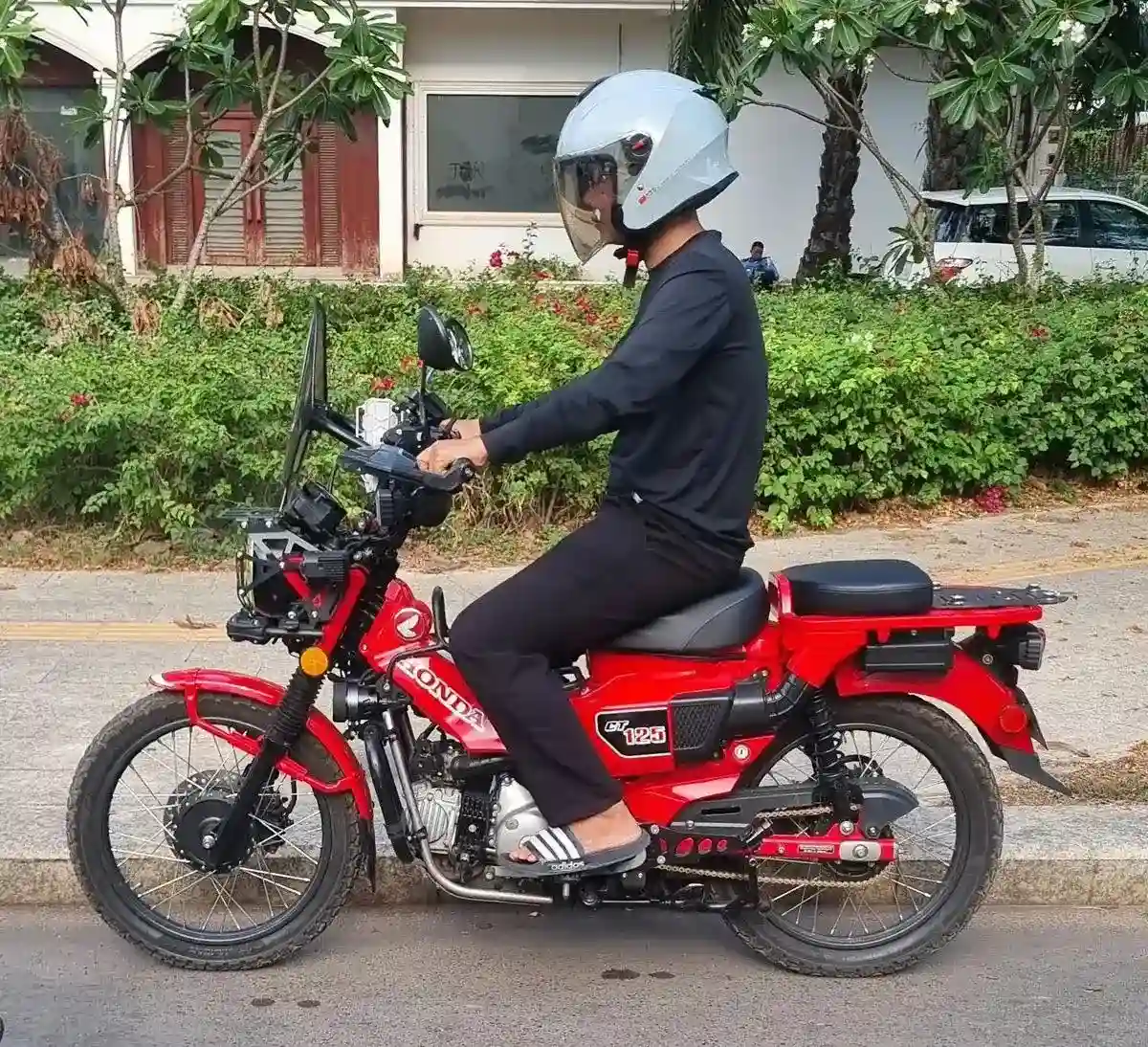
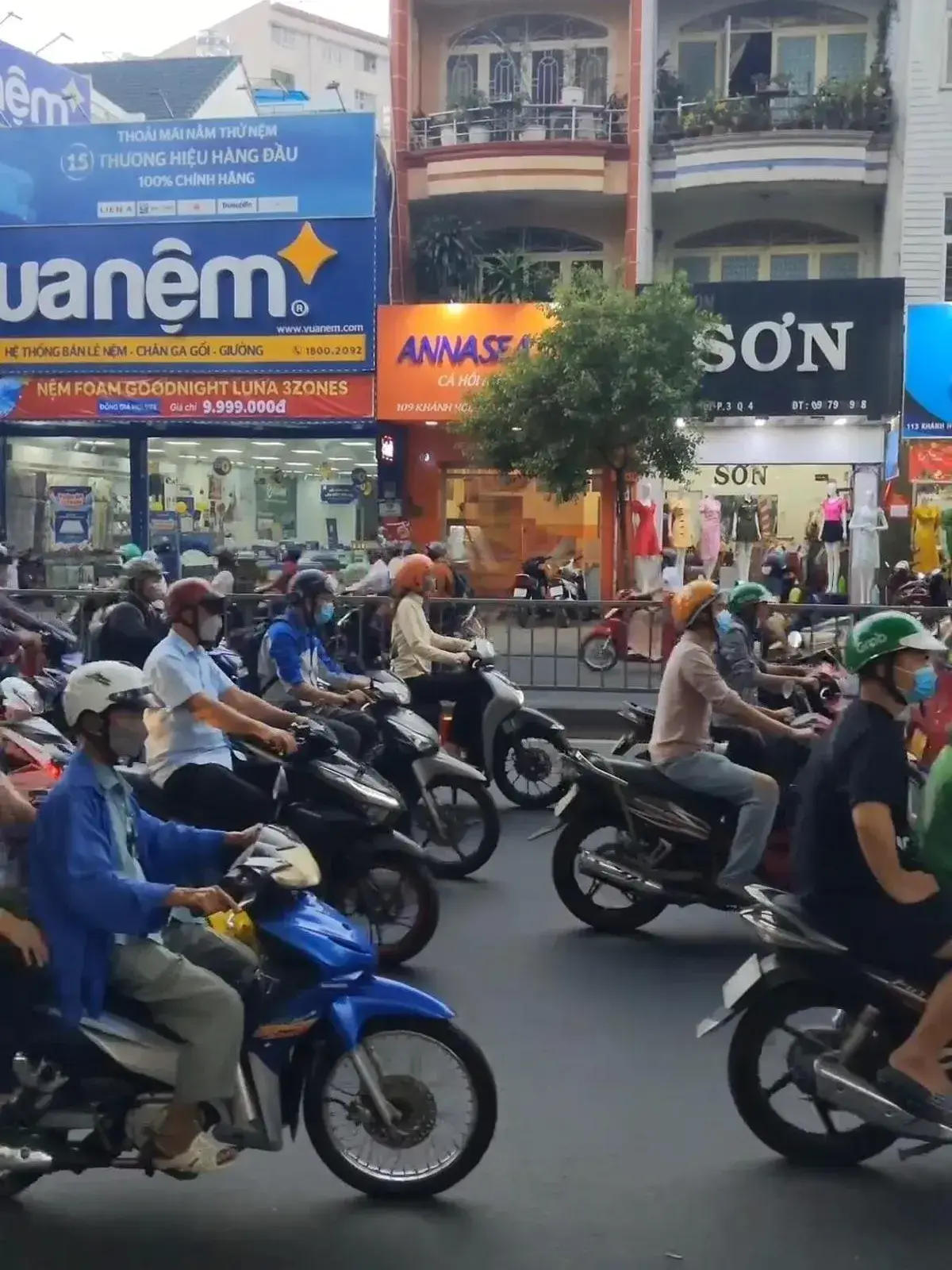
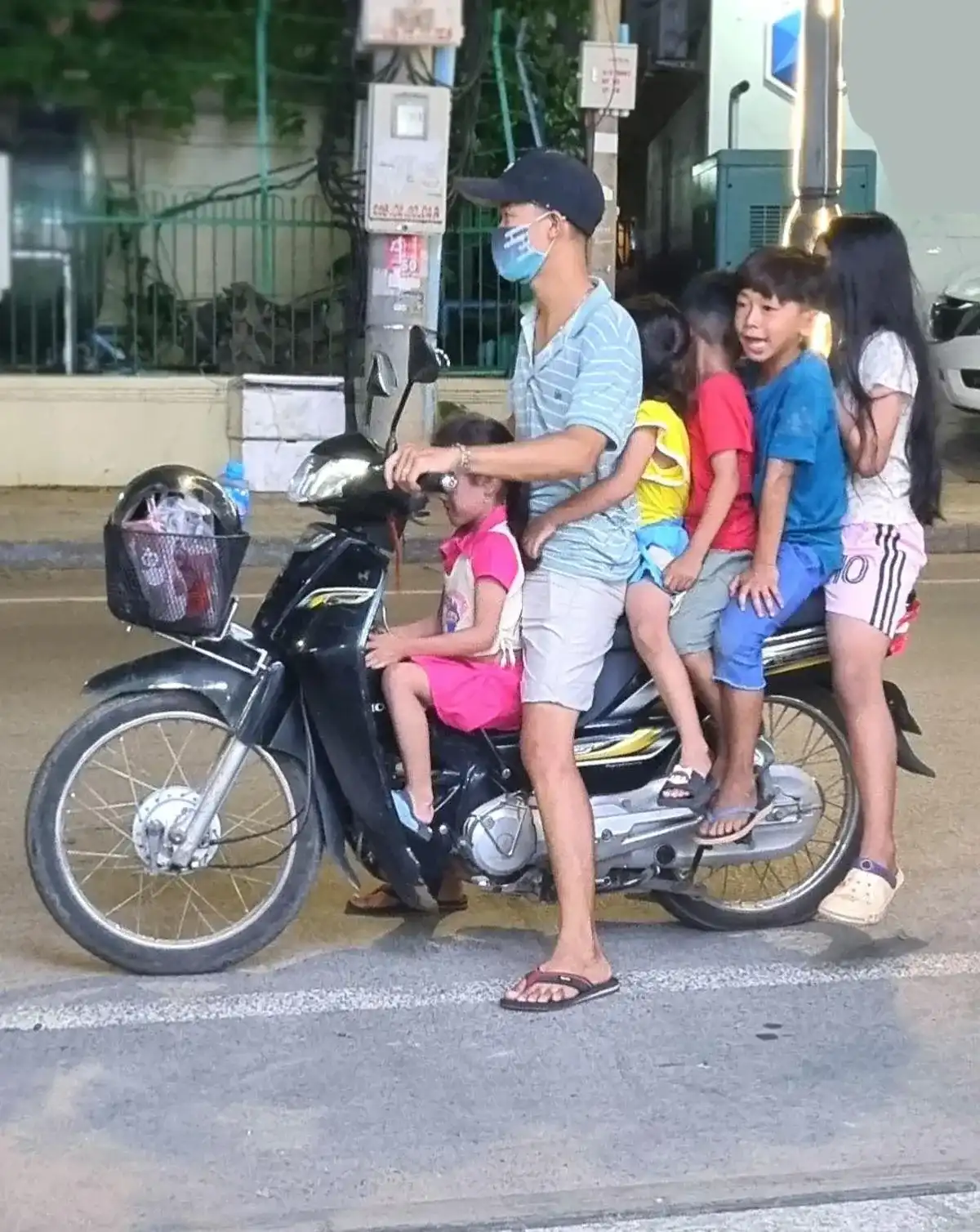
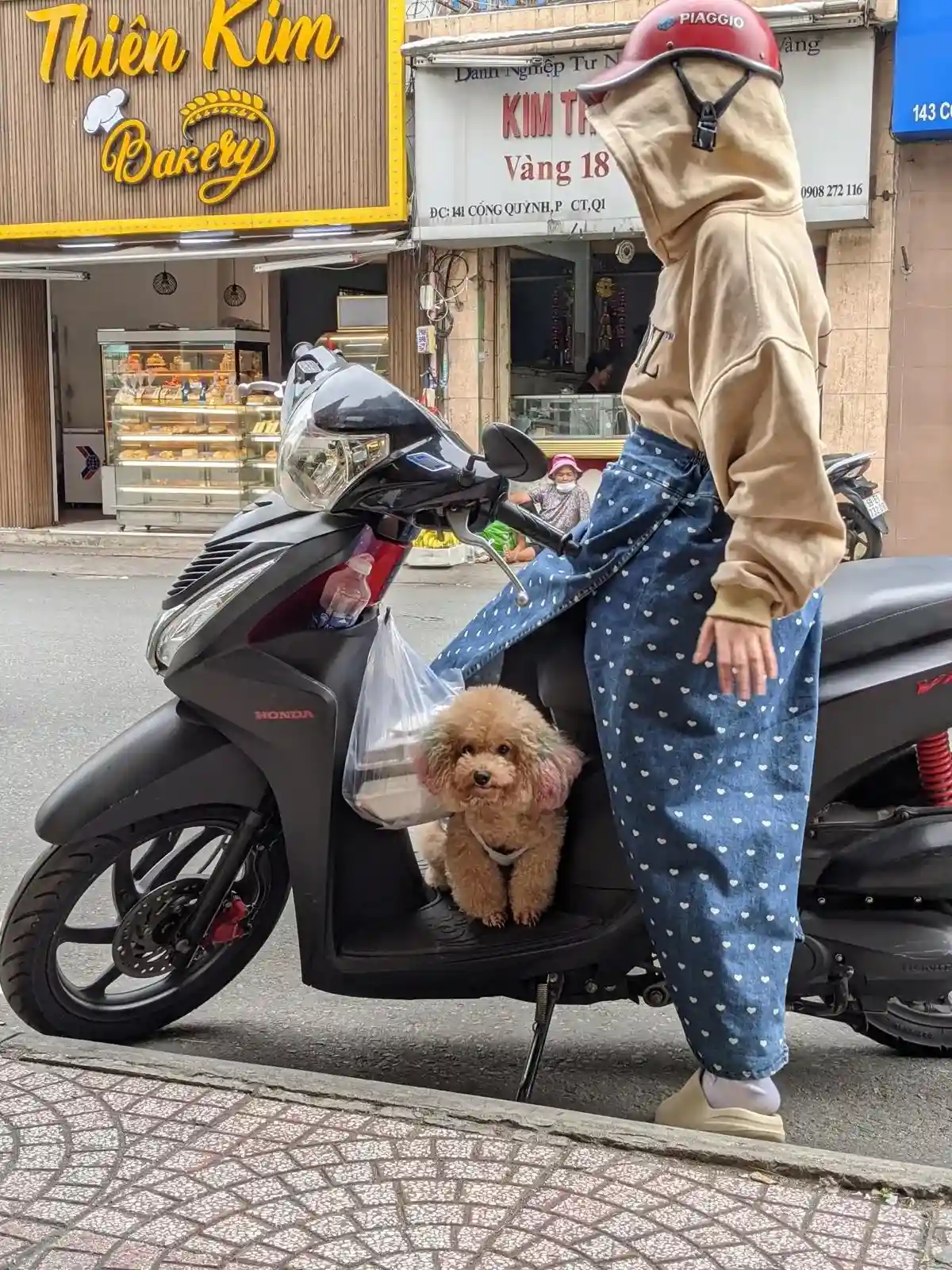
SAFETY: Fun & Not Fun
Riding safety is a fun topic, and we feel this will be a fun read (aside from the ‘Not Fun’ part). The goal here is to get you interested in riding safety, and to stress how important it is!
⚠️ There are countless examples of foreigners dying, in critical condition, or with horrific road rash and broken bones – IT IS NO JOKE! Most of these accidents are preventable, and/or the aftermath can be limited with the correct reaction (using knowledge and training).
Yes, we’ve seen many accidents (life threatening and serious).
… The list goes on and on … Google “motorbike scooter accident in Southeast Asia or whichever country you are going to”
So, what’s the benefit of moto safety?
👉 Well staying safe (you know – not breaking every bone in your body!) is one, but also reducing your fear and nervousness when riding.
👉 Having knowledge from a safety riding course = better motorbike riding choices.
👉 Having hands-on experience = a better feel for the bike’s capabilities.
Know your limitations. And know the limitation of the motorbike.
Learning how to ride a motorcycle to it’s limits in a controlled manner is exhilarating! It all starts with learning how to keep the bike stable + in control. The goal being not push yourself, or the bike, over the limits.
Warning
A motorcycle may seem intimidating (leads to under confidence), and a scooter can seem too easy (leads to over confidence).
-> Having training & experience will help you be assertive – not under/over confident – while riding.
Safety is actually fun, believe it or not.
👉 Riding is an experience that is emotionally and mentally engaging.
You engage with the beautiful surroundings and other traffic on road. And, since Southeast Asia is a motorbike culture, you’ll be stopping along side the road for a quick coffee or an exotic snack. The culture here revolves around the motorbike.
👉 It’s fun to view riding safety like a mental game, where you get the most points by making the best safety decisions.
You’ll notice bad decisions by other riders, and yourself.
You notice close-calls where you almost got in an accident.
You’ll see danger before it happens, and take proper actions to prevent yourself getting in harms way.
A motorcycle training course will open your eyes to the realities of moto safety – a true eye-opener. Riding a small scooter is not exempt from the stark realities and dangers of the road.
GemsOfTravel truly wants that smile on your face to remain big and wide 😀, grinning from ear to ear while you ride. That’s why we emphasize safety – we want it to remain fun for you.
The truth that your life can dramatically change in a split second. Motorbike accidents aren’t pretty, and they happen to even the most experienced riders.
Risk Factors Of Riding In Southeast Asia
GemsOfTravel desires to highlight the common risk factors of riding a motorbike in Southeast Asia. These highlights paint the picture of what you need to be aware of. Have fun and ride safe.
Travel insurance that covers motorcycle accidents (scooters, too) is recommended. Insurance usually always requires a motorcycle license and maybe an IDP (International Drivers Permit).
List Of Risk Factors
Weather & mother nature : This entails riding cautiously when it rains, and sand/mud is on the ground. It ‘s simple: beach areas are full of sand -> sand will make you fall -> falling it not fun.
Foreign country / language / culture : This is why you are in Southeast Asia – to experience something foreign. It has downsides such as not being able to communicate at the hospital, and culture shock to the local riding style. Foreign countries have different safety laws and habits. In SE Asia the general gist is that you can do whatever you want, but if you mess-up, then it’s on you.
Experience level riding a motorbike.
Changing direction + being aware of surroundings : It is expected that you do not change direction without signaling and/or looking over your shoulder. You are expected to remain going straight. Locals are comfortable with squeezing right by you, so if you make a sudden move it could cause a collision.
Warning
✅ Do this -> *Always do a shoulder check before changing directions or lanes.*
This applies to walking 🚶➡️, too!
Riding on the opposite side of the road (left-hand / right-hand side) : This one is a bit of a brain teaser. Fortunately, locals practice ride on the wrong side of the road all of the time, so it’s kind of normal. There’s context to it – they stay to the side of the road, riding slowly, only ride on the wrong side when they are looking to turn onto that side (prevents having to cross the road). So, if you make a mistake don’t freak out.
Local riding culture : You will experience culture shock in regards to the way locals ride motorbikes. This lack of understanding leads to comfortableness, but you wil adapt with time. Pro tip: ride as the locals ride (within reason). Just avoid riding too aggressively, assertive riding is always best. The sooner you accept the way they ride the easier it will be for you to adapt.
Note
New riders can be too cautious.
⚠️ For example, riding too slow will create a backup of cars and bikes behind them, not letting them pass – this is dangerous!
-> Be sure to be aware of your surroundings, know your limitations, and let others pass. Like anyone else, locals can get impatient.
SAFETY: Quick Guide
If you do anything, go through this list every time you ride!
Tip
“Dress for the slide not the ride” – assume you will get in an accident, so dress accordingly!
Training & License
Be skilled, smart, and safe. Equip yourself with riding skills. Prepare for riding by obtaining riding knowledge.
-> Skilled – build your riding skills!
-> Smart – use your brain🧠! See the flow of traffic and see ‘bad situations’ before they happen.
-> Safe – wear protection while riding.
Trust us, you DO NOT WANT to get in an accident – it will change your life for the worse.
Head
Note
Rental shops in SE Asia often do not have good helmet choices, unfortunately.
-> broken
-> don’t fit (too big for most people)
-> no face shield (or a broken one)
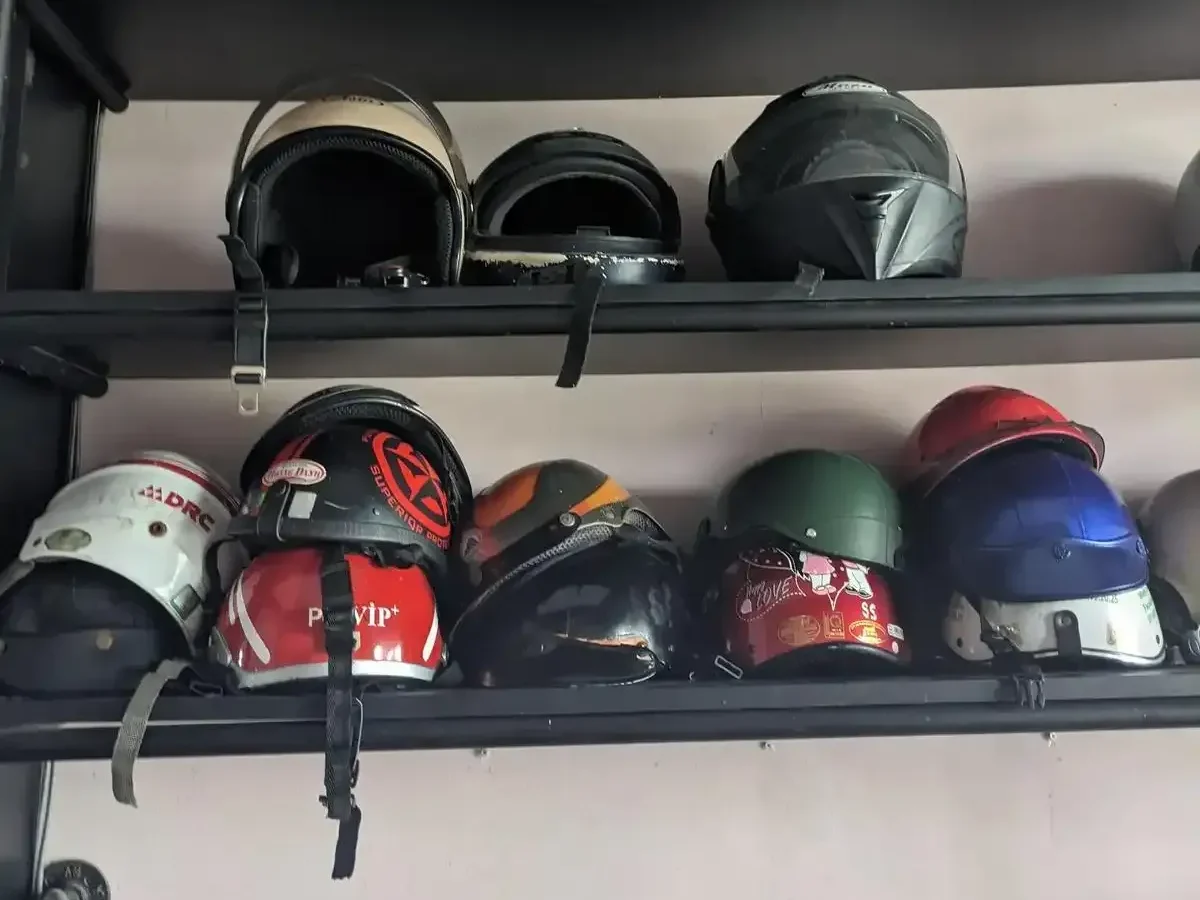
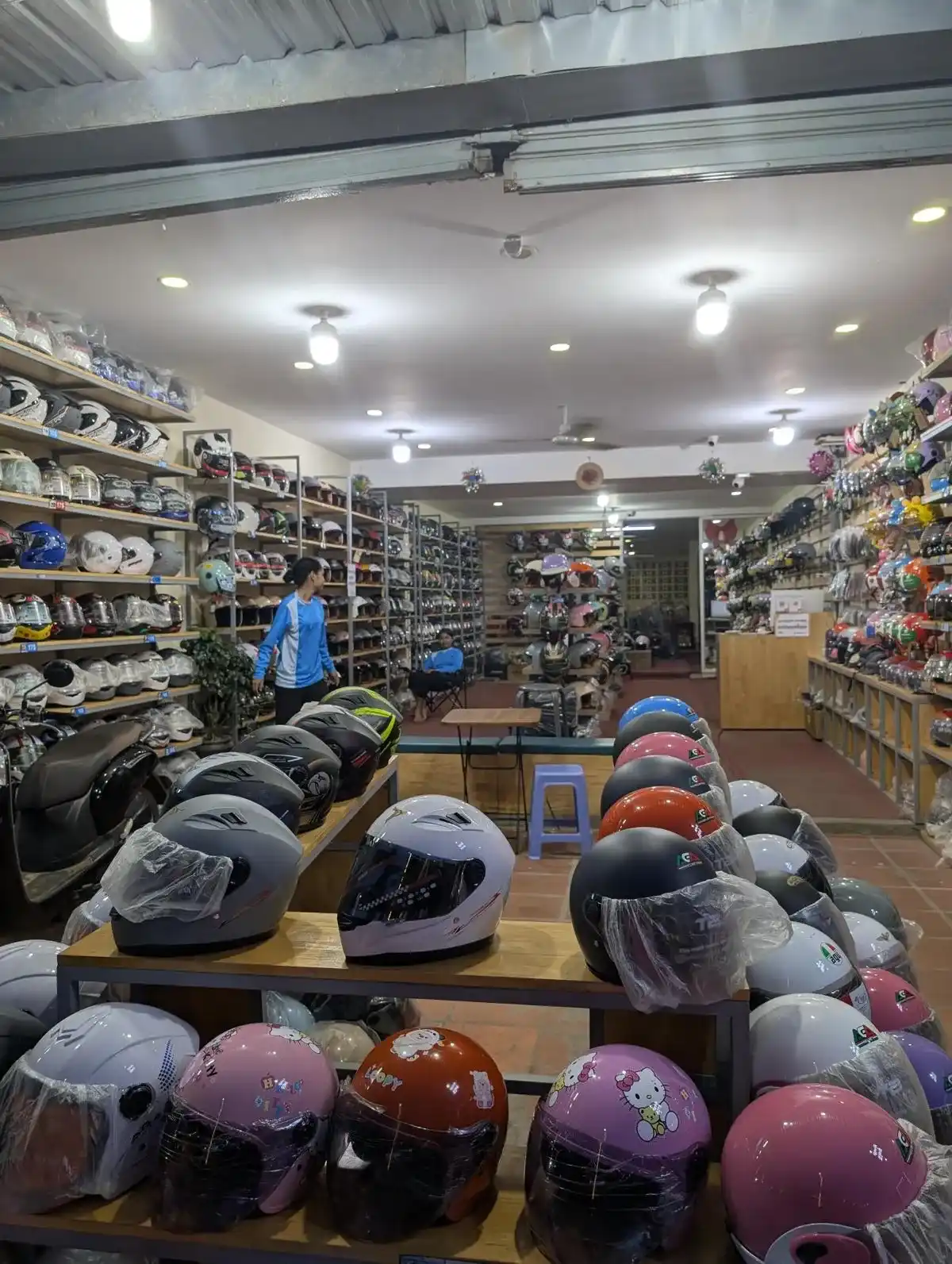
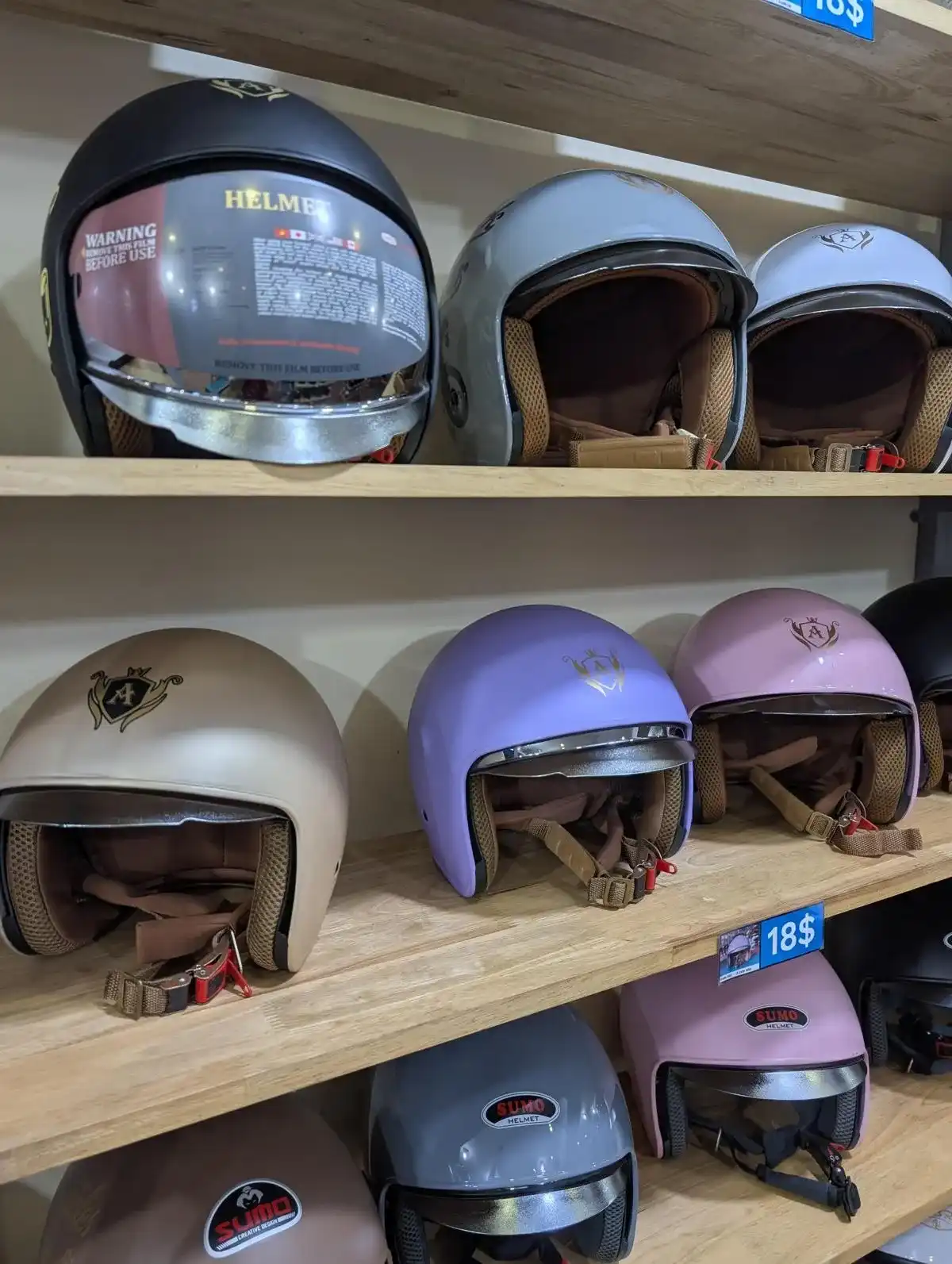
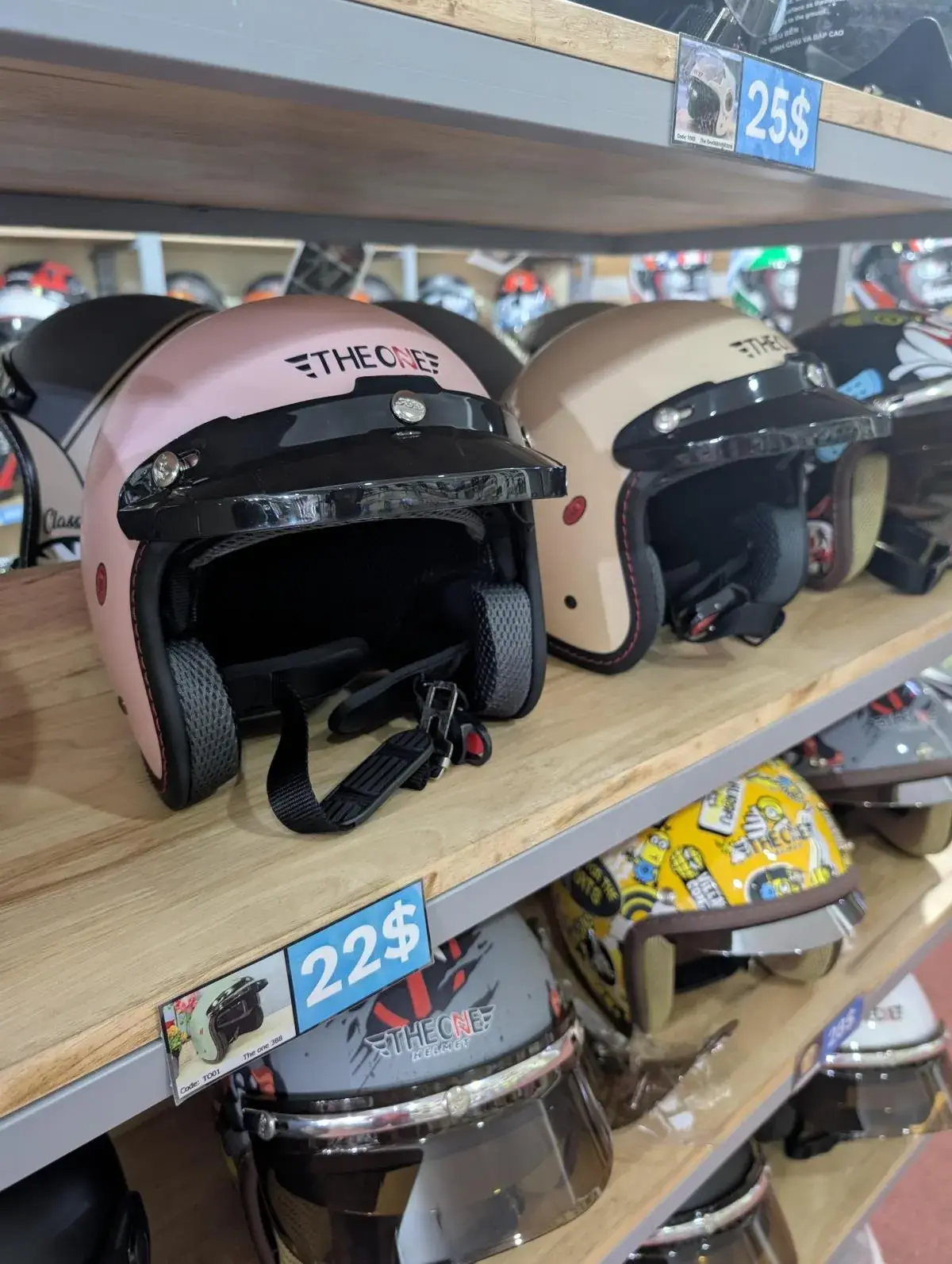
You can purchase your own helmet. A new $10 will be much better than the ones offered [for free] by the motorbike rental shops. Nicer helmets costs around $25 to upwards of $50 or more, depending the type of helmet.
It is worth buying your own while traveling around SE Asia.
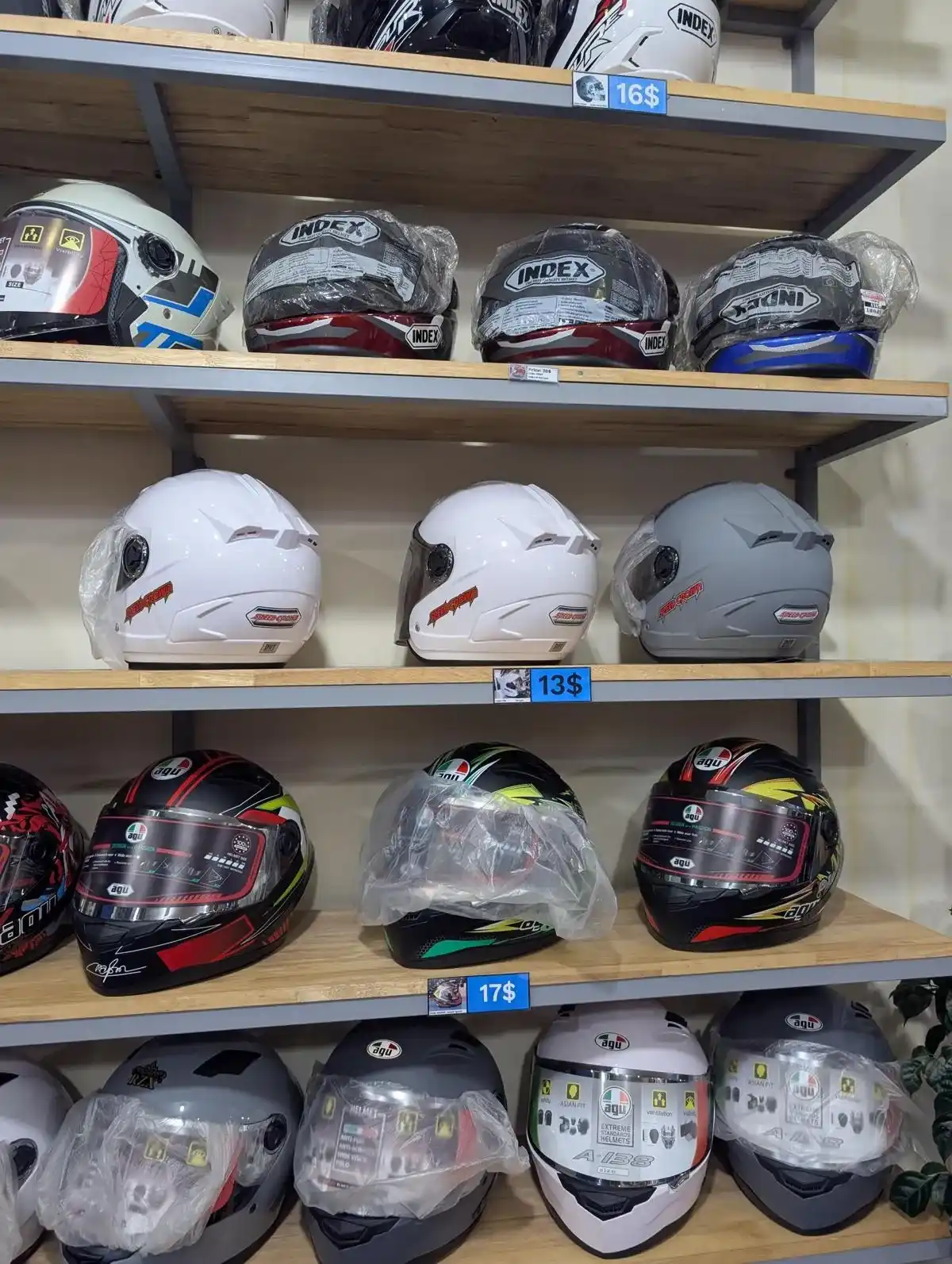
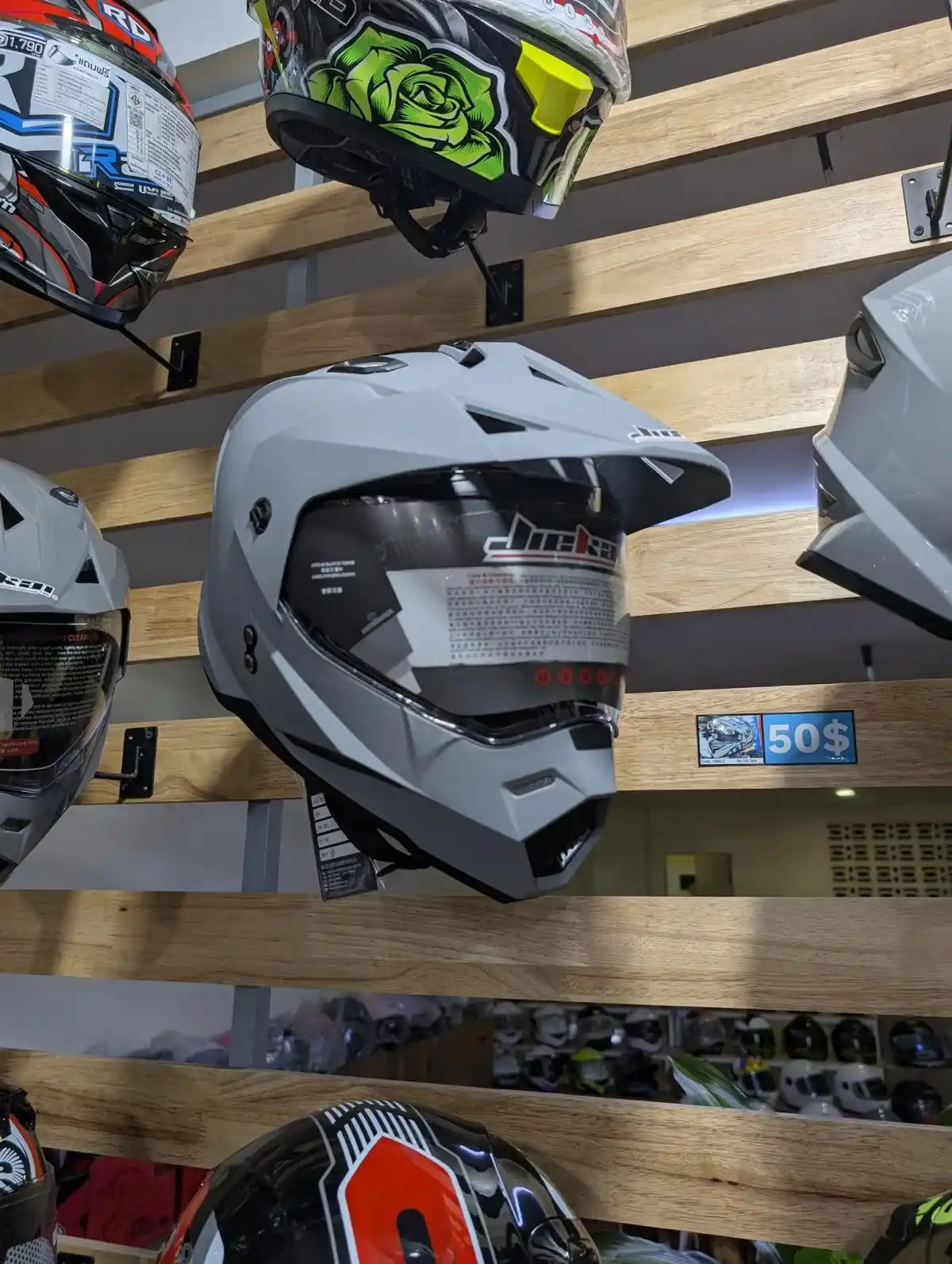
Tip
Make sure the helmet fits your head!
(1) Put it on,
(2) Shake your head to wiggle the helmet,
(3) If it wiggles a lot – it is too big! If it wiggles just a little bit – it’s perfect!
Helmets that are too big: the wind will push the helmet toward the back of your head while riding, and it will feel like it’s going to fly off! It’s really uncomfortable.
Shoulders, Knees, and Toes
FEET: Wear shoes instead of sandals.
HANDS: Gloves.
UPPER BODY: Long sleave shirt or light jacket.
LOWER BODY: Pants that cover your legs.
Tip
⭐ A light rain coat, simple gloves, pants, and shoes covers you well-enough for most riding SE Asia.
Full-blown motorcycle gear is best and recommended if possible, but is overkill for everyday riding. In practice you can get by with the minimum in Southeast Asia.
Riding
CHECKLIST: Choosing A Scooter/Motorbike
There are lots of scooter and motorbike models to choose from. When renting (or if you buy your own bike), the below points are the most important practices for inspecting & preparing your bike.
Renting a motorbike:
-> (1) Pictures + Video : take a video and/or pictures of the motorbike rental before leaving the rental shop.
-> (2) Point out any issues to them, too.
This is used as proof if accused of causing damage to their bike. It’s good for to have pictures of the bike’s condition to look back on if any issue happens. Yes, being blamed for issues that you did not cause is a real concern (read the reviews of the rental place).
Buying a motorbike:
When buying, also point out issues. This is part of the negotiation process. You will find that they will fix things as you find them.
Guess what, you won’t find them all unless if you really know what you’re looking at. But, fixing bikes is relatively inexpensive… semi-automatic bikes that is. Automatic bikes and larger motorcycles are more expensive to repair.
Inspect and Prepare Your Bike:
Test Ride
Front Brake
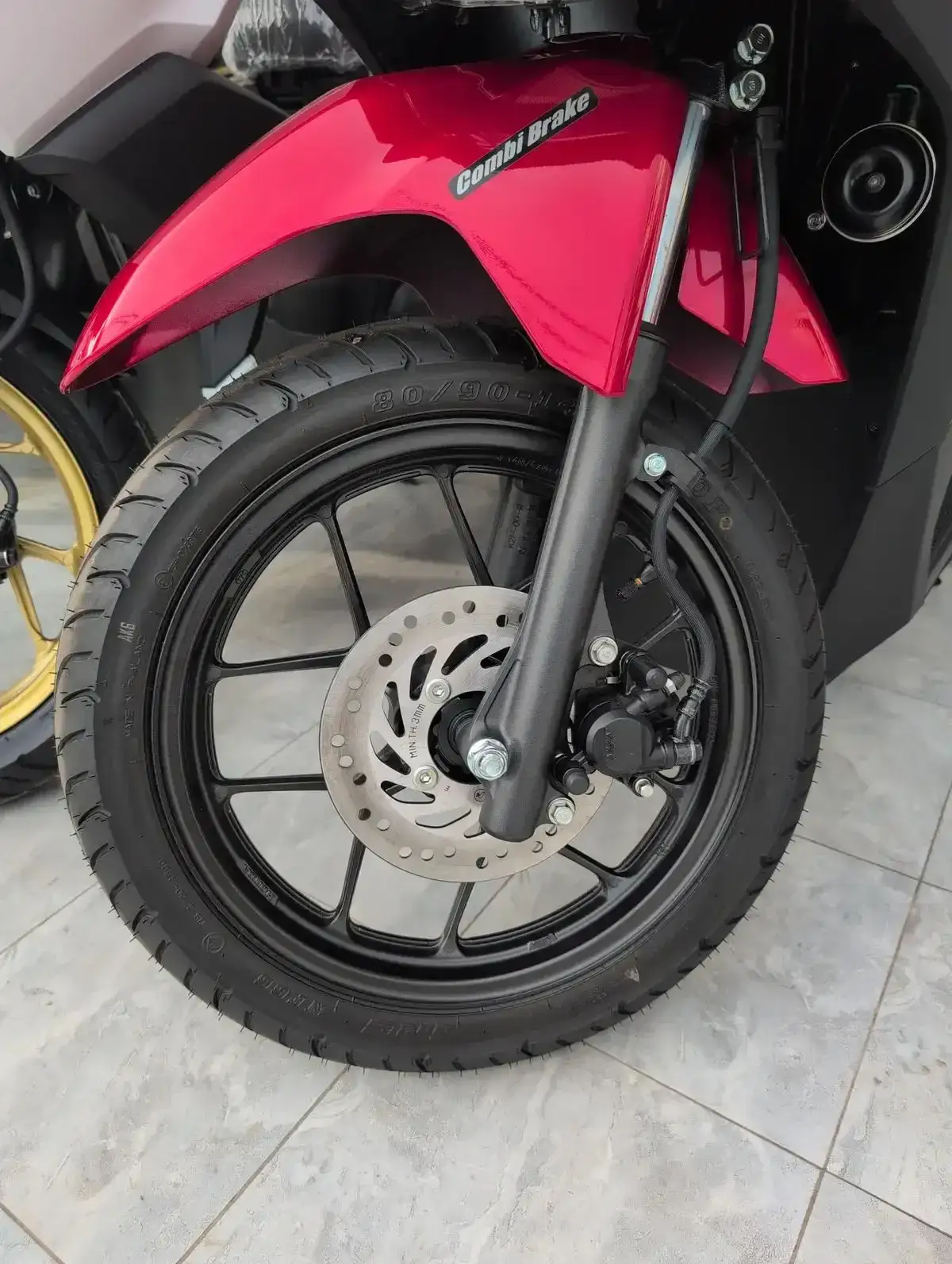
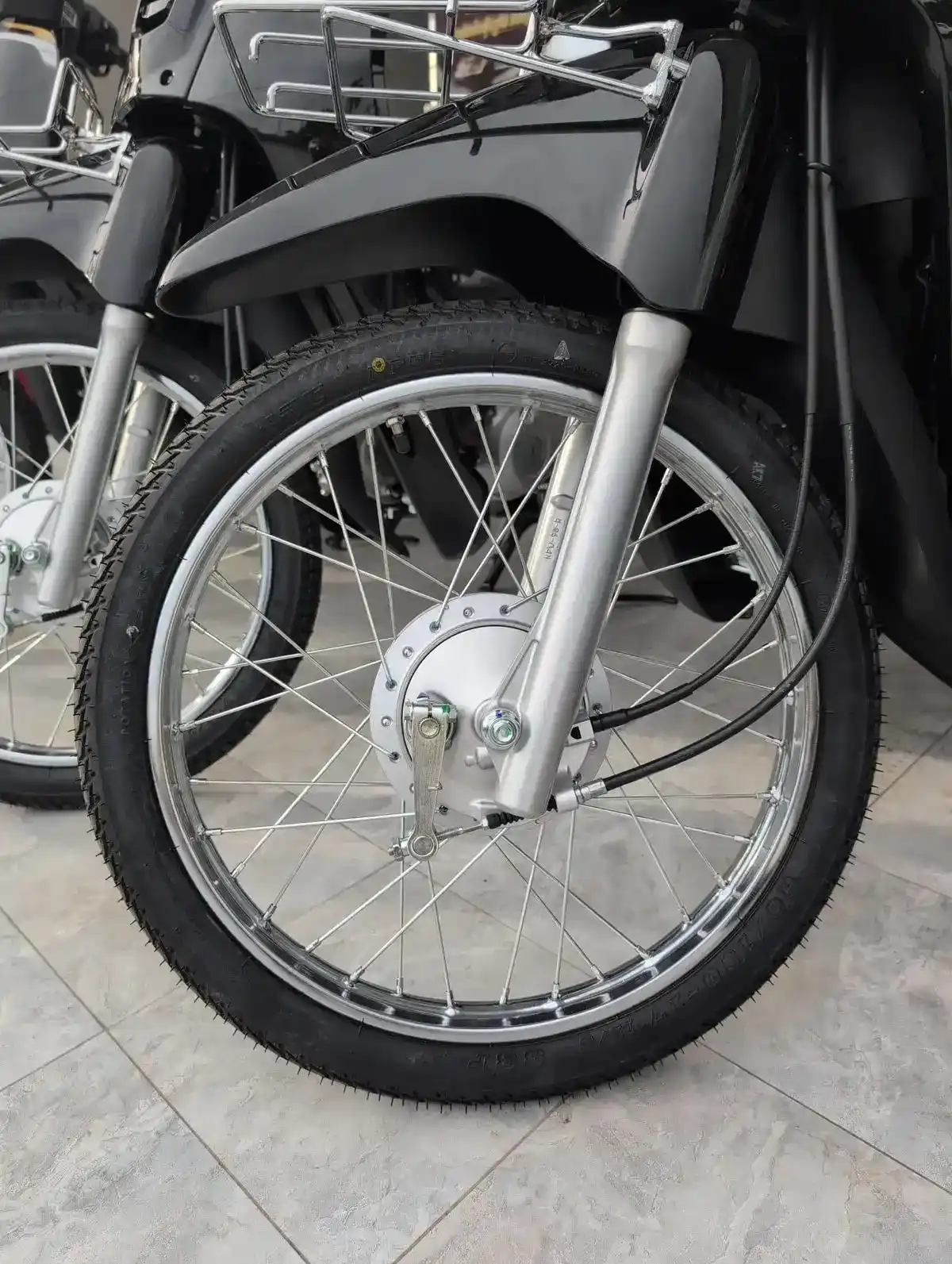
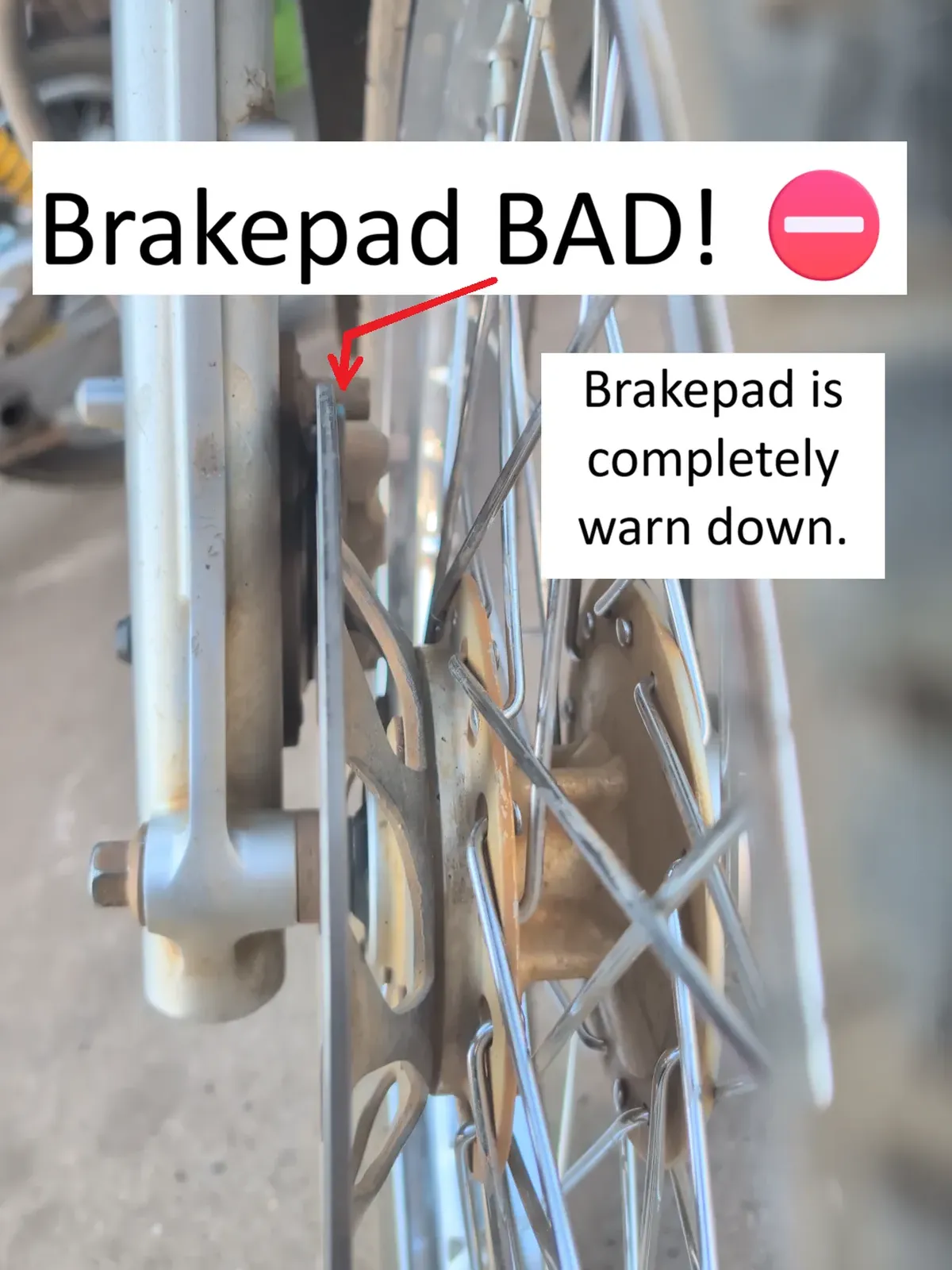
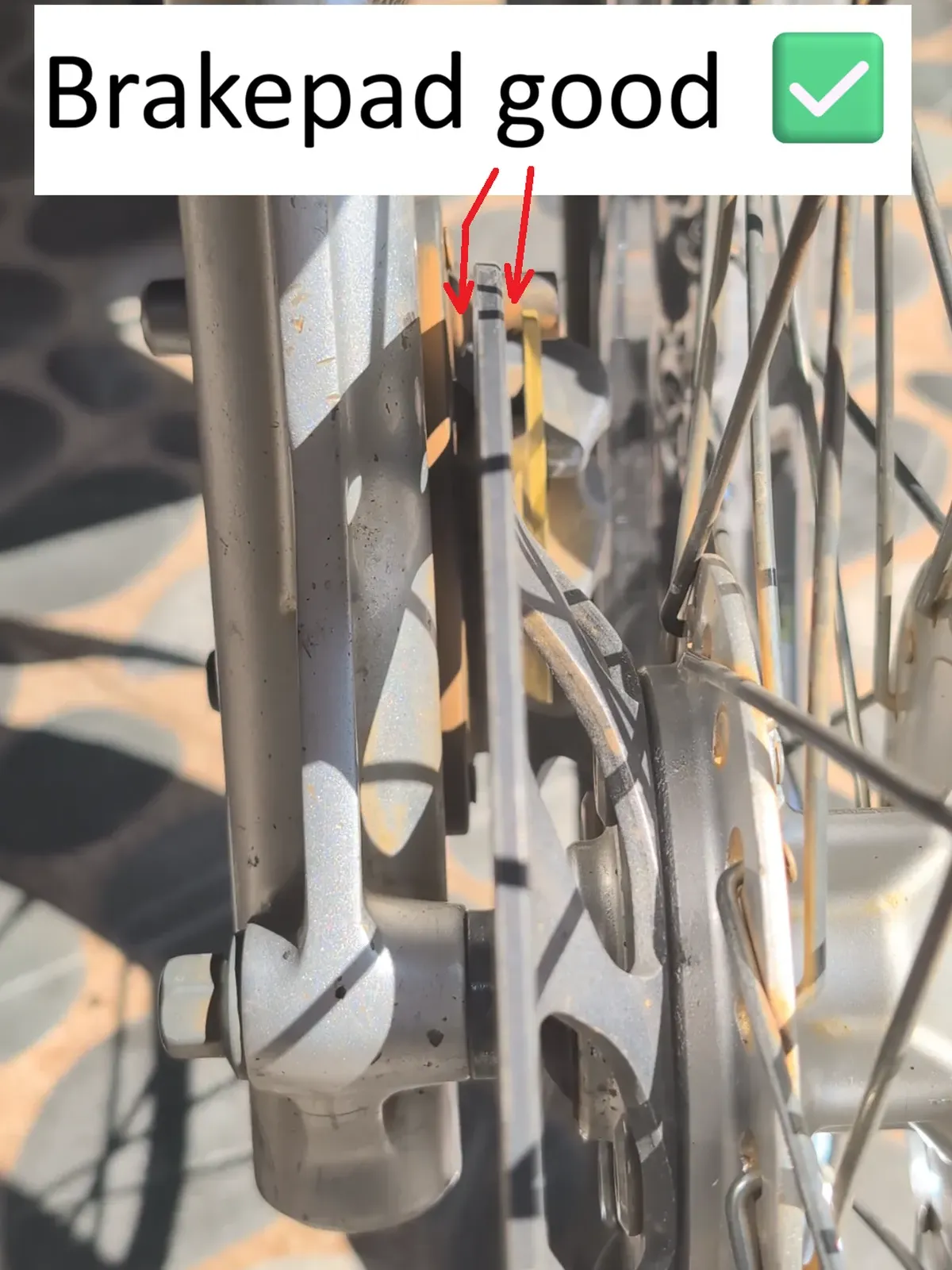
A front brake that locks-up is a top danger of riding. It will cause an accident. Drum brakes are cheaper, and more susceptible to locking-up. Disk brakes (anti-lock brakes) do not lock-up easily, as the name suggests. Plus, it is much cheaper to replace the brake pads ($3) for disk brakes. And, it is easy to look at them and see how warn they are.
✅ Disk brakes (anti-lock brakes)
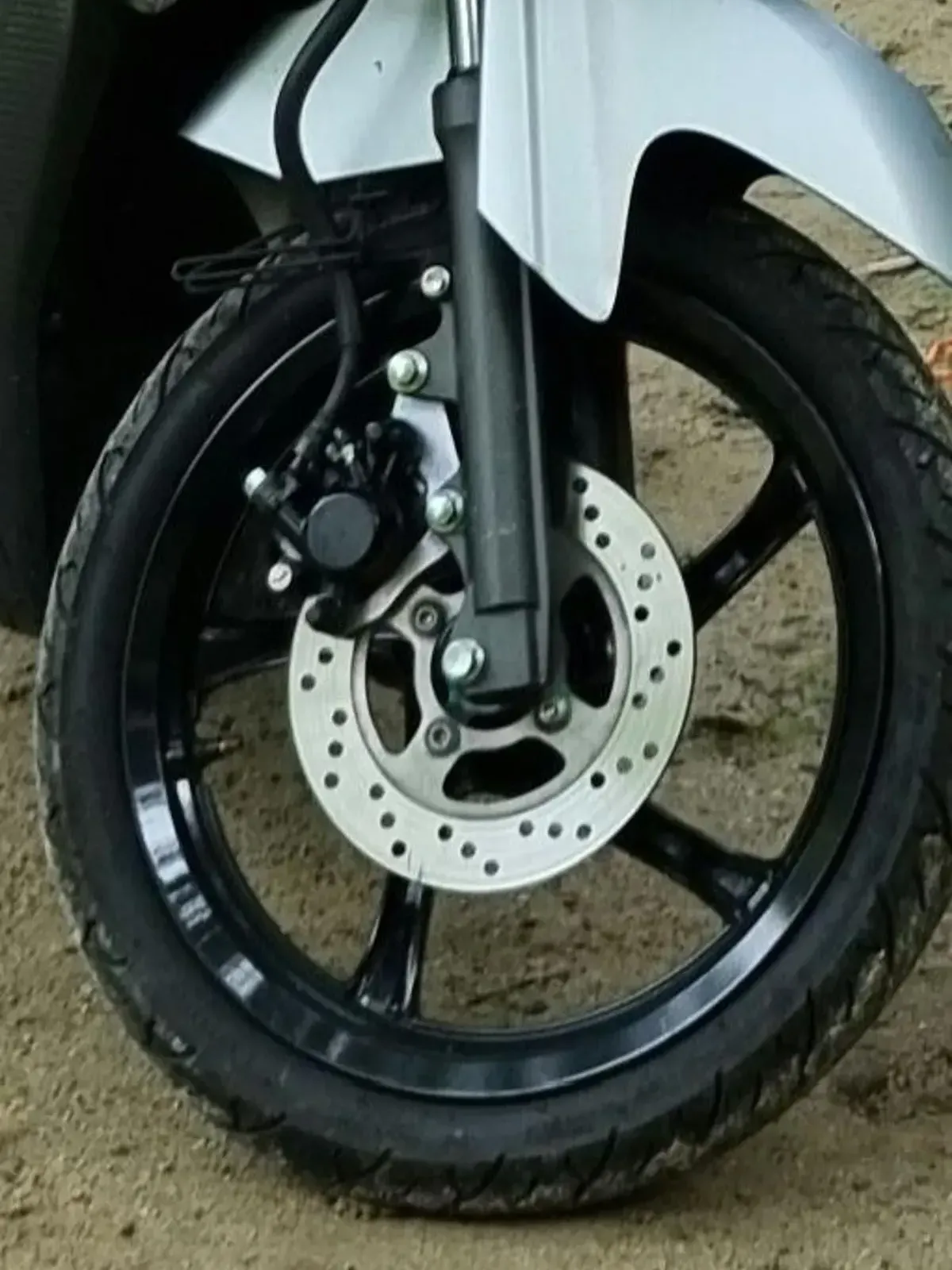
Drum brakes (not preferred – Disk brakes are much safer)

Brake Pads
Tires
Note
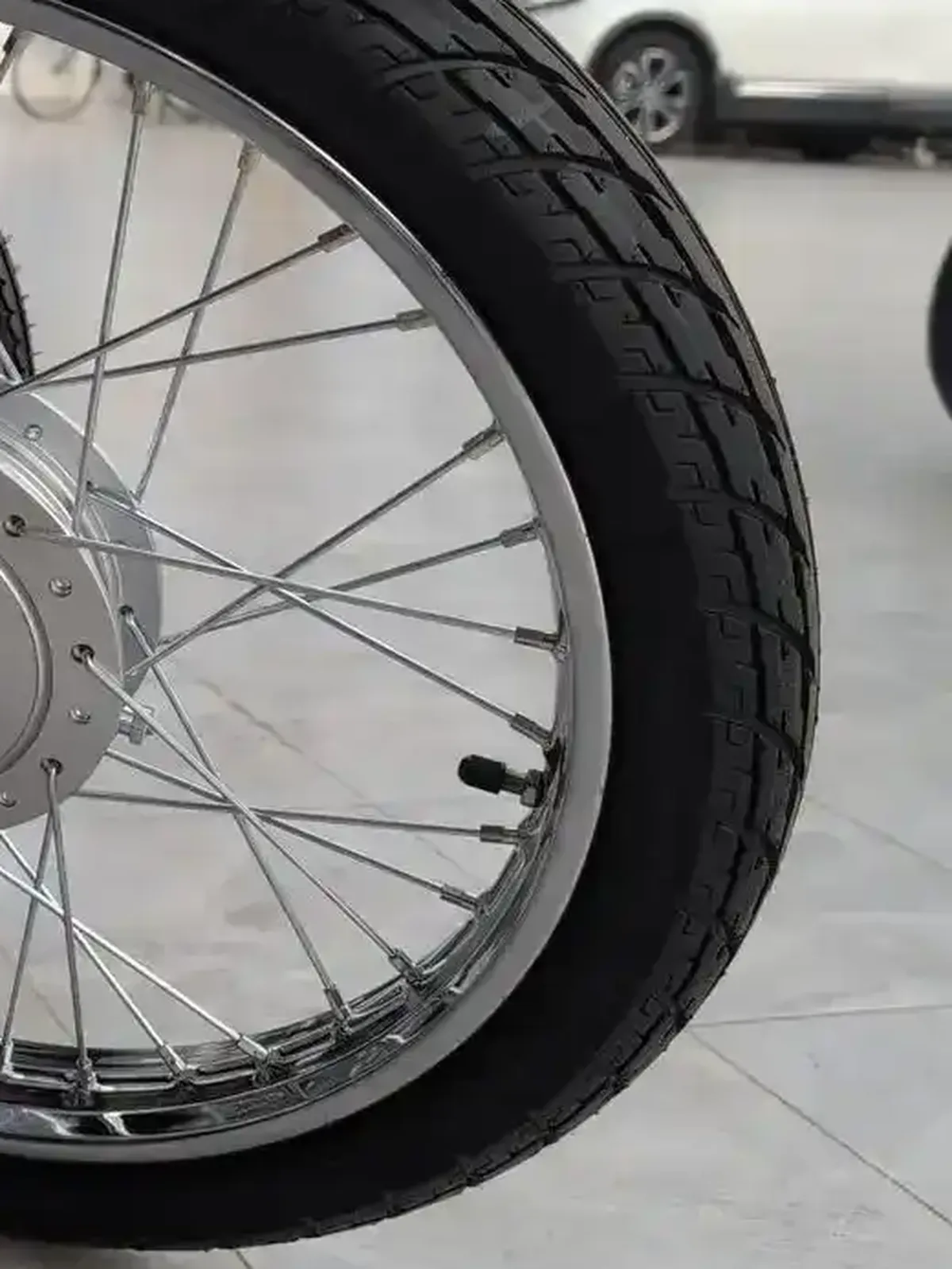
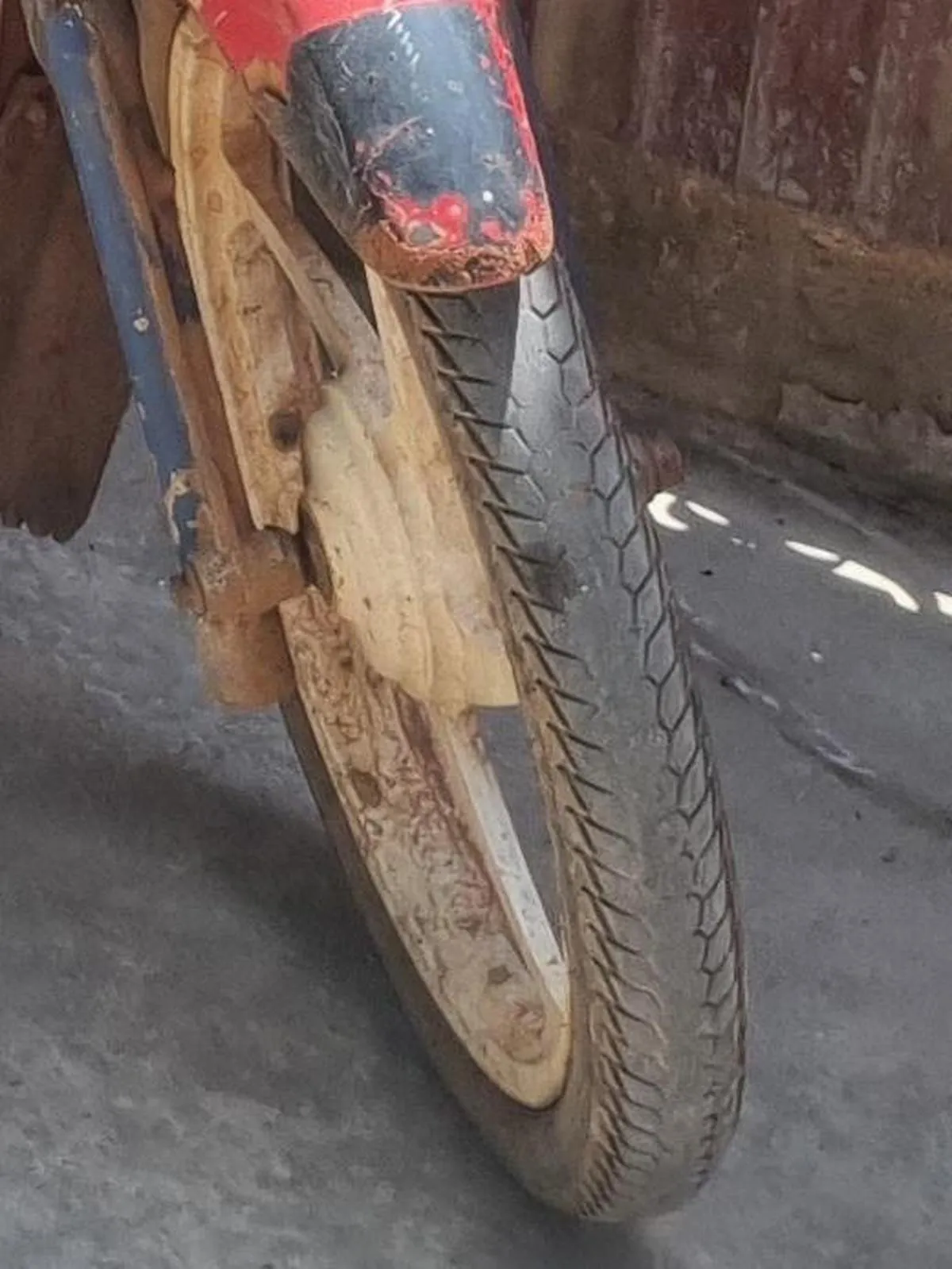
The front tire (via front brake) takes 80% of the braking force!
The Front tire (good for front brake) is more important than the Rear tire.
✅ Good Tire Tread
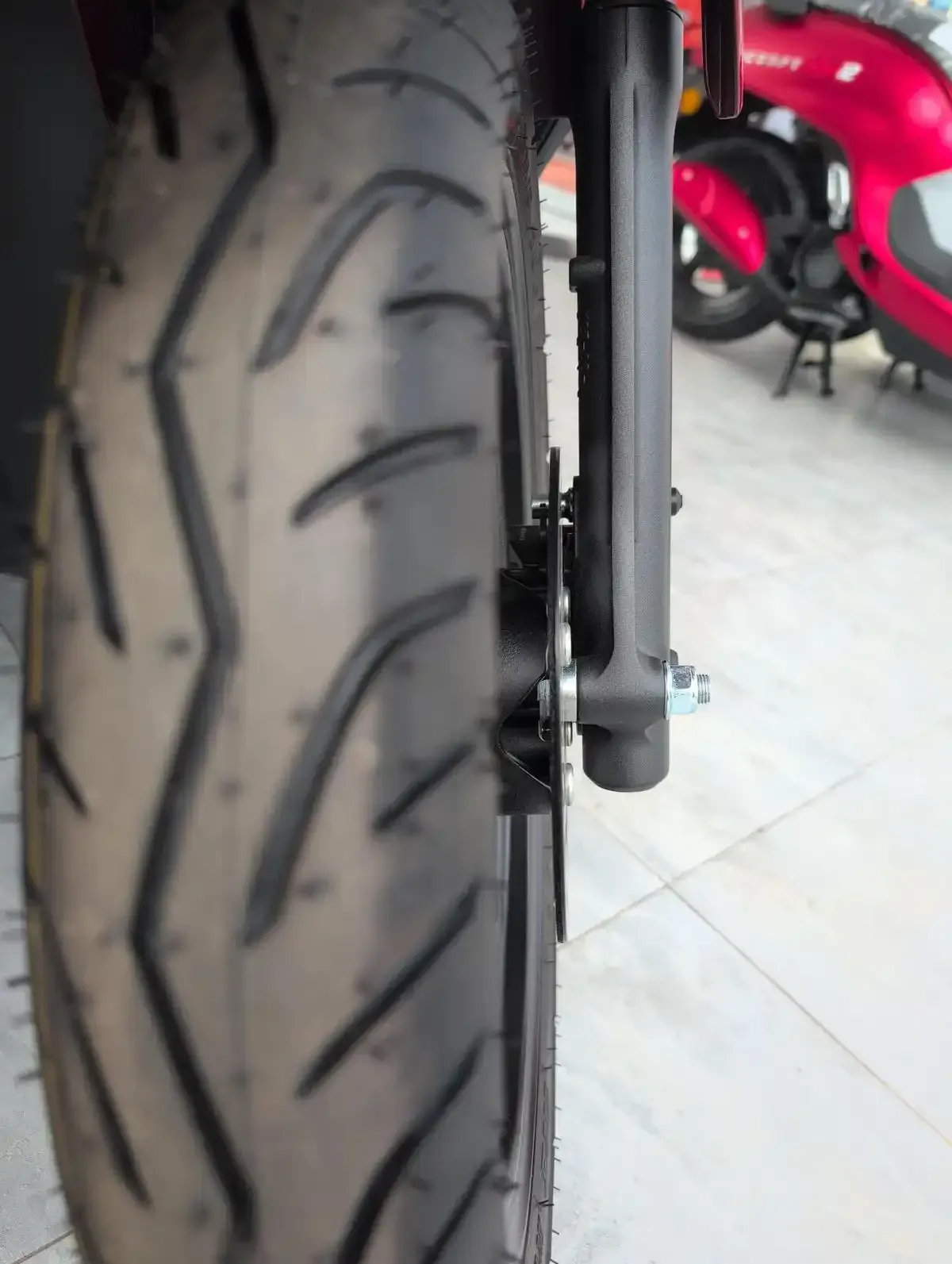
⛔ BAD Tire Tread
Mirrors
Lights
Fun Fact
Semi-Automatic motorbikes – like the Honda Wave – have an AC electrical system. The lights run on the alternator (same place the kickstart is located), not the battery. The horn, turn signals, and electric start run on the battery, though.
✅ So, the lights will not turn on unless if you start the motorbike.
✅ You can ride the motorbike without a battery inside, since it does not rely on it – it uses the alternator. You’ll have to kickstart the bike in order to turn it on, not use the electric start.
Automatic motorbikes use the battery (DC electric, no AC) for everything. You can kickstart (AC) the bike when the battery dies, and the alternator will charge the battery up.
Gas Tank
Kickstand
Kickstart (bikes w/ electric start also have a kickstart)
Make sure you know how to kickstart the bike in case if the battery drains (the electric start does not work with a drained battery). Some kickstarts are old and do not work well, so give it a try.
Tip
Automatic motorbikes can be hard to kickstart (the Semi-Auto are easier).
✅ Use both the electric starter + kickstart it at the same time. This works because you use the spark (in the spark plug) from the electric start + extra spark generated by the kickstart.
Kickstarting it alone, may not generate enough electrical spark to start the bike. So, use all that you have available to you (electric start + kickstart).
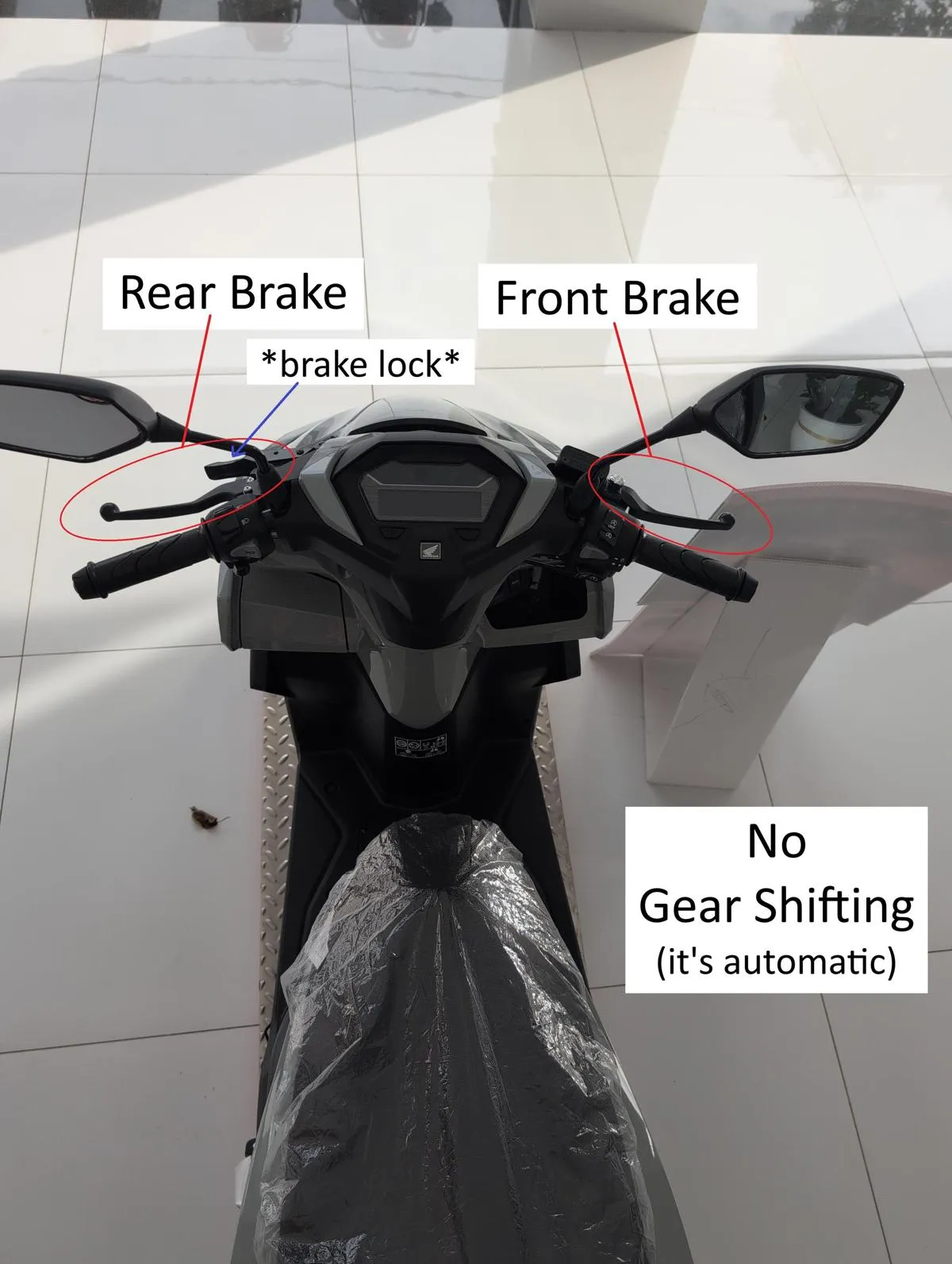
Know all of the control levers
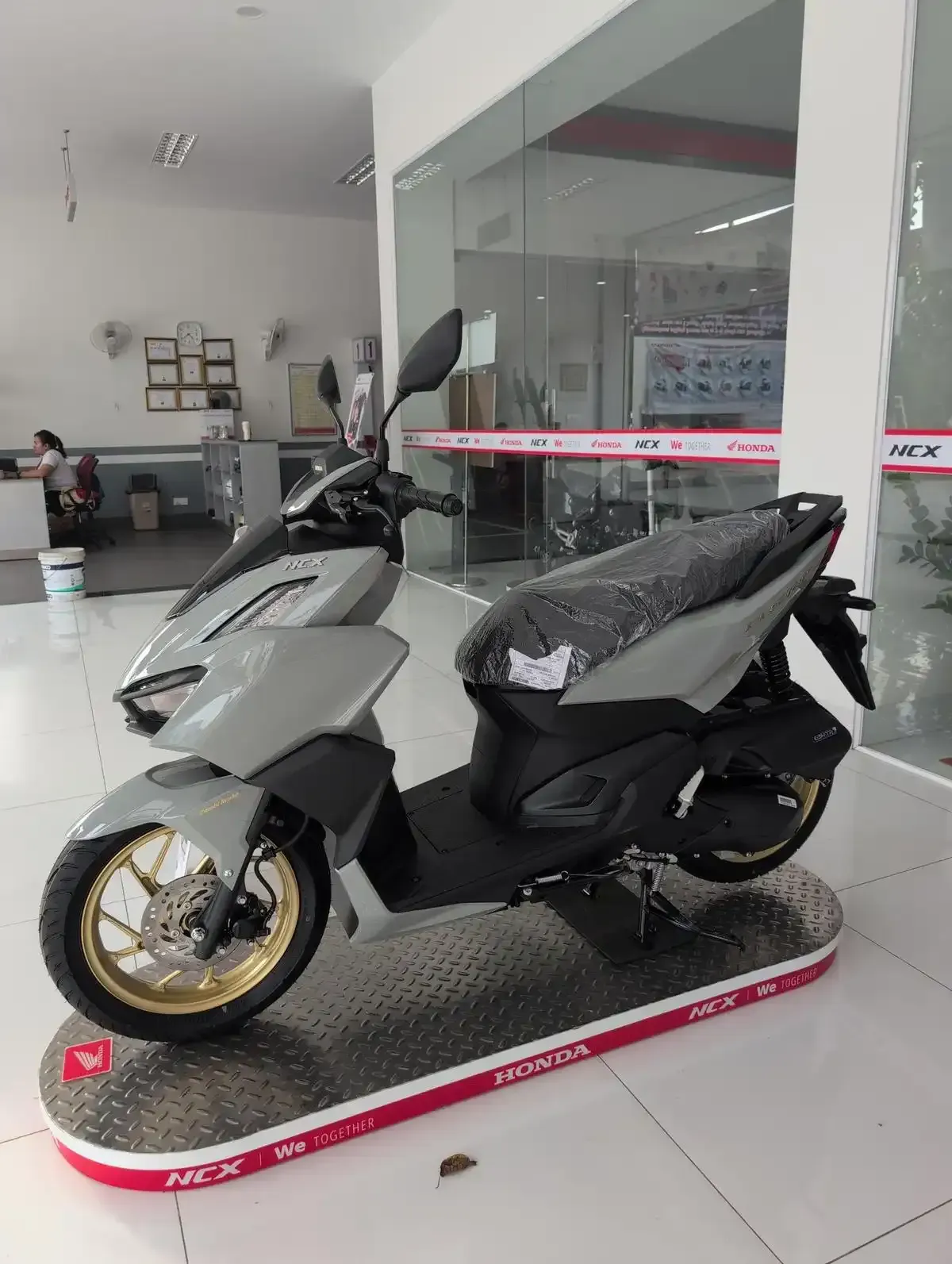
Automatic Motorbike
Semi-Automatic Motorbike
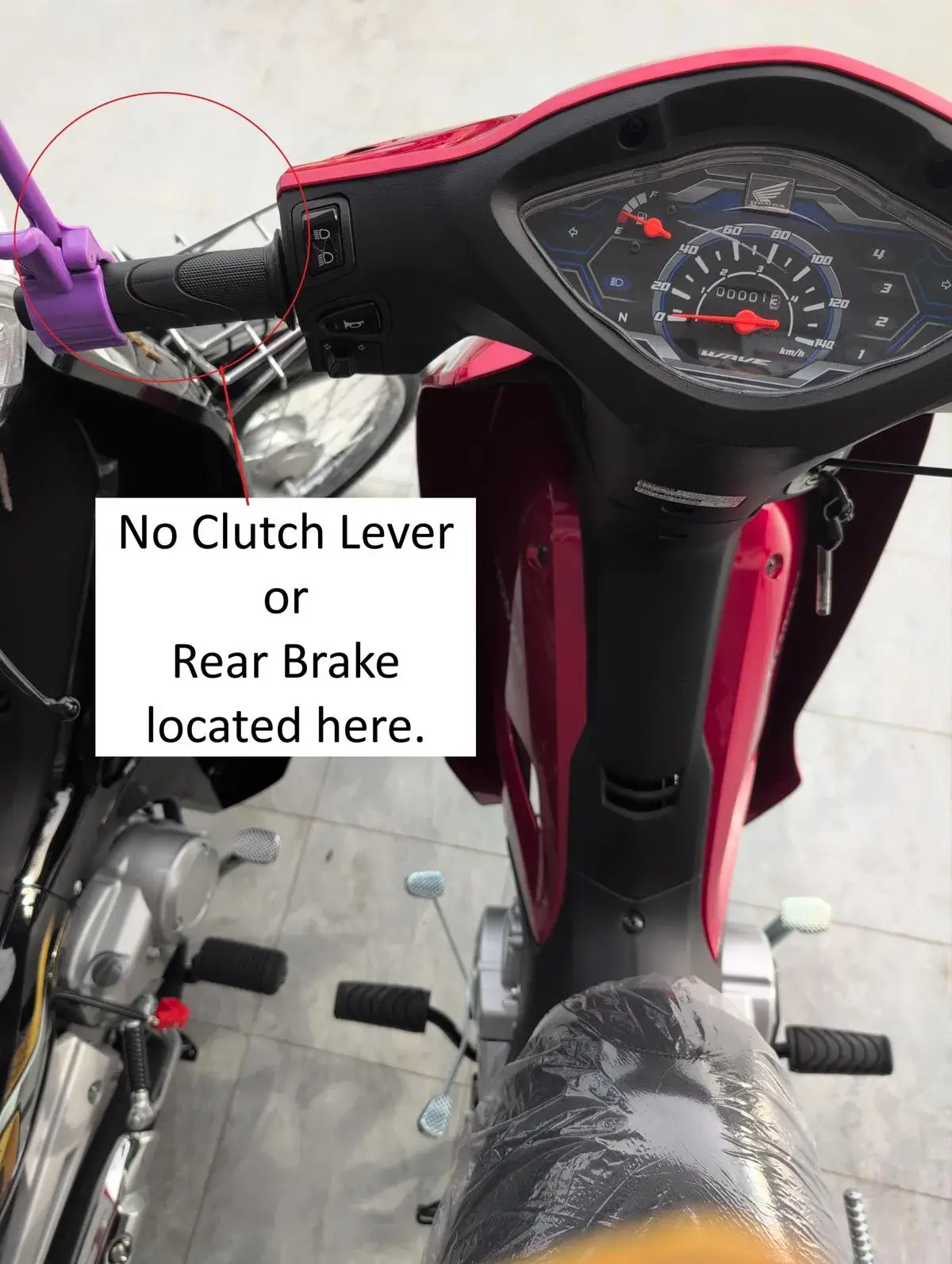
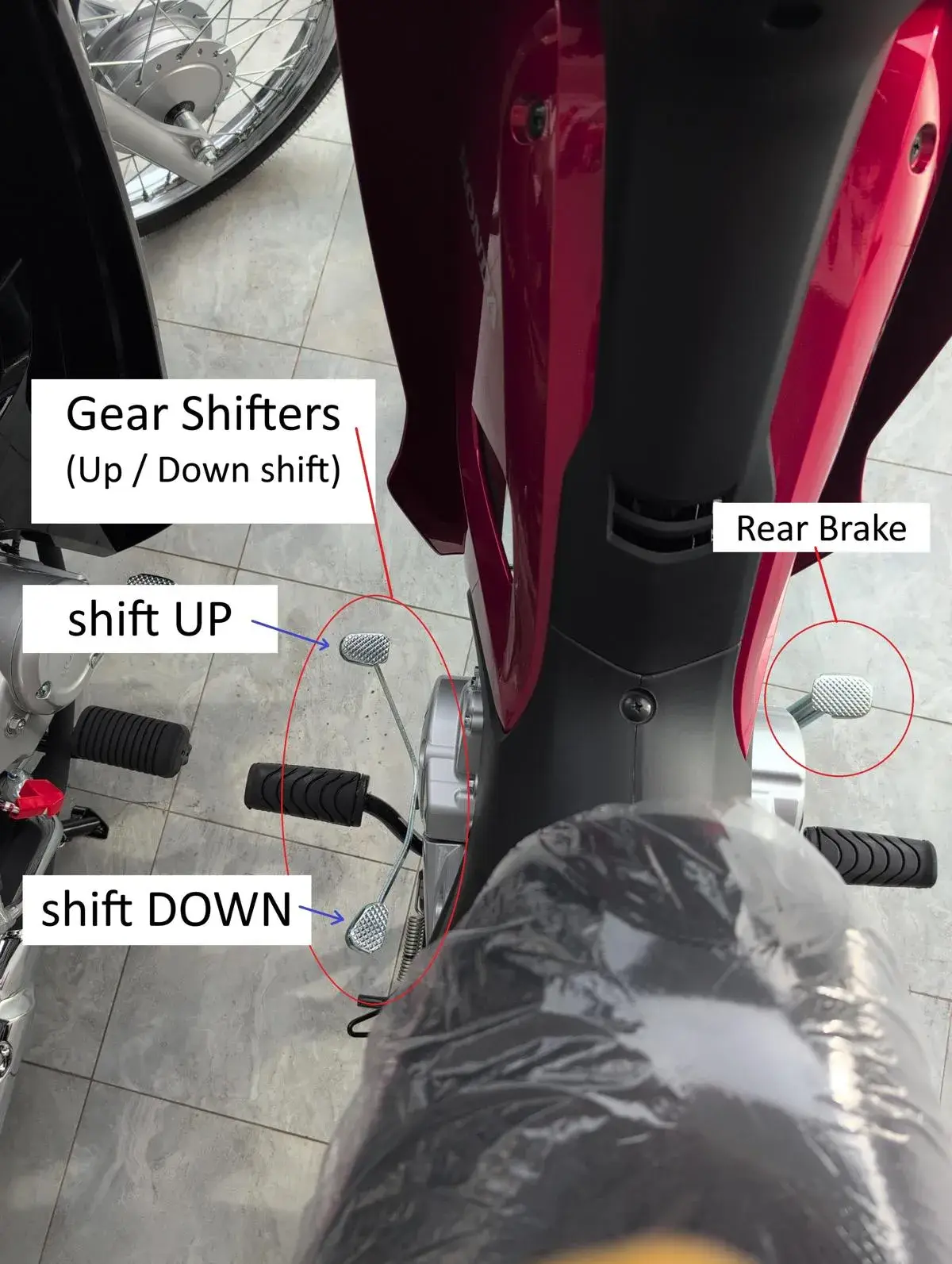
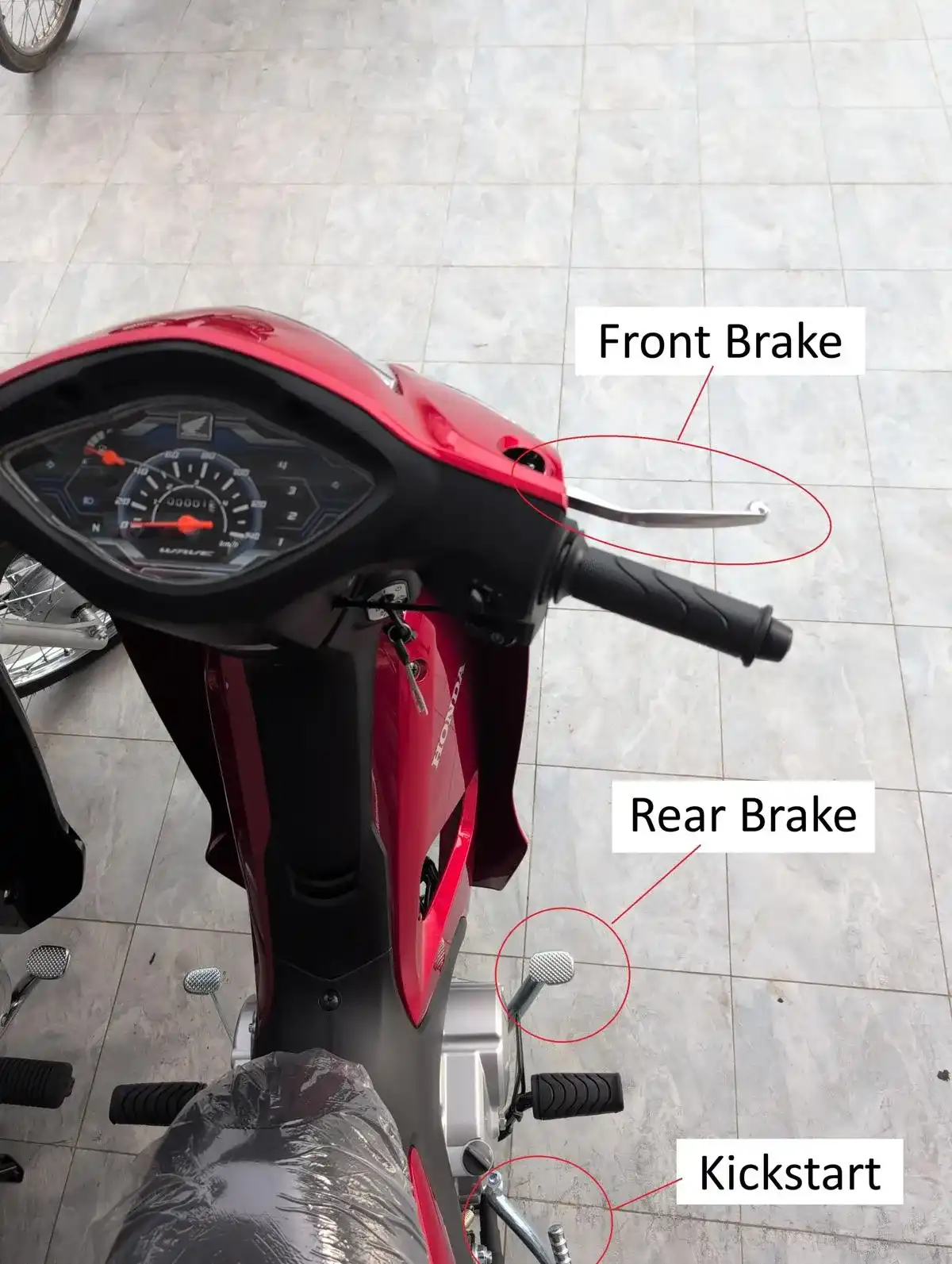
Manual Motorbike
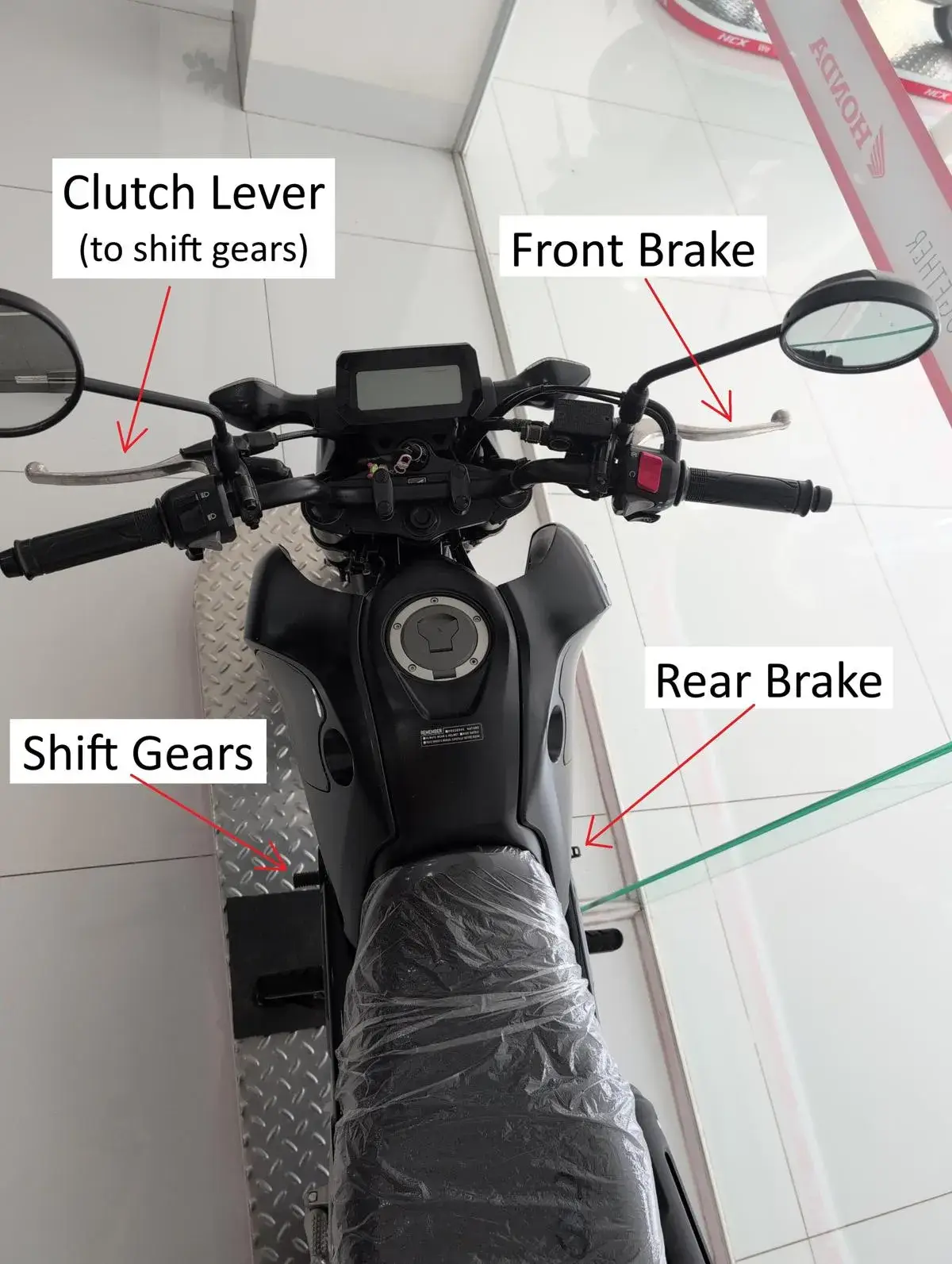
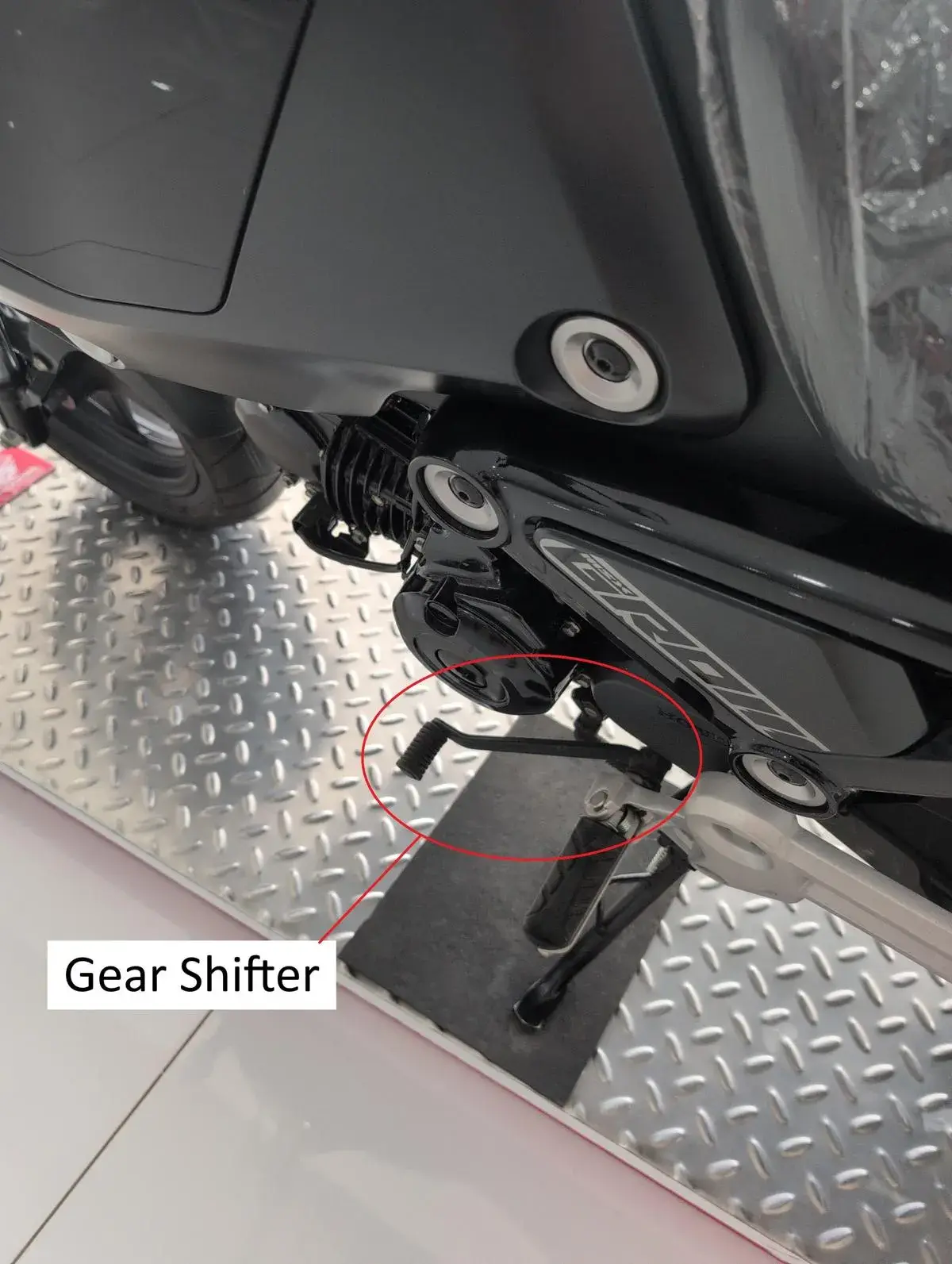
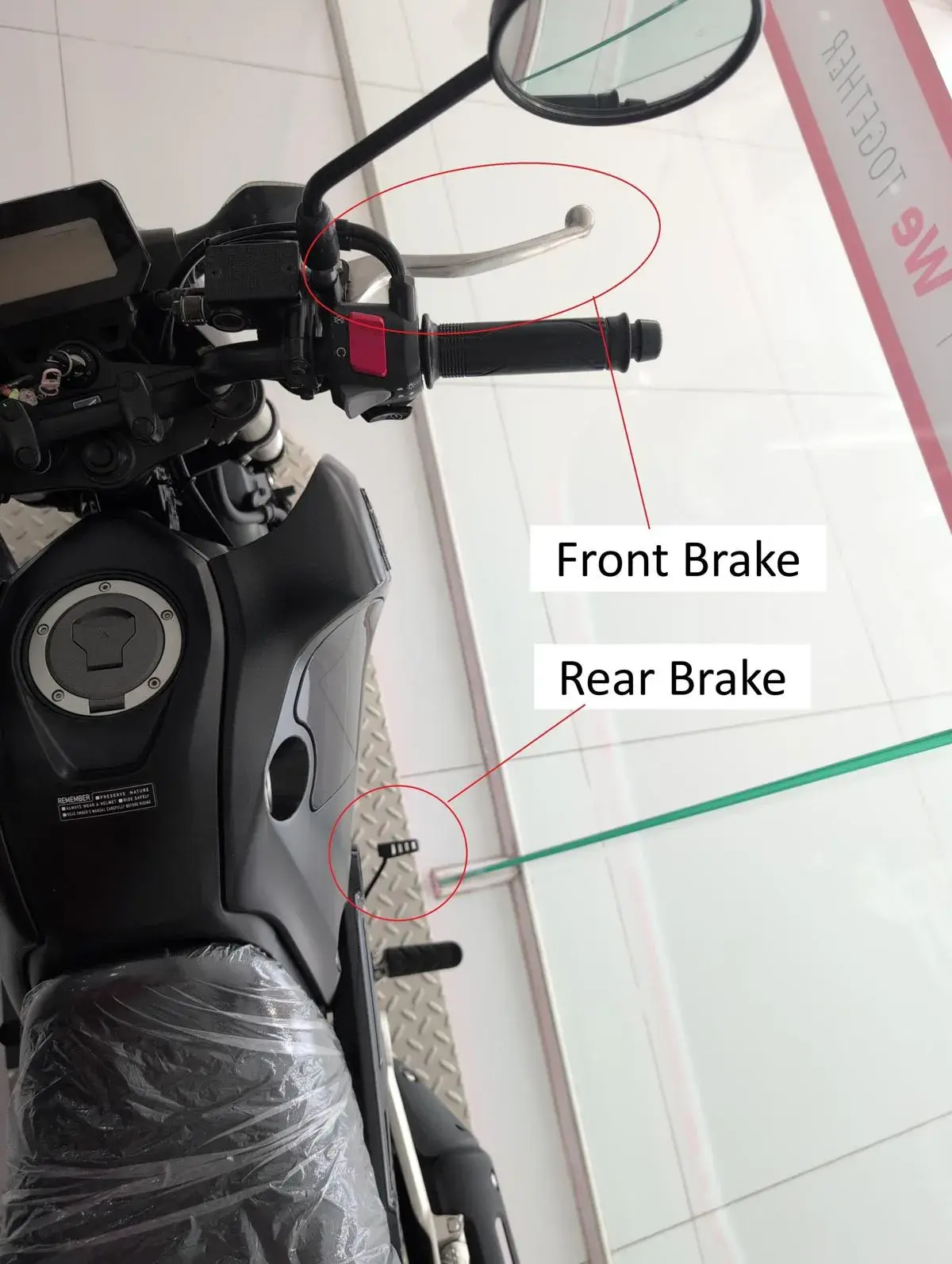
Worst Case Scenarios
You are in a foreign country. The below worst case scenario is a very real possibility.
Assume the answer is “No” to all of the below:
⫻
Communication
Q: Do you have a phone plan (not just internet) to make a call if something goes wrong?
Q: Do you have phone service?
Q: Do you know the emergency phone number to call? Search for Tourist Police and save their phone number.
Q: Do you speak the language to communicate your location or what is wrong? You cannot assume they will speak your language (English, etc.)
⫻
Help
Q: Do you think anyone will stop to help you? Culturally, people can be afraid to help, because they are afraid they will be blamed and must take responsibility for your accident, even when they had nothing to do with it and are helping from the goodness of their heart. People get left on the side of the road to die while people passing by ignore them – it really does happen, unfortunately.
Q: Culturally, if someone does help you will they require that you pay them before they initiate the help? *This might be rare, actually.*
⫻
Healthcare Emergency Treatment
Q: Do you expect that they have the ability to send an ambulance? Not every country has a reliable emergency infrastructure. This is especially true for cities in the countryside.
Q: Will you need to be air lifted from your location? And, how does that even work!?
⫻
Timely
Q: Do you expect the above to be done in a timely matter?
⫻
Quality
Q: Do you expect quality treatment and care, as if the medical facility has qualified professionals? Poor quality care and diagnosis can be a real issue outside of private or international hospitals.
⫻
Cost
Q: Culturally, will you be considered at fault of the accident? Thus, having to pay for anyone else’s medical and damage to possessions?
Q: Culturally, will you be pressured to pay more than the fair amount (i.e. exploited and seen as a walking ATM due to your nationality)?
*Healthcare treatment infrastructure can be extremely different than a developed country, so expect that.
As you can see, a bad situation can spiral out of control. It happens way more often than you’d care to think. You are vulnerable riding a motorcycle/motorbike/scooter in Southeast Asia.
How Accidents Happen
Riding with no protection (no helmet, no shirt on) feels liberating, but leads to safety vulnerability. You will be tempted to lower your guard, just as many of us do while riding in Southeast Asia.
You Are At Much Greater Risk If:
You Become A Danger When: