
Let’s get this research party started!
You have ideas on what you want, but have you done the research to make it happen?
There is a lot to think through, just thinking about getting started give you a headache? GemsOfTravel is here for you. We lay out the common issues and point you in the right directions.
Our posts have many links, so expect to go down the rabbit hole for a while. However, we assure you that it’s time well spent. Actually, you’ll save time and effort – GemsOfTravel is a one-stop-shop – we’ve got it all!
What Kind Of Tourist Are You?
Simple question, but it’s a lot to unpack! Adventure, working, relaxing, food tourism, etc. There are 101 ways to be a tourist, and maybe you have all 101 things on your bucket list to do.
Have an idea what you want to conquer on your trip or long-term stay. Then, search & research how to get it done.
Researching: Activities, Eateries, and Accommodation
Reviews Online
Tip
Bad reviews first! Start with the worst (lowest) reviews first. Do not ignore them – take them seriously!
Bad reviews read in Google Maps:
Note
You should not expect bugs crawling on you, but it’s normal in SE Asia to see some bugs in the shower sometimes. And, seeing a line of ants that found your food trash is normal, but not overly common.
Due to the construction methods bugs are actually very common, but manageable.
Fake reviews : It has been heard of for a business to ‘pay for good [fake] reviews online’, but that is hard to prove. Although, some reviews have several 5 star reviews with little to no wording explaining why they rated it well. Online reviews are subjective, so take them with a grain of salt.
Word Of Mouth
Word of mouth is powerful. You’ll meet people along the way, and you can share pointers with each other – where you’ve been and stayed, or names of certain shops and restaurants.
At minimum, you should try reaching out to other foreigners in public and sharing information – expats are often good about lending words of wisdom. Especially foreigners living/working/retiring in the Southeast Asian country you are in. They know the places to rent and places to go.
Online Blogs & Forums
There are so many blogs, videos, and forums on the internet that list “top things to do and eat”. It is assumed that you will do this. That information is not what this post is providing.
Transportation Booking & Border Crossing
When you purchase a ticket, be very clear of what the pickup and drop off points are for the bus/train. This can be done online or directly at the bus/train station.
When crossing borders by land, be clear about how it works, the expectations, and be prepared. The below post has all the information you need to know.
Location Of Your Accommodation
Location, location, location!
If you are going to stay in a place for a serious amount of time, then you are going to want to use care in choosing the location that you’ll stay in. Make sure the basics are within walking distance such as a convenience store for drinks and simple food. There’s a bit more to consider, though.
These posts discuss all about choosing the “perfect location” for you. Take these into consideration when traveling or living longer-term in Southeast Asia.
Renting for Longer-Term
In this post, you will see a list of keywords that you can use to search for accommodation in Southeast Asia. There are several types of accommodation, and they are not the same. Know your options, know the differences, and choose to your fancy.
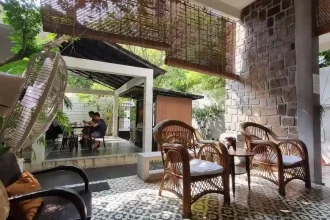
For house-hunting (searching for a rental), see these posts:
There all cultural differences between Western housing and Southeast Asian housing. These posts can be part of your research in what cultural housing difference to expect and adapt to.